REVIEW · HANOI
Sapa Trekking Tour 2 Days 1 Night By Bus
Book on Viator →Operated by Hanoi Green Travel · Bookable on Viator
Sapa in two days can feel like a reset button. This 2-day, 1-night trek tour mixes overnight comfort (homestay or hotel) with day-after-day village walking and cultural stops. You also start with pickup in Hanoi and go straight to Sapa on a sleeper bus, which matters if you want to spend your time hiking, not transferring.
I like that the tour is built around real people and real routines, not just viewpoints. You’ll visit villages tied to the Black H’mong, Dao, and Dzay communities, eat Vietnamese food that actually fits the trip, and even get a chance to swim at a waterfall stop. One drawback to consider: trekking can be rough in parts, and at least one village stop (Cat Cat) can feel touristy depending on the day and how much you dislike costume-photo tourism.
If you’re the type who enjoys guided storytelling and walking with a purpose, this trip can be a strong value for $85. The group stays small (up to 15), and guides like Vu, Koo, and Mu have stood out in how they explain everyday life, food, and local routines. Still, plan for muddy, uneven trails and don’t expect every stop to feel equally authentic.
In This Review
- Key things that make this tour worth your time
- Price and logistics: what $85 really buys you
- Hanoi to Sapa by sleeper bus: comfortable enough, but manage expectations
- Entering Sapa: meet your guide and choose your overnight style
- Day 1 trekking: Muong Hoa Valley, Black H’mong villages, and a proper downhill day
- The village stops that can make or break your mood
- Day 2 options: homestay morning life vs hotel breakfast and a longer trek
- If you stayed in the homestay
- If you stayed in a hotel
- Waterfall time and traditional food: don’t ignore the simple stops
- Group size, guides, and how your experience will likely feel
- What to pack and how to prep for the trail
- Accommodation choice: homestay vs 5-star hotel (and what to expect)
- Should you book this Sapa Trekking Tour 2 Days 1 Night By Bus?
- FAQ
- What’s the starting time for this tour?
- How long is the Sapa trekking tour?
- How much does it cost?
- Is pickup included in Hanoi?
- Do I get meals during the tour?
- What overnight options are available in Sapa?
- Is there any requirement for fitness or weather?
Key things that make this tour worth your time
- Sleeper bus + hotel pickup in Hanoi saves a chunk of hassle before trekking even starts
- Homestay or hotel gives you a real choice: simpler local life or more comfort
- Two different trekking days with set distances and valley walking time
- Village visits tied to Black H’mong, Dao, and Dzay communities (plus photo-friendly stops)
- Small group size (max 15) means you get more attention from your guide
- Meal plan on board and on land includes breakfast, dinner, and two lunches
Price and logistics: what $85 really buys you
Let’s start with the money. At $85 per person for roughly 2 days / 1 night, the value comes from bundling four things together: round-trip sleeper-bus travel from Hanoi, at least one guided overnight option, group trekking with meals, and the fact that the route is already structured with village stops. This isn’t just “take a bus and hope for the best.” It’s “show up, get guided, and walk.”
You also get a few practical perks that make the logistics feel lighter:
- Pickup offered in Hanoi Old Quarter area (your morning starts around 6:30 am)
- Mobile ticket (less paper fuss)
- WiFi on board during the sleeper bus ride
- Air-conditioned sleeping bus, plus you may find comfort items help on cooler mountain nights (a warming blanket came up as a welcome detail after rainy trekking)
The tour caps at 15 travelers, which tends to mean less waiting, fewer bottlenecks at meals, and easier group management on trails. And while the itinerary timing can vary with weather and conditions, the structure is consistent: bus to Sapa, trekking + meals, then return by bus.
You can also read our reviews of more tours and experiences in Hanoi.
Hanoi to Sapa by sleeper bus: comfortable enough, but manage expectations
This part is simple: you get picked up, transfer to the bus station, and depart for Sapa on a sleeper bus. You’ll arrive in Sapa town and meet your local guide.
Here’s the realistic take. Sleeper buses are never luxury, but the trip is designed to keep the day moving. The plan avoids you spending extra time in transit before your first trekking window. Still, one real consideration from past experiences is that bus driving speed and stops can affect how long the ride feels. If your schedule is tight, build in breathing room for delays like traffic or slow travel pace.
Tip for comfort:
- Pack something warm. Northern Vietnam weather can swing fast, and rain on the trek makes cool air feel colder.
- Keep valuables and essentials in a small day bag. Big luggage handling is often managed for you, but you still want quick access to water, layers, and a dry layer.
Entering Sapa: meet your guide and choose your overnight style
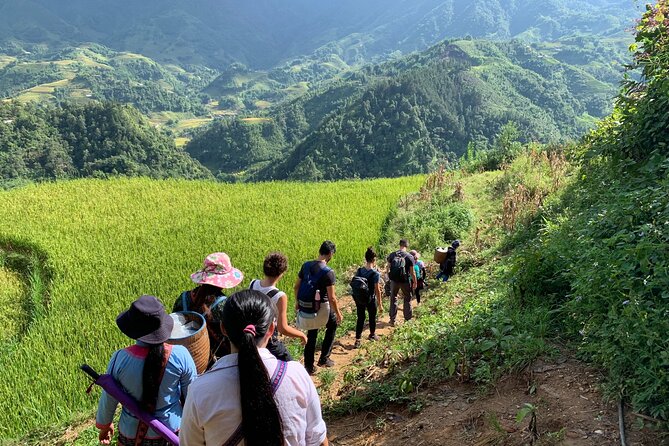
Once you arrive in Sapa, the tour shifts from transport mode to trekking mode. You’ll meet your local guide and then head into your overnight option.
You get a real fork in the road:
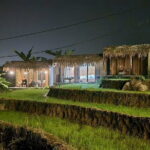
- Homestay option: expect a more local feel and the chance to see daily life up close
- Hotel option: more comfort and familiar routines
Why this choice matters: homestays can be the heart of a Sapa trip, but not everyone wants the shared spaces, simpler bathrooms, or living-with-a-family rhythm. If you’re coming from Hanoi and you want to recover properly after walking, the hotel option can make day two easier on your body. If you want the cultural experience to start immediately, homestay is the smarter bet.
Day 1 trekking: Muong Hoa Valley, Black H’mong villages, and a proper downhill day

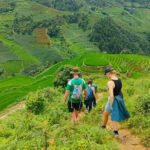
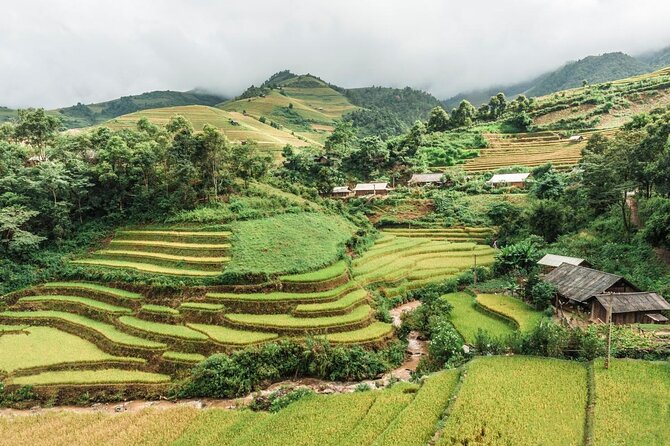
Day 1 is built around a downhill trek, starting into the Muong Hoa Valley. You begin around mid-afternoon and walk toward the Black H’mong village of Lao Chai, trekking roughly 12 km depending on route conditions and pacing.
You’ll also pass through areas like Y Linh Ho and Lao Chai, and the route is the kind of walking where you feel the valley shape. Downhill trekking sounds easy on paper, but rough trail sections can make your knees complain, especially if you’re not used to uneven stone or slippery mud after rain.
What makes Day 1 satisfying is the blend:
- walking through villages and seeing how settlement patterns follow terrain
- meeting locals in everyday settings
- getting cultural context from your guide (guides such as Vu and Koo have been praised for explaining not just where you are, but why things look the way they do)
Food shows up in the right places too. You’re not starving between scenic moments. Lunch is included (and there’s typically a plan for dinner on the overnight day).
The village stops that can make or break your mood
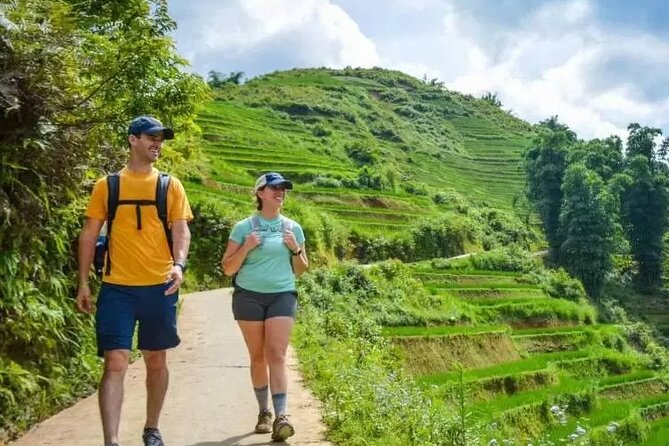
Sapa village tours often walk a line between authentic life and tourist staging. This one includes a set of named areas in its overview—Cat Cat, Giang Ta Chai, and Su Pan—and that’s where your personal preference matters.
I recommend you go in with this mindset: some villages are more “you’re living here” and some are more “you’re visiting here.” Cat Cat, in particular, has been flagged as something you may want to treat cautiously if you hate costume-photo tourism. Even so, it can still work if you’re focused on people-watching and local dynamics rather than chasing a perfect authentic-only scorecard.
A practical approach:
- Spend your attention on how people move through the space—daily work, selling items, family routines—rather than only what people wear for visitors.
- If you’re bothered by constant souvenir selling, know that it can happen on trekking routes, especially when groups look predictable.

Day 2 options: homestay morning life vs hotel breakfast and a longer trek
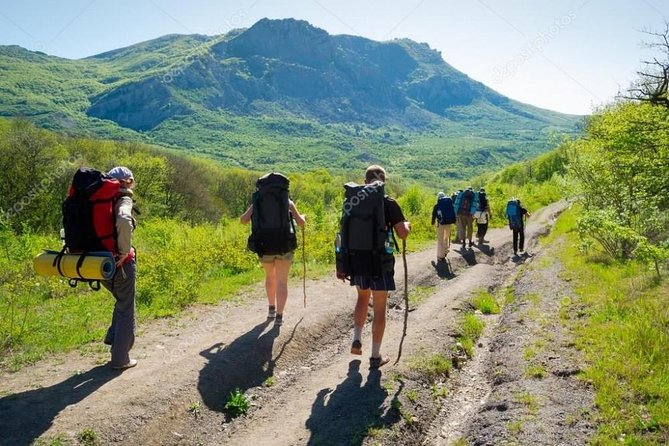
Day 2 splits by overnight style, and that affects both your morning and your route distances.
If you stayed in the homestay
You start with a morning built for observation and connection: you’ll wake up early, experience Dzay daily life, then have breakfast with the Dzay family. After checking out, you start a trek that’s described as 6–8 km into a route named only partly in the program (it begins with Ho…).
This is where the tour can feel most meaningful if your goal is cultural exchange. Breakfast with a family isn’t just food—it’s how you learn what they prioritize and how mornings work in a household.
If you stayed in a hotel
You have breakfast at the hotel, check out, then start a trek that’s described as 12 km down toward Muo… (again, the name is incomplete in the program, but the idea is a longer downhill route).
Hotel mode can be a relief if you want a cleaner routine, more predictability, and less “in-family” interaction. The tradeoff is that the cultural morning won’t be as hands-on as the homestay option.
Waterfall time and traditional food: don’t ignore the simple stops
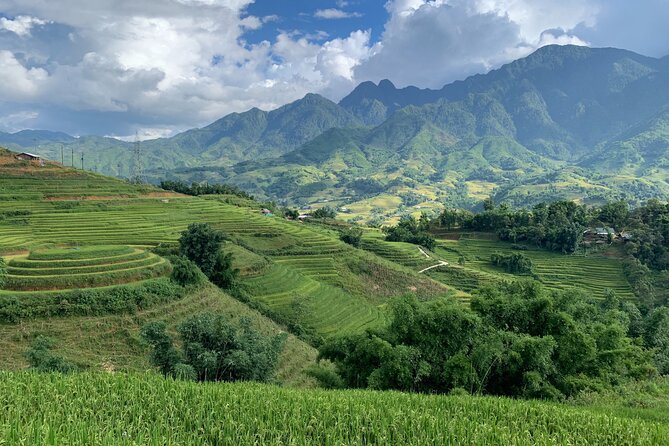
The tour overview mentions swimming by a waterfall and time for traditional Vietnamese food. Even if you don’t swim, the value is the break from constant trail-only focus. Waterfall stops often become a reset moment: rest, photos if you want them, and a chance to cool down or rinse off.
Traditional food matters for trekking tours because it keeps energy steady. The included meals—breakfast, dinner, and lunch (2)—are part of why this tour stays manageable even when trails feel tough.
Group size, guides, and how your experience will likely feel
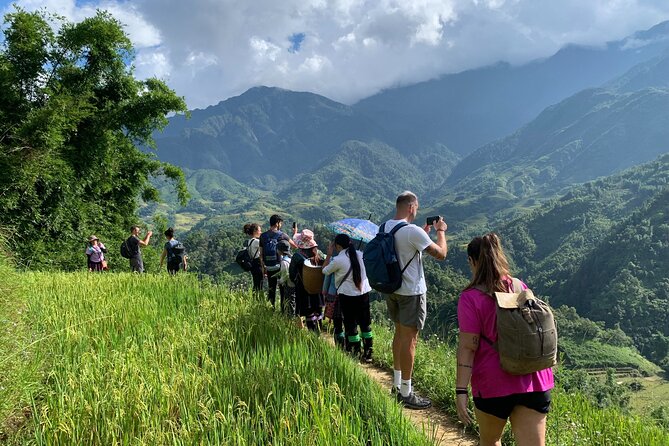
This trip runs with a maximum of 15 travelers, and that makes a difference in real life. On smaller groups, guides can adjust pacing, answer more questions, and keep the group together without long waits.
Guide quality is a highlight here. Names that came up with strong praise include:
- Vu, noted for sharing cultural information and being helpful
- Koo, praised for guiding and handling trekking demands
- Mu, mentioned for a chill, friendly guiding style
In practical terms, good guiding means you won’t just follow steps—you’ll understand what you’re seeing. And on a Sapa trek, that understanding turns “nice walk” into “I get it.”
What to pack and how to prep for the trail

The program asks for moderate physical fitness, and some routes can be rough in parts. Based on that, I’d prep like this is real trekking, not a casual stroll:
- Good traction shoes (you’ll want grip for muddy or uneven segments)
- Rain layer even if the forecast looks okay, because trekking in wet conditions was specifically mentioned as a reality
- A warm layer for evenings in the highlands and after rain
- Water and snacks if you’re the type who needs extra calories beyond included meals
- A small towel or quick-dry cloth, especially if there’s a waterfall stop
Also: consider how your body handles downhill. Even if the trek is technically “down,” knees and ankles do the work.
Accommodation choice: homestay vs 5-star hotel (and what to expect)
The tour offers a range of overnight accommodation options, from homestay to 5-star hotel depending on what you select.
Here’s the honest tradeoff:
- Homestay gives you proximity to local life and morning access (especially on Day 2 with Dzay family breakfast). It’s the more memorable cultural part.
- Hotel gives you comfort and easier recovery, which can help if you’re trekking at the limit of your comfort zone.
Either way, the tour is designed so you’re not scrambling for lodging after the bus ride. That’s a big deal when you’re tired.
One minor comfort note from earlier experiences: some people wished the bus bed trays were cleaner. That’s the kind of detail that doesn’t ruin the trip, but it’s worth knowing if you’re picky about hygiene.
Should you book this Sapa Trekking Tour 2 Days 1 Night By Bus?
I’d book this tour if you want:
- a guided Sapa trek with village visits in a tight time window
- the convenience of Hanoi pickup + sleeper bus
- a small group experience (max 15)
- a real choice between homestay cultural access and hotel comfort
I might pass if:
- you dislike uneven, muddy trekking and want only easy walking
- you strongly prefer village stops with minimal “tourism staging,” since Cat Cat has been flagged as less appealing for authenticity seekers
- you’re very sensitive to frequent souvenir selling on village routes
Bottom line: for the price, this is a practical way to get north Vietnam highland trekking without turning your trip into a logistics project.
FAQ
What’s the starting time for this tour?
The start time is listed as 6:30 am.
How long is the Sapa trekking tour?
It’s 2 days (approximately).
How much does it cost?
The price is $85.00 per person.
Is pickup included in Hanoi?
Yes. Hotel pickup is offered in Hanoi.
Do I get meals during the tour?
Yes. Breakfast and dinner are included, plus lunch (2).
What overnight options are available in Sapa?
You can choose between a homestay or a hotel, with options ranging from simpler stays up to 5-star hotel depending on your selected option.
Is there any requirement for fitness or weather?
You should have moderate physical fitness. The experience also requires good weather, and if it’s canceled due to poor weather, you’ll be offered another date or a full refund.
If you tell me your comfort level with downhill trekking and whether you prefer homestay or hotel, I can help you pick the better option for Day 2.