REVIEW · HANOI
From Hanoi: 2-Day Luxury Sapa Trekking Tour with Homestay
Book on GetYourGuide →Operated by MOC MIEN RESORT SERVICES COMPANY LIMITED · Bookable on GetYourGuide
Sapa is short on comfort, long on wow. This 2-day guided trekking trip from Hanoi pairs village life in Ta Van with hikes through Y Linh Ho, Lao Chai, and the Muong Hoa Valley area, all with a proper homestay night. I especially like the combo of Y Linh Ho and spring roll cooking because it turns the mountains into real people and real routines, not just scenery.
There’s one key consideration: this is a moderate-high effort trek. You’re looking at about 9 miles (around 15 km total) across two days, plus early mornings, sun exposure, and uneven paths.
In This Review
- Key Things to Know Before You Go
- Night Bus to Sapa: Sleeping, Snacking, and Getting Ready for the Trail
- Day 1: Y Linh Ho to Lao Chai, Then Ta Van Homestay Life
- Ta Van Cooking Class: More Than a Fun Activity
- Day 2: Trek to Giang Ta Chai and the Red Dao Communities
- How Hard Is It, Really: Distance, Terrain, and Fitness Check
- What’s Included in the $110, and What You’ll Still Pay For
- Who Should Book This Trek (and Who Might Want Another Option)
- Should You Book This 2-Day Sapa Luxury Trek With Homestay?
- FAQ
- How long is the trekking portion?
- What are the main areas you visit during the trek?
- What time does the tour start from Hanoi?
- What time do you return to Hanoi?
- What’s included in the price?
- Are meals included?
- Does the tour include coffee and soft drinks?
- What language are the guides?
- Who should not join this tour?
Key Things to Know Before You Go

- VIP cabin sleeper bus means you start the trek without wasting a full day in transit
- Black H’mong villages on Day 1: Y Linh Ho and Lao Chai, with a short crossing that connects you toward Muong Hoa Valley
- Ta Van homestay time block for rest, wandering, and a hands-on spring roll cooking class
- Red Dao community visit on Day 2 at Giang Ta Chai, with trekking through two Red Dao communities
- English-speaking guide focused on keeping the group moving and safe
Night Bus to Sapa: Sleeping, Snacking, and Getting Ready for the Trail

Your journey starts in Hanoi around 9:30 PM. You’ll get picked up at Hanoi Capsule Station or a hotel in the Old Quarter, then settle into a sleeper bus ride that’s designed for comfort. The goal is simple: arrive early enough to start trekking while the air is still cool.
You reach Sapa around 4:00 AM, then there’s a short window to reset. The schedule calls for rest until about 6:00 AM, which matters more than you might think. After an overnight ride, those extra hours are what keep your legs from feeling destroyed before the first real walk.
This is where I think the tour’s value shows. At $110 per person, you’re not paying separately for round-trip transport plus a guided homestay trek. You’re buying the whole rhythm: night travel, an early start, and meals handled for you. You’ll still want to manage your own hydration and snacks, but you won’t be figuring out logistics while tired.
You can also read our reviews of more tours and experiences in Hanoi.


Day 1: Y Linh Ho to Lao Chai, Then Ta Van Homestay Life

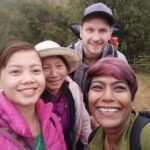
Day 1 starts at 6:00 AM with a guide picking you up to freshen up and eat breakfast. From there, you begin hiking around 8:00–8:30 AM, heading southeast of Sapa toward Y Linh Ho, a Black H’mong village.
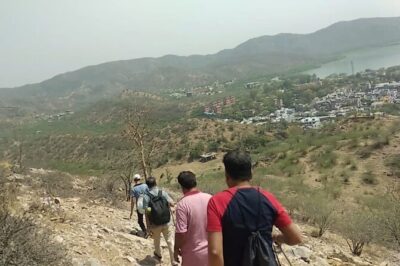
You’ll do a ~6-kilometer hike first, and this stretch is a good warm-up for how the trek works: steady moving, frequent village context, and paths that follow the contours of the valley. Y Linh Ho isn’t just a photo stop. It’s a village visit timed so you can slow down enough to take in how people live around the greenery and fields.
After exploring Y Linh Ho, you continue for about 3 kilometers to Lao Chai. This is also where the route description gets specific: you’ll cross a small tunnel or bridge that helps connect you toward the Muong Hoa Valley area. That’s the kind of detail that’s useful as you plan shoes and grip. It’s not a paved walk, and it’s not meant to be rushed.
Then comes lunch and downtime. At 12:30 PM, you eat in Ta Van village, and after that you check in and rest. One of the smartest parts of the schedule is the afternoon breathing room. You’re not hiking from one village to another all day. You get a chance to recover, and that recovery is what makes the next day feel manageable.
If you want extra walking without committing to a full-on hike, the guide can take you to terraced areas and streams around Ta Van. Later, around 4:00 PM, you’re back at the homestay, which keeps the day from stretching into something exhausting.
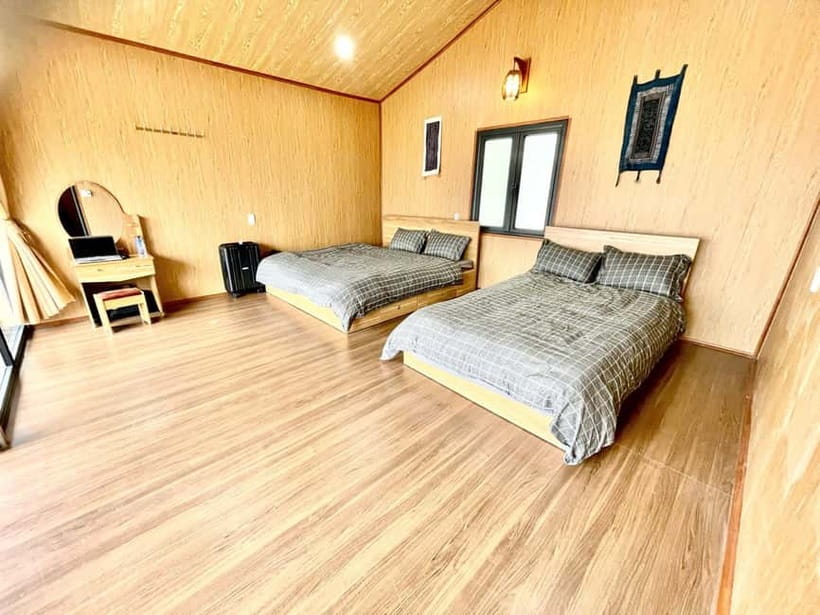
The evening is where the tour becomes more personal. You can join a cooking class to make Vietnamese spring rolls, then have dinner and sleep in a private room at the homestay in Ta Van. In reviews, guides such as Zem and Sou are called out for keeping things organized and teaching you in a way that makes the cultural parts feel practical, not awkward.
Ta Van Cooking Class: More Than a Fun Activity

You’ll likely remember the trek, but the homestay night is what makes this feel like a cultural experience instead of a conveyor-belt day. The schedule gives you a real block of time at Ta Van, and it includes a cooking session focused on traditional spring rolls.
Here’s why I think this matters for value: when you’re in a village setting, your brain needs something structured to latch onto. Cooking does that. You learn small routines—what goes into the rolls, how locals work through the steps, and what food means in daily life.
You also get a built-in moment to ask questions. If you’re the type who likes to understand how people live, this is your easiest opening. You don’t need to be an expert on ethnicity or agriculture to ask good questions. You just need curiosity and a willingness to try.
One more practical point: a cooking class plus dinner means you’re less likely to be hunting for food on your own after a long day. That’s one of those hidden benefits when you’re hiking in Northern Vietnam, where timing can get messy.
Day 2: Trek to Giang Ta Chai and the Red Dao Communities
Day 2 begins at 7:00 AM with breakfast at the homestay. Then you’re out again by 8:00 AM, heading for Giang Ta Chai.
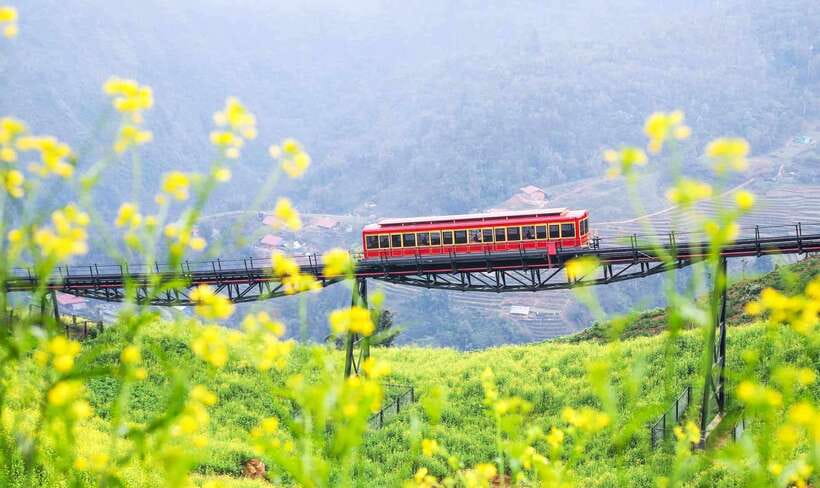
The listed trek distance is about 8 kilometers, and the route goes through two Red Dao communities. This is one of the best parts of the itinerary because the tour doesn’t just repeat the same scenery. You’re moving between ethnic communities with different cultural markers, and the hike gives context for why settlements sit where they do.
The walking continues through the morning, and by 12:00 PM you’ll have lunch and rest at a local restaurant. This timing is important. It prevents the day from turning into a late-afternoon push, which is when fatigue starts to slow you down and affect your balance on uneven ground.
At 2:00 PM, you return to Sapa Town by car, then board a VIP cabin bus for the trip back to Hanoi, usually departing in the 3:00–3:30 PM window. You reach Hanoi around 10:00 PM, finishing the tour and dropping you in the Old Quarter area.
This matters if you’re chaining days in northern Vietnam. You get back to a place where you can continue your itinerary without spending the entire night figuring out transport.
How Hard Is It, Really: Distance, Terrain, and Fitness Check
The tour’s own guidance says it involves about 9 miles (around 15 km) total over two days and calls for moderate-high fitness. That’s not a casual stroll, but it’s also not the kind of treeline expedition where you need hardcore conditioning.
From the schedule, you can think of it like this:
- Day 1: roughly 9 km worth of trekking segments (6 km to Y Linh Ho plus ~3 km onward to Lao Chai), plus village walking time
- Day 2: listed as about 8 km to Giang Ta Chai, with breaks and village context built in
In reviews, some people described the day distances a bit differently, likely because of pacing, time spent waiting, and how long you stop for photos and conversation. The practical takeaway is the same: you’re hiking long enough that your shoes and hydration matter.
What keeps the difficulty reasonable is the structure. You get breakfast before the big walking blocks, lunch at the village/restaurant points, and rest in Ta Van. Guides also matter here. People specifically praised guides like Mao Co for being considerate, which usually means they don’t let the group get too spaced out and they adjust pacing when someone’s struggling.
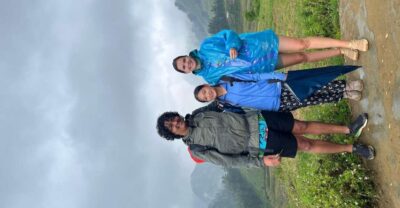
If you want this to feel fun instead of punishing, bring the right gear and plan for weather. The area can be sunny and hot, and it can also get damp, so rain gear, sunscreen, and a hat are not optional. The packing list also suggests biodegradable insect repellent, which is smart because timing and humidity can bring bugs out when you’re resting near streams.



What’s Included in the $110, and What You’ll Still Pay For
Let’s talk value, because the price is what makes people hesitate. At $110 per person, this feels reasonable mainly because the big-ticket logistics are handled: round-trip sleeper bus Hanoi–Sapa, a homestay night, meals, and an English-speaking guide.
Included items:
- Guide support across both trekking days
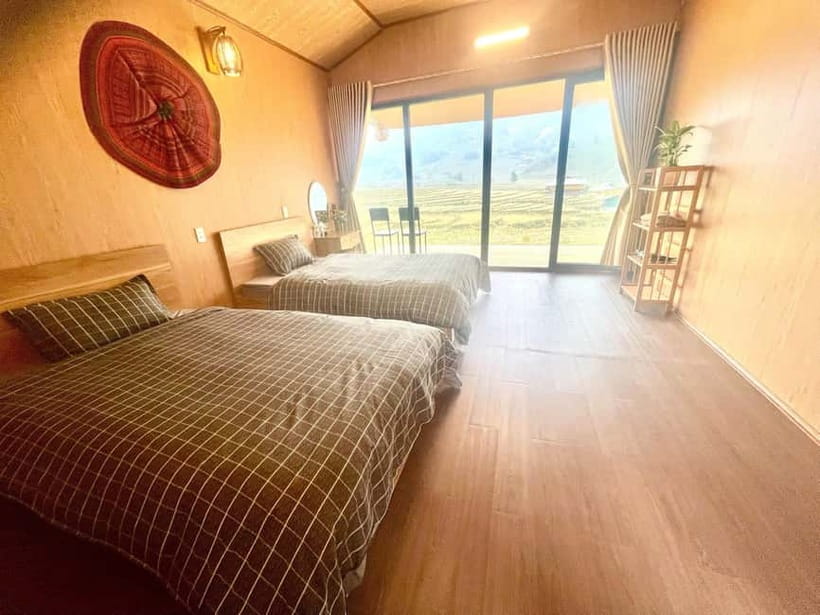
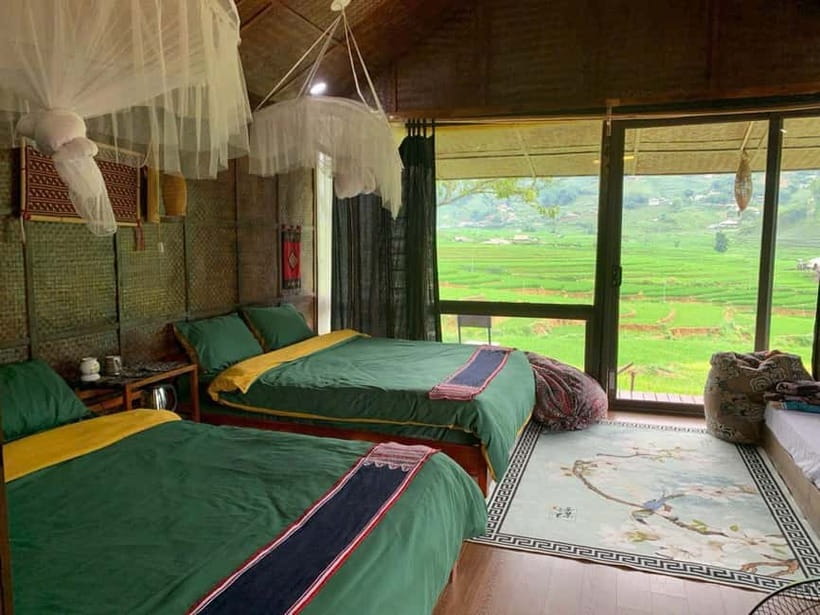
- 1 night homestay (private room)
- Round trip sleeper bus Hanoi ↔ Sapa
- Meals during the trip
- Scheduled sightseeing tickets
Not included:
- Coffee and soft drinks
- Insurance
So where does your money go? Mostly into getting you from Hanoi to the trailhead and back without wasting the day. In a place like Sapa, transport timing can make or break the experience. This tour solves that with scheduled bus rides, including a VIP cabin bus on the return side. You’re essentially paying for time, organization, and local guidance, not just walking.
If you typically travel with a tight food budget, remember that meals are included, but you might still want extra drinks. Coffee or soft drinks aren’t covered, and you’ll want water on hand while trekking.
Who Should Book This Trek (and Who Might Want Another Option)
This tour fits best if you:
- Like village visits and don’t mind hiking as the main activity
- Want a homestay night with structured cultural time, including spring roll cooking
- Can handle an early start after an overnight bus ride
You might want to skip it if you’re in a situation where long days and uneven paths are an issue. The tour states it’s not suitable for wheelchair users and not suitable for pregnant women, and it also lists an age limit of not for people over 95 years. That’s about safety and mobility, not “comfort level.”
If you’re debating “medium vs hard,” use the tour’s guidance: it’s moderate-high fitness. One review suggested it felt more medium than advanced, which is encouraging, but that still depends on your comfort with long-distance walking and heat.
Should You Book This 2-Day Sapa Luxury Trek With Homestay?

I’d recommend booking if you want a Sapa trip that feels real and organized, with a homestay night and a guide who helps you connect the hiking route to village life. The standouts are the village-focused itinerary, the Ta Van spring roll cooking class, and the fact that your transport and meals are built in.
Pass if you’re hoping for an easy walk or you need a very flexible schedule. This is a structured two-day hiking plan with early starts, a real distance commitment, and time outdoors.
If you book, do it with one goal in mind: finish each day feeling proud of your legs, then enjoy the homestay evening as the reward.
FAQ
How long is the trekking portion?
You’re hiking for about two days. The guidance says the activity involves about 9 miles (around 15 km) total across the two days.
What are the main areas you visit during the trek?
Day 1 covers Y Linh Ho and Lao Chai (Black H’mong villages) and includes time in Ta Van. Day 2 focuses on trekking to Giang Ta Chai (Red Dao village communities).
What time does the tour start from Hanoi?
Pickup in Hanoi is scheduled for around 9:30 PM, with arrival in Sapa at about 4:00 AM.
What time do you return to Hanoi?
The return day includes a car ride back to Sapa town around 2:00 PM, then a VIP cabin bus to Hanoi. You arrive in Hanoi around 10:00 PM.
What’s included in the price?
The price includes a guide, 1 night homestay, round-trip sleeper bus between Hanoi and Sapa, meals, and scheduled sightseeing tickets.
Are meals included?
Yes. The itinerary includes breakfast, lunch, and dinner as part of the tour schedule.
Does the tour include coffee and soft drinks?
No. Coffee and soft drinks are not included.
What language are the guides?
The tour is listed as English.
Who should not join this tour?
It’s not suitable for pregnant women, wheelchair users, and people over 95 years old.