REVIEW · HANOI
From Hanoi: 2-Day Sapa-Fansipan Peak & Trek & Ha Giang Bus
Book on GetYourGuide →Operated by CÔNG TY TNHH KỲ NGHỈ NINH BÌNH · Bookable on GetYourGuide
Two days is enough to feel the mountains. I like the Fansipan Peak cable car ride and the Lao Chai–Ta Van trek through rice terraces and Muong Hoa Stream; it’s a great way to see real life up close. The main drawback is Sapa weather: it can be cold and foggy, and you’ll be facing a lot of steps when you climb to the peak.
This tour also scores big on planning. The schedule is built around smooth transfers, clear timing, and a guide who helps you connect with the local communities in Lao Chai. In the reviews, guide Song gets named as especially helpful and friendly, and that matters when you’re trying to understand what you’re seeing.
One more thing to consider: parts of the trip cost extra if you want the full experience. The Fansipan cable car round-trip ticket (850,000 VND per person) is not included, and there’s a holiday surcharge on specific dates.
In This Review
- Key highlights at a glance
- Why This Hanoi–Sapa Plan Works (And What You’ll Actually See)
- Hanoi to Sapa: Limousine Bus or Night Train, Done for Comfort
- Day 1: The Lao Chai–Ta Van Trek (Rice Terraces + Muong Hoa Stream)
- Meeting Local People: Culture You Can Understand, Not Just Watch
- Back to Sapa: Dinner After Trekking (So You Don’t Have to Think)
- Day 2: Fansipan Peak by Cable Car, Then the 600 Steps
- Where the Tour Gives You Value (and Where You Pay Extra)
- If You Continue to Ha Giang: How the Timing Works
- Weather, Altitude, and Packing: The Real Difference-Maker in Sapa
- Who This Tour Fits Best (And Who Should Skip It)
- Should You Book This 2-Day Sapa–Fansipan–Trek Plan?
- FAQ
- Is the cable car ticket to Fansipan included?
- What are the included meals?
- How do you travel from Hanoi to Sapa?
- What time is the Hanoi meeting for the daytime start?
- What is the trek like on Day 1?
- Do I need to pay extra for Ha Giang after Sapa?
- What buses go from Sapa to Ha Giang?
- Is this tour suitable for everyone?
Key highlights at a glance
- Cable car to Fansipan Peak: a quick ride up, then you climb the final route to the summit.
- Lao Chai–Ta Van trek: rice terraces, Muong Hoa Stream, and village footpaths with local context.
- Local guide support: you get explanations of day-to-day culture, not just photos.
- Real Northern Vietnam travel style: limousine bus or a night train for that long-haul, once-in-a-while feel.
- Easy add-on to Ha Giang: buses from Sapa to Ha Giang if you want to keep going.
Why This Hanoi–Sapa Plan Works (And What You’ll Actually See)
Sapa can feel like a blur when the schedule is too loose. This two-day format is tight on purpose. You get one full day focused on the trek—slow enough to enjoy the scenery and village life—and a second day built around reaching the top of Fansipan Peak.
The value is in how the day is structured. You’re not just “going up” or just “walking.” You do both, with guide support, and you come away understanding how the area works: the terrain, the farming, and the communities that live here under Hoang Lien Son Mountain.
Still, manage expectations about the views. If fog rolls in, Fansipan can go from dramatic to cloudy. That’s normal in the cooler months (especially December through March). If you come prepared with warm layers and flexibility, it stays a worthwhile trip.
You can also read our reviews of more tours and experiences in Hanoi.

Hanoi to Sapa: Limousine Bus or Night Train, Done for Comfort
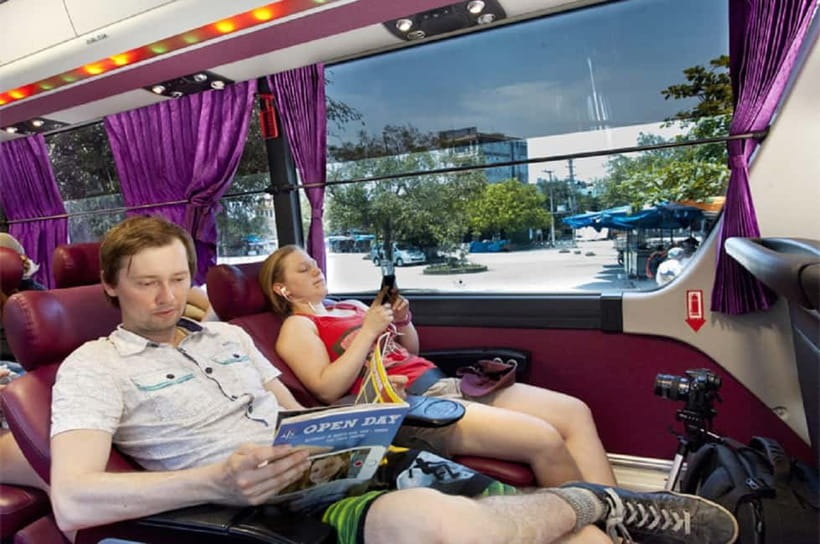
Getting to Sapa is half the experience in Northern Vietnam. You’ll either travel by limousine bus or you can start with an overnight option (night train or night bus) at 21:30 from the train station or bus stop to depart for Lao Cai/Sapa.
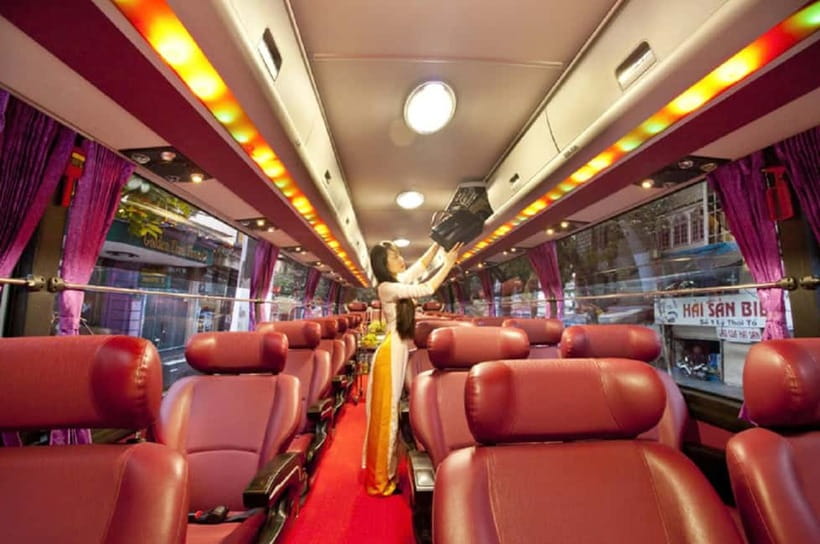
If you’re doing the daytime start, Day 1 is built around an early start from Hanoi. You meet at 204 Tran Quang Khai Street, depart at 6:15 am, and head by sleeper bus toward Sapa. Breaks in Phu Tho Province and Lao Cai City are included for light breakfast or coffee. That’s a practical touch when you’re traveling early and you don’t want the day to be all hunger and motion.
Why this matters for you: long-distance transport can either ruin your first day or set you up to actually enjoy it. This plan tries to protect your energy by spacing the travel and letting you arrive in time for lunch and the trek.
Day 1: The Lao Chai–Ta Van Trek (Rice Terraces + Muong Hoa Stream)
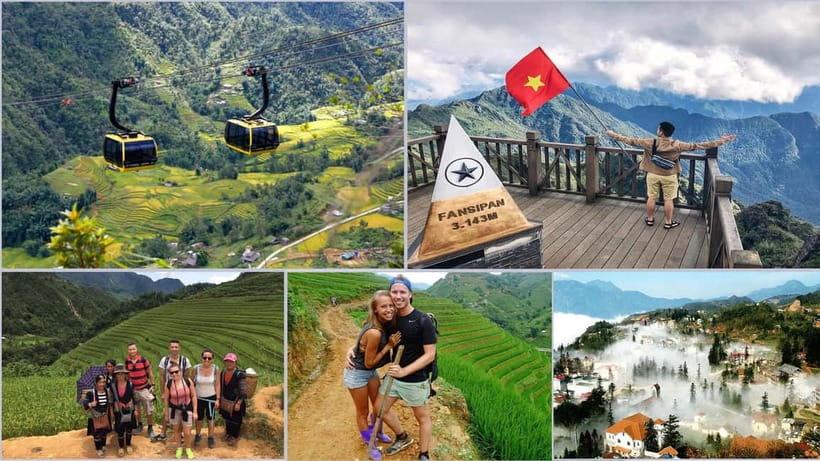
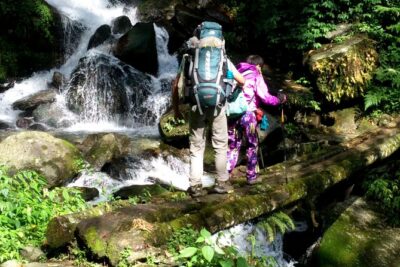
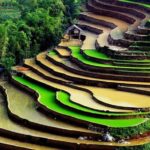
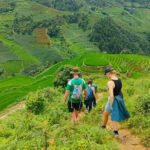
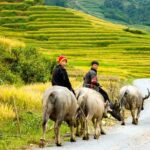
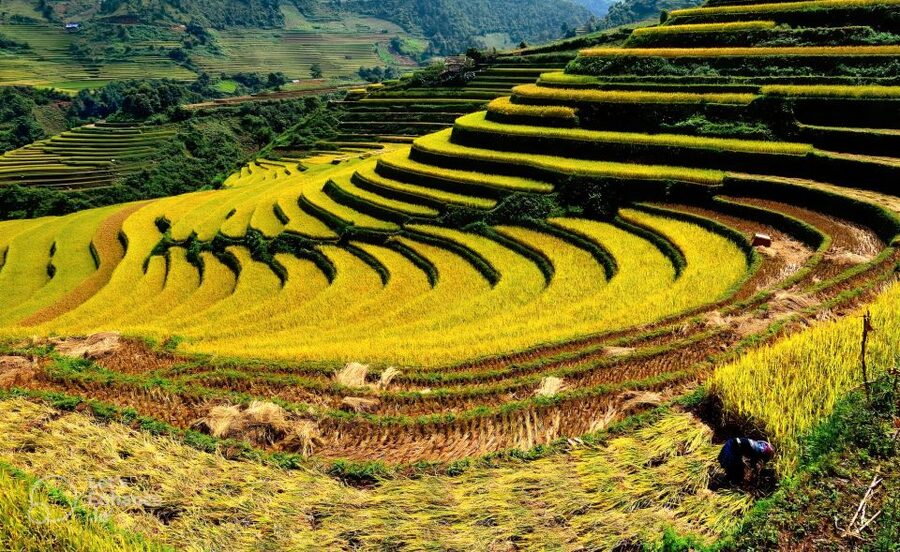
The trekking day is the heart of this itinerary. After lunch in Sapa, you head out into the mountains, following paths that run through rice terraces and along the Muong Hoa Stream.
The route takes you to Lao Chai, which is home to the Black Hmong community. From there you explore the village setting and get a guide’s help making sense of what you’re seeing—how people live, what the landscape means for farming, and how daily routines fit into mountain life.
A big plus here is that you’re not just collecting stamps at viewpoints. The trek moves at a pace that makes stops useful. You’ll have time to look closely at the terraces and the waterway rather than rushing past everything.
That said, you still need to be honest about your comfort level. This is a mountain trek. Wear comfortable shoes, and bring layers—Sapa conditions can shift quickly.
Meeting Local People: Culture You Can Understand, Not Just Watch
This tour doesn’t treat villages like a photo stop. You have local guide support throughout the trek, and that changes the whole feeling.
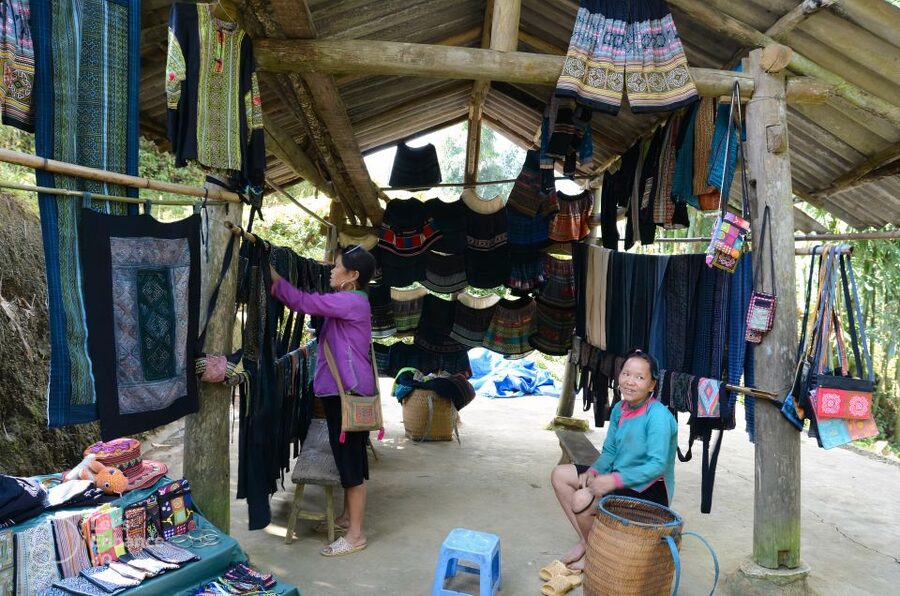
You’re learning about life and culture in an ethnic minority mountain area, specifically around Lao Chai and the broader Lao Chai–Ta Van experience. The entrance ticket for Lao Chai–Ta Van is included, which helps you avoid the on-the-spot hassle that can sometimes pop up when you arrive in Sapa on your own.
A practical tip: if the guide offers context, take it. Even a short explanation—how farming works here, why certain paths are used, what community life looks like—makes your photos more meaningful later.
Back to Sapa: Dinner After Trekking (So You Don’t Have to Think)

After the trekking day, you’ll ride back to your hotel for dinner. That’s a smart design choice for a tour like this. Long treks drain you, and dinner right after means you spend less time figuring out where to eat and more time resting.
Meals included on Day 1: lunch and dinner. On Day 2: breakfast and lunch. Beverages are extra, so if you want coffee, tea, or water beyond what’s provided, plan on paying at the time.
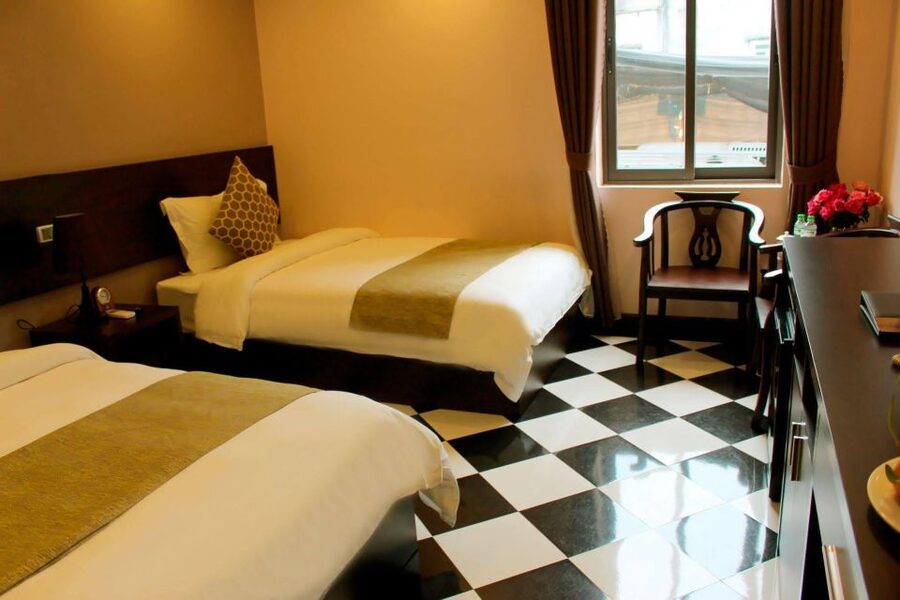
Hotel stay is in a 3-star property with twin-sharing rooms. That’s comfortable enough for a mountain trip, especially when your day is outdoors and you mostly need a warm shower and sleep.


Day 2: Fansipan Peak by Cable Car, Then the 600 Steps
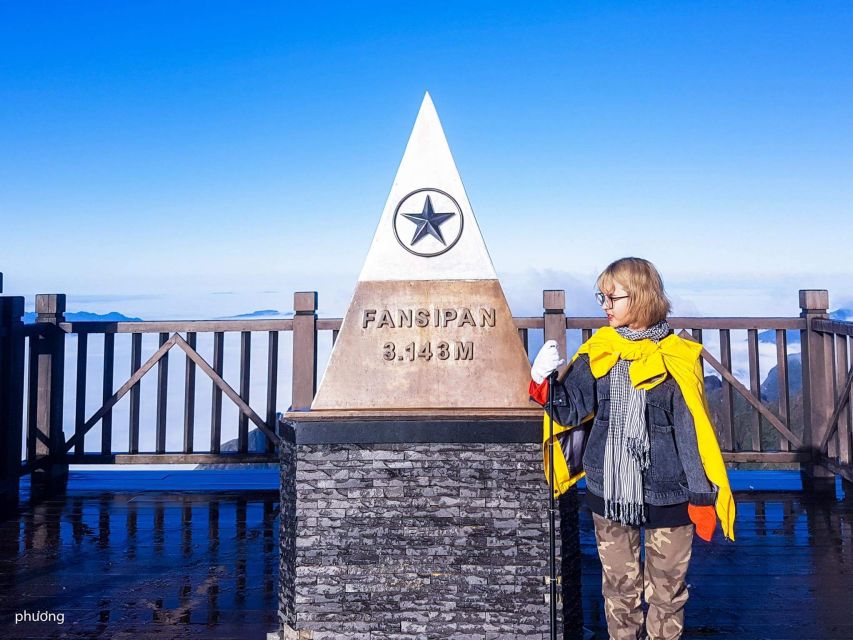
Fansipan is the main headline: the Roof of Indochina. This itinerary makes it achievable without turning it into an all-day stress test.
You’ll transfer to the Fansipan cable car station. The transfer is included, but the cable car ticket is not. You’ll buy it with help from your driver or guide at your own expense (850,000 VND per person for the round trip).
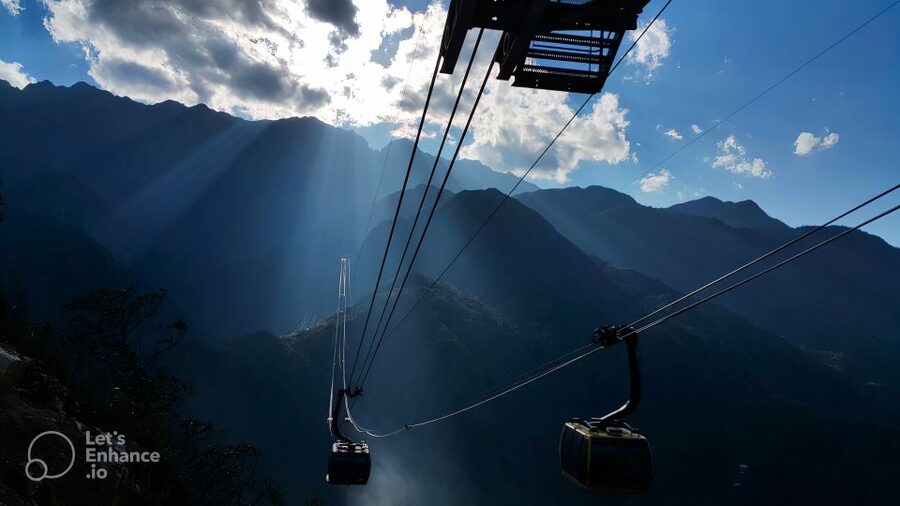
The cable car ride takes about 20 minutes. Once you arrive up top, the plan includes visiting a pagoda area and climbing 600 steps to reach the peak.
Here’s how to think about it for your body:
- The cable car saves you from the long uphill climb.
- The 600 steps still require stamina and steady pacing.
- Fog can reduce visibility, so you may want to enjoy the effort even if the view isn’t perfect.
If weather cooperates, you’re rewarded with dramatic mountain scenery from above. If it doesn’t, you still get the sense of scale and a memorable summit feeling—just with softer visibility.
Where the Tour Gives You Value (and Where You Pay Extra)
Let’s talk value in plain terms. This trip includes the big “time-wasters” that can derail self-planning: transfers, guiding, entrance fees for Lao Chai–Ta Van, and the cable car station transfers.
You pay separately for:
- Fansipan cable car round-trip ticket: 850,000 VND per person
- Beverages, and anything not listed in the included meals
- A holiday surcharge of 700,000 VND/person on specific dates (April 30, May 1, September 1–3, December 24–31, and Jan 1). This is paid directly with the guide on the day.
My take: if you’re set on getting to the top of Fansipan, paying the cable car fee is worth it because the alternative is a much more exhausting day. The rest of your “hard work” (the trekking day) is already built in with guide support and covered logistics.
If You Continue to Ha Giang: How the Timing Works
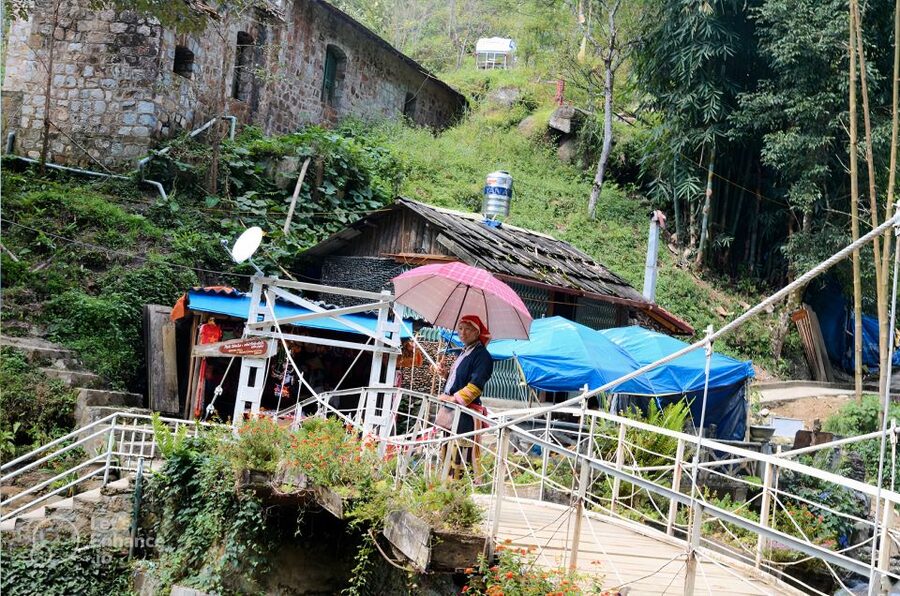
This tour can also act like a launcher into Ha Giang. From Sapa, you have two bus options to reach Ha Giang (about 6 hours of driving), depending on the time you want to leave.
Two departure windows are given:
- 14:30: a limousine bus (18 seats) that picks you up at May hotel
- 19:30: a sleeper bus (40 seats) that picks you up at its meeting point
Important detail: the option to go to Ha Giang includes a bus in the package only if you select it. Even then, the info says you need to pay an extra fee for these bus types and contact the travel consultant for more detail.
If you’re planning a longer North Vietnam circuit, this is efficient. You don’t have to go back to Hanoi to keep moving.
Weather, Altitude, and Packing: The Real Difference-Maker in Sapa
Sapa is cold more often than people expect. From September through March, it’s normally cold. From December through March, fog is common due to the altitude.
So bring warm clothes even if Hanoi feels mild to you. A scarf and a hat are genuinely useful. Wear trekking shoes, and consider sunglasses and sun cream when the clouds lift.
Also bring:
- Insect repellent
- Any medication you might need
- Some cash in Vietnamese Dong
Cash tip is practical here: the banking system in Sapa sometimes doesn’t work smoothly. U.S. dollars, euros, and Australian dollars are accepted in Sapa, so you’re not stuck only with dong—but having local currency is still smart.
And one more thing: pets aren’t allowed on this experience.
Who This Tour Fits Best (And Who Should Skip It)
This is a good match if you want a balanced mix: one day walking in the mountains with cultural context, and one day reaching the famous peak by cable car plus steps.
You’ll likely enjoy it if you:
- Like guided explanations while you hike
- Want a structured plan without figuring out buses and timing all by yourself
- Plan to include one iconic highlight (Fansipan) without turning it into a long climbing day
It’s not suitable for pregnant women, and if you’re sensitive to cold or altitude conditions, you’ll want to plan your effort carefully—especially for the 600-step climb.
Should You Book This 2-Day Sapa–Fansipan–Trek Plan?
I’d book it if you want a clear route from Hanoi into the mountains, with a guide helping you understand the villages and a strong payoff on Fansipan Peak.
Book it especially if you care about organization. In the reviews, the trip gets strong marks for being super well organized, with guide Song highlighted as wonderful. People also mention the hotel as good and the food as well served—exactly what you want after trekking.
Skip or reconsider if:
- You’re hoping for guaranteed summit views in fog season (weather can change fast)
- You don’t like step-heavy climbs, since the 600 steps are part of the experience
- You dislike cold conditions and don’t pack warm layers
If you’re realistic about Sapa weather, wear good shoes, and treat the steps as part of the fun, this tour gives you a lot for two days.
FAQ
Is the cable car ticket to Fansipan included?
No. The Fansipan cable car round-trip ticket (850,000 VND per person) is not included. You’ll buy it at the cable car station with help from your driver or guide.
What are the included meals?
The package includes 2 lunches, 1 dinner, and 1 breakfast.
How do you travel from Hanoi to Sapa?
You can travel by limousine bus (optional round-trip between Hanoi and Sapa) or start with an overnight option (night train or night bus) departing at 21:30 for Lao Cai/Sapa.
What time is the Hanoi meeting for the daytime start?
You meet at 204 Tran Quang Khai Street and depart at 6:15 am.
What is the trek like on Day 1?
You trek from Sapa through rice terraces and along the Muong Hoa Stream, reaching Lao Chai (a Black Hmong village) and exploring the Lao Chai–Ta Van area with local guide support.
Do I need to pay extra for Ha Giang after Sapa?
If you select the Ha Giang option, a bus from Sapa to Ha Giang is included, but the information says there’s an extra fee for these bus types, paid directly based on what the guide confirms.
What buses go from Sapa to Ha Giang?
Two departure options are listed: 14:30 (limousine bus, 18 seats, pickup at May hotel) and 19:30 (sleeper bus, 40 seats, pickup at its meeting point). Both take about 6 hours.
Is this tour suitable for everyone?
It’s not suitable for pregnant women. Pets are also not allowed.