REVIEW · HANOI
2-Day Trekking Adventure of Sapa from Hanoi with Night Bus
Book on Viator →Operated by Vietnam Travel Top · Bookable on Viator
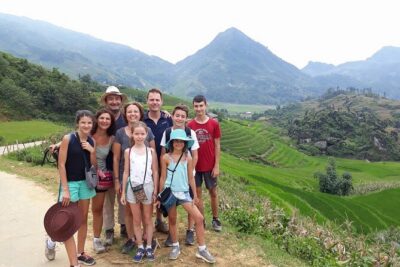
Sleep on the bus, then hike village paths. I really like the small-group trekking (max 10) that keeps things personal and lets guides like Cat and Vu explain what you’re seeing along the way. I also love the overnight in Ta Van village, where you get real face time with the Giay (Dzay) community instead of just doing quick photo stops. One heads-up: the bungalow mattresses can be extremely firm—like wood—so pack for comfort if you’re picky about sleep.
This trip is good value because it bundles transportation and food with the hiking. You don’t waste a night in Sapa’s town hotels; you take a sleeper bus from Hanoi, arrive early, and then return to Hanoi the evening of day 2. The ride is marketed as a comfortable sleeper, and you’ll appreciate having your big pack stored at the Sapa hotel when you’re out trekking.
In This Review
- Key Highlights You’ll Feel Day by Day
- Night Bus from Hanoi: the trick that makes the trek work
- Y Linh Ho and Lao Chai: rice terraces, stream views, and a Black Hmong stop
- Ta Van Village overnight: Giay culture is the point, not an add-on
- Comfort check: modern toilet, and one common complaint
- Day 2 trek: bamboo, bamboo, then rice paddies again
- The return ride: shower time and a calm regroup
- Meals on the trip: included food, plus family energy
- Price and value: why $79 can make sense for this route
- Comfort and packing: what to bring for a firmer-than-expected bed
- Who should book this Sapa trek (and who should skip it)
- Should You Book This Sapa Trek from Hanoi?
- FAQ
- What time does the trip start?
- How do pickups work in Hanoi?
- What time do we arrive in Sapa on the first day?
- How long and how far is the trek on day 1?
- How long and how far is the trek on day 2?
- Where do we stay overnight?
- What meals are included?
- Are there toilet or shower options during the trip?
- How long is the return ride to Hanoi?
- Is the tour dependent on weather?
- Who is this tour suitable for?
Key Highlights You’ll Feel Day by Day
Small-group hike (10 people max): easier pacing, more questions answered, less waiting around.
Ta Van bungalow with modern en-suite toilet: real comfort for a village stay, not just a basic room.
Family meals plus optional cooking: you eat well and you can join in if you want.
Two very different trekking stretches: day 1 is longer (about 12 km/4 hours), day 2 is shorter (about 3 km/3.5 hours).
Night bus saves money and time: you trade a bus night for a paid hotel night in Sapa town.
Night Bus from Hanoi: the trick that makes the trek work
The core idea here is simple: you leave Hanoi late, sleep on the road, and wake up in Sapa with enough energy to hike. You’ll have a pickup point in Hanoi Old Quarter for hotel pickups on Monday to Thursday night at 21:00, and the meeting time is listed as 9:00 pm. On top of that, the itinerary also calls out pickup at the bus station at 22:00, so on your travel day, expect a late evening handoff and be ready to confirm the exact start point when you book.
Once you board, the timeline is built around an early arrival. The bus runs the highway Hanoi–Lao Cai, and you arrive in Sapa around 5:30 am. The plan is to keep sleeping on the bus until 6:00, then you get picked up and taken to the hotel area for breakfast and luggage handling. This is a big deal because you’re not spending your first daylight hour hunting storage or dragging a heavy backpack through the street.
What I like about this format is how it reduces the usual stress of Sapa trips. Most people mess up Sapa by arriving exhausted, then spending the first day “recovering.” Here, your recovery is the bus.
A practical note: even with a sleeper, buses can get cold and the sleep isn’t always perfect. Bring a light layer and something for your neck (small travel pillow or hoodie). Your legs will feel it later.
You can also read our reviews of more tours and experiences in Hanoi.

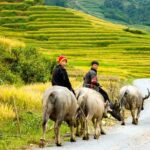
Y Linh Ho and Lao Chai: rice terraces, stream views, and a Black Hmong stop
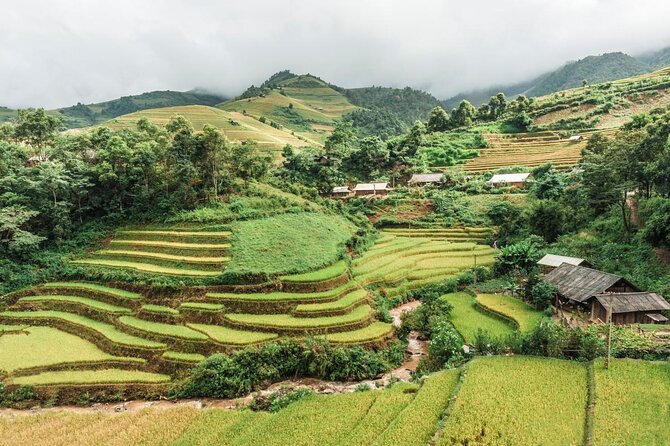
Day 1 is where the countryside vibe kicks in, right after a hotel breakfast in Sapa town. Once you check out, you start trekking with a longer walking block: about 12 km over roughly 4 hours. That’s not a sprint. It’s a proper hike, with time to stop for views and village scenery.
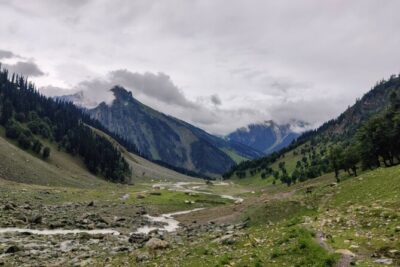
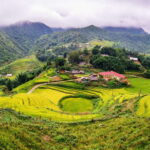
Before you begin, you take a short drive to Y Linh Ho. From there, you trek through rice terraces and along Muong Hoa Stream. The route is designed to give you those classic Sapa-style mountain-and-farmland moments without spending your entire time in a crowd.
You’ll also pass through and visit the Black Hmong village of Lao Chai. This is one of the key reasons to choose a guided trek like this instead of walking around randomly. A guide can explain the people and the patterns in the area—why the villages sit where they do, and what the landscape is used for.
A realistic way to think about this segment: it’s scenic hiking with culture stops, not a nature walk in a park. Wear shoes you trust on uneven paths and pack water. The trip includes water on the bus, but you should still plan for the hike.
Ta Van Village overnight: Giay culture is the point, not an add-on
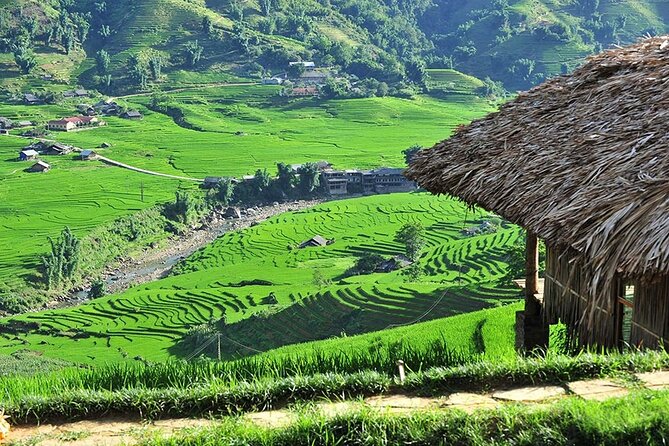
After Lao Chai, you transition into Ta Van village life—one of the best parts of the itinerary.
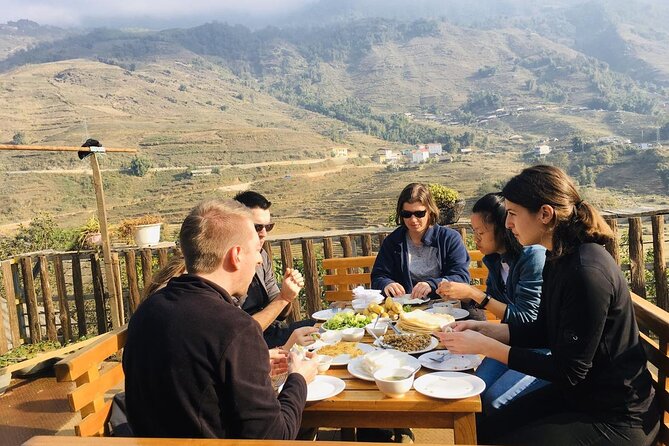
In late afternoon, you head to Ta Van and start with a welcome drink at the bungalow area. Then you have lunch with Vietnamese dishes made by the family. This matters because it turns Ta Van from a “destination photo” into a place you actually share time with.
Next comes the cultural rhythm of the stay. You check in, spend time with the Giay (Dzay) family, and have room to slow down for sunset. The itinerary specifically mentions that you may attend cooking local dishes with the family. That’s optional, but if you like learning by doing, this is where the trip becomes more memorable than just moving from viewpoint to viewpoint.
Dinner is included, and the setup is meant to feel calm—something you don’t always get on fast multi-stop tours. In the evening, you can also join a local bar nearby if you want music and social time with the group, then you overnight at the bungalow in Ta Van village.
Comfort check: modern toilet, and one common complaint
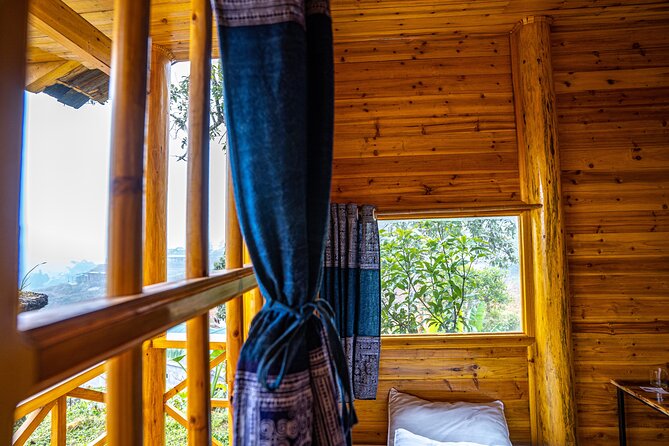
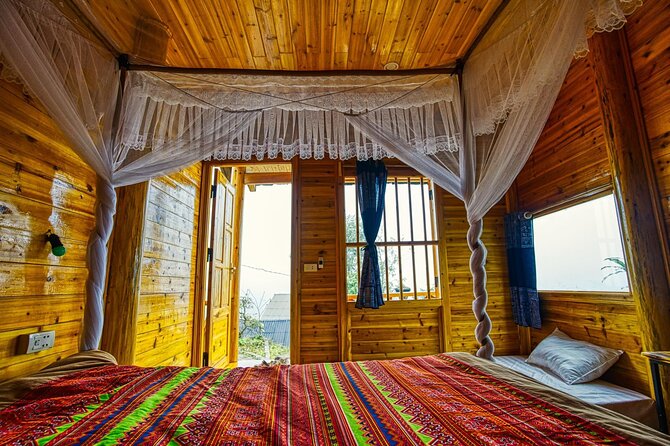
The bungalow is described as having a modern self-contained toilet and an en-suite room setup. That’s a big improvement over the simplest village guesthouses, and it’s worth paying attention to if you’re sensitive to bathroom basics.
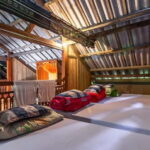
But don’t ignore the tradeoff that shows up in real feedback: mattresses can be very firm, even hard. If you tend to sleep badly on tough beds, consider bringing a small pad or inflatable cushion. It’s the kind of item that turns a rough night into a manageable one.
Also, remember your day 1 ends with a village night, not a hotel night. You’ll be tired. That’s good, but plan your expectations.
Day 2 trek: bamboo, bamboo, then rice paddies again
Day 2 starts with breakfast prepared by the family. Then you set out at 8:45 with a shorter trek than day 1—about 3 km for around 3.5 hours.
This morning segment focuses more on variety than distance:
- You walk toward rice paddies for photo opportunities of the surrounding mountain scenery.
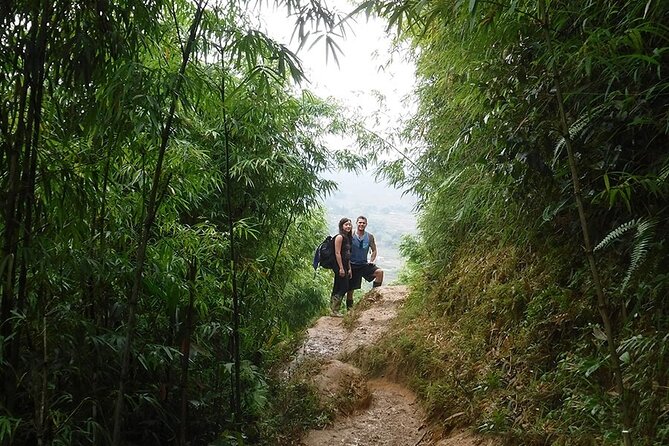
- You trek through a bamboo forest section.
- You stop for a panorama view of Giang Ta Chai village, described as home of the Red Dzao people.
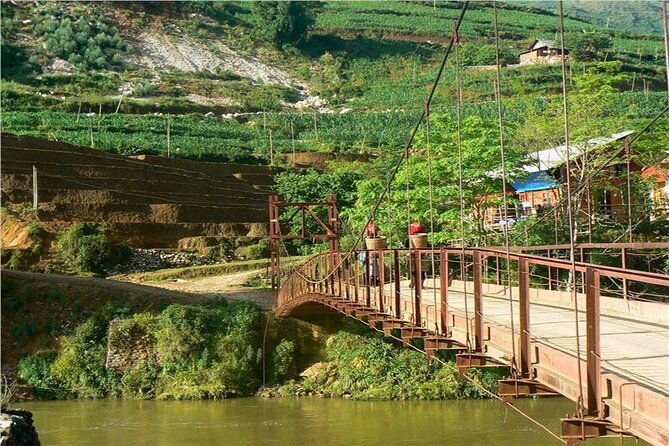
- You cross the Giang Ta Chai Bridge and then move toward the main road.
These pieces keep the experience from feeling repetitive. Day 1 gives you terraces and Muong Hoa Stream. Day 2 shifts to bamboo and viewpoints. And the Red Dzao village mention is your reminder that Sapa isn’t just one “tribe culture.” It’s multiple ethnic communities with their own presence and names attached to the villages you pass.

The return ride: shower time and a calm regroup
After the trek, there’s a bus pickup back to Sapa town around 11:00. You get time to relax and do your own thing. The itinerary even calls out shower time in a public bathroom in the hotel if you want.
Then the group reconvenes at the hotel at 13:45. At 15:00, you board the bus back to Hanoi with two rest stops. You arrive in Hanoi around 21:00 and are dropped at the meeting point; from there, you head to your hotel on your own.
This end timing is useful because it gives you a full evening in Hanoi rather than arriving at dawn.
Meals on the trip: included food, plus family energy
Food is part of the cultural experience here, not just a fuel stop.
You get:
- Dinner (included)
- Breakfast (2)
- Lunch (2)
On day 1, lunch is served family-style in Ta Van, with Vietnamese dishes made by the family. On day 2, breakfast is prepared by the family again. Dinner is included in the bungalow stay, with the option to join cooking local dishes if you wish.
What to expect: the food is meant to be hearty and practical for hiking days. It isn’t marketed as a fine-dining experience, so you shouldn’t plan your meal expectations around fancy plating. Still, the advantage is that you’re eating in the rhythm of village life, where people cook what they cook and you get a window into daily living.
Drinks aren’t included. So if you like tea, coffee, or bottled water beyond what’s provided for the bus, plan to buy it along the way.
Price and value: why $79 can make sense for this route
At $79 per person for a 2-day package, the big question is what you’re actually paying for.
You’re paying for:
- Round-trip transportation by sleeper bus between Hanoi and Sapa
- An overnight in a Ta Van bungalow with a modern toilet setup
- A guided trek with group control (max 10)
- Multiple meals (2 breakfasts, 2 lunches, and dinner)
- Pickup and drop-off points in Hanoi
If you tried to recreate this on your own, the sleeper bus alone can get pricey once you add hotel night cost, guide costs, and transport logistics. The value is especially strong if you hate the idea of spending a full hotel night in Sapa town.
The main costs you’ll still handle yourself are drinks, travel insurance, and personal expenses. That’s normal. What I’d do is bring a small snack stash for the hike and buy extra water only when needed.
Comfort and packing: what to bring for a firmer-than-expected bed
This is a trek plus a village stay, so comfort is a mix.
Good news:
- The bungalow has a modern self-contained toilet.
- The group size is small.
- The itinerary gives you downtime to shower or relax before the return bus.
Tradeoffs to plan for:
- Mattresses may be very hard.
- Day 1 trekking is longer (about 12 km), so sore feet are a real possibility.
- You’re sleeping on a bus night before the first hike, so your body starts already tired.
Pack like you’re hiking, not like you’re sightseeing:
- Comfortable hiking shoes with grip
- Light layers (mountain air changes)
- A small daypack for water and essentials
- Something for sleep comfort if you’re sensitive to hard beds
If you’re the type who wants a soft bed at all times, you might find this part annoying. If you’re okay with basic sleep comfort in exchange for cultural access, it’s a fair trade.
Who should book this Sapa trek (and who should skip it)
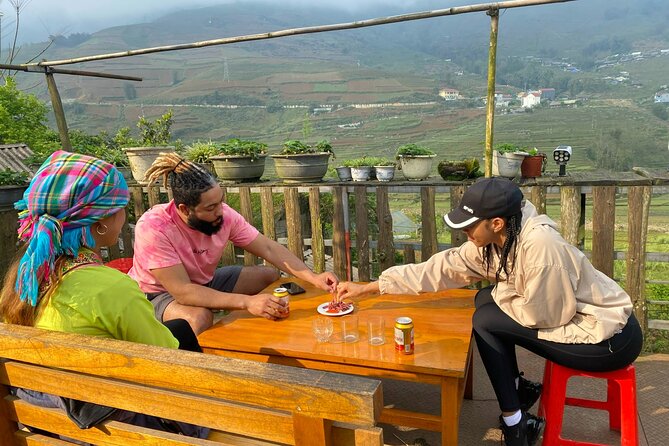
This tour makes the most sense if you want rural Sapa without spending all your time in a heavily developed town center. You’ll be trekking around areas like Y Linh Ho, Lao Chai, and Ta Van, and you’ll spend the overnight in Giay (Dzay) village life. That’s a specific kind of trip: walking + people + meals + a real night in a community.
You should book if:
- You like guided cultural treks and want context for what you see
- You’re comfortable with moderate hikes (day 1 about 12 km)
- You want to save time and money by using the night bus
You might skip if:
- You want lots of free time to explore Sapa town itself
- You can’t handle hard mattresses at all
- You’re looking for a very easy walk with minimal exertion
Also, the trip depends on good weather. In mountain areas, this matters because trekking routes can be affected.
Should You Book This Sapa Trek from Hanoi?
Yes, if your main goal is a guided rural experience with an overnight in Ta Van and you’re willing to trade a bit of comfort for authenticity. The tight group size (max 10), the family stay with an en-suite modern toilet, and the practical night-bus plan make this a smart way to do Sapa in a short window.
If you’re super sensitive about sleep (hard mattresses) or you dislike early/late travel schedules, then think twice. But if you can handle a firm bed and a bus night, this is one of the more efficient ways to get beyond Sapa’s busy feel and into the villages around Hoàng Liên Sơn.
FAQ
What time does the trip start?
The start meeting time is listed as 9:00 pm in Hanoi Old Quarter.
How do pickups work in Hanoi?
Pickup from Hanoi Old Quarter hotels is listed for Monday to Thursday nights at 21:00. Otherwise, there is also a bus station pickup noted at 22:00.
What time do we arrive in Sapa on the first day?
You arrive in Sapa at about 5:30 am.
How long and how far is the trek on day 1?
Day 1 includes a trek of about 12 km that lasts about 4 hours.
How long and how far is the trek on day 2?
Day 2 includes a trek of about 3 km that lasts about 3.5 hours.
Where do we stay overnight?
You stay overnight at a bungalow in Ta Van village with an en-suite room and a modern self-contained toilet.
What meals are included?
Dinner, breakfast (2), and lunch (2) are included.
Are there toilet or shower options during the trip?
The bungalow is described as having a modern self-contained toilet. The itinerary also mentions shower time using a public bathroom in the Sapa hotel area on day 2.
How long is the return ride to Hanoi?
You leave Sapa around 15:00 and arrive back in Hanoi around 21:00, with two rest stops.
Is the tour dependent on weather?
Yes. The experience requires good weather, and if it’s canceled due to poor weather, you’ll be offered another date or a full refund.
Who is this tour suitable for?
The tour says most travelers can participate, and service animals are allowed.