REVIEW · MARRAKESH
Climb Mount Toubkal: 3-Day Trek from Marrakech
Book on GetYourGuide →Operated by Toubkal Ascent · Bookable on GetYourGuide
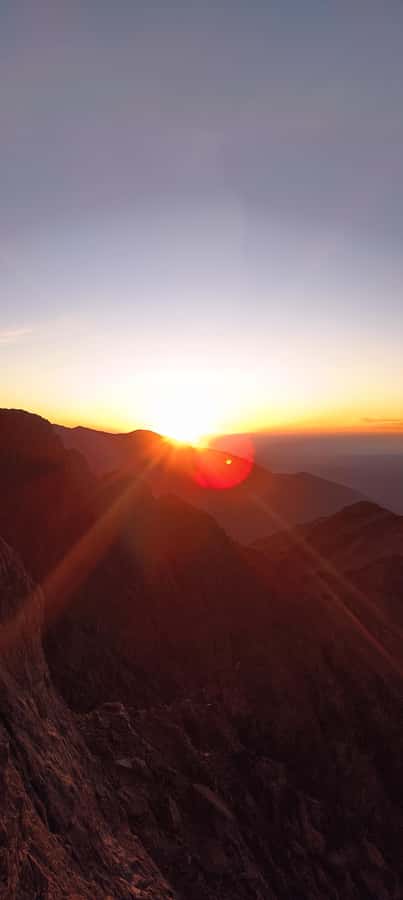
Sunrise on Jebel Toubkal changes your math. This 3-day hike from Marrakesh to the summit of Jebel Toukbal (the highest peak in Northern Africa) is the kind of trip where the views keep stacking up: I really love the big sunrise payoff and the steady, confidence-building way the guides like Abdul and Abdulratif manage pace and safety. My only real caution is the reality of Toubkal Refuge at night: it can be crowded and sleeping is often difficult, especially after a long day.
I also like how the trek earns its hardest moments. You start with a transfer and acclimatization around Imlil, then move through the Toubkal Massif via places like Aremd and the Mizane Valley, with a spiritual detour to the shrine of Sidi Chamarouch and even a cascading waterfall along the way. The downside is that the final push is cold, steep, and starts early, so if you hate steep, expect it to feel tougher than you planned.
In This Review
- Key points you’ll feel in your legs
- From Marrakech to Imlil: the warm-up that actually counts
- Day 2 through Aremd and the Mizane Valley: where the route becomes a story
- Toubkal Refuge night: crowded or calm, but always basic
- Summit day at 4 a.m.: cold stairs, boulders, and that first breath of altitude
- Food, mules, and the practical support you’ll thank yourself for
- Transport and timing: why the schedule feels tight but works
- Price and value: what $294 covers, and what might cost extra
- Gear realities: comfort items you’ll be glad you packed
- Who this trek fits best (and who might want a shorter option)
- Should you book this 3-day Mount Toubkal trek from Marrakech?
- FAQ
- How long is the Mount Toubkal trek from Marrakech?
- Where do you sleep during the trek?
- What’s included in the price?
- Is there a summit to Jebel Toukbal?
- Are crampons, an ice axe, or a sleeping bag included?
- What languages are available for the guide?
- How does pricing work for children?
Key points you’ll feel in your legs
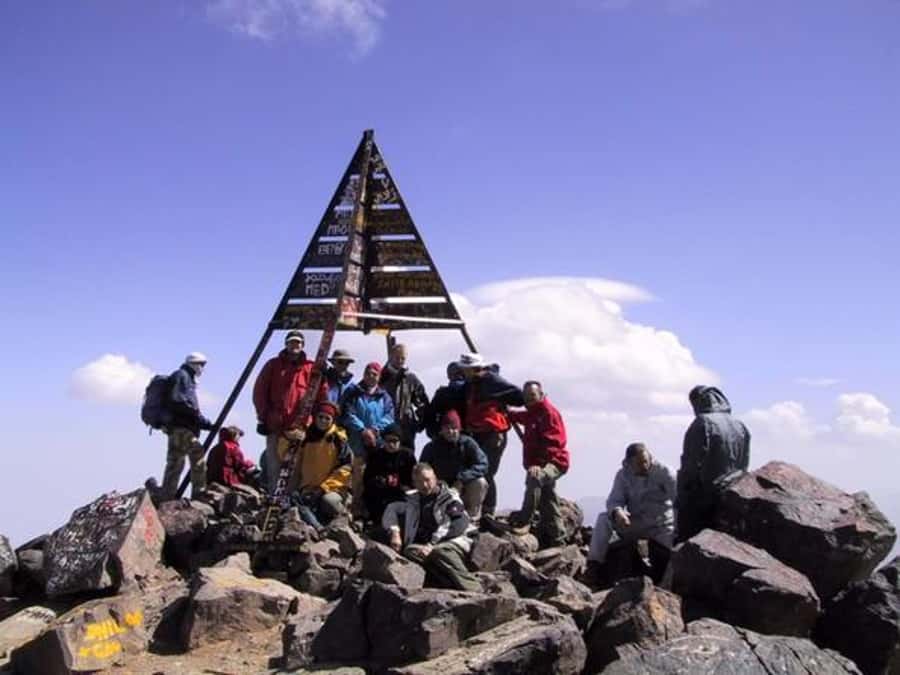
- Sunrise summit timing: the final ascent starts around 4 a.m. and you’re aiming for sunrise up top.
- Real acclimatization: Day 2 includes a climb toward the snowline and an overnight at Toubkal Refuge.
- Stop-and-smell-the-mountain moments: Aremd, the Mizane Valley, and the shrine of Sidi Chamarouch break up the effort.
- Guides that set the tempo: names you may meet include Abdul, Abdulratif, Omar, Nourdin, Brahim, Sabir, and Hassan as organizer.
- Mule and cook support: you carry light and still get proper meals cooked on the way.
- Expect basic conditions at the refuge: some nights are lodge-like, others are tent-based, and sleep can be rough.
From Marrakech to Imlil: the warm-up that actually counts
Your trip starts with a drive from Marrakesh to Imlil, and it takes about four hours. This matters more than it sounds. Imlil is the staging point for Toubkal, and using Day 1 to settle in gives your body a chance to adjust before you start gaining altitude in earnest.
Once you arrive, you get time to rest and set up your routine. The overnight in Imlil is typically in a family-style hotel or riad-area accommodation, and the vibe here is part of the value: it’s not a generic airport-hotel feel. You’ll also get meals included, so you can focus on hydration and keeping your energy steady instead of worrying about food timing.
A practical upside: the transport is handled with a minibus or 4×4 for the transfers to and from the High Atlas. That saves you the headache of trying to piece together local rides on your own after a long day of travel.
Day 2 through Aremd and the Mizane Valley: where the route becomes a story
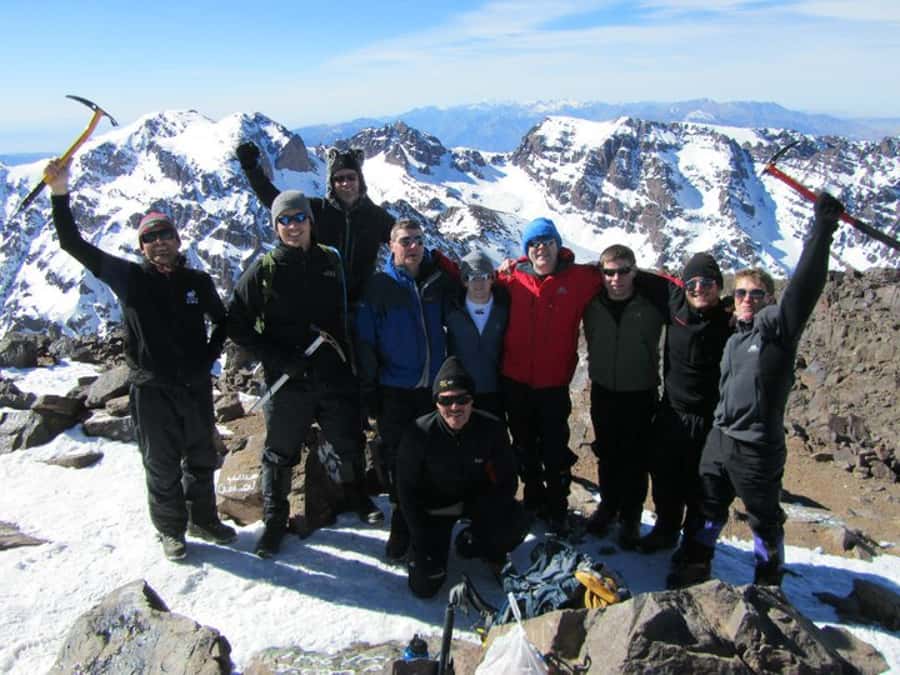
Day 2 is the key “earn your summit” day. You leave the Imlil area and ride south into the craggy peaks and plunging valleys of the Toubkal Massif. When you step out of the vehicle, the scenery changes fast from town streets and rooftops to open mountain views and river valleys.
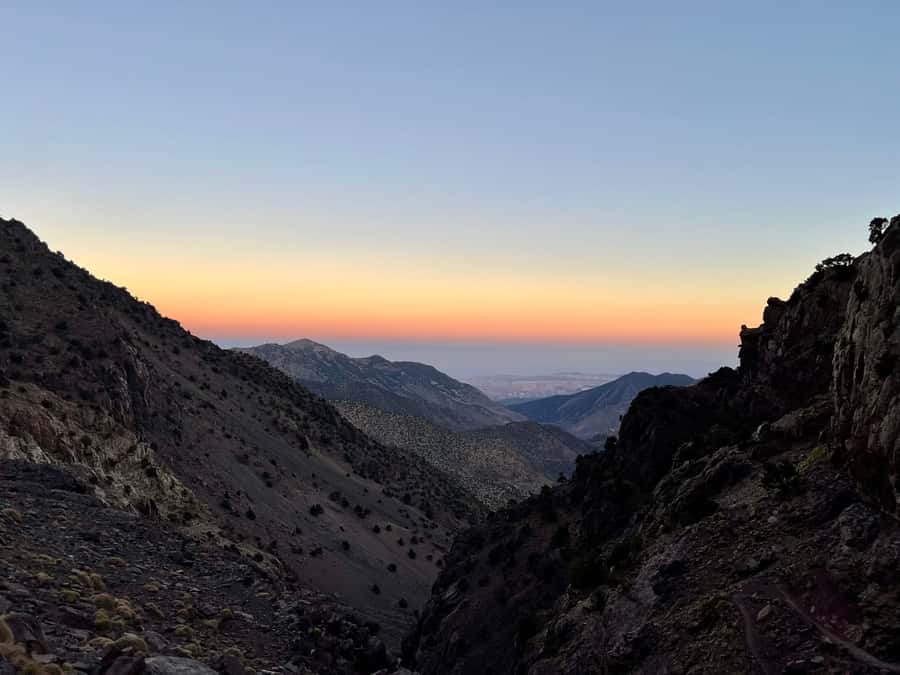
From there, you trek toward Aremd and continue through the Mizane Valley. It’s not just walking; it’s walking with direction and landmarks that help you stay oriented. The route follows valley stretches like the Oued Rhirhaia, then climbs steadily as the terrain becomes rockier and higher.
One of the best-known spiritual pauses is the shrine of Sidi Chamarouch. You’ll see it along the way, and it breaks the day into something memorable rather than a continuous grind. If you’re sensitive to cold or fatigue, the shrine stop can also function as a mental reset: stop, look around, drink water, and keep moving with less stress.
Then comes the uphill zigzagging toward the snowline and Toubkal Refuge. Expect roughly 4–5 hours of walking on this day. The pace depends on your guide and the group, but the idea is consistent: it’s a solid climb that prepares you for the steeper, colder summit push.
Toubkal Refuge night: crowded or calm, but always basic
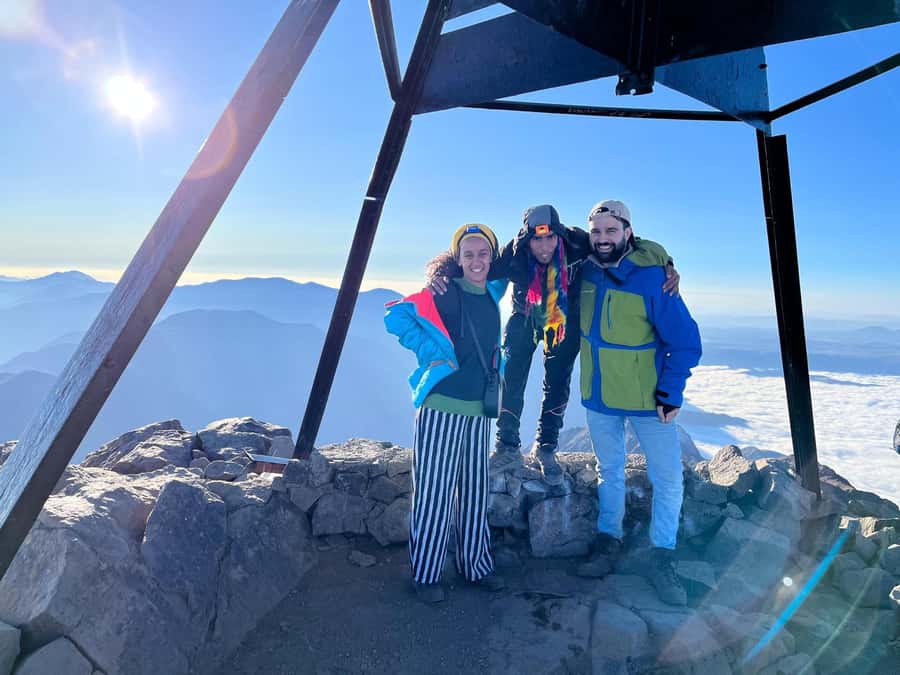
Toubkal Refuge is where your comfort becomes secondary and your planning becomes important. The tour includes one night at the refuge, and depending on weather you may sleep in a lodge or in tents.
I’ve seen this kind of mountain overnight go two ways. When it’s lodge-based, you might get slightly easier access to shelter. When it’s tent-based, you’ll feel every change in temperature more directly. Either way, plan for basic conditions and try to get as much sleep as you can, because you’re not just walking tomorrow—you’re starting very early.
A specific heads-up from past climbers: the refuge can be very crowded and sleeping can be hard. That’s not a reason to skip the trek. It’s just the truth of a popular route, and it’s exactly why the early start on Day 3 matters—you’ll want your rest, even if it’s imperfect.
Summit day at 4 a.m.: cold stairs, boulders, and that first breath of altitude
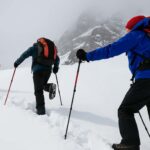
On Day 3, you start early, with the final ascent beginning around 4 a.m. This is a turning point. The cold hits first, then the steepness. Even if you felt strong the day before, the body pays attention to early-morning effort at altitude.
The climb takes you across river streams and over fields of boulders and rocks. This is not a smooth trail day. You’ll move over uneven ground, and you’ll likely feel your footing more than you expect. It helps when your guide actively manages technique and pacing, and many climbers specifically praise guidance and encouragement from people like Abdul and Abdulratif during this hardest stretch.
Around the higher zones, reaching roughly 4,000 meters is where some people start to struggle. If that happens, don’t panic. Past experiences highlight that breathing tips and encouragement can make a big difference, especially for first-timers. Your job is simple: keep moving steadily.
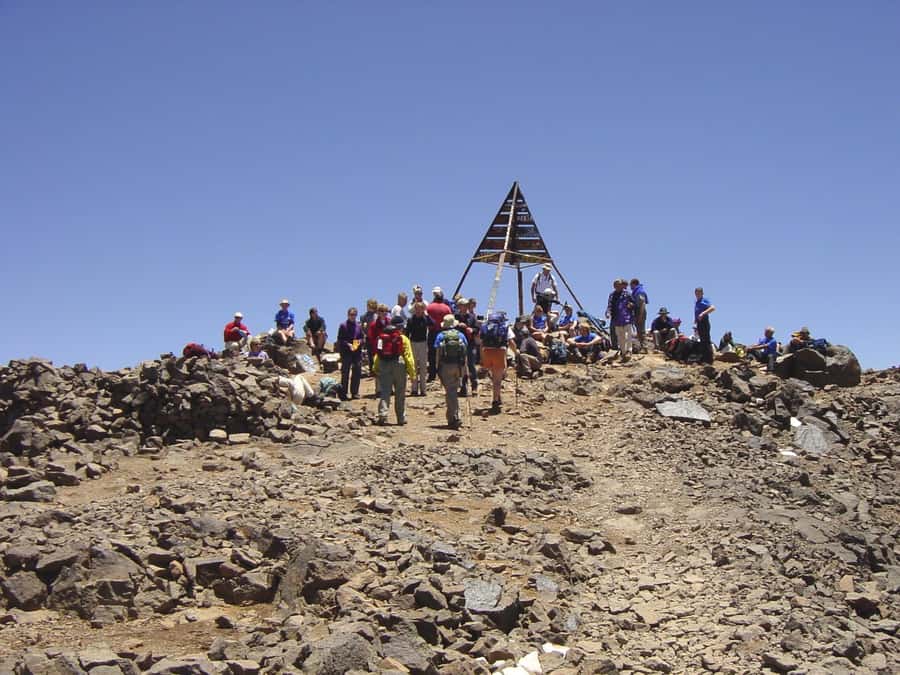
As you crest the ridge line, you reach a plateau where the views open wide. This is where the trip earns a big emotional deposit. From the summit area, you can see the Marrakech Plain to the north and as far south as the Anti-Atlas and the Sahara. The panorama is what people remember when they get home.
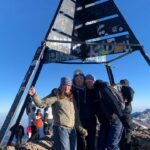
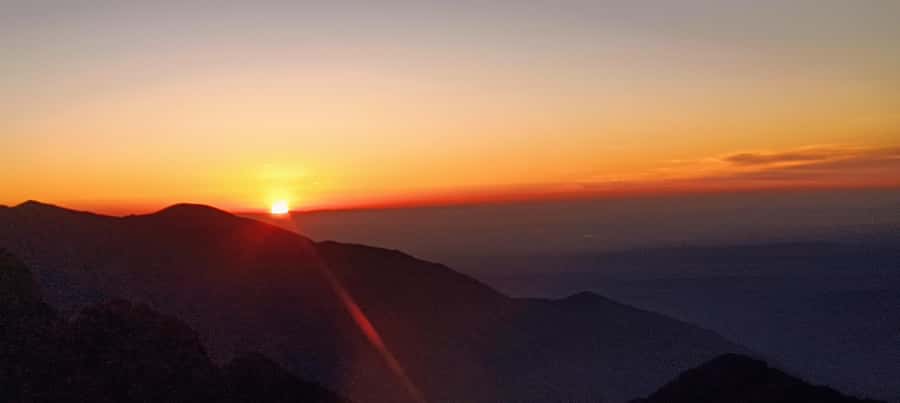
Then there’s the summit itself, with the goal of reaching around sunrise. The sunrise timing is the reason most people do the early start. It’s cold, yes. It’s steep, yes. But the payoff is real.
After the summit, you gingerly begin your descent back toward Imlil. Going down can be surprisingly tiring on knees and quads, so plan for a careful pace and frequent small adjustments.
Food, mules, and the practical support you’ll thank yourself for
This trek is physical, but you’re not doing it alone in the logistics sense. The experience includes local mountain guide(s), muleteers, and a cook. Meals are included throughout, which matters because mountain hunger turns decision-making into chaos.
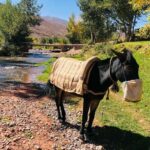
One of the nicest practical details is mule support. A mule can carry your belongings up to the refuge, which means you can keep your pack light for the steep parts. You still carry essentials like water, sunscreen, and snacks, but you’re not hauling everything uphill all day.
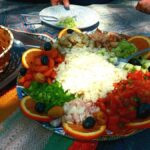
On the food side, expect traditional meals cooked by the chef and served along the trek. Multiple climbers call out the cooking as excellent, and one highlight is the way the chef feeds you in a way that feels designed for walkers, not tourists grazing for photos.
If you’re the type who gets stressed about routine, this all helps you relax. You know you’ll eat when you need to eat, and you know someone local is handling the heavier moving parts.
Transport and timing: why the schedule feels tight but works
The overall duration is three days, and you’ll be using transfers to and from the High Atlas. Day 1 is a drive to Imlil and a night there. Day 2 is the longer trekking day to Toubkal Refuge via Aremd and the Mizane Valley. Day 3 is the early-start summit and return to Imlil, then transfer back to Marrakesh.
This schedule is a classic format for Toubkal. It’s not a leisurely hike where you stroll and talk the whole way. You do have time, though, to absorb the route: the shrine stop, the valley trekking, and the difference between climbing and descending all give the days shape.
Starting the summit so early also improves your odds of a clear sunrise moment. Even if conditions are imperfect, the structure of the day is designed around that final ascent window.
Price and value: what $294 covers, and what might cost extra
The price is $294 per person for the three-day trek. That covers the big ticket items you’d struggle to recreate yourself: a local mountain guide, muleteers and a cook, two nights of accommodation (one in Imlil and one at Toubkal Refuge), all meals, and the transport in a minibus or 4×4 for transfers to and from the High Atlas.
Where value can vary is equipment. The tour does not include crampons, ice axe, or sleeping bags. In some seasons, that matters more than in others, and you might find you need rentals or your own gear depending on conditions. One climber reported that they had to pay extra for equipment that wasn’t included, so it’s worth budgeting for that possibility.
You’ll also need to cover personal items like soft drinks and tips. These aren’t huge surprises, but they do affect your real total.
If you compare this $294 rate to doing everything independently, the real value is in the human system: guide expertise, mule support, and someone cooking for you while you’re climbing. That combination is hard to price fairly on your own.
Gear realities: comfort items you’ll be glad you packed
The tour doesn’t include certain essentials: crampons, ice axe, and sleeping bags. So you should assume you’ll bring what you need for cold nights and early mornings, and you may also plan for renting gear if you don’t already own it.
Even without guessing extra kit, you can still prepare smartly based on how the days feel:
- Day 3 starts around 4 a.m., so cold-weather layering is important.
- The ground includes boulders and rocks, so stability and traction matter for safety and comfort.
- The refuge night can be uncomfortable, so warmth and sleep support are more important than you think.
Also remember: even if you don’t need heavy technical gear, you’ll still appreciate practical comfort items like a warm layer for the early ascent and a good system for carrying water and snacks.
Who this trek fits best (and who might want a shorter option)
This is a strong choice if you want a real mountain challenge but still want structure and local expertise. One climber described the first climb toward the refuge as fairly easy, but the summit day as steep and demanding, which matches how this trip usually feels in practice.
You’ll get the most out of it if you’re comfortable hiking several hours at a time and you’re ready for the final ascent to feel hard even when you’re prepared. Past experiences include first-time hikers who were active and felt challenged but rewarding, especially with encouragement and breathing tips during the higher section.
If you’re expecting a gentle nature walk, this won’t match. The boulder fields, early start, and cold steep climb are the point of the trek.
Should you book this 3-day Mount Toubkal trek from Marrakech?
I think you should book it if you want a classic High Atlas summit experience with real local support. The combination of sunrise summit timing, guide-led safety and pacing, and practical mule-and-cook help makes it a good value for what you’re attempting.
I’d pause and think twice if you know you’ll struggle with cold early mornings or you hate basic sleeping situations. The refuge can be crowded and sleep can be tough. Also, since crampons, ice axe, and sleeping bags aren’t included, you should be honest about what you already own.
If you’re ready for a meaningful climb—steep at the top, beautiful everywhere else—this is one of the most straightforward ways to reach Jebel Toukbal from Marrakesh with competent guidance.
FAQ
How long is the Mount Toubkal trek from Marrakech?
It runs for 3 days.
Where do you sleep during the trek?
You get 1 night in Imlil and 1 night at Toubkal Refuge (the refuge stay can be in the lodge or in tents depending on weather).
What’s included in the price?
The package includes a local mountain guide, muleteers, and a cook, accommodation for both nights, all meals, and transport with a minibus or 4×4 for transfers to and from the High Atlas.
Is there a summit to Jebel Toukbal?
Yes. The itinerary includes a trek to the summit of Jebel Toukbal, described as the highest peak in Northern Africa.
Are crampons, an ice axe, or a sleeping bag included?
No. The tour does not include crampons, ice axe, or sleeping bags.
What languages are available for the guide?
The live tour guide is available in English, French, and Arabic.
How does pricing work for children?
Children under 2 years are free of charge, ages 3 to 11 get a 50% discount, and ages 12 and up pay the full cost.