REVIEW · KATHMANDU
Everest Base Camp Trek
Book on Viator →Operated by Adventure White Mountain Pvt.Ltd · Bookable on Viator
Everest Base Camp is a long way up, and this trek turns that climb into a plan. I like that it is built around acclimatization on the way to altitude, and I also like the human support model (an English-speaking guide plus porters) that helps you keep moving. The only real catch to plan for is that costs can rise because accommodation in the mountains and park permits are not included.
You start in Kathmandu’s Thamel, then fly to Lukla and walk the classic Khumbu route: Phakding, Monjo, Namche Bazaar, Tengboche, Dingboche, Lobuche, Everest Base Camp, Gorakshep/Kalapatthar, and back through Namche and Lukla. I also like the “systems” feel here, from the pickup in Kathmandu to the organized day-by-day pacing, which matters when weather and altitude can throw curveballs.
In This Review
- Key points before you go
- Kathmandu setup: Thamel arrival and Durbar Square time
- Lukla flight at dawn and your first steps to Phakding
- Namche Bazaar via Dudh Koshi: Monjo entry and a real culture day
- Tengboche views, Danfe sightings, and Dingboche altitude practice
- Lobuche cold and the Everest Base Camp day that feels unreal
- Kalapatthar early morning and the way back through Pheriche to Namche
- Lukla to Kathmandu: that quick flight and the farewell dinner
- Price and logistics: what the $1,800 really buys
- What’s included
- What’s not included
- Guides, porters, and safety on steep altitude days
- Comfort planning: hot showers, charging, and packing choices
- What to expect on the trail day by day
- Who should book this Everest Base Camp trek
- Should you book Adventure White Mountain for Everest Base Camp?
- FAQ
- What is the starting point and start time for this trek?
- How long is the Everest Base Camp trek?
- Does the tour include flights to and from Lukla?
- Is a guide and porter included?
- Are meals included?
- Is accommodation during the trek included?
- Are national park permit fees included?
- Are hot showers, charging, and WiFi included?
- Is this a private tour?
- Is there free cancellation?
Key points before you go
- Two-person porter support: one porter for two trekkers helps keep your load realistic.
- Multiple acclimatization days: Namche rest day plus an extra Dingboche acclimatization.
- Your highlight is timed well: Base Camp day plus a separate Kalapatthar push for big views.
- Meals are mostly handled: lunches, dinners, and breakfasts are included across the trek days.
- You still pay for key extras: hot showers, battery charging, WiFi, plus permits and in-mountain lodging.
Kathmandu setup: Thamel arrival and Durbar Square time
Day 1 is all about getting your Nepal legs back, not chasing landmarks. You’ll be picked up by a representative in Kathmandu and transferred to your hotel in Thamel, a convenient base for pre-trek errands and simple meals. If you arrive with energy, you can wander the area and grab mini refreshments, which is a nice way to beat the “stiff travel body” feeling.
If you want culture without overplanning, Kathmandu Durbar Square is on the list for Day 1. It’s not far from Thamel, and your team will help you manage it, but the admission ticket is not included. Practically, I like having this optional window early because it helps you stay flexible if your flight timing changes.
One note: this is the first day, so you’ll be walking a bit but you’re not meant to sprint. Treat it like orientation, especially because tomorrow includes a dawn airport start.
You can also read our reviews of more tours and experiences in Kathmandu.
Lukla flight at dawn and your first steps to Phakding
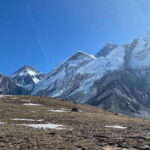
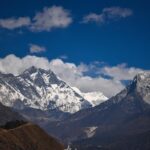
On Day 2, you head to Tribhuvan Domestic Airport early in the morning to catch a short flight to Lukla. The flight is about 30 minutes, and the payoff is immediate: you get a bird’s-eye look at hills, greenery, lakes, and mountains before your boots hit the trail.
Right after landing, the trek begins toward Phakding. The plan is to take it easy enough to settle into the routine: walk, check in with your guide, and end in Phakding for the night. Your guide will also summarize the trip and travel with a porter from this point, which is a smart “start together” setup.
The first day is where I’d expect most people to decide their trekking rhythm. If you start too fast, you’ll feel it later on the steep days. If you start steady, you’ll enjoy the route more, especially as rhododendron and pine forests appear along the early stretch.
Namche Bazaar via Dudh Koshi: Monjo entry and a real culture day
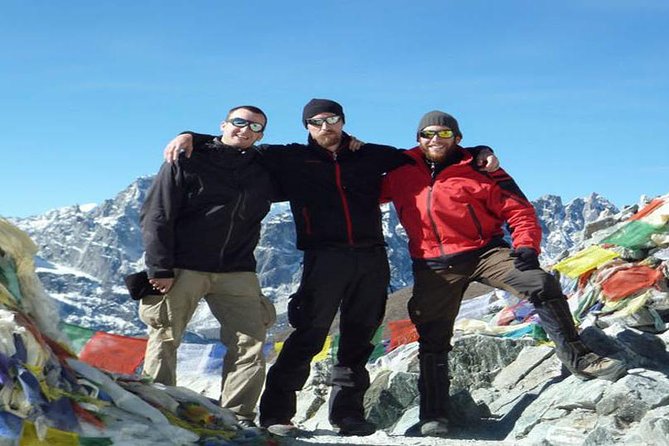
Day 3 brings you from Phakding toward Namche Bazaar by way of the Dudh Koshi route, with Monjo as a key stop. You’ll cross rhododendron and pine forest, and you’re walking into Sagarmatha National Park territory. That detail matters because it hints at what you’re really trekking through: protected landscapes, wildlife, and a route that’s been refined by decades of foot traffic.
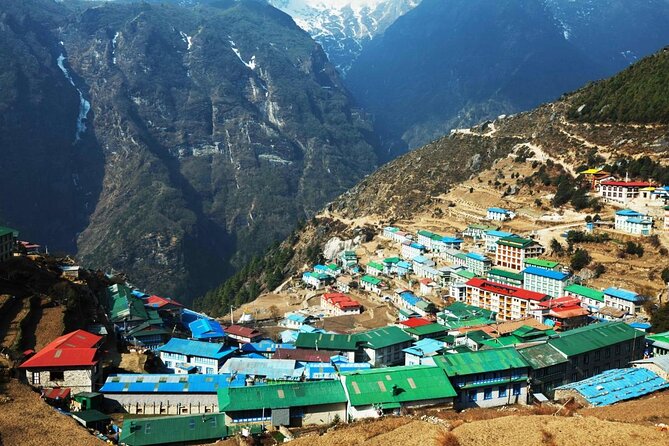
You’ll end Day 3 in Namche Bazaar, a place where the trail stops being quiet. This is a good day for small wins: getting your bearings, seeing locals, and enjoying the first real Khumbu “hub” atmosphere. Even if you’re not shopping, it helps to have a village setting where you can refocus and prepare.
Day 4 is an acclimatization day in Namche, and that is not a throwaway rest block. You explore different parts of Namche and you can even visit Sagarmatha National Park areas. This matters because your body needs time to adapt before higher elevations stack on top of each other. If you’ve ever felt altitude “creep up” later than you expected, you’ll be grateful the schedule builds in breathing room.
Tengboche views, Danfe sightings, and Dingboche altitude practice
Day 5 turns the dial up. You climb above the Dudh Koshi River, with paths bound by the surrounding Himalayan terrain. On this stretch, you might spot wildlife such as Danfe, Nepal’s national bird, which is a fun reminder that this is not just a climb—it’s a living ecosystem along the trail.
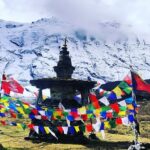
You’ll also make a move toward Tengboche, including a lunch stop around Trashing and then continuing to Tengboche for the night. The vibe here is scenic and spiritual: Tengboche is known for views framed by hills and forests, and it’s a classic checkpoint where trekkers pause and really look up.
Day 6 continues to Dingboche, crossing rhododendron forests and passing through a cooler, thinner-air feel as you gain elevation. Your overnight is in Dingboche, and the walk is described as one of the best walks people get on this trek. That lines up with what many hikers feel here: the route starts to feel more “Himalaya-only,” with fewer trees and more big sky.
Day 7 is a second acclimatization day in Dingboche. You explore the village and climb to Nagarkshang hill and then return to the hotel. This is the kind of day that makes the later big days safer in practice: you get uphill conditioning without trying to force the altitude too fast.
Lobuche cold and the Everest Base Camp day that feels unreal
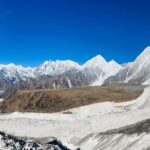
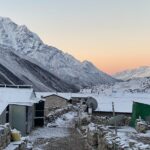
Day 8 moves you toward Lobuche via Douglas and the Khumbu Glacier views area, with the trek also passing places like Lobuche’s setup near the glacier route. Lobuche is noted as very cold due to geography, so plan to dress for that drop in temperature. This is also where you’ll likely feel how quickly conditions change once you’re near the higher valleys.
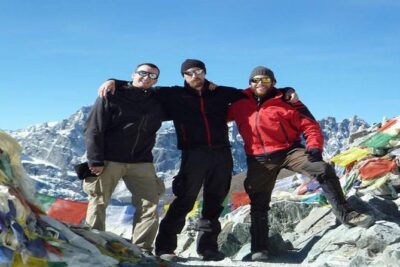
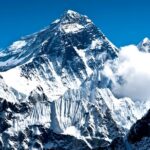
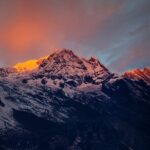
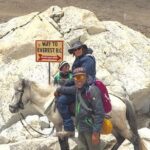
Day 9 is your true milestone: the day you move toward Everest Base Camp (EBC), where mountaineers prepare for their attempts on Everest (8,848 meters). The feeling is described as beyond words, and that tracks with what most people experience here: the landscape becomes massive, and your brain catches up only after you stop walking.
Your plan includes traveling onward after Base Camp toward Gorakshep for the night. Practically, it’s smart to treat this day as a “save your energy” day. You might want to rush to the final view, but you’ll enjoy it more if you keep your pace calm and let the moment land.
Kalapatthar early morning and the way back through Pheriche to Namche
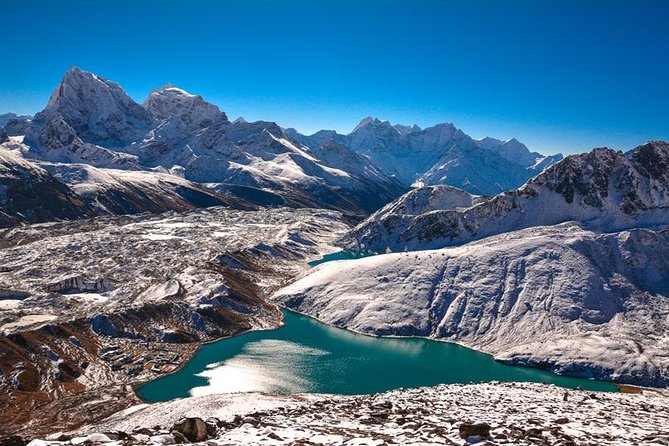
Day 10 starts with an early push to Kalapatthar. This is the part of the trek where your legs learn to work in the dark-to-dawn cold and your eyes learn to track distant snow ridges. After hours of walking, you arrive at Pheriche and break your day, then overnight in Pheriche.
Day 11 is the return rhythm. You travel back toward Tengboche first, exploring for a couple of hours. Then you continue to Namche Bazaar for the night. This leg is interesting because the scenery keeps changing, but you also get the comfort of already knowing what lies ahead.
Day 12 is longer. You cover more distance to reach Lukla Bazaar. This is the day where the view helps, because the tiredness can show up suddenly once your body realizes you’re close to the end. Still, it’s not a grind without meaning. Seeing Lukla again after days above it gives the whole trek a finish-line feeling.
Lukla to Kathmandu: that quick flight and the farewell dinner
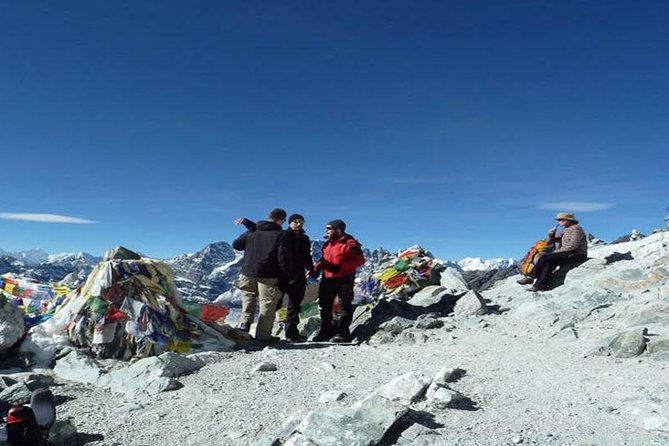
Day 13 is your way back to Kathmandu. You fly from Lukla to Kathmandu, with the air distance about half an hour. From the start time to the end, it’s a neat contrast: all that altitude work turns into a short ride where you finally feel your lungs relax.
Once you land, you can enjoy Kathmandu time and roam a bit if your energy holds. In the evening, the team from Adventure White Mountain offers a farewell dinner for completing the trip. I like that touch because it marks closure, instead of just dropping you off and sending you on your own.
Price and logistics: what the $1,800 really buys
At $1,800 per person, this trek sits in the “serious value” zone if you’re comparing it against the cost of arranging flights, hiring guides, and getting a structured trekking schedule in Nepal. Here’s the practical breakdown.
What’s included
- Professional English-speaking trekking guide plus one porter for two trekker (this is a big deal for comfort and safety).
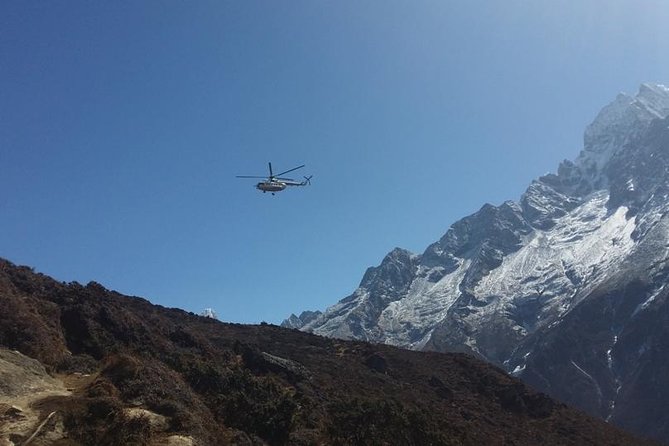
- Transport both ways: flights to/from Lukla and back to Kathmandu, including sharing vehicle.
- Meals: lunch (11), dinner (11), breakfast (12). This means you’re not budgeting day-to-day for food while your body is under strain.
What’s not included
- All drinks, and the data also treats meals as “not included” in that section, so you should confirm exactly which meals are covered on your exact dates. What you can bank on from the inclusion list is that lunches, dinners, and breakfasts are counted in the package.
- Hot shower fee, battery charge, and WiFi tips for guide and porter.
- Personal equipment (jacket, trousers, gloves, hat, and so on).
- Accommodation during the trip and national park permit fees.
That last bullet is the one that surprises people most. You’ll sleep in places like Namche, Tengboche, Dingboche, Lobuche, Gorakshep/Pheriche area, and then return to Namche and Lukla. Those nights are part of the trek experience, but you should expect to pay for lodging yourself on the ground because it’s listed as not included.
Guides, porters, and safety on steep altitude days
This trek is built around having support from the start. You’ll travel with a porter, and the package includes a guide who speaks English and helps manage the route. The operator also emphasizes safety, including guidance and planning from experienced Sherpa-style leadership.
What I appreciate most is the human ratio: one porter for two trekkers. That usually means you can carry less, which matters when your pack is heavy, your breathing is labored, and your legs get tired going up and down.
In the feedback I read through, certain guide names show up often, including Deepak, Rishi, Sambhu, and Mr. Dilli/Baba Dili, and the owner Dipak Sapkota is repeatedly described as quick to respond and involved from start to finish. Even if personalities vary by season, that pattern suggests you’re likely to get communication that feels organized rather than chaotic.
Still, altitude doesn’t negotiate. Your best “safety tool” is your own pacing: drink water, move steadily, and don’t treat acclimatization days like optional breaks.
Comfort planning: hot showers, charging, and packing choices
This is not a camping trek where everything is provided. You’ll be staying in mountain towns/guesthouses and moving daily, so comfort comes from simple things you pack and the small services you pay for.
For example, hot showers are available but come with a fee. Battery charging and WiFi also cost extra, and the package flags that you may pay for these via tips for guide and porter. That’s normal in the mountains, but it helps if you plan your power use in advance and keep your electronics charged early in the day.
For gear, the package clearly points to personal equipment like jacket, trousers, gloves, and a hat. Don’t underpack for cold nights and windy ridgelines, even if the sunny hours feel pleasant.
What to expect on the trail day by day
Here’s the big picture of how the walking feels over the 13 days:
- Early days (Phakding, Monjo, Namche): steady, scenic forest walking that gets you used to breathing and rhythm.
- Mid days (Tengboche, Dingboche): more elevation change, more exposure, and stronger need for acclimatization discipline.
- High days (Lobuche, EBC, Gorakshep, Kalapatthar): colder temperatures, big views, and days where you move early and treat rest as part of the plan.
- Return days (Pheriche, Tengboche, Namche, Lukla): similar terrain but with the psychology shift that you’re close to the end.
If you’re the kind of traveler who likes routines, this trek delivers. The day structure is predictable, even when weather can change your pace.
Who should book this Everest Base Camp trek
This fits best if you:
- Have moderate physical fitness and can handle days of walking with altitude.
- Want a structured route with acclimatization built in (Namche plus Dingboche).
- Appreciate having a guide and porter team so you’re not constantly juggling logistics.
It may be a mismatch if you:
- Want a fully all-inclusive package where lodging and permits are already covered.
- Are very sensitive to cold weather, since Lobuche and the higher zones are described as very cold and your early starts can be chilly.
- Don’t like weather-driven uncertainty, since the experience notes it depends on good weather.
Should you book Adventure White Mountain for Everest Base Camp?
Yes, if you want a classic Everest Base Camp trek with solid support, a schedule that respects altitude, and meals built into the main trekking days. The $1,800 price can feel fair because it includes flights to Lukla, guide and porter support, and a large portion of meals.
I’d still treat it as a “pay attention to add-ons” trip. Budget for in-mountain lodging, national park permits, and common extras like charging and hot showers. If you do that homework before you land in Kathmandu, the whole experience feels more like a smooth climb and less like a surprise checklist.
FAQ
What is the starting point and start time for this trek?
The meeting point is in Kathmandu with a start time of 7:15 am.
How long is the Everest Base Camp trek?
The trek duration is about 13 days.
Does the tour include flights to and from Lukla?
Yes. It includes both-way flights to Lukla and back to Kathmandu, using a sharing vehicle.
Is a guide and porter included?
Yes. You get a professional English-speaking trekking guide, and the plan includes one porter for two trekkers.
Are meals included?
The package includes 11 lunches, 11 dinners, and 12 breakfasts. Drinks are not included.
Is accommodation during the trek included?
No. Accommodation during the trip is listed as not included.
Are national park permit fees included?
No. National park permit fees are listed as not included.
Are hot showers, charging, and WiFi included?
No. The trek lists hot shower fees, battery charging, and WiFi tips for the guide and porter as not included.
Is this a private tour?
Yes. It is listed as a private tour/activity, meaning only your group participates.
Is there free cancellation?
Yes. You can cancel for a full refund up to 24 hours in advance of the experience start time. If you cancel less than 24 hours before, it’s not refunded.