REVIEW · MARRAKECH
Summiting and Hiking the Atlas Mountains Day Trek from Marrakech
Book on Viator →Operated by Atlas Dream · Bookable on Viator
Altitude hits fast in the Atlas Mountains. This day trek from Marrakech climbs from Imlil to the Isk summit and rewards you with big panoramas over Mount Toubkal and nearby peaks. I also like that you get a real mountain picnic with mint tea and water, not just a quick stop.
One thing to think about: the trail can feel steep early, and in colder months you may hit snow. Bring cold-season clothing (and proper trainers), because footing matters on the ascent and the descent.
In This Review
- Key reasons this trek is worth your day
- From Marrakech to Imlil: why the morning drive matters
- Imlil and Toubkal National Park: the trail starts in forests
- Climbing toward Isk: the 850m reality check
- Isk summit views and the picnic break you’ll remember
- Tidli Plateau descent: different trail, same big air
- Food, water, and the small details that keep you comfortable
- Guides, pacing, and what small groups do well
- Price and value: what $116 gets you in the Atlas
- Who this trek suits best (and who should rethink it)
- Should you book this Atlas Mountains day trek from Marrakech?
- FAQ
- How long is the trek, and how long is the full tour?
- What time does the tour start and when will I be back in Marrakech?
- Where do I meet the group if I don’t want hotel pickup?
- Is food included?
- Do I need to buy an admission ticket?
- What altitude do we reach?
- Is this tour suitable for me if I have only moderate fitness?
- What should I wear in October to April?
- What if the weather is bad?
Key reasons this trek is worth your day
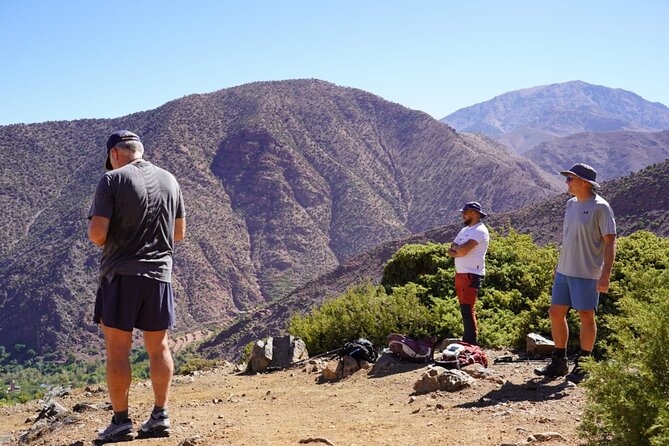
- Isk summit views: big angles on Mount Toubkal and surrounding High Atlas peaks
- About 850m up and down: roughly 5 hours of hiking, guided and paced with breaks
- Breakfast plus a picnic: mint tea, mineral water, and lunch on the peak or nearby plateau
- Small group size (max 15): easier rhythm, fewer bottlenecks on narrow trail spots
- Tidli Plateau descent: you don’t just retrace your steps end to end
- Snow and gear fixes: in Imlil, you can rent essentials if the weather turns
From Marrakech to Imlil: why the morning drive matters
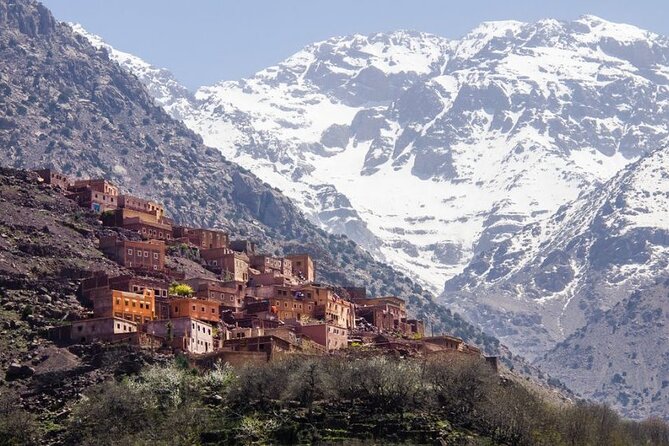
You start at 9:00 AM, either with pickup from your hotel or at Argana Café near Jemaa el-Fnaa. Then you spend about 1.5 hours in an air-conditioned vehicle heading toward the heart of the Atlas. This timing is practical: you get out before the day heats up, and you arrive at Imlil (around 1,740m) while your legs still feel fresh.
The total day runs about 9 hours, and the goal is to be back around 6:00 PM. That’s a good frame for Marrakech visitors who want a mountain hike without turning the day into a travel marathon.
One small detail that helps: the experience uses a mobile ticket and includes the entry fees for the High Atlas area. That means fewer stops where you have to pull out cash or paperwork while you’re already thinking about boots, water, and the climb.
You can also read our reviews of more tours and experiences in Marrakech.


Imlil and Toubkal National Park: the trail starts in forests
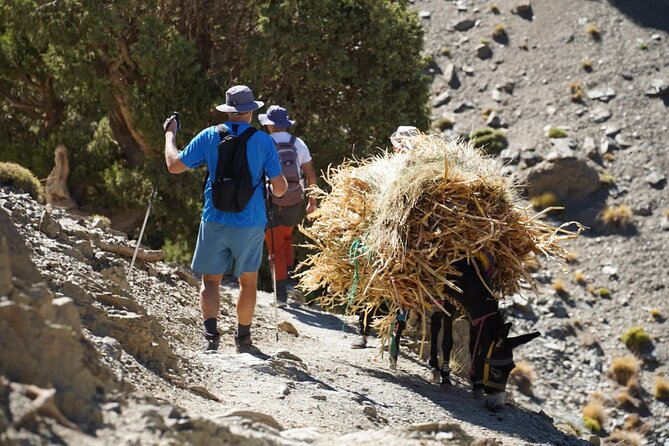
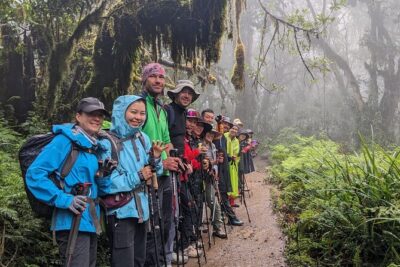
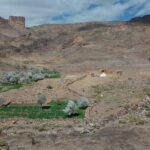
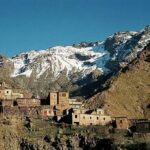
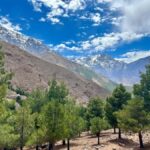
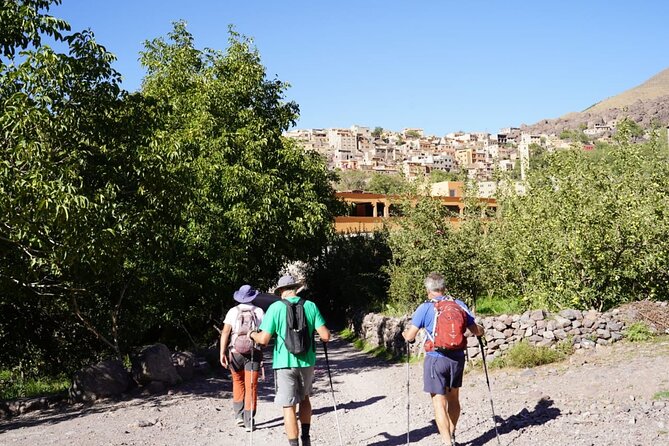
From Imlil, you hike inside Toubkal National Park, moving through pine and juniper as the path gains altitude. The early part feels like a mood shift from city life. Even if you’re not chasing speed, the scenery changes steadily: trunks get slimmer, air gets thinner, and the mountain feel becomes real.
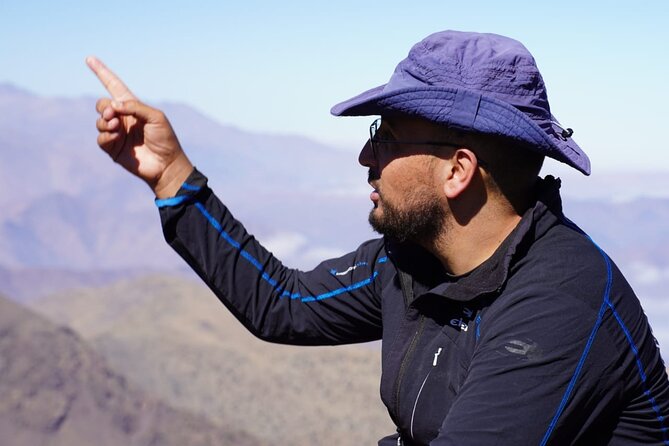
This is also where the guide makes a difference. In the reviews, guides like Lechen and Hamid come up as patient with slower hikers, and they share facts along the way. You’ll get context for what you’re seeing—mountain life, Berber villages, and how the valleys fit together.
What I like about this setup is that it avoids the typical tourist trap of wandering with no point. Here, each stretch of trail leads toward a clear goal, and you’re learning while you’re walking.
Possible drawback: the hike can be steep from the beginning. If you’re not used to uphill hiking, plan on taking small breaks often. That’s not a failure. It’s how you finish feeling proud instead of wrecked.
Climbing toward Isk: the 850m reality check
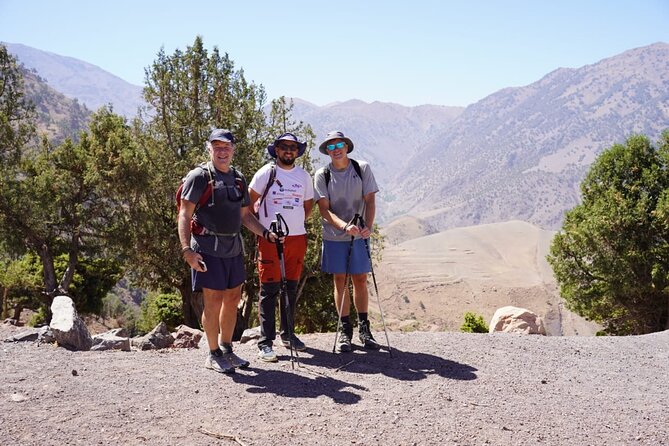
The trek includes about 850m of ascent and descent total, with around 5 hours of hiking. That’s not a casual stroll, but it’s also not an all-day sufferfest. Most people with moderate fitness can do it if they pace themselves and don’t treat altitude like a treadmill problem.
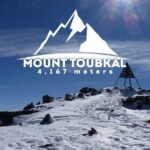
The big catch is expectation. The word summiting can sound like you’re going for the top peak. Here, you’re heading to Isk at roughly 2,500–2,600m (depending on how it’s described for your route). You still get astonishing views, including angles of Mount Toubkal, but you’re not climbing North Africa’s highest summit.
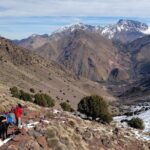
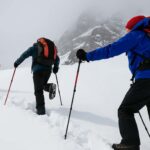
What the reviews underline is that conditions matter. In colder months, there can be snow along much of the way, which makes the climb feel harder and the trail slower. If that happens, your best strategy is simple:
- slow down early
- keep your steps short on any icy patch
- use the guide’s stops for photos and recovery
If you’re sensitive to cold, don’t wait until you feel miserable. Layer up before you’re uncomfortable.
Isk summit views and the picnic break you’ll remember
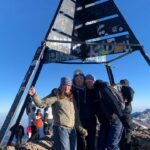
Reaching the top is when the day clicks into focus. From the Isk summit, you get panoramic views that stretch across the High Atlas. You’ll see neighboring summits, plus a strong view toward Mount Toubkal. On clear days, the best part is how you can trace the valleys and understand where villages sit and how the terrain shapes life.
Then you get the payoff meal: a picnic on the peak or at the plateau. The timing matters. Eating while you’re still high and still soaking in the view keeps the energy positive. You’ll also be provided mineral water and mint tea throughout the day, so this doesn’t turn into a scramble for drinks halfway through the descent.
I like that the summit stop isn’t just a quick photo sprint. It’s described as a real relax-and-eat moment, so you recover a bit before the walking shifts to downhill.
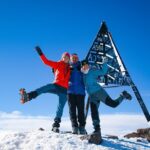
One other detail I found encouraging from the reviews: even in snow, people made it to the top. The common thread is that guides kept things manageable and helped with pacing, and where needed, pointed out rental options for cold-weather gear in Imlil.
Tidli Plateau descent: different trail, same big air
After the picnic, you descend via a different trail instead of doing a full repeat of the ascent. The route includes the Tidli Plateau, which gives you a change of scenery and keeps the day from turning into one long monotone of uphill-then-downhill.
Downhill can be harder than you expect, even when your heart rate drops. Your knees and ankles get the work, especially if the ground is uneven or snowy. This is where trainers with good grip and a steady stride help a lot.
As you head back toward Imlil, you start to feel that second wave of mountain day satisfaction: the views are still there, but you’re no longer fighting for oxygen. Then you meet your driver for the ride back to Marrakech, aiming for about 6:00 PM.
Some departures may include extra tea moments after the hike, like rooftop tea in a nearby village or an invitation for pastries in someone’s home, depending on the day and the guide’s local connections. Those aren’t guaranteed parts of the official plan, but the vibe of Moroccan hospitality is part of why this day feels memorable.

Food, water, and the small details that keep you comfortable
This tour isn’t just a hike. The included food and drinks keep you fueled without you having to plan anything beyond showing up.
You get breakfast with items such as argan and olive oil, honey, bread, and mint tea. Lunch is either on the peak or the plateau as a picnic. And you’ll have mineral water plus mint tea provided during the day.
Why this matters: on a mountain trek, energy fades fast. If you have to buy snacks between stops, you lose time and focus. Here, the schedule supports the physical effort.
Also, the day includes all fees and taxes, and there’s no entry ticket hassle for the High Atlas area. Tips aren’t included, so if you feel your guide earned it (and they usually do), keep some cash aside.
Guides, pacing, and what small groups do well
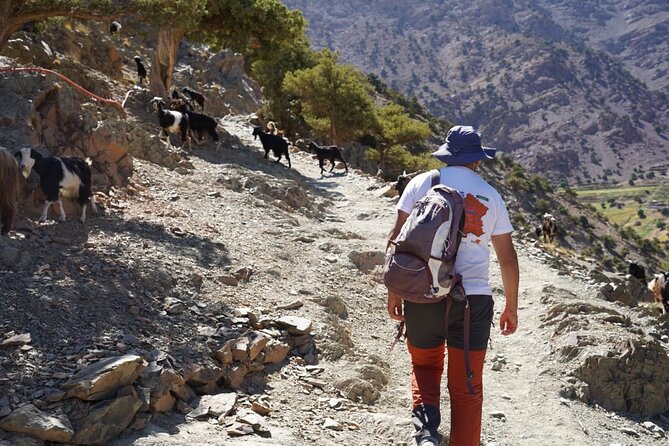
The group size is limited to 15 travelers maximum, which makes the hike feel calmer. You’re less likely to get stuck behind a cluster of people on narrow sections, and your guide can actually manage pace instead of herding.
In the reviews, guides are praised for being friendly and patient, especially with hikers who move slower or struggle in snow. Names like Lechen and Hamid show up with that theme: small rest moments, clear guidance, and quick fixes if you’re missing gear.
You should also expect some culture talk. The summit views are the headline, but the guide’s explanations about Berber villages and the region add meaning while you’re climbing.
A realistic expectation: if you go in expecting a casual walk with zero effort, you might feel disappointed. If you go in expecting a guided mountain hike with frequent photo and rest pauses, you’ll probably feel exactly where you want to be.
Price and value: what $116 gets you in the Atlas
At about $116.31 per person, this trek can look like a lot until you price out the full day properly. You’re paying for:
- hotel pickup and drop-off
- an air-conditioned vehicle for the mountain drive
- a local guide
- breakfast plus a picnic lunch
- mineral water and mint tea
- entry and all fees
That value matters most because it protects your time. Instead of figuring out transport, ticketing, and food on your own, the day runs as one package. Also, the hike includes a meaningful goal (Isk at roughly 2,500–2,600m) and a planned route through the national park with a descent via the Tidli Plateau.
A practical tip: this experience is often booked in advance. The average booking time is about 11 days, so if you’re visiting in a busy season, don’t wait for the last minute.
Who this trek suits best (and who should rethink it)
This is listed as moderate physical fitness. That’s a sweet spot for most active travelers who can handle uphill walking with breaks. If you’ve hiked before and you’re comfortable with altitude, you’ll likely find this very doable.
You should reconsider if:
- you have mobility issues that make stairs or uneven footing hard (downhill can be rough)
- you expect a low-effort walk
- you won’t be able to handle cold and possible snow in October to April
If you’re traveling with someone who’s less confident on hills, the small group size and guide pacing can help a lot. The reviews repeatedly highlight that people were able to make the top even when weather got tricky.
Should you book this Atlas Mountains day trek from Marrakech?
I’d book it if you want one strong mountain day with real views, real food, and a guide who keeps things moving. It’s also a good choice if you’re short on time in Marrakech and want a structured way to experience the High Atlas without overplanning.
I’d hesitate if you want the absolute highest summit in North Africa, because this is Isk, not Mount Toubkal itself. You still get massive scenery, but it’s smart to align expectations with the actual hike.
If your dates fall in colder months, treat this as a snow-capable hike until proven otherwise. Pack for cold, bring proper shoes, and remember that you can rent essentials in Imlil if needed.
If that sounds like your kind of day, this is a high-value way to see Morocco’s mountains up close.
FAQ
How long is the trek, and how long is the full tour?
The hike is about 9 hours total, with around 5 hours of hiking. The trek includes approximately 850m of ascent and descent.
What time does the tour start and when will I be back in Marrakech?
Pickup or meeting starts at 9:00 AM. The plan is to return to Marrakech around 6:00 PM.
Where do I meet the group if I don’t want hotel pickup?
You can meet outside Argana Café at 9:00 AM (near the Jemaa el-Fnaa area in Marrakech).
Is food included?
Yes. You’ll have breakfast and a picnic lunch on the peak or the plateau. Mineral water and mint tea are also provided.
Do I need to buy an admission ticket?
Admission for the High Atlas Mountains area is included. You’ll receive a mobile ticket.
What altitude do we reach?
You hike up to the Isk summit, described as around 2,500 to 2,600m.
Is this tour suitable for me if I have only moderate fitness?
It’s aimed at people with moderate physical fitness. The trail can be steep, so you should be comfortable with uphill hiking.
What should I wear in October to April?
Bring a jacket and warm clothing suitable for cold weather, plus trainers. If you’re missing essentials, you can rent gear in Imlil before the hike.
What if the weather is bad?
The experience needs good weather. If it’s canceled due to poor weather, you’ll be offered another date or a full refund.