REVIEW · MOUNT ETNA
Mount Etna: Craters of the 2002 Eruption Trekking Experience
Book on GetYourGuide →Operated by Guide Vulcanologiche Etna Nord · Bookable on GetYourGuide
Etna’s craters feel close enough to touch. This 3-hour guided trek takes you through the north side of Mount Etna, where the 2002 eruption left behind fractured ground, lava streams, and a crater edge view over the Calabrian Coast. I like that the walk stays educational but not boring, especially with guides such as Davide, Daniele, or Vincenzo who mix clear explanations with a bit of humor.
My other favorite part is the pacing: you get multiple stops to study what the volcano did, without spending hours in transit or getting swallowed by massive crowds. Still, do keep expectations realistic—this isn’t a flat stroll. The soil can be unstable in places, and dizziness is possible if you’re sensitive to heights or crater edges.
In This Review
- Key Highlights to Expect on This Etna 2002 Crater Trek
- Why Etna’s North-Side 2002 Craters Are So Memorable
- Meeting at Chiosco Bar Mareneve: The Small Detail That Saves Time
- The 15-Minute Safety Briefing (and Why It Matters on Etna)
- Hotel Sommerso dalla Colata Lavica: Where the 2002 Lava Story Gets Concrete
- Bottoniera del 1911: Cracks, Controls, and the Volcano’s Logic
- Cerniera di Fuoco 2002: The Walk That Brings the Eruption Theater Into View
- Hornitos and Cinder Cones: Small Over, Big Meaning
- Summit Crater Edges and the Sandy-Channel Return
- Guides Make or Break It: What I’d Look For in Your Guide
- Price and Value: Is $42 Worth 3 Hours on Etna?
- What to Bring (So You Don’t Spend the Hike Thinking About Gear)
- Fitness Level: Who This Trek Fits (and Who Should Rethink)
- Should You Book This Etna 2002 Craters Trek?
- FAQ
- How long is the Mount Etna craters trek?
- Where do I meet for the tour?
- What’s included in the price?
- Is transportation from my hotel included?
- Do I need my own trekking shoes or can I rent them?
- Who should not do this trek?
Key Highlights to Expect on This Etna 2002 Crater Trek
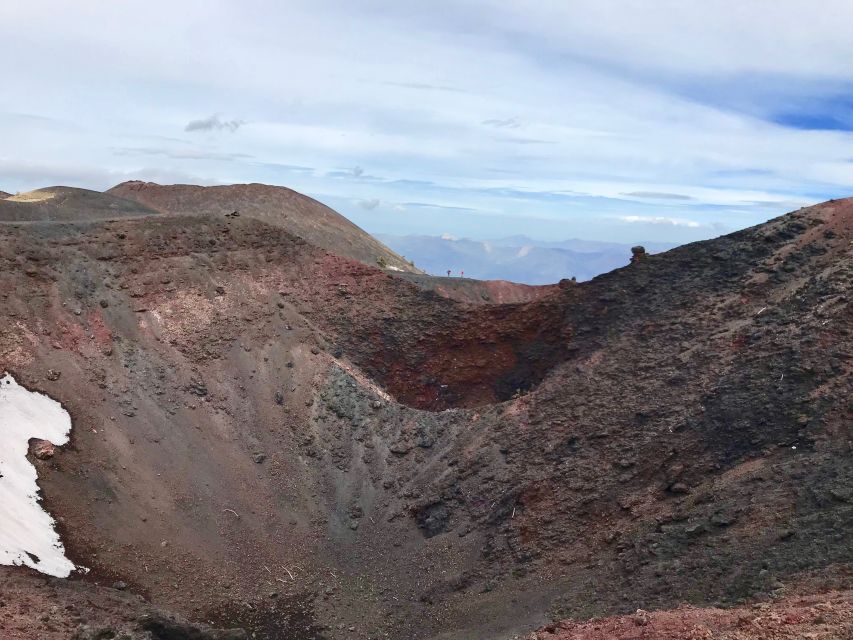
- 2002 eruption evidence, including craters tied to the destruction of Piano Provenzana
- Hotel dell Betulle ruins, the only visible structure from the 2002 lava flow
- Hornitos and cinder cones, with stops designed for real observation, not just photos
- Eruptive fractures and lava streams, explained in plain language on the move
- Crater-edge views plus a return that goes down a sandy channel
Why Etna’s North-Side 2002 Craters Are So Memorable
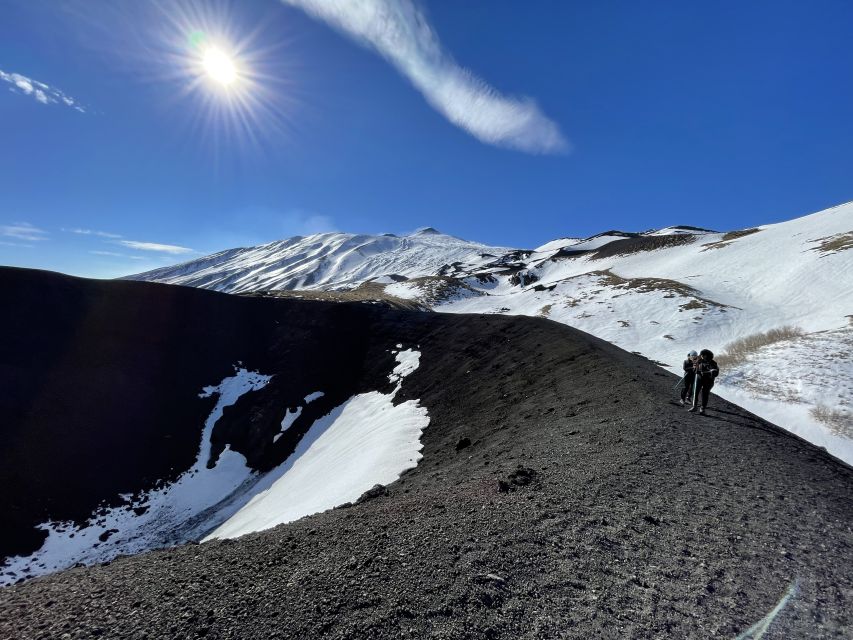
Etna can be impressive from afar. What makes this trek special is that you’re walking where the volcano’s forces actually wrote their story into the ground. You’ll see how the 2002 eruption shaped the area near Piano Provenzana and created features you can point at—then understand—while you’re standing there.
I especially like how the route isn’t just about reaching the summit. You also spend time on the way studying volcanic forms from different eruptions over time on the north side, with the most recent flank events leaving the clearest evidence. One of the themes is how an eruption threatened Linguaglossa—useful context if you’ve only ever thought of Etna as a scenery-maker.
The overall tone is practical and outdoorsy. Safety comes first, then you learn by watching and asking questions, all while the terrain does what it does: shift, crumble a little underfoot, and demand respect.
You can also read our reviews of more tours and experiences in Mount Etna.
Meeting at Chiosco Bar Mareneve: The Small Detail That Saves Time
You meet at CHIOSCO BAR MARENEVE di Ferraro Giuseppa, not the Chiosco Bar Etna Nord in the lower parking area. That sounds tiny, but it prevents the frustrating end-of-day scramble of people getting split by the wrong pickup point.
The meeting spot is close to the chairlift used by skiers in winter, and it’s described as the second house of four in that parking area. If you arrive early, you’ll likely get your bearings fast and avoid that last-minute “where do we stand?” feeling.
Also plan for parking costs. The info you’ll get mentions a parking fee (one note says €3 paid after the excursion, while another mentions weekday/weekend pricing). Either way, budget a few euros and don’t count on parking being free.
The 15-Minute Safety Briefing (and Why It Matters on Etna)
Before anyone starts walking, you get a safety briefing (about 15 minutes). This isn’t just paperwork. Volcanic soil can be inconsistent, and the route includes crater edges, cinder cones, and uneven ground.
Here’s the honest part: you’re not climbing a theme park trail. You’ll want to follow guide instructions closely, especially around unstable areas and along the crater rim where dizziness can happen for some people. If you’re the type who feels queasy looking down, mention it early so the guide can help you manage the timing and viewpoints.
Insurance is included, but you’re still responsible for basics—like having proper footwear. No adequate shoes means you’re not covered, so treat shoe rental as non-optional, not “maybe.”
Hotel Sommerso dalla Colata Lavica: Where the 2002 Lava Story Gets Concrete
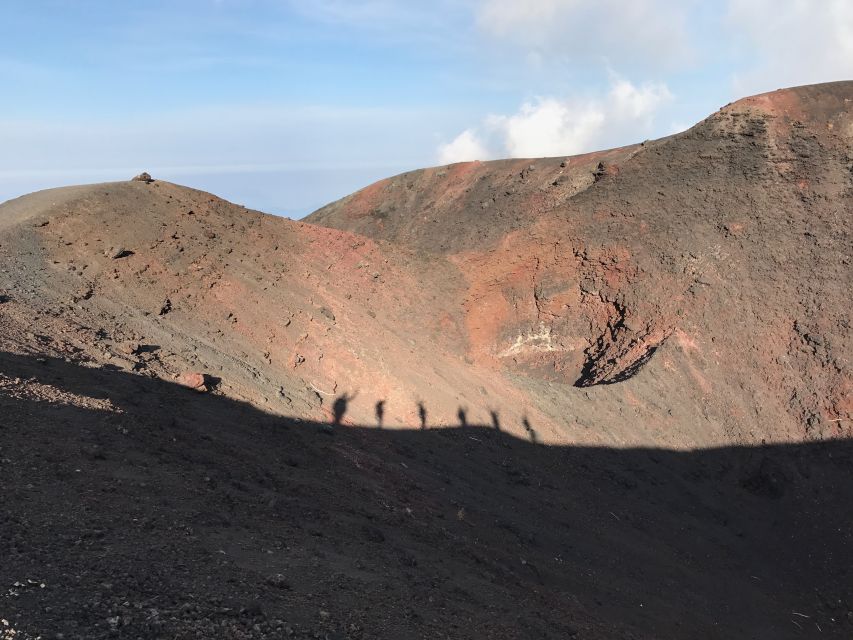
The first meaningful stop is the area connected to Hotel sommerso dalla colata lavica—a site tied to the lava flow that changed everything in 2002. Your guide takes time here for photos, a short visit, and explanation.
From this part of the route, you’ll learn how the eruption didn’t just create dramatic craters; it also erased (and engulfed) parts of everyday life. The most striking reference point is the ruins of the Hotel dell Betulle, described as the only visible structure from the 2002 lava flow. Seeing a remnant like that makes the science feel real, not abstract.
Practical tip: this section is a good time to settle your footing and get comfortable with the ground texture before the more crater-close stages.
Bottoniera del 1911: Cracks, Controls, and the Volcano’s Logic
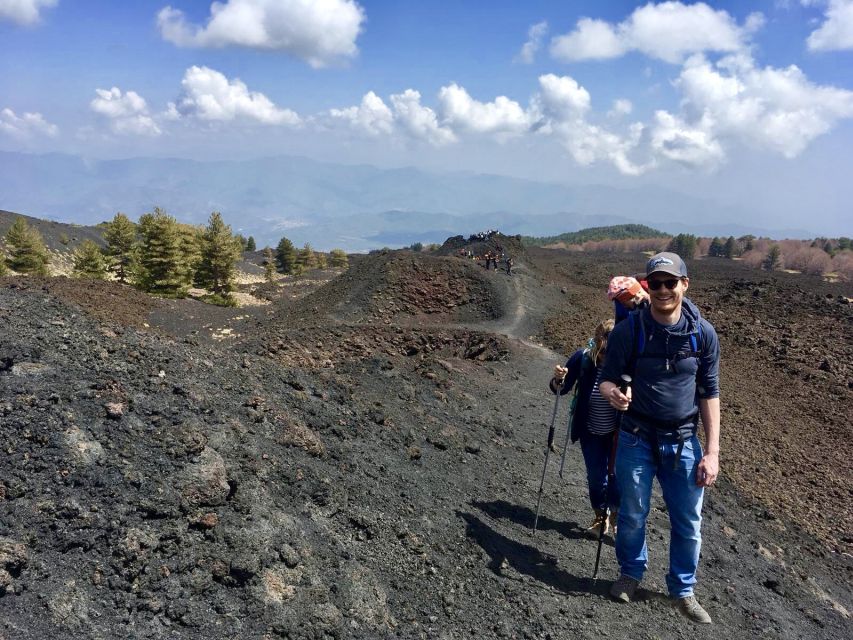
Next comes Bottoniera del 1911, with time for breaks, photos, and guided explanation (about a 25-minute stretch by walk time). This is the kind of stop where you start thinking like the volcano.
Instead of treating Etna as one big lump of rock, the guide points out how eruptive systems create zones of change—fractures, openings, and channels that acted like pathways for molten material. The name itself ties to a specific volcanic context, and the walk here helps you connect the dots between what you see and how it likely formed.
You’ll also appreciate the “on the move” format. It prevents the tour from becoming a series of standing still lectures. You’re always transferring learning from one feature to the next.
Cerniera di Fuoco 2002: The Walk That Brings the Eruption Theater Into View
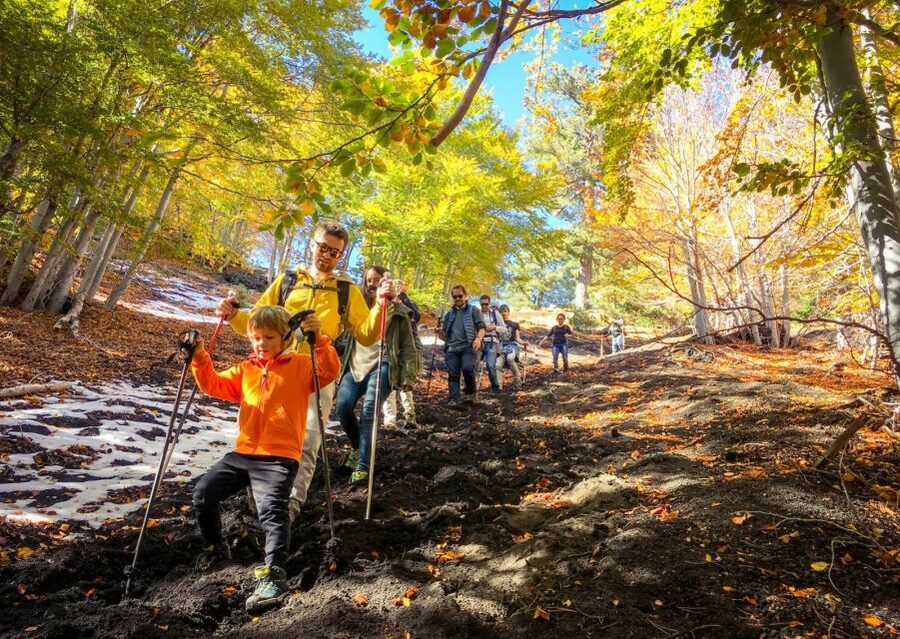
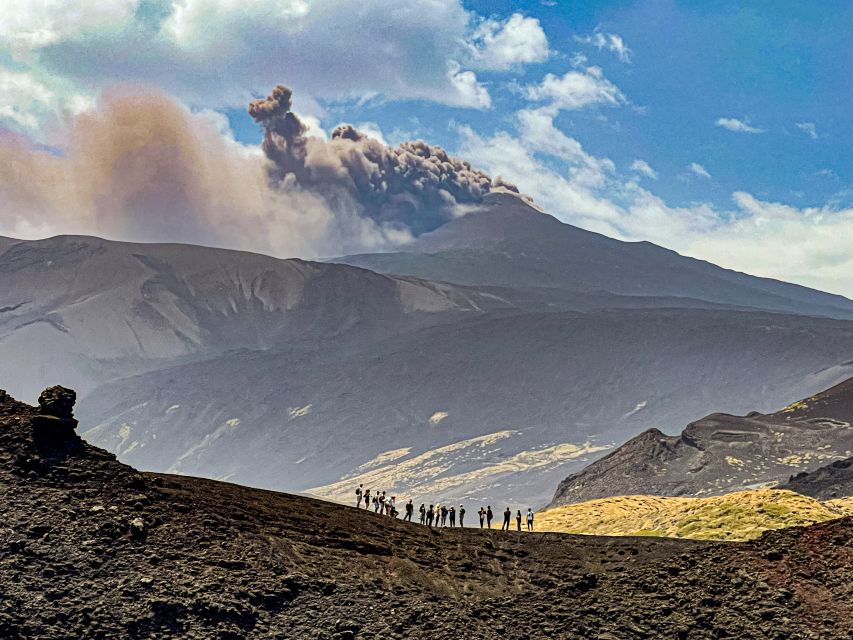
The heart of the trek is Cerniera di fuoco 2002, with a longer guided segment (about 1.5 hours of walking/route time) and frequent pauses. This is where you’ll feel the power of the terrain most clearly.
You’ll encounter eruptive fractures and the features left behind by the series of eruptions on the north side of Etna. The guide helps you read the ground like a map: what looks like rubble, why it ended up that way, and what the shape suggests about the eruption’s behavior.
One standout element is how this area links science to geography. You’re not only staring at volcanic features; you’re also looking outward for context—aiming your eyes toward the Calabrian Coast and the broader eruptive theater. That wide view gives your brain a sense of scale: the volcano is big, but the evidence is right at your feet.
One consideration: if it’s windy, expect it. Some tours report wind as a noticeable factor, and crater edges can feel exposed.
Hornitos and Cinder Cones: Small Over, Big Meaning
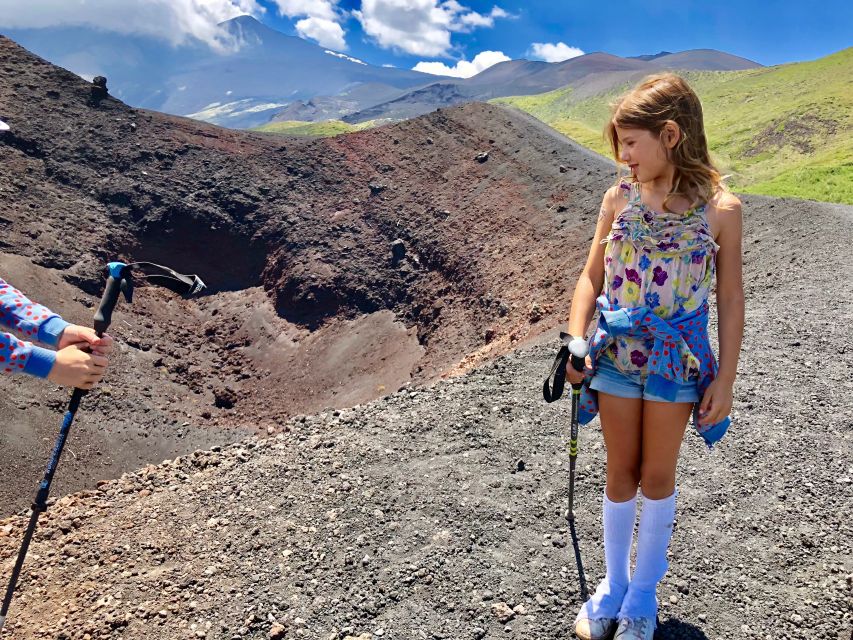
Along the route, you’ll visit structures called Hornitos—meaning “small over.” Your guide also leads you up along cinder cones, where the ground changes texture and elevation.
This is one of those parts that rewards slow attention. Don’t just walk through it for the next photo. Take a minute to look for the shapes and how they relate to the eruption process. Guides tend to explain what these features mean in practical terms, so you leave with a clearer mental picture than when you started.
If you’re traveling with people who hate uneven stairs or unstable footing, this is the section to slow down and stick close to the guide. It’s also where choosing the right shoes matters most.
Summit Crater Edges and the Sandy-Channel Return
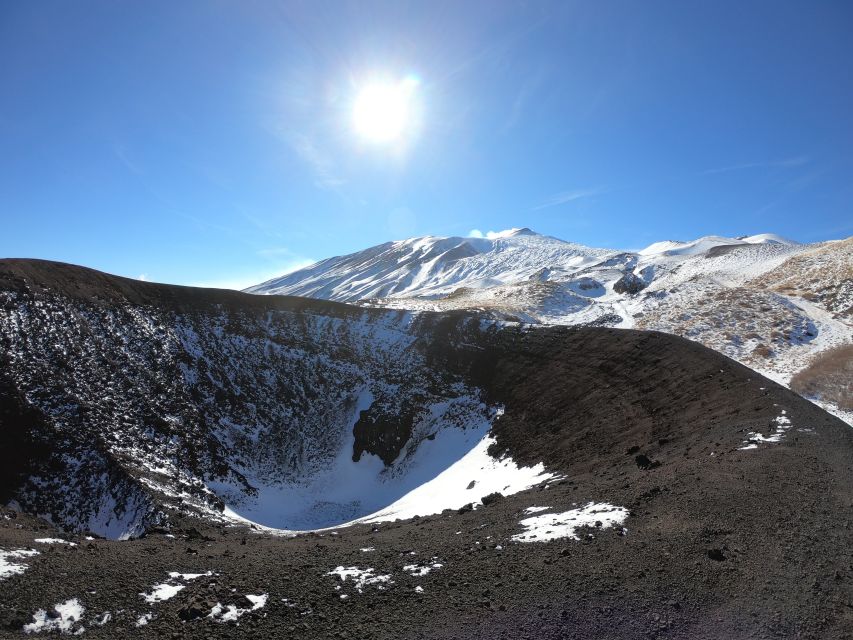
Once you reach the summit area, you’ll look over the edge of the craters. The viewpoint is dramatic, but the guide’s job here is also to help you manage what you’re feeling physically. If you’re prone to dizziness on crater rims, this is where you follow the plan carefully—no forcing it, no rushing for the perfect view.
Then you descend by going down inside a sandy channel to return to the starting point. That descent can feel different from the earlier walking. You’ll likely adjust your steps and use your body like you’re walking down a loose, sloped trail.
This part is also why trekking shoes and a daypack matter. You want stable traction and enough balance to keep it comfortable.
Guides Make or Break It: What I’d Look For in Your Guide
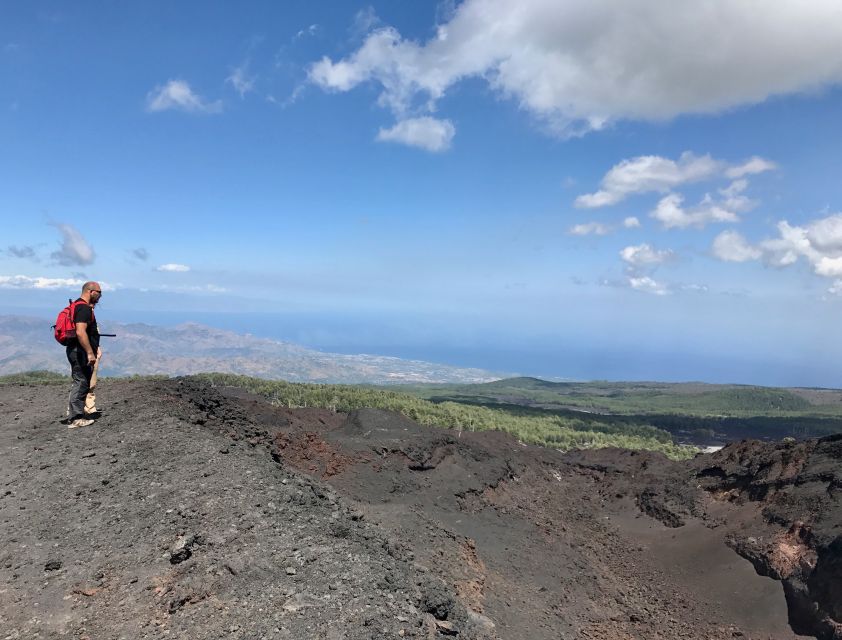
On this trek, the guide isn’t just a ticket to a summit. You’re buying interpretation—science you can understand while you’re breathing hot (or cold) air and looking at real features.
The best guides in this program tend to:
- Explain in multiple languages, including Italian, French, and English
- Use jokes lightly to keep you focused (and not exhausted)
- Show photos or personal eruption materials during the route when it helps you understand what you’re seeing
- Keep the group moving while still pausing for questions
You might come across guides like Davide, Daniele, Niko, Vincenzo, or Vincenzo again in different trips. The recurring theme is confidence and clarity—plus a sense of making the walk feel like an educational outing, not a hike where you’re left alone with your questions.
Price and Value: Is $42 Worth 3 Hours on Etna?
At around $42 per person for a 3-hour guided trek, the value is strong—especially because the experience is built around interpretation, not just access. You’re paying for an official volcano guide plus insurance in case of accidents, and that reduces the cost of figuring things out yourself on an active mountain.
What you do need to budget for:
- Trekking poles/sticks if you want them (rental is mentioned)
- Footwear rental if you arrive unprepared (rental is also mentioned on-site)
- Possibly a windbreaker rental and/or gloves/hat depending on season
- Any snowshoe rental if winter conditions apply (snowshoes are mentioned as rentable on-site at an added cost)
So yes, it’s affordable for what you get. Just plan to show up equipped enough to keep yourself safe and covered.
What to Bring (So You Don’t Spend the Hike Thinking About Gear)
From the tour info, you’ll want:
- A windbreaker
- Sunglasses and sunscreen
- Water and snacks
- Hiking shoes (or plan to rent)
- Comfortable clothes for changing conditions
- A jacket and a small daypack
The rules matter. Skip sandals and flip-flops. Avoid high heels. Also don’t show up with big luggage or strollers. Etna isn’t the place for extra bulk when the ground can be unstable.
Season note: gloves and hats aren’t included in winter, spring, or autumn rental guidance, so bring your own if the weather is chilly. Snowshoes can be needed in December, January, February, and March, with rentals available on-site.
Fitness Level: Who This Trek Fits (and Who Should Rethink)
This is described as reserved for hikers with medium training, and you should be ready for uneven, sometimes unstable volcanic soil. It also isn’t ideal if you don’t participate in regular physical activity.
I’d say it’s a good fit if you:
- Can handle stairs-like movement and uneven footing
- Don’t mind short periods close to crater edges
- Like learning while walking, with frequent pauses
It’s not recommended for:
- Children under 6
- Pregnant women
- People with back problems, heart problems, epilepsy
- People with mobility impairments
- People afraid of heights or with vertigo
- People with respiratory issues
Also remember that the route includes ascent and walking along crater edges. The time can vary by pace, so go in with a calm attitude and don’t treat this like a race.
Should You Book This Etna 2002 Craters Trek?
If your goal is to understand Etna in a short window, I’d book it. The 2002 features—especially the Hotel dell Betulle ruins and the crater-edge views—are exactly the kind of “I get it now” learning that guided hikes do best. And because it’s designed away from huge crowds, you get space to think while you look.
But if you have vertigo, strong fear of heights, or mobility constraints, skip this one. The route is right where the volcano is most dramatic, and you’ll need your body to feel steady.
My final take: book it if you can walk at a medium level, bring proper shoes, and want an education you can stand on. Then show up ready for wind, dust, and real volcanic terrain—because that’s what makes this Etna trek work.
FAQ
How long is the Mount Etna craters trek?
It runs for about 3 hours.
Where do I meet for the tour?
Meet at CHIOSCO BAR MARENEVE di Ferraro Giuseppa (not Chiosco Bar Etna Nord). It’s near the chairlift in the winter ski area.
What’s included in the price?
You get an official volcano guide and insurance in case of accidents.
Is transportation from my hotel included?
No. Transport from your accommodation to the starting point isn’t included.
Do I need my own trekking shoes or can I rent them?
Trekking shoes aren’t included. You can rent them on-site at authorized rentals for an added cost.
Who should not do this trek?
It’s not recommended for children under 6, pregnant women, people with back or heart problems, epilepsy, mobility impairments, respiratory issues, or anyone afraid of heights or with vertigo.