REVIEW · MARRAKECH
3-Day Tour to Merzouga Erg Chebbi with Food & Camel Trek
Book on Viator →Operated by Ando Travel SARL · Bookable on Viator
Marrakech to the Sahara in three days is a lot. This trip strings together High Atlas scenery, a UNESCO Aït Benhaddou kasbah stop, and a real camel trek to Erg Chebbi dunes with dinner under the stars. It’s a straightforward circuit that trades city noise for big sky quiet.
What I like most is the mix of famous sights and slow desert moments. You get a proper day of driving through mountain roads and oasis country, then you switch gears into sunset camel trekking and camp life in the sand. I also like that the timing is built around daylight for the major stops, with an optional early-morning dune walk on day three.
One thing to consider: it’s a long road trip. Even with comfort like air-conditioning and regular bathroom breaks, you’ll spend a lot of time in the minivan. If you get motion-sick or hate being on a schedule, plan for that up front.
In This Review
- Key things to know before you go
- From Marrakech at 7:00 am to the Tizi-n-Tichka pass
- Aït Benhaddou kasbah: UNESCO time plus the optional guide
- Skoura oasis stop and the Dadès overnight in Bourmaine du Dadès
- Day two: Road of 1,000 Kasbahs, Todra Gorge, and Rissani
- Camel trek to Erg Chebbi: sunset dunes and camp dinner under stars
- Day three sunrise option and the return through the High Atlas
- Drivers and group vibe: why people talk about names
- Price and logistics: what $133.24 really buys you
- Who should book this Merzouga and Erg Chebbi 3-day tour?
- Should you book it?
- FAQ
- What time does the tour start, and when do I return to Marrakech?
- Where are pickup and drop-off handled?
- How long is the experience?
- What’s included for meals?
- Is there a local guide included for Aït Benhaddou?
- What are the bathroom and shower arrangements in the desert camp?
- Is sunrise on the dunes part of the trip?
- Can I cancel for a full refund?
- How many people are in the group?
Key things to know before you go
- Tizi-n-Tichka pass views: a dramatic High Atlas crossing early in the trip
- Aït Benhaddou is the anchor stop: UNESCO kasbah time, with an optional local guide
- Todra Gorge + Rissani: the “in-between” cultural stops that break up the drive
- Camel trek to Erg Chebbi: sunset-to-camp timing (plus an optional sunrise walk)
- Desert camp basics: toilets outside and showers in the lodge (so pack accordingly)
- Meals included, lunches not: dinner and breakfast are covered; lunch is on your own budget
From Marrakech at 7:00 am to the Tizi-n-Tichka pass
This starts early. Your day begins with pickup from inside Marrakech (7:00 am start time) and then you roll out of the city in an air-conditioned vehicle. The pace is not “relax and linger,” but it is efficient: you’re on the road long enough to see real changes in scenery, then you stop enough to actually enjoy each place.
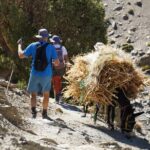
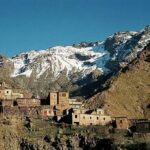
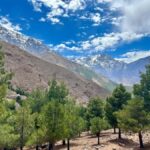
Day one is where you build the “wow” factor fast. The drive includes Berber villages and the famous mountain route over the Tizi-n-Tichka pass. Expect big turns, switchbacks, and that feeling of going from green mountain edges to drier, starker tones as elevation changes.
Practical tip: if you’re sensitive to motion sickness, bring what works for you. The trip length and frequent stops are helpful, but it’s still plenty of time seated. And yes—bring sunscreen and sunglasses. The sun can hit hard when you’re riding high and stopping outside.
You can also read our reviews of more tours and experiences in Marrakech.
Aït Benhaddou kasbah: UNESCO time plus the optional guide
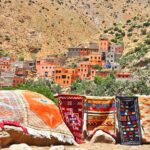
Aït Benhaddou is the headline on day one, and for good reason. It’s a UNESCO World Heritage-listed kasbah, the kind of place where the buildings feel like they’ve been here forever—mud-brick architecture, old trade-route energy, and dramatic angles in every direction.
You’ll have time to explore at your own pace with the entrance included (admission ticket is free per the tour info). You can wander the kasbah lanes, look for the best views over the surrounding area, and take breaks whenever the group rhythm gets rushed.
If you want more context, there’s an optional local guide available for 2€ per person. That’s the difference between seeing a great setting and understanding why it became such a notable meeting place over the centuries. If your travel style is “I want stories,” I’d consider paying for the guide at least once on this trip.
Skoura oasis stop and the Dadès overnight in Bourmaine du Dadès
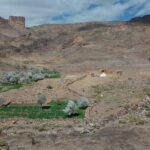
After Aït Benhaddou, the itinerary shifts toward oasis country. Skoura is a classic desert-oasis contrast: palm trees rising where you expect more dryness. Even if you’ve never visited before, the feel is instantly recognizable—shade, a cooler micro-climate, and that sense of water shaping settlement patterns.
Then you continue toward Bourmaine du Dadès for the overnight. This is a smart placement in a short trip. It breaks up the full “Marrakech-to-desert” push so you’re not arriving at the dunes completely wiped out.
In the hotel on this overnight, you’ll have rooms with toilets and showers inside (a nice relief after long driving). Reviews on the whole route often mention comfort as a big deal here, and it’s easy to see why: you’ll need rest for day two’s long drive and the camel portion.
Day two: Road of 1,000 Kasbahs, Todra Gorge, and Rissani
Day two is the “connector day”—you travel through the famous kasbah region, stop for a gorge, then land in a smaller world in the late afternoon. After breakfast, you head out along the Road of 1,000 Kasbahs toward Tinghir and the Todra area.
At Todra Gorge, you’ll walk among towering orange limestone walls with a deep crevasse that makes the light feel different under the rock. This is one of the best stops for photos, but it’s also a good “stretch break” after sitting in the vehicle. Take your time here if you can; the gorge is made for slow viewing.
Lunch isn’t included (you stop for it at your leisure, and it’s your expense). One caution based on real-world experience on this kind of route: lunch can be convenient and still feel touristy. I’d budget for it and don’t expect restaurant prices to match the cheapest local places. If you’re picky about food, plan ahead so you’re not stuck choosing from what’s available at the stop.
In the afternoon, you visit Rissani, described as Morocco’s holy town and birthplace of the ruling royal family, tied to the Tafilalt region. This stop adds culture beyond rock formations and kasbahs, and it helps you understand why the Sahara towns aren’t random dots on a map.
Then it’s on to Merzouga, where you meet your camel caravan. The late-day timing matters: the sun moving across the afternoon sky makes the first dune light feel special, and it gives your camel trek a natural rhythm rather than a rushed scramble in full heat.
Camel trek to Erg Chebbi: sunset dunes and camp dinner under stars
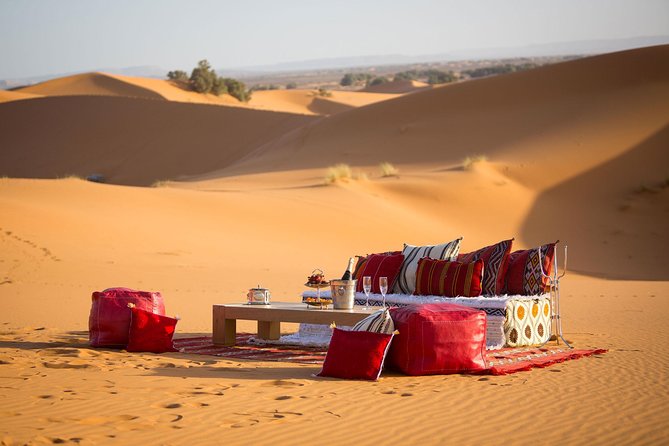
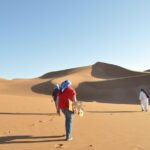
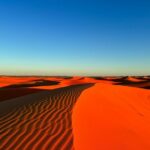
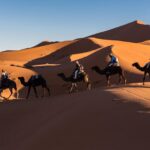
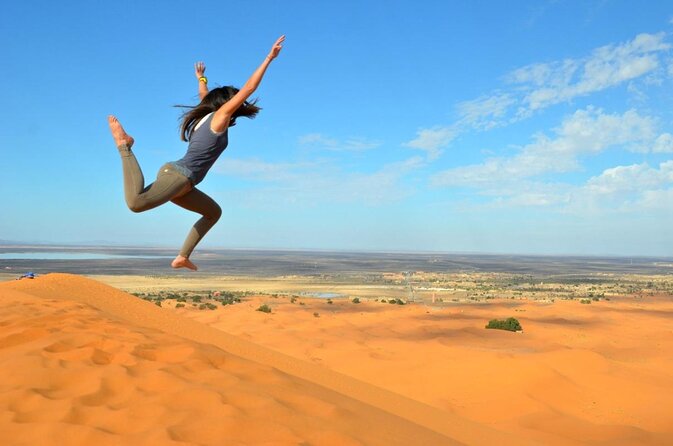
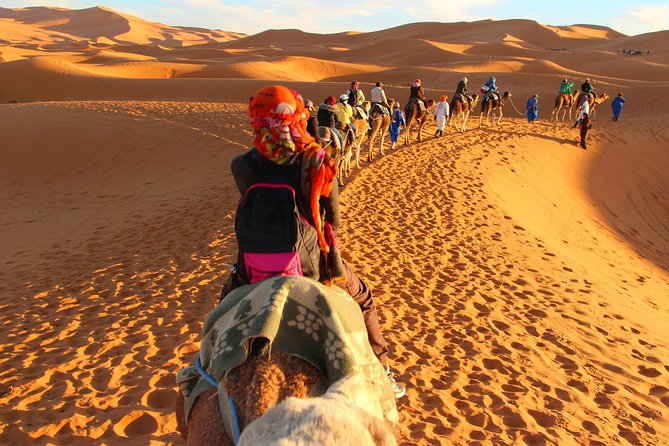
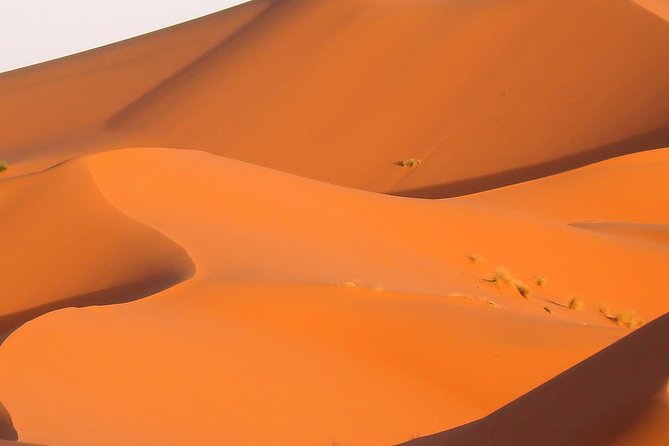
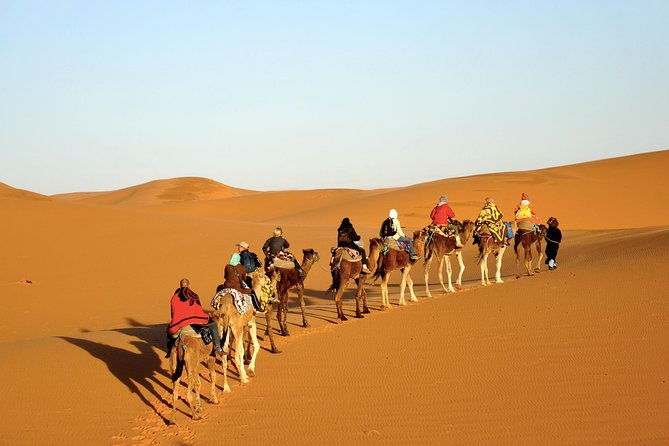
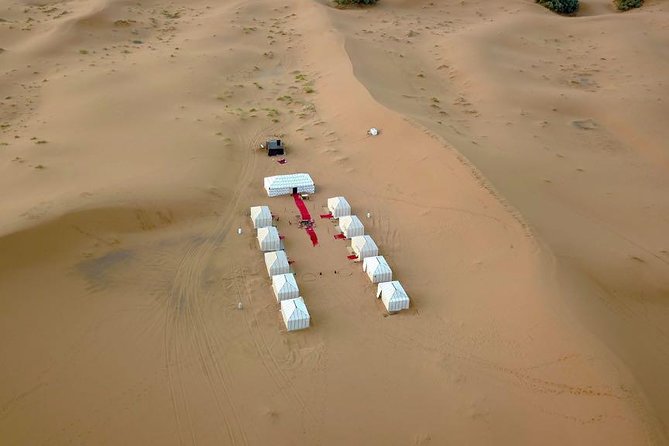
This is the part most people remember. The camel trek is the signature experience on this route: you ride out toward Erg Chebbi and then sleep in the desert.
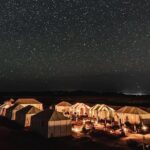
The itinerary suggests late afternoon trekking toward the camp, then dinner and traditional music from local nomads under the stars. If you want the stars to be a real highlight, stay present after dinner and don’t rush back to your tent the moment you finish eating. The desert night is cold enough to remind you it’s real, not a theme park.
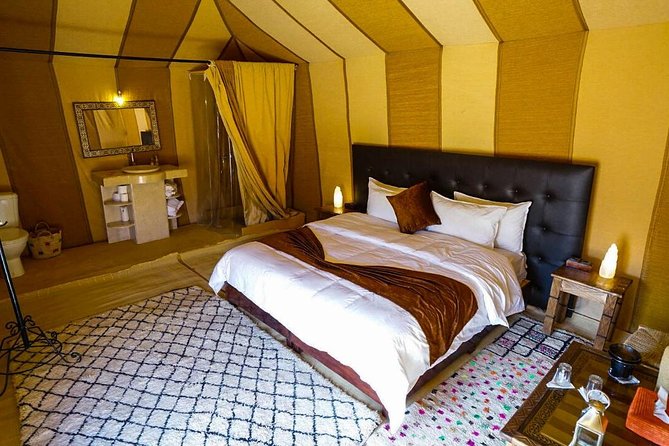
Camp setup notes are important for expectations. Your desert camp includes breakfast and dinner, but toileting and showering are different from city hotels: toilets are outside and showers are in the lodge. That’s fine, just don’t show up assuming hotel comfort. In many similar camps, winter nights can feel properly chilly, and even in shoulder seasons you’ll want warm layers.
What about activities? Camel riding is the main one. Some people also mention the option to take a quad (quad ride is referenced as around $50 in a review), which can be a tradeoff if you prefer to save your legs and still see the dunes.
One more value tip: build in your own “dinner patience.” Dinner quality seems to land better than lunch stops for many people on these routes. So if you’re hungry on day two, remember lunch is on you and dinner is where the evening experience is designed to shine.
Day three sunrise option and the return through the High Atlas
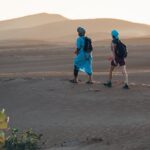
Day three starts with an early-morning stroll before breakfast—sunrise among the sand dunes is optional. This is where you can choose your own adventure: if you’re a dawn person, it’s a fantastic moment. If you’d rather sleep, you’re not forced into it; the trip structure gives you flexibility.
After breakfast, you ride the camels back to Merzouga. Then your driver takes over for the return. You’ll stop for lunch in Ouarzazate (again, lunch is your expense), and then you head back through the High Atlas Mountains.
Arriving back in Marrakech is described as around 8 pm. That’s the reality of this itinerary: it’s only three days, so you’re buying time with long drives. The upside is you don’t lose the desert magic by stretching the trip to a week. You get the big hits packed together.
Drivers and group vibe: why people talk about names
This tour is driven and guided by an English-speaking driver. In practice, that matters more than you’d think. The best versions of this trip are the ones where the driver keeps the group organized, gives helpful explanations, and makes the long car days feel less like transport and more like moving through a story.
Names that have been praised include Abdul, Brahim, Adil, Omar, Jamal, Youssef, Mazozi, Papa Fatima (Noureddine), and Houssein Idrissi. Obviously, you can’t pick your person, but it’s still useful information: when the driver is strong, your experience feels smoother, and you’re more likely to get good timing at stops.
Also note: some people mention music in the van. If you’re the kind of traveler who loves silence, bring earplugs. If you like friendly energy, lean into it—this is the kind of group tour where mood helps.
Price and logistics: what $133.24 really buys you
At $133.24 per person, you’re paying for a classic short-loop desert circuit with real included costs: air-conditioned transport from Marrakech, two nights of accommodation (one in a desert camp), the camel trek, and at least two breakfasts and two dinners (lunch is not included).
To judge value, split it into pieces:
- Transport + driver: major cost in Morocco over these distances, especially over mountain roads.
- Overnight stays: you get one hotel night with indoor toilets/shower, then a desert camp night.
- Camel trek + desert dinner setup: that’s the emotional centerpiece of the whole trip.
The extra costs to plan for are mostly lunches and drinks. The tour also notes an optional local guide at Aït Benhaddou for 2€ pp, plus tips for the driver (tips are not included). If you want a quad option, budget extra.
Group size is limited to a maximum of 100 travelers, so it should not feel like a massive coach party every hour. But it’s still a group schedule. Expect stops roughly every couple of hours for facilities, and plan to buy snacks or small needs as you go.
Finally: timing season matters. People explicitly warn against August for heat. If you’re traveling in winter, pack for cold desert nights.
Who should book this Merzouga and Erg Chebbi 3-day tour?
Book it if you want a “greatest hits” Morocco desert experience without spending a week planning connections. This suits:
- First-timers to Morocco who want a tight introduction: Marrakech to Atlas passes, kasbah culture, gorge scenery, and Sahara dunes.
- Travelers who like structure: pickup, set stops, set meals.
- People who want an authentic-feeling night under the stars, even if it means accepting desert-style bathrooms.
It may not suit you as well if:
- You hate long car days.
- You need hotel-level amenities in the desert (your desert camp has toilets outside and showers in the lodge).
- You’re extremely budget-sensitive about lunch, since lunches are on your own expense and can vary in price at roadside stops.
Should you book it?
I’d book this if your goal is to see the Atlas region and reach Erg Chebbi with a proper camel trek and one desert night—while still having transport and meals handled. The biggest reason to choose it is the efficient route: it stacks Aït Benhaddou, Todra Gorge, and the Sahara into a doable three-day window.
Just go in with clear expectations. Bring warm layers for nighttime, plan money for lunch and drinks, and accept that most of your day is driving between stops. If you match that mindset, you’ll likely walk away with the best kind of souvenir: a head full of dunes and a phone full of sky.
FAQ
What time does the tour start, and when do I return to Marrakech?
The start time is 7:00 am, and the return time to Marrakech is around 8 pm.
Where are pickup and drop-off handled?
Hotel pickup and drop-off are offered for hotels inside Marrakech. You’ll specify your drop-off address on your return day.
How long is the experience?
It’s a 3-day tour (approximately), with 2 nights included.
What’s included for meals?
Breakfast is included twice, and dinner is included twice. Lunch and drinks are not included. A vegetarian option is available for meals.
Is there a local guide included for Aït Benhaddou?
A local guide for Aït Benhaddou is available for an extra charge of 2€ per person.
What are the bathroom and shower arrangements in the desert camp?
In the desert camp, toilets are outside and showers are in the lodge. In the hotel rooms, toilets and showers are inside the rooms.
Is sunrise on the dunes part of the trip?
There’s an early-morning stroll with sunrise among the sand dunes described as optional.
Can I cancel for a full refund?
Yes. You can cancel up to 24 hours in advance for a full refund. If you cancel less than 24 hours before the start time, the amount paid is not refunded.
How many people are in the group?
The tour/activity has a maximum of 100 travelers.