REVIEW · KATHMANDU
Everest Base Camp Trek
Book on Viator →Operated by Nepal Hiking Adventure Company - Private Day Tours · Bookable on Viator
One of the world’s most famous treks starts with a tiny plane ride. This 14-day Everest Base Camp trek is built around sensible pacing for altitude, plus iconic Himalayan viewpoints that come in at the exact moments you want them. You’ll also get a real slice of Sherpa life through monastery visits and local stops that make the mountain feel closer and more human.
What I like most is how the route structures your body for the climb: a dedicated acclimatization day in Namche Bazaar and a pause day in Dingboche help you keep moving without rushing. I also like how the itinerary keeps you chasing landmarks that earn their reputation, from Everest View Point to reaching Everest Base Camp and then going for Kala Patthar at the top.
One thing to consider: this trek depends heavily on mountain weather. Lukla flights can be delayed or canceled, so you should be ready for schedule shifts, even if the plan is tight. Altitude is also no joke, so moderate fitness is truly the baseline.
In This Review
- Key things to know before you go
- Kathmandu: where the trek prep actually matters
- The Lukla flight and Phakding start: exciting, but take it seriously
- Namche Bazaar: your altitude classroom and Sherpa culture hub
- Tengboche: monasteries, mountain drama, and calmer pace
- Dingboche and Deboche: rhododendron trails to a slower day
- Lobuche and memorials: where the mountain’s cost becomes real
- Everest Base Camp and Gorak Shep: reaching the line you planned for
- Kala Patthar: the highest viewpoint day and the big-morning payoff
- The return route: Namche again, plus monasteries that ground the journey
- Flying back from Lukla and handling the Kathmandu congestion
- Price, value, and what’s really included in the $1,300
- Guides and support: the difference between hard and unforgettable
- Who this Everest Base Camp trek suits best
- Should you book this 14-day Everest Base Camp trek?
- FAQ
- How long is the Everest Base Camp trek?
- Where does the trip start, and do you get airport pickup in Kathmandu?
- What’s included in the price besides the trek itself?
- Are flights to Lukla guaranteed?
- What are the group size limits?
- What level of fitness do I need?
- What is the cancellation window for a full refund?
Key things to know before you go
- Small group size (max 8): easier coordination and a more personal pace.
- Two altitude “breathers”: acclimatization in Namche Bazaar and a rest/option day in Dingboche.
- Big-view sequencing: Everest Base Camp, then Kala Patthar for sunrise-style mountain drama.
- Sherpa culture touchpoints: Sherpa Museum and monastery days like Tengboche and Pangboche.
- Lukla logistics are part of the trek: flight timing depends on conditions, not just your calendar.
- Meals and lodging handled for most days: lunches, dinners, and breakfasts are included across the trek.
Kathmandu: where the trek prep actually matters
Day 1 is Kathmandu, and it’s not just a place to sleep. You’ll be picked up from the airport and driven to a hotel near Thamel, then you’ll have a pre-trip meeting with the team to get oriented. That prep matters because your next days hinge on a tight chain: flight timing, gear decisions, and altitude plans.
In practical terms, Kathmandu is where you double-check the basics. You’ll want clean layers, a plan for charging and batteries, and a realistic attitude about what you’ll carry versus what you can leave behind. The included Kathmandu stay is two nights on a breakfast plan, so you’re not scrambling to find meals while you’re still adjusting to Nepal time.
If you like a smooth start, you’ll appreciate the “getting you set up” approach here, not just the trekking promise.
You can also read our reviews of more tours and experiences in Kathmandu.
The Lukla flight and Phakding start: exciting, but take it seriously
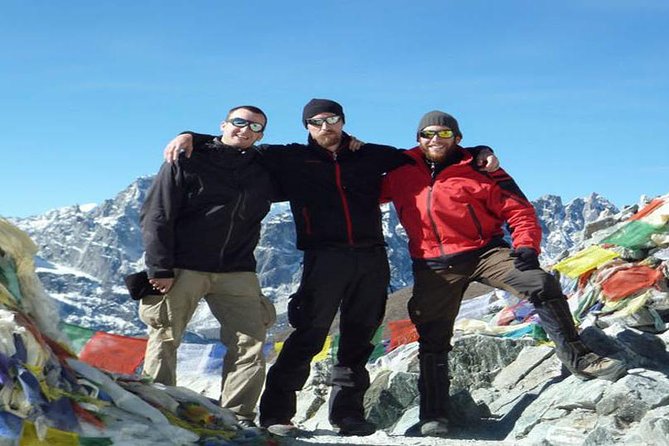
On Day 2 you fly from Kathmandu (or Ramechap in some cases) to Lukla, roughly a 40-minute flight when conditions allow. Lukla is often called dramatic for a reason. Even when the flight itself goes well, it changes the tone of the whole trip: you’re suddenly in the Khumbu rhythm, with the mountains looming close.
After landing, you trek to Phakding for your first night. The early walking is a classic “find your legs” phase—enough time to warm up, not so much that you’re wrecked before altitude becomes the main story.
Why this day is valuable: it gives you an honest introduction to the terrain—bridge crossings, village paths, and the kind of steady climbs you’ll keep doing. What to watch for: boots can feel fine in Kathmandu and feel wrong on day two. If your feet run hot or you’re prone to blisters, start paying attention early.
Namche Bazaar: your altitude classroom and Sherpa culture hub
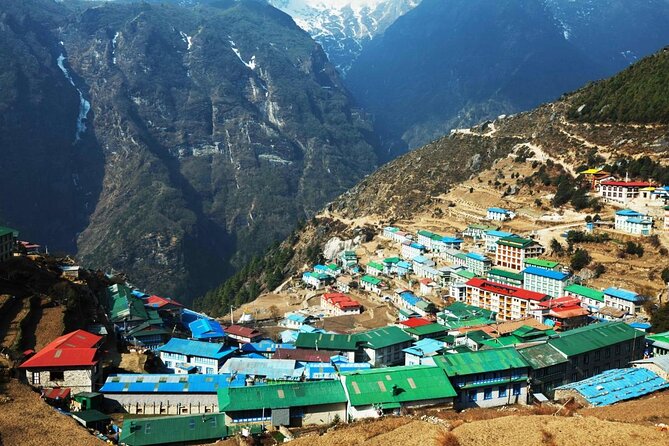
Day 3 continues through the Dudh Koshi corridor and includes suspension bridges and small settlement sections, ending in Namche Bazaar’s area. Namche is the cultural and practical hub of the Everest region. Think of it as a crossroads where you’ll feel the Sherpa presence strongly, in shops, guesthouses, and everyday conversation.
Day 4 is your acclimatization day in Namche Bazaar. This is a big deal because it’s where the itinerary shows its logic. You’ll adjust to the elevation rather than simply pushing higher day after day. If you’ve ever felt the temptation to “power through,” this day helps you avoid that mistake.
You’ll also get a couple of cultural stops that make the region feel grounded, not just scenic. The Sherpa Museum is called out for a reason: it’s a straightforward way to understand how mountaineering history and Sherpa life connect. And Everest View Point is the other key angle—big views that reward your effort without forcing you into a full hard day.
Tip that will help: on acclimatization days, move steadily and don’t treat them like a day off to sprint around. You’re training your body to cope.
Tengboche: monasteries, mountain drama, and calmer pace
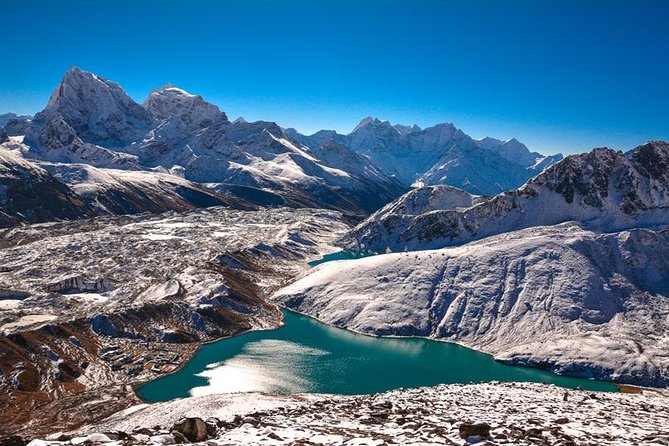
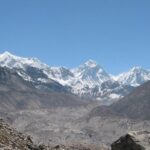
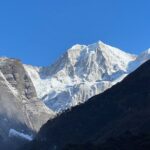
Day 5 takes you from the Namche area up toward Tengboche. This day climbs along a high-level path above the Dudh Koshi and builds your sense of scale. The scenery targets the big names you came for—Everest and the surrounding giants like Nuptse and Lhotse appear in the mix along the way.
Tengboche is one of the most memorable stops on the route, partly because of the monastery atmosphere. You’re not just passing through; you’re meant to experience the quieter rhythm there, so the day feels like a pause in the climb.
What to keep in mind: Tengboche days can also be windy and cold, especially as you gain elevation. If you don’t already have a windproof layer, you’ll feel it here first.
Dingboche and Deboche: rhododendron trails to a slower day
Day 6 heads to Dingboche. The route passes through rhododendron forests and meadows and includes a stop near the Buddhist nunnery at Deboche before continuing toward the Imja Khola area. This stretch is one of the reasons the trek feels like more than just an altitude slog: the trail environment changes, and the light shifts as you go.
Then Day 7 gives you a true break in Dingboche. It’s described as a day off with options for shorter walks if you’re feeling good. That structure is smart. By now you’re higher, and your body benefits from rest that still keeps you moving in a manageable way.
What I like about this approach: it respects the reality of altitude. You’re not forcing a hard push when you’re most likely to be tired. For many people, that’s the difference between finishing energized versus finishing worn down.
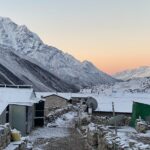
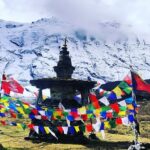
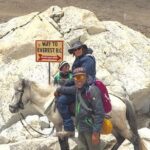
Lobuche and memorials: where the mountain’s cost becomes real
Day 8 moves you toward Lobuche. The day includes Dughla village and memorials for Sherpas who lost their lives on Everest expeditions. It’s one of those moments that changes how you look at the route. Suddenly the trek feels less like a bucket-list hike and more like a link to real lives and real decisions.
You also get views of Kalar Pattar and Pumori, plus walking along the Khumbu glacier moraine. Terrain here can feel more stony and raw compared with earlier days, and that’s normal for the higher Khumbu landscape.
A practical note: with more exposed trail sections, wind and sun matter more. You’ll want sunscreen, and you’ll want it early—not when your skin starts complaining.
Everest Base Camp and Gorak Shep: reaching the line you planned for
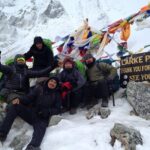
Day 9 is the headliner day. After lunch, you continue toward the Khumbu Icefall and Everest Base Camp. The trail becomes more stony and stream-and-moraine related as you get closer to camp. Once you reach base camp, the plan includes a tour of the base camp area and glacier views.
Then you continue to Gorak Shep, where you check into the lodge for the night. This is an important transition: your “reward day” is also your “prepare for the summit-style viewpoint” night.
Why this day is worth the effort: base camp is a physical place tied to years of exploration. Even if you’ve seen it in photos, being there changes the scale in your head. What you’ll need mentally: patience. Approach the final stretch calmly; don’t treat it like a race to claim a photo.
Kala Patthar: the highest viewpoint day and the big-morning payoff
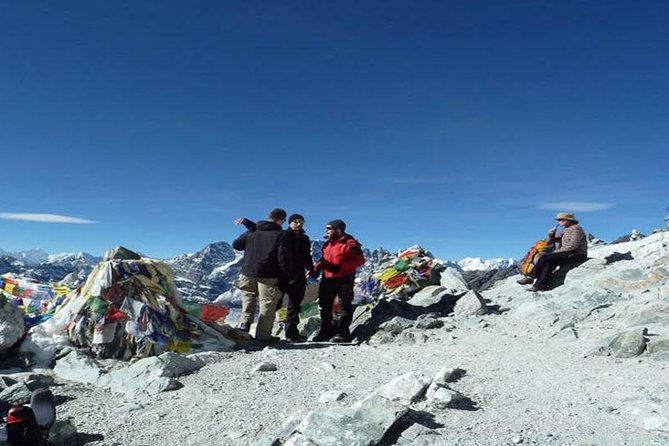
Day 10 focuses on Kala Patthar (about 5,550m). The big point is that your guide schedules time to climb it for dramatic mountain views, including the legendary Everest dawn-style scenery. The trek to Kala Patthar can be demanding, and it often feels cold and slow, but it’s set up as the payoff day.
After you enjoy the viewpoints, the plan is to descend back toward Pheriche. The itinerary mentions breakfast after returning to Gorak Shep, then continuing on to the overnight in Pheriche.
This is where the trek feels like a full-circle story. You reach the base camp, then you go high enough to see the “whole picture.” If you’re the kind of person who loves views that make you say, okay, I get why people dream about this, Kala Patthar is your moment.
The return route: Namche again, plus monasteries that ground the journey
Day 11 takes you back toward the Namche area, with a notable stop at Pangboche monastery. It’s described as the oldest monastery in the area, and it’s visited when open. You also pass through the Tangboche area and nearby villages on the descent before arriving back around Namche for the night.
This return day does two things well. First, it gives you a chance to see the region with fresh eyes on the way down. Second, it keeps the spiritual and cultural stops in the plan so you don’t just feel like you’re retreating.
Day 12 continues the descent toward Lukla, including time walking through lush green backgrounds on lower-elevation sections and passing the Hilary suspension bridge. It’s a steady letdown from the intensity of the higher days, but it still keeps the experience active rather than turning it into a transfer day.
Flying back from Lukla and handling the Kathmandu congestion
On Day 13 you fly from Lukla by plane. The itinerary notes that during busy season, you may fly toward Ramechap and then deal with transfer time because Kathmandu airport can be congested. That’s why you’ll see mention of Ramechap Airport and a drive as part of the plan in peak periods.
The real takeaway: your “finish” day isn’t just about packing. It’s about being ready to move quickly when flights work. Your best strategy is to keep documents handy, stay alert to announcements, and trust your guide’s timing decisions.
Day 14 finishes with a transfer to Tribhuvan International Airport if you’re flying home. You’ll also have free time on the final day for any extra plans you booked beforehand.
Price, value, and what’s really included in the $1,300
At $1,300 for roughly 14 days, the biggest value is that it bundles the expensive and annoying parts: airport transfers, Kathmandu lodging for two nights, and crucially the flights to and from Lukla (plus the guide’s flights). It also includes what keeps trekkers comfortable: meals across the trek (breakfasts, lunches, and dinners for most days) and coverage of all fees and taxes.
This matters because the Everest region has moving pieces. When you’re trekking, you don’t want your budget decision to be what derails your logistics on the back half of the trip.
What’s not included is also clear: personal expenses and beverages, plus tips for the guide/diver. Alcohol is only for adults. I like that this is spelled out early, since tips and drinks are where budgets often get weird.
One more practical value point: it’s capped at 8 travelers, which usually makes the schedule feel calmer. In a trek where pacing is everything, small group size can be a hidden advantage.
Guides and support: the difference between hard and unforgettable
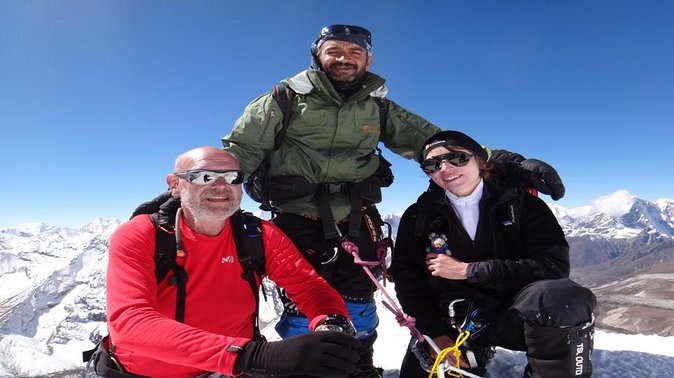
The standout praise in the trek comes back to human support. Names like Ram (guide) show up with stories about keeping people calm when they were overthinking, and about making the experience feel personal. You’ll also see Amer mentioned in the context of porter support, which is a huge part of why many people finish feeling strong instead of broken.
Other support staff get named too—Bishnu, Rajesh, Tilak, Binode, and Sanjay. In one account, the guide helped manage a surprise snowstorm with calm decision-making. In another, a guide shared practical help like fixing shoes and making sure meals and details were handled without drama.
There’s also a fun thread: a family trek included the guide keeping a granddaughter entertained by teaching her a card game. That might sound small, but on a multi-day trek, morale is real.
If you want the trek to feel safe and smooth, this kind of team attention is often the deciding factor, not just the route map.
Who this Everest Base Camp trek suits best
This itinerary is a strong fit if you:
- have moderate physical fitness and want a structured plan for altitude days
- like cultural stops (Sherpa Museum, Tengboche and Pangboche monasteries) rather than pure mileage chasing
- want iconic viewpoints timed across the trek, including Kala Patthar
- prefer a smaller group setup (max 8)
It may be less ideal if you hate uncertainty. The trek depends on weather for Lukla flights, and schedule shifts can happen. Also, if altitude worries you, you should take the acclimatization and rest days seriously and plan to move steadily.
Should you book this 14-day Everest Base Camp trek?
If you want an Everest Base Camp trek that treats pacing as part of the product, I’d book it. The structure—acclimatization in Namche, rest in Dingboche, then the base camp and Kala Patthar push—lines up with how people actually manage altitude.
You should think twice if you’re the type who needs a fixed timeline with zero flexibility. With flights depending on weather and conditions, you’ll do best if you can roll with small changes.
Finally, if you care about staff quality, this operator has a track record of named guides and ports being praised for calm, practical support. That’s not just comfort. It can be the thing that keeps you safe and moving when the trail gets tough.
FAQ
How long is the Everest Base Camp trek?
The trek is about 14 days.
Where does the trip start, and do you get airport pickup in Kathmandu?
It starts in Kathmandu. Airport pickup on arrival and transfer on the final departure day are included.
What’s included in the price besides the trek itself?
The package includes all fees and taxes, Kathmandu accommodation for two nights (breakfast plan), flight tickets for the client (Kathmandu to Lukla and back, or Ramechap to Lukla and back), flight tickets for the guide, and meals across the trek (breakfast, lunch, and dinner for the listed days).
Are flights to Lukla guaranteed?
The plan depends on weather and local conditions. If poor weather cancels the experience, you’ll be offered a different date or a full refund.
What are the group size limits?
The maximum group size is 8 travelers.
What level of fitness do I need?
The trek says you should have a moderate physical fitness level.
What is the cancellation window for a full refund?
You can cancel up to 3 days in advance of the experience for a full refund, and you must cancel at least 3 full days before the experience’s start time.