REVIEW · KATHMANDU
Everest Base Camp Trek
Book on Viator →Operated by Accessible Adventure Pvt. Ltd · Bookable on Viator
Everest Base Camp feels closer than you think. This 14-day Himalayan trek is a smart way to chase the big scenery around Mount Everest without needing summit skills, while also getting real time with Sherpa villages, monasteries, and the day-to-day rhythm of the Khumbu. I like how the route mixes classic viewpoints with practical pacing, so the trip feels like progress, not just a long grind.
Two things I especially like: first, the level of human support. You get an English-speaking trek leader, plus an assistant guide (the group ratio is 4 trekkers : 1 assistant guide) and a porter (2 trekkers : 1 porter), which makes a huge difference when you’re tired and altitude is doing its thing. Second, the all-in feel of the plan: teahouse stays, full-board meals, permits, first-aid supplies (including a pulse oximeter), and even take-home gear like a duffel bag, T-shirt, and trekking map.
One consideration before you fall in love with this idea: logistics and costs can still surprise you if you don’t read carefully. The trek depends on weather, and while it includes domestic flights, it also lists the Lukla flight as not included (plus personal expenses and expected tips). Add in the reality that altitude days and long travel days can be tougher than expected, especially if you’re not used to high elevation.
In This Review
- Key highlights worth booking for
- Kathmandu start: Thamel, permits, and the gear sanity check
- The flight day twist: Manthali to Lukla (and that night drive)
- Phakding and the Dudh Koshi Valley: first suspension bridge wins
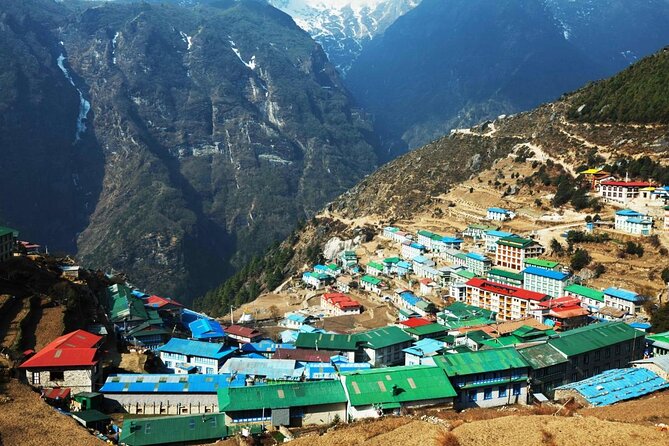
- Namche Bazaar: Sherpa capital, first Everest views, and a planned acclimation day
- Tengboche and the monastery calm at 3,867m
- Dingboche’s altitude tune-up: Nagarjun Hill at 5,100m
- Lobuche and the Khumbu Glacier edge: when the trail turns sobering
- To Everest Base Camp: 12 km, Khumbu Icefall views, and the return to Gorak Shep
- Kala Patthar: your closest Everest moment at 5,550m
- The return down: Pheriche to Namche to Lukla, then Kathmandu decompression
- Price and value: what $1,169 buys you, and what it doesn’t
- Who should choose this trek (and who might want a different option)
- Final call: should you book this Everest Base Camp trek?
- FAQ
- How long is the Everest Base Camp trek?
- Where does the tour start?
- What’s included in the price of $1,169 per person?
- Are meals included during the trek?
- Is the Lukla flight included?
- What kind of accommodation will I get on the trek?
- Do I get porter and guide support?
- How many people are in the group?
- Is travel and medical insurance included?
- What’s the cancellation rule for a full refund?
Key highlights worth booking for
- Kala Patthar at 5,550m for the closest, best “Everest is right there” payoff
- Teahouse comfort you can actually plan around (best available clean stays) with full-board meals
- Acclimatization built in with rest-and-hike days in Namche Bazaar and Dingboche
- Current Lukla flight setup may route you via Manthali Airport in Ramechhap plus a night drive
- On-the-ground safety gear like a pulse oximeter, first-aid kit, and altitude medicines
- Small group energy (max 9) with real guide attention and porter support
Kathmandu start: Thamel, permits, and the gear sanity check
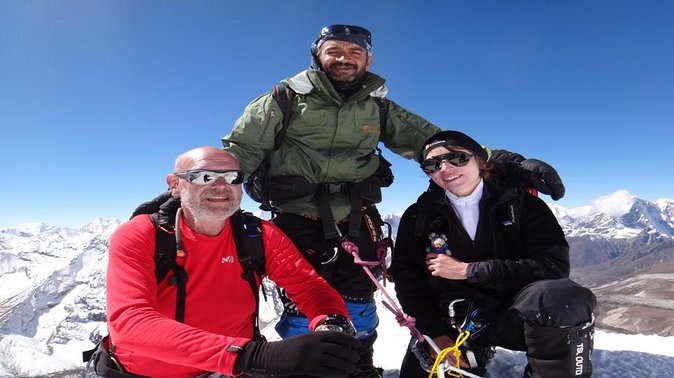
Your trek begins in Kathmandu with an airport meet-up and a transfer to your hotel. Then you’ll meet your trek leader and team, get a briefing, and check that your gear matches what you’ll actually need in the Khumbu. If you’ve ever shown up to a trek and realized too late you’re missing gloves or warm layers, you’ll appreciate this early “get organized” time.
You’ll also have a chance to shop or top up basics in Thamel, the main tourist hub. A lot of trekkers use this time for last-minute water bottles, charging adapters, or trail snacks, and it helps you start Day 2 feeling ready instead of rushed.
You can also read our reviews of more tours and experiences in Kathmandu.
The flight day twist: Manthali to Lukla (and that night drive)
The plan includes a big mountain flight, but the route may shift due to airport regulations and upgrades. You may leave Kathmandu on a roughly four-hour night drive to Manthali Airport in Ramechhap District, then catch a short early-morning flight to Lukla (about 20 minutes), typically in a Dornier/Twin Otter.
This matters because it changes how you should pack your “flight-day survival kit.” Keep what you need for cold and early starts accessible, and expect that night drive to be part of your arrival rhythm. On the bright side, the Lukla landing is a famous kind of adrenaline: the runway ends are at very different elevations, so it feels like the Himalayas are already “in the room” before you even start walking.
Phakding and the Dudh Koshi Valley: first suspension bridge wins
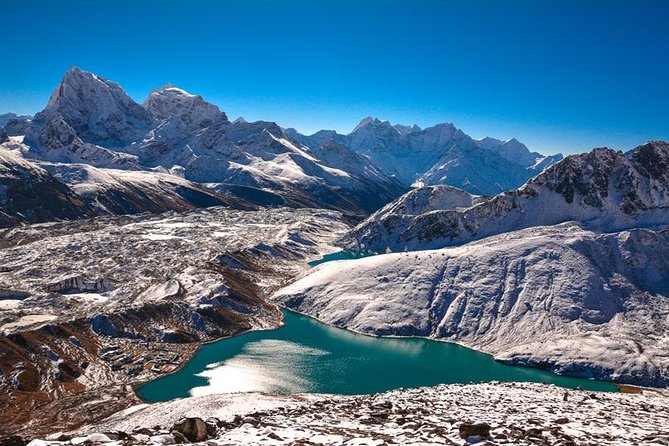
After landing, you walk into the Dudh Koshi valley system toward Phakding, beginning with Chauri Kharka village. The trail descends toward the river, so you’ll feel the change in terrain quickly—scenery first, effort second.
You’ll cross suspension bridges and spend time moving through Sherpa settlements like Phakding, which sits around 2,610m. One cool detail here is the glimpse of Khumbila, a sacred peak the Sherpas worship; it’s one of the few peaks in the Khumbu area where people aren’t allowed to step on it. It’s a reminder that this is more than a hiking corridor—it’s living culture.
Namche Bazaar: Sherpa capital, first Everest views, and a planned acclimation day
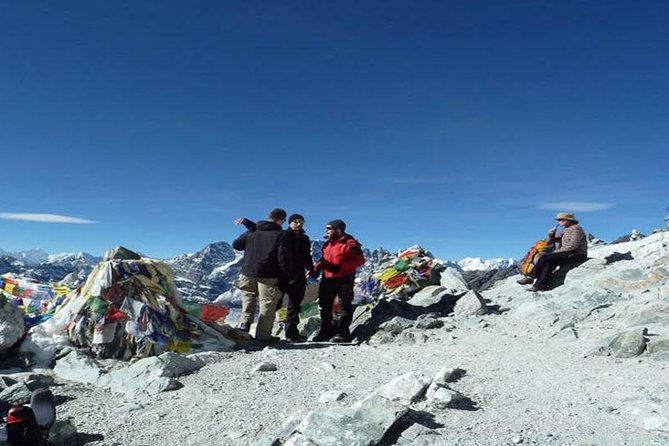
Namche Bazaar is where the trip starts to feel “real Everest region,” and your walking day builds toward it with multiple bridge crossings and river views. Approaching the Sagarmatha National Park area, you’ll get your permits checked, then continue up with a gradual climb.
Before you fully reach Namche, you’ll get an early sighting moment from a vantage point called Tope Danda—often the first time Everest looks like something you can almost touch. Then you arrive in Namche and settle into the “acclimate and explore” phase.
On the acclimatization day, you can keep it flexible. You might visit places like Hillary School, Sherpa settlement areas, Syangboche Airport, yak farms, or the ever-popular Everest View Hotel area for big sightlines. The point is simple: you’re gaining altitude benefits without stacking a brutal day on top of another brutal day. If you’ve ever felt “fine” at the start of a trek and then got hit later, this is the kind of structure that helps prevent that.
Tengboche and the monastery calm at 3,867m
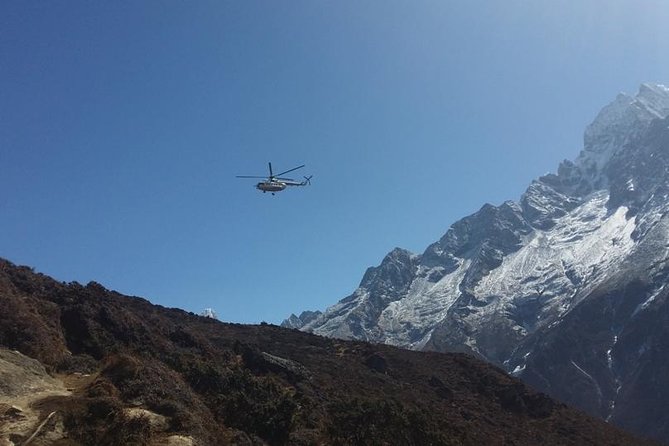
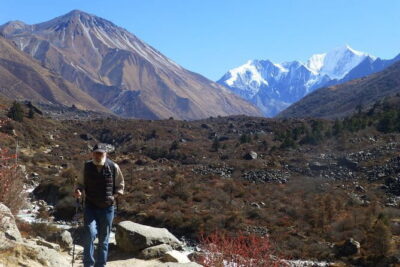
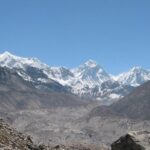
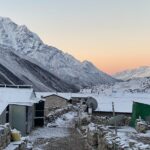
From Namche you continue toward Tengboche, walking through juniper and rhododendron forest with towering peaks above. Along the way, the route naturally builds toward dramatic “peak-to-peak” views, and you’ll get close sighting angles for giants like Everest, Nuptse, Lhotse, Ama Dablam, Thamserku, and Kwangde.
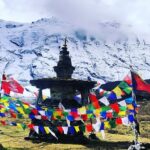
Tengboche is also about silence for a change. The Tengboche Monastery (often called Dawa Choling Gompa) sits at about 3,867m and is described as the largest gompa in the Khumbu region. If you need a break from steep climbs and heavy air, this stop gives you a mental reset.
A small but meaningful detail: visiting the monastery isn’t just check-the-box culture. It’s one of the few times during the trek where you’re not pushing altitude or distance—you’re absorbing the place and letting your body recover.
Dingboche’s altitude tune-up: Nagarjun Hill at 5,100m
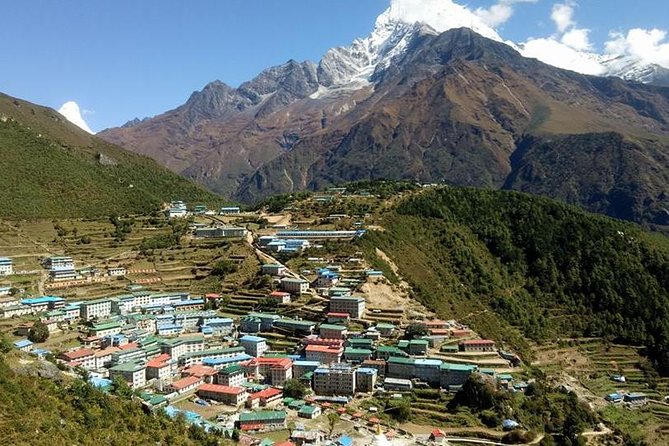
Dingboche sits in a high-altitude zone where the air feels thinner and daily routine changes. You’ll reach it after passing through Pangboche, a village tied to Sherpa community life and local food. The views of big peaks like Island Peak and Ama Dablam can be inspiring—but also remind you this is a serious altitude environment.
Then comes a day off to acclimatize properly. The plan includes a hike to Nagarjun Hill (5,100m), which is described as non-technical. That’s key: you’re testing how your body handles altitude and exposure, not scrambling a rock-climbing route.
From Nagarjun Hill, the viewpoints are wide and dramatic, with a chance to see peaks like Makalu, Lhotse, Ama Dablam, Kantega, and Thamserku. You can also get a close look at the Imja glacier from this area, which helps make the Everest-region story more visual than just “mountains in the distance.”
Lobuche and the Khumbu Glacier edge: when the trail turns sobering
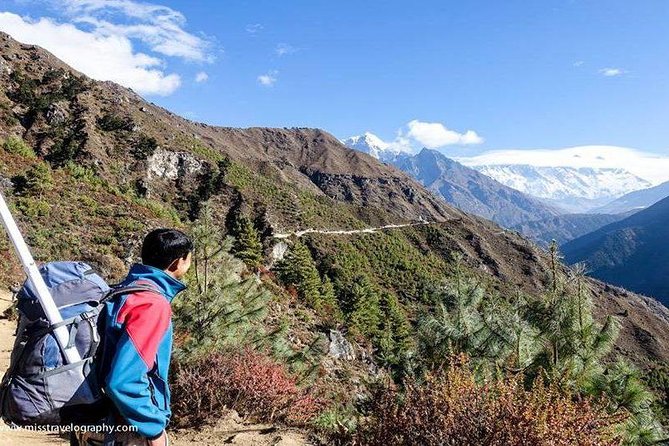
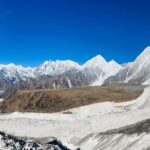
As you push higher, the terrain shifts in a way that feels more “Everest expedition” than cozy valley walk. The trek continues along the lateral moraine of the Khumbu Glacier, and you pass stone memorials for climbers who have died on nearby routes.
That part can hit you emotionally, especially if you’re seeing it for the first time. But it also gives context to why the trek is treated with caution. Even though you’re not climbing Everest here, you’re still walking in the same region where weather, timing, and altitude consequences matter.
Today can come with breath challenges due to height, and that’s where your guide’s pacing decisions really matter.
To Everest Base Camp: 12 km, Khumbu Icefall views, and the return to Gorak Shep
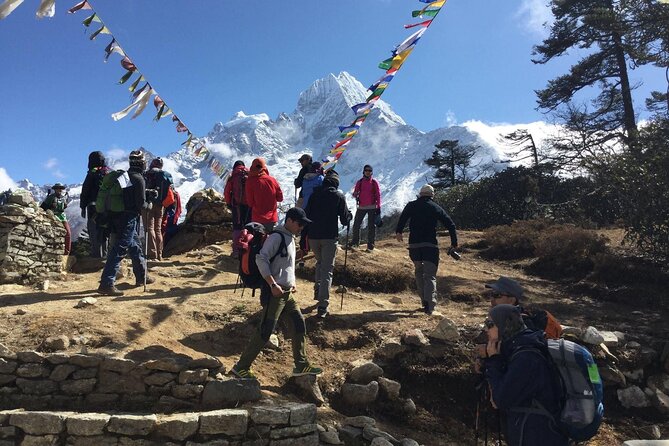
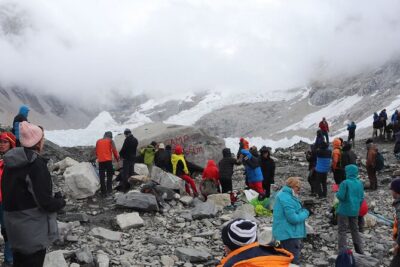
The big day to Everest Base Camp is a longer walk, listed as 7–8 hours (about 12km). It’s not just distance; it’s also exposure and altitude, with the route running alongside the glacier and up to Base Camp at 5,365m.
You’ll get the classic Base Camp view of the Khumbu Icefall, which is spectacular in a “moving hazard” kind of way. During spring, expedition teams may be around as they prepare, which adds a sense of scale to what you’re seeing.
After reaching Base Camp, the plan takes you back to Gorak Shep for the night rather than staying at Base Camp. Gorak Shep is described as basic but with more modern amenities showing up in recent times, including satellite high-speed internet access (not something you should count on, but it’s there).
Kala Patthar: your closest Everest moment at 5,550m
Kala Patthar is the headliner viewpoint, and the plan builds the day around it. It’s listed as the highest point of the trek at 5,550 meters, and the reason trekkers push for it is simple: Everest summit views aren’t guaranteed from Base Camp, but from Kala Patthar the “close-up” angle is the goal.
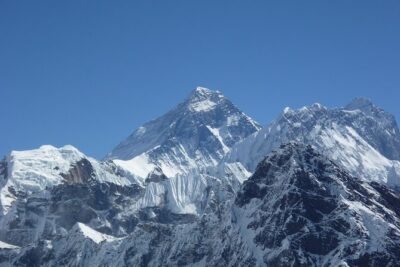
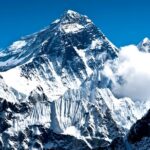
You’re surrounded by icy walls and major peaks like Mount Pumori, Everest, Nuptse, and Lhotse, and the view is described as 360 degrees. You’ll often feel the payoff in two phases: the first when you see the scale, and the second when sunrise light hits the rocky pinnacle of Everest.
After that viewpoint time, you hike down toward Pheriche for overnight. This is another place where trekking logistics matter: descending while you’re still chilled and tired can feel longer than the uphill days.
The return down: Pheriche to Namche to Lukla, then Kathmandu decompression
The return route is comparatively “easier” in effort because you’re going downhill. From Pheriche, you trek down toward Tengboche and then continue the long descent all the way to Namche by late afternoon. Then you rest and recover, letting your body settle after multiple high-altitude days.
On the next day, you walk back toward Lukla for your final mountain night. The route includes the Hillary Suspension Bridge area again and passes through local villages, which makes your return feel like a complete story rather than an out-and-back route.
Then it’s back to Kathmandu, where you’ll notice the difference immediately—less thin air, more traffic noise, and a chance to celebrate (and eat something that tastes like you’ve missed normal life).
Price and value: what $1,169 buys you, and what it doesn’t
At $1,169 per person for roughly 14 days, the big question is value versus “extra stress.” In this package, you’re paying for a lot of real support: an experienced trek leader (government-licensed and trained in first-aid), an assistant guide for personalized care, a porter system for main luggage, guided pacing, permits, and full-board meals with tea house accommodation.
You’re also getting safety tools that aren’t just a token first-aid kit. The plan lists a pulse oximeter and essential medicines (including paracetamol and Diamox), plus a first aid kit. That’s the kind of support you can’t easily recreate on your own.
What you should budget separately: travel/medical insurance, any excess baggage fees (the allowance is listed as 15kg), personal expenses, and expected tips. Also, Lukla flights are listed as not included in the provided details, even though the tour does include domestic flights. If you hate budget surprises, confirm the flight and baggage details before you lock in.
Who should choose this trek (and who might want a different option)
This trek suits you if you want a structured Everest-region experience with strong guidance, small group size (max 9), and a plan that respects acclimatization. It’s also a good fit if you like authentic village life—Namche Bazaar and Dingboche are more than stepping stones, and stops like Tengboche Monastery give the journey balance.
You might think twice if you’re very sensitive to altitude, because some high points on the route (like Kala Patthar and the Base Camp day) demand real effort and breathing management. You should also double-check your comfort with weather-dependent travel, since the schedule is tied to conditions.
Final call: should you book this Everest Base Camp trek?
I’d book it if you want a “guided, supported, and thoughtfully paced” way to reach Everest Base Camp country, with a major viewpoint at Kala Patthar and Sherpa culture woven into the route. The standout strength here is the support system—guide + assistant guide + porter—paired with practical medical and monitoring gear.
I’d hesitate only if you’re looking for a fully frictionless travel plan with no altitude strain and no extra budgeting. Between possible Manthali/Ramechhap logistics, non-included items like insurance and tips, and the fact that teahouses are still teahouses (not hotels), you’ll have to accept a few real-world limitations.
If you’re ready for that trade, this is a solid, high-value way to experience Everest region the right way: step by step, with people who know the trail and the pacing.
FAQ
How long is the Everest Base Camp trek?
It’s listed as 14 days approximately.
Where does the tour start?
The tour is based in Kathmandu, Nepal, with airport pickup on arrival.
What’s included in the price of $1,169 per person?
The package includes domestic flights, twin-share accommodation in tea houses during the trek, full-board meals (breakfast, lunch, dinner), a trekking guide and assistant guide, a porter, park entry fees and community fees, and first-aid supplies. It also includes souvenirs (duffel bag, T-shirt, trekking map) and loan items (down jacket and sleeping bag) that are returned after the trek.
Are meals included during the trek?
Yes. The trek includes full board meals with breakfast, lunch, and dinner.
Is the Lukla flight included?
No. Lukla Flight is listed as not included.
What kind of accommodation will I get on the trek?
You’ll stay in tea houses with “best available clean and comfortable” accommodation, and you’ll use twin-share setups.
Do I get porter and guide support?
Yes. The tour includes porter service for your main luggage and guidance from a trek leader plus an assistant guide for personalized care.
How many people are in the group?
The maximum group size is listed as 9 travelers.
Is travel and medical insurance included?
No. Travel and medical insurance are listed as not included.
What’s the cancellation rule for a full refund?
You can cancel up to 3 days in advance for a full refund. For a full refund, you must cancel at least 3 full days before the experience’s start time.