REVIEW · SRINAGAR
Kashmir Great Lakes Trek
Book on Viator →Operated by Kashmir Treks · Bookable on Viator
Snow lakes and high passes start on day one. This private Kashmir Great Lakes Trek follows a classic Sonamarg-to-Naranag route with an English-speaking guide, moving you through alpine meadows, snow-mountain passes, and quiet Hindu pilgrimage country.
I especially like how much is handled for you: tents, sleeping bags, mats, trekking poles, cooking setup, and permits are included, so you’re not stuck hunting gear at the last minute. With horses offloading gear, your days feel more like hiking than hauling.
The main consideration is simple: the route climbs to very high passes (up to 4180m), and the itinerary needs a moderate fitness level plus solid weather. If the weather turns, expect fewer options on the mountain.
In This Review
- Key things I’d circle before you book
- What You’re Really Buying on the Kashmir Great Lakes Trek
- The Route Logic: Sonamarg to Naranag in a Line, Not a Puzzle
- Day 1: Srinagar to Sonamarg (the altitude shift you feel fast)
- Day 2: Sonamarg to Nichnai (a first real trekking day)
- Day 3: Nichnai to Vishansar Lake via Nichnai Pass (high air, lake reward)
- Day 4: Vishansar to Gadsar via Gadsar Pass (the long day, built for hikers)
- Day 5: Gadsar to Satsar (shorter on paper, still at altitude)
- Day 6: Satsar to Gangabal Lakes via Zajibal Pass (the big finish on the trail)
- Day 7: Gangabal to Naranag Temple, then drive to Srinagar
- Day 8: Drop at airport or bus stand (the trip finishes cleanly)
- Price and Logistics: Why Around $112 Feels Like a Deal
- The Guide, the Horses, and the Safety Feel
- Packing Tips That Match the Real Trek, Not a Fantasy Version
- When to Go: Weather Can Make or Break the Pass Days
- Who This Trek Is Best For (and who should think twice)
- Should You Book the Kashmir Great Lakes Trek?
- FAQ
- What is the duration of the Kashmir Great Lakes Trek?
- Where does the trek start and where does it end?
- Is pickup and transportation included?
- Do I get a guide during the trek?
- What trekking gear is included?
- Are permits included?
- Are horses provided to carry gear?
- What kind of accommodation and meals are included?
- What is not included in the price?
- What do I need to bring for booking and travel, and how does weather affect the trip?
Key things I’d circle before you book
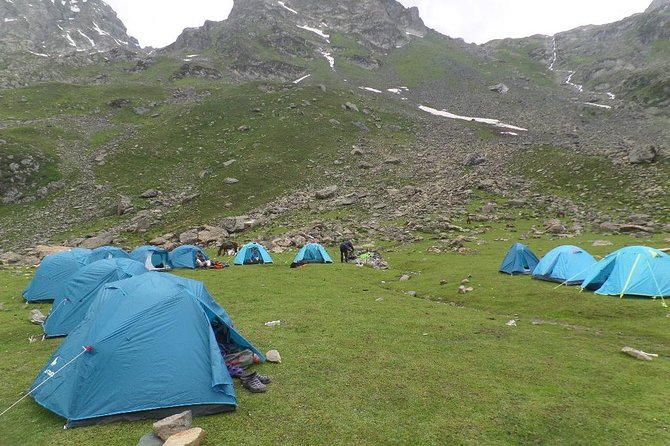
- Private, small-team feel with your own personal English-speaking guide
- Gear and permits included, including tents, sleeping bags, mats, and LPG stove setup
- Horse offloading so you carry a lighter day pack
- Big altitude moments across Nichnai Pass, Gadsar Pass, and Zajibal Pass
- Srinagar comfort at the end with 1 night deluxe houseboat or hotel
What You’re Really Buying on the Kashmir Great Lakes Trek
On paper, the Kashmir Great Lakes Trek looks like an 8-day hike from Sonamarg to Naranag. In real life, you’re buying a clear mountain plan with the hard logistics taken out of your hands.
You start with a private pickup from Srinagar and a drive toward Sonamarg. Then your days become a rhythm: breakfast at camp, a long scenic walk to the next campsite or lake area, stove-cooked vegetarian meals, and sleep under tents with proper bedding included.
The “value” isn’t just the low headline price. It’s the fact that so many cost-bombs are already inside the package: trekking gear, cooking equipment, permits, and mountain camp support. Add horse offloading for most gear, and the trek becomes much more achievable for regular travelers who don’t want to turn the trip into a gear project.
One more detail that matters for peace of mind: this is private, meaning only your group participates. That usually makes pace and communication easier than it is on bigger group treks.
You can also read our reviews of more tours and experiences in Srinagar.
The Route Logic: Sonamarg to Naranag in a Line, Not a Puzzle
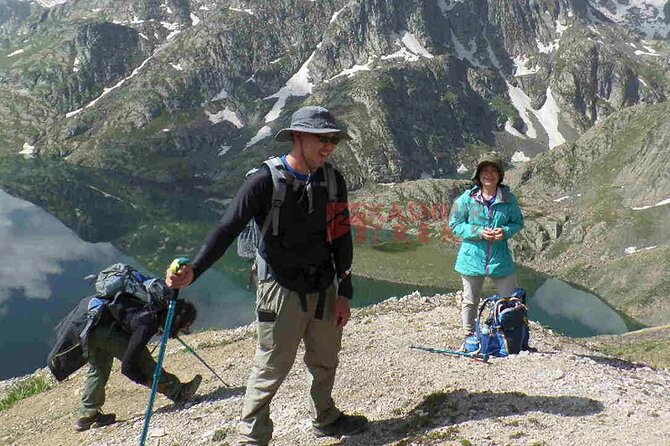
This trekking route is built like a sequence. You go step-by-step through three main lake areas—Vishansar, Gadsar, and Gangabal—linked by high passes.
Each day does two jobs:
- It moves you to a new base area (a new campsite)
- It gives you one altitude “moment,” usually at the pass approach or pass crossing
That structure is one reason people love these trips. Even when a day is longer, you know what you’re working toward.
You also get a steep drop at the end as the trekking finishes and the transfer back to Srinagar begins. That’s the kind of physical relief that keeps the overall trip from feeling like one long grind.
Day 1: Srinagar to Sonamarg (the altitude shift you feel fast)
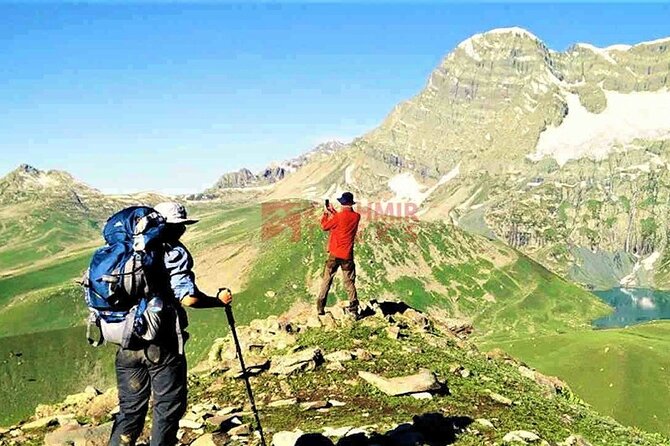
You’ll get a pickup from Srinagar, then cover about 100 km in roughly 3 hours to Sonamarg. You’ll pass through rising altitude quickly—Alt 1600m to a camp around 2610m at the Sind riverbank.
The day 1 setup matters because it makes tomorrow easier. You’re not jumping straight onto the longest trek of the trip. Instead, you settle in, have tea and dinner, and sleep at altitude with a full camp service already in place.
If you’re arriving in Srinagar that morning, this kind of immediate start can be a plus, because it turns a travel day into a short orientation day rather than an all-day delay.
Day 2: Sonamarg to Nichnai (a first real trekking day)
Day 2 moves from 2610m to 3450m through about 11 km of trekking, around 7 hours. This is the day you start to understand the route’s pace.
You’ll camp at Nichnai, and you’ll get your full rhythm of meals (breakfast, lunch, tea, dinner). That “consistent service” is more important than it sounds. Long-distance trekking feels easier when you never spend mental energy figuring out food.
One practical takeaway: pack your day pack like you mean it. Since horses carry the bulk of gear, your day pack is likely your only immediate access to essentials—water, layers, and your trail kit.
Day 3: Nichnai to Vishansar Lake via Nichnai Pass (high air, lake reward)
Day 3 climbs from around 3450m up to about 3650m, passing through a higher point around 4080m. You’ll trek about 12 km in roughly 7 hours to reach the Vishansar Lake area.
This is the kind of day where the pass experience controls your mood. When visibility is good, you’ll likely get those classic mountain views that make Great Lakes trekking famous. When conditions are rough, this is still a stunning walk, but you’ll appreciate flexibility.
A small planning thought: at this altitude, even if the walk feels steady, your breathing may be slower than you expect. Pace yourself early, and save the energy for the view push near the pass.
Day 4: Vishansar to Gadsar via Gadsar Pass (the long day, built for hikers)
Day 4 is one of the longer trekking days: about 14 km and roughly 8 hours. You drop slightly overall—from 3650m down to 3550m—but you climb again up to a higher point around 4180m via Gadsar Pass.
That means you’ll feel the day’s effort twice: first as you work upward to pass altitude, then again as you manage the downhill to camp.
This is also the day where being a good match matters. The route isn’t extreme technical climbing, but it is long and high. If your fitness is truly moderate (not “I train sometimes, but not always”), you’ll want to walk conservatively and stay warm.
When people describe safety and comfort positively on trips like this, it usually comes down to these kinds of days being well managed. You’re not improvising the climb on your own.
Day 5: Gadsar to Satsar (shorter on paper, still at altitude)
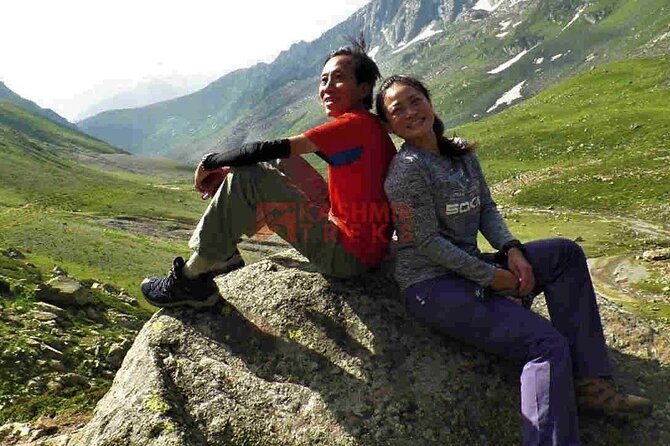
Day 5 covers about 9 km in around 5 hours, moving from 3550m down to about 3650m. The altitude note here is a bit counterintuitive at first glance, but the key idea is that you stay high.
So yes, this day is shorter in walking time. But you’re still breathing in thin air. The “reward” is that your body gets a partial rest before the next lake day.
This is often the best day to catch up on small needs: organize your layers, hydrate properly, and keep your energy for the Gangabal push ahead.
Day 6: Satsar to Gangabal Lakes via Zajibal Pass (the big finish on the trail)
Day 6 takes you from about 3650m down to 3580m, again passing through a high point around 4080m. You trek about 11 km in roughly 6 hours to reach the Gangabal Lakes area.
If you love the Great Lakes concept, this is where the trip tends to come together. You’re reaching one of the final signature lake zones, and the passes earlier have already trained your legs and rhythm.
One smart move on days like this: avoid the urge to rush for photos right at the pass edge. Instead, slow down, take in the air and the view, and keep the hike stable. You’ll enjoy the scenery more when you’re not trying to recover every 5 minutes.
Day 7: Gangabal to Naranag Temple, then drive to Srinagar
Day 7 starts with trekking at high altitude (around 3580m) and ends much lower (to about 2250m). You trek about 15 km in roughly 6 hours, then you drive back to Srinagar.
That 15 km number looks manageable on a single-day block, but the altitude makes it feel different. Still, this is a strong “story day” because it finishes at Naranag, a Hindu pilgrimage site.
After days in tents, this is also your psychological shift day. You’re moving from mountain routine toward comfort. It’s a nice arc.
Day 8: Drop at airport or bus stand (the trip finishes cleanly)
On Day 8, you have breakfast and then transportation options depending on your schedule. You’ll transfer about 5 km (around 20 minutes) to the bus stand or about 12 km (around 30 minutes) to the airport.
The practical value here is that you’re not stuck arranging a last-minute ride while tired. You can pack, eat, and go.
Price and Logistics: Why Around $112 Feels Like a Deal
The listed price of around $112 is hard to compare because trekking pricing changes by season and group size. But even with that caveat, this itinerary includes a lot that normally costs extra.
Here’s what you get that makes the price feel fair:
- Full trekking gear: tents, sleeping bags, mats, blankets, trekking poles
- Cooking setup: utensils and an LPG stove for meals
- Permits: trek/wildlife permits
- Mountain support: horses for gear offloading (excluding your day pack)
- Food: breakfast, lunch, dinner, plus tea, plus bottled water and coffee/tea
- Srinagar comfort: 1 night deluxe houseboat or hotel
What you should budget separately:
- travel insurance
- personal clothing and equipment
- tips for local staff and the guide
The “hidden” value is how that included list protects your trip from small failures. Forgetting the right bag liner, realizing you don’t have a sleeping mat, or scrambling for permits can ruin momentum. Here, the package is set up so you can focus on the hike.
The Guide, the Horses, and the Safety Feel
One theme that shows up strongly in how people talk about Kashmir Treks is the emphasis on professionalism and care. You might be guided by experienced leaders such as Wajid or Ali, and the team’s support can start immediately when you arrive in Srinagar.
Even when the mountains are the headline, day-to-day safety comes from small habits:
- pacing on high-altitude passes
- clear instructions about what to carry
- steady camp routines
- a quick response when conditions change
Horses add another layer. Since horses carry your gear, your body isn’t spending energy hauling everything uphill. That makes it easier to keep a comfortable pace on the pass days.
That’s why I’d call this a trek for people who want adventure without turning it into survival logistics.
Packing Tips That Match the Real Trek, Not a Fantasy Version
You’re carrying a day pack, not everything. Still, you need smart basics for cold and changing conditions.
I’d plan for:
- warm layers you can remove and add quickly
- a rain option (weather can be unpredictable at altitude)
- gloves and a hat if you run cold easily
- a water plan for the day (the trip includes bottled water at camp meals, but you still want day hydration)
- blister care (even a good trail can cause hot spots)
Personal gear like boots, a daypack, and rain protection is not included. So this is where you don’t want to improvise.
If you’re sensitive to altitude, bring your own coping basics (and go slower early). The trek gives you support for equipment and camps, but your comfort in thin air is still mostly your own job.
When to Go: Weather Can Make or Break the Pass Days
This trek requires good weather. If the experience is canceled due to poor weather, you’ll be offered a different date or a full refund.
From traveler timing notes you might see alongside this trek type, early spring months like March and April are often described as better. Monsoon time is often described as more difficult, especially for boulder crossings, and that’s exactly the kind of detail you should take seriously when choosing your travel window.
My practical advice: if your dates are flexible, prioritize forecast stability. If you’re not flexible, still be mentally ready for adjustments and slower movement.
Who This Trek Is Best For (and who should think twice)
This is a moderate-fitness trekking plan, but it is still high-altitude hiking with multiple pass days.
You’ll enjoy it if:
- you can hike 5–8 hours most days
- you’re comfortable with elevation up to about 4180m
- you want a private guided setup with camps and meals handled
- you prefer a lighter feel thanks to horse offloading
You might rethink it if:
- you struggle with steep long walks
- you expect a casual stroll with minimal physical effort
- you’re not ready for altitude demands, especially on pass days
Should You Book the Kashmir Great Lakes Trek?
If you want an authentic Kashmir mountain trek that doesn’t force you to manage the gear circus, I think this one is a strong pick. The biggest reasons to book are included permits and gear, plus the horse offloading that keeps the hike focused on walking and views.
Book it if you’re set on Sonamarg-to-Naranag and you like a clear route with lake milestones and a satisfying finish in Srinagar. Skip it (or at least reconsider timing) if your fitness is low or your travel dates land in a shaky weather window.
If you choose to go, set expectations right: this is a high-altitude trekking itinerary. When conditions cooperate, you’ll get the kind of mountain days that feel memorable for years.
FAQ
What is the duration of the Kashmir Great Lakes Trek?
The trek is listed as about 8 days, from Srinagar to the trekking route and back, with a Day 8 drop-off.
Where does the trek start and where does it end?
It starts in Srinagar with pickup, then goes to Sonamarg. The trekking finishes at Naranag, and you return by drive to Srinagar for the final day and drop-off.
Is pickup and transportation included?
Yes. There is pickup from Srinagar at the start, and private transportation is included throughout, including the drive back to Srinagar and the Day 8 airport or bus stand drop.
Do I get a guide during the trek?
Yes. The trek is described as private with your own personal English-speaking guide.
What trekking gear is included?
Included gear covers tents, sleeping bags, mats, blankets, and trekking poles. Cooking utensils and a stove with LPG are also included.
Are permits included?
Yes. Trek/wildlife permits are included.
Are horses provided to carry gear?
Yes. Horses are used for offloading gear, and you carry light with a day pack while the main gear is handled.
What kind of accommodation and meals are included?
You’ll have tented mountain camp accommodation for 6 nights with full-board meals (breakfast, lunch, dinner, and tea), plus 1 night in Srinagar in a deluxe houseboat or hotel. Bottled water and coffee and/or tea are included as well.
What is not included in the price?
Travel insurance is not included, and personal clothing and equipment are not included. Tips for local staff and the guide are also not included.
What do I need to bring for booking and travel, and how does weather affect the trip?
A current valid passport is required, and passport details are needed at booking. The experience requires good weather, and if it’s canceled due to poor weather you’ll be offered a different date or a full refund.