REVIEW · HANOI
2-Day Sa Pa Ethnic Homestay Tour & Trek with Limousine Bus
Book on GetYourGuide →Operated by Go Asia Travel · Bookable on GetYourGuide
Two days, and the mountains change you. This Sa Pa ethnic homestay tour pairs rice-terrace trekking with an overnight in Ta Van, plus an English-speaking guide from local communities like the Hmong. I also love the hands-on feel: you walk through working landscapes along the Muong Hoa Stream and see traditional outfits up close. One thing to plan for: weather can turn the views foggy, and the trails get muddy and slippery, so you need solid shoes and patience.
The guide part is a big deal here. I like how guides such as Sha, Sua, Soso, Tung, and Wan tend to bring the villages to life with real explanations in clear English, not just facts. If you’re the type who enjoys asking questions, you’ll get plenty of them back too.
Logistics are built around comfort, not chaos. You ride a limousine bus from Hanoi via Lao Cai, sleep, eat well, and then spend the next day walking and showering before the return ride. Just remember drinks cost extra, and there’s no magic way around early mornings on mountain time.
In This Review
- Key Highlights You’ll Actually Feel
- Why This Sa Pa Homestay Trek Feels More Real
- Hanoi to Sa Pa by Limousine Bus: Long Ride, Less Suffering
- Day 1 Walking: Muong Hoa Stream, Lao Chai Black Hmong Village, and Ta Van
- Sapa arrival, lunch, then you get moving
- The trail: rice terraces along the Muong Hoa Stream
- Lao Chai: Black Hmong village stop
- Ta Van: check in, meet the family
- Night in Ta Van Homestay: Clean Enough to Sleep, Basic Enough to Feel Local
- Day 2 Trek Through Rice Paddies and Bamboo Forest to Giang Ta Chai
- Breakfast with the family, then out into the fields
- Giang Ta Chai village views and the bridge moment
- Car back to Sa Pa, shower, lunch, then the ride to Hanoi
- Guide Matters: English Conversation, Real Terrain, and Village Etiquette
- What to Pack (So Mud Doesn’t Ruin Your Day)
- Price and Logistics: Where You Get Value (and Where You Don’t)
- Who This Trek Is Best For
- Should You Book This 2-Day Sa Pa Ethnic Homestay Trek?
- FAQ
- What’s included in the tour?
- What’s not included?
- Which villages do you visit?
- How does the Day 1 and Day 2 schedule work?
- What’s the homestay like in Ta Van?
- Do I need to bring cash?
- What should I bring for trekking?
- Is the tour suitable for kids or people with mobility issues?
- Where does the tour start and end?
Key Highlights You’ll Actually Feel
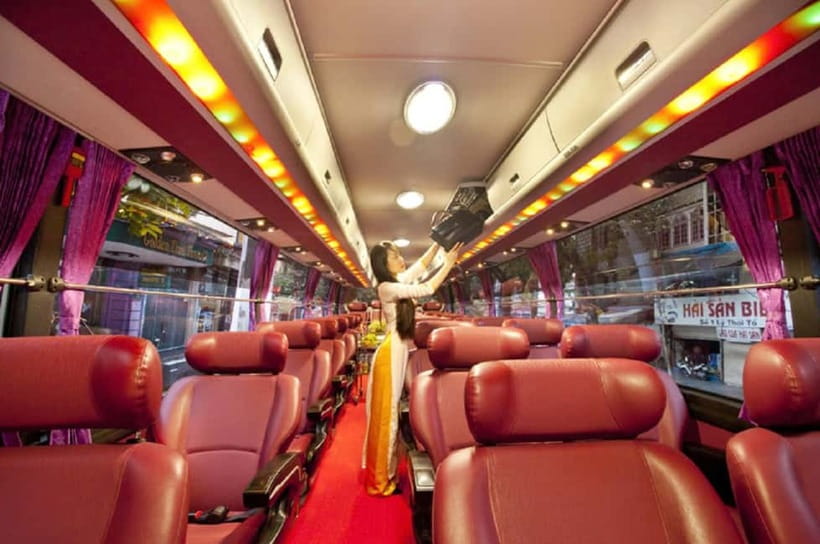
- Limousine bus via Lao Cai cuts the long Hanoi-to-Sa Pa slog into something manageable.
- Hmong/English-speaking guides like Sha, Sua, Soso, and Tung make village life understandable fast.
- Lao Chai to Ta Van route brings you past rice terraces and into Black Hmong and Tay village areas.
- Day 2 bamboo forest + rice paddies gives you two different mountain walking vibes in one trip.
- Ta Van homestay sleep with fresh food and clean water, even if it’s basic by hotel standards.
- Giang Ta Chai Bridge viewpoints plus a car back to your Sa Pa hotel for lunch and shower on the second day.
Why This Sa Pa Homestay Trek Feels More Real
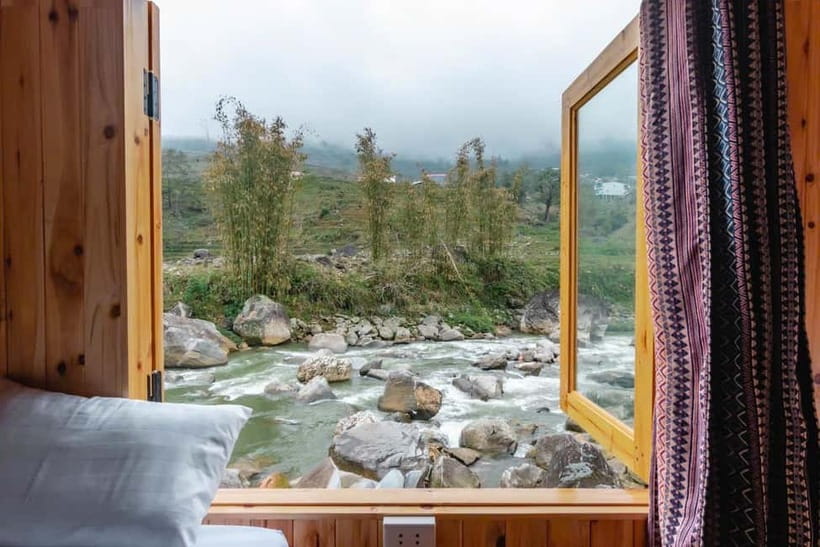
Sa Pa can be a bit of a show sometimes. This tour swaps the showroom for daily life. You’ll walk past working fields, cross small bridges, and chat with people who live there year-round.
The best part is the rhythm: travel, then walking, then dinner with the family. That order matters. It turns Sa Pa from a place you visit into a place you briefly understand.
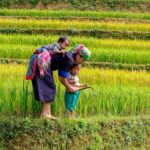
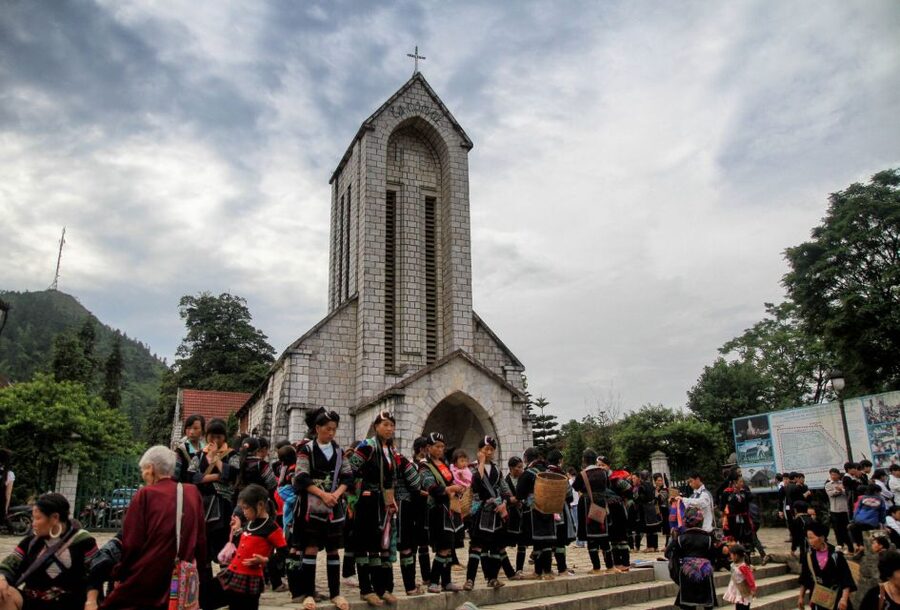
And yes, you will see the costumes. Hmong, Dzao, and Tay clothing shows up naturally on the route, not staged behind ropes. It’s also a useful clue about how distinct communities share the same mountains while living very different lives.
You can also read our reviews of more tours and experiences in Hanoi.
Hanoi to Sa Pa by Limousine Bus: Long Ride, Less Suffering
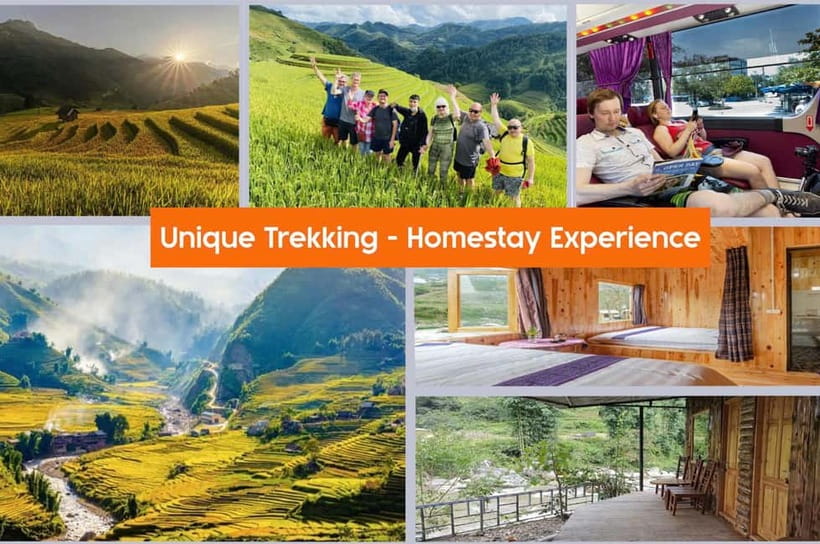
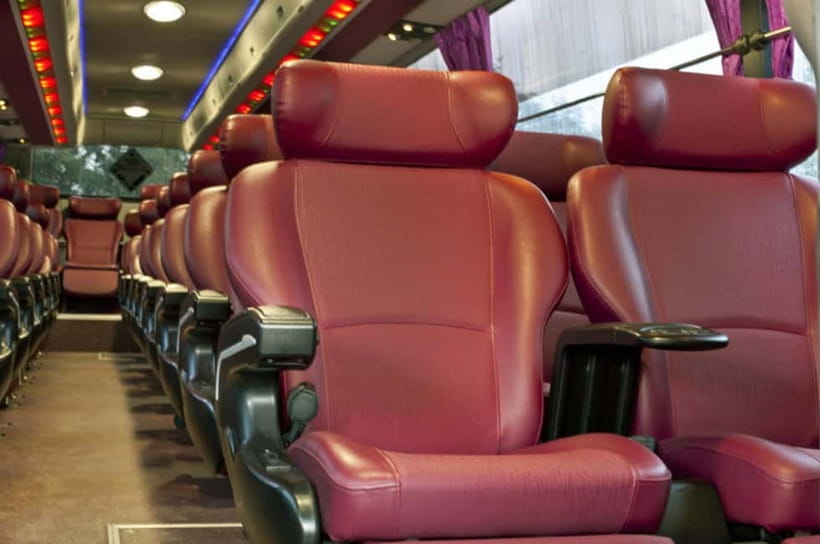
The tour starts with a Hanoi-to-Sa Pa round-trip limousine bus (optional on booking, but it’s the default for this itinerary). The drive runs via Lao Cai, and you’ll be picked up at a meeting point that can vary by option.
Why I like this setup: it respects your time. Sa Pa is far enough from Hanoi that every hour matters, and mountain walking takes energy. A comfortable bus means you arrive more ready to hike, not wrecked.
Practical notes from what’s included and what people tend to request:
- The route is long and you’ll start early, so treat the ride as part of the trip, not a commute.
- Upgrades (when available) can make the ride easier if you’re sensitive to seating comfort. Many guests describe the sleeper-style upgrade as worth it for privacy.
Also, plan your money. Cash is important in Sa Pa, because banking can be unreliable. Bring Vietnamese dong, and you can use US dollars, euros, or Australian dollars as well.
Day 1 Walking: Muong Hoa Stream, Lao Chai Black Hmong Village, and Ta Van
Day 1 is the classic pattern: arrive, eat, then walk into the mountains.
Sapa arrival, lunch, then you get moving
After you reach Sapa, a representative meets you at the bus stop and takes you to your hotel to rest. Then you’ll have lunch in town—local dishes designed to fuel you before trekking.
You’re not just going to look at farmland. You’re going to walk inside it.
The trail: rice terraces along the Muong Hoa Stream
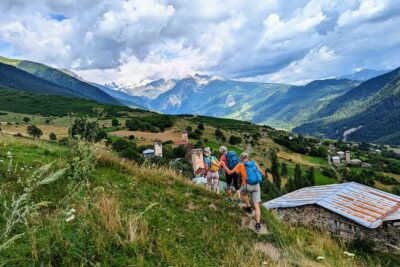
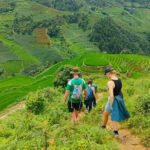
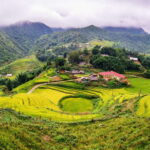
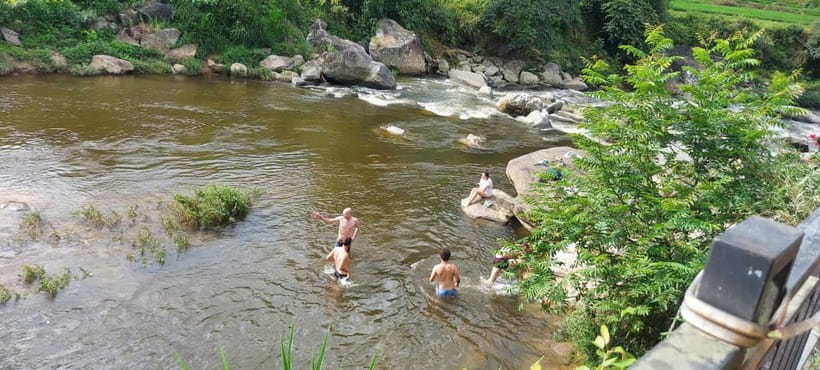
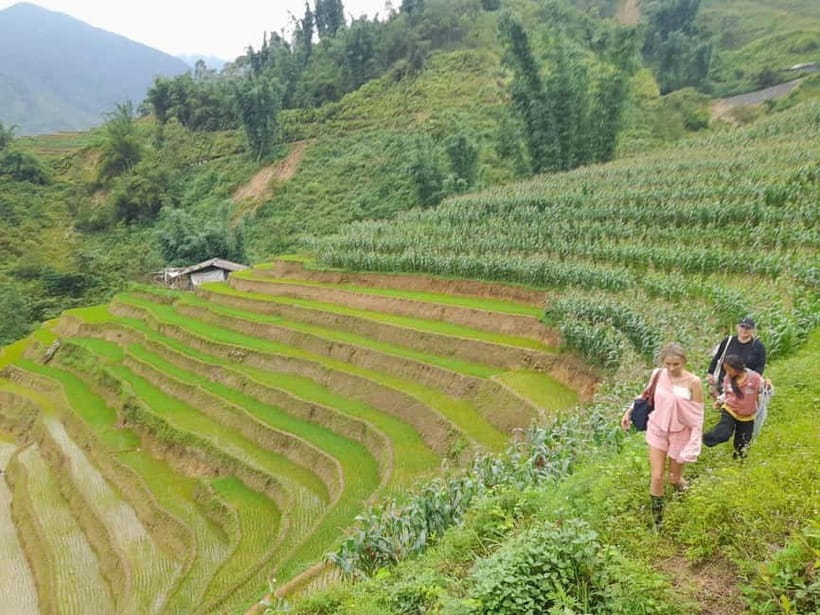
The route takes you through the lush rice terraces and along the Muong Hoa Stream. This is where the Sa Pa magic shows up: hillsides layered with water and plants, with views that feel close enough to touch.
It’s also a good day for slow observation. You’ll see how terraces work, where water channels run, and how paths connect villages.
Lao Chai: Black Hmong village stop
You’ll arrive in the Black Hmong village of Lao Chai, surrounded by the Hoang Lien Son Mountain area. This is one of the core cultural stops on the tour, so your guide’s role gets bigger here.
Expect conversation about daily routines and how communities organize life around the terrain.
Ta Van: check in, meet the family
After Lao Chai, you continue to the Ta Van village area and check into your homestay. Then you’ll have time to settle and get to know the family.
In many homestay-style tours, you’re treated like a temporary guest. Here, the experience aims to be a bit more communal: dinner and family time are part of the package.
Night in Ta Van Homestay: Clean Enough to Sleep, Basic Enough to Feel Local
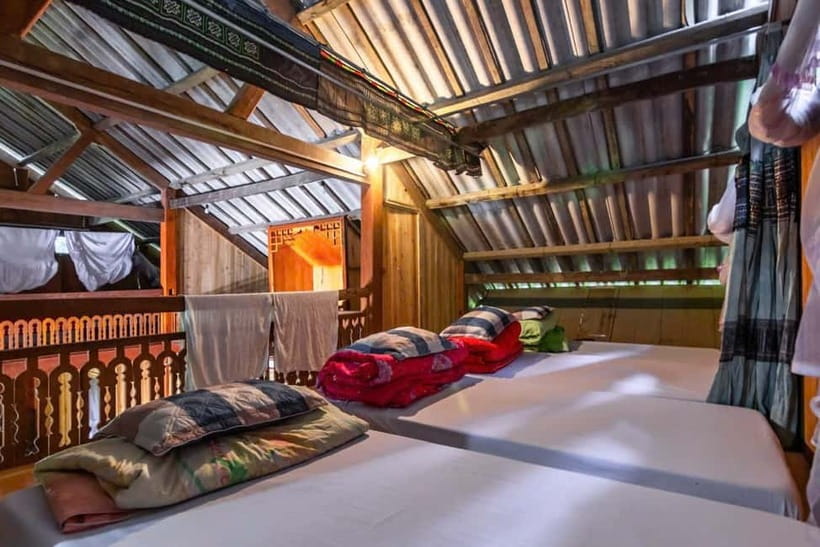
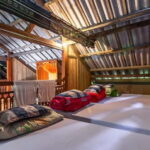
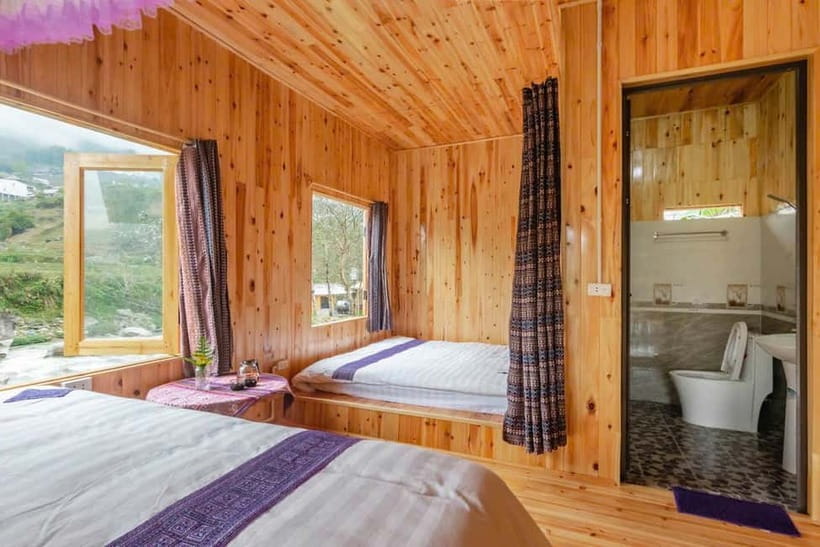
Here’s the honest truth about this homestay: it’s basic, not a polished hotel. But the setup is meant to be practical—clean water, fresh food, and a real bed (often single mattress accommodation, unless you upgrade).
You’ll stay in Ta Van village. The homestay has simple culture facilities, and you should treat it as a cultural stay first, comfort stay second.
Things I think matter most for your expectations:
- Noise happens. One review advice that’s worth listening to: village nights can be active. If you’re a light sleeper, earplugs can save you.
- Morning starts early. Breakfast is prepared before your hike, so don’t plan on sleeping in.
- Food is included (dinner and breakfast), and you’ll eat what the household is cooking, not tourist-only plates.
Many guests were surprised by how good the food is—so go in hungry and curious, not with a checklist.
Day 2 Trek Through Rice Paddies and Bamboo Forest to Giang Ta Chai
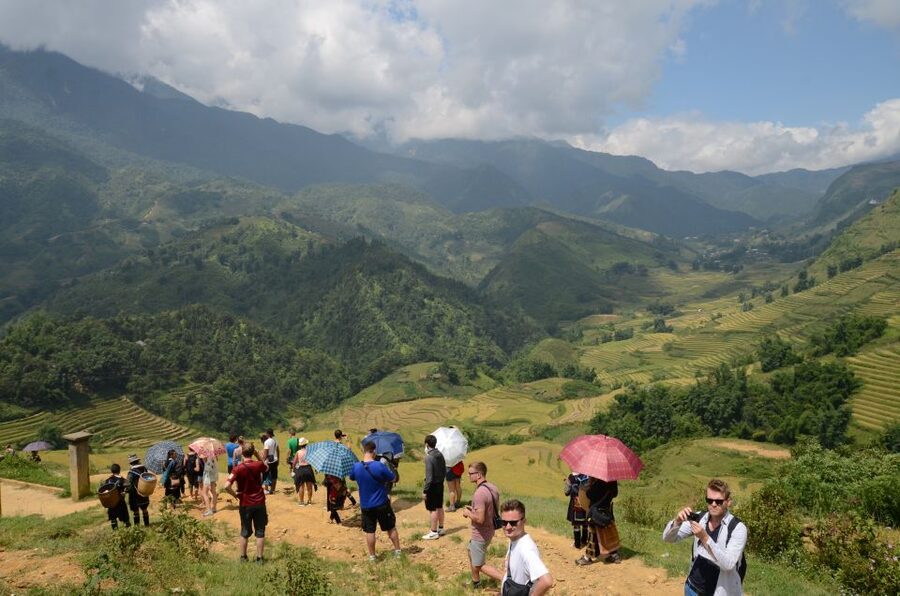
Day 2 is shorter on paper and longer in the legs. It’s a smart follow-up to Day 1 because it still delivers variety without frying you.
Breakfast with the family, then out into the fields
You start with breakfast prepared by the family. Then you trek through rice paddies and a bamboo forest area.
Even if the distance isn’t huge, this terrain asks for good footing. Bamboo trails can be slick after rain, and rice-field paths can turn into mud when the weather shifts.
Giang Ta Chai village views and the bridge moment
You’ll get panoramic views of Giang Ta Chai village. Then you cross the Giang Ta Chai Bridge.
This part is great for a quick reset. You’ll look back over what you walked through and get a feel for how villagers connect across valleys.
Car back to Sa Pa, shower, lunch, then the ride to Hanoi
After the bridge section, a bus takes you back to Sa Pa for lunch and a shower. Then you return to Hanoi by limousine bus.
Important detail: the tour ends back at the meeting point, but after you get dropped at the meeting area, you’re responsible for getting from there to your hotel in Sa Pa if needed.
Guide Matters: English Conversation, Real Terrain, and Village Etiquette
In this tour, the guide is not a background role. Guides such as Sha, Sua, Soso, Tung, and Wan often act as translators of more than language—they explain what you’re seeing.
You’ll learn about:
- How ethnic groups live in the mountains
- Why rice terraces look the way they do
- How nature and community shape daily life
One more practical point: craft selling on the trek can happen. Handmade items are part of the economy for many families, and some guests find it pushy at times—especially when several sellers follow the group.
My advice is simple:
- Be polite, firm, and brief if you’re not buying.
- If you are buying, bring a budget in cash. One guest suggested having around 1,000,000 VND available for scarves and jewelry if you want to support the artisans.
You’ll have a much better time if you decide your shopping stance before you get tired.
What to Pack (So Mud Doesn’t Ruin Your Day)
The tour asks you to bring a few obvious things, and the reviews confirm they matter.
Bring:
- Hiking shoes (this is the big one)
- Sunglasses and sunscreen
- Insect repellent
- Cash
If it’s rained or is foggy, plan for slippery ground. Reviews repeatedly point out normal sneakers can fail on muddy trails. If you have grippy soles, you’ll walk with more confidence and fewer tumbles.
Other small-but-real helps:
- Extra clothes in case you get muddy
- Earplugs if you’re sensitive to night noise
- Basic luggage strategy: you can store luggage in the bus trunk and pick it up later on Day 2
Also, this is not a pet-friendly tour.
Price and Logistics: Where You Get Value (and Where You Don’t)
We don’t have a single headline price here, but we can talk value based on what’s included and what’s not.
Included:
- Round-trip Hanoi to Sa Pa limousine bus
- Local tour guide (Hmong/English-speaking)
- Homestay accommodation in Ta Van (single mattress)
- 2 lunches, 1 dinner, and 1 breakfast
- Entrance ticket to Lao Chai and Ta Van village areas
- Car from Giang Ta Chai back to the hotel on Day 2
Not included:
- Drinks
- 8% government tax
- Tips for guide and driver
- Holiday surcharges: 700,000 VND per person on specific holiday dates (paid onsite)
- Optional upgrade costs if you want a private room in the homestay
The value angle: you’re paying for a full package where the heavy lifting is done—transport, guide, village access, and meals. That’s why the itinerary feels tight but not stressful. You spend your energy on walking and learning, not figuring out schedules and tickets.
Still, budget for extra costs:
- Drinks during breaks
- Tips
- Any holiday surcharge if your date hits the listed periods
- Craft purchases if you want to bring something home
Who This Trek Is Best For
This tour fits best if you want:
- A genuine mountain experience in a short time
- Culture + hiking in one package
- A guide who can explain the villages in everyday English
You’ll probably love it if you enjoy moderate walking, asking questions, and spending time with people outside tourist zones.
It’s not for everyone. The tour is not suitable for:
- Children under 6
- People with mobility impairments
- Wheelchair users
Also note: weather affects visibility. Fog and rain can reduce viewpoints, but the trek still delivers the experience.
Should You Book This 2-Day Sa Pa Ethnic Homestay Trek?
If you have only two days in northern Vietnam and you want more than a bus-and-photos Sa Pa stop, I’d book this. The combination of limousine transport, a local guide, village access, and an overnight in Ta Van is a strong value mix.
Do it with clear eyes: bring grippy shoes, expect mud if the weather turns, and understand the homestay is basic. If you want polished luxury, choose a hotel-based Sa Pa tour instead.
If you’re comfortable with a little roughness in exchange for a real look at life in the highlands, this is one of the best ways to use your time.
FAQ
What’s included in the tour?
You get round-trip limousine bus from Hanoi to Sa Pa, a local Hmong/English-speaking guide, homestay accommodation in Ta Van, entrance tickets to Lao Chai and Ta Van, plus 2 lunches, 1 dinner, and 1 breakfast. A car brings you back from Giang Ta Chai to the hotel on Day 2.
What’s not included?
Drinks, 8% government tax, tips for the guide and driver, and holiday surcharges on specific dates are not included. Upgrades to a private room in the homestay are also not included.
Which villages do you visit?
On this route, you visit Lao Chai and Ta Van. Day 2 includes views near Giang Ta Chai.
How does the Day 1 and Day 2 schedule work?
Day 1 includes traveling from Hanoi to Sa Pa, lunch in Sapa town, then trekking to Lao Chai and onward to Ta Van homestay. Day 2 includes breakfast with the family, morning trekking through rice paddies and bamboo forest, then returning to Sa Pa for lunch and a shower before the trip back to Hanoi.
What’s the homestay like in Ta Van?
It’s basic accommodation with clean water and fresh food. The tour notes it has culture facilities, but it’s not described as a luxury hotel. Some guests mention private room options when upgrading.
Do I need to bring cash?
Yes. The tour specifically advises bringing cash because banking in Sa Pa can be unreliable. Vietnamese dong is preferred, and US dollars, euros, and Australian dollars are accepted.
What should I bring for trekking?
Bring hiking shoes, sunglasses, sunscreen, insect repellent, and cash. Extra clothes can also help if you get dirty.
Is the tour suitable for kids or people with mobility issues?
No. The tour is not suitable for children under 6, and it is also not suitable for people with mobility impairments or wheelchair users.
Where does the tour start and end?
The exact start meeting point can vary depending on the option booked. The tour ends back at the meeting point after the limousine bus return. On Day 2, you’ll be taken to the hotel meeting area, and then you handle your own way to your hotel.