REVIEW · SAPA
Full Day Trekking in Sapa
Book on Viator →Operated by Trekking local villages and rice fields in Sapa · Bookable on Viator
Sapa feels personal on foot. This private 6-hour trek moves you from Sapa town into the rural villages surrounding it, with a guide who adjusts the walk to your group. I like that the route can be chosen for your comfort level, so you’re not forced onto a one-size-fits-all trail, even for harder or easier days.
The best part is how local the day feels, right down to Lao Chai rice-field trekking and village stop-offs. You’ll also get a break with lunch hosted at a local home, which keeps the energy up for the second half of the route.
One consideration: this trek depends on good weather, so misty or rainy conditions can change what you see and whether the tour runs as planned.
In This Review
- Key highlights you’ll care about
- Why a Sapa village trek beats the big-track version
- Choosing your difficulty and route (that WhatsApp planning is real)
- Lao Chai rice fields: what the trek actually feels like
- Wildlife and farm life: buffalo, chickens, and more
- The lunch break at a local home (and why it helps your day)
- The 8:00 AM start and how the 6-hour day is structured
- Price and value: how $24 stacks up for a private guide
- Who this trek is best for (and who should think twice)
- Should you book this Sapa trekking day?
- FAQ
- What is the duration of the Sapa trekking tour?
- How much does the tour cost?
- Is this a private tour?
- What time does the tour start?
- Is pickup included?
- How does the tour adjust for different abilities?
- Will I get confirmation after I book?
- What can I expect to see during the trek?
- What happens if the weather is bad?
- Who this tour is best for, in one sentence
Key highlights you’ll care about
- Route matching to your group’s difficulty (easy to challenging), planned in advance via WhatsApp
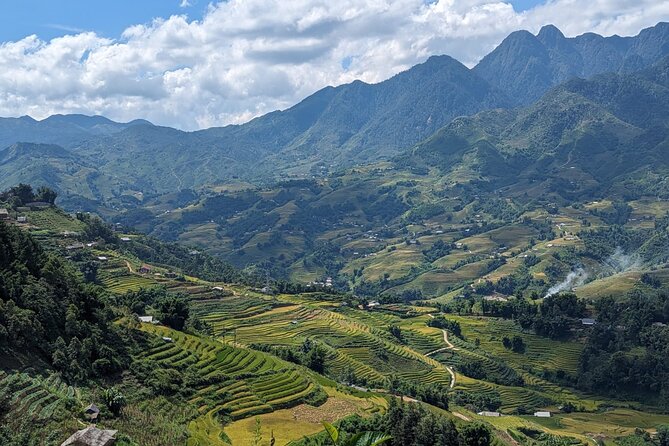
- Lao Chai rice fields plus rural village pathways you’re unlikely to find alone
- Farm animal spotting such as buffalo, chickens, ducks, and pigs
- Lunch at a local home mid-trek, with a real meal that keeps you going
- Handicrafts and small purchases from local families along the way
- A loop back to your hotel area, so you’re not stuck finding your own way
Why a Sapa village trek beats the big-track version
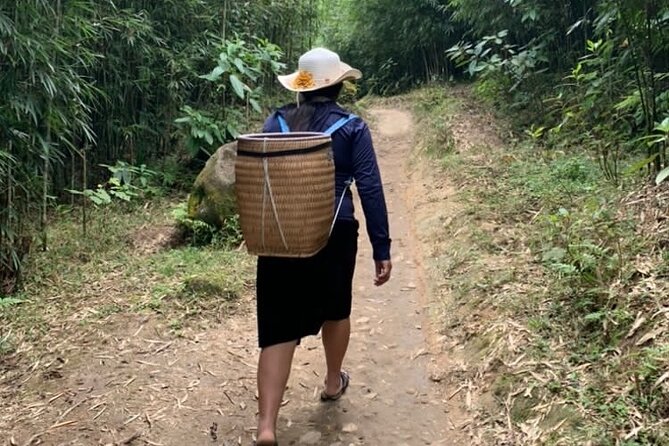
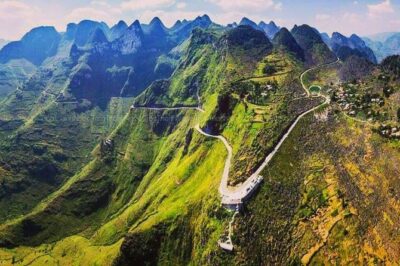
Sapa’s main draws are the same in every guidebook: scenery, terraces, and hill-tribe culture. What changes your day is how you travel through it. On this trek, you start in Sapa and then head outward into the places where daily life happens—rice fields, small homes, and paths locals actually use.
The value here is the human pacing. Your guide plans your walk before you even leave town, and they’re able to work with different comfort levels. If your group wants a slower, scenic route, you can do that. If you’re itching for a tougher day, you can go for it. That flexibility matters more than people think, because Sapa trekking isn’t just about views. It’s about how your legs feel when the trail gets uneven.
Choosing your difficulty and route (that WhatsApp planning is real)
This tour is designed to be adjustable. After booking, you confirm details and then message your guide on WhatsApp so they can plan the best route for your group. That’s a big deal in a place like Sapa, where the scenery is amazing—but the trails can range from relaxed to gnarly.
Here’s what you can expect from that planning mindset:
- You can choose a level that fits your group, not just your ticket
- You can get either more common routes or less-known paths, depending on what you want
- Your guide knows ways to avoid the most crowded stretches when possible, so the day feels more like a village walk and less like a conga line
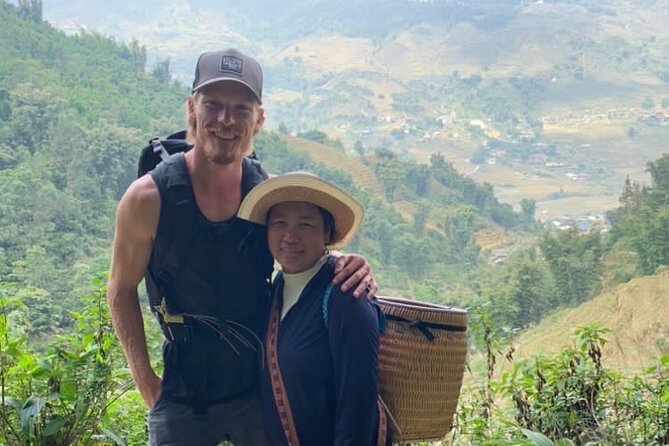
If you get a guide like Khu, you’ll likely appreciate the way she handles the day as a shared experience: upbeat, clear English, and practical help on rougher parts of the path. If you get another local guide such as Thào Thikhu, the tone may feel equally friendly and personal, with storytelling and a strong focus on local life.
Practical tip: be honest about your group’s pace before you go. If someone is a slow walker, you’ll get a better day by building the route around that reality.
Lao Chai rice fields: what the trek actually feels like
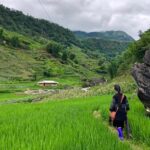
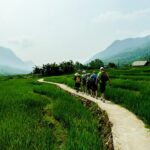
Lao Chai is the name you’ll hear a lot for a reason. The area is famous for rice terraces, and on this trek you don’t just look at them—you walk through them. That changes everything. Standing above terraced fields is pretty. Walking through the paths between fields is a different kind of connection.
On the way through Lao Chai and nearby areas, you’ll pass:
- Terraced rice paddies and the narrow footpaths between them
- Small farm areas tied to everyday work
- Village areas where culture shows up in practical ways, like where people gather and how families farm
You may also walk through seasons of activity. One review example included the rice harvest being underway. You can’t count on that exact timing for your trip, but it’s a good reminder: Sapa’s fields aren’t a static backdrop. The scenery changes with the farming calendar, and your walk will reflect what’s happening then.
Wildlife and farm life: buffalo, chickens, and more
One reason this trek feels authentic is that it doesn’t treat animals as a “maybe we’ll see one” bonus. The route is described as going through rural stretches where you’re likely to encounter farm animals such as buffalo, plus chickens, ducks, and pigs.
In practical terms, this means:
- Your guide keeps you moving through working areas at a respectful pace
- You’ll have chances for real observation—how animals are kept, where they wander, and how daily routines connect to the land
- The day becomes less about photo stops and more about watching how a rural family landscape works
If you’re sensitive to animals or you dislike close encounters, it’s still a manageable day, but you’ll want to keep expectations realistic. Rural paths can bring you near livestock, and you’ll share space with farmers and their routines.
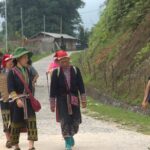
Also, there’s a human element: along the way, you might see local families growing rice, raising animals, and even producing handicrafts. You’ll usually have the opportunity to purchase local handmade goods if you want souvenirs that feel connected to the place.
The lunch break at a local home (and why it helps your day)
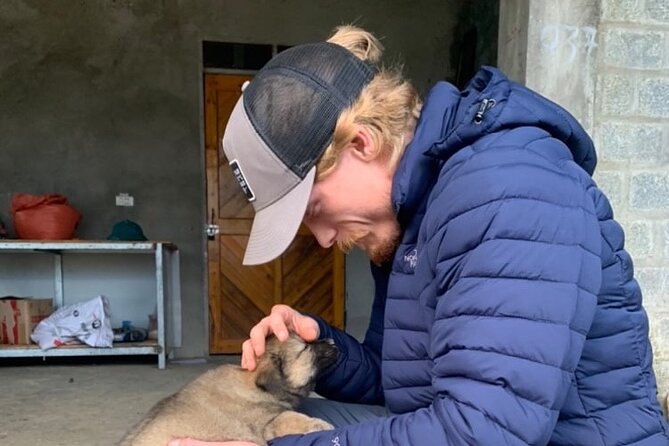
Midway through the trek, you stop for lunch at your guide’s friend or local home. This matters because Sapa trekking often burns energy faster than people expect. A planned meal break helps you keep your pace steady for the second half instead of dragging yourself onward.
What to expect from this lunch stop:
- A meal made locally, served where families live
- A chance to rest, warm up (if it’s cool), and reset
- A more personal conversation moment with your guide—stories about village life, farming, and culture
Some guides are especially strong at this part. In one example, the lunch was described as a crowning touch after a challenging set of trails. If you enjoy food as part of travel, this stop can turn the trek from scenery-only into a full sensory day.
Tip: bring a little patience. Even if the route is efficient, home-lunch moments take a bit of time, and that’s part of the value.
The 8:00 AM start and how the 6-hour day is structured
The start time is 8:00 am, and the trek runs for about 6 hours. After pickup from your hotel or meeting point, you head out from Sapa town into surrounding rural areas, trek through the village-and-field sections, then return via a loop back toward your hotel.
That “loop back” detail is underrated. With trekking days, there are two big frustrations:
1) ending up too far from town
2) spending extra time arranging transport after you’re tired
Here, the plan is to bring you back as part of the day. You’re not scrambling at the end.
Because the day is long enough to matter, it’s worth thinking about comfort:
- Wear shoes with solid grip for uneven paths
- Pack layers if it’s misty (Sapa weather changes quickly)
- Bring water and small snacks just in case your group wants extra energy between stops
And yes, cloud and mist can roll in. One described experience included mountain views swallowed by clouds, but the guide still made the day feel alive with stories and route knowledge. Even when visibility isn’t perfect, a strong guide can keep you focused on what’s around you.
Price and value: how $24 stacks up for a private guide
The price is listed at $24 for approximately 6 hours, and it’s a private tour/activity for only your group. That combination—time + privacy + local guide support—is what makes the value feel real here.
You’re not just buying a trail walk. You’re buying:
- route planning for your group’s ability
- a local perspective on village life, rice fields, and farming routines
- time with someone who can explain what you’re seeing in practical terms
- a planned lunch stop at a local home
Is it the cheapest way to trek in Sapa? Probably not. But cheap treks often cut corners: fixed routes, crowded paths, or a guide who can’t match your pace. At this price point, the “private guide + flexible route” setup is the main reason this feels like good value.
Who this trek is best for (and who should think twice)
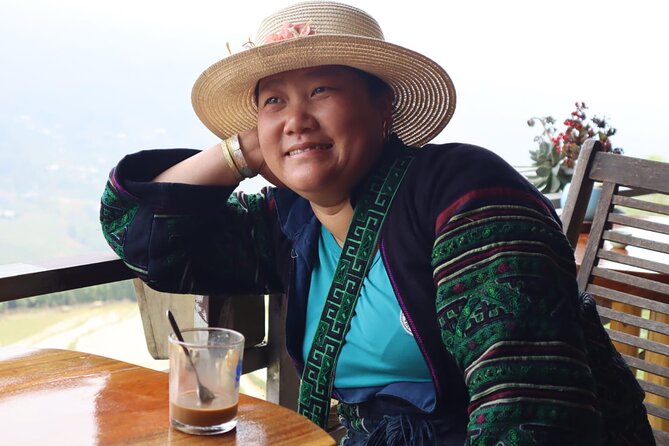
This is a great fit if you want:
- A more authentic village experience than the easiest tourist routes
- a guide who can adapt the walk to your group
- time to see rice fields and farm life up close, not just from a bus window
- a friendly, English-speaking guide experience
You’ll especially enjoy it if you like conversation and learning. Guides like Khu and Thào Thikhu are highlighted for being informative and engaging, with a warm, humorous vibe that helps on a long day.
It might be less ideal if:
- you hate walking for 6 hours total (even with breaks)
- your group is very weather-sensitive
- you expect a purely paved, easy stroll (the trail can include rougher sections depending on the level you choose)
Should you book this Sapa trekking day?
If you’re coming to Sapa for more than photos, I’d book it. The best reason is not the rice fields alone—it’s the way the day is built around your group: private, guided, and adjustable to your difficulty level. Add a local lunch stop and the chance to see daily farm life with animals like buffalo and pigs, and you get a trek that feels like a real day in the region.
My advice: if your group has mixed fitness levels, message the guide clearly before the trek and choose the difficulty that keeps everyone comfortable. You’ll enjoy the views more when the pace matches your legs.
If the weather is poor on the day, don’t force it. This experience requires good weather, and it may be offered on a different date or refunded if it’s canceled due to conditions.
FAQ
What is the duration of the Sapa trekking tour?
It runs for about 6 hours.
How much does the tour cost?
The price is listed as $24.
Is this a private tour?
Yes. It’s private, so only your group participates.
What time does the tour start?
The start time is 8:00 am.
Is pickup included?
Pickup from your hotel or meeting point is offered.
How does the tour adjust for different abilities?
The trek is customizable. You can choose a very easy, very hard, or in-between level, and the guide plans the best route for your group.
Will I get confirmation after I book?
Yes. Confirmation is received at the time of booking.
What can I expect to see during the trek?
You’ll trek through rural villages and rice fields, and you may encounter wildlife and farm animals such as buffalo, chickens, ducks, and pigs. You might also see local handicrafts.
What happens if the weather is bad?
This experience requires good weather. If it’s canceled due to poor weather, you’ll be offered a different date or a full refund.
Who this tour is best for, in one sentence
If you want a private, flexible Sapa trek into village life—with rice fields, farm animals, and a local lunch stop—this is an easy pick.