REVIEW · LHASA
Tibet Tour 15 Days Lhasa to Kailash Trekking Small Group via EBC
Book on Viator →Operated by Tibet Vista · Bookable on Viator
Lhasa feels like a world of its own, and this trip strings together Tibet’s big religious hits with big mountain country. I like that you get three nights in Lhasa plus time on the high-altitude lake/Monasarovar side before you even start thinking about Mount Kailash. It’s a lot to pack into 15 days, but the pace is built around seeing the most meaningful places without you having to micromanage details.
Two things I really like: the package includes Tibet travel permits and entrance fees (and a local English-speaking guide), and the comfort touches are practical at altitude, like oxygen in the vehicle and drinking water provided each day. You’ll also travel in a small group, so you don’t feel like you’re part of a moving crowd.
One drawback to consider: this is high-altitude travel and you’ll cross high passes on the road and then trek during the Kailash kora, so if you’re prone to altitude sickness or expect an easy walk, this may not be the right fit.
In This Review
- Key Points to Know Before You Go
- What You’re Really Buying With a Lhasa-to-Kailash Small-Group Tour
- Lhasa’s Sacred Core: Potala Palace, Jokhang, and Barkhor Street
- Drepung and Sera: Monasteries With Real Daily Rhythm
- The Everest Build-Up: Yamdrok Yumtso, Gyantse, and High Pass Views
- Shigatse to Rongbuk: Tashilunpo and the Everest Area Sunrise Plan
- Manasarovar Side Trip: Wetlands, Forest Park, and Sage Valley Drives
- Kailash Kora: The Dromala Pass Trek and the Loop Around Mount Kailash
- Road to Sakya and Back to Lhasa: Yalong Valley and Incense-Making Stops
- Guides and Group Size: What “Small Group” Means in Tibet
- Altitude Reality Check: Oxygen, Passes, and a Sensible Pace
- Price, Value, and the One Thing You Should Confirm
- Who Should Book This Lhasa to Kailash Trek Route
- Should You Book This Trip
- FAQ
- FAQ
- What’s included regarding permits?
- Does this tour include pickup and drop-off in Lhasa?
- How many people are in the group?
- Is Everest Base Camp Echo bus included?
- How does the Kailash trek work, and are yaks/porters included?
- Are oxygen supplies provided?
- What’s the cancellation timeline for refunds?
Key Points to Know Before You Go
- Permits and site entry are included, which saves real time and paperwork stress in Tibet
- Small group size (max 12) makes it easier to move with your guide through crowds and checkpoints
- Oxygen cylinders in the vehicle (4L or 7L) and provided drinking water help you manage altitude
- Everest Base Camp Echo bus is included, for that classic view-from-the-edge experience
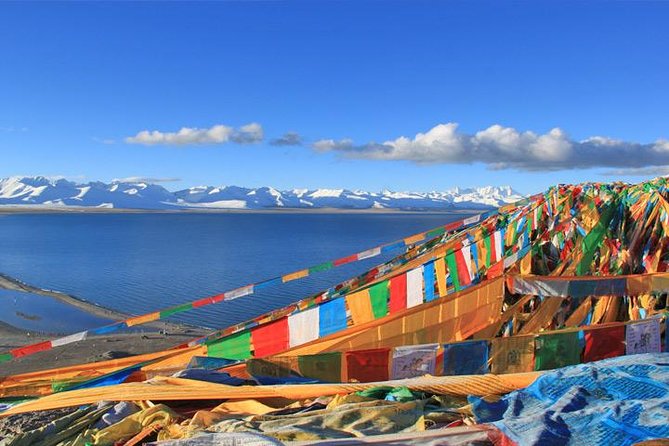
- Kailash Kora trekking is the core moment, with a pass at about 5630m and lots of spiritual energy
What You’re Really Buying With a Lhasa-to-Kailash Small-Group Tour
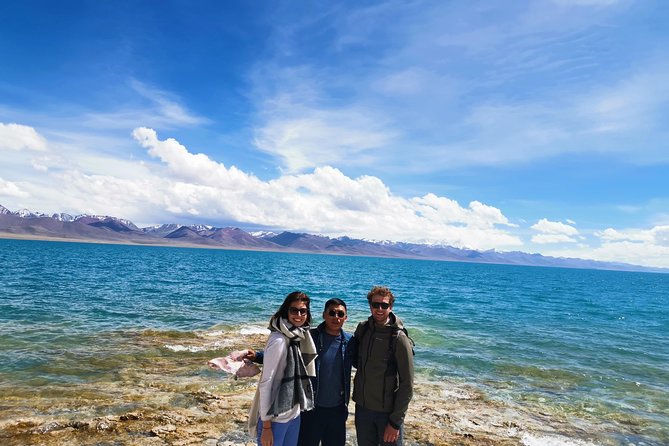
This is not a loose “see Tibet someday” kind of deal. It’s an organized route that attempts to hit the full arc: Lhasa’s main sacred sites, the Everest Base Camp area, then the Manasarovar side, and finally the Mount Kailash kora loop.
For $2,069 per person (double occupancy), the value comes from what’s bundled. You get Tibet travel permits and necessary permits included, transportation by a minibus/van with an experienced local driver, an English-speaking guide, and hotels with breakfasts in key cities. You’re also given practical altitude support: oxygen cylinders in the car and drinking water during the trip.
Just keep your eyes open for two small-but-important details. First, the tour data shows some entries like Potala Palace and Jokhang with “admission ticket not included,” while the package also says entrance fees for listed sites are included. Second, meals are listed inconsistently (lunch and dinner appear both as included and not included). In real life, this is the kind of thing you confirm once with the operator before payment so you don’t end up negotiating meals on a 5000m day.
Lhasa’s Sacred Core: Potala Palace, Jokhang, and Barkhor Street
Your trip starts in Lhasa with time to get oriented after arrival and then a focused run at the city’s most important spiritual landmarks. Expect a classic first-day feel: check in, rest, then begin the cultural engine.
The big early stops include Potala Palace, described as the Dalai Lama’s winter palace used since the 7th century, and Jokhang Temple, a 7th-century foundation tied to the early Tibetan kingdom era. You also spend time on Barkhor Street, where the kora (the religious walking circuit) happens around the temple. This is where Tibet stops being “sights” and starts becoming daily life.
A practical tip here: plan to dress for cold and wind, even if Lhasa seems sunny. Temple courtyards and walkway areas can feel chilly fast, and you’ll want energy for walking. Also, while you may see tea stops on the route, treat them as part of the experience, not a fixed “schedule promise.”
Drepung and Sera: Monasteries With Real Daily Rhythm
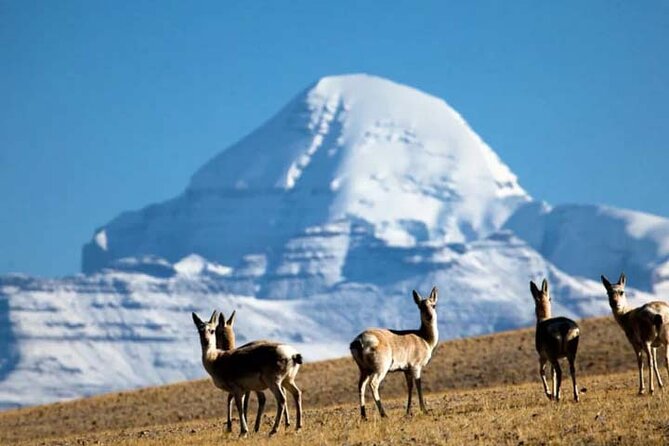
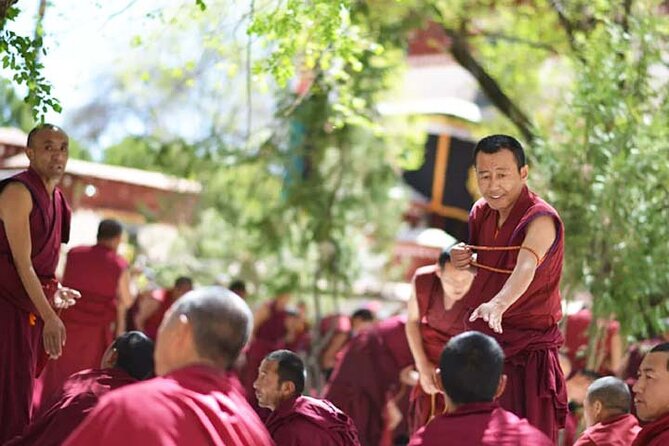
After the first Lhasa heavy-hitters, you shift to monasteries with a living rhythm. You’ll see Drepung Monastery (Zhebang Si) and then Sera Monastery, one of the Gelug “great three.”
Sera is singled out for the monks’ debate, typically around the afternoon window described as 3 to 5. Even if you don’t follow every word of the arguments, the format is easy to read: tone, pace, posture, and the intensity of concentration. It’s one of those moments where you understand you’re watching education, not just performance.
Your day also includes time in and around the old village area (Dadong Village is mentioned as a protected ancient Tibetan village about 25 km southwest of Lhasa). That’s a good change of pace from the temple density. If you like contrast—big religious centers plus quiet village textures—this part delivers.
The Everest Build-Up: Yamdrok Yumtso, Gyantse, and High Pass Views
The middle stretch of the tour is travel with purpose. You move from Lhasa toward Shigatse and onward, with planned scenery stops that help you mentally adjust to higher elevations.
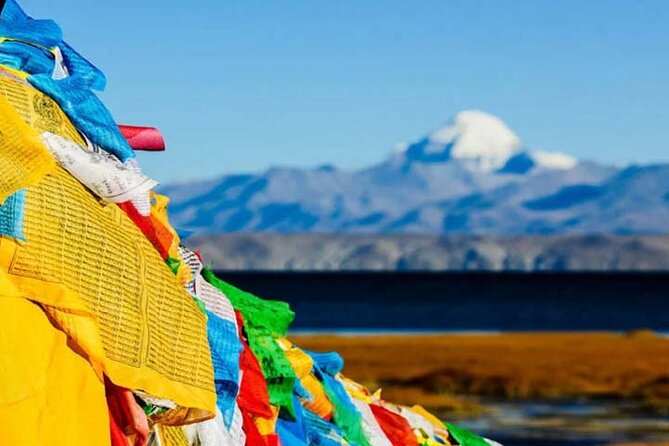
On the way, you pass Yamdrok Yumtso Lake (the drive uses a pass over about 4790m and you get views in the 4400m range). You also stop for glacier views at Karo La Glacier, plus you hang prayer flags near Simila Mountain Pass (the details include the Manak Dam Lake area). Then you hit Gyantse, including Pelkor Monastery and the Gyantse Kumbum Stupa.
These roadside moments matter because they do two jobs:
1) they break up long driving days, and
2) they show you the “why” behind Tibetan geography—how mountains and water are treated as sacred and lived-with.
If you get motion sick, bring your usual remedy. Minibuses and long altitude drives can feel slow and bouncy, even with a competent driver.
Shigatse to Rongbuk: Tashilunpo and the Everest Area Sunrise Plan
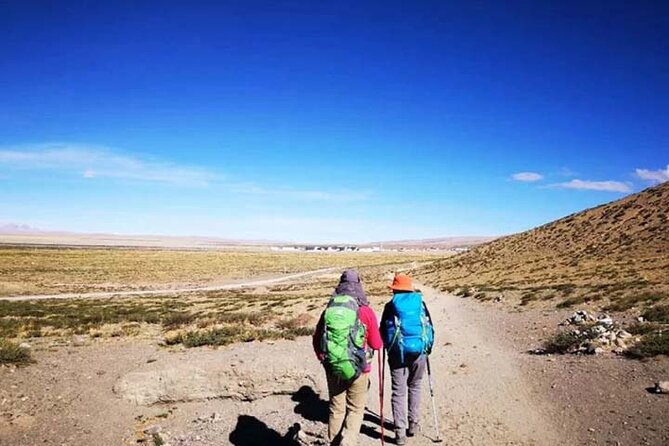
Shigatse adds another major monastic anchor with Tashilunpo Monastery, described as the home of the Panchan Lama. Then the route moves toward the Mt. Everest National Nature Preserve area with scenic passes mentioned along the way, including passes around 4600m, 5248m, and 5198m.
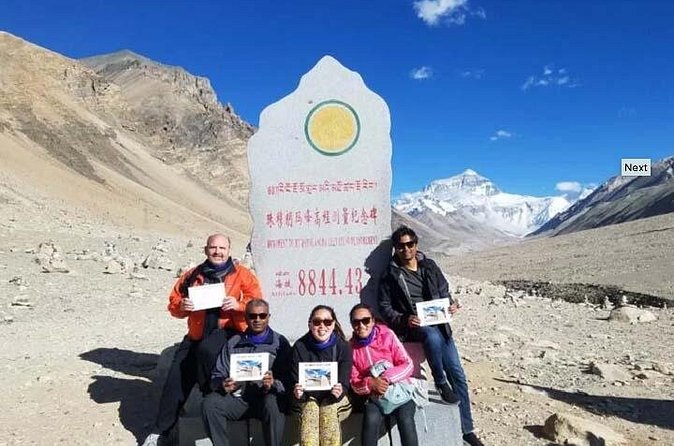
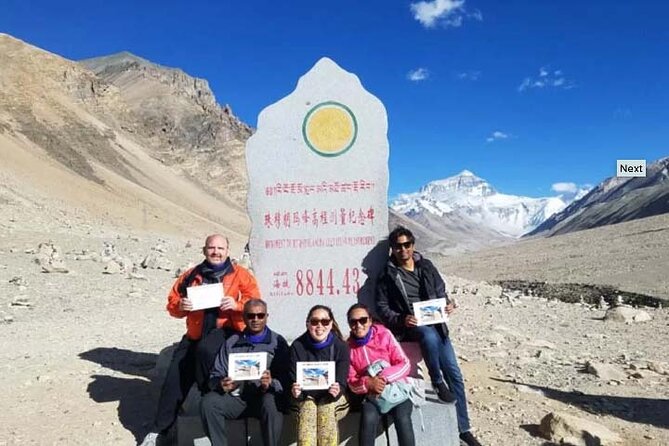
The Everest “realness” arrives around Rongbuk Monastery. The plan includes an early start in the morning to catch a sunrise of Everest Peak if weather permits, right from the lodging area. That “if weather permits” note is not filler; in this part of the world, clouds can erase the view fast, and you’ll be glad you showed up early anyway.
Even without a perfect summit picture, Rongbuk gives you the atmosphere: the cold air, the quiet, and the sense that you’re close to one of the planet’s most famous mountain walls.
Manasarovar Side Trip: Wetlands, Forest Park, and Sage Valley Drives
After the Everest region, you head deeper toward the lake-and-valley world of western Tibet. The tour includes viewpoints along the way, including mentions of Mt. Shishapangma and Pekutso Lake on the drive from EBC to Saga.
You also pass through a Manasarovar Wetland stop on the route toward Darchen, with the description focused on valley views and local villages. Later, you drive from Darchen toward Saga “via Lake Manasorova,” and there’s also mention of a Manasarovar Forest Park area. The overall feel is less about single monuments and more about absorbing a broad sacred geography.
You’ll likely appreciate this section if you get tired of temple-by-temple pacing. It’s where the trip shifts from architecture to altitude ecology—grasslands, lake basins, and wide mountain horizons.
Kailash Kora: The Dromala Pass Trek and the Loop Around Mount Kailash
This is the heart of the tour. The kora days are where religion turns into an all-body experience: walking, breathing, watching pilgrims, and crossing a high pass on foot.
The plan includes an eco-bus ride from Darchen to the Sarshung valley. Then you meet yaks and porters at Sarshung village, with the note that the cost of hiring yaks, horses, and porters is not included in the package.
You trek over Dromala pass (5630m), described as the highest pass of the kora. The route includes a rest in a teahouse, and you’ll see locals prostrating along the kora path. That detail is more than scenery. When you see people offering full-body devotion while you’re just trying to move carefully at altitude, it reframes what this trip is.
On the third kora day, the plan mentions a trek of about 7 km to Zongto, with a bus option back to Darchen. Along the way, you’ll see piles of mani stones, which are part of the visual language of Tibetan devotion.
Real talk: you don’t need to be a trail athlete to enjoy this, but you do need to accept slower steps and colder weather. Wear layers, protect your hands, and plan for the fact that this is a high-altitude trek even if it’s paced through the route.
Road to Sakya and Back to Lhasa: Yalong Valley and Incense-Making Stops
After Kailash, the trip shifts back into driving: from the Kailash side toward Saga, then onward to Sakya. You’ll visit Sakya Monastery in the morning, with a description that highlights ancient town atmosphere and murals plus a large collection of scriptures and statues.
On the return leg to Lhasa, you travel along Yalong Valley and get stops designed for viewpoints and small local craft moments. The plan mentions a viewing platform for the Yalong River bed and a water mill making Tibetan incense material in summer, if time permits. Even if incense-making isn’t running when you’re there, the valley drive itself helps you recover from kora intensity without feeling like you’re just stuck in a van.
Day 15 ends back at the meeting point, with the route framed as a full loop of well over 2000 km across the country.
Guides and Group Size: What “Small Group” Means in Tibet
This package caps group size at 12 travelers, which is genuinely useful in Tibet. You’re moving between monasteries, ticket windows, and altitude checkpoints, and smaller groups mean less waiting and fewer “where is everyone?” moments.
The guide quality shows up in the feedback included with the tour. Lhakpa Tenzin is repeatedly praised for organization, safety-minded behavior, and a calm, friendly approach that uses humor without turning serious moments into jokes. Another guide name that comes up is Dickey, also praised for strong support and clear explanations, including help for vegetarian needs.
Whether your guide is Lhakpa Tenzin or someone else, the tour is clear about what to expect: an English-speaking Tibetan guide, lots of route context, and support that keeps your day from feeling like random sightseeing.
One practical note: bring a small note with your dietary needs and altitude concerns. Guides can’t read minds, but when you share specifics early, you’re more likely to get better meal and pace decisions.
Altitude Reality Check: Oxygen, Passes, and a Sensible Pace
This tour takes you to serious elevations. You’ll cross high roads with passes described around 4790m, 4600m, 5248m, 5198m, and then the trek goes up to about 5630m at Dromala. That’s why the included support matters.
You get oxygen cylinders in the car (either 4L or 7L) and drinking water provided during the trip. These aren’t magic buttons, but they make it more likely you’ll handle the day without spiraling into panic.
Pace matters, too. The plan includes a rest buffer after arrival in Lhasa and a staged travel rhythm before the kora trek. That sequencing helps you acclimatize in a way that feels intentional rather than rushed.
If you have a history of severe altitude sickness, talk to a medical professional before booking. And if you’re the type who pushes through symptoms, this route is not the place to prove toughness.
Price, Value, and the One Thing You Should Confirm
At $2,069 per person (double occupancy), you’re paying for a lot of coordination: permits, guide, transportation, hotels, oxygen support, and the big-ticket logistics tied to Everest Base Camp access and the kora route.
Where your value judgment should land:
- Permits and transit planning are included, which saves time and avoids permit headaches.
- The route includes a high-end “sequence” of sites rather than a random grab bag.
- The small group size keeps your day smoother.
Now the confirm-before-you-go part, based on what the tour details show:
- Meals: breakfast is clearly listed as included (with 7 breakfasts mentioned). Lunch and dinner appear both as included and as not included in different sections. Confirm what you’re actually covered for each day.
- Entrance tickets: the tour says entrance fees for listed sites are included, but specific stops (like Potala Palace and Jokhang) also show admission tickets not included. Confirm which entries you’ll pay separately.
Also budget for tips to the driver and tour guide, which are listed as not included.
Who Should Book This Lhasa to Kailash Trek Route
Book this if:
- You want one coherent plan that connects Lhasa, Everest Base Camp, Manasarovar region, and the Kailash kora without running around.
- You’re comfortable with altitude travel and can walk for multiple hours during the kora days.
- You value a guide who explains the places in real language, not just a checklist tour.
Consider a different trip if:
- You want a mostly easy vacation with minimal trekking.
- You have significant medical risk with high elevation.
- You dislike long driving days and high passes.
Should You Book This Trip
If your goal is the full Tibet “spiritual arc,” this tour has strong structure. The combination of Lhasa’s core temples, a real Everest Base Camp angle via the echo bus, and a serious Kailash kora trek makes it feel like more than a sightseeing circuit.
My recommendation comes down to one practical checklist item: confirm the real situation on meals and ticket inclusions before you commit. If those are squared away, the rest is exactly what you’d want for a small-group, permit-supported Tibet journey.
FAQ
FAQ
What’s included regarding permits?
Tibet travel permits and other necessary permits are included, but the package specifically excludes the Chinese L visa. It also includes a Chinese visa invitation letter if needed.
Does this tour include pickup and drop-off in Lhasa?
Yes. It includes pick-up/drop-off service from the airport or train station to Lhasa.
How many people are in the group?
The maximum group size is 12 travelers.
Is Everest Base Camp Echo bus included?
Yes, the Everest Base Camp Echo bus is included.
How does the Kailash trek work, and are yaks/porters included?
You take an eco-bus from Darchen to Sarshung valley, then join yaks and porters at Sarshung village. The cost of hiring yaks, horses, and porters is noted as not included.
Are oxygen supplies provided?
Yes. Oxygen cylinders are provided in the vehicle (4L or 7L), and drinking water is provided during the trip.
What’s the cancellation timeline for refunds?
You can cancel up to 6 days in advance for a full refund. For a 50% refund, cancel 2 to 6 full days before the experience’s start time. If you cancel less than 2 days before, the amount paid is not refunded.