REVIEW · MARRAKESH
From Fes: 2 Day Round Trip Via Merzouga Desert & Camel Trek
Book on GetYourGuide →Operated by Fez to Anywhere · Bookable on GetYourGuide
A camel trek, a desert camp, and Atlas Mountains stops all in two days. What makes this trip work is the rhythm: you get a road trip full of quick surprises, then a slow, unforgettable shift into Sahara time with sunrise and camelback moments.
Two things I really like about this experience are the planned variety—Ifrane, cedar forests, and Ziz Valley—and the way it’s built for comfort without feeling overly fancy. Also, it includes the big “desert package” basics: a night in camp, meals, camel rides, and sandboarding, so you don’t have to piece everything together.
One possible drawback is the early schedule. You’ll start around 7:30 am from Fès, and Day 2 begins with a very early wake-up for sunrise, so it’s less for people who want to sleep in.
In This Review
- Key highlights you should know
- A two-day plan that doesn’t waste the drive
- Fès to Ifrane: a quick change of altitude and mood
- Cedar forest time: Barbary monkeys in the Middle Atlas
- Midelt, Ziz Valley, and Erfoud: seeing desert country before the dunes
- Merzouga camp night: camel sunset, nomad-style dinner, and basic comfort
- Sunrise dunes near the Algerian border: worth getting up for
- Sandboarding and the “active” side of camp
- Price and value: what $108 includes, and what you’ll pay for
- Small details that make the day feel smoother
- Should you book the Fès to Merzouga desert trip?
- FAQ
- What is the duration of the tour?
- What time is pickup from Fès?
- How long is the camel ride?
- Is sandboarding included?
- What meals and lodging are included?
- What parts of the itinerary happen on Day 2?
- What if I cannot ride the camels?
Key highlights you should know
- Cedar forest + Barbary monkeys in Morocco’s Middle Atlas, with a chance to see/feed them
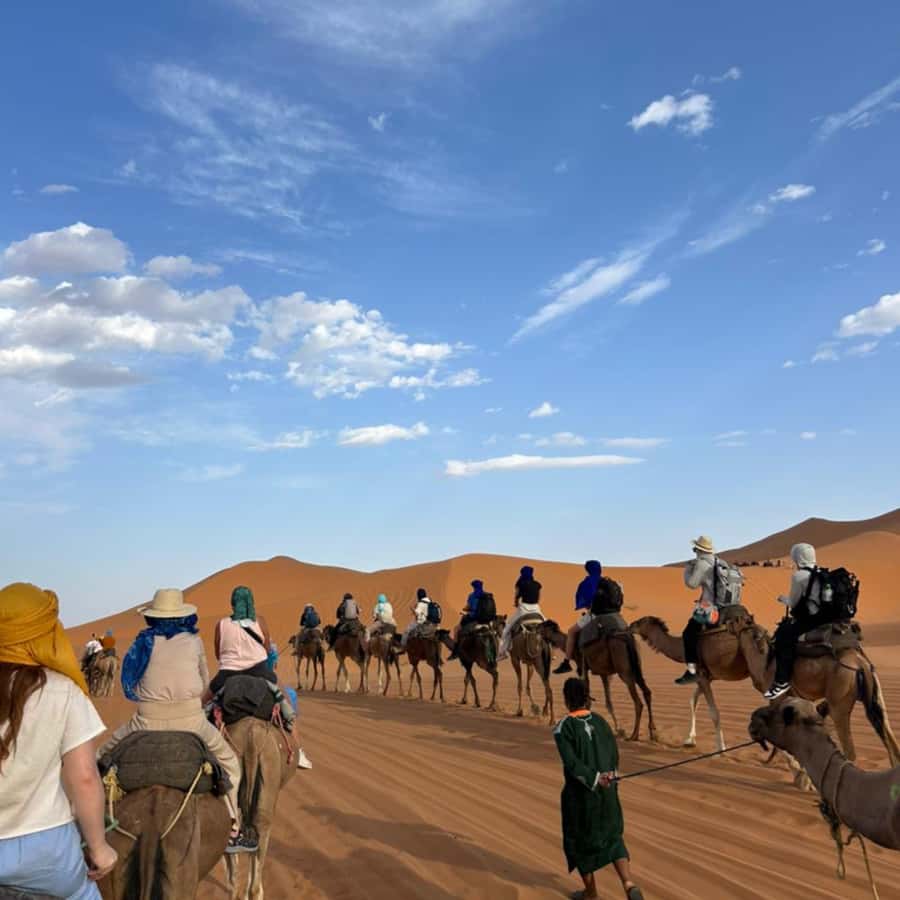
- Camel trek for sunset from Merzouga, with a second camel experience at sunrise
- A real desert night in a standard camp with dinner and a shower
- Sunrise from dunes near the Algerian border (about 50 km from Merzouga)
- Sandboarding included, so you get an active desert moment, not just photos
A two-day plan that doesn’t waste the drive
This tour works because it treats the road as part of the experience. Instead of doing a nonstop Fès-to-Merzouga transfer, you get multiple stops where the scenery and feel change every few hours. That means your day doesn’t turn into one long bus ride with brief bathroom breaks—it turns into a guided route across real Moroccan regions.
Logistically, you’re picked up around 7:30 am from your hotel/riad or the closest accessible point. You travel in comfortable air-conditioned transport with a professional driver who speaks English and French (and other languages when available). The group size is capped at up to 17 people, which keeps it social without turning into a crowded stampede.
My practical take: this is a strong option if you want the Sahara without sacrificing the “in-between” places you’d normally miss on a direct transfer. It’s also a good fit for travelers who prefer a smooth plan over independent navigation—especially once you’re in desert territory.
Fès to Ifrane: a quick change of altitude and mood
After pickup, the first major stop is Ifrane, known for an alpine-style feel and ski slopes. Even if you’re not skiing, Ifrane is a nice mental reset: it doesn’t look like the classic Morocco you might picture in your head. You’re getting a taste of the Middle Atlas climate and elevation before heading deeper into desert country.
Then comes Midelt, which acts like a practical lunch-and-break point. Lunch isn’t included, so you’ll want a bit of cash or card ready for whatever you choose during that stop. Midelt also helps break up the day so people don’t end up restless on the road.
What I like about these early stops is that they make the route feel human. You stop, stretch, look around, and then you keep going. That matters on a two-day itinerary—because you don’t have a lot of spare time to “recover” later.
Cedar forest time: Barbary monkeys in the Middle Atlas
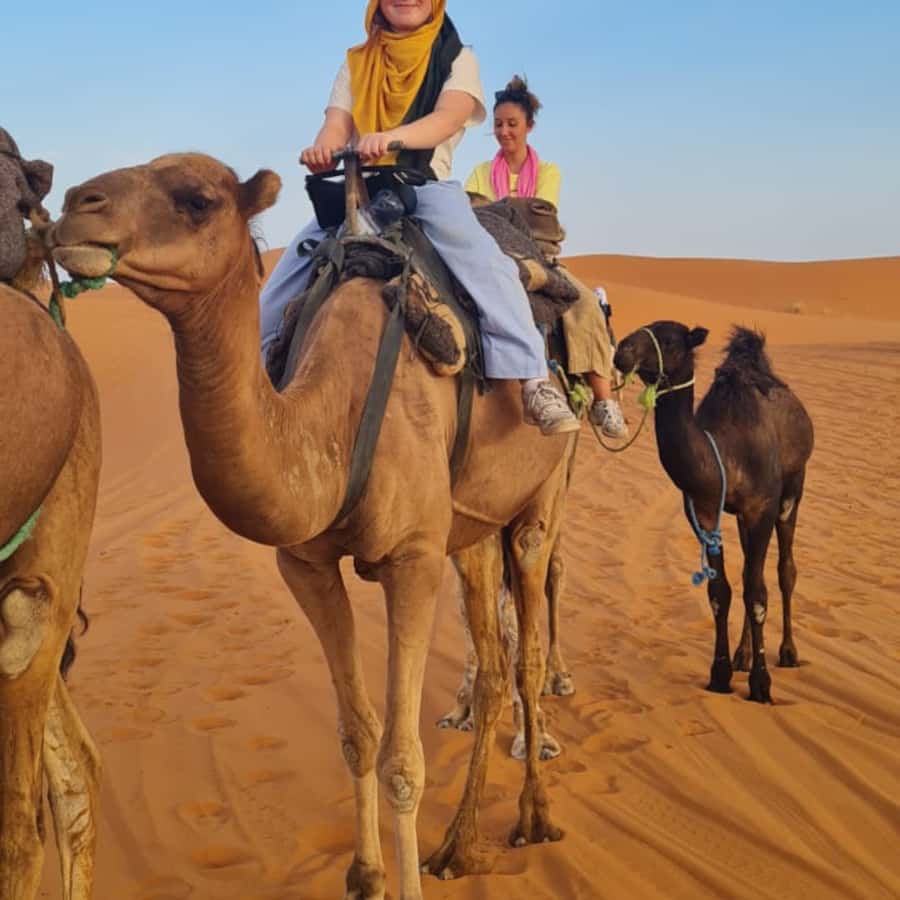
One of the most memorable moments is the stop in the cedar forests of the Middle Atlas to see the Barbary monkeys. It’s not just a drive-by photo stop. You get time to watch them moving through the trees, and the plan includes feeding them as part of the experience.
Why this is valuable: it adds wildlife and forest energy right before the Sahara shift. It’s the kind of moment that breaks up the monotony people sometimes expect from desert trips. It also makes the journey feel less like transportation and more like a sequence of encounters.
Quick practical advice: dress for sun and bring a hat. Cedar forest mornings can be pleasant, but midday light in Morocco can be strong fast. Also, when animals are involved, keep a little space and follow your driver’s lead. You’ll get a better experience and it’s safer for everyone.
Midelt, Ziz Valley, and Erfoud: seeing desert country before the dunes
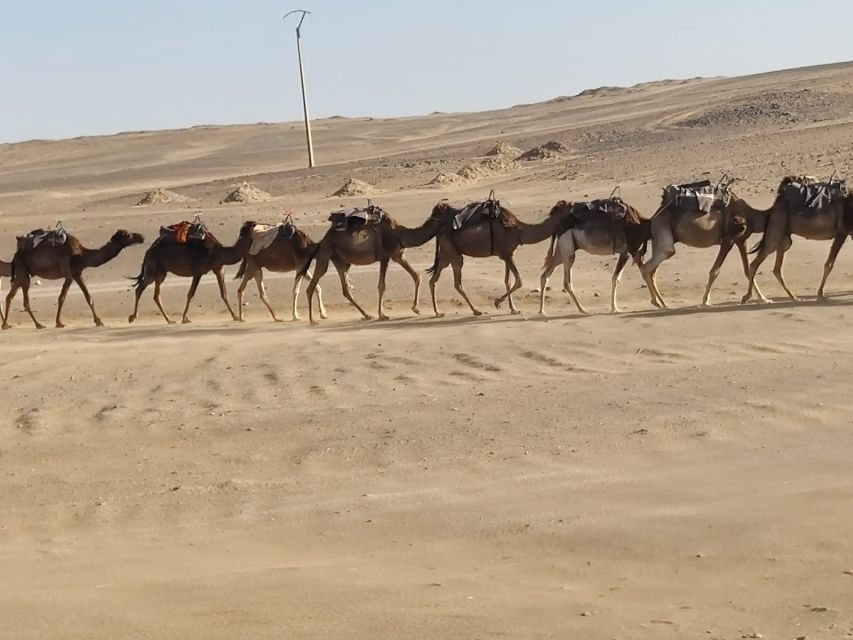
As the day progresses, you’ll pass through Ziz Valley, described as lush green along the route. Even with the word “desert” on your calendar, Ziz Valley is the reminder that Morocco’s dry regions aren’t always all sand and rocks. The road here feels more alive and varied, especially when the valley opens up.
There’s also a stop at Erfoud, another meaningful waypoint in the Merzouga area. You’re not spending hours there, but it’s a useful pause that marks the transition from “on the way” to “we’re here soon.”
Then you arrive in Merzouga. The plan is to transfer to your accommodation first so you can store luggage. After that, the focus becomes the desert itself—starting with your camel trek for sunset.
One small note: the tour includes breakfast and dinner, but lunches aren’t included, so your budget should account for at least one lunch break on Day 1 and another on Day 2.
Merzouga camp night: camel sunset, nomad-style dinner, and basic comfort
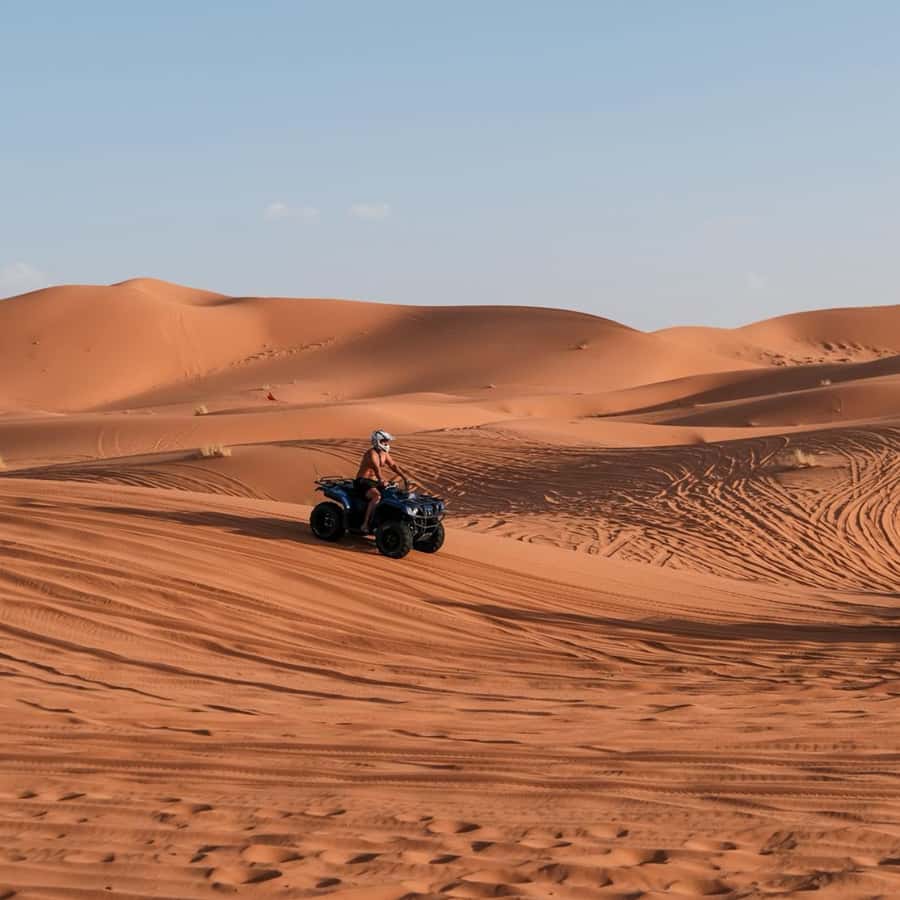
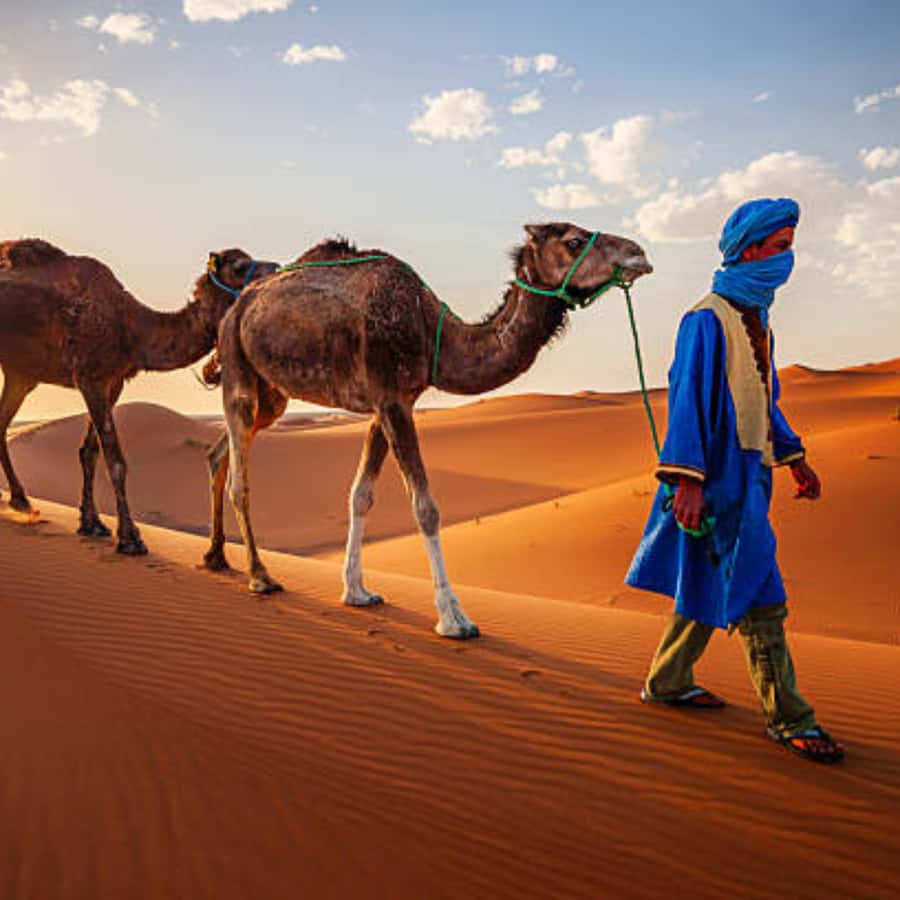
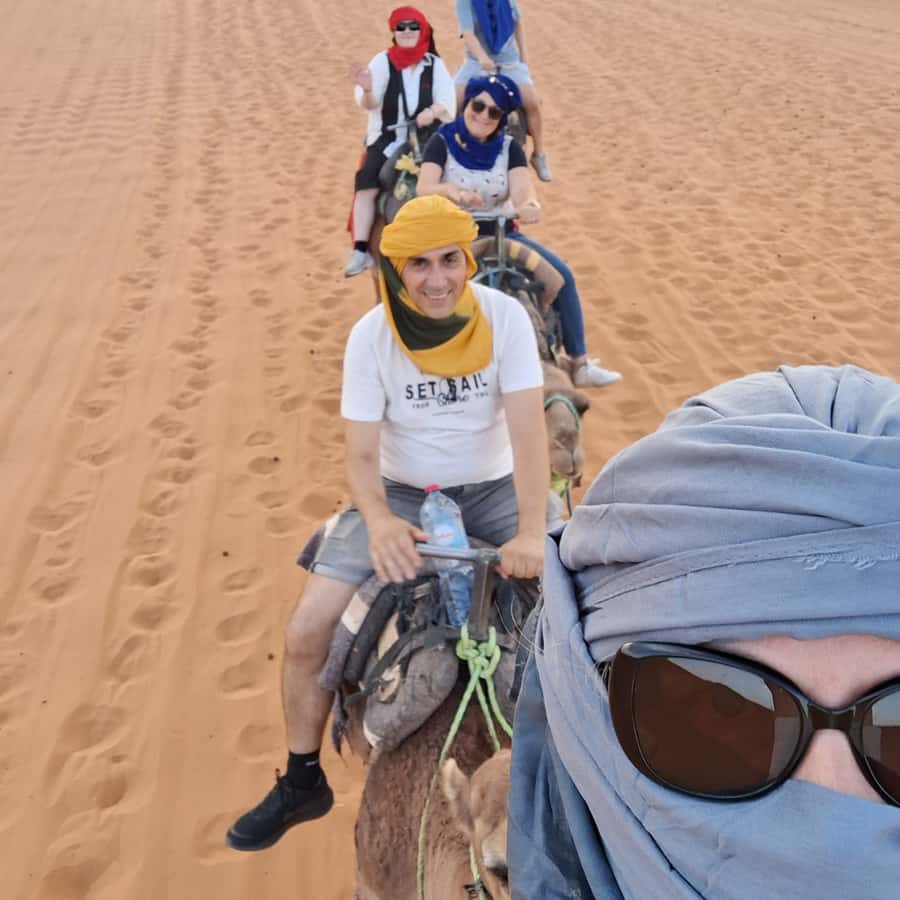
Once you’re in Merzouga, the camels are waiting, and the first trek is about 45 minutes, timed for sunset. This is the part most people are picturing when they book the Sahara: slow movement across sandy terrain, a changing sky, and the feeling that you’ve stepped away from everyday pace.
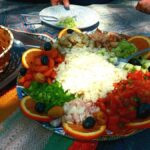
After the ride, you head to nomad tents for dinner and overnight desert camp. The tour includes one night in a standard desert camp, plus a shower, which is a big quality-of-life detail on a dusty, active day. It’s not luxury spa camping, but it’s functional comfort when you want to sleep in the desert without worrying about logistics.
The tour is also designed to be easy going for all ages. If someone can’t ride the camels, you can be transported by a 4×4 vehicle to the campsite instead. That flexibility matters if you’re traveling with mixed mobility or different comfort levels.
Who will love this part: people who like “timed moments.” Sunset on camelback isn’t something you can replicate casually on your own schedule—it’s something the itinerary locks in for you.
Sunrise dunes near the Algerian border: worth getting up for
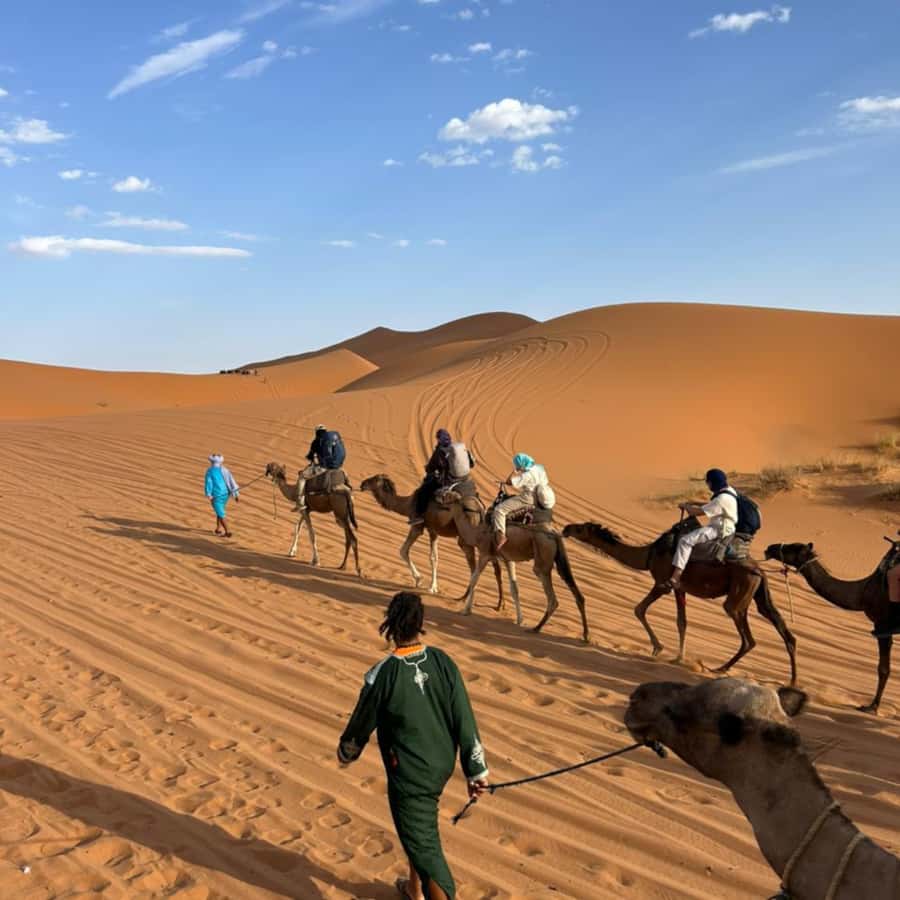
Day 2 starts with a classic desert plan: wake early and go for sunrise. You’ll take a walk across the dunes for a sunrise viewpoint just behind the Algerian border, about 50 kilometers away from Merzouga.
This is where the desert trip becomes more than a photo tour. Sunrise changes the dunes fast—light shifts, shadows stretch, and the entire scene feels quieter than it does in daylight. If you’re hoping for that “Sahara moment” you’ve seen in travel photos, this is the time that earns it.
After sunrise, you head back and revisit the Ziz Valley again, with another lunch break (lunch not included). Then the tour wraps with a drop-off back in Fès at your hotel/riad or the closest accessible point.
A practical tip: pack warm layers for morning. The itinerary doesn’t say the temperature, but early starts often feel cooler, especially out in open desert air. Wear comfortable shoes for walking over sand and dunes—you’ll feel it more than you expect.
Sandboarding and the “active” side of camp
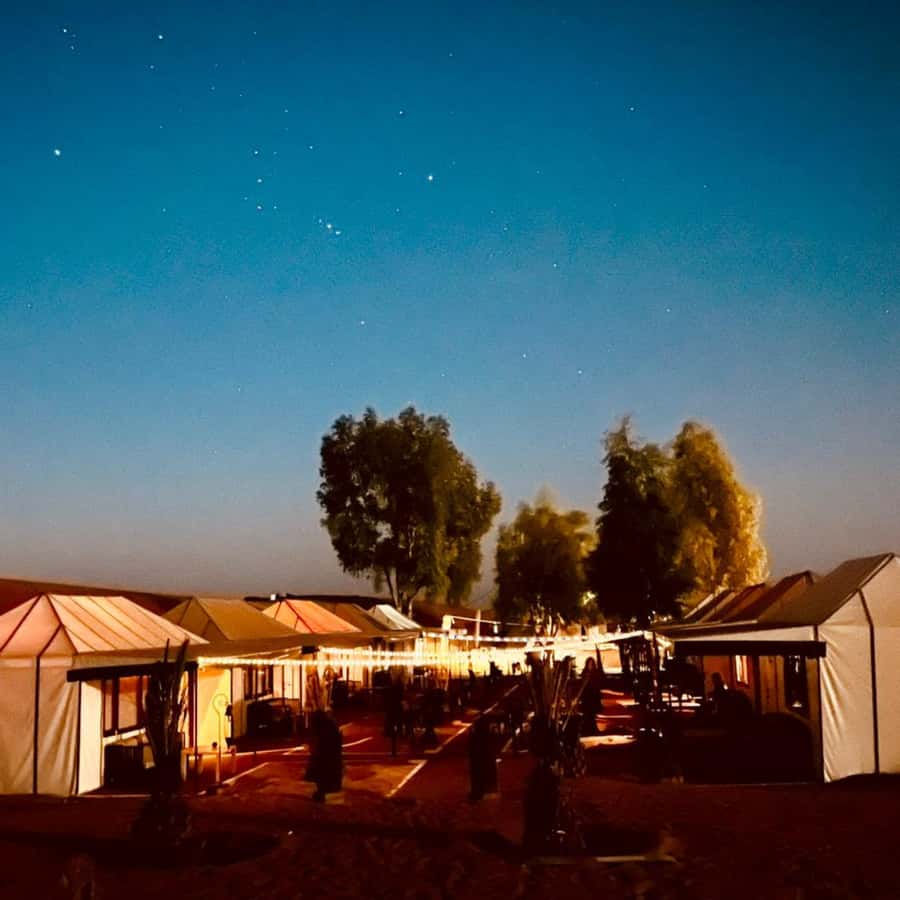
One of the included activities that surprises people in a good way is sandboarding. It turns the day into something you do, not just something you watch. Even if you’re not an athlete, sandboarding is friendly fun because the terrain does most of the work.
You’ll want clothing that can handle sand and quick movement, and shoes you don’t mind getting gritty. Sunscreen and a hat stay high on your priority list too; you’ll spend time under strong light both for the camel ride and the dune time.
This is also why I think this tour is good value. Some desert trips sell the same “camel + camp” idea but don’t include an activity beyond that. Here, sandboarding is part of the package, so you get an extra memory that isn’t limited to one angle of dunes.
Price and value: what $108 includes, and what you’ll pay for
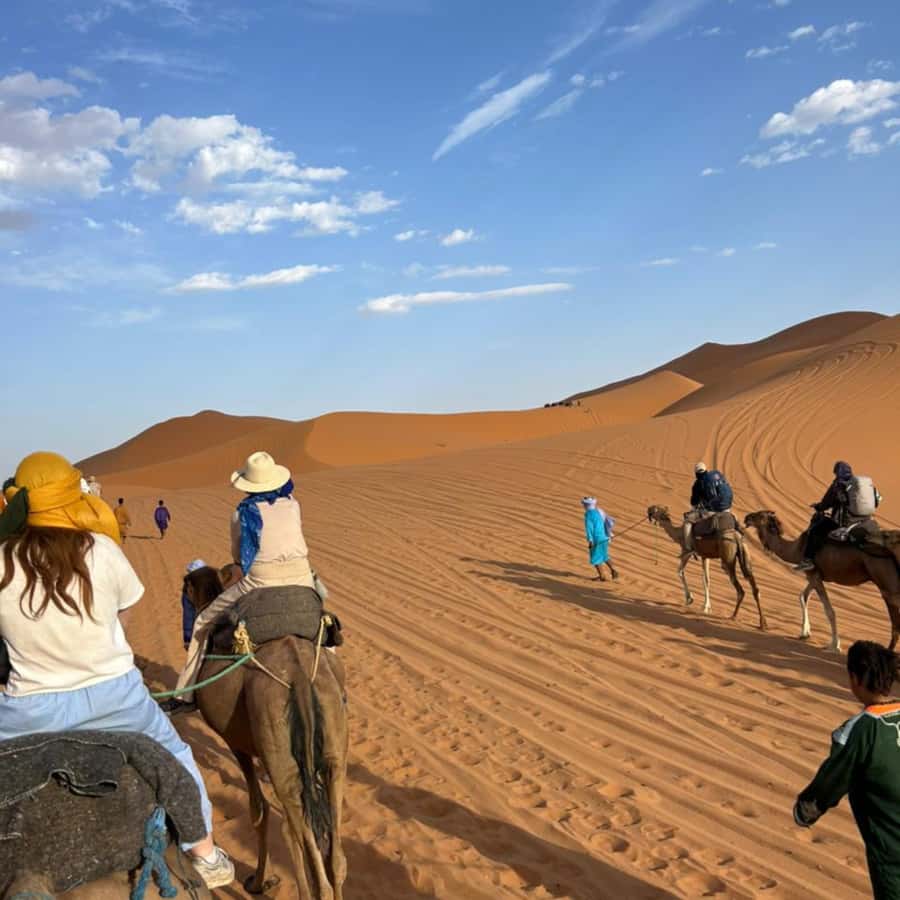
At around $108 per person for two days, the value comes from the set of included pieces that would cost more if you booked them separately. Your price includes:
- Comfortable A/C transportation
- A professional driver fluent in English/French
- Breakfast and dinner
- A shower at camp
- 1 night in a standard desert camp
- Camel rides for sunset and sunrise
- Sandboarding
Not included: lunches, drinks, and personal items. That’s normal for Morocco road trips, but it’s worth budgeting ahead so you don’t get stuck deciding what to do midday.
Where the deal gets better: the itinerary covers multiple regions (Atlas, Ifrane, Middle Atlas forests, Ziz Valley) in addition to the Sahara core. You’re paying for a guided route with time-appropriate stops, not just for a bed and a camel ride.
Also, the operator’s reputation shows up in real human comments. People have specifically praised friendly help from Ali and kindness from Hassan Amiri, which is a big deal when you’re making a long trip and you want someone responsive behind the wheel.
Small details that make the day feel smoother
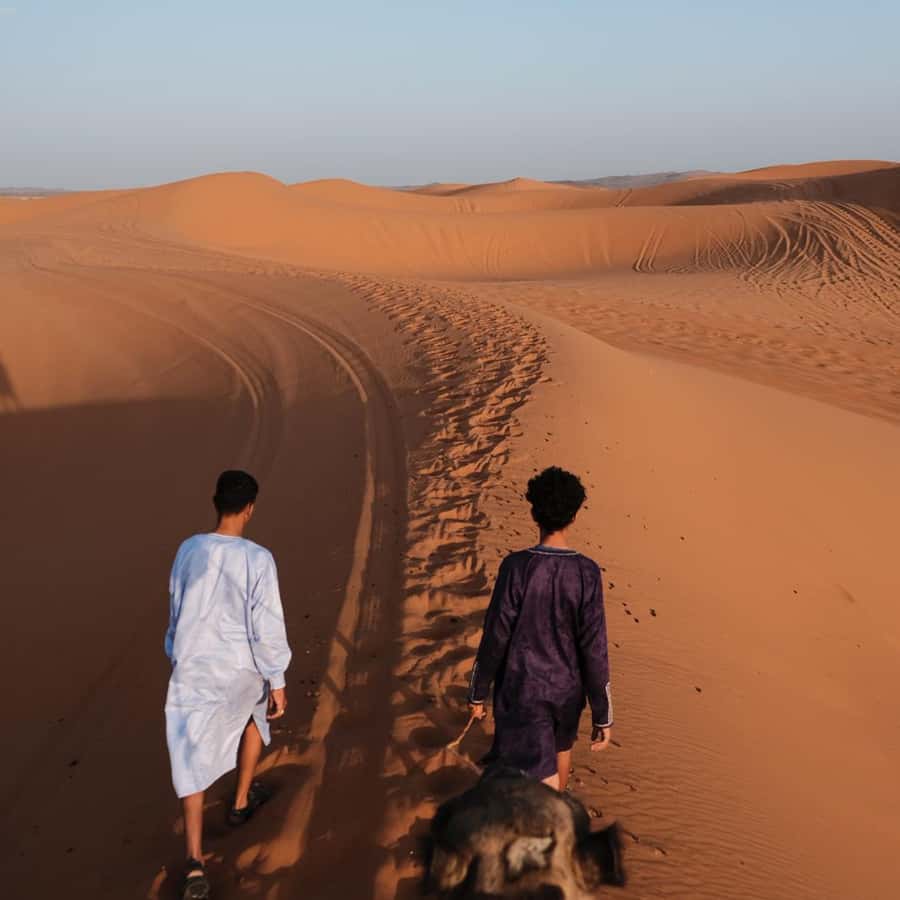
A few practical points matter on this kind of itinerary, and this one handles them well:
Pickup flexibility: you’ll be collected from your hotel/riad if the vehicle can reach it, or from the nearest accessible spot. That saves time and hassle at both ends.
Group size: up to 17 people is large enough to feel lively, but not so large that you spend all day waiting for people to finish one photo moment. It’s easier to keep a steady schedule.
Language support: your guide/driver support is listed in French, English, and Spanish, which helps a lot when you want to understand what you’re seeing at each stop.
Packing reality: the tour asks for comfortable shoes, sun protection, and comfortable clothes. I’d treat that as the bare minimum, because you’ll likely be walking on uneven ground and moving through hot sun.
If you’re the type who likes a plan that runs on time and doesn’t require you to figure out the next step, this tour style fits you.
Should you book the Fès to Merzouga desert trip?
Book it if you want the Sahara highlights in a compact schedule, with enough stops on the way to make Day 1 feel like more than a long transfer. It’s a solid match for first-timers, families, and anyone who likes clear structure: sunrise, camel trek, camp dinner, then back to Fès.
Think twice if you’re very sensitive to early mornings or you prefer to travel at a slower, more flexible pace. This itinerary is efficient on purpose. Also, it’s described as standard camp comfort, not luxury—so set expectations accordingly if you’re hoping for high-end bedding and full-service amenities.
If you want the middle Atlas, monkeys, cedar forests, Ziz Valley, and then dunes—this is a smart way to do it in two days without getting lost in details.
FAQ
What is the duration of the tour?
The tour runs for 2 days from Fès to Merzouga and back.
What time is pickup from Fès?
Pickup is scheduled for 7:30 am from your hotel/riad or the nearest accessible place for the vehicle.
How long is the camel ride?
The camel trek time is listed as around 45 minutes for the sunset experience. Sunrise also includes a camel experience.
Is sandboarding included?
Yes. Sandboarding is included as part of the trip.
What meals and lodging are included?
You get breakfast and dinner, plus 1 night in a standard desert camp at Merzouga, with a shower included.
What parts of the itinerary happen on Day 2?
Day 2 includes early sunrise over the dunes (near the Algerian border area, about 50 km from Merzouga), a visit to Ziz Valley, a lunch break, and then drop-off back in Fès.
What if I cannot ride the camels?
The tour notes that if you cannot ride the camels, you can be transported by a 4×4 vehicle to the campsite.