REVIEW · CANTERBURY
Rubicon Valley Horse Treks – 2 Hour River Trail Horse Trek
Book on Viator →Operated by Rubicon Valley Horse Treks · Bookable on Viator
A ride like this keeps you off the usual Christchurch loop. You’ll head out from a high-country sheep station near Springfield, follow a riverside trail near the Waimakariri River Canyon, and stop for views toward the Torlesse basin and the Southern Alps from the Otarama lookout. I like the small groups (six riders per guide) because you actually get help, not just a handoff, and I like the guide coaching from Chris and other guides like Kris when you need it. The main thing to weigh is that this is still real farm terrain, so expect some hills/steep bits, closed-shoe rules, a helmet you must wear, and a 12+ age minimum.
This is a practical choice if you want a scenic outdoors experience without complicated planning. You’ll ride at your own pace, with options for faster trots or canters when conditions and your confidence match. One possible drawback: no lunch is included, and you’re responsible for getting to the meeting point at 534 Rubicon Road in Springfield.
Below is what the trek feels like hour by hour, what to bring, and whether it’s good value at $91.47 per person for a roughly two-hour ride.
In This Review
- Key things that make this horse trek in Springfield special
- Where the ride starts: Springfield’s Rubicon Valley farm country
- The 2-hour trail plan: valley riding, an Otarama viewpoint stop, then terraces back
- The views that matter: Waimakariri Canyon plus Southern Alps at Otarama
- Beginner or experienced: what the small-group coaching actually feels like
- Terrain reality check: hills, terraces, and a stream crossing moment
- What to wear, bring, and know before you saddle up
- Price and value: $91.47 for two hours of guided riding
- Who should book this horse trek from Christchurch-area Springfield
- Should you book Rubicon Valley Horse Treks?
- FAQ
- FAQ
- How long is the 2-hour river trail horse trek?
- Where does the horse trek start and end?
- What scenery will I see during the ride?
- Is this horse trek suitable for beginners?
- Can experienced riders trot or canter?
- How big are the groups?
- What safety gear is provided?
- What should I wear or bring?
- Are there age and weight limits?
- What if the weather is bad or I need to cancel?
Key things that make this horse trek in Springfield special
- Six riders per guide gives you a calm, teach-as-you-go pace, especially for first-timers
- Waimakariri River Canyon trail time means you’re riding with water, terraces, and big canyon views
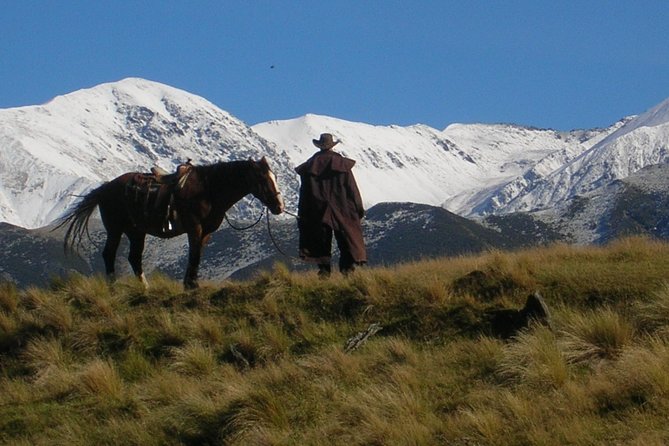
- Otarama lookout + photo stop gives you a clear viewpoint over the Torlesse basin and the Southern Alps
- Beginner-friendly, with optional trot/canter so you aren’t stuck at one speed all day
- Helmets are provided and required, plus wet-weather gear if you need it
- A sheep farm setting keeps the experience grounded and authentic, not touristy and rushed
Where the ride starts: Springfield’s Rubicon Valley farm country
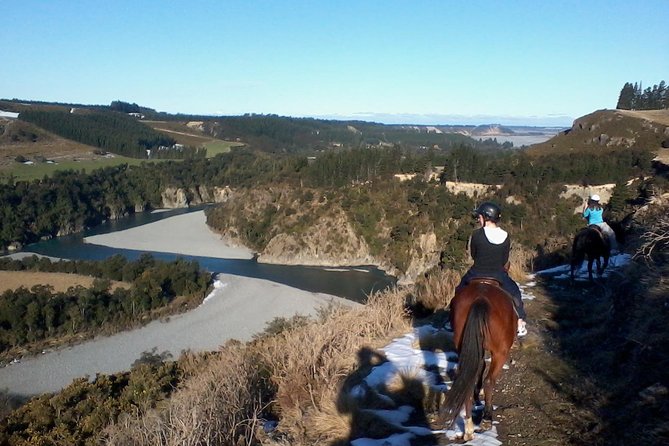
The trek begins at Rubicon Valley Horse Treks, 534 Rubicon Road, Springfield (near Christchurch). It’s set up like a working high-country sheep station, which matters for your expectations. This isn’t a flat paddock “petting zoo” ride; it’s real farmland with riverside sections and farm trails.
You meet at the property and get oriented before you set off. That pre-ride moment is part of the value here. You’ll sign a waiver before departing, and you’ll be checked against the ride requirements: helmets on, sturdy closed shoes, long trousers, and (importantly) riders must weigh less than 120 kilos (264 lb) and be at least 12 years old. If you’re coming with kids, they need to be confident and accompanied by an adult.
Since there’s no hotel pickup or drop-off, plan on driving or arranging transport yourself from Christchurch or the surrounding area. For many people, that’s the tradeoff for getting a small-group ride into the farm countryside.
The 2-hour trail plan: valley riding, an Otarama viewpoint stop, then terraces back
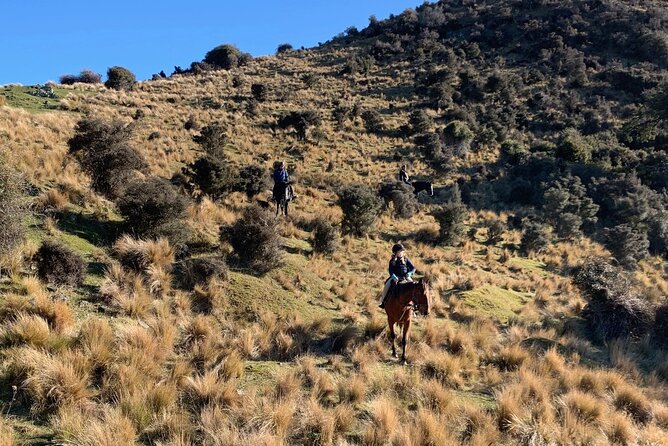
Timing is straightforward: plan on about two hours on horseback, and the ride runs in either a morning or afternoon slot. Once you’re mounted, your group sets off at a pace that matches the rider mix. The operator specifically keeps groups small (max six per guide), which shows up in how the ride is managed—less waiting around, more direct attention when someone needs help.
Here’s the rhythm you should expect:
- First stretch: across the high country and down the valley trail
You’ll ride through the farm country toward a lookout area. The goal is to get you into position for the canyon views without rushing you.
- Otarama lookout: stop for photos and refreshments
You’ll pause at the Otarama lookout point for mountain views and photo opportunities. This stop is where you’ll get the clearest sense of the Southern Alps in the distance and the snow-fed nature of the Waimakariri Canyon below. Refreshments are included as part of that break, which is a nice touch for a two-hour activity.
- Return ride: terraces and a musterers’ trail through farmland
After the viewpoint stop, you ride down terraces and follow a musterers’ trail back through the farmland. This is also where you may feel more change in footing and terrain—some riders love this because it feels more “out there,” while others prefer a smoother pace.
If you’re an experienced rider, this setup gives your guide the option to nudge you into faster-paced riding when possible. If you’re newer, you can keep it steady at your own pace. Either way, you’re not forced into one speed.
The views that matter: Waimakariri Canyon plus Southern Alps at Otarama
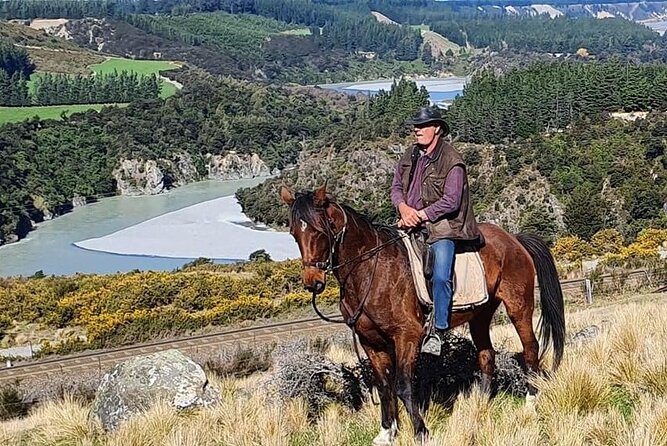
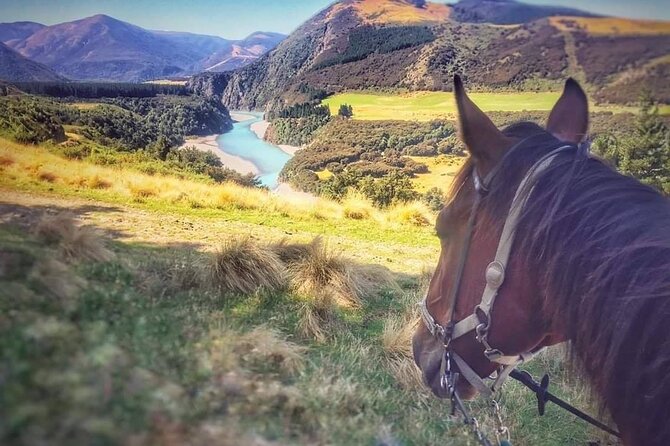
The star of this ride is the combination of canyon scenery and mountain views. You’ll follow along the Waimakariri River Canyon and stop at Otarama lookout, which is positioned for seeing the Torlesse basin and the Southern Alps.
What makes this more than just pretty scenery is how it’s delivered. The trek moves you through the valley first, then gives you a dedicated lookout pause. That sequencing matters for photos: you’re not just looking from one place the whole time. You get a sense of distance—canyon below, mountains ahead—and you can take more than one type of shot (wide mountain views from the lookout, and tighter canyon moments along the trail).
A practical note: weather can change fast in Canterbury. The ride requires good weather, and wet-weather gear is available if you need it. If you see clouds building, plan to dress for it. Even if the clouds don’t cancel the ride, the canyon views may look different depending on light and visibility.
Beginner or experienced: what the small-group coaching actually feels like
This is one of the more balanced horse trek setups I’ve seen for mixed skill levels. You’ll get guidance from professional staff, and groups are kept small enough that your guide can adjust on the fly.
Here’s how it tends to work in real life:
- For beginners:
The ride is suitable for all riding abilities and fitness levels, with a strong emphasis on helping you feel comfortable. You must wear a helmet, and sturdy footwear is required, which helps you feel more stable right away. You’ll likely spend more time at a controlled pace and get clear instructions before things move faster.
- For more experienced riders:
There are opportunities for faster-paced riding. The important part is that it’s optional. If you’re confident and the timing works for your group, you may be able to trot and canter when your guide sets it up safely. If you aren’t feeling it, you can stay with the calmer pace.
From the guidance perspective, this is where the names Chris and Kris come up. Both are described as patient, attentive, and focused on making riders feel capable. That matters because on horseback, confidence comes from small, concrete tips—how to hold your body, how to manage your horse’s movement, and how to react if the terrain shifts.
One more detail: horses can be given names by the guide (like Memphis and Red in one group). Even if that varies, it reflects the overall tone—friendly, not rigid, and geared toward connecting you with what’s under you.
Terrain reality check: hills, terraces, and a stream crossing moment
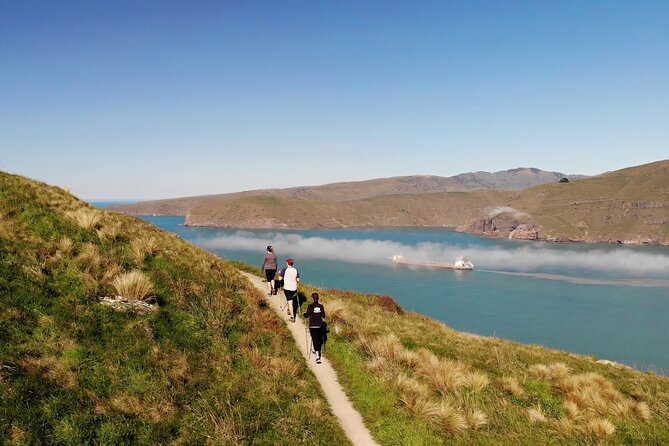
Even though this trek is designed for all abilities, you should go in expecting farm terrain. The ride includes up-and-down movement across small hills and terrace sections. The viewpoint stop is followed by a descent back along terraces, which means you’ll feel the change in slope and footing.
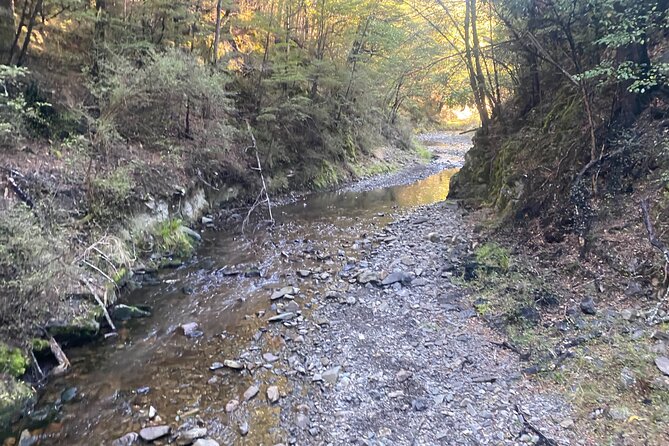
Also, the experience can include small stream crossings. One rider described a cheeky stream crossing, which tells you the route is not fully paved and flat. That’s normal for riverside high-country trekking, and it’s also why the gear rules matter.
To keep your ride comfortable:
- Wear sturdy closed shoes (running shoes are okay)
- Use the wet-weather gear if offered/needed
- Wear long trousers
- Bring a mindset that you’re riding outdoors, not doing a seated excursion
If you’re unsure about your balance, choose the calmer pace early and let your guide know. A good guide will guide the horse and the group so everyone can get through safely.
What to wear, bring, and know before you saddle up
This is where a little prep can make the whole ride better. The requirements are clear and simple, and they’re there for a reason.
You must have:
- A helmet stays on while riding (safety helmets are provided and required)
- Sturdy closed shoes (running shoes are okay)
- Long trousers
- A signed waiver before departure
You should plan around:
- Weather: wet-weather gear is available if required
- Fitness: you need moderate physical fitness level
- Constraints: riders must weigh under 120 kilos and be at least 12 years old (children need an adult and should be confident)
What’s not included:
- Lunch
So I suggest bringing a snack before you go, or plan to eat after. The trek is short enough that you may be fine, but refreshments are included during the ride stop, and that may not replace a full meal.
One more practical tip:
If you want great photos, wear comfortable clothing that won’t distract you while you’re mounted. You’ll be moving, and you’ll want both hands free when your guide signals.
Price and value: $91.47 for two hours of guided riding
At $91.47 per person for about two hours, the price needs a simple honesty check: what do you get for that time?
You get:
- A professional guide
- Safety equipment and helmets you must wear
- A six-to-one guide ratio (up to six riders per guide)
- Wet-weather gear if required
- Local taxes
- A guided route that includes canyon trail riding and an Otarama lookout photo/refreshment stop
You don’t get:
- Lunch
- Hotel pickup and drop-off
Here’s how I’d think about the value. If you’re paying for a short, guided, outdoors experience with real scenery and real coaching, small group size is a big cost-driver—and it’s the difference between feeling safe and feeling like a passenger. This trek is priced as an activity, not a mass-ride. The group size limit is what makes the coaching feel personal, and that’s what most people remember.
If you need convenience like hotel pickup, then you’ll see the cost versus benefit shift. But if you’re comfortable driving to a set meeting point and you want a high-quality guided trek with safety equipment included, it reads as solid value.
Who should book this horse trek from Christchurch-area Springfield
This works best when you want:
- A scenic, guided horse experience in Canterbury high-country settings
- A manageable time commitment (about two hours)
- A small group so you get help when you need it
- Beginner access with optional progression (trot/canter when possible)
It’s also a good fit for families, with the clear caveat that kids must be at least 12 and confident enough to ride with an adult. Couples often like it because it’s outdoors, not staged, and it delivers memorable views at the lookout stop. Solo riders can enjoy it too, especially if you like the idea of a guide-led pace and direct support around horse handling.
If you’re chasing a “only-sit-and-look” activity, you may find it physically active. You’ll be moving through terrain, not just touring from a vehicle.
Should you book Rubicon Valley Horse Treks?
Book it if you want a short, well-guided horseback ride with big canyon-and-mountain views and you value small groups. The mix of Waimakariri Canyon riding, a planned lookout stop at Otarama, and optional faster-paced riding for confident riders is exactly the kind of structure that makes the experience feel both scenic and practical.
Skip it (or consider another option) if hills, horses, and outdoor weather are your weak spot. The helmet and shoe rules are non-negotiable, the age and weight limits are strict, and the route includes uneven terrain and at least some risk of a stream crossing moment.
FAQ
FAQ
How long is the 2-hour river trail horse trek?
The trek runs for about 2 hours.
Where does the horse trek start and end?
It starts at 534 Rubicon Road, Springfield 7681, New Zealand, and ends back at the same meeting point.
What scenery will I see during the ride?
You’ll ride alongside the Waimakariri River Canyon, with views toward the Torlesse basin and the Southern Alps from the Otarama lookout.
Is this horse trek suitable for beginners?
Yes. It’s suitable for all riding abilities, and the ride is designed to work for beginners as well as more experienced riders.
Can experienced riders trot or canter?
There are opportunities for faster-paced riding, so more experienced riders may be able to trot and canter when possible.
How big are the groups?
Groups are small, with a maximum of six riders per guide (a 6:1 ratio).
What safety gear is provided?
Safety helmets are provided and must be worn at all times when riding. Wet-weather gear is also available if required.
What should I wear or bring?
Wear long trousers and sturdy closed shoes (running shoes are ok). You’ll also need to be ready for changing weather, since wet-weather gear may be used.
Are there age and weight limits?
Yes. Riders must be at least 12 years old and weigh less than 120 kilos (264 lb). Children must be accompanied by an adult and be confident.
What if the weather is bad or I need to cancel?
The experience requires good weather. If it’s canceled due to poor weather, you’ll be offered a different date or a full refund. You can cancel up to 24 hours in advance for a full refund.