REVIEW · KATHMANDU
Everest Base Camp – Cho La Pass – Gokyo Trek
Book on Viator →Operated by The Great Adventure Treks & Expedition - Private Day Tours · Bookable on Viator
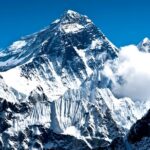
Everest shows up in your face twice: at Base Camp, then again from Gokyo. This trek turns the classic Everest Base Camp route into a longer circuit by adding the Cho La Pass crossing and the high Gokyo Lakes, plus stops in Namche Bazaar and Tengboche. I love that it’s a true private trek, so you can keep a steady rhythm and not feel bullied by someone else’s schedule, and I also love that you’re not navigating on your own through a maze of trails. The one real consideration is simple: this is a challenging high-altitude itinerary, so you’ll need solid fitness and a serious attitude toward pacing and acclimatization.
You’ll start in Kathmandu (pickup is offered) and spend about 19 days working your way from the Everest foothills up to big-mountain country. Along the way, you’ll get close enough to see major peaks like Everest, Cho Oyu, Makalu, and Lhotse from the right viewpoints when weather allows—and that’s the whole point of the detour. If you’re willing to take it slow and treat altitude with respect, this route is the kind that makes you feel like you earned every sunrise.
In This Review
- Key things that make this trek worth your time
- Everest Base Camp, then the quieter twist that keeps you moving
- Private trek pacing: why “not getting rushed” is more than a comfort thing
- Kathmandu start: pickup, time to prep, and a team that handles details
- Namche Bazaar and Tengboche: acclimation with culture, not just altitude
- To Lobuche, Dingboche, and Gorak Shep: getting to the “classic Everest” stretch
- Everest Base Camp: the goal that’s bigger than the postcard
- Cho La Pass crossing at 5,420m: the day that tests your attitude
- Gokyo Valley and the turquoise lakes: where Everest looks different
- Altitude reality check: “moderate fitness” still needs serious preparation
- Price ($1,394.88) and what you’re really paying for
- Who should book this Everest Base Camp – Cho La Pass – Gokyo route
- Should you book this private EBC–Cho La Pass–Gokyo trek?
- FAQ
- How long is the Everest Base Camp – Cho La Pass – Gokyo trek?
- When does the experience start?
- Where does the trek start?
- What is the main route focus of this itinerary?
- What is included and what meals are not included?
- Is this a private trek?
- Is service to help with special needs available?
- What fitness level is required?
- What happens if weather conditions are poor?
Key things that make this trek worth your time
- A private pace: you trek at your own speed without feeling rushed
- A planned route that keeps you found: guided trekking means less “where are we?” stress
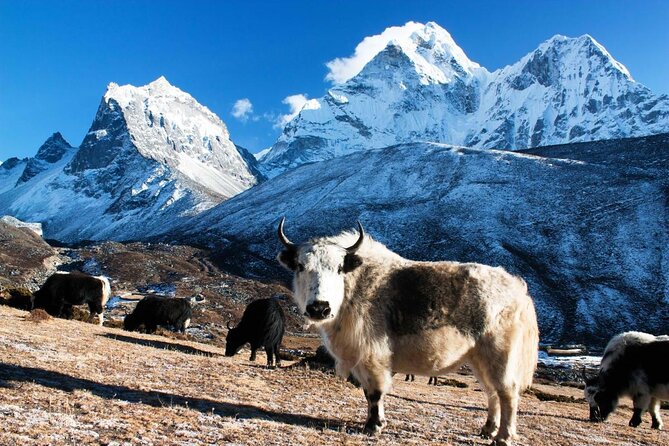
- Cho La Pass (5,420m): the hardest segment, with big payoff views
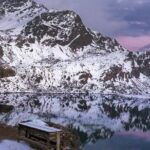
- Gokyo Lakes: turquoise water far above the treeline with Everest in the frame
- Culture stops included: Namche and Tengboche monasteries/communities
- Support that handles problems: guides like Binod and Mani are praised for looking after people’s needs
Everest Base Camp, then the quieter twist that keeps you moving
Most Everest itineraries give you Base Camp and call it a day. This one keeps going. You still tackle the classic EBC experience, but instead of ending the story there, you cross Cho La Pass and swing toward Gokyo.
That matters because Gokyo changes the feel of the Everest region. You’re not only chasing “the big destination.” You’re getting a second set of angles—different ridgelines, different light, and a different kind of reward. Even the trekking logic feels smarter: a pass and a valley circuit, not just a point-to-point slog.
And you’ll do it as a private trek. That’s a big deal at altitude. When you can move with your own timing, you’re less likely to get swept into going too fast just because someone else seems energetic. The mountain doesn’t care about your enthusiasm. It cares about your breathing.
You can also read our reviews of more tours and experiences in Kathmandu.
Private trek pacing: why “not getting rushed” is more than a comfort thing
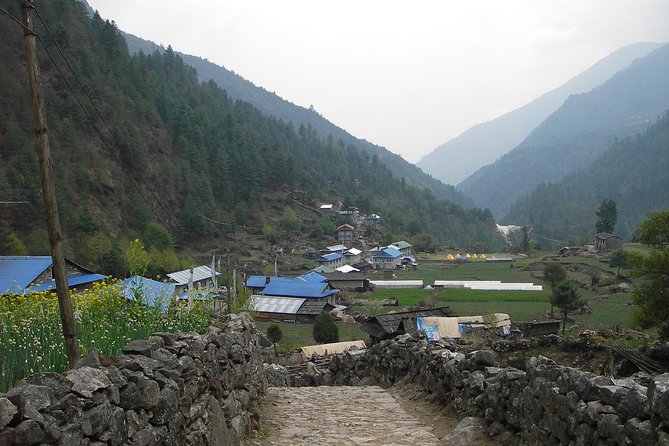
On many group treks, the schedule becomes the boss. Here, the pitch is that you can go at your own pace—because it’s your group and your guide is matching your rhythm.
In practice, that can affect everything:
- How quickly you climb each day
- How much time you spend taking photos at viewpoints
- How often you stop for water and breathing resets
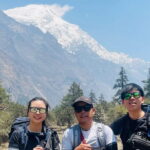
Reviews praise guides for taking care of people “physically and psychologically,” which sounds soft until you’re at altitude and your mind gets foggy. A steady pace helps your body and helps your head. Guides such as Binod, Ram Timalsina, and others named in past trips are described as responsible and considerate, including respect for rest breaks.
One drawback to keep in mind: even with a private plan, altitude still sets the limits. “At your pace” works best when your pace is conservative.
Kathmandu start: pickup, time to prep, and a team that handles details
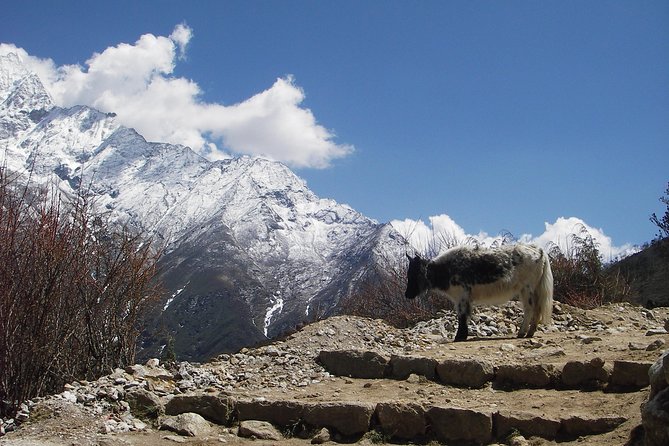
You begin in Kathmandu, with pickup offered and a start time listed as 9:15 am. That sounds basic, but the Everest region can punish rushed logistics. A smooth start reduces the chances you lose a day to confusion—gear rental, paperwork, local questions, or transfers.
You’ll also receive confirmation at booking time. That’s useful because the Everest season can shift quickly when weather or flight timing changes. Another practical point: the experience offers a mobile ticket, which saves you from hunting down printouts when you’re already juggling travel stress.
If you’re the type who arrives and realizes you forgot something (like gloves, warm layers, or the right kind of trekking socks), the operator team has a track record of helping with gear rentals and problem-solving once you’re on the ground. The name Mani comes up often for being present and attentive during trip planning and adjustments.
Namche Bazaar and Tengboche: acclimation with culture, not just altitude
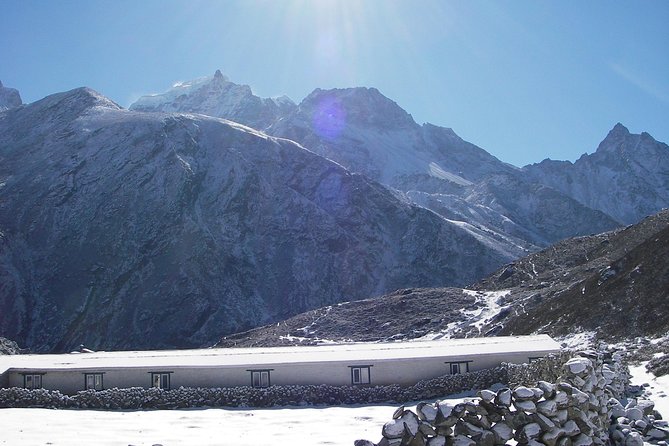
The itinerary builds in the kind of stops that make sense for both body and mind.
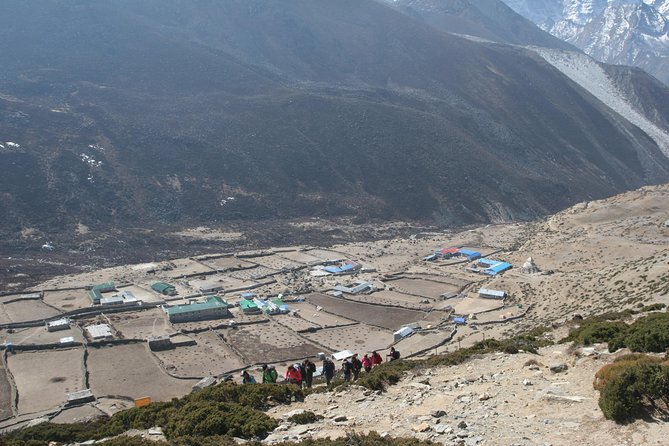
Namche Bazaar is often your first major “living large” altitude town—shops, tea houses, and a strong Sherpa community presence. It’s where you start to feel the Everest region shift from jungle-and-river Nepal into high, dry mountain air. You’ll likely use it to settle in and do the slow acclimation work that makes later days safer and more comfortable.
Then you move toward Tengboche, including a visit to Tengboche Monastery. This is more than scenic value. The monastery gives you a direct window into the spiritual rhythm of the region, and it’s also a good place to slow down when your legs start acting like they’re filled with cement.
There’s also a season detail worth planning around: if you trek in autumn, you may be able to catch the Mani Rimdu celebration at the monastery. That’s the kind of cultural moment that turns an athletic trip into a memory you carry longer than the summit photos.
To Lobuche, Dingboche, and Gorak Shep: getting to the “classic Everest” stretch
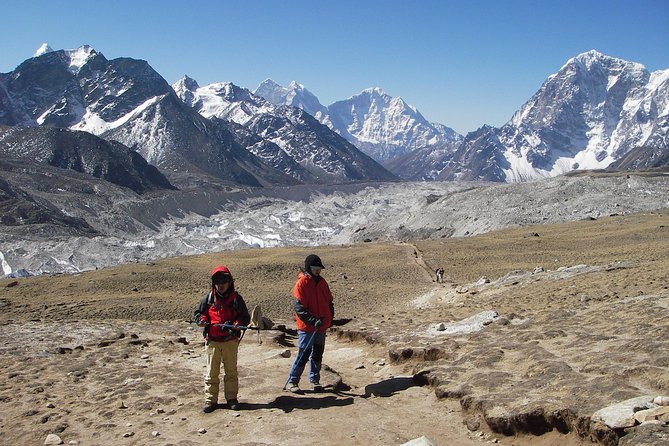
As you climb toward Everest Base Camp, you’ll pass through areas like Lobuche, Dingboche, and Gorak Shep. Each stop is part of the Everest rhythm.
- Lobuche: a transition zone where the air gets thinner and the terrain feels more exposed. You’ll notice how quickly you get winded if you rush.
- Dingboche: a place where many trekkers practice patience. It’s where your breathing and your decision-making matter. If your guide is good (and the names that come up repeatedly—like Surey/Suray, Ram, and others—are praised for care and experience), you’ll be reminded that acclimatization isn’t optional.
- Gorak Shep: typically where you feel the “we’re close” energy. It’s a base for making the push toward Everest Base Camp.
From here, the goal becomes clearer: get to Base Camp, absorb the scale, and understand how close you are to the world’s highest mountains—without pretending altitude is a spectator sport.
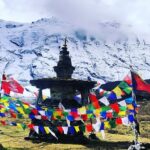
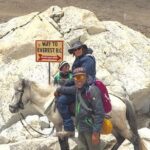
Everest Base Camp: the goal that’s bigger than the postcard
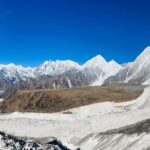
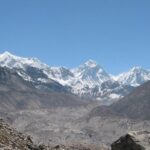
Reaching Everest Base Camp is the bucket-list moment for a reason. You’re surrounded by towering peaks and glacial terrain, and the place feels both raw and strangely structured—like nature is doing the organizing, not humans.
This trek is set up to give you time on the way, which helps. When you’re not being shoved along, you can actually notice the mountain details: how light changes on ridges, how viewpoints line up, and how your body adapts.
The other payoff: the route is designed so you don’t treat Base Camp as the finish line. It’s a chapter. That makes the next parts feel like continuation, not “one more mountain and done.”
Cho La Pass crossing at 5,420m: the day that tests your attitude
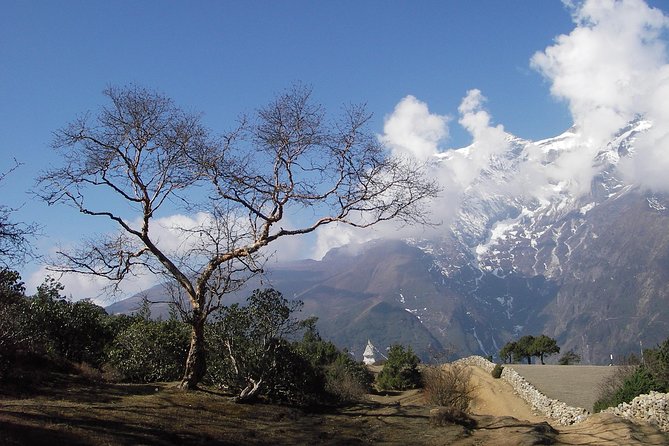
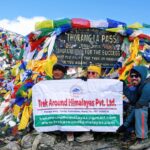
Cho La Pass sits at 17,782 feet / 5,420 meters, and it’s the defining technical-and-altitude challenge of this itinerary.
A pass day usually means:
- Cold, thin air
- Steeper terrain than your average hiking day
- A stronger need for steady effort over speed
This is one reason the trek is best for travelers who are ready for a high-altitude challenge. The good news is that you’re not doing it blind. A guide and fixed route reduce the risk of getting lost in complex mountain terrain, which lets you focus on the real work: pacing and breathing.
From a traveler’s perspective, this is also where your mindset matters. If you treat the day like a grind, you’ll resent it. If you treat it like a controlled effort—short stops, consistent pace, calm breathing—you’ll likely feel the pass as a powerful “I’m doing this” moment rather than a panic spiral.
Gokyo Valley and the turquoise lakes: where Everest looks different
After Cho La Pass, you drop into Gokyo Valley and the Gokyo Lakes area. This is where the route earns its “worth it” reputation.
The lakes are high-altitude and visually striking—turquoise water surrounded by big rock and ice. The key point, though, is how the views work. The Everest region from Gokyo can feel even better than Base Camp because of the angle. You get mountain lines framed through a landscape dominated by water rather than just rocks and tents.
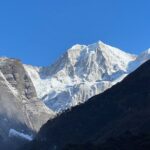
This part is also why the operator routes people this way: it’s not only about the pass. It’s about seeing Everest from an entirely different setting. When the weather cooperates, you can get close views of multiple major peaks listed for this trek experience, including:
- Cho Oyu (8,201m)
- Makalu (8,463m)
- Lhotse (8,516m)
- Everest (8,850m)
You’re essentially collecting viewpoints across the Everest skyline instead of only one.
Altitude reality check: “moderate fitness” still needs serious preparation
The tour data calls for moderate physical fitness, and it’s also labeled as a challenging high-altitude trek. That sounds contradictory until you interpret it correctly.
Moderate fitness means you don’t need to be a mountaineer, but you do need:
- Consistent walking endurance
- The ability to keep a slow pace for hours
- Willingness to follow your guide’s acclimatization advice
Altitude is where most people get into trouble. Even on a private trek, your job is not to “win.” Your job is to keep moving without burning matches early. A big part of the appeal of this itinerary is that guides are described as attentive to both physical and mental state—helping you rest, encouraging steady effort, and adapting when needed.
If you’re prone to rushing when you feel good, practice holding back. At altitude, your body punishes bravado.
Price ($1,394.88) and what you’re really paying for
The listed price is $1,394.88 per person for a roughly 19-day trek. That’s not cheap, but Everest treks rarely are. What makes the value story here is the mix of route quality and the way the experience is run.
Here’s how to think about it:
- You’re paying for time: 19 days in the Everest region is a long runway for acclimatization and better pacing.
- You’re paying for route design: combining EBC with Cho La Pass and Gokyo means more variety and more major-view days.
- You’re paying for private execution: your group isn’t merged into a crowd that pressures your pace.
What’s included is stated as private transportation, and lunch and dinner are not included. That means your meal budget matters. The exact meals handled by the operator beyond lunch and dinner aren’t specified in the details you provided, so I’d plan conservatively and expect you may buy some meals along the way or manage portions of your budget day-to-day.
The best value indicator, though, is what guides do with that money: keep you safe, reduce stress, and handle issues fast. Names like Mani and Binod show up repeatedly in past trip accounts for careful care and quick problem-solving—like arranging equipment rentals and supporting people when unexpected hiccups come up.
If you want the emotional comfort of a guide who is present (not just “there”), a private, well-run trek like this is where your budget can feel justified.
Who should book this Everest Base Camp – Cho La Pass – Gokyo route
This trek is a strong fit if:
- You want the classic Everest moment and you want a second viewpoint chapter at Gokyo
- You prefer less-frenzied trekking and a pace that adapts to you
- You want culture stops like Namche Bazaar and Tengboche Monastery
- You’re comfortable with a high-altitude challenge and plan to take acclimatization seriously
You might think twice if:
- You’re not ready for cold, thin air and long trekking days
- You need a trip that doesn’t require disciplined pacing
- You’re sensitive to altitude effects and haven’t built up endurance before travel
Should you book this private EBC–Cho La Pass–Gokyo trek?
If your Everest dream includes more than Base Camp photos, I’d lean yes. The combination of Cho La Pass and the Gokyo Lakes payoff is exactly the kind of “same world, different perspective” upgrade that makes a trek feel like a real journey instead of a checkbox.
Book it if you’re ready to train and commit to slow, smart climbing. Pick it if you value a private setup where your guide can protect your pace and keep you on-route without navigation headaches.
Skip it (or at least delay) if you can’t handle the altitude challenge honestly. The mountain doesn’t negotiate. But if you show up prepared, this route gives you two big Everest viewpoints and a cultural spine through Namche and Tengboche—more than enough to justify the cost and effort.
FAQ
How long is the Everest Base Camp – Cho La Pass – Gokyo trek?
The trek is listed as approximately 19 days.
When does the experience start?
The start time is 9:15 am.
Where does the trek start?
The location is Kathmandu, Nepal, with pickup offered.
What is the main route focus of this itinerary?
It combines Everest Base Camp with a detour over Cho La Pass and toward the Gokyo Lakes, including visits to Namche Bazaar and Tengboche.
What is included and what meals are not included?
Private transportation is included. Lunch and dinner are not included.
Is this a private trek?
Yes. It is a private tour/activity, and only your group will participate.
Is service to help with special needs available?
Service animals are allowed.
What fitness level is required?
Travelers should have a moderate physical fitness level, and this is described as a challenging high-altitude trek.
What happens if weather conditions are poor?
The experience requires good weather. If it’s canceled due to poor weather, you’ll be offered a different date or a full refund. You can cancel for a full refund up to 24 hours in advance of the experience start time.