REVIEW · SANTA MARTA
Santa Marta: Multi-Day Trek to The Lost City
Book on GetYourGuide →Operated by Baquianos Travel · Bookable on GetYourGuide
That first 1,200-step climb changes you. This is a multi-day trek from Santa Marta into the Sierra Nevada for the Lost City—plus real time with the Wiwa and Kogui communities. I love the way the guides explain what you’re seeing, and I love the river-and-waterfall breaks that keep you human on a tough trail. One heads-up: this isn’t a casual hike—expect real uphill, mud when it rains, and mosquito time.
The payoff is huge because you’re earning the site, not just touring it. You’ll also get hammocks or beds under mosquito nets, good meals, and a small-group vibe (limited to 15), led by experienced people in Spanish and English. Still, do read the “value and comfort” section carefully: a few reviews mention uncomfortable transport and one mentioned food poisoning on the last day.
If you’re fit enough to hike daily in warm, humid jungle weather, you’ll likely feel proud on day three. If you’re not, you can still choose a longer option to spread the effort out, but you can’t fully avoid the challenge.
In This Review
- Key points I’d bet on
- From Santa Marta to El Mamey: the 4×4 start that sets your pace
- Practical reality
- Day-by-day trek feel: what each camp day actually gives you
- Day 1 (4 or 5-day version): El Mamey, Las Tres Cruces, and your first jungle night
- Day 2 (4-day version): Wiwa camp, Buritaca River, and Mutanyi village views
- Day 2 (6-day version): indigenous reserve and cultural exchange on the river
- Day 3 (4-day version): the last slog before the Lost City
- Day 3 (6-day version): descent toward Buritaca valley and Mutanyi riverside life
- The 1,200 steps to the Lost City: the day you plan your mindset for
- What you do after the steps
- Reading the Lost City: terraces, roads, and plazas you can finally understand
- Note on expectations
- 4 vs 5 vs 6 days: choosing the right amount of effort
- 4-day trek: the tightest schedule
- 5-day trek: extra recovery time built in
- 6-day trek: more cultural time, more gradual hiking
- Meals, water, and comfort: where good logistics really shows
- Mosquitoes and rain are part of the plan
- Who’s leading you matters: guides, interpreters, and real moments
- Price and value: $713 is not a small number, so ask what you’re buying
- Where value gets debated
- Things to know before you go: your packing and pacing checklist
- Getting to the pickup points (and why location matters)
- Should you book the Santa Marta Lost City trek?
- FAQ
- How long is the trek?
- What’s included in the price?
- Are drinks included besides water?
- How many people are in the group?
- What languages are the guides and interpreters?
- What kind of accommodation will I have?
- How difficult is the hike?
- What should I pack?
- Is the trek suitable for everyone?
Key points I’d bet on
- Small group size (up to 15): you’ll move, eat, and ask questions without feeling lost in a crowd.
- Guides at all times (Spanish/English): you won’t be wandering blind through the Sierra Nevada.
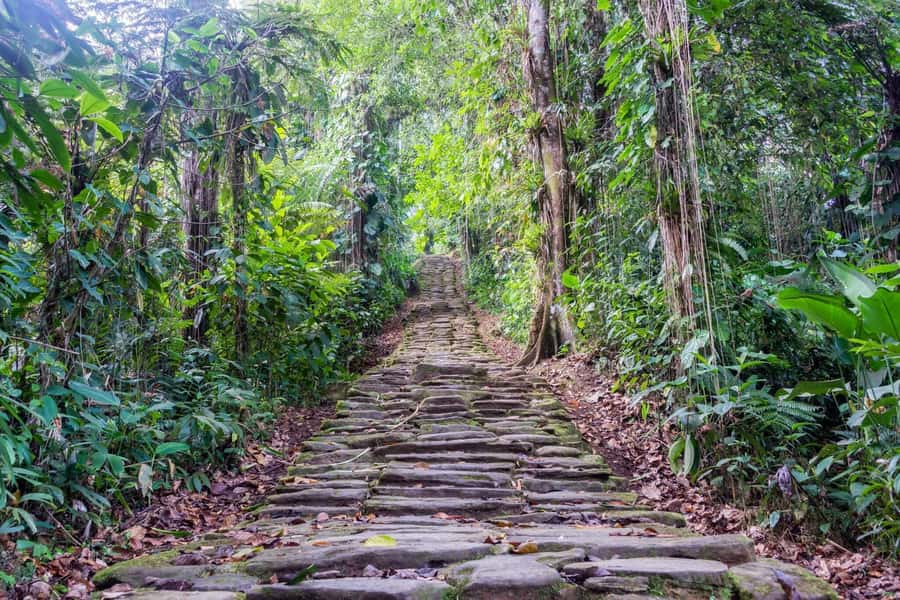
- The 1,200 stone steps to the Lost City: one of the most physical days, and also the most memorable.
- River life in the itinerary: Buritaca River swims/baths and breaks that matter more than you expect.
- Jungle sleep setup: hammocks or beds with mosquito nets, plus toilet/shower access at camps.
- Choice of 4, 5, or 6 days: the longer treks trade extra time for a calmer rhythm.
From Santa Marta to El Mamey: the 4×4 start that sets your pace
Most days begin with that same “now it’s real” moment: a 9:30 AM start and a roughly 3-hour drive by 4WD to El Mamey. You’ll get lunch there, then start hiking right away. That drive matters because you’re easing out of town and into the jungle world before you even take a step.
On the first trekking day, you walk a smooth stretch for about 4 hours (around 7.6 km), with breaks that keep your energy steady instead of spiking too early. One of the nice touches is that you don’t just grind forward—you stop for snacks, fruit, and viewpoints. That’s how you stay engaged when the humidity is doing its thing.
You can also read our reviews of more tours and experiences in Santa Marta.
Practical reality
If your body likes gradual starts, day one is kind to you. If you’re someone who gets impatient on flat-ish trails, remind yourself: the real climbing comes later, especially the step day to the Lost City.
Day-by-day trek feel: what each camp day actually gives you
This trek is built around moving camp-to-camp, then resting in community-run facilities. You’ll sleep in hammocks or beds with mosquito nets, and the camps are equipped with electricity, toilets, and showers. That’s important. You won’t have “roughing it” as the whole experience.
Day 1 (4 or 5-day version): El Mamey, Las Tres Cruces, and your first jungle night
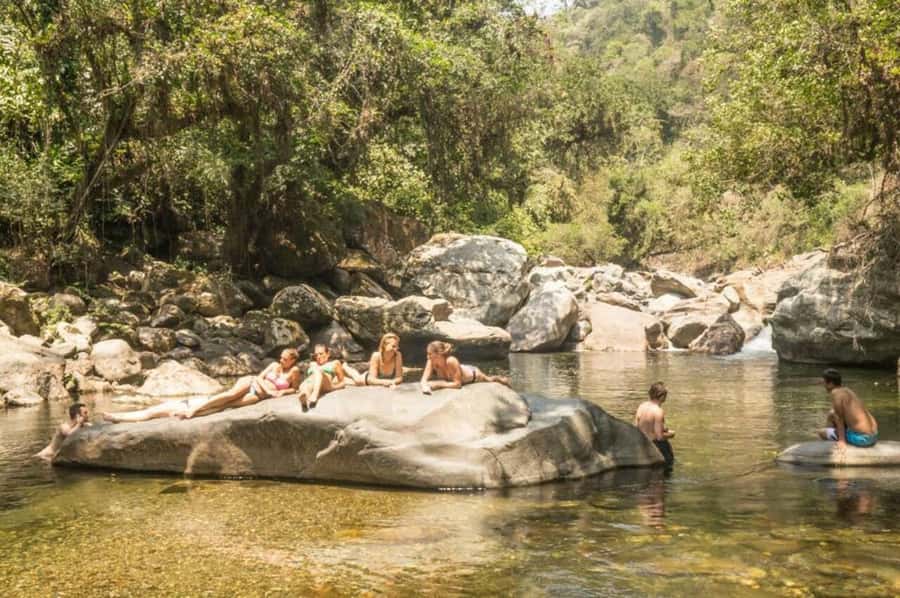
After lunch in El Mamey, you walk toward the Sierra Nevada’s interior with stops at Las Tres Cruces for fruit and a snack. You’ll also spend time near natural pools and waterfalls to refresh. Then you end the day at your first camp, where dinner and overnight come after a full afternoon of walking.
What I like about day one is the mix: forest walking, then water and viewpoints. It helps you understand the terrain before you hit the heavier days.
Day 2 (4-day version): Wiwa camp, Buritaca River, and Mutanyi village views
Breakfast is early, then you hike toward the Wiwa camp on the Buritaca River. You can enjoy a refreshing bath, rest, and have lunch. After that, the route pushes you deeper into the jungle where you encounter houses tied to an indigenous village called Mutanyi.
This day is longer than it sounds: about 7 hours and roughly 14.7 km, mostly uphill with some downhill. It’s the kind of day that quietly changes how you hike—shorter steps, steady breathing, and more focus on your feet.
Day 2 (6-day version): indigenous reserve and cultural exchange on the river
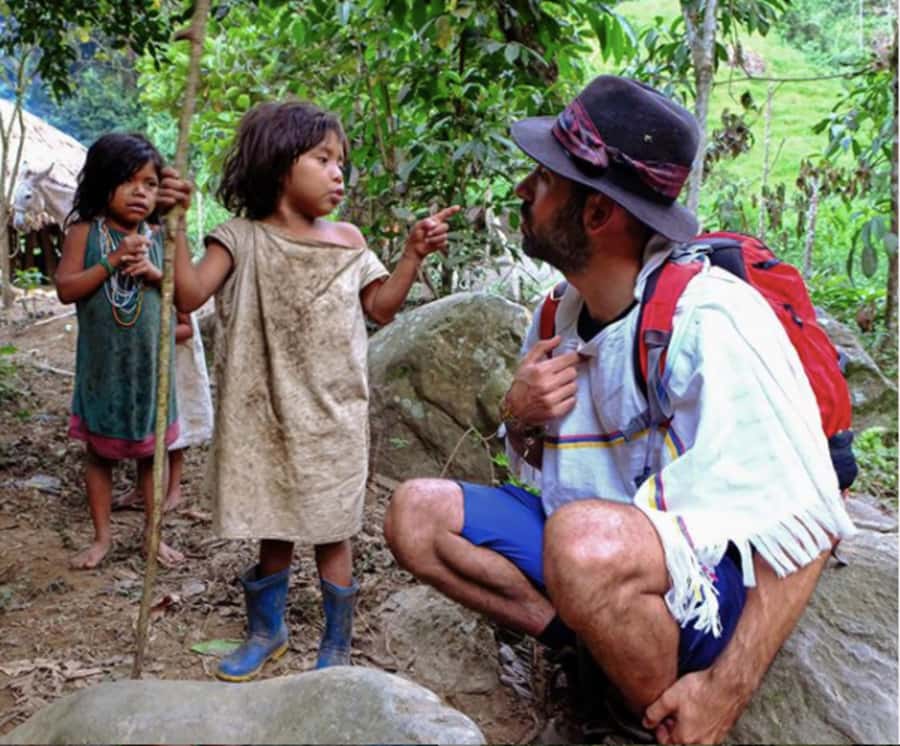
In the 6-day itinerary, day two shifts. You spend the day in the indigenous reserve with time to learn about Wiwаs and Koguis culture, staying in a second camp by the river. The walking is relatively lighter (about 3 hours in smoother terrain).
If you want a trek that gives your legs a bit more recovery while still keeping the culture central, this is the reason to pick 6 days.
Day 3 (4-day version): the last slog before the Lost City
You start very early, with breakfast before you head toward the highlight day. This is the buildup day where you move through the jungle to reposition for the Lost City climb. The details change slightly depending on which itinerary length you’re on, but the structure is the same: early movement, camp stops, and a full day of walking.
Day 3 (6-day version): descent toward Buritaca valley and Mutanyi riverside life
After breakfast, you descend toward the Buritaca River valley. Along the way you’ll see indigenous housing forming the Mutanyi community. There are breaks built in—plus a chance to bath in a river. The day runs about 5 hours with ups and downs, and in camp you’ll hear stories narrated by the guides.
This combination of physical movement plus story time is one of the best “human scale” parts of the trek.
The 1,200 steps to the Lost City: the day you plan your mindset for
Day three on the 4/5-day trek (and day four on the 6-day) is the big one: you climb 1,200 stone steps on a trail constructed by the Tayrona people to reach the Lost City. You’ll be in deep jungle around you, with a guide who points out what matters—relics, ancestral stories, and how the site fits into the wider Sierra Nevada world.
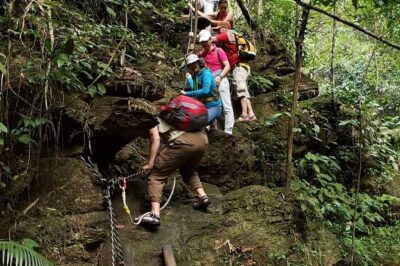
The climb is where most people feel their limits. Humidity can make every step feel heavier, and rain can turn the path slippery. If you’ve trained a little and you pace yourself, you’ll still feel it, but you won’t be wrecked.
What you do after the steps
Once you arrive, you’ll spend the morning exploring with your guide, taking pictures and learning what to notice. Then you start the return trek the same day. You hike back to the same camp for lunch, then continue toward the next camp depending on the itinerary.
On the way back, the “tough part” becomes different. Downhill can be rough on your knees and calves, and mud can be a prankster. This is where good hiking shoes and rain gear actually earn their keep.
Reading the Lost City: terraces, roads, and plazas you can finally understand
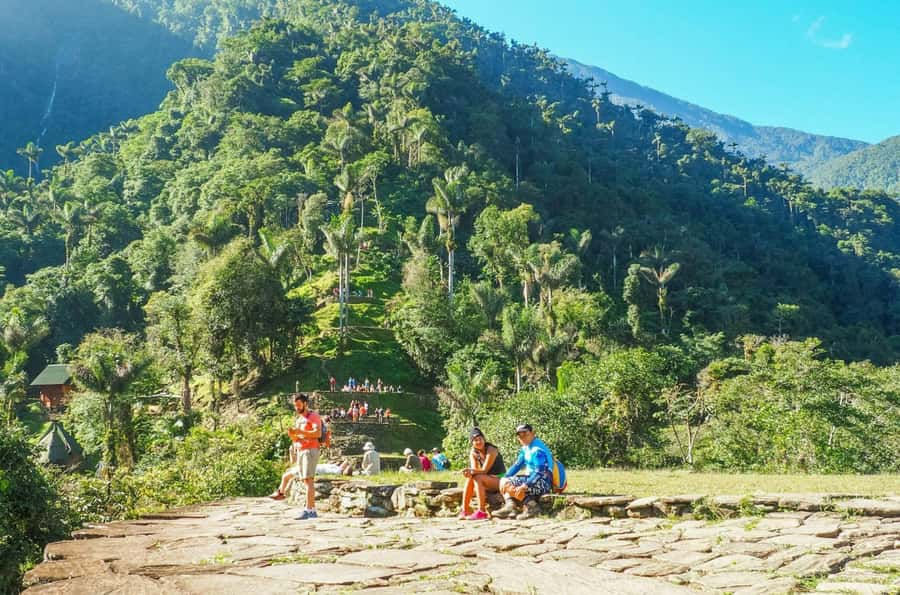
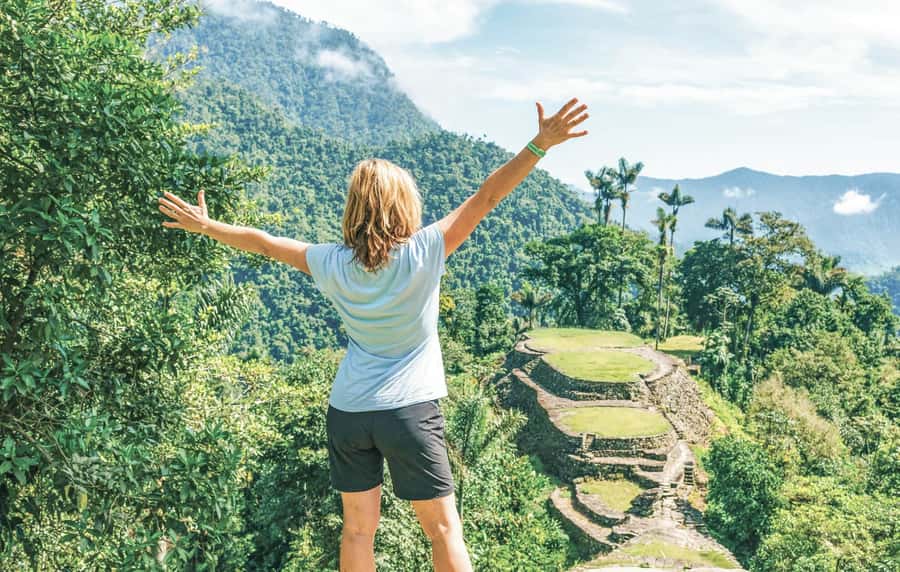
At the Lost City, you’re looking at a whole plan made for mountain life: 169 terraces cut into the mountainside, a network of tiled roads, and small circular plazas. It’s not just ruins in the jungle. It’s a built environment with movement, grouping, and practical layout.
What I think makes this place special is the timing. You arrive after days of walking and river breaks, so when the site finally opens up, it feels like a reward you’ve already paid for. You’re tired enough to pay attention, and your guide’s storytelling helps you stop treating it like a postcard.
Note on expectations
This is a hike-and-learn experience, not a long museum-style visit. You’ll get time for the landscape and photos, but you’re also on a schedule with the rest of the trek.
4 vs 5 vs 6 days: choosing the right amount of effort
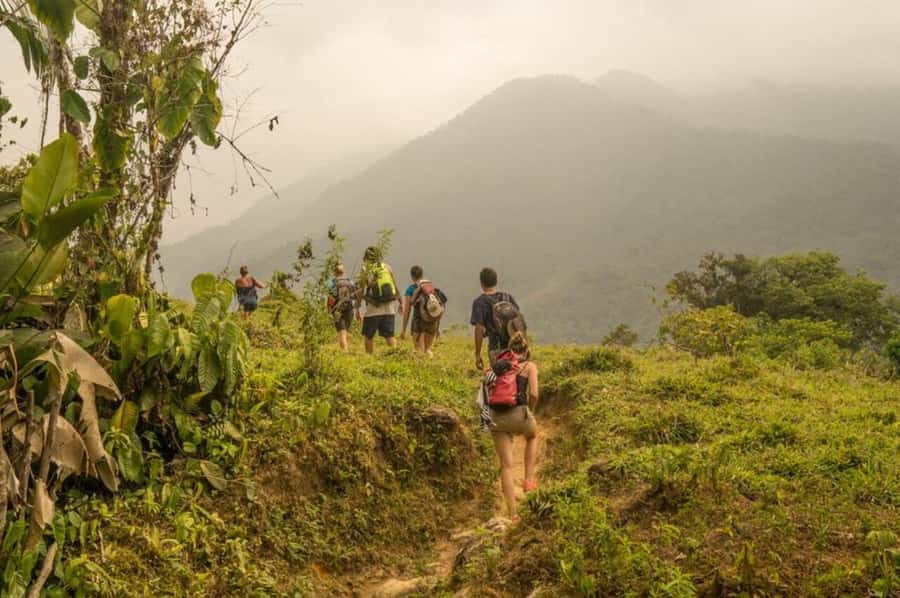
Here’s the practical way to decide.
4-day trek: the tightest schedule
The 4-day version keeps moving. You’ll cover bigger trekking days (especially the second day in the 4-day plan), and you finish by heading back to Santa Marta after day four. If you want “maximum Lost City, minimum time,” this is the choice.
Just understand: it’s physically demanding. Even when the group pace is well managed, the itinerary still asks you to work daily.
5-day trek: extra recovery time built in
The 5-day option adds a day so you can break the rhythm. On day four, the group divides: the 4-day hikers continue on to El Mamey for the return, while 5-day hikers rest longer at camp, eat lunch, observe the views, and interact before dinner.
This extra time can feel like a gift if you want the Lost City but hate the idea of “all gas, no brakes.”
6-day trek: more cultural time, more gradual hiking
The 6-day version adds a day in the indigenous reserve and keeps some walking more manageable (like day two’s shorter, smoother terrain). You’ll still face the 1,200-step day, but the overall pacing across days feels more spread out.
If you’re a strong walker but want fewer “hammer days,” 6 days usually fits better.
Meals, water, and comfort: where good logistics really shows
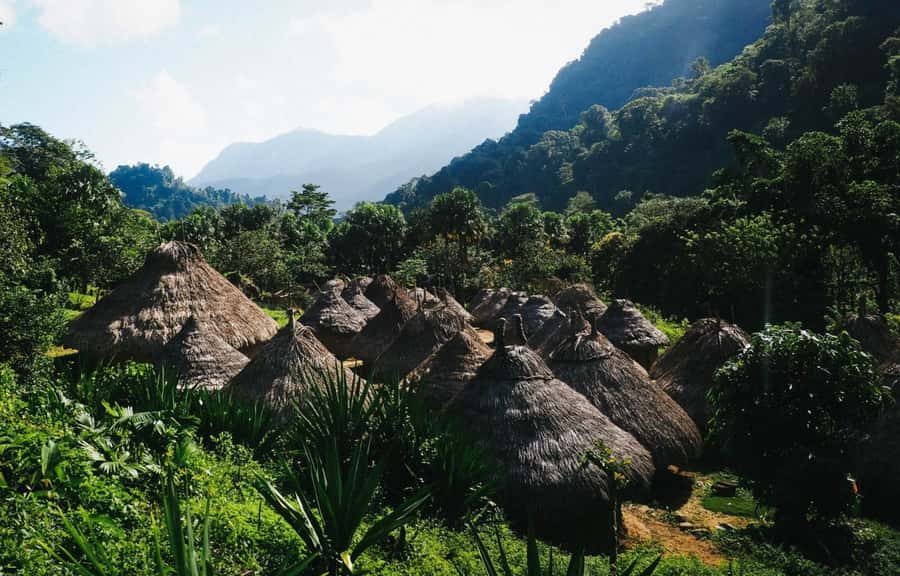
Food is included: breakfast, lunch, and dinner. You’ll also get purified water, plus fruits and snacks during the hikes. Drinks besides water aren’t included, so plan to treat water as the main beverage during trekking.
Sleeping is practical rather than glamorous: hammocks or beds with mosquito nets. Camps have electricity, toilets, and showers. That means you’re not just “surviving”—you’re resetting.
Mosquitoes and rain are part of the plan
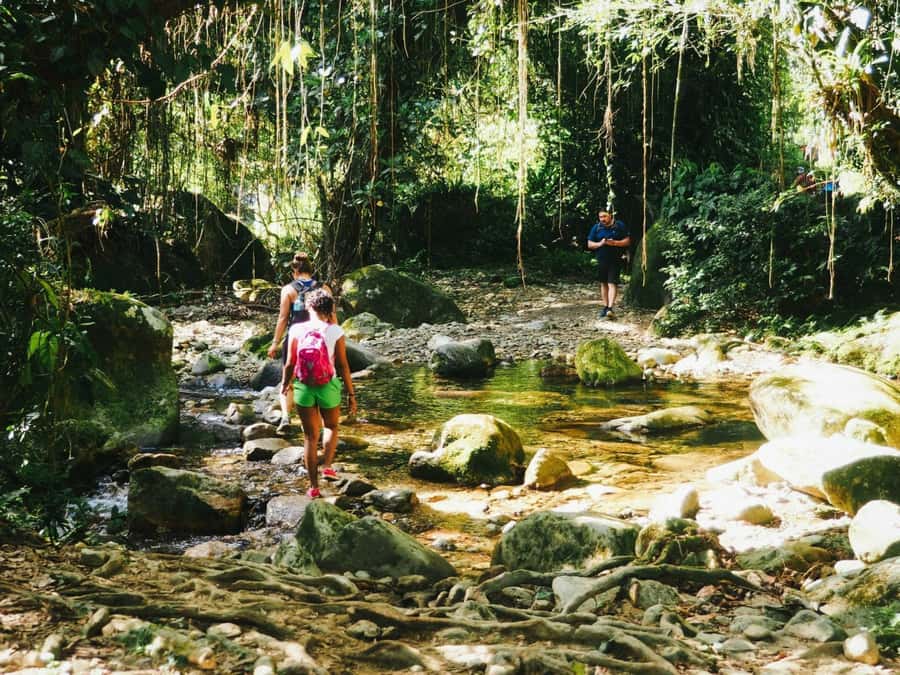
The jungle is warm and humid (about 26°C to 32°C), and nights can drop to around 18°C. Rain often shows up around sunset, and the trail can be slippery with mud. You’ll also cross rivers or streams during the trek, and mosquitos are expected.
This is why your packing list matters:
- Hiking shoes (real grip)
- Insect repellent
- Rain gear
- Towel and swimwear (yes, baths happen on the itinerary)
- Flashlight and a charged smartphone
Who’s leading you matters: guides, interpreters, and real moments
One of the strongest parts of the experience is the human piece. People highlighted specific guides and support staff by name, like Arghenith (guide), Victor (translator), and Bridgette (chef). Others praised Francisco as the indigenous guide, and Emilie as a translator who helped keep the group motivated in the jungle.
That encouragement isn’t fluff. When you’re tired, having a guide who can explain what you’re seeing—and who can also help you manage effort—changes the whole day.
Also: accidents are covered with accident insurance, and you’re traveling with an experienced guide at all times. That gives you a real safety net in a place where getting off trail would be a bad idea.
Price and value: $713 is not a small number, so ask what you’re buying
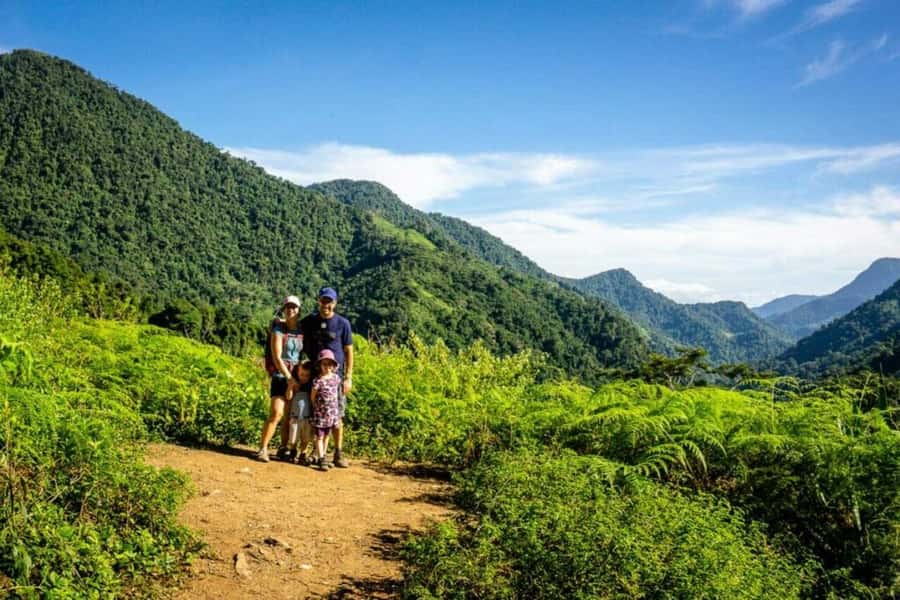
At $713 per person for a multi-day guided trek, you’re paying for a full setup: meals, Lost City entrance, camps, hammonk/beds with nets, purified water and snacks, and 4WD transportation between Santa Marta and El Mamey.
You’re also paying for something harder to quantify: guided interpretation and access to indigenous community-run facilities, plus contributions supporting indigenous community development. And you’re paying for logistics in a remote area where your time and energy are limited.
Where value gets debated
One review called out comfort issues on transport (too full and uncomfortable) and another mentioned food poisoning on the last day, which obviously isn’t a small problem. A different reviewer also questioned price fairness, reporting a big difference between group members who paid different amounts.
So here’s my balanced take: this trek can be worth the money if you want a serious Sierra Nevada adventure with a strong guide team. But you should go in knowing you’re not buying a luxury retreat. You’re buying access, guidance, and an earned Lost City day.
Things to know before you go: your packing and pacing checklist
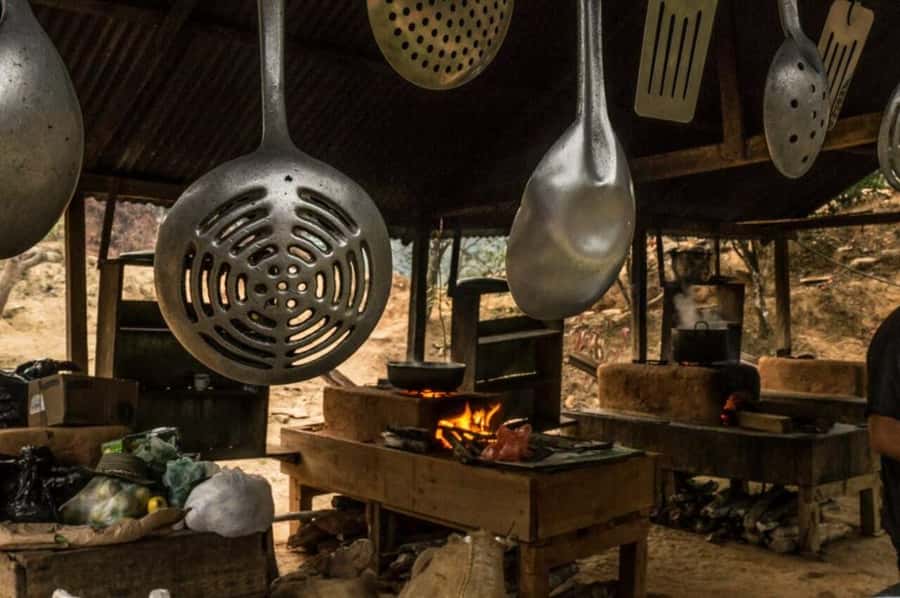
This trek is warm, humid, and wet-weather ready. You should treat the clothing and footwear like part of your safety plan.
Bring:
- Warm clothing (night gets cooler)
- Swimwear and a towel (river/pool stops)
- Quick-dry clothing and socks
- Rain gear
- Insect repellent
- Flashlight
- Cash
- Personal medication and toiletries
- Charged smartphone for your own use
Not allowed: drones.
And one more filter: this trek is not suitable for pregnant women or wheelchair users.
Getting to the pickup points (and why location matters)
Pickup is included from the Santa Marta urban perimeter, including Rodadero and Taganga. It doesn’t include pickup in Bonda, Minca, Palomino, or areas outside the urban perimeter.
That matters because it can change how much time you spend getting ready and where you start your day. Plan your hotel location with pickup in mind so day one doesn’t become a scramble.
Should you book the Santa Marta Lost City trek?
I’d recommend booking if:
- You want a guided trek to the Lost City that includes indigenous cultural exchange and interpretation.
- You can hike several days in humid jungle conditions and handle rain-mud possibilities.
- You appreciate small-group travel (up to 15) and a guide who explains the site, not just points.
I’d think twice if:
- You hate tough days and long uphill effort. One review bluntly said this is not like an easy hike.
- You’re worried about comfort on ground transport, since at least one review mentioned overcrowding discomfort on the jeep ride.
- You have a sensitive stomach. One review reported food poisoning after the trek, so be realistic about risk and choose cautious personal habits.
If you want my simple decision rule: if the idea of earning the Lost City via steps, jungle camps, and river breaks sounds exciting rather than scary, this is a strong pick. If you need comfort-only travel, this trek may feel like the wrong kind of “adventure.”
FAQ
How long is the trek?
The experience runs for 4 days, with options for 5 or 6 days depending on the tour you choose.
What’s included in the price?
Breakfast, lunch, and dinner are included, along with the Lost City entrance ticket, jungle accommodation (hammocks or beds with mosquito nets), 4WD transportation between Santa Marta and Mamey, purified water, fruits and snacks, accident insurance, guide service in Spanish and English, and suitcase storage during trek days.
Are drinks included besides water?
Drinks besides water are not included.
How many people are in the group?
The group is limited to 15 participants.
What languages are the guides and interpreters?
Guide service is available in Spanish and English.
What kind of accommodation will I have?
You’ll sleep in hammocks or beds with mosquito nets. Camps have electricity, toilets, and showers.
How difficult is the hike?
It’s physically demanding. You’ll hike multiple days with uphill stretches, and the highlight includes climbing 1,200 stone steps to reach the Lost City.
What should I pack?
Bring warm clothing, hiking shoes, sunscreen, swimwear, a towel, rain gear, insect repellent, quick-dry clothes, socks, toiletries, a flashlight, cash, and any personal medication. You’ll also want a daypack and a charged smartphone.
Is the trek suitable for everyone?
It’s not suitable for pregnant women or wheelchair users. Drones are not allowed.