REVIEW · SENARU
trekking mount rinjani summit join in group tour
Book on GetYourGuide →Operated by lombok trekking info · Bookable on GetYourGuide
Rinjani rewards early starts with serious views. This 2-day, 1-night group trekking trip climbs from Sembalun (1,156 m) to the crater rim (2,639 m) and then pushes up to the summit area (3,726 m) for sunrise. You’re treated to savanna-type scenery on the approach, plus the classic crater drama at night with Lake Segara Anak glowing below.
What I like most is the route focus: the Sembalun start gives you grand open-country looks as you gain altitude, then the crater rim camp sets you up for an unforgettable sunset over Segara Anak and the volcano. I also really appreciate the structure of the climb—breaks at the positions (Pos 1/Pos 2/Pos 3) and a return that still gets you back to Sembalun in the early afternoon on Day 2.
One consideration: this is strenuous, and Day 2 begins with a 3am wake-up and a steep, challenging ascent to reach sunrise. If you’re not comfortable with steep uphill and cold night conditions, plan carefully.
In This Review
- Key highlights I’d anchor the trip around
- Why the Sembalun Route Works for a 2-Day Summit
- Day 1: The 4WD to Sembalun, then Pos Stops to the Crater Rim
- Day 2: 3am Wake-Up, Summit to 3,726 m, and the Sunrise Window
- Guides and Porters: How the Trip Feels When You’re Tired
- Food, Water, and Camping Reality at 2,639 m
- Price and Logistics: Is $141 Good Value?
- Gear Checklist That Matches What’s Actually Needed
- Fitness, Weather, and the Real Work Behind Sunrise
- Who This Trek Fits Best (and Who Might Prefer Another Plan)
- Should You Book This Rinjani Summit Trek?
- FAQ
- What starting point and village does the trek use?
- How high do you go during this 2-day trek?
- Is the sunrise part included in the schedule?
- What’s included in the price?
- What costs are not included?
- What do I need to bring?
- Who is this trek not suitable for?
Key highlights I’d anchor the trip around
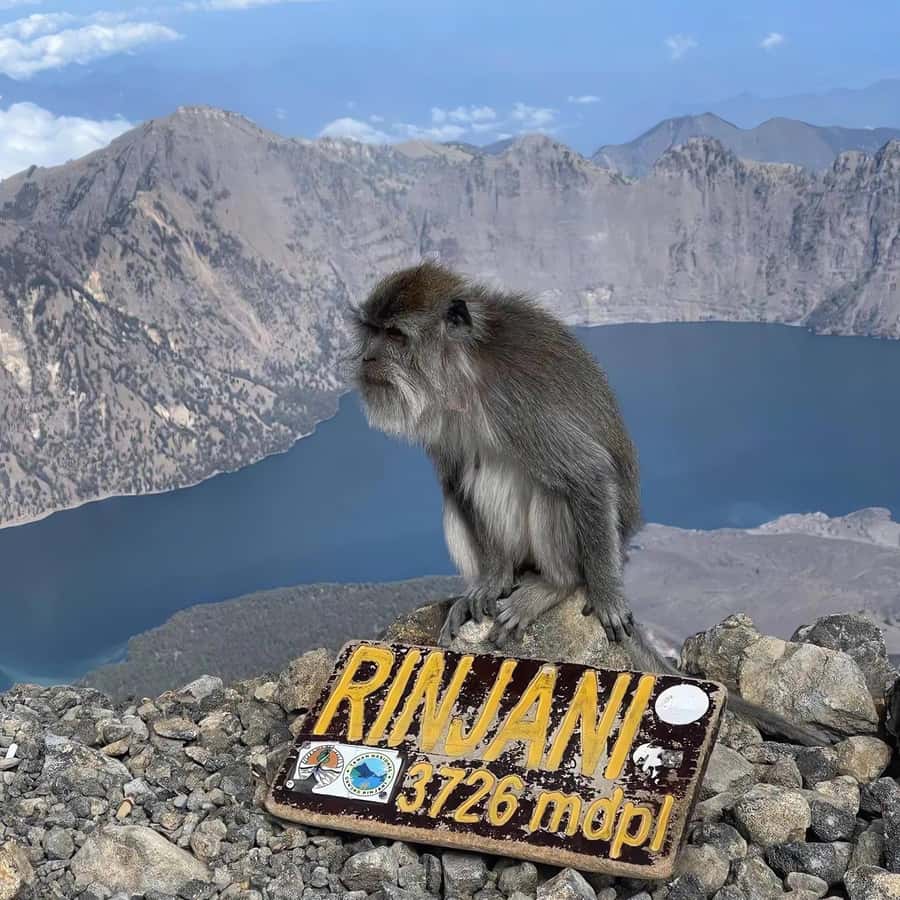
- Sembalun savanna views early on, as the trail climbs away from the lower elevations
- Sunset at 2,639 m from Sembalun Crater Rim, with Lake Segara Anak and big volcano angles
- Best sunrise timing built into the Day 2 summit push to about 3,726 m
- English-speaking guidance with experienced guides who keep the group together and informed
- Porters who handle the cooking setup, so you’re not carrying the camp kitchen
- Food and water included on the trek, including about 3 litres mineral water per person per day
Why the Sembalun Route Works for a 2-Day Summit
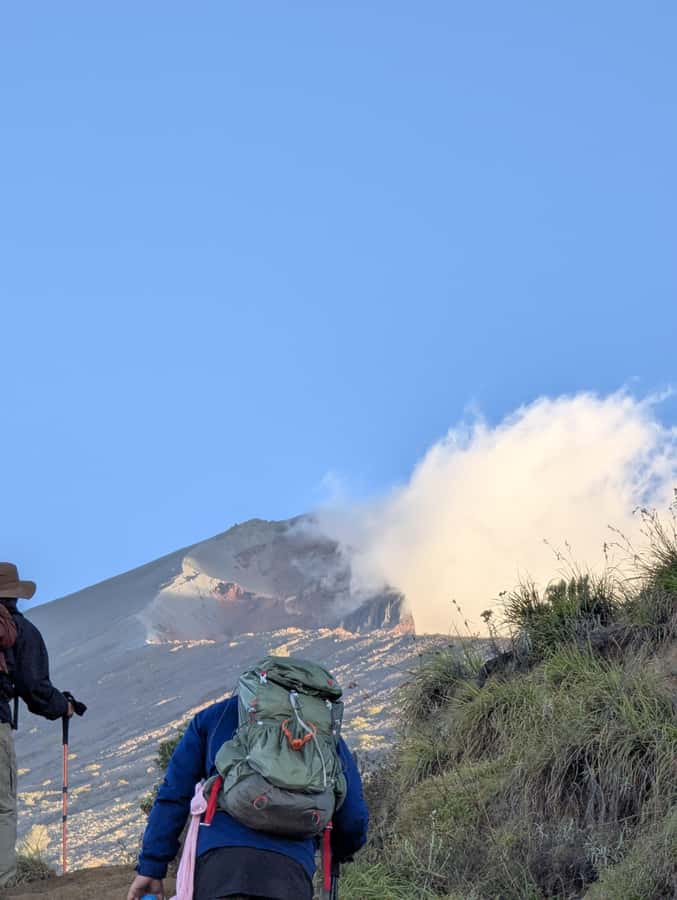
If you only have two days, you want the plan to be efficient. This trek starts and ends from Sembalun village, using the same general trail line for the climb and the return. That matters because it removes a lot of logistical friction and lets the itinerary concentrate on getting you up high—and back down—without wasting daylight.
The Sembalun approach also gives you a change of scenery as you gain altitude. You start around open grasslands and gradually work your way upward, which tends to make the early hours feel like you’re watching the island “grow” around you. Then the crater rim becomes the payoff zone: that’s where the views get dramatic, and where you camp with Lake Segara Anak in the volcano bowl.
I also like that the trip is built around the two moments most people chase on Rinjani: sunset from the rim and sunrise near the summit. It’s not just “hike and hope.” The timing is part of the experience.
You can also read our reviews of more tours and experiences in Senaru.
Day 1: The 4WD to Sembalun, then Pos Stops to the Crater Rim
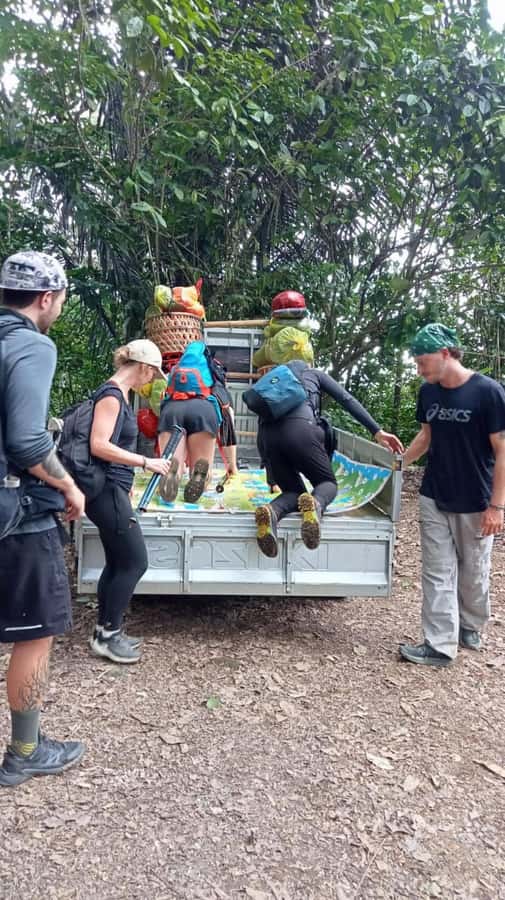
Day 1 begins with pick-up from your hotel in Senaru or Sembalun, then a drive by 4WD to Sembalun. You register at the Rinjani Information Centre in Sembalun (at 1,156 m) before stepping onto the trail. Even if registration feels like paperwork, it’s part of how the trek is organized before you head into the volcano area.
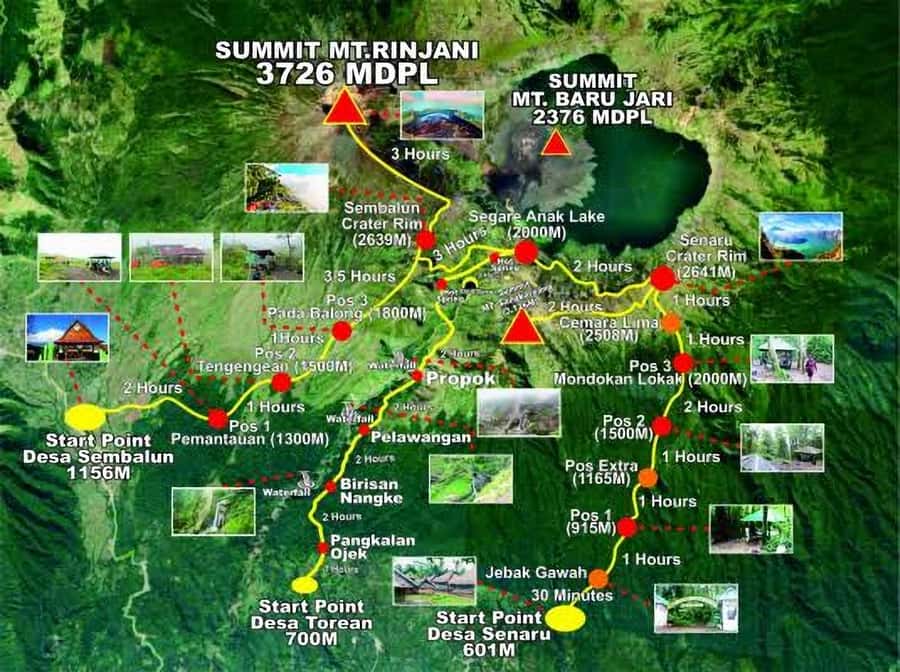
From there, the trail climbs through undulating open grasslands. You’ll pause at Pos 1 and Pos 2 for rest breaks and snacks, which is a nice rhythm on a mountain where your legs work harder than your lungs. Pos 3 (1,800 m) is where you get a longer break for lunch, giving you a solid mid-day reset before the steep push that comes later.
The big moment on Day 1 is the climb up to the crater rim camp at 2,639 m. You arrive to “welcome the sky” views: Lake Segara Anak in the crater, the summit area of Rinjani, and wide angles toward northern Lombok. This is also the night stop where the sunset hits, so if you want photos, Day 1 is where you’ll likely start stacking them.
Practical note: you’re sleeping at altitude, so conditions can feel cold after sunset. One review mentioned it was cold at night, but manageable with the layers they had.
Day 2: 3am Wake-Up, Summit to 3,726 m, and the Sunrise Window
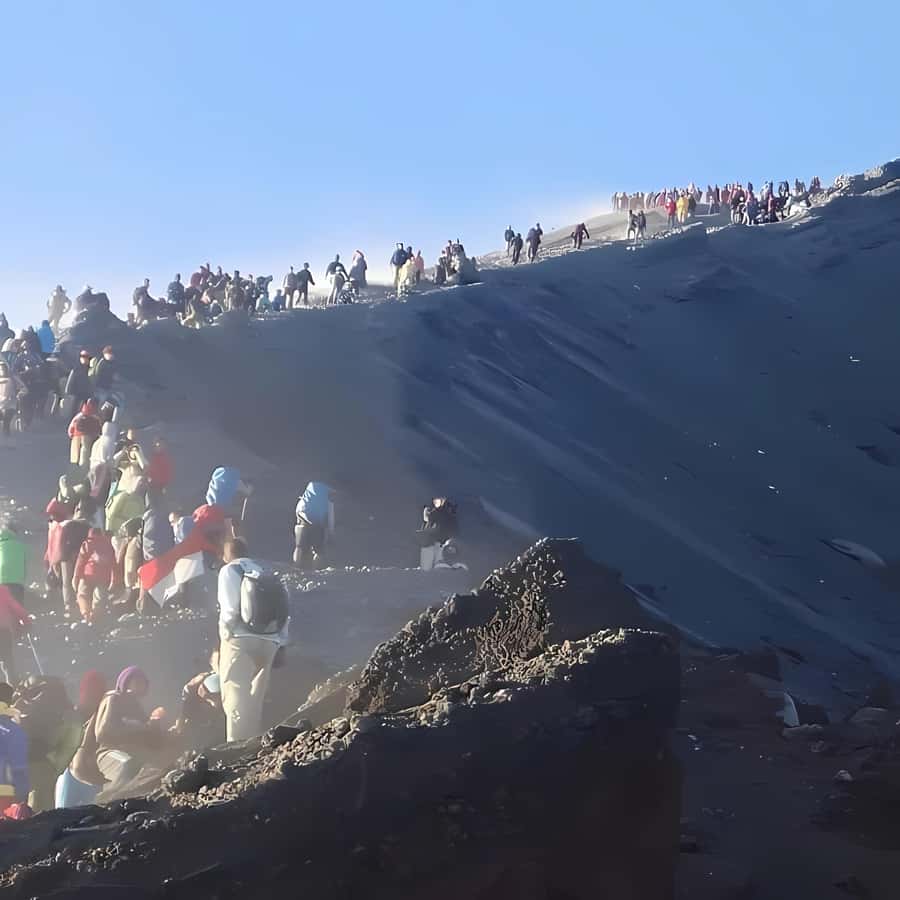
Day 2 starts with an early wake-up at 3am for a light breakfast. After that, you’ll begin the challenging climb—about three hours—to reach the summit area around 3,726 m. The goal is simple: arrive in time for sunrise, which is the best light for seeing the island from high up.
The climb is described as strenuous, and the altitude difference is real. You’re going from the campsite near 2,639 m up to around 3,726 m, which means your pace matters. The good news is the trip is set up for group movement: your guide keeps you organized, and the porters handle the camp logistics from the night before.
Once you reach the sunrise viewpoint, the experience becomes more than just fitness. You’re looking outward with that “everything below looks small” feeling—plus clearer angles toward Lombok and the volcanic crater system. When you’ve soaked it in, you head back to the campsite for a hot breakfast and a rest.
After that, the return hike back to Sembalun village begins. You’ll stop for lunch at Pos 2 or Pos 3 and typically reach Sembalun in the early afternoon. That early finish is a big deal: it means you still have daytime to move on to your next plan.
Guides and Porters: How the Trip Feels When You’re Tired
This is the kind of trek where your guide’s energy can make the difference between dragging and managing. The tour includes an experienced English-speaking guide plus professional porters who carry cooking gear and camping equipment. One of the strongest recurring themes is that the guides were friendly, attentive, and genuinely good at keeping people comfortable.
You’ll hear names come up in the guide roster: Reno, Jourdi, Nas, and Surya. Each of them is described as kind and funny, with guides who explain the trail as you go and check in so you’re not suffering in silence. That’s helpful because Rinjani isn’t just “walk uphill”—it’s also a mental game at altitude.
Porters are also a big part of why the trek feels manageable. In several accounts, the porters handled cooking and camp setup well, and meals were repeatedly called a real treat after long hiking hours. If you’re the type who gets grumpy when you’re hungry, this is your “food comes when it matters” system.
One small downside popped up too: one account noted the group only received one hiking stick rather than two. That’s not the most common issue, but it’s smart to confirm equipment quantity at the start and let your guide know early if anything seems off.
Food, Water, and Camping Reality at 2,639 m
The trip is set up so you’re not constantly figuring out logistics mid-hike. Food and drinking water are included on the trek, with about 3 litres of mineral water per person per day. That’s generous for a mountain hike, and it reduces the risk of running short when conditions are dry and you’re sweating.
At camp, you sleep with supplied trekking camping gear: tents, a toilet tent with paper, sleeping bags, and mattress. You’ll also get gloves and trekking poles as part of the included kit list. That’s a helpful value point because some other tours offload those costs onto you.
Comfort-wise, expect “mountain functional,” not hotel-lounge. One review described the tent and sleeping bags as okay, with the night cold but doable by layering up. Another noted there weren’t camping chairs or tables, so people sat on a thin mat on the floor. If you’re the sort who likes creature comforts, consider this a “survive and enjoy the views” campsite.
Hot breakfast and meal timing matter here. You get a hot breakfast at the summit-camp area on Day 2 after coming down from the summit climb. That kind of warmth at altitude is exactly when you’ll appreciate it most.
Price and Logistics: Is $141 Good Value?
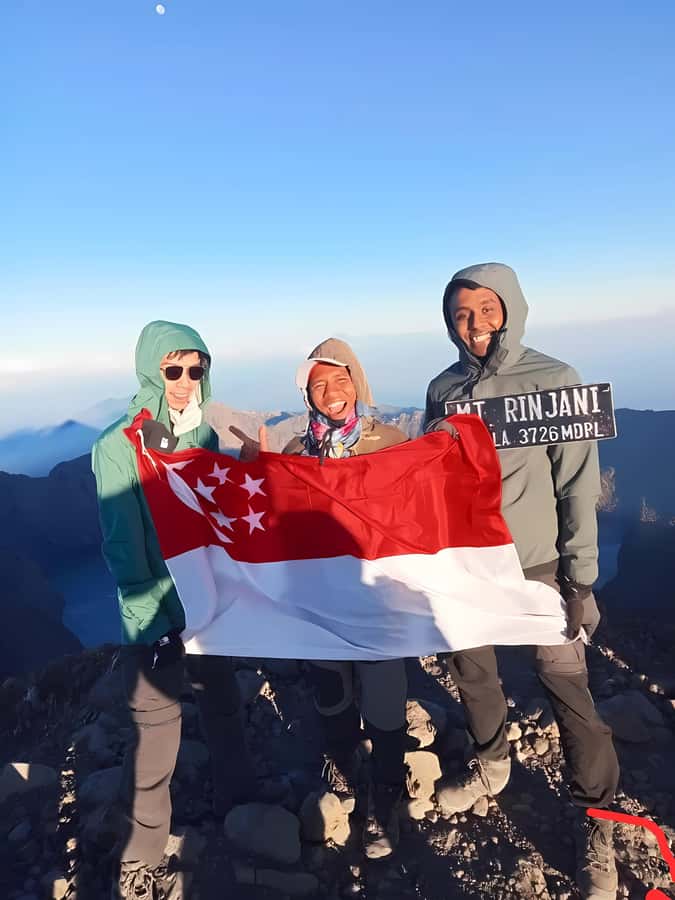
The listed price is $141 per person for 2 days (check availability for starting times). On paper, that’s a reasonable rate for a guided summit-style trek because it includes: pick-up in Senaru or Sembalun, an English-speaking guide, porters, trekking camping equipment (tent/toilet tent/sleeping bags/mattress), and food plus water.
But you should also budget for what’s not included. The biggest extra cost is the national park entrance fee: IDR 200,000 per day per person. Since the trek spans two days, you’ll likely pay for those days (confirm the exact day count with the operator). Entrance fees like this can be the difference between a “good deal” and an “okay deal,” so plan ahead.
Also excluded are things you’ll want for personal comfort and hiking safety: head lamp/hand torch, a small daily pack, trekking shoes and long pants, and an extra porter for your own luggage. Transfers after the trek aren’t included either, and you’ll need your own pre-trek accommodation in Senaru or Sembalun.
So, is it good value? For a small-group trek with guides, porters, food, water, and camp gear, I think yes, as long as you’re realistic about the extra entrance fee and you come prepared with the gear you’re expected to bring.
Gear Checklist That Matches What’s Actually Needed
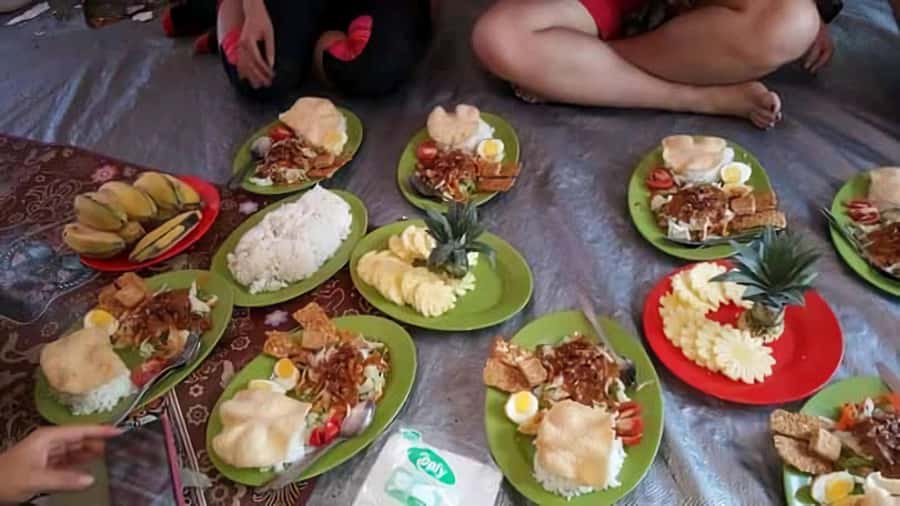
The included kit covers major camp items, but there are still key items you’re expected to handle yourself. Your packing list is clearly mapped out, and I’d follow it closely.
Bring:
- Passport
- Sunglasses and a hat
- Camera
- Hiking shoes
- Flip-flops (handy for camp down-time)
- Flashlight / headlamp (torch is specifically mentioned as not included)
- Hiking pants
- Sunglasses and hat help a lot in open terrain and early light hours
Also plan for “small but important.” A small daily pack isn’t included, so you’ll want a place for essentials during the hike. And since trekking shoes are not included, don’t assume you’ll be able to borrow or buy nearby without hassle.
One more smart move: check how trekking poles are handled at the start. In one account, a participant mentioned receiving only one hiking stick and being disappointed. That doesn’t sound typical, but it’s easy to solve by confirming quantities before you begin.
Fitness, Weather, and the Real Work Behind Sunrise
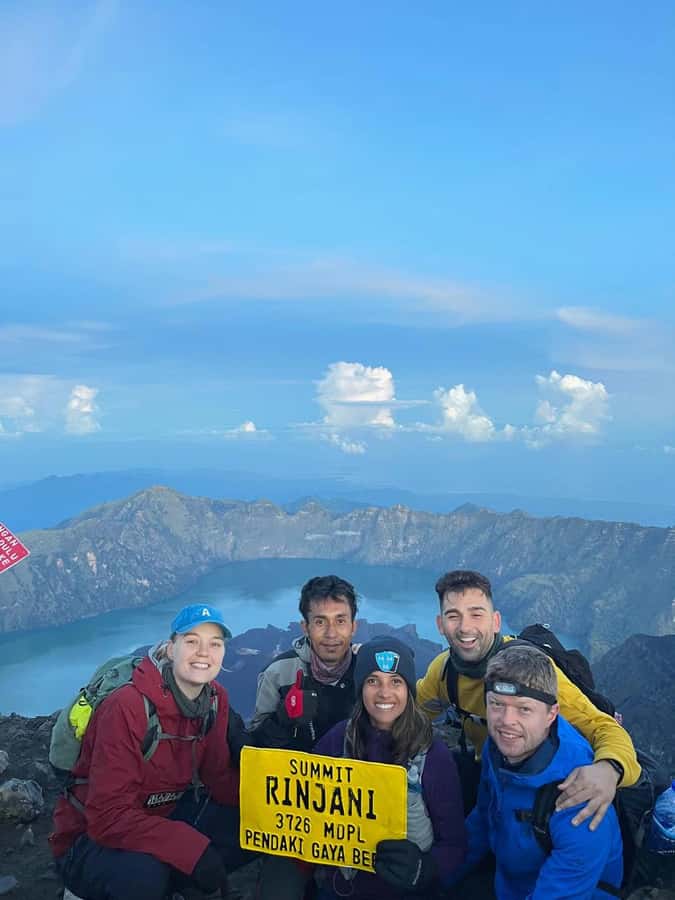
This trek earns its reputation. The Day 2 summit push is described as a challenging three-hour climb timed for sunrise, and you wake at 3am to make that happen. In other words: you’re hiking uphill at altitude in the dark-to-dawn window, which is where stamina and steady pacing matter.
Weather can also play a role. Even without exact temperature numbers, at 2,639 m night conditions can feel cold, and at sunrise you’ll want to be dressed so you don’t freeze while waiting. One review said the cold was doable with plenty of clothes, which is a good reminder: bring what you need for layers.
If you’re under 16 or over 70, it’s not suitable. That’s a clear boundary and it aligns with how demanding the itinerary is. If you’re somewhere in the middle, ask yourself honestly: do you handle steep climbs for hours, and do you cope with early wake-ups?
Who This Trek Fits Best (and Who Might Prefer Another Plan)
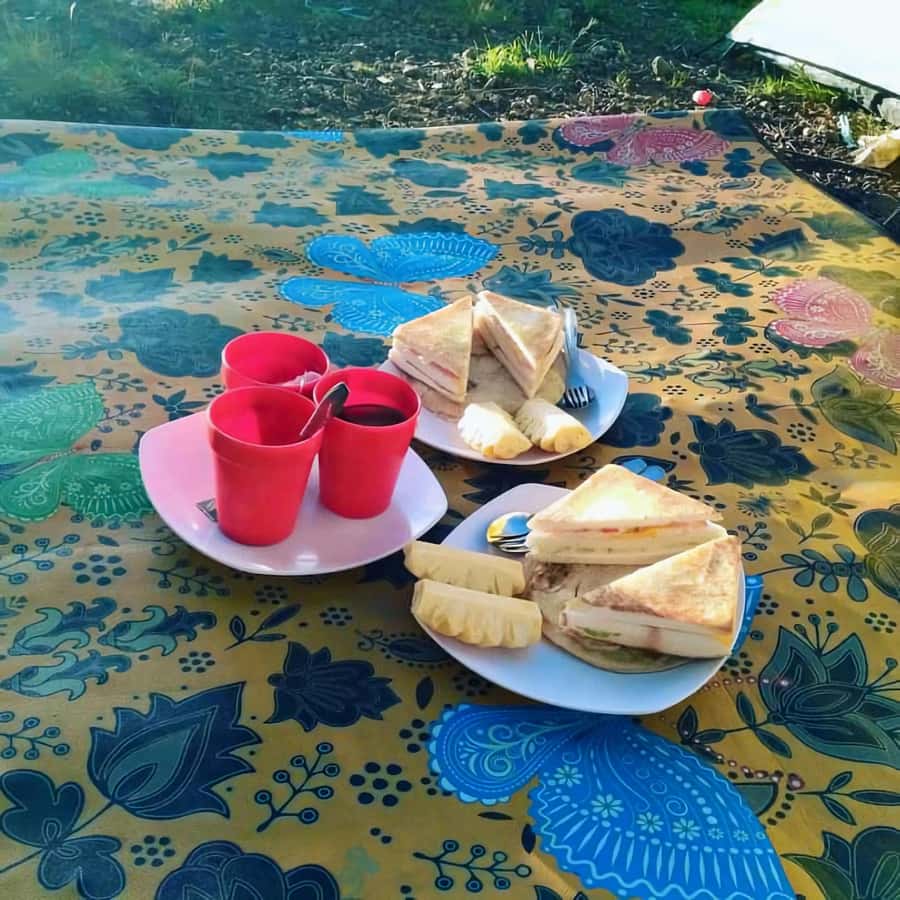
This is a strong fit if you:
- Want a short-not-long Rinjani experience (2 days, 1 night)
- Like sunrise experiences and don’t mind getting up before most people do
- Prefer a guided group format with porters and included camp setup
- Are comfortable with steep hiking and early-morning schedules
It’s also a good option if you’re traveling solo. One booking was handled as a solo joining a small group, and the person reported feeling looked after throughout the hike. That group structure helps when you want the mountain without the full planning headache.
If you need a gentle hike, this won’t feel like that. The itinerary includes steep sections, crater rim camping at altitude, and a summit push timed to sunrise.
Should You Book This Rinjani Summit Trek?
If your main goal is a high-altitude Rinjani experience with sunset on the crater rim and a real shot at sunrise from the summit area, I’d say it’s worth booking. The included structure—guide, porters, camp gear, and food/water—means you can focus on the hike instead of coordinating everything yourself.
Book it if you can handle strenuous hiking and early starts, and if you’re okay with “mountain basic” camping comfort. Before you go, plan for the national park entrance fee (IDR 200,000 per day per person) and make sure you bring the gear that’s listed as not included, especially proper hiking shoes and a torch/headlamp.
If any of those points feel shaky—especially Day 2 intensity—consider a less demanding itinerary. Rinjani is amazing, but it’s also not a casual stroll. And honestly, that’s part of what makes the summit sunrise so satisfying.
FAQ
What starting point and village does the trek use?
The trek starts from Sembalun village (registration is at the Rinjani Information Centre in Sembalun) and the itinerary returns back to Sembalun village in the early afternoon on Day 2. Pick-up is available from hotels in Senaru or Sembalun, then you travel by 4WD to Sembalun.
How high do you go during this 2-day trek?
You start around 1,156 m in Sembalun, camp at Sembalun Crater Rim at 2,639 m on Day 1, and then climb to around 3,726 m for the sunrise on Day 2.
Is the sunrise part included in the schedule?
Yes. You wake at around 3am on Day 2, hike toward the summit area, and arrive in time for sunrise so you can enjoy the sunrise views before starting the descent.
What’s included in the price?
Included items are hotel pick-up in Senaru or Sembalun, a trekking guide and porters (including porters for cooking gear and camping equipment), food and drinking water (about 3 litres mineral water per person per day), tent/toilet tent/paper, sleeping bags and mattress, gloves, and trekking poles.
What costs are not included?
Not included are transfers after the trek, night accommodation in Senaru or Sembalun before the trek, head lamp/hand torch, a small bag/daily pack, trekking shoes and long pants, the national park entrance fee (IDR 200,000 per day per person), and an extra porter for your own luggage.
What do I need to bring?
You’ll want to bring a passport, sunglasses, a hat, a camera, hiking shoes, flip-flops, a flashlight, and hiking pants. A torch/headlamp is specifically listed as not included, so plan to bring one.
Who is this trek not suitable for?
It’s not suitable for children under 16 and not suitable for people over 70.