REVIEW · KATHMANDU
Classic Everest Base Camp Trek
Book on Viator →Operated by icicles adventure treks and tours · Bookable on Viator
Everest Base Camp starts with real logistics. This classic route blends mountain trekking with monastery stops and big Himalayan views, while the company handles a lot of the hard-to-manage pieces. I especially like the included down jacket and sleeping bag for the trail days, and the way your trip is set up with private ground transport plus the Lukla–Kathmandu flight. One thing to keep in mind: the trek meals and extras aren’t fully detailed here, and cold drinks or WiFi are not included.
You’re not just signing up for a hike. You get a guided, supported journey that mixes altitude effort with culture, including flag-prayer moments along the way. And the safety vibe in the guide team shows up again and again in feedback, with lead guides such as Ram, Pooja, Prakesh, Lok, Nirjala, and Lal Kumar Tamang highlighted as key parts of the experience.
The trek is for moderate fitness, and you should expect plenty of ups and downs that can feel nerve-shaking. If you hate being cold at night or you rely on constant internet, you’ll want to plan around that reality.
In This Review
- Key things that make this Everest Base Camp trek work
- Kathmandu in the rearview mirror: what the 3 hotel nights really buy you
- Private transport, mobile tickets, and the smooth-start advantage
- The guide-and-porter setup: comfort and safety in the day-to-day
- What you pack because the trek gives you the rest
- Trail days: forests, glacier rivers, and the quiet rhythm of lodges
- Monasteries and flag prayers: culture on the way to the big view
- Everest Base Camp days: what you should expect and how to pace it
- The return flight to Kathmandu: why Lukla matters
- Price and value: what the $1,835.90 really covers
- Who this Classic Everest Base Camp trek fits best
- Should you book this Everest Base Camp trek?
- FAQ
- How long is the Classic Everest Base Camp Trek?
- Where does the trek start and end?
- What trekking gear is included?
- Are meals included during the trek?
- Is WiFi available during the trek?
- Is this a private tour, and do you provide porters?
Key things that make this Everest Base Camp trek work
- Down jacket and sleeping bag included: less packing stress and more comfort when temperatures drop.
- Private transport in Nepal with airport transfers: fewer delays and easier starts in Kathmandu.
- Guide + porter support (1 porter for 2 people): you carry less, so you can focus on pacing.
- Sagarmatha National Park permits + TIMS included: the paperwork that can trip people up is handled.
- Lodge-to-lodge twin sharing stays: a straightforward rhythm day after day.
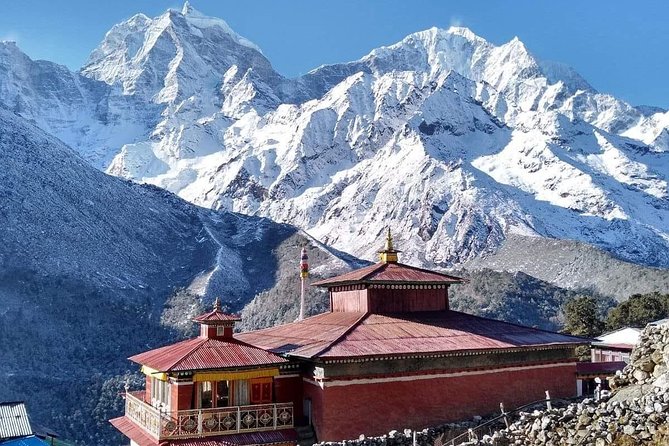
- Monasteries and flag-prayer moments on the trail: culture isn’t an afterthought; it’s part of the trek.
Kathmandu in the rearview mirror: what the 3 hotel nights really buy you
Before you hit the thin air, you start with a proper Kathmandu landing. You get three nights at Hotel Ramada Encore Kathmandu with breakfast, plus pickup offered. This matters more than it sounds. Kathmandu can be loud, busy, and mentally draining after travel. Those hotel days give you time to reset, handle any last-minute needs, and get your trek headspace in order.
Your start is also early: the experience start time is 6:45 am. That early start isn’t about being dramatic. It’s about keeping the day moving so you don’t lose daylight to last-minute logistics.
I like that the trip also includes a trekking map, a T-shirt, and an achievement certificate. Those are small items, but they help you mark the journey and keep expectations clear.
A practical note: you’ll be leaving Kathmandu with more gear than you think you’ll need. Since the trek includes a duffle bag for your trekking items and also provides a down jacket and sleeping bag, you can pack smarter. That’s one less thing to overthink in the chaos of Kathmandu.
You can also read our reviews of more tours and experiences in Kathmandu.
Private transport, mobile tickets, and the smooth-start advantage
For a trek like Everest Base Camp, the first day is where trips can get messy. This one tries to remove that risk.
You get all ground transport in a private vehicle, including airport transfers, plus a mobile ticket. In real terms, that usually means less time standing around, less confusion, and more predictable timing. And since this is listed as a private tour/activity, it’s only your group, not a big mixed herd.
You’re also working with an established provider team (icicles adventure treks and tours). The included paperwork items are a good sign of operational maturity too: Sagarmatha National Park permits and the TIMS fee (Trekkers’ Information Management) are part of the package rather than an optional add-on.
From the feedback, the operation focus is real. Multiple people praised excellent organization and fantastic guides, and they specifically mention feeling safe and looked after. That’s the kind of detail that matters on a trek where weather and altitude don’t care about your schedule.
The guide-and-porter setup: comfort and safety in the day-to-day
The trek includes one highly experienced guide and porters with a 1 porter for 2 people ratio. Porters are not just about making the walk easier. They help reduce strain so you can maintain a steady pace, which matters on a long trek with altitude effects.
The package also states that staff costs are covered: food, accommodation, salary, equipment, and accidental insurance for staff. That’s important because it usually correlates with a more stable team and better continuity. A trekking company that thinks about staff welfare tends to run a more consistent, less chaotic operation.
In the guide department, the names that come up repeatedly in feedback include Ram and assistant teams like Dikesh and Sudip, plus lead guides such as Pooja, Prakesh, Lok, Nirjala, and Lal Kumar Tamang. I can’t promise which individuals you’ll get on your departure, but it’s a strong indicator that your trekking experience is likely guided by people who know the terrain and the routine well.
What I like most about this setup is that you’re not expected to be your own planner, interpreter, medic, and logistics manager all at once.
What you pack because the trek gives you the rest
This trek includes some of the heavy stuff. You’ll have a down jacket and a sleeping bag during the trek, plus a duffle bag to manage trekking items.
That changes what you should bring from home. You can often travel lighter on insulation layers and save room for essentials you’ll actually use: a few quality base layers, gloves, hat, and the small stuff that keeps you warm when the wind cuts through.
The included comfort items don’t mean the trek is easy. Everest Base Camp still asks for effort. But it can mean you’re not forced to buy or borrow gear at the last minute in Kathmandu.
Also included: first aid medical kit. That’s not the same as having advanced hospital access on the trail, but it’s a baseline you want in a supported trekking setup.
Trail days: forests, glacier rivers, and the quiet rhythm of lodges
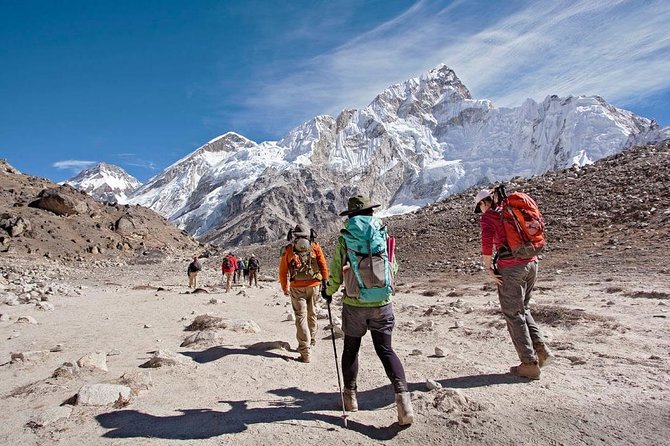
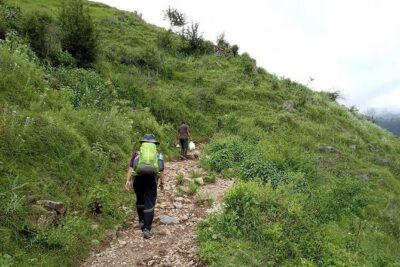
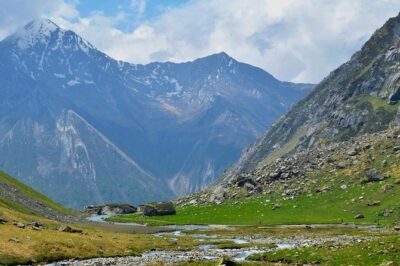
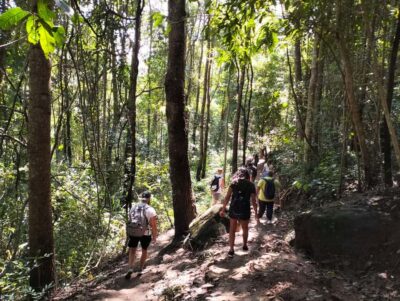
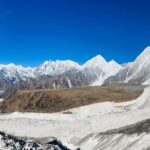
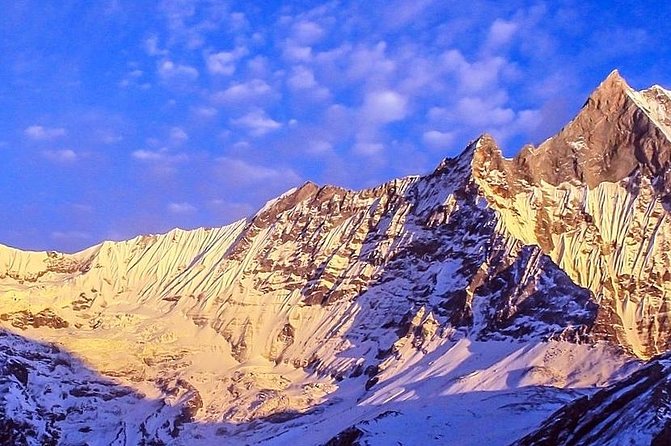
Your trek follows the classic pattern of a long high-altitude hike: gaining elevation through long walk days, with ups and downs along the way. The description highlights alpine forests and glacier rivers, and that’s a good clue about the feel of the path.
In practice, that usually means:
- mornings with cooler air and steady walking,
- later days where you’ll feel the altitude working a little more,
- and terrain that keeps you paying attention, especially when footing gets uneven.
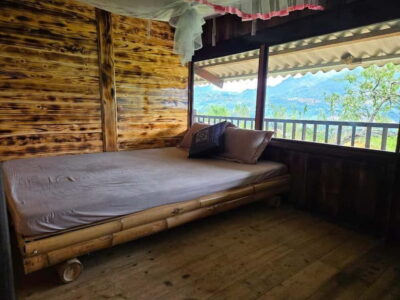
The good news is that the trekking rhythm is supported with best available twin sharing lodge to lodge accommodation during the trek. Twin sharing matters because it keeps costs down while still giving you a real bed and a predictable place to sleep each night.
WiFi is not included during the trek. You should plan for that. If you go into the trek expecting constant connectivity, you’ll be annoyed. If you go in expecting quiet and occasional bursts of signal, you’ll enjoy the mountain focus a lot more.
Monasteries and flag prayers: culture on the way to the big view
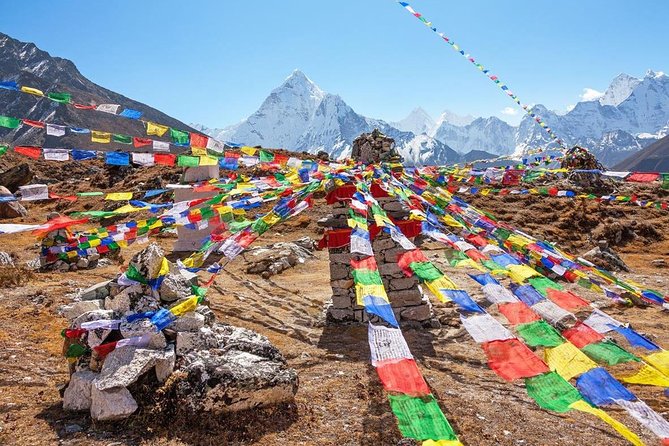
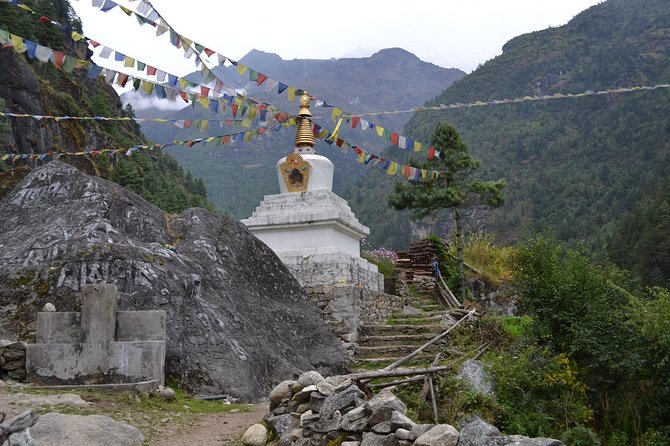
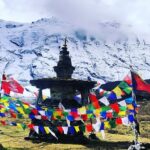
One of the most interesting parts of this trek is that culture isn’t just a checkbox. The route includes visits to monasteries along the way, plus flag prayers throughout the trail.
If you’ve only seen this region from photos, you might not realize how much meaning people attach to these visible spiritual elements. Even if you’re not religious, it gives you pause. It breaks up the day of walking with something different: a slower, more human moment.
This is also where you’ll get more than scenery. The experience is described as a blend of interaction with locals, showing you their lifestyle and mountain living. That’s the stuff that turns a trek into a story you’ll remember.
And if you’re traveling with others, these monastery stops can be a nice way to reset the group energy. Walking days can become all about legs and breathing. A cultural stop adds context.
Everest Base Camp days: what you should expect and how to pace it
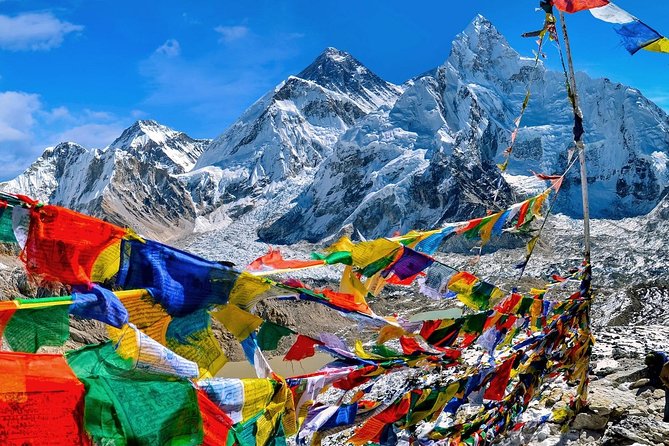
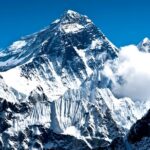
This is the “classic” Everest Base Camp trek, so the core point is reaching Everest Base Camp and experiencing the payoff views. The route description promises inspiring mountain vistas in the backdrop and rewards that keep you going through nerve-shaking ups and downs.
But the real “how” is what you should focus on. On treks like this, the biggest factor isn’t just your fitness. It’s pacing—how steadily you move and how well you listen to your body as altitude changes your breathing.
You’ll be doing lodge-to-lodge hiking for about 24 days (approx.), which usually gives enough time for a gradual rhythm rather than a sprint. That’s a big deal because sudden intensity is where problems start.
Also, note the support structure: you’re not traveling alone. Your guide and porters help you keep moving in a sane order, and a first aid kit is part of the deal.
My practical advice: plan your energy like you’re saving for a long day, not a short race. Everest Base Camp feels big because it’s cumulative. The final approach is the culmination of days of footwork.
The return flight to Kathmandu: why Lukla matters
The package includes the Lukla to Kathmandu flight, including departure taxes. That’s a key value item because it removes one of the most stressful unknowns for many trekkers.
You’re getting air transport at the end of the trek, which makes the recovery phase simpler. You don’t have to coordinate the last stretch of mountain travel on your own.
Once you’re back in Kathmandu, you’re likely to feel the contrast fast: fewer layers, more traffic sounds, and a very normal hot shower feeling like a special event.
If you’re sensitive to travel fatigue, this flight inclusion is worth appreciating. It’s one less variable you have to solve after a physically demanding trek.
Price and value: what the $1,835.90 really covers
The price is listed at $1,835.90 per person for roughly 24 days. That’s not cheap, but Everest Base Camp doesn’t live in the “budget” world—logistics drive cost.
Here’s what you’re paying for that actually reduces hassle and risk:
- 3 nights in a Kathmandu hotel with breakfast (Hotel Ramada Encore Kathmandu)
- private ground transport plus airport transfers
- guide + porters (1 for 2 people), with staff costs covered
- Lukla–Kathmandu flight with departure taxes
- gear support: down jacket and sleeping bag during the trek
- permits: Sagarmatha National Park permit fee + TIMS
- lodge-to-lodge accommodation (twin sharing)
- a first aid medical kit
- extras like the trek map, achievement certificate, and a T-shirt
What’s not included matters for budgeting. The info provided says:
- Meals are not specified in the included section (so you need to check what’s covered day by day).
- WiFi is not included during the trek.
- Cold drinks and snacks like coke, water, fanta are not included.
So my advice on value is simple: if you hate paperwork, stress, and gear shopping, this price looks more reasonable. If you’re fine handling logistics and you already own all your cold-weather gear, you might find cheaper alternatives. But you’d likely trade away some of the structured support.
Who this Classic Everest Base Camp trek fits best
This is aimed at people with moderate physical fitness. That doesn’t mean “casual stroll.” It means you should be comfortable with long walking days, variable weather, and the fact that altitude changes how hard walking feels.
It’s also a good fit if you:
- want a private tour just for your group,
- appreciate guide and porter support rather than self-guided planning,
- value culture moments like monasteries and flag prayers,
- and don’t want to manage permits and major logistics from scratch.
If you absolutely require WiFi on demand, you might be frustrated. If you hate cold nights, remember the trek includes a sleeping bag and down jacket, but the mountains still run cold.
Should you book this Everest Base Camp trek?
If your goal is Everest Base Camp with real support and fewer moving parts, I’d say this is a strong option to consider. The best signals are the practical ones: permits handled, TIMS included, gear provided for cold conditions, lodge-to-lodge stays, and a guide-and-porter structure that makes the hike more doable.
I’d book if you want:
- a well-organized, safety-minded trekking team vibe,
- monastery and flag-prayer culture stops alongside the big mountain goal,
- and less hassle with cold-weather equipment and logistics.
I’d pause if your budget depends on everything being fully meal-included, or if you need reliable WiFi during the trek. In that case, you can still go, but you’ll want to plan for meals and connectivity gaps before you commit.
FAQ
How long is the Classic Everest Base Camp Trek?
It’s listed as 24 days (approx.).
Where does the trek start and end?
It starts in Kathmandu, Nepal and ends back at the meeting point in Kathmandu. Start time is listed as 6:45 am.
What trekking gear is included?
You get a down jacket and a sleeping bag during the trek, plus a duffle bag for trekking items.
Are meals included during the trek?
Meals are listed as not included unless specified in the Meal Inclusions in the itinerary. The provided info does not list full meal coverage.
Is WiFi available during the trek?
No. WiFi internet during the trek is not included.
Is this a private tour, and do you provide porters?
Yes. It’s a private tour/activity with only your group. Porters are included at 1 porter for 2 people.