REVIEW · KATHMANDU
Everest Base Camp Trek 12 Days – Best Himalayan Adventure
Book on Viator →Operated by Scenic Nepal Treks Expedition Pvt. Ltd · Bookable on Viator
Everest Base Camp is one of those trips that keeps calling your name. This 12-day trek from Kathmandu uses experienced Sherpa guidance and a private setup (minimum two travelers) to help you focus on walking, acclimatizing, and the big mountain views.
What I like most is the practical safety structure: acclimatization days built in, a guide who knows the Khumbu rhythm, and a first aid kit plus staff insurance/equipment included. I also like the logistics that remove stress, like return domestic flights (possibly via Ramechap) and trekking permits handled for you.
The main consideration is altitude and weather. You’re hiking high, and flights to Lukla can be weather-dependent, so you’ll want a flexible mindset and a body that can handle long uphill days.
In This Review
- Quick hits: what stands out on this Everest trek
- Private trek energy in the Khumbu, without going solo
- Kathmandu start: getting your legs and plans lined up
- The Lukla flight: exciting, yes, but treat it like a real plan
- Namche Bazaar and Tengboche: classic Everest culture days
- Dingboche: where acclimatization turns from advice into strategy
- Gorak Shep and Kala Patthar: the hard part, with a payoff
- Tea-house lodging and how meals really work on this route
- Porter setup: less weight, more focus
- Safety and guide support: what the included support actually means
- Getting value for $1,439: what’s included and what you should verify
- Who this Everest Base Camp trek is best for
- Should you book this 12-day Everest Base Camp trek?
- FAQ
- FAQ
- Is this Everest Base Camp trek private?
- What flights are included?
- Are trekking permits included?
- Do I get a porter?
- Is vegetarian food available?
- How many people are in a group?
- What should I bring for cold weather?
- Can I cancel for a full refund?
Quick hits: what stands out on this Everest trek
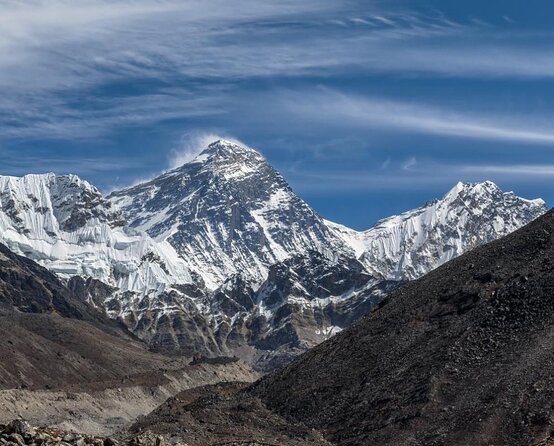
- Sherpa-led private trek with a minimum of two travelers and small-group operation (up to 10–15 depending on departure)
- Lukla flight included with return domestic flights, with possible departure from Ramechap
- Tea-house lodging for 11 nights on the trek, using twin sharing accommodation
- Permits and trekking support included, plus a first aid kit and staff insurance
- Porter support built in (for two hikers, one porter), with an option to add a porter
Private trek energy in the Khumbu, without going solo
This trek is set up as a private guided experience as long as your booking meets the minimum of two people. That matters because you’re not just another name on a big roster. Your Sherpa guide can pace the route to your group, manage acclimatization, and answer questions in real time.
You’ll also feel the benefit of a smaller trekking footprint. The information you’re given points to a cap of 10 travelers (and another detail says up to 15 per booking). Either way, you should expect a calmer trek than the biggest cattle-call departures.
The other quiet win: pickup is offered and you get a mobile ticket. That helps in Kathmandu when you’re tired from travel and trying to sort out details without burning a whole day.
You can also read our reviews of more tours and experiences in Kathmandu.
Kathmandu start: getting your legs and plans lined up
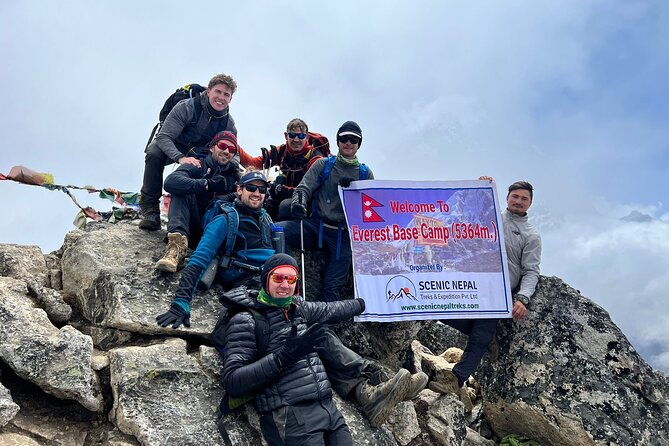
Your trip begins at Scenic Nepal Treks & Expedition Pvt. Ltd. on Bhagwati Marg in Kathmandu, and it ends back at the same meeting point. In between, you’ll have sightseeing excursions built into the schedule before the trek really starts.
For you, that early Kathmandu time is more than sightseeing boxes. It’s where you usually:
- confirm what you’ll need for the trek (especially cold-weather layers),
- double-check any documents like your passport details,
- and get a first feel for the pace of Nepal logistics.
One thing I’d do early: ask the company which guide you’ll be trekking with and when your departures are timed. The trek team runs with guides such as Dipendra, Shankar (chief guide mentioned in feedback), and others like Binod, Ramjee, and Santosh in different experiences. You’re not committing to a personality swap, but knowing the name helps you feel grounded.
The Lukla flight: exciting, yes, but treat it like a real plan
The trek uses domestic flights to reach Lukla, then your walking begins through the Khumbu villages. Domestic flight details matter on this route, and here you’ll want to note that flights may depart from Ramechap Airport.
Here’s the practical mindset I recommend: consider the flight part of the adventure, but plan for small delays. Mountain weather can change fast, and Lukla is a place where you can’t control everything. If you’re the kind of traveler who hates uncertainty, this trek still can work—just keep your schedule buffer and your expectations flexible.
Once you land, the vibe changes instantly. You’re no longer in cities or traffic. You’re in a mountain corridor where everything—from lodge rooms to trails—is built around altitude and walking.
Namche Bazaar and Tengboche: classic Everest culture days
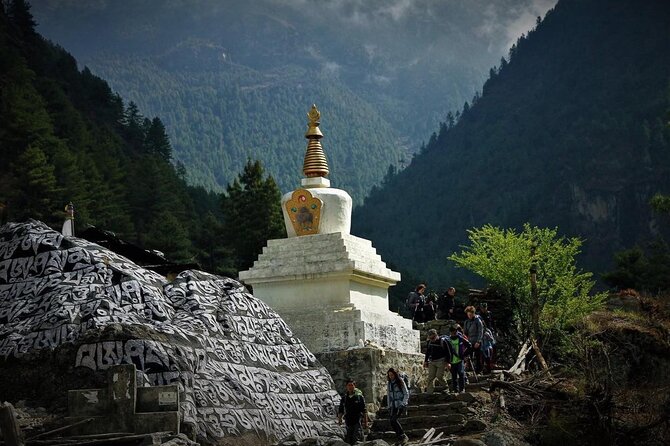
The route moves through some of the most recognizable stops in the Everest region. Two of the biggest ones for your day-to-day experience are Namche Bazaar and Tengboche.
Namche Bazaar is where you’ll feel the Khumbu trade and the Sherpa culture in a concentrated form. This is also where acclimatization starts to make more sense. You’re higher than Kathmandu and you’ll likely feel it in your breathing. That’s why the trek is designed with acclimatization days rather than pushing straight upward every day.
Then comes Tengboche, a stop that usually feels like a reset. The area is known for its spiritual side and sweeping mountain views, and it’s a great day to experience how Sherpa communities live with the mountains nearby. For you, it’s not just a photo stop—it’s a chance to slow down, look around, and realize this trek is as much about culture and daily life as it is about Everest.
Possible drawback here: after you arrive in the higher villages, you’ll want to be strict about rest and water. If you push too hard just because the scenery feels amazing, altitude can bite back. The good news is your Sherpa guide is there to keep you aligned with a safe rhythm.
Dingboche: where acclimatization turns from advice into strategy
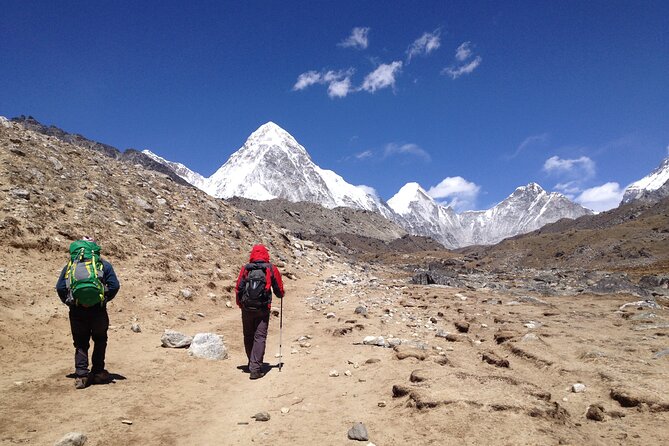
The next key village on this trek is Dingboche, and it’s a big deal because it’s one of the places where acclimatization becomes more than a rule. It becomes your strategy for staying functional later.
Expect longer, steeper stretches, and plan for the way cold and thin air can sap energy even when the trail seems straightforward. Tea-house trekking means you’ll be relying on rest and routine. That’s why the trip includes acclimatization days and a guided approach.
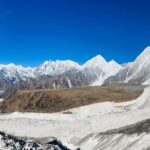
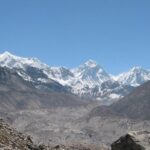
In this section of the trek, you’ll also start to feel how views get more dramatic. When visibility is good, the peaks can look close enough to touch. When visibility turns bad, you’ll be glad the schedule is structured around safety and gradual elevation rather than a sprint.
Gorak Shep and Kala Patthar: the hard part, with a payoff
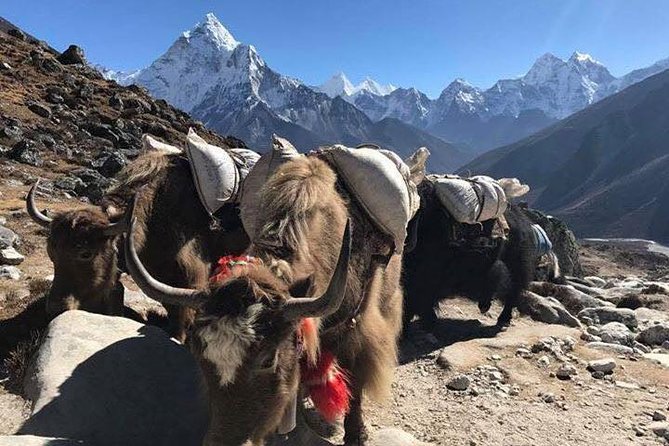
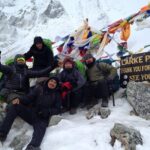
Reaching Gorak Shep is when the trek really flips into summit-mode energy. Even though you’re not always climbing a peak, the trail and the altitude make it feel like you’re working toward something.
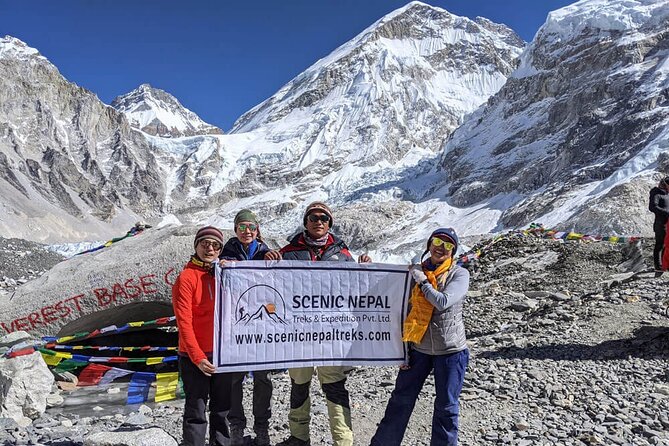
From Gorak Shep, Kala Patthar is the standout viewpoint. This is where sunrise timing is often the big reason people remember the trek. If you’ve ever watched sunrise over high mountains on a screen, you might assume it’s the same thing in real life.
It isn’t. Up here, cold air, wind, and the way the light catches Himalayan faces make the view hit harder. You’ll likely feel tired before you see anything worth it. Then you’ll see why people talk about it for years.
The consideration: plan for early starts and cold conditions. Your included trekking gear doesn’t replace your need for warm layers. The packing info you’re given includes a warm hat, scarf, gloves, a waterproof jacket, and a down jacket that depends on when you trek. If you underpack warmth, you’ll pay for it here.
Tea-house lodging and how meals really work on this route
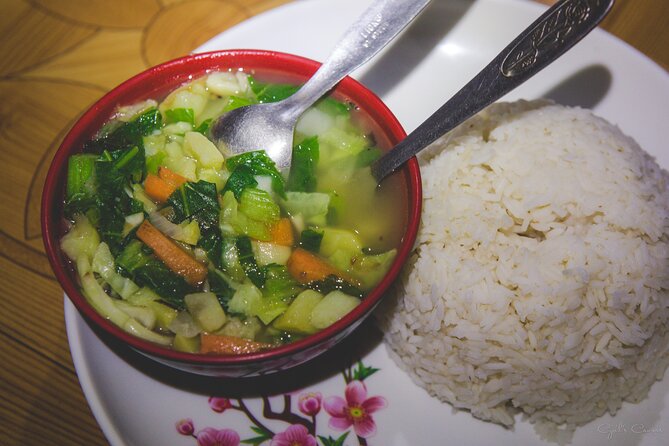
Your trek includes twin sharing tea-house accommodation for 11 nights. Tea houses are basic by design, and that’s part of the deal. You’re sleeping close to the life of the trail—warmth at night comes from layers and how good your lodge is at managing heat.
The tour description mentions meals as part of the journey, but the provided exclusions also list personal expenses and meals during the trek. So for you, the smart move is simple: ask the operator what meal plan is included in your exact departure (breakfast vs. lunch vs. dinner and any upgrade costs). That way you don’t end up surprised.
What I can say from a practical angle: tea houses are still your best friend for energy. You’ll want reliable carbs, warm drinks, and regular meals so your body can handle altitude and uphill days.
Porter setup: less weight, more focus
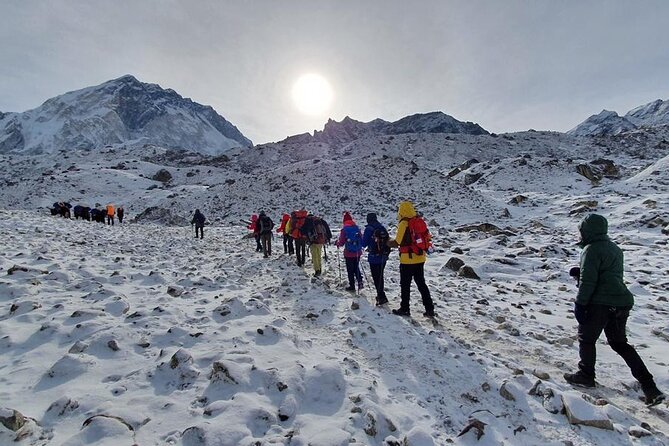
If you don’t want to drag a heavy backpack all the way to Base Camp and back, this trek helps. A porter is included, and the rule given is two hikers get 1 porter. There’s also an option to add a porter if you want even more reduction in what you carry.
This is a value decision. The porter cost is baked into the structure, and it usually pays off because you keep your own pack lighter for balance and comfort. You’ll still carry some essentials, but you’ll be walking with less fatigue in your shoulders and back.
If you’re thinking about doing this trek fit-to-beginner style, porter support can be the difference between enjoying the day and constantly fighting soreness.
Safety and guide support: what the included support actually means
You’re told you’ll be in the hands of an experienced Sherpa guide, and that’s the heart of this trip. A guide is not just someone holding a map. They set pacing, help manage acclimatization, and keep you from making altitude mistakes that feel harmless in the moment.
The included elements that help with confidence are also clear: staff insurance, medication and equipment, and a first aid kit. That doesn’t remove risk (altitude and weather always carry some danger), but it does mean you’re not guessing your way through.
For people who care about how the day runs, the guide names mentioned in experiences—like Dipendra and Shankar as key leaders, plus guides like Binod, Ramjee, and Santosh—hint at a team culture where safety and organization are treated as part of the job, not an afterthought.
Getting value for $1,439: what’s included and what you should verify
At $1,439 per person, this trek isn’t cheap. But you’re paying for more than “a walking route.” You’re paying for:
- Domestic flights to and from the trekking area (possibly via Ramechap),
- trekking permits,
- a Sherpa guide,
- tea-house lodging during the hike (11 nights),
- porter support (for two hikers, one porter),
- and included first aid/staff insurance support.
That’s the value story. Without those pieces, you’d be piecing together flights, permits, guides, and logistics on your own—and that’s time-consuming and often more expensive in the end.
Where I’d verify before paying is the meal situation, since the description references meals while the exclusions call out personal meals during the trek. Also confirm what’s included vs. what’s considered personal expenses. If you like clarity, ask for a written breakdown.
Finally, plan gear honestly. The provided packing notes are detailed and practical: warm hat, scarf, gloves, waterproof jacket, down jacket for low temperatures, plus basics like sunblock, lip balm, sunglasses, water purification tablets, and a sleeping bag/liner and duffel bag supplied by Scenic Nepal Treks. That helps you travel lighter if you need to.
Who this Everest Base Camp trek is best for
This is a strong fit if you want an iconic Everest trek with real local guidance and a structured acclimatization plan. The description says it’s for fit beginners to experienced hikers, which usually means the pacing is managed and rest days aren’t treated as optional.
It’s also a good match if you like cultural stops as much as mountain views—Namche Bazaar and Tengboche aren’t just scenery, they’re where you see daily Sherpa life and the rhythm of the region.
If you’re the kind of traveler who gets stressed by weather uncertainty, treat the Lukla flights as the one part that can test your patience. The trek is still doable with the right attitude and schedule flexibility.
Should you book this 12-day Everest Base Camp trek?
If you want a guided, organized Everest Base Camp trek with permits, flights, tea-house lodging, and porter support handled, I’d say this is a smart option. It’s designed to keep you moving while still giving your body a chance to adjust.
I would not book blindly if you’re unclear about meal inclusion or if you’re trying to pack so lightly that you’ll suffer in cold conditions. Ask those two questions up front: what meals are included for your exact dates, and what layers you should plan to bring for your month of trekking.
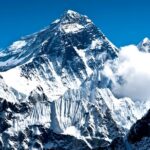
When those are sorted, this is the kind of trek that can turn into a lifelong memory—especially once you’re looking toward Kala Patthar with thin air in your lungs and Everest in front of you.
FAQ
FAQ
Is this Everest Base Camp trek private?
It’s described as a private guided trek with a minimum of two travelers per booking.
What flights are included?
Return domestic flights are included, and the flight may depart from Ramechap Airport.
Are trekking permits included?
Yes. All necessary trekking permits are included.
Do I get a porter?
A porter is included, with the information stating that two hikers share one porter. An option to add a porter is also mentioned.
Is vegetarian food available?
Yes, a vegetarian option is available if you advise the company at the time of booking.
How many people are in a group?
The details list a maximum of 15 people per booking, and also mention a maximum of 10 travelers. Ask your departure date for the exact group size.
What should I bring for cold weather?
The provided packing info suggests a warm hat, scarf, gloves, a waterproof jacket, and a down jacket depending on where/when you trek, plus layers like thermal underwear and fleece.
Can I cancel for a full refund?
Yes, free cancellation is offered if you cancel up to 24 hours in advance of the experience’s start time for a full refund.