REVIEW · ISLAMABAD
K2 And Gondogoro La Trek
Book on Viator →Operated by Trango Adventure · Bookable on Viator
Glaciers first, then K2, then a high pass. This private 20-day trek in Pakistan’s Karakoram puts you on the Baltoro Glacier with a guide at your side all the way, plus private transport to and from the trail. I also like the way the trip is built around real logistics, from airport pickup to daily meal planning, so you can focus on the mountains instead of the hassle.
Two things I especially like: the strong emphasis on acclimatization, including a “rest” day at Urdukas that’s meant to help you adjust better; and the attention to food and comfort while you’re working hard, with meals planned daily and a crew that keeps things moving. One consideration: the Gondogoro La crossing is extremely weather-dependent, and the schedule includes very early starts (including a roughly 2am attempt window).
In This Review
- Key points at a glance
- The core idea: K2 Base Camp plus Gondogoro La, done as a private package
- Arrive in Islamabad, then get your body ready
- Islamabad to Skardu flight: when the mountains show off
- Skardu side trips: forts, lakes, and a calmer pace before the trek
- Along the Indus to Askoli and Johla: first nights under the stars
- Paiju to Baltoro Glacier: the route gets serious
- Urdukas rest day: acclimatize with a purpose, not just “stand around”
- Concordia and Broad Peak Base Camp: where K2 starts teasing you
- Leaving the “main trail” for Gondogoro La approach
- Gondogoro La crossing window: crampons, harnesses, and a very early start
- From the pass back to greenery: Dalsangpa, Shaicho, and Saitcho
- Hushe village and the fast return to Skardu
- Skardu back to Islamabad: a long drive, with an optional stop
- Price and value: what you’re really paying for
- What gear and fitness should you expect, based on the route itself
- Who this K2 and Gondogoro La trek suits best
- Should you book this trek with Trango Adventure?
- FAQ
- How long is the K2 and Gondogoro La trek?
- Where does the trek start and end?
- Is this trek private?
- What’s the accommodation like?
- Are meals included?
- Do I need travel insurance?
- Is there a Gondogoro La crossing?
- What happens if weather is poor for the pass?
- Can I cancel for a full refund?
Key points at a glance
- Full-time guide and support crew for the entire trek, not just the easy days
- Urdukas rest day for acclimatization, with space for a calm recovery and a short walk
- Baltoro Glacier route with major viewpoints like Concordia and Broad Peak Base Camp
- K2 Base Camp walk timed as an early highlight day with time to enjoy the views
- Gondogoro La crossing on crampons and harnesses with roped travel on the West Vigne Glacier
- Mixed accommodations: camping nights during the trekking stretch, hotels in the towns
The core idea: K2 Base Camp plus Gondogoro La, done as a private package
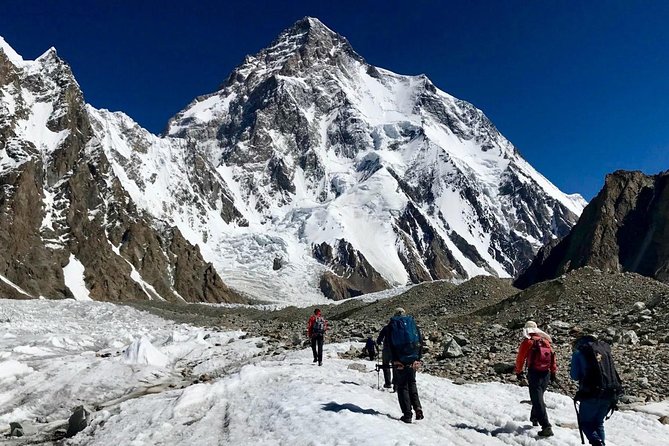
This trek is built around two headline experiences. First you work your way through the classic Baltoro Glacier corridor to reach K2 Base Camp. Then you shift focus to the Gondogoro La pass, crossing the glacier world between the Baltoro system and the Hushe side.
Because it’s private, you’re not sharing the rhythm of the trek with strangers. You’ll have your guide the entire time, and your team handles the logistics around transportation, meals, and camp setup. That matters here, because the big days are long and the weather can force changes.
You can also read our reviews of more tours and experiences in Islamabad.
Arrive in Islamabad, then get your body ready
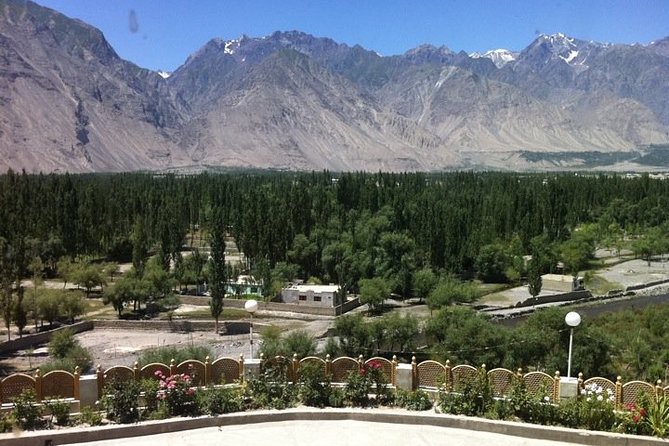
Day 1 is all about landing and resetting. Most international flights land at Islamabad International Airport in the mornings, so you’ll meet your guide, transfer to a hotel, and then have a day (or part of one) to recover. Later, once everyone is in, there’s a group briefing on the K2 and Gondogoro trek. If timing allows, you may also fit in some sightseeing around Islamabad, including the fact that it was designed as a planned capital city.
This is a good start for a high-altitude trek. You don’t want to treat Day 1 like a jam-packed city break. You want rest, easy movement, and time to get your gear settled before the travel days begin.
Islamabad to Skardu flight: when the mountains show off
Day 2 moves you from Islamabad to Skardu by air. The flight is weather permitting and takes about 45 minutes. On a clear day, you can get big views across the Himalaya and Karakoram ranges, and there’s even a chance to see Nanga Parbat (8126m). The plan also notes that you might catch glimpses of K2 and the Gandogoro Pass if conditions cooperate.
Once you land, Skardu becomes your launch pad into Baltistan. Your afternoon is flexible: you can explore the bazaar, visit forts, check out scenic lakes, or see ancient rock inscriptions. One specific stop mentioned is the 8th-century Manthal Lord Buddha Rock, which shows traces of older Buddhist influence before Islam.
Practical tip: Skardu is where your trek-story starts to feel real. Plan to spend this time pacing yourself and doing light walking, not burning energy you’ll need later.
Skardu side trips: forts, lakes, and a calmer pace before the trek
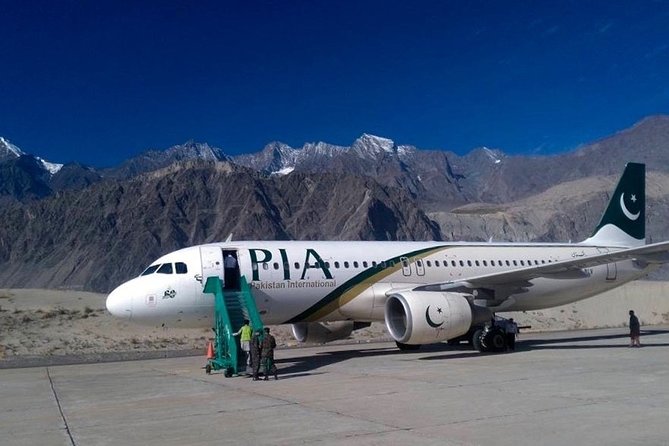
Day 3 stays in Skardu. In the morning you walk up to the remains of Kharpocho Fort, built in the early 1700s. The fort sits above town with views of the Indus River, and it’s a prime place for sunrise or sunset photos if you’re there at the right moment.
Then you head to an organic village area where crops are grown organically. After that, your afternoon has options, like a jeep tour to Satpara Lake or more time around the bazaar.
Why this day matters: it’s a gentle bridge between city travel and glacier travel. You’ll get scenic rewards without the physical demand of the trekking days.
Along the Indus to Askoli and Johla: first nights under the stars
Day 4 is a drive day that follows the Indus and its river valleys. You travel along the Indus, Shigar, and Braldu River toward Shigar Valley and Askoli, which is described as the last village before you push deeper into the Karakoram.
You’ll sleep your first night under the stars in Askoli (high above the Braldu River). Then you continue to Johla camp for the next night.
This is also where you start to notice the rhythm change. The scenery gets more dramatic, but more importantly, the pace shifts from sightseeing mode to trekking prep mode. You’ll likely feel the “reduce baggage, conserve energy” mindset take hold.
Paiju to Baltoro Glacier: the route gets serious
Day 5 begins early from Johla. The path runs near the river edge before climbing higher for big views of Paiju Peak. Along the way you negotiate streams, and depending on glacier melt, you might need to ford them. The trip notes that sports sandals or old trainers can be useful for that kind of crossing.
From Paiju, you get some of your first major glacier views. The plan highlights the Baltoro Glacier, plus granite peaks like Trango and Cathedral groups. If weather allows, you may even get a glimpse of K2.
Day 6 pushes you from viewing into moving on ice. You walk to the snout of the Baltoro Glacier, view meltwater pouring from the ice, then climb onto the glacier itself. The glacier is described as being covered by rubble and rocks at this stage, making the route tough even though you’re following expedition trails.
What I like about these two days: you don’t just jump onto the hard parts. You get the gradual transition from river valley trekking to glacier terrain.
Urdukas rest day: acclimatize with a purpose, not just “stand around”
Day 7 is shorter but hard. You work along the Baltoro’s lateral terrain, gaining height over undulating moraine. You pass major rock features like the Great Trango prow and the isolated pillar of the Nameless Tower, then reach Urdukas camp.
Day 8 is the acclimatization day at Urdukas. This is the “rest day” the trip specifically recommends as more helpful than resting at Paiju. Urdukas is described as the last campsite on grassy slopes off the main glacier. It also has washing and cleaning facilities, plus a pleasant walk behind the campsite through grassy slopes with alpine flowers.
The key idea spelled out in the plan: climbing high and sleeping low. In practice, you’re not doing nothing—you’re doing a lighter recovery while your body adjusts.
Concordia and Broad Peak Base Camp: where K2 starts teasing you
Days 9 to 12 are your classic Baltoro Glacier stretch, and each day has its own “why”:
- Day 9: You follow the moraine edge east, climb onto a broad stretch of the glacier, and camp on ice after passing glacier systems feeding into larger junctions. The plan calls out views that can include Muztagh, Masherbrum, Gasherbrum IV, and Concordia.
- Day 10: Trek to Concordia, described as some of the most spectacular mountain scenery anywhere. You pass Mustagh Tower, see Gasherbrum IV as a beacon, and watch Broad Peak come into view above the ridge. K2 is said to stay hidden until a particular moment near the end of the day.
- Day 11: Instead of camp-hopping toward K2 Base Camp too early, the itinerary uses a smart approach: camping at Broad Peak Base Camp for an amazing view of K2. You trek past jumbled ice fins and moraine ridges, reaching the medial moraine near the base of Broad Peak climbing routes.
- Day 12: An early walk to K2 Base Camp. The plan notes you can stop to enjoy K2 in one direction and look back to Concordia framed by Mitre Peak and Chogolisa. Then you return via Broad Peak Base Camp and descend Baltoro.
If you’re trying to decide whether this trek is worth it just for the K2 connection: this section is the payoff. The route doesn’t only get you there. It gives you changing angles and a sense of the whole system, not just one destination.
Leaving the “main trail” for Gondogoro La approach
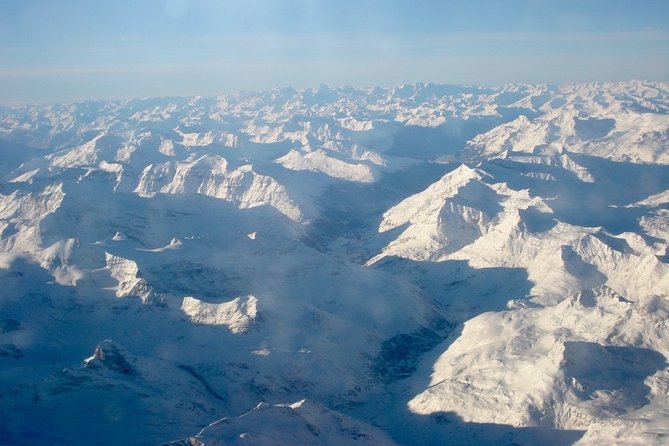
Day 13 is a change in flavor. You leave the main trekking trail and move along the Upper Baltoro, described as less traveled. You work across moraine ridges to reach the Vigne Glacier, which is flatter with fewer crevasses.
After 5–7 hours, you reach the confluence of the glacier with the West Vigne system coming toward the Gondogoro La area. You camp beside the junction on the moraine.
Why this matters: Gondogoro La is not a walk in the park. Day 13 sets up your body and your logistics for a glacier pass crossing by moving you into the terrain that feeds the pass approach.
Gondogoro La crossing window: crampons, harnesses, and a very early start
Days 14–16 are the pass segment and the schedule you should treat as the most weather-sensitive part of the itinerary.
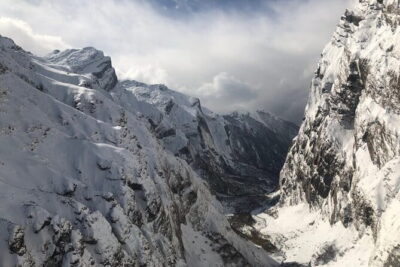
On Day 14, you start early before light breaks, probably around 2am. The goal is to minimize rockfall risk on the descent down the Hushe side of the pass. After fueling in the dining tent with breakfast, you put on crampons and harnesses and set off roped together over the West Vigne Glacier. It’s done in darkness with headtorches, stepping slowly over a glacier that’s described as sparkling in pools of light.
This is a tough day. The payoff is huge: the itinerary notes you can see all four 8000ers in one direction, and the other side opens down toward the Hushe Valley, with Leila Peak mentioned in the description.
Then come Day 15 and Day 16, built as buffer days for delays and weather. If conditions don’t allow the pass attempt when planned, these days provide another chance. If you do cross successfully, you may get a rest or exploration day, or you can choose to continue down to Hushe and spend a night.
What I’d tell you to plan mentally: treat the pass like a conditional goal. That’s not a flaw in the trip. That’s how mountain travel works.
From the pass back to greenery: Dalsangpa, Shaicho, and Saitcho
Day 17 begins with more glacier-to-moraine travel as you cross to reach the camping site at Dalsangpa, described as meaning field of flowers. You then walk to Shaicho, passing yak pastures and seeing the first trees after Paiju. Shaicho is a small village, and from there you descend to the valley bottom and camp at Saitcho (about 3350m), described as a sandy area of open ground.
The views in this section include Masherbrum and the glacier cascading down from Masherbrum Pass, which helps make the descent feel like more than just getting down safely.
Hushe village and the fast return to Skardu
Day 18 is your last trekking day. It’s described as an easier walk to Hushe village, which is larger and organized with alleys and buildings. Houses are described as built from rounded river stones, with animals downstairs and people upstairs. The village also includes some modern structures like a shop, school, a hotel, and a trekkers’ campsite.
Then your vehicles are already waiting, and you drive back through the Khapulu Valley. The itinerary notes a faster, smoother journey on a paved road along the Indus River into Skardu. You check back into a hotel and get some real time to relax.
If you’re the kind of person who hates the “trek ends, then still more stress” feeling, this part helps. It’s a more comfortable transition out of altitude.
Skardu back to Islamabad: a long drive, with an optional stop
Day 19 follows the Indus River back toward Islamabad using the KKH. The plan notes Skardu to Islamabad can take 18–20 hours by drive, with an optional overnight stay in Chillas if you want to break up the trip.
There’s also an “Upper Kachura Lake” stop listed after breakfast before heading toward Islamabad.
Day 20 is the clean finish: transfer to the airport for your flight home.
Price and value: what you’re really paying for
This trek costs $4,818.35 per person. That number is high, but the trip is also doing a lot: private transport, a guide for the full trek, a support crew, and a long plan that includes multiple camp nights, plus hotels in the start/end towns. It’s not just “a route on a map.” It’s a whole system that has to run reliably in one of the most logistically demanding parts of the world.
Meals are included in the trekking rhythm: 18 breakfasts, 17 lunches, and 18 dinners are listed as included. Accommodation is a mix of camping and hotels. Travel insurance is not included, and the trip is clear that you should get it before you go.
One more value point: the Gondogoro segment includes buffer days (Day 15 and Day 16). Those days cost time, but they reduce pressure on you if weather shifts.
What gear and fitness should you expect, based on the route itself
The itinerary is “most travelers can participate,” but the pass section makes it clear this is not a casual hike.
You’ll be moving over glacier terrain, and the trip explicitly calls for crampons and harnesses and roped travel on the West Vigne Glacier during the pass crossing window. Days also include early starts and long trekking time with stream fords near the start of the Baltoro corridor.
So if you’re considering this, be honest with yourself. You’ll want strong endurance, comfort with early mornings, and a calm attitude when conditions change.
Who this K2 and Gondogoro La trek suits best
This trek fits best if you want a classic Karakoram experience with real glacier time and you prefer not to DIY the logistics.
You’ll enjoy it most if:
- You want K2 Base Camp as a major goal, not just a side stop.
- You like a route with meaningful acclimatization steps, including Urdukas.
- You’re okay with uncertainty around Gondogoro La crossing timing and plan to treat buffer days as part of the adventure.
You might want to think twice if you:
- Hate very early mornings (the pass day is planned for around 2am).
- Don’t handle long drive days well, since the return trip from Skardu to Islamabad is listed as 18–20 hours.
Should you book this trek with Trango Adventure?
I’d book it if your goal is a guided, private K2 Base Camp and Gondogoro La journey with strong support and meals taken care of. The overall service score reads like a consistent pattern: airport pickup is smooth, the staff handle details carefully, and the food plan gets called out as excellent and filling. With a 4.9 rating and a 98% recommendation rate, this is clearly a trip that people feel organized on, even when the mountains get stubborn.
Don’t book it blindly if you’re short on flexibility. The Gondogoro La crossing is tied to weather, and the itinerary includes contingency days for that reason. If that kind of mountain timing stresses you out, you might feel better on a less weather-sensitive route.
If you’re ready for hard days, glacier travel, and a true pass experience, this is a serious and well-structured way to do it.
FAQ
How long is the K2 and Gondogoro La trek?
The trip is listed as approximately 20 days.
Where does the trek start and end?
It begins in Islamabad and ends in Islamabad, with transfers to the airport on the final day.
Is this trek private?
Yes. It’s a private tour/activity where only your group participates.
What’s the accommodation like?
Accommodation is a mix of camping and hotels. You camp during the trekking portion and stay in hotels in the towns.
Are meals included?
Yes. Dinner is included for 18 days, breakfast for 18 days, and lunch for 17 days. You should check the itinerary for exact meal timing.
Do I need travel insurance?
Travel insurance is not included, and you’re advised to get it before your trip.
Is there a Gondogoro La crossing?
Yes. The itinerary includes a Gondogoro La crossing plan using crampons and harnesses on the West Vigne Glacier, with a schedule that accounts for weather.
What happens if weather is poor for the pass?
The experience requires good weather. If it’s canceled due to poor weather, you’ll be offered a different date or a full refund.
Can I cancel for a full refund?
Yes. You can cancel up to 24 hours in advance for a full refund. If you cancel less than 24 hours before the start, the amount you paid will not be refunded.