REVIEW · MARRAKECH
3 Day Trek in the Atlas Mountains and Berber Villages from Marrakech
Book on Viator →Operated by Targa Travel & Trekkinginmorocco · Bookable on Viator
Three days in the Atlas can change your pace. This trek trades Marrakech street noise for High Atlas village trails and private transport, with a mule handling your bulk so you hike lighter. I also like the real-life rhythm of the trip—mint tea stops and home-cooked tagines along the way. The main catch is that organization and meal details (especially lunch) can be inconsistent, so you’ll want to confirm everything before you leave.
If you enjoy walking with a purpose—passes, viewpoints, small villages, and local hospitality—you’ll get a lot out of this. It’s rated 4.5 and consistently praised for guides who shape the pace to your group. Still, there’s enough variation in how the itinerary plays out that this is best for people who can stay flexible.
In This Review
- Key highlights I’d circle
- Leaving Marrakech for the High Atlas: what makes this trek feel “local”
- Price and what $145 covers (and what to budget extra)
- Day 1: Imlil, mint tea at a Berber home, then Tizi n’ Tamatert to Tachddirt
- Day 2: from Tinghourine/Tachddirt over Oudit Pass toward Ikkis, Aguersiwal, and Ait Aissa
- Day 3: Tizi Oussem, the Toubkal National Park waterfall, then Mzik Pass (2500m) back to Imlil
- The Berber-family feeling: food, tea, and the people behind the trek
- Pace, altitude, and choosing your difficulty level
- Organization and communication: the risk you should plan around
- What to pack for this High Atlas trek (cold nights included)
- Who this tour is best for (and who should skip it)
- Should you book this 3-day Atlas trek from Marrakech?
- FAQ
- What time does the trek start?
- How long is the experience?
- Is pickup from Marrakech included?
- What meals are included?
- Is lunch included?
- Do you need special hiking gear?
- Can I cancel for a refund?
- Is this a private tour?
Key highlights I’d circle
- Mule carry for your bags, so you can focus on the climbs
- Mint tea in Berber homes right after you leave Imlil
- Pass hiking at real altitude, including Tizi n’ Tamatert (2300m) and Mzik (2500m)
- Overnights in a guesthouse and a gite, with basic but workable comfort
- Guides who adjust the route, including when family members have different pacing
- A big waterfall visit in Toubkal National Park on day 3
Leaving Marrakech for the High Atlas: what makes this trek feel “local”
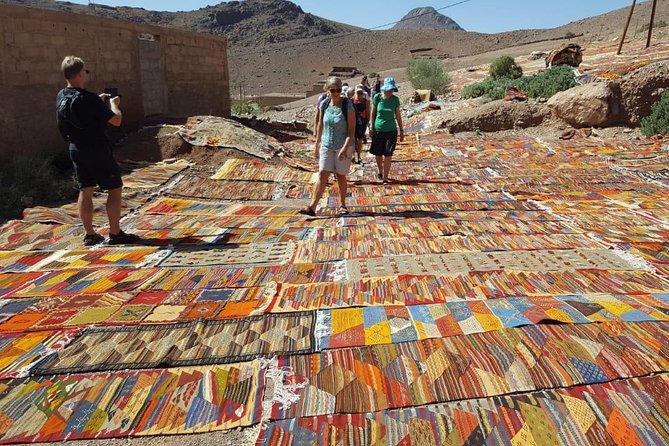
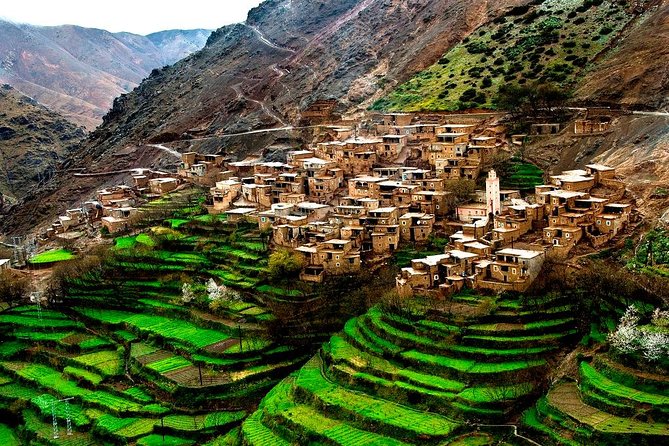
The value here isn’t fancy gear or a boxed itinerary. The value is that you leave Marrakech in the morning and spend your days moving through Berber valleys and villages—where you’re greeted, fed, and guided by people who know the routes.
You’ll start around 9:00am from Marrakech and head toward Imlil, the usual launch point for High Atlas treks. From there, your days are about hiking between small settlements, meeting families, and stopping for tea and meals that feel part of village life, not a performance for tourists.
One word of caution: this is a trekking experience, not a museum visit. Weather, timing, and group logistics can affect how smoothly your day goes, and a few reviews mention communication hiccups. If you’re the type who needs everything locked down to the minute, that’s where stress can creep in.
You can also read our reviews of more tours and experiences in Marrakech.

Price and what $145 covers (and what to budget extra)
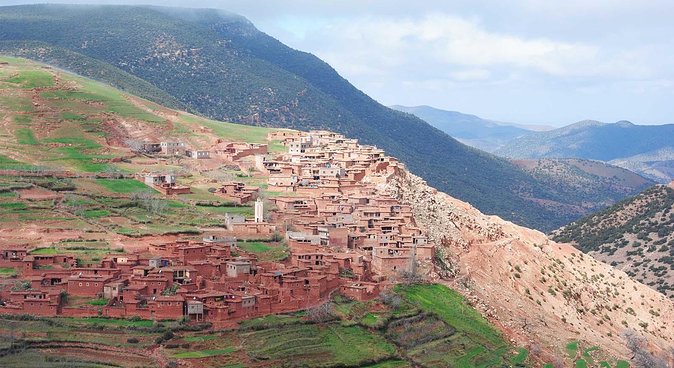
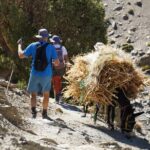
At $145 per person, you’re paying for a lot that would cost extra on your own. Included is private transport to and from your hotel, a local guide, accommodation, a mule to carry bags, and food for 3 days (breakfast and dinner). For many people, that alone makes this a fair deal.
What’s not included is mainly about what you’ll likely pay day-to-day:
- Soft drinks are not included.
- Lunch is not clearly listed as included (even though lunch is mentioned during the trek), and multiple reviews flag that you may need to pay at some point.
In practice, that means you should carry some cash and expect lunch to be an extra expense. Also, bring your own water strategy: some reviews suggest not assuming water is provided.
So is it worth it? If you get solid communication and your group follows the advertised multi-day hike, yes. If not, you can end up paying for the guiding and transport without getting the full rhythm you expected.
Day 1: Imlil, mint tea at a Berber home, then Tizi n’ Tamatert to Tachddirt
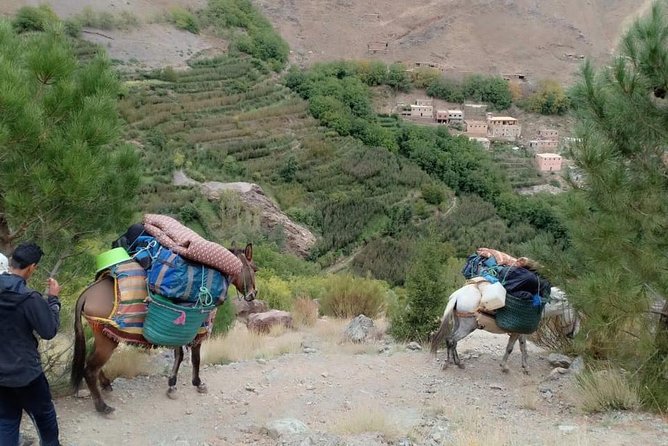
Day 1 starts with a drive out of Marrakech to Imlil, where you meet your guide and begin with a short warm-up walk. Soon after leaving, there’s a tea moment in a traditional Berber home—not just a quick stop, but a chance to see daily life up close.
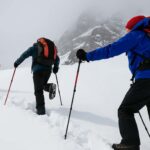
You’ll then hike through areas with views over multiple villages before heading toward Tizi n’ Tamatert (2300m). The pass is where the day starts to feel like a real High Atlas trek: more exposed air, more wind, and more of that “we’re really up here” feeling.
Lunch happens on the pass, and then you continue to your evening village stay, usually Tachddirt (also referenced as Tinghourine in some descriptions). You sleep in a guesthouse for night one.
What to watch for on day 1:
- The first day can feel a little chaotic if your group gets mixed with others, and a few reviews mention confusion around pick-up or matching the correct itinerary.
- The upside is that day 1 often sets the tone with scenery and that early dose of Berber hospitality.
Day 2: from Tinghourine/Tachddirt over Oudit Pass toward Ikkis, Aguersiwal, and Ait Aissa
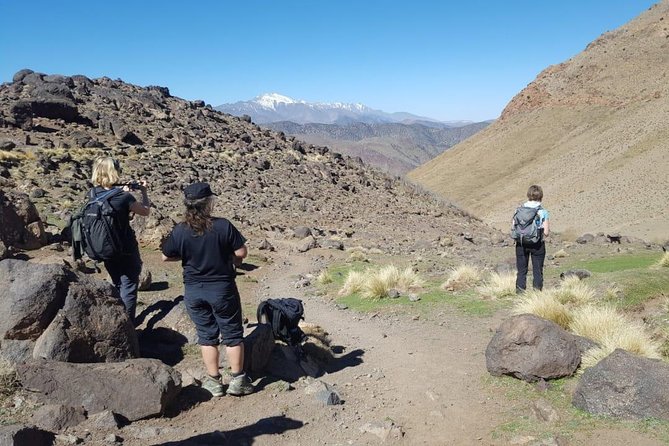
Day 2 is the “proper trek day” for most people: about 4–5 hours of hiking, moving between valleys and villages. The route heads from Tinghourine/Tachddirt toward Ikkis and Aguersiwal (2100m), then over toward Matat and Ait Aissa.
You’ll also pass Oudit Pass (2200m), and this is where you’ll feel the difference between “walking in the hills” and “crossing a mountain pass.” It’s not just distance—it’s uphill effort, altitude, and changing weather.
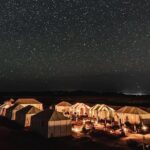
In the evening, you stay in a gite. One of the nicest touches: there’s a steam bath (hamam) option if you want it. Even if you skip it, the hamam gives you a nice way to recover after the day’s climb.
A comfort note from reviews: some people report hot water in these places, but don’t assume luxury. Bring the mindset of clean and functional, not hotel-level bedding.
Day 3: Tizi Oussem, the Toubkal National Park waterfall, then Mzik Pass (2500m) back to Imlil
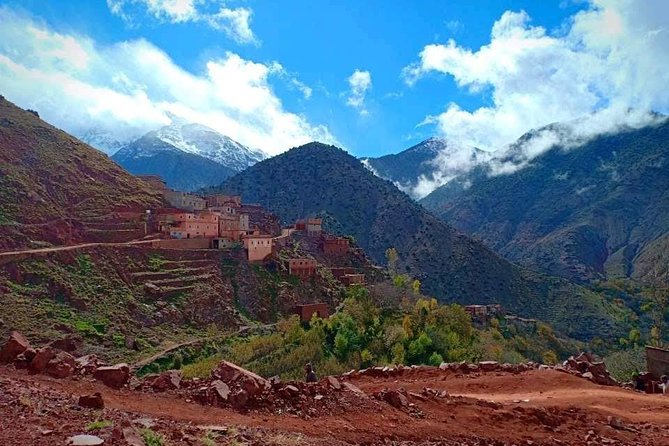
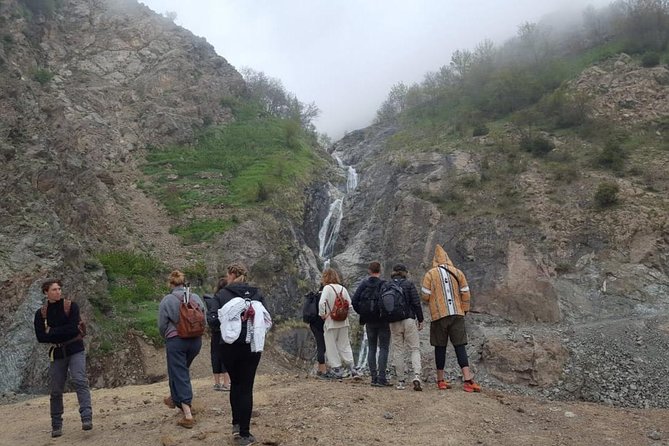
Day 3 is about payoff. You start with a visit to the biggest waterfall in Toubkal National Park. It’s a classic High Atlas moment: water dropping down in a dramatic setting after two days of hiking.
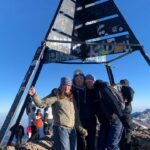
After that, you join the trail over Mzik Pass (2500m). This part is for the view-seekers: you’re high enough to see the valley spread out, and the air usually feels crisp.
Lunch is enjoyed around Mzzik, and then you hike down toward Imlil for the trek’s end. From there, you’re transferred back to Marrakech.
The last day is often the one where your body protests least and your photos look best. But pace matters—day 3 includes a real pass, so don’t treat it as a casual stroll.

The Berber-family feeling: food, tea, and the people behind the trek
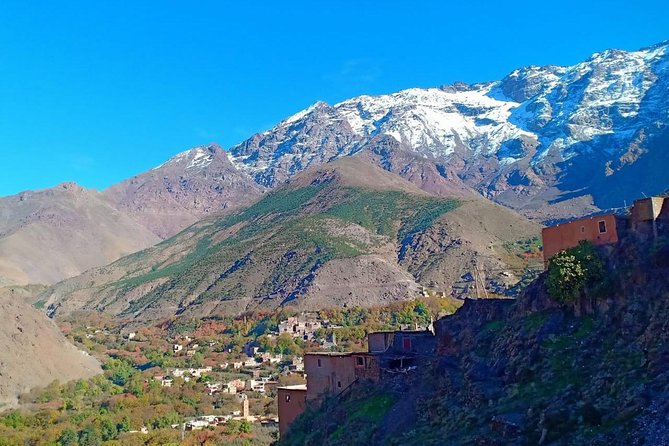
This is the part that most strongly separates a trek from a scenic walk. The itinerary is built around Berber village life, including a tea stop in a home and meals that come from local cooking.
You’re also not just getting a guide—you’re getting a crew. Multiple names show up in guides and staff roles, including Hossain, Idris, Idris, Mohamed, Marwan, Omar, Hassan, Larbi, Abdul, Driss, Abraham, and Mohammed. What matters isn’t the name on a poster; it’s the way the better guides explain what you’re seeing and adjust the pace.
One very practical win from the best-guided trips: they’ll often match your walking speed. Reviews mention routes being modified so a 60-year-old and a younger hiker could still enjoy the day without someone getting steamrolled.
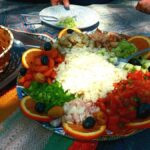
Meals are typically breakfast and dinner included, and lunch may be extra depending on the day and how it’s handled. You’ll likely eat tagine-style comfort food, and the cooking role is sometimes handled by a cook who also supports the mule-bag workflow—so your meal shows up when it should.
Pace, altitude, and choosing your difficulty level
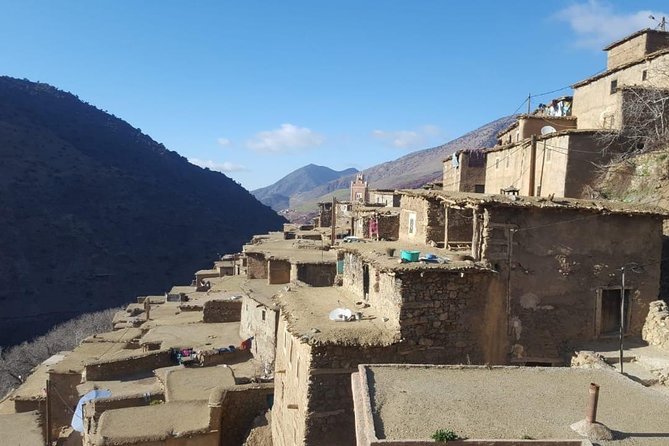
Your experience depends on the hiking mode your group ends up doing. The tour description says there are three tailored experiences based on fitness level, ranging from a 4–5 hour daily hike to a gentler option with a mule ride. That flexibility is a big deal if you’re traveling with mixed abilities.
Even on the moderate side, the pass altitudes matter:
- Tizi n’ Tamatert (2300m) on day 1
- Oudit Pass (2200m) on day 2
- Mzik Pass (2500m) on day 3
What this means for you: you don’t need to be an elite hiker, but you do need steady legs and good breathing. If your fitness is low, the gentler option is worth requesting early.
Also, plan for cold nights. Reviews mention warm layers and a down jacket as helpful, especially late in the year. Blankets are often provided, but cold can still bite when you’re resting after a day on the move.
Organization and communication: the risk you should plan around
I’ll be blunt here because it affects your stress level. Many reviews love the guides, but several call out poor communication and disorganization from the tour company side.
Common issues mentioned include:
- Difficulty getting a clear meeting point or pick-up timing before the hike day
- Being mixed with the wrong group and losing time on the main hiking day
- Lunch charges or lunch expectations not matching what you thought was included
- Leaving you in a village and then scrambling for answers due to no contact
Guides often fix what they can. You can still end up with an amazing trek if your guide is on it. But because communication is a weak link in some cases, do this:
- Confirm pick-up details clearly before departure.
- Bring extra cash for meals if you’re unsure.
- Don’t book this trek as your one and only fixed plan if you have tight downstream schedules.
What to pack for this High Atlas trek (cold nights included)
The tour advises walking shoes, sunglasses, sun cream, and a camera. I’d add the stuff that keeps you comfortable:
- Warm layers for nights after the passes (people report it can be very cold)
- A warm jacket/down layer even if the Marrakech heat tricks you in the afternoon
- A daypack for water and personal items
- Cash for lunch if it turns out to be extra on your dates
- Your best hiking socks (your feet will thank you)
Also, start with shoes you’ve broken in. Pass hikes don’t care if your boots are new and stiff.
Who this tour is best for (and who should skip it)
This trek is a strong fit if you want:
- A real village experience more than a checklist
- Guided hikes with someone who can explain what you’re seeing
- A cultural break from Marrakech
- A trip where the pace may be adjusted for your group
It may not be the best fit if you:
- Need extremely strict scheduling with zero surprises
- Hate the idea of possible extra lunch costs
- Get anxious when communication is slow
If you’re traveling as a couple, small group, or family and your group can stay flexible, the experience can be excellent—especially with a guide like Omar, Marwan, Mohamed, or Abdul, whose names show up in strong reviews.
Should you book this 3-day Atlas trek from Marrakech?
I’d book it if your top priorities are walks between Berber villages, mountain passes with serious views, and that mix of tea, home cooking, and local guiding. The included package—transport, guide, lodging, dinner and breakfast, plus mule-borne bags—makes it good value for the time you’re spending in the mountains.
But I’d also book it with eyes open. You should confirm meeting details early, budget for lunch, and assume nights are basic but workable. If you do that, you’ll be far more likely to land on the best version of this trek: the one where the guide makes the days feel personal and the passes feel earned.
FAQ
What time does the trek start?
The start time is 9:00am.
How long is the experience?
It’s 3 days (approx.).
Is pickup from Marrakech included?
Yes. Private transport to and from your hotel in Marrakech is included.
What meals are included?
The tour includes breakfast and dinner for 3 days. Soft drinks are not included.
Is lunch included?
Lunch isn’t listed under the included meals. The trek description mentions lunch during the hike, but you should be ready that you may need to pay for it.
Do you need special hiking gear?
Walking shoes are recommended, along with sunglasses and sun cream. Warm layers can help because nights can be cold.
Can I cancel for a refund?
Yes. You can cancel for free up to 24 hours in advance for a full refund.
Is this a private tour?
Yes. It’s described as private, meaning only your group participates.