REVIEW · CHIANG RAI
Chiang Rai: Jungle Adventure-Group Trekking & Bamboo Cooking
Book on GetYourGuide →Operated by Scorpions Tours Chiang Rai · Bookable on GetYourGuide
Jungle walks in Chiang Rai end in warm water. This one-day outing mixes hill-tribe village stops, bamboo cooking, and a real chance to cool off at a waterfall dip. You also finish with a mineral hot-spring soak, which is a smart way to recover after a long hike.
I especially love how practical it is. You get a guided route through bamboo forest, rice fields, and farmland, plus hands-on bamboo lunch with tools like chopsticks and bamboo utensils made along the way. The main drawback: you should expect moderate-to-sturdy hiking (about 10–12 km over roughly 5 hours), plus slippery bits and mud depending on rain.
In This Review
- Key highlights worth planning for
- Why this Chiang Rai day trip beats temple-only days
- The day in numbers: 10–12 km, about 5 hours of moving
- Pickup at 9:00 and how the day usually starts
- Pa Soert Hot Spring to the tea plantation: the route’s core rhythm
- Hill-tribe village visits: Lahu, Akha, and China Village stops
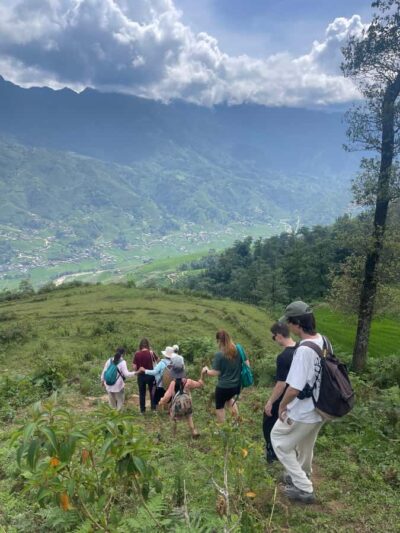
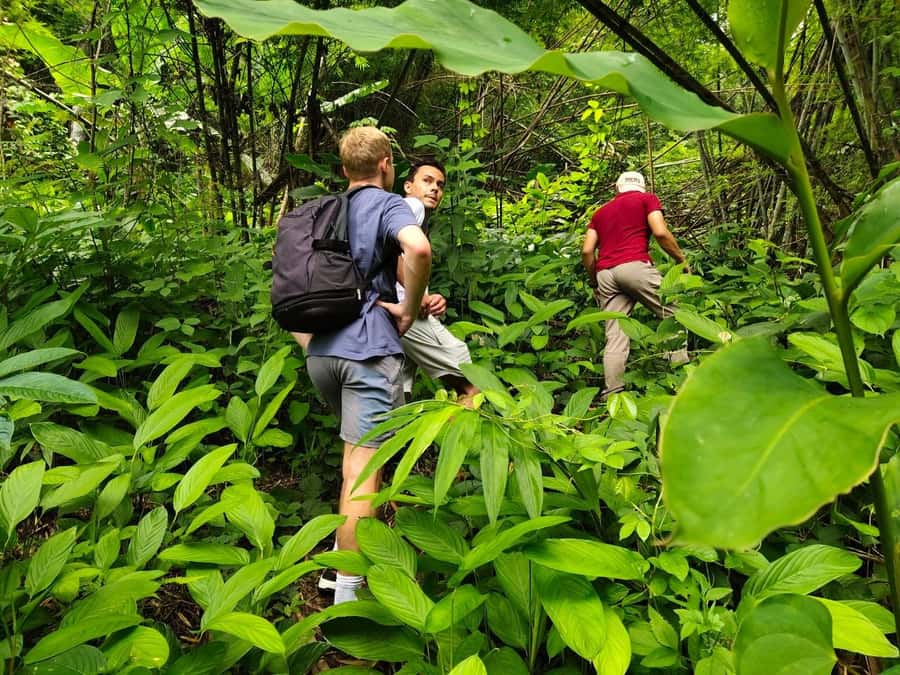
- Bamboo forest and farm-country hiking: the parts that make you slow down
- Bamboo cooking lunch: what you do and why it feels different
- The waterfall swim: bring swimwear and plan for cold water
- Hot-spring mineral soak: the end of the hike that actually matters
- Price and value: where the $80 goes
- What to bring so the trek stays fun
- Who should book, and who should skip this jungle trek
- Guide personalities: the day feels lighter with Wat, James, and friends
- Should you book Chiang Rai Jungle Adventure with bamboo cooking?
- FAQ
- How long is the Chiang Rai jungle trekking and bamboo cooking experience?
- What time does pickup happen in Chiang Rai?
- How far will I walk during the tour?
- Is the tour offered in English?
- What should I bring for the waterfall and hot spring parts?
- Is lunch included, and what kind of lunch is it?
Key highlights worth planning for
- Bamboo cooking lunch with handmade tools such as bamboo chopsticks and utensils
- Village route that can include Lahu, Akha, and China Village stops
- Waterfall time with a swim where you’ll want your towel and swimwear ready
- Pa Soert Hot Spring area timing as part of the hike-to-countryside route
- Hot-spring mineral soak at the end to reset your legs
- English guide with a fun, animated style, often with names like Wat and James mentioned in guide teams
Why this Chiang Rai day trip beats temple-only days
Chiang Rai is famous for temples, but this is the day you trade rooftops for trails. You’re out in northern Thailand’s countryside moving through bamboo forests, rice fields, and farm lanes, with stops that explain how people live and work nearby.
The best part is that it’s not just walking. You get to do something with your hands during the bamboo cooking segment, then cool off with a waterfall swim, and finally soak at the hot springs. That mix turns a hike into a full experience, not a chore with lunch at the end.
And if you’re traveling with people who don’t all want the same pace, this still works. The guides keep moving but also stop often, so you’re not stuck marching the whole time.
You can also read our reviews of more tours and experiences in Chiang Rai.
The day in numbers: 10–12 km, about 5 hours of moving
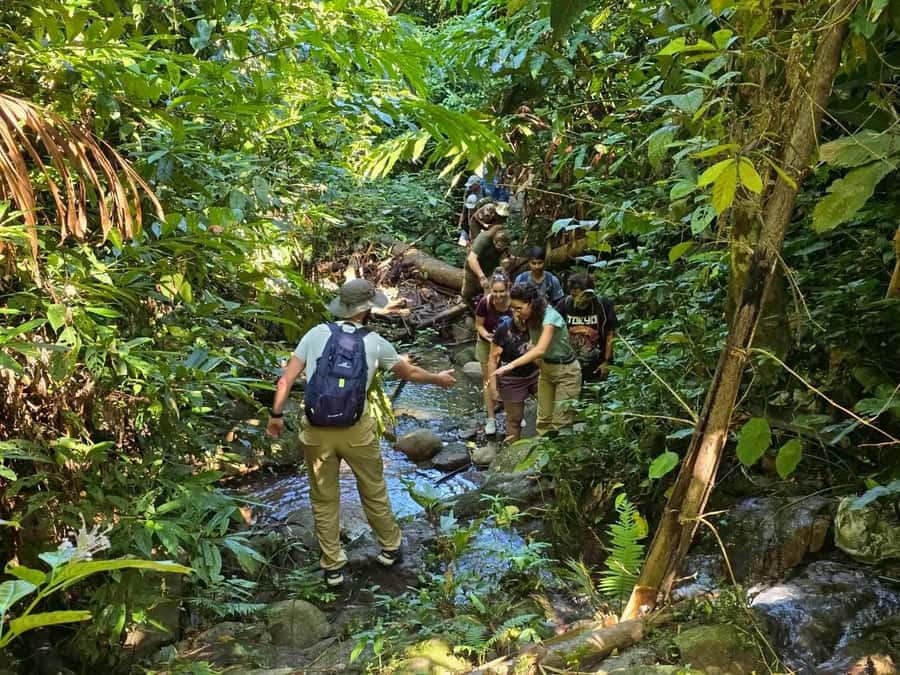
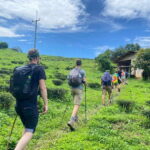
The route is built around a total walking distance of about 10–12 kilometers and around 5 hours on the trail. “Moderate” is the right word, but a few sections can feel harder—especially uphill stretches, rocky or stony paths, and wetter ground after rain.
What I like about this pacing is that it’s long enough to feel like you really went into the jungle, not a short photo-walk. At the same time, it’s not described as a multi-day trek where one wrong decision ruins the whole schedule.
Your real challenge is energy management. Bring water, eat when the breaks come, and don’t try to force speed. When the trail turns slippery, you’ll be glad you planned for it.
Pickup at 9:00 and how the day usually starts
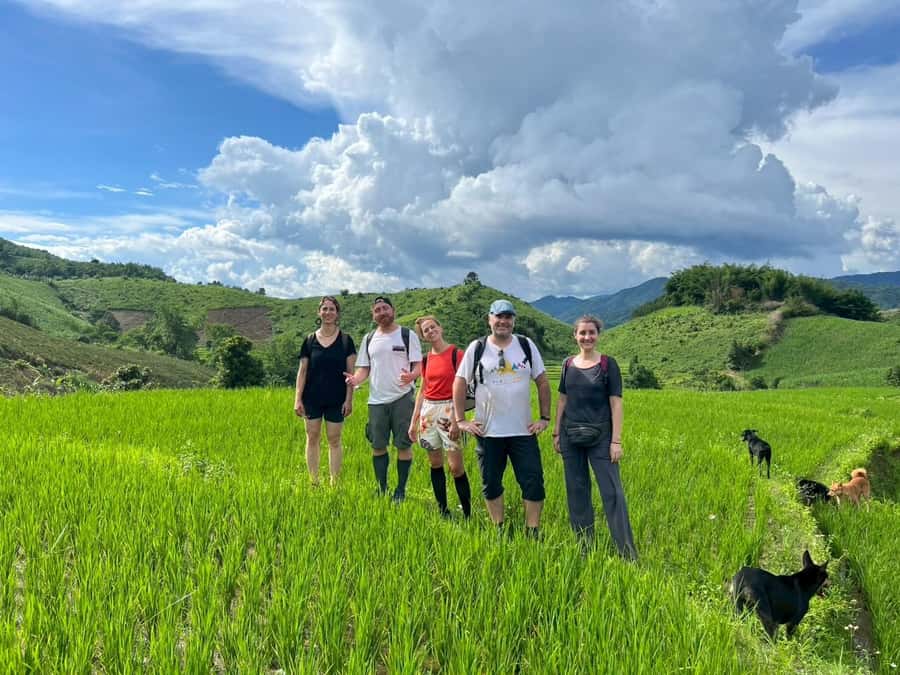
This tour includes pickup from the office area, with convenient transportation from downtown Chiang Rai within about 3 kilometers. You’re asked to be ready in your hotel lobby at 9:00 a.m., and pickup begins promptly.
The timing matters because the day fills up fast. You’re not just hiking; you’re also dealing with village visits, bamboo cooking preparation, and a waterfall swim window. When you’re on time, you get smoother transitions and fewer “rush moments.”
At the end of the day, you return to the same meeting point, which makes it easy to plan dinner afterward. If you like a day trip that doesn’t require extra logistics thinking, this is set up for that.
Pa Soert Hot Spring to the tea plantation: the route’s core rhythm
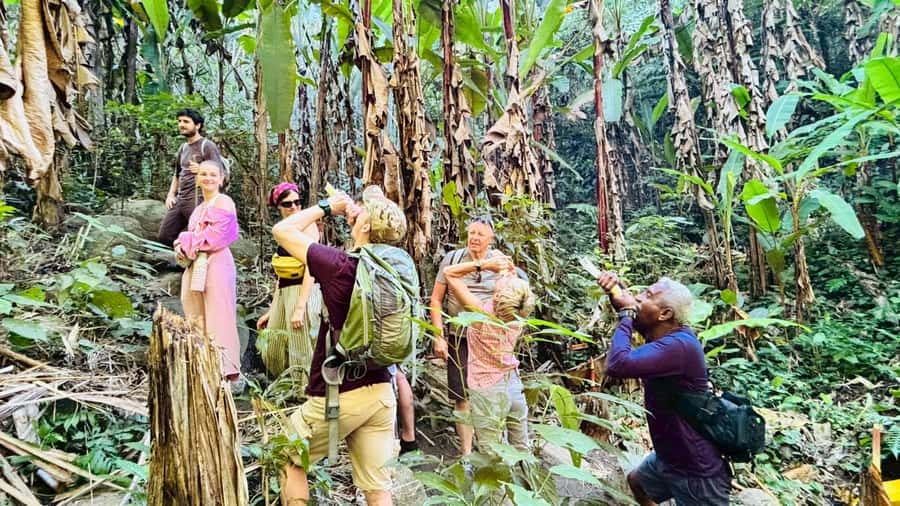
The journey includes hiking from Pa Soert Hot Spring toward a tea plantation area, then onward through bamboo forests and countryside fields. That matters because the day has a steady rhythm: move through terrain, pause to learn or snack, then move again.
Starting near hot springs also changes your mindset. Instead of immediately marching into heat, you begin with a natural anchor point in the day’s setting. It’s a “get oriented” kind of start, especially if it’s your first full outdoor excursion in northern Thailand.
Along the way, you can expect variety. The route is described as passing bamboo areas, farmland, and rice fields, so you’re not stuck in one type of vegetation or one type of ground. Your eyes get a break from the sameness factor, which makes a 10–12 km day more bearable.
Hill-tribe village visits: Lahu, Akha, and China Village stops
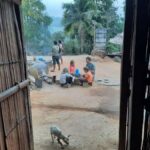
One of the biggest values here is the cultural stop-and-walk approach. The route may include visits to Lahu, Akha Village, and China Village, plus the kinds of countryside communities that exist around the trekking route.
This isn’t presented as a staged museum stop. It’s more like you’re walking through real daily life at a pace slow enough to notice details. Guides are expected to explain what you’re seeing—plants, village routines, and how people live in the area.
From guide descriptions in the reviews, the guides often mix humor with on-the-spot explanations. Names like Wat and James show up repeatedly, and the style described is animated without turning the day into pure performance.
A practical note: village visits can involve uneven ground and walking that doesn’t feel perfectly “path-like.” Wear footwear you trust for traction, and be ready for small changes in schedule if a stop takes a bit more time than expected.

Bamboo forest and farm-country hiking: the parts that make you slow down
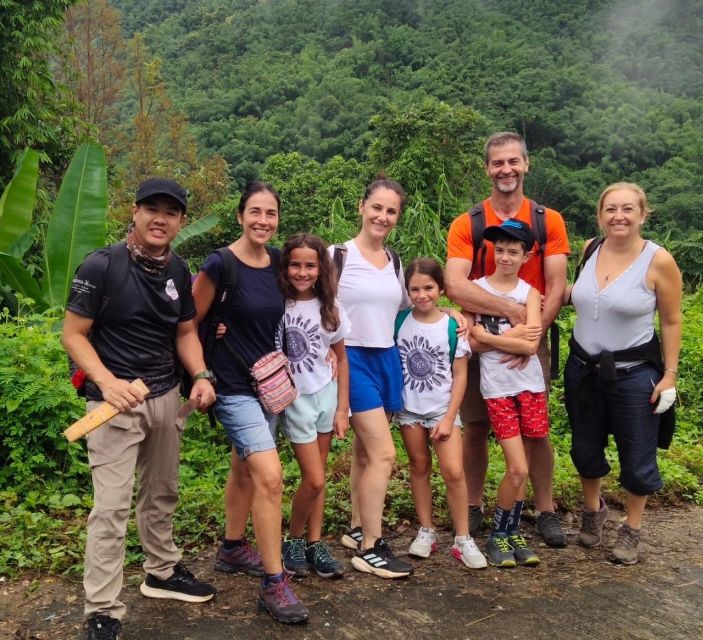
This tour covers more than one terrain type. Reviews mention crossing little rivers, dealing with steep hills, and walking through bamboo forest and farmlands. That’s exactly the recipe for a hike that feels alive.
The “slower moments” are normal here. Expect stops for photos, explanations, and short regrouping. If you’ve got older knees or you just don’t hike often, you’ll likely be fine if you’re willing to move at a steady pace and not treat it like a run.
The main consideration is weather. During rainy periods, routes can be muddy and slippery. People mention getting dirty and slipping around, and one review specifically advises grippy shoes during rainy season. Plan for that reality even if the forecast looks mild.
Bamboo cooking lunch: what you do and why it feels different
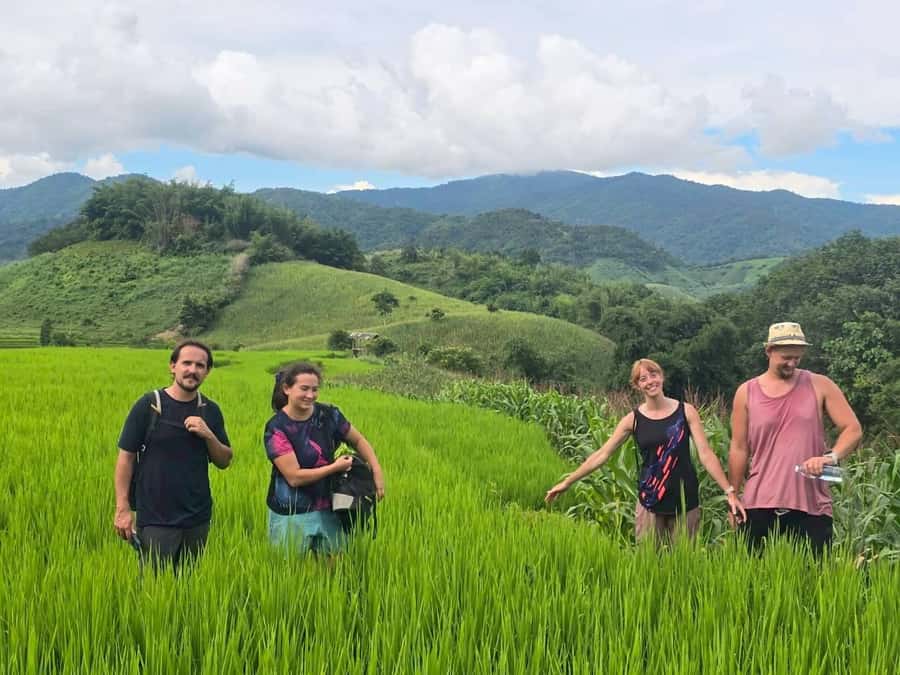
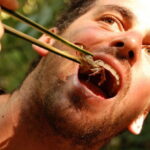
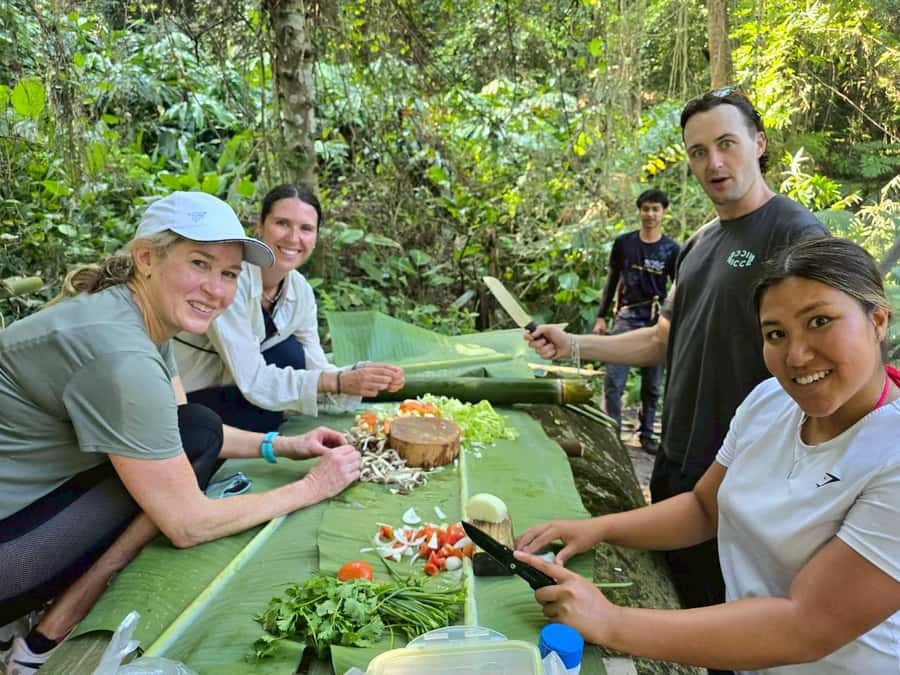
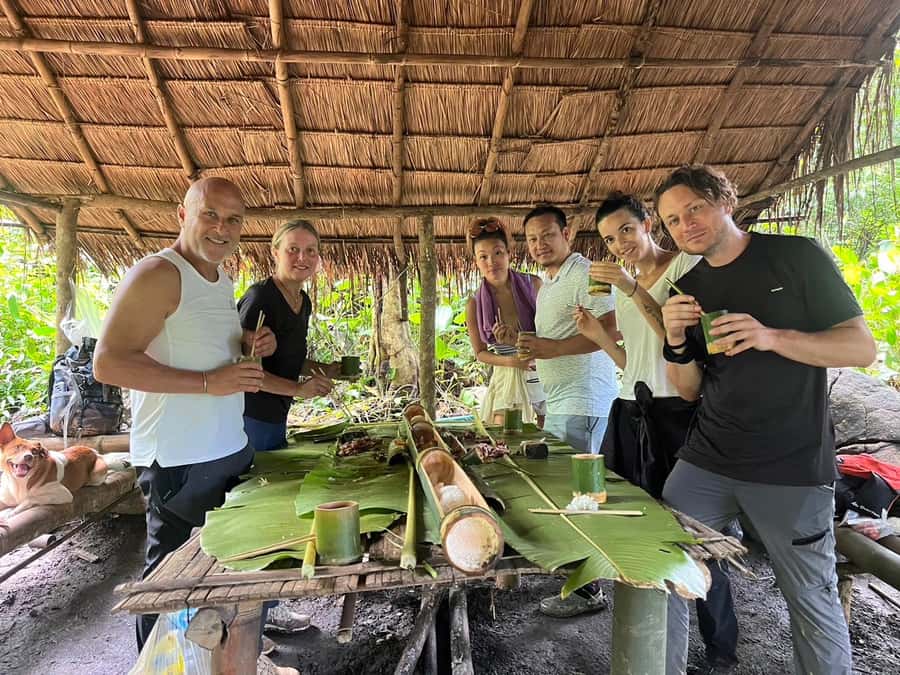
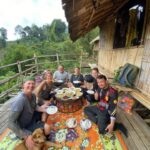
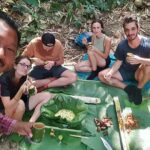
This is the signature moment. Bamboo cooking isn’t just “food in bamboo.” It’s the process—making or preparing bamboo items and then using them for the meal.
You’ll get a bamboo lunch with a setup described as using handmade items such as:
- bamboo chopsticks and spoons
- plates made with banana leaves
- bamboo cooking vessels used over an open setup
Many reviews highlight that the guide team makes the utensils during the trip, so it becomes part craft lesson, part lunch. You might not be the person building every tool from scratch, but you’ll likely help with small tasks. That’s more fun than watching someone else do everything behind the scenes.
Also, the lunch is positioned as a full reset for your body. You get real fuel mid-hike, not a snack that disappears in five bites. When the rest of the day includes a waterfall and hot-spring soak, that meal is timed well.
Food quality comes up repeatedly. People describe the bamboo-cooked dishes as tasty, and the whole lunch setup is described as rustic and memorable.
The waterfall swim: bring swimwear and plan for cold water
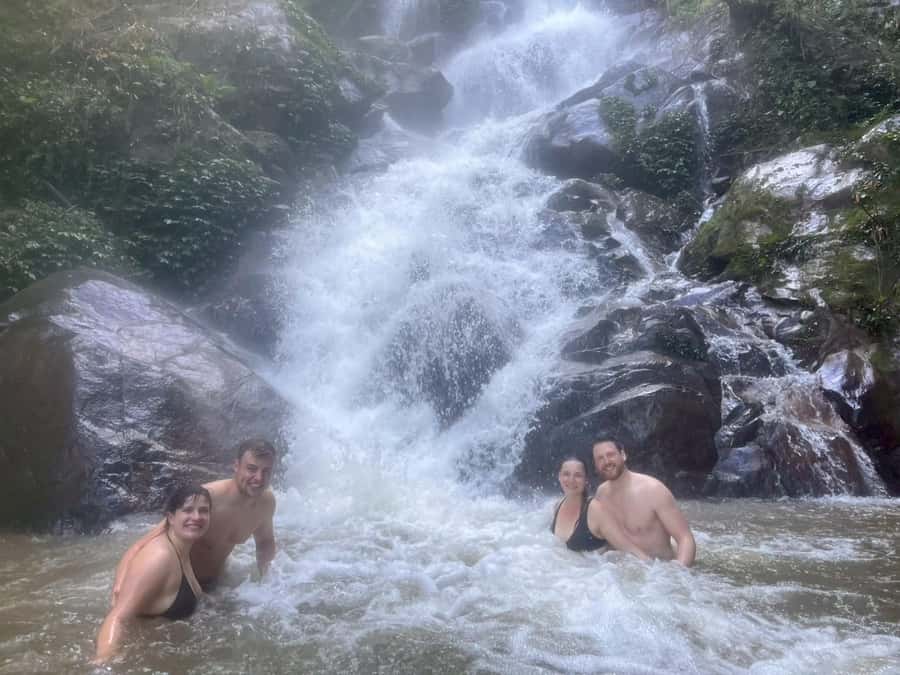
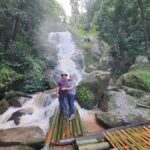
You’ll stop at a waterfall described as the second largest waterfall in Chiang Rai. The tour specifically tells you to bring a swim kit, and reviews confirm there’s time for a dip.
Two things to expect: the water can be fairly cold, and it’s refreshing after the hike. If you hate cold water, you might still enjoy the experience from the edge with your towel ready. But if you like a proper swim break, bring a towel you’re okay getting sandy-wet.
The practical downside is the ground around the waterfall can be slick—especially after rain. Pack hiking shoes that can handle wet surfaces, and avoid sandals if the path gets muddy.
If you’re the type who hates “one sudden cold moment,” you’ll still probably enjoy the break once you’re in. The day is built so the swim feels like a reward, not an extra obligation.
Hot-spring mineral soak: the end of the hike that actually matters
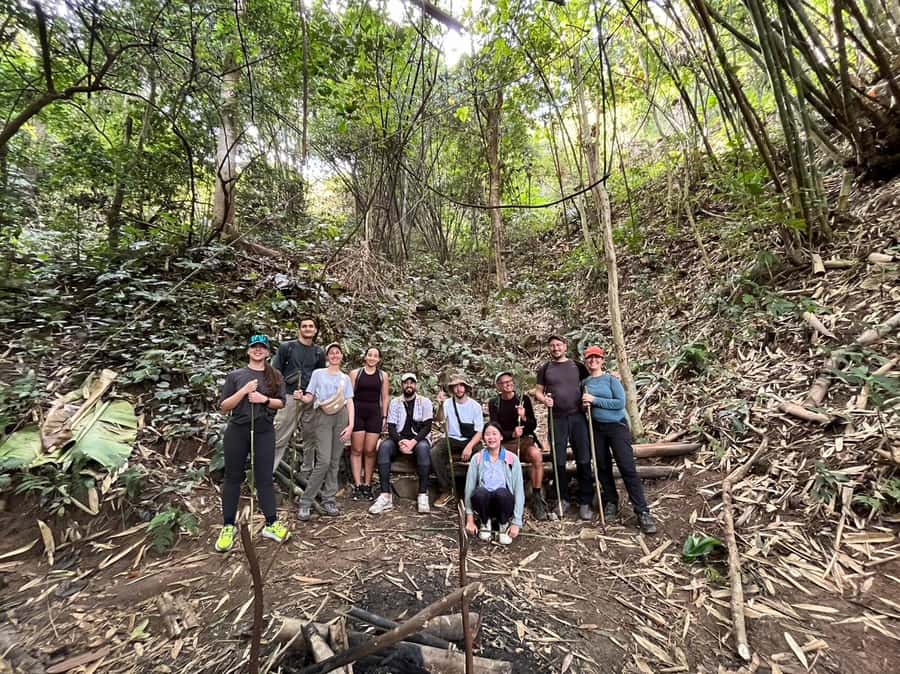
After hiking and swimming, the tour ends with a hot spring mineral water soak. That’s one of the best “value-for-effort” parts of the itinerary.
A long day like this leaves your legs tight. Soaking is a simple recovery tool, and it also makes the day feel complete. Instead of scrambling for a massage or rushing home to shower, you get the reset built into the schedule.
One note from the package details: it says a swimming pool admission ticket is not included. The tour itself includes relaxation in the hot springs, but if you’re trying to budget perfectly, it’s worth checking whether any on-site admission for the hot-spring pool area applies. For most people, it won’t ruin the day, but it’s good to know so you’re not surprised at checkout.
Price and value: where the $80 goes
At $80 per person for about one day, the key question is what’s included versus what you’d otherwise pay. This tour includes:
- transportation to and from downtown Chiang Rai within about 3 km
- a complimentary bottle of water
- the bamboo cooking lunch
- travel insurance
- an English live guide
- assistance for dietary needs via the guide contact (Gift)
That’s real value if you’d otherwise hire a private guide, pay for a vehicle, and arrange your own waterfall/hot-spring timing. You’re also not expected to coordinate the route yourself, which is a big deal if you don’t want to waste half a day sorting transport.
The only part that may cost extra is related to admission for the hot-spring pool area (the package says a swimming pool admission ticket is not included). Everything else is bundled in a way that keeps your planning simple.
If you’re in Chiang Rai for just one extra day and you want something active but structured, $80 feels fair for the mix of guiding, transport, and full-day activities.
What to bring so the trek stays fun
The tour lists what you should pack, and I agree with all of it. Bring:
- swimwear and a towel
- hiking shoes (or sports shoes with grip)
- sportswear and hiking pants
- snacks, plus plenty of water capacity
A couple “do this in real life” tips from the experience style here:
- Add sun protection. Reviews mention sun cream and bug spray, and you’ll be outside for most of the day.
- Expect scratches from plants and bamboo. Wear clothing that covers you, not just bare arms.
- Carry water seriously. One review recommends having about 2 liters and drinking regularly to avoid dehydration or heat stress.
Also pack a small dry bag if you have one. You’ll switch between muddy trail time, waterfall time, and then hot-spring soak time.
Who should book, and who should skip this jungle trek
This works well for couples, families, and groups who want nature plus cultural context in one day. It’s also a good choice if you’re tired of temples and want something you can only do in Chiang Rai’s countryside.
Based on the provided limitations, it’s not suitable for:
- pregnant women
- people with back problems
- wheelchair users
Even if you’re not in those categories, be honest about your fitness. Reviews describe it as manageable for reasonably fit walkers, but not a stroll. If you hate hills, dislike uneven ground, or don’t like cold swims, you’ll need to adjust expectations.
If you’re an experienced hiker, you’ll probably feel the trek is a solid day outing rather than a brutal challenge. If you’re new to hiking, you’ll still be okay if you walk steady and take the breaks offered.
Guide personalities: the day feels lighter with Wat, James, and friends
One thing that keeps showing up is how the guides keep the mood upbeat. People name guides such as Wat, James, Mo, Sammy, and others, and the common theme is humor plus real explanations during the hike.
That matters because jungle walking can feel repetitive if you’re just thinking about foot placement. When a guide points out plants like lemon grass or bamboo details, you start paying attention in a good way. It also helps pass the time when you’re moving at a steady pace rather than sprinting.
There are also small “handmade souvenirs” moments in the review descriptions—things like bamboo walking sticks, chopsticks, and cups made with names. You’re not booking this for shopping, but these little items add emotional value to the day.
Should you book Chiang Rai Jungle Adventure with bamboo cooking?
Book it if you want a full-day nature experience that’s more than a hike. The combo of bamboo lunch, village visits (often including Lahu, Akha, or China Village), a waterfall swim, and then a hot-spring soak is a strong itinerary for one day.
Skip it if you’re not comfortable with uneven outdoor terrain, slippery mud, or a walk that totals about 10–12 km. It’s also not a fit if you’re pregnant or dealing with back issues.
If you do book, do it with the right mindset: this is a day for moving, learning, and getting a little dirty. Plan for cold waterfall water, pack traction shoes, and bring enough water that you never feel behind. That’s how you turn a solid trek into an unforgettable Chiang Rai story.
FAQ
How long is the Chiang Rai jungle trekking and bamboo cooking experience?
The tour runs for 1 day.
What time does pickup happen in Chiang Rai?
Pickup begins promptly at 9:00 a.m., and you should be ready in your hotel lobby at that time.
How far will I walk during the tour?
The total walking distance is about 10–12 kilometers over around 5 hours.
Is the tour offered in English?
Yes. The live tour guide is English.
What should I bring for the waterfall and hot spring parts?
Bring swimwear and a towel for the waterfall dip, along with hiking shoes and hiking pants for the trail.
Is lunch included, and what kind of lunch is it?
Yes. The tour includes a bamboo lunch, and it includes a bamboo cooking experience with handmade-style tools used for the meal. Dietary assistance is available through the guide contact provided in the package.