REVIEW · SAPA
Sapa Valley Trek and Homestay – 3D2N
Book on Viator →Operated by Trekking Tour Sapa · Bookable on Viator
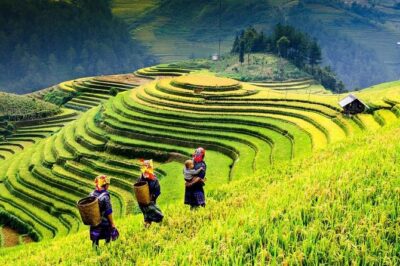
Sapa gets real fast on this 3-day trek. You’ll spend time in five ethnic-minority villages with a local guide, plus rice-terrace scenery and mountain valley views that change every hour. I especially liked how the day-to-day pace feels personal instead of rushed.
Two things I really liked: the homestay night (with hot shower time built in) and the way your guide explains daily life beyond just photos. You’ll also get focused cultural stops, like learning about Hmong marriage traditions, house-building techniques, and how people work the rice fields.
One consideration: this is trekking. You should come with moderate fitness, good shoes, and the mindset that some parts can feel steep or slippery.
In This Review
- Key things to know before you go
- Sapa in 3 days: what this trek actually gives you
- Morning start at 9:00 and the first village day (Y Linh Ho to Ta Van)
- Ta Van homestay night: hot shower, dinner, and learning by watching
- Day 2’s climbs and the Giang Ta Chai waterfalls walk
- Day 3 in Ban Ho and Nam Tong: Tay culture and traditional houses
- Food, guide support, and why the group size matters (max 15)
- Price and value: what you’re really paying for at $170
- What to pack and how tough the trek is (moderate fitness)
- When the scenery is best: timing and weather reality
- Should you book Sapa Valley Trek and Homestay (3D2N)?
- FAQ
- FAQ
- How long is the Sapa Valley Trek and Homestay?
- Where does the tour start, and when?
- Do you get pickup?
- How many villages does the tour visit?
- Which ethnic minorities are included in the experience?
- What’s included in the price?
- Is there a limit on group size?
- What fitness level do you need?
- Is there a mobile ticket?
- What happens if weather is bad?
- Is cancellation free?
Key things to know before you go
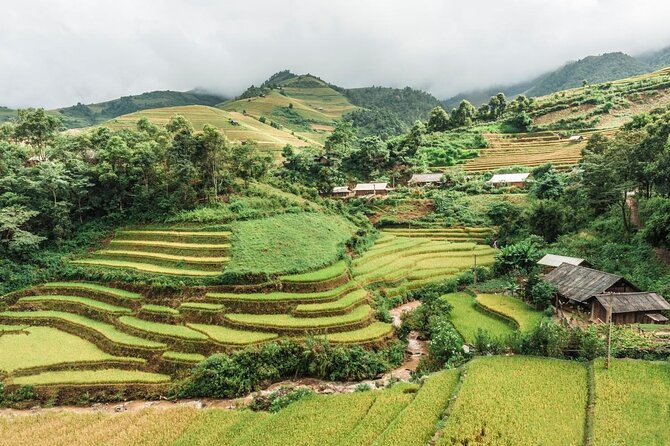
- Small-group feel (max 15 people): easier questions, more attention on the trail, and a calmer homestay experience.
- Village-to-village immersion: you’ll visit Y Linh Ho, Ta Van, Giang Ta Chai, Ban Ho, and Nam Tong for multiple ethnic communities.
- A homestay with real rhythm: rest time, hot shower, and dinners that fit village life.
- Waterfalls + rice terraces: Day 2 includes a walk to the waterfalls of Giang Ta Chai, plus terrace views.
- Meals are part of the deal: multiple lunches plus breakfasts and dinners, not just “you can eat when you find a place.”
- Different guides, same focus: names that come up often include SoSo, Ly, May, Dom, and Sush, praised for clear explanations and helpful support.
Sapa in 3 days: what this trek actually gives you
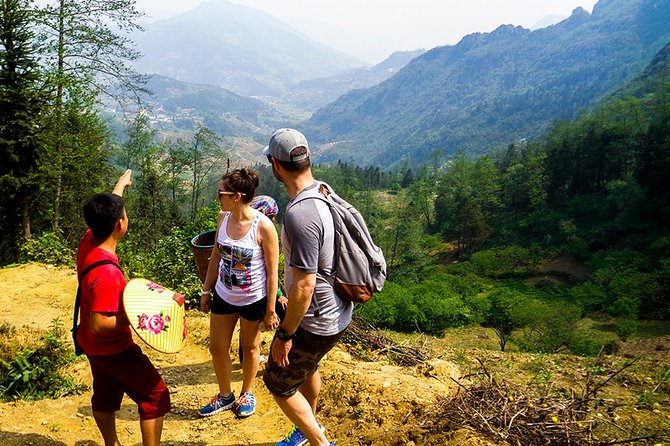
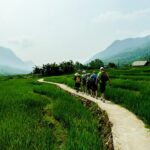
This isn’t a “bus to viewpoint” tour. It’s a walk through Sapa’s village geography, where you go from town edge into terraced hills, then back out the other side over three days.
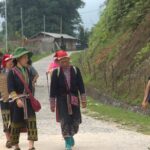
The tour’s big promise is cultural: you’ll visit communities tied to Hmong, Giay, and Red Dao groups, and you’ll hear how people live—work, farming, building, and traditions. The best part is that it’s not only lecture mode. You see the setting, then your guide connects what you’re seeing to the way life works there.
At $170 per person for 3D2N, it’s priced like a proper guided package: village entry fees, one homestay night, a local guide, and most meals are included. If you’re comparing total cost, that matters, because Sapa trekking packages can get pricey once you add guide time, transfers, and food.
Morning start at 9:00 and the first village day (Y Linh Ho to Ta Van)
The tour begins at 9:00 AM at Sapa Church. You’ll meet your local guide either at your hotel in Sapa Town or in front of the church, then get a quick introduction before heading into the hills.
Your first stop is Y Linh Ho, and then you’ll move down the way toward Cat Cat’s road area. Even if you’ve seen photos of Sapa villages, the real difference on the ground is scale: you’re walking along slopes where terracing and homes are built into the terrain.
After the first stretch, you’ll transition to Ta Van Village, which is known as a Giay community. You’ll be welcomed by your host family and then you’ll get the kind of downtime that keeps trekking days pleasant—rest, time to freshen up with a hot shower, and a chance to settle before dinner.
Why this first day works: it balances movement with recovery. You start with a village walk, then land at a homestay base where you can actually reset.
Possible drawback: the schedule starts early, and the day includes at least one downhill/sidehill walk before you settle in Ta Van. If mornings feel hard for you, plan a calm night before and don’t treat this day like a sightseeing sprint.
Ta Van homestay night: hot shower, dinner, and learning by watching
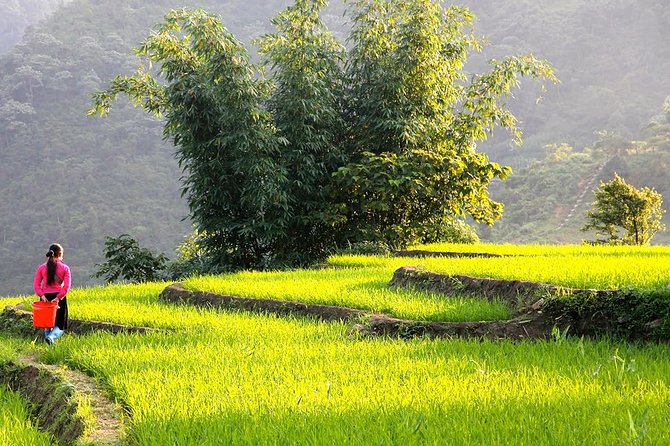
The homestay component is where this trip often earns its fans. In Ta Van, you’re not just “sleeping somewhere.” You’re living inside the household rhythm—rest time, then a meal in the family flow.
What’s specifically helpful here is that the plan includes time to take a hot shower after you arrive. In Sapa, weather and temperature can change quickly, and a warm rinse makes the rest of the evening easier.
Your hosts are also a big part of the cultural learning. The tour focuses on customs and daily work, and homestays are where you see details up close: how families arrange their space, how they talk about life, and how farming knowledge shows up in everyday decisions.
From past departures, homestay meals and simple cooking moments have been a highlight—people have mentioned making something like fried spring rolls together. Even when you don’t cook, you’ll usually have chances to ask questions and understand what’s going on at kitchen level.
Day 2’s climbs and the Giang Ta Chai waterfalls walk
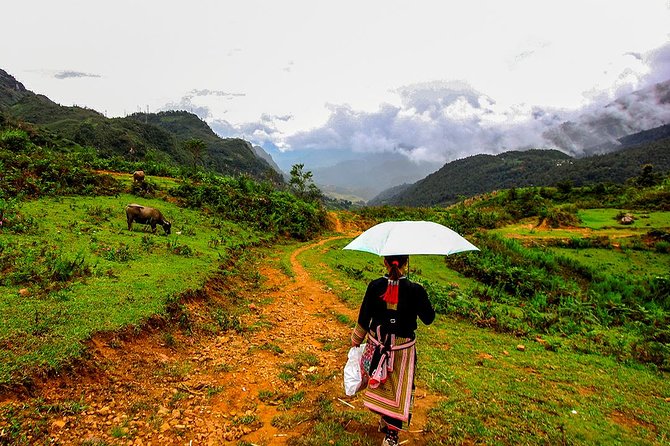
Day 2 starts with a homestay breakfast, then you’ll get a cup of hot coffee or tea and time to look around the homestay area and nearby rice fields. This part may sound small, but it matters: it lets you connect the geography to what you’ll walk through later that day.
After breakfast, you’ll head uphill into the mountains toward the waterfalls of Giang Ta Chai. This is the day’s “nature payoff” moment—water, cooler air, and a trail that feels more like countryside trek than a village sidewalk.
Then you continue onward to Ban Ho Village. Along the way, the route passes through Su Pan, a community of the Black Hmong minority, before arriving in Ban Ho where you’ll meet multiple ethnic groups, including Red Dao and Tay (and others mentioned by the route plan).
Why Day 2 hits hardest: you get variety. You’re not stuck in one setting. You go from terraces to waterfall country, then into a different village community with different cultural context.
What to watch for: walking uphill (and later, navigating village paths) can be slow and tiring. Even if you’re an “average person” walker, you’ll feel it. The good news is your guide’s role is practical—support on tricky, slippery parts and clear explanations that keep you from guessing.
Day 3 in Ban Ho and Nam Tong: Tay culture and traditional houses
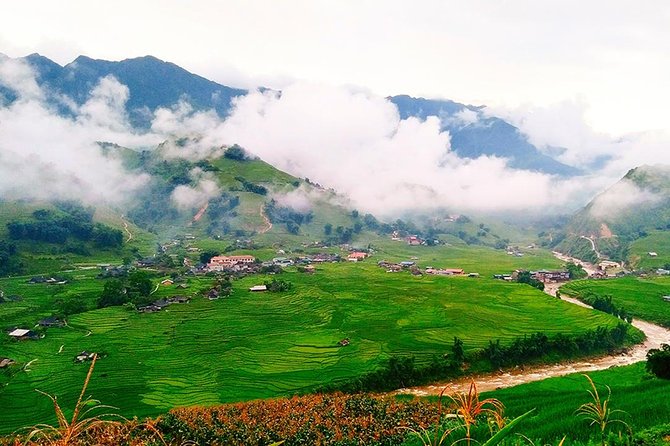
On Day 3, you’ll start again from Ban Ho Village after breakfast. The plan keeps things grounded in culture: you’ll see traditional houses and learn about Tay culture, then you’ll head toward Nam Tong village.
This day feels shorter in terms of “big scenic moments,” but it’s often the most memorable for people who like human details—how homes are built, how communities organize life, and what traditions mean when you can ask questions face-to-face.
This is also where the tour’s overall cultural promise comes together. Across the three days, you’re hearing about customs, traditions, and daily work tied to different ethnic minorities in Sapa. Day 3 is the payoff: you stop longer, look closer, and connect what you saw on day one and day two to what it means at home level.
Food, guide support, and why the group size matters (max 15)
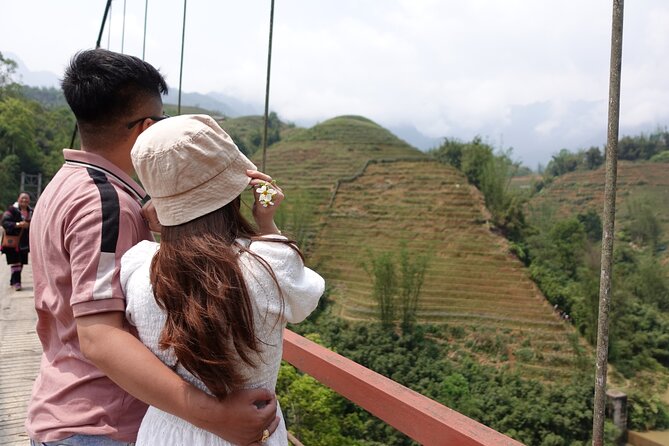
This package is built around meal coverage and guide presence. In total, it includes 3 lunches, 2 breakfasts, and 2 dinners, plus village entry fees and one big bottle of water per person.
That’s practical value. When trekking is involved, finding food at the right time is not always simple, and you don’t want “meal hunting” to steal energy from the walk.
The guide also matters here. Multiple guides’ names show up in strong feedback: SoSo (Soso), Ly, May, Dom, and Sush. The consistent praise is that they explain clearly and help you handle the trail—especially when it gets steep or slippery.
Group size is capped at 15 people, and that’s a sweet spot. With fewer people, you get more chances to ask questions, and the guide can slow down for whoever needs it without turning the whole day into a traffic jam.
Price and value: what you’re really paying for at $170
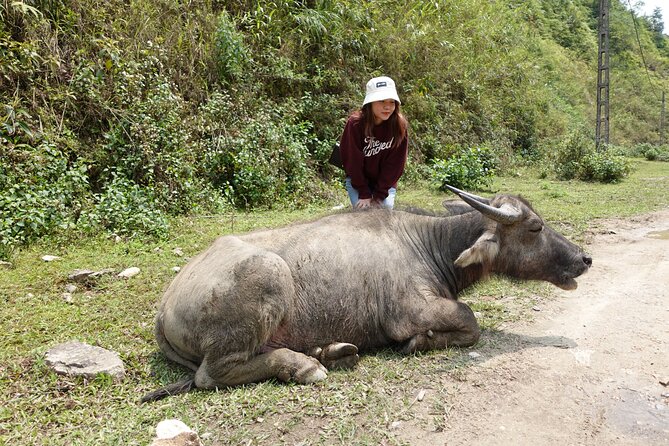
$170 can feel like a lot until you break down what’s covered. Here, you’re not paying separately for:
- Village entry fees
- One homestay night
- A local guide
- Transport back to Sapa after the trek ends in the villages
- Most meals (breakfasts, lunches, dinners)
- Water (one big bottle per person)
When you add that up, the cost shifts from “just a hike” to “a guided rural experience with lodging and food.” That’s why this tends to work well for people who want authenticity without handling logistics themselves.
The tour also runs best when booked in advance—this one averages booking about 31 days ahead. That’s a hint that popular dates fill up.
What to pack and how tough the trek is (moderate fitness)
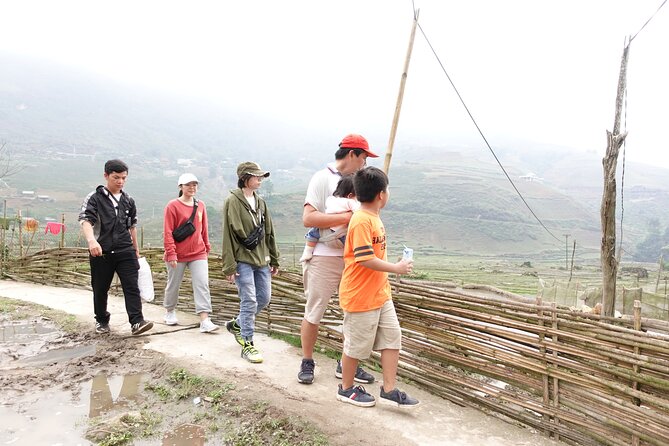
The tour asks for moderate physical fitness. That doesn’t mean “athlete only,” but it does mean you should come prepared for walking on uneven ground.
I’d treat this like a smart hiking day, not a casual stroll:
- Wear good, grippy shoes for slippery sections.
- Bring layers. Mountain weather can shift.
- Pack a small day bag so you’re not juggling things mid-walk.
- Keep your pace steady. Guides typically adjust the pace for the group, and that helps.
One thing I learned from the experience pattern: if you’re traveling with kids or you’re an experienced walker, you can still make it work—but you’ll need to plan honestly. Some departures can involve longer trekking effort, so match the route pace to your comfort.
When the scenery is best: timing and weather reality
This experience requires good weather. In Sapa, fog, heavy rain, and cloud cover can change trail conditions and visibility. The good news is the tour provider plans around that—if weather doesn’t cooperate, you’ll be offered a different date or a full refund.
So if you can be flexible, you’ll get a smoother run. If you can’t (tight travel schedule), build in some buffer days in Sapa so one “weather day” doesn’t derail everything.
Should you book Sapa Valley Trek and Homestay (3D2N)?
I’d book this if you want real village life over scenic sightseeing alone. If you like learning how people farm, build homes, and keep traditions, the format fits perfectly: walk, meet, eat, and sleep in the same cultural world for a full 3 days / 2 nights.
It’s also a good choice if you care about comfort that doesn’t ruin the adventure. The homestay includes key basics like hot shower time, and the meal plan reduces decision fatigue.
Skip it (or choose a different style) if you hate trekking or you want guaranteed luxury comforts. This is purposeful walking in mountain terrain, and the main “trade-off” is effort.
FAQ
FAQ
How long is the Sapa Valley Trek and Homestay?
It runs for 3 days (about 3D2N) and includes 2 nights total homestay time as part of the 3D2N format.
Where does the tour start, and when?
The tour starts at 9:00 AM at Sapa Church (in Sapa Town). The tour ends back at the same meeting point.
Do you get pickup?
The tour offers pickup.
How many villages does the tour visit?
You’ll visit five villages, including Y Linh Ho, Ta Van, Giang Ta Chai, Ban Ho, and Nam Tong.
Which ethnic minorities are included in the experience?
The tour focuses on communities from the Hmong, Giay, and Red Dao ethnic minorities (with additional groups mentioned in the village stops).
What’s included in the price?
Included items are village entry fees, homestay for 1 night, transport back to Sapa after the trek ends, a local guide, 1 big bottle of water per person, and meals (3 lunches, 2 breakfasts, 2 dinners).
Is there a limit on group size?
Yes. The tour has a maximum of 15 travelers (people).
What fitness level do you need?
You should have moderate physical fitness.
Is there a mobile ticket?
Yes, it’s listed as having a mobile ticket.
What happens if weather is bad?
The experience requires good weather. If it’s canceled due to poor weather, you’ll be offered a different date or a full refund.
Is cancellation free?
Yes. You can cancel up to 24 hours in advance for a full refund.
If you want, tell me your travel month and your trekking comfort level (easy/moderate/hard). I’ll help you decide if this is the right Sapa route style for you.