REVIEW · POKHARA
Langtang Valley Trek from Pokhara Nepal
Book on Viator →Operated by Nepal Mountain Club Pvt Ltd · Bookable on Viator
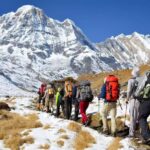
High peaks, low hassle, good pacing. This Langtang Valley Trek from Pokhara is built for people who want the highlights of the Langtang region without a multi-week schedule, plus it smartly links in Kathmandu and Thamel at the start. I like that it’s a private trip with a trekking guide who keeps the logistics moving while you focus on the trail and the mountain air.
What I really like is how the route stages the altitude. You don’t just jump uphill; you build gradually from Syabrubesi to Lama Hotel, then up toward Langtang Village and the higher tea-house stretch near Kyanjing Gompa. Another big plus is the morning push for Kyanjing Ri (4600m), timed for sunrise views, with added cultural stops like a cheese-making stop and a Buddhist monastery along the way.
One consideration: food and drinks aren’t included, so you’ll need some day-to-day budgeting and cash/ATM planning. Also, rescue costs in an emergency aren’t covered, so I strongly suggest travel insurance if you’re booking this trek seriously.
In This Review
- Key things I’d mark on your mental map
- Why the Langtang Valley trek fits well when time is short
- Pokhara to Kathmandu: a long scenic bus day that saves effort
- Kathmandu to Syabrubesi: the staging day at 1550m
- Lama Hotel: river views, green hills, and 2450m tea-house nights
- Langtang Village: reaching 3430m and finding a calmer rhythm
- Kyanjing Gompa area at 3730m: monastery energy and yak cheese
- Kyanjing Ri sunrise at 4600m: early starts done right
- Thulo Syabru at 2000m: Tamang culture and a softer landing
- Dhunche and the long ride back to Kathmandu
- What you’re really paying for at $920 per person
- Guide support is the hidden advantage (Milan and Krishna)
- Altitude and fitness: what moderate really means on this route
- Who this trek suits best
- Should you book this Langtang Valley Trek from Pokhara?
- FAQ
- Where does the trek start and where does it end?
- How long is the Langtang Valley trek?
- What route and altitude highlights are included?
- What transport is included?
- What’s included in the price?
- What’s not included?
- Do I need passport details before the trip?
- What’s the cancellation policy?
Key things I’d mark on your mental map
- Private guide + guide-run permit setup (TIMS and national park fees handled)
- Tea-house sleeping across multiple altitude bands for a more realistic trek feel
- Kyanjing Ri sunrise timing with an early start around 4am
- Cultural stops at higher villages including a Buddhist monastery and a yak cheese area
- A practical Pokhara → Kathmandu → trek → Kathmandu loop so you’re not stuck arranging transfers
- Room-to-room transfers included (hotel pickup/drop-off in Kathmandu and trek-side stays)
Why the Langtang Valley trek fits well when time is short
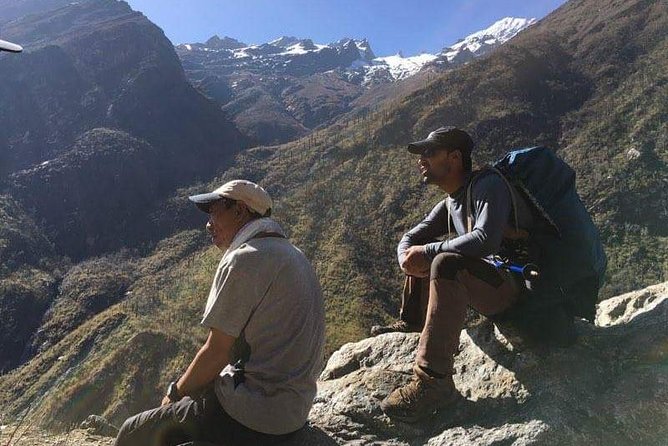
Langtang Valley is one of Nepal’s best-known trekking regions, and this 8-day format is designed for people who want the main scenery without losing days to extra transport or long detours. You start in Pokhara, add two big city anchors in the mix (Pokhara stays and Kathmandu’s Thamel area), and then you move into the valley trekking loop.
The route hits a classic set of Langtang sights: river and hillside village walking, higher tea houses, Kyanjing Gompa area views, and a sunrise viewpoint that feels like a reward you can taste. If you’re the kind of traveler who wants a “proper trek” but also wants everything arranged end-to-end, this setup makes sense.
Just keep your expectations realistic. This is still a trekking route with daily walking, some steep moments, and altitude above typical hiking at home. The upside is that the itinerary gives you a logical climb and decent pacing.
You can also read our reviews of more tours and experiences in Pokhara.
Pokhara to Kathmandu: a long scenic bus day that saves effort
Your start is in Pokhara, with pickup around 7:00am, then a scenic tourist bus ride to Kathmandu taking about 7 hours. When you arrive, you transfer to a hotel in the Thamel area for the night.
Why that matters: it keeps the trek launch calm. Instead of scrambling to arrange connections on your own, you get dropped into Kathmandu where there’s food, gear shops, and easy walking. Thamel is handy for last-minute packing needs like water bottles, trekking socks, or a warm layer if the nights feel colder than you expected.
Potential drawback: it’s a full travel day before the trek rhythm begins. If you’re sensitive to long rides, plan for an early dinner, hydrate, and don’t force a big sightseeing schedule that night. You’ll thank yourself later when the trail starts asking questions.
Kathmandu to Syabrubesi: the staging day at 1550m
Day two begins with a guide pickup around 8:00am, followed by a scenic drive of about 8 hours to Syabrubesi (1550m). You sleep in a guest house there.
This day is about staging. Syabrubesi isn’t the summit of anything, but it’s high enough to start acclimatizing while you settle into trekking routines: pack check, hydration plan, and getting a feel for your walking pace. If you’ve never trekked in Nepal before, this also gives you time to learn what works for you—how often you want breaks, what you prefer to carry, and how you handle cool mornings.
The route timing also matters. Starting relatively early helps you reduce “late-day fatigue,” which makes acclimatizing feel less like punishment.
Lama Hotel: river views, green hills, and 2450m tea-house nights
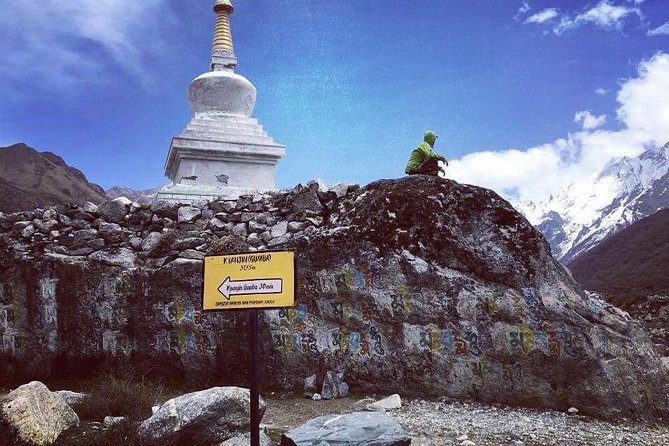
On day three, you trek for about 7 hours, passing through the Lama Hotel valley with views of green hills and the Langtang River, then overnight at Lama Hotel (2450m) in a guest house.
Here’s what I like about this day: it feels like the valley is setting the stage for you. You’re not just climbing; you’re walking through a changing mix of terrain and scenes. The river route is especially helpful psychologically. When you can see water and hear it nearby, your brain reads the trek as a journey, not a fight.
Tradeoff: it’s still a solid walking day. If you go too fast in the morning, you’ll feel it later. I’d keep your effort steady and let the scenery carry you. Your goal is to arrive with energy, not with a victory lap.
Langtang Village: reaching 3430m and finding a calmer rhythm
Day four is a trek of about 7 hours to Langtang Village (3430m), with another overnight in a guest house. You continue with green hill and river scenery, and the higher altitude starts to change how the air feels on your lungs.
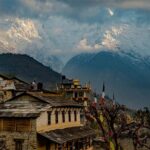
Langtang Village is one of those places where the trek starts to feel more specific to the region. Higher villages mean quieter trails and more of that “you are really here” feeling—especially when the day’s weather is clear. If you’ve been worrying about altitude, this is a good moment to slow down and let your body adjust.
Practical note: at this stage, cold nights and warmer afternoons can be a thing depending on conditions. Pack a warm layer that you can reach easily. You don’t want to be unpacking and re-packing every time the temperature shifts.
Kyanjing Gompa area at 3730m: monastery energy and yak cheese
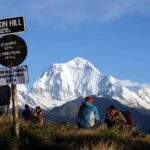
Day five takes you about 5 hours to Kyanjing Gompa / Kyanjing Bumpa (3730m). You sleep in a tea house. The day includes time to enjoy the mountain views and visit a cheese (yak) factory plus a Buddhist monastery.
This is one of the most interesting parts of the trek because it mixes high-altitude walking with human-scale culture. The yak cheese connection isn’t just a quirky stop; it’s a reminder that people live in this region year-round, adapting food and routines to altitude and climate.
The monastery visit adds a different kind of quiet. Even if you’re not religious, you get a sense of how these communities structure daily life. It also gives your mind a break from counting steps.
Good to know: shorter walking time doesn’t always mean an easy day. At 3730m, even normal effort can feel heavier. If you feel a bit slower here, that’s normal. The goal is comfort, not speed.
Kyanjing Ri sunrise at 4600m: early starts done right
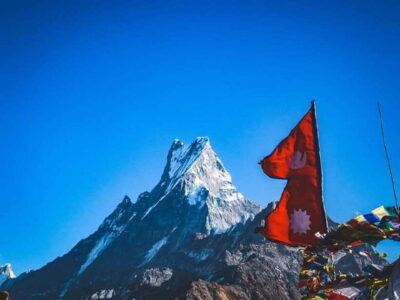
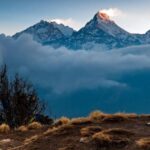
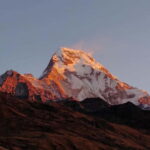
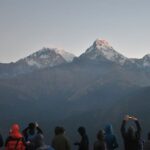
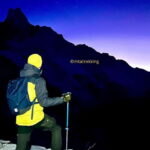
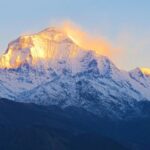
Day six is the big “view day.” You start at about 4:00am for a smaller hike to reach Kyanjing Ri (4600m) sunrise viewpoint. After enjoying the sunrise view over snow-capped mountains, you descend to Lama Hotel, trekking for about 7 hours total.
This is the part of the trek that many people remember most. Sunrise hikes are intense because it’s dark when you start, and cold air tends to make you want to move faster than you should. Move steadily. Take the breaks you need. This is a viewpoint, not a race.
Then comes the descent. Descents can be deceptively tiring on knees and ankles, especially after an early morning. I’d pay attention to your footwear grip and step length. Short steps and controlled footing usually work better than long bounding steps.
If you’re the type who likes a payoff at the end of effort, this day delivers.
Thulo Syabru at 2000m: Tamang culture and a softer landing
Day seven is a trek of about 5 hours to Thulo Syabru (2000m), with overnight in a guest house. This day is highlighted as a chance to enjoy and explore Tamang culture, heritage, and local lifestyle.
Dropping from higher tea-house areas down toward 2000m tends to feel like a relief—your body gets a break, and your walking rhythm often becomes more natural. Thulo Syabru gives you a different flavor of the region than the higher monastery zone. You get a sense of village life and the cultural threads that run through Langtang.
This is also a good day to slow your pace a little and notice details: how people move through the village, what everyday tasks look like, and how the landscape changes as altitude drops.
Dhunche and the long ride back to Kathmandu
Day eight is a shorter trek of about 2 hours to Dhunche (1800m), then you drive back to Kathmandu for about 7 hours and get dropped at your hotel.
This day is about finishing strong. If you’ve kept a steady pace and managed your energy, the final walk feels almost like a warm-up. Then the bus/vehicle ride brings you back to city rhythm where you can eat well, rest, and start sorting laundry and photos.
One practical tip: after days of trekking, your appetite can be intense. Plan for a decent meal on arrival, and don’t treat your first Kathmandu dinner like it’s an appetizer. You earned it.
What you’re really paying for at $920 per person
At $920 per person for an approx. 8-day private trek, you’re not just paying for “someone to walk with you.” You’re paying for the whole skeleton of the trip: accommodations, key permits, park fees, and transport between major points.
Here’s what’s included:
- Hotels in Kathmandu plus tea house/guest house nights during the trek (as per the schedule)
- National park fees and permits (TIMS and national park entry)
- Professional trekking guide
- Hotel pickup and drop-off and round-trip private transfer
- Pokhara to Kathmandu by tourist bus
- All taxes, fees, and handling charges
- Private tour setup with your group only
What’s not included:
- Food and drinks (you buy as you go; they’re available)
- Rescue cost in an emergency
So is it good value? For many trekkers, yes, because permits and guide coordination can be the headache part of Nepal travel. Also, you’re getting a full package that connects Pokhara and Kathmandu with a trekking core in Langtang. If you tried to DIY all the permits, arrange transport, and line up a guide and rooms, your time cost could easily erase any savings.
Group discounts are mentioned, which can help if you’re traveling with friends and the operator can pair you into a better-priced configuration. If you’re traveling solo, you may still find it worthwhile for the low-stress setup, but it can be a bit more expensive than shared group treks.
Guide support is the hidden advantage (Milan and Krishna)
Two things consistently make or break treks: paperwork and day-to-day problem solving. This trek is built around having a professional guide, and that includes the permit and entry fee process like TIMS and the national park fees. The difference is simple: you’re not spending your energy chasing forms and entry logistics while you’re supposed to be learning the trail.
I’ve seen guides like Mr Milan praised for being friendly and competent, with no hassle around the organizational stuff. Krishna is also noted for delivering an amazing trekking organization and service. Those are exactly the kinds of guide qualities you want when you’re stepping into a remote mountain route and you just want things to work.
Even with a guide, you’ll still want to be proactive: keep your passport details handy, follow the schedule timing, and ask questions about what to pack for cold mornings.
Altitude and fitness: what moderate really means on this route
The trek asks for moderate physical fitness. That’s fair, but you should understand what moderate means in practice when your route includes:
- Syabrubesi at 1550m
- Lama Hotel at 2450m
- Langtang Village at 3430m
- Kyanjing Bumpa at 3730m
- Kyanjing Ri at 4600m
- Thulo Syabru at 2000m
- Dhunche at 1800m
Some days are shorter on paper, but higher altitude makes everything feel heavier. The sunrise push is especially demanding because you’re moving in colder conditions, likely in the dark, when breath and leg rhythm feel different.
My practical advice:
- Train for long walks with a backpack before you go.
- Plan your effort, not your pace. Slow and steady protects your energy for the descent days.
- Pack warm layers for early starts and chilly nights at tea houses.
If you’re not sure about your fitness level, choose this only if you can handle multiple hours of uphill walking without turning every day into survival mode.
Who this trek suits best
This Langtang Valley Trek from Pokhara is a strong fit if:
- You have about 8 days and want a complete Langtang experience without stretching your schedule.
- You prefer a private tour feel with your group instead of blending into a huge crowd.
- You want a guide to handle the important logistics, especially permits and park fees.
- You like the mix of trekking and culture, including monastery time and local food traditions.
It might be less ideal if you want a very flexible, do-it-yourself hiking plan or if you dislike early mornings like the sunrise hike.
Should you book this Langtang Valley Trek from Pokhara?
If you want an organized Langtang trek with a clear route, permits handled, tea-house nights, and the standout sunrise viewpoint at Kyanjing Ri, I’d say yes—especially given how much transportation and logistics are folded in.
If you’re on the fence because of the price, ask yourself one question: would you rather spend your time worrying about permits, transport connections, and overnight arrangements, or would you rather pay to have those parts run cleanly while you enjoy the mountains?
Do that math, bring warm layers, plan for buying your meals on the trail, and you’ll be set up for a trek that feels focused and rewarding.
FAQ
Where does the trek start and where does it end?
It starts in Pokhara (meeting/pickup at 7:00am) and ends back in Kathmandu, with a drive of about 7 hours from Dhunche and drop-off at your hotel.
How long is the Langtang Valley trek?
The trek is listed as 8 days (approx.), following a day-by-day schedule that includes trekking and travel days between Pokhara, Kathmandu, and the trailhead.
What route and altitude highlights are included?
The route includes Syabrubesi (1550m), Lama Hotel (2450m), Langtang Village (3430m), Kyanjing Bumpa (3730m), a viewpoint hike to Kyanjing Ri (4600m), then Thulo Syabru (2000m) and Dhunche (1800m).
What transport is included?
You travel Pokhara to Kathmandu by tourist bus. There is also round-trip private transfer and transport by private vehicle during the rest of the route.
What’s included in the price?
Included are accommodations in Kathmandu and during the trek, a professional trekking guide, TIMS and national park fees/permits, hotel pickup/drop-off, round-trip transfers, taxes and handling charges, and the Pokhara to Kathmandu tourist bus.
What’s not included?
Food and drinks are not included (they’re available for purchase). Rescue cost in an emergency is also not included.
Do I need passport details before the trip?
Yes. You must provide passport name, number, expiry, and country, plus a scanned copy of your valid passport and a digital passport-size photo prior to the trip. A valid passport is required on the day of travel.
What’s the cancellation policy?
There is free cancellation if you cancel up to 24 hours in advance of the experience’s start time for a full refund. If you cancel less than 24 hours before, the amount paid is not refunded.