REVIEW · POKHARA
From Pokhara: 4-Day Annapurna and Poon Hill Himalayan Trek
Book on GetYourGuide →Operated by Fewa Trail Treks and Expedition Pvt Ltd · Bookable on GetYourGuide
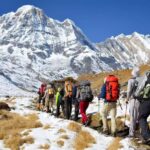
Sunrise here is worth the alarm. This 4-day trek takes you from Pokhara into the Annapurna Valley forests, then up to Poon Hill for that big, full-range sunrise. You also get a relaxing break with a dip at Jhinu hot springs, after walking through remote villages.
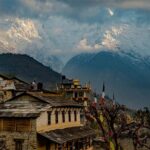
What I like most is how the route balances views and everyday mountain life: tea-house nights in Ghorepani and village culture in Ghandruk (Gurung architecture). The second big win is the private, English-speaking guide, which makes the walk feel smooth instead of stressful.
One thing to consider: your itinerary may need adjustment if roads are disrupted (landslides can happen), so build in some flexibility and don’t expect everything to run like a clock.
In This Review
- Key Things That Make This Trek Worth Your Time
- Why This 4-Day Poon Hill Trek Works So Well
- Day 1: Pokhara Pickup, Drive to Ulleri, and Hike to Ghorepani
- Day 2: Poon Hill Sunrise, Then a Long Push to Tadapani
- Day 3: Jhinu Hot Springs Bath and the Gurung Village of Ghandruk
- Day 4: Down to Nayapul and Back to Pokhara
- Comfort, Tea Houses, and the Food Plan You Should Expect
- Guides: What Good Local Leadership Looks Like
- Price and Value: Is $287 Per Person a Fair Deal?
- Who This Trek Suits Best (and Who It Doesn’t)
- Should You Book This 4-Day Annapurna and Poon Hill Trek?
- FAQ
- How long is the trek?
- Where does the trek start and where does it end?
- How long do the hiking days take?
- What is included in the price?
- What about food and drinks?
- Do I need a passport?
- Is this trek suitable for everyone?
Key Things That Make This Trek Worth Your Time
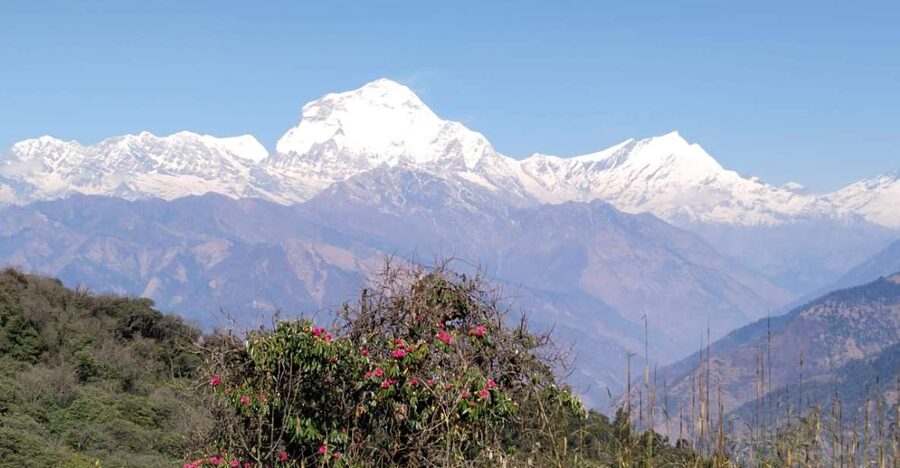
- Poon Hill sunrise with a wide, Annapurna-range view first thing in the morning
- Forest walking in the lower Himalaya zone, with a more shaded, quieter feel than higher trails
- Jhinu hot springs where you can bathe after a day of hiking
- Ghandruk village and Gurung architecture, a strong sense of local life
- Private licensed English guide plus hotel pickup/drop-off by private car/jeep
- Tea house and guest house stays that keep you close to the trail
Why This 4-Day Poon Hill Trek Works So Well
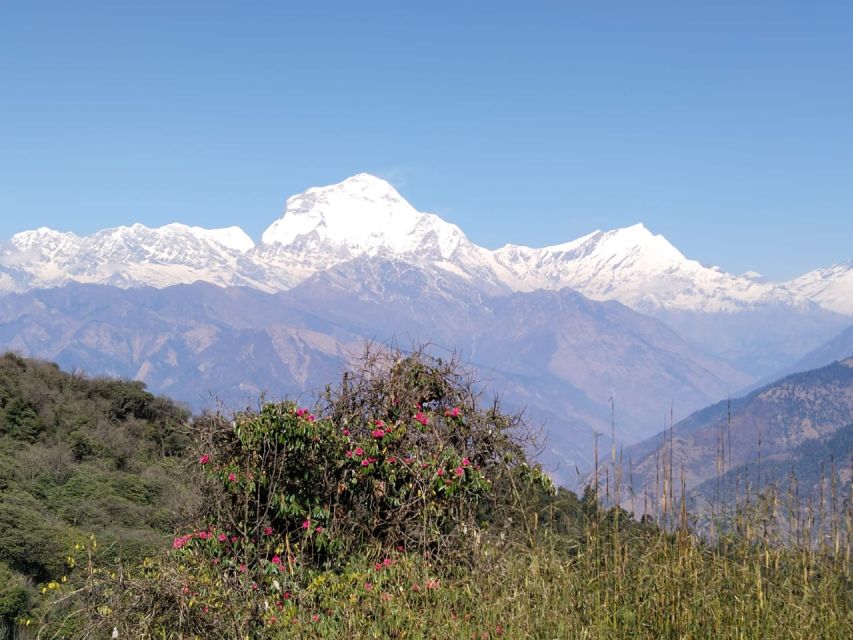
Four days is long enough to feel like you left the valley behind, but short enough to keep things realistic. This route hits the key payoff: sunrise views from Poon Hill, then you keep hiking through the valley toward hot springs and a major village stop at Ghandruk.
I also like that it’s designed for steady enjoyment, not just check-the-box scenery. You’re not only chasing peaks. You’re walking through lower Himalayan forest, passing local settlement areas, and ending with a genuine reset in hot water.
The price is also easier to judge because the trek includes a lot of the “behind the scenes” costs: permits, a licensed English guide, and your tea-house/guest-house accommodation. Food and drinks are not included, but that’s typical on Nepal treks, and you can budget for it day by day.
You can also read our reviews of more tours and experiences in Pokhara.
Day 1: Pokhara Pickup, Drive to Ulleri, and Hike to Ghorepani
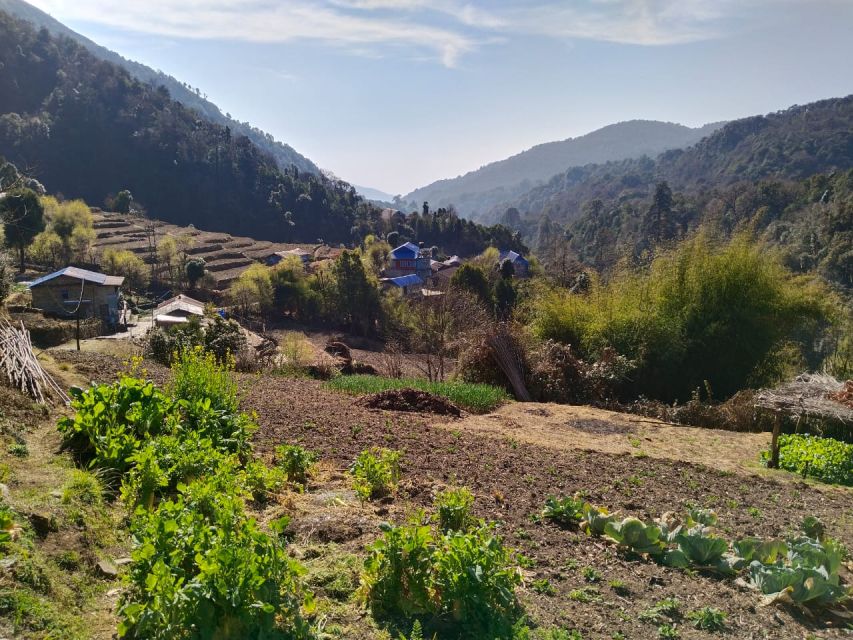
You start with hotel pickup in Pokhara in a private car or jeep. After breakfast, you’ll drive toward Ulleri, then begin the hike upward toward Ghorepani.
The trekking time on day 1 is about 5 hours, and that matters because it sets the pace for the rest of the trek. You’re not jumping into a marathon. Instead, you’re building effort gradually while your elevation starts to change the air and the views.
Why Ghorepani is a smart first overnight
- It puts you in position for an early morning climb on day 2.
- You get that classic tea-house trek rhythm: walk, arrive, eat, and sleep within the mountain trail ecosystem.
Possible drawback for day 1
- You’ll likely feel the day more in your legs than you expect, since you’re hiking uphill after a drive. If you’re sensitive to altitude changes, it’s smart to keep your first meal light and hydrate well.
Day 2: Poon Hill Sunrise, Then a Long Push to Tadapani
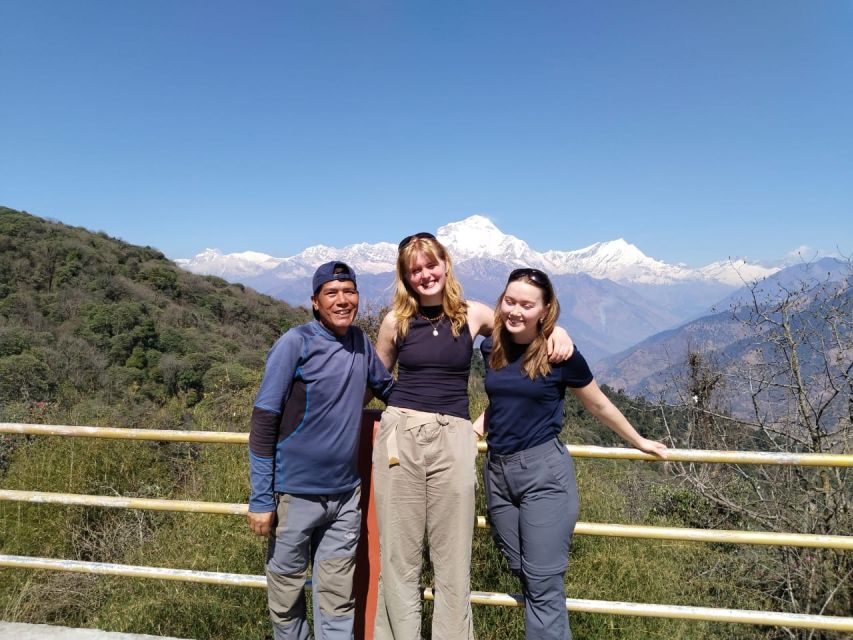
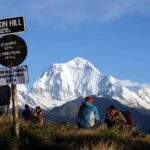
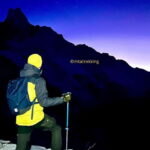
Day 2 starts early, because Poon Hill sunrise is the main event. You’ll head toward Poon Hill for the dawn view, then hike back down toward Ghorepani.
From Ghorepani to Poon Hill is about 1 hour to the top. That’s a short climb, but the timing is demanding. You’ll want to be mentally ready for the early start, and you’ll be glad you didn’t schedule this trek as an afterthought.
What you get at Poon Hill
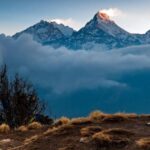
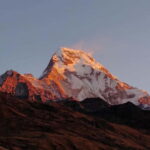
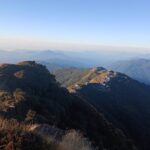
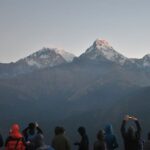
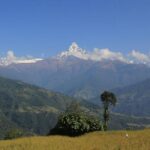
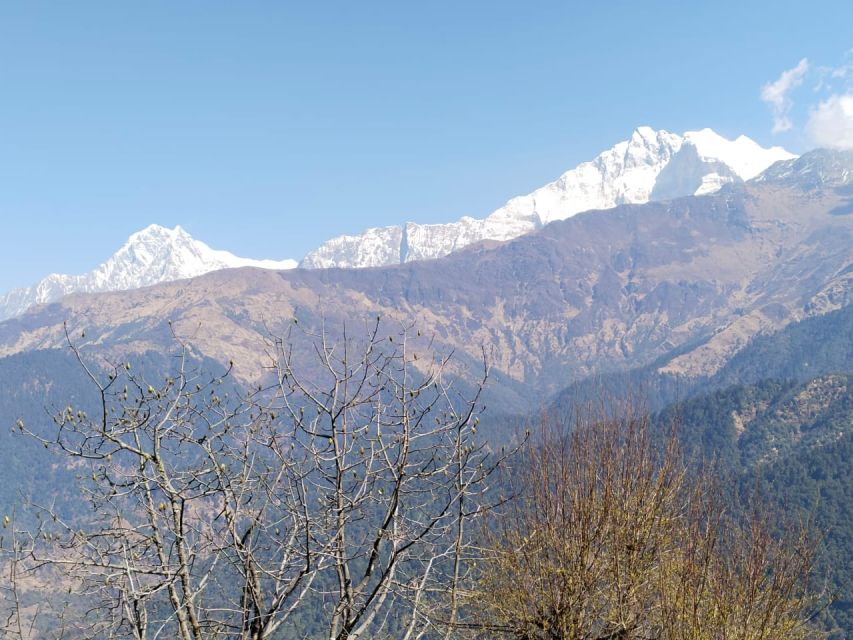
This is where you see the Annapurna Range in full display. The payoff is that wide, dramatic look across multiple peaks, not just a single mountain “photo moment.” If sunrise clouds clear even a little, the view can be spectacular.
A practical note about weather and planning
Good guiding includes managing weather expectations. One guide you might encounter is Muku, who was praised for being helpful, though there was feedback that weather forecasting could have been watched more closely. The takeaway: ask your guide how conditions look the night before and on the morning of the climb—your odds improve when you’re prepared.
After breakfast back in Ghorepani, you continue onward to Tadapani. Trek time is about 6 hours.
Tadapani adds something different
- You’re still trekking in the Annapurna valley, but the walk feels more like a moving journey through forest and village areas.
- It also sets up a recovery day 3 with hot springs coming your way.
Day 3: Jhinu Hot Springs Bath and the Gurung Village of Ghandruk
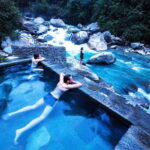
Day 3 is the “reset” day. First, you move toward Jhinu for the hot springs bath. You’ll spend some time in the water, which is considered therapeutic. Then you head on to Ghandruk, a Gurung village known for its architecture and how people live at altitude.
The trek time for day 3 is about 6 to 7 hours, split between getting to Jhinu, soaking, and then continuing to Ghandruk.
Why Jhinu matters beyond comfort
Hot springs aren’t just a nice break. They can make the difference between feeling wrecked and feeling human after a multi-day trek. After several hours of hiking and uneven footing, warm water helps your legs feel less angry, so you’re ready for your final day.
Ghandruk: village life you can actually feel
Ghandruk is described as a stunning example of Gurung architecture. That’s important because it’s not just scenery. It’s a living pattern of buildings, paths, and the way the village adapts to the Himalayan region. Even if you don’t speak the local language, you can learn a lot just by watching daily routines.
If you like cultural stops that don’t slow you down too much, this is one of the best combinations on a short trek.
Day 4: Down to Nayapul and Back to Pokhara
On day 4, you finish the hike by heading down to Nayapul. From there, you’ll drive back to Pokhara and get dropped off at your hotel.
This last day is all about transition: your body goes from trekking rhythm to road travel again. The benefit of the Nayapul exit is that it keeps the ending simple—no complicated extra transfers needed beyond the included car/jeep ride.
What to expect on the walk down
- Descents can feel rougher than climbs on your knees and ankles. Take it slow, especially if you’re tired.
- If you’ve been saving your best energy for the sunrise, day 4 is where you spend it wisely.
Comfort, Tea Houses, and the Food Plan You Should Expect
Your nights are in tea houses or guest houses, which is part of what keeps this trek accessible and logistically easy. You’re not carrying a tent setup, and you’re not dealing with full campsite logistics.
One clear expectation: food and drinks are not included. You’ll be purchasing meals on the trail. That can be fine, since tea-house menus usually let you eat what you need for energy, but it does mean you should budget separately.
What’s included that improves day-to-day comfort
- Accommodation for your nights
- Licensed English-speaking guide
- Hotel pickup and drop-off by private car/jeep
- All necessary permits
Where you’ll feel the difference between “included” and “not included”
The trek price covers the core structure and overhead. You control daily food choices. If you’re picky about what you eat, plan to communicate with your guide about meal timing.
Guides: What Good Local Leadership Looks Like
This trek uses a licensed English-speaking guide, plus the trip includes guide expenses. That matters because you’re not relying on luck to navigate trail logistics, guest house coordination, and the flow between stops.
You may meet different guides depending on your dates and availability. For example, one guide named Gobinda was praised for being kind and making the trip comfortable. Another guide named Muku was noted as good and helpful, with room to improve around weather forecast awareness.
The practical lesson for you: when you meet your guide, treat them as your information source, not just your walking partner. Ask:
- What time should we be moving for sunrise?
- What’s the expected visibility?
- If roads are affected, what might change?
Price and Value: Is $287 Per Person a Fair Deal?
At $287 per person for 4 days, the real question is value, not just cost. This price includes a lot that travelers often pay for separately on Nepal trekking routes.
Here’s what you’re getting for that money
- Private hotel pickup/drop-off in a car/jeep
- Permits
- Tea house/guest house accommodation
- A licensed English-speaking guide
- Guide expenses
What’s not included (so you can plan your budget)
- Food and drinks
So is it a good deal?
If you want a guided trek that handles permits, lodging, and transportation, this price is fairly aligned with those “core services.” Your biggest variable cost will be meals you choose along the trail. If you’re comparing against options that don’t include permits or lodging, this package tends to feel more complete.
Who This Trek Suits Best (and Who It Doesn’t)
This trek is designed for people who want a short Himalayan experience with a clear highlight day for sunrise. If you’re comfortable hiking several hours per day—about 5 hours day 1, 6 hours day 2, and 6 to 7 hours day 3—you’ll likely find the pacing manageable.
It also suits travelers who:
- Care about big early views (Poon Hill sunrise)
- Enjoy forest walking rather than only ridge-line hiking
- Want a cultural stop at Ghandruk
- Want an active day followed by a restorative bath at Jhinu
Who should skip it
It’s not suitable for pregnant women and not suitable for people with mobility impairments, based on the tour’s stated suitability limits.
Should You Book This 4-Day Annapurna and Poon Hill Trek?
I’d book this trek if your top priority is a compact route with the essentials: Poon Hill sunrise, forest hiking, Jhinu hot springs, and a meaningful village visit at Ghandruk. The included permits, guided support, and overnight accommodations make it easier to plan, and the sunrise timing is the kind of payoff that’s hard to replicate on other shorter walks.
I’d think twice if you need perfect schedule certainty. If you’re unlucky with road disruptions, the trek plan can change. Still, the sunrise on Poon Hill is often the main reason people choose this route, and getting that moment is the core win.
If you book, do one smart thing: talk with your guide about conditions the night before and early in the morning. It can’t eliminate weather risk, but it helps you make better calls when visibility is a question.
FAQ
How long is the trek?
The trek runs for 4 days.
Where does the trek start and where does it end?
You get pickup in Pokhara, drive toward Ulleri to start, and the trek finishes by going down to Nayapul, then driving back to Pokhara and dropping you at your hotel.
How long do the hiking days take?
The trekking times listed are about 5 hours on Day 1, 6 hours on Day 2, and 6 to 7 hours on Day 3. Day 4 is the downhill finish to Nayapul.
What is included in the price?
Included are hotel pickup and drop-off by private car/jeep, all necessary permits, accommodation in tea houses or guest house, a licensed English-speaking guide, and guide expenses.
What about food and drinks?
Food and drinks are not included, but they’re available for purchase along the way.
Do I need a passport?
Yes. You should bring your passport (a copy is accepted), and you need to provide passport details at least 24 hours before the tour so permits can be prepared.
Is this trek suitable for everyone?
It’s not suitable for pregnant women and not suitable for people with mobility impairments.