REVIEW · OUARZAZATE
Trekking and Hiking in Morocco 2 Day trek in Atlas Mountains
Book on GetYourGuide →Operated by MOROCCO TRAVEL TOURS COMPANY · Bookable on GetYourGuide
A morning that starts in Marrakech ends with mountain air in your lungs. This 2-day trek through the Western High Atlas mixes jaw-dropping passes with real Berber village life, including dinner at a guesthouse run with local know-how. I love the fact that the route stays grounded in daily valleys and terraces, not staged viewpoints, and I also love how well the trip is organized by Hamid, with guides Yussuf and Hussain who explain what you’re seeing. The main thing to consider is the hiking time and altitude: it’s only 2 days, but you will work for those views, especially in cooler mountain weather.
What you get here is a clear, active itinerary: drive from Marrakech to Imlil, hike over Tizi n’Tamatert (around 2279–2280m), sleep in Armed, then go higher toward Sidi Chamharouch and up to Tizi Izgaren (2520m) before returning. If you’re comfortable walking for several hours and you pack for changing mountain conditions, this is a satisfying trip that feels authentic.
In This Review
- Key Highlights You’ll Actually Feel
- Why This 2-Day Atlas Trek Fits So Many People
- Marrakech to Imlil: Turning a City Morning into Mountain Time
- Day 1: Imlil Over Tizi n’Tamatert to Armed Village
- Start: Tizi n’Tamatert Pass (around 2279–2280m)
- The Tidli area and panoramic walking
- Descent and night in Armed Village
- Day 1 Dinner and Guesthouse Night: What “Local” Means Here
- Day 2: Sidi Chamharouch, Tizi Izgaren (2520m), and the Return to Imlil
- Morning hike toward Sidi Chamharouch (~2350m)
- Ascent to Tizi Izgaren Pass (2520m)
- Descend and late lunch near waterfalls in Imlil
- Price and Value: What You’re Really Paying For
- What to Pack for the Atlas (So You Don’t Miserably Guess)
- Guide Quality: Why Hamid, Yussuf, and Hussain Matter
- Who Should Book This Trek (And Who Might Want Another Option)
- Should You Book This 2-Day Atlas Trek?
- FAQ
- Where do we meet in Marrakech?
- What languages are guides available in?
- Are meals included?
- Where do you sleep overnight?
- How long is the hiking each day?
- Which mountain passes and stops are included?
- Is transport included from Marrakech?
- Can I cancel for a full refund?
- What should I bring since equipment is not included?
Key Highlights You’ll Actually Feel
- High Atlas pass crossings like Tizi n’Tamatert (about 2279–2280m) and Tizi Izgaren (2520m) for big mountain payoff
- Village-to-village walking through places like Imlil and Armed, with everyday Berber life along the way
- Well-run guiding led by Hamid’s organization, with English support from Yussuf and Hussain
- Meals handled on the trip by a Berber cook, so you’re not hunting food mid-hike
- A real guesthouse night in Armed Village, not just a quick stopover
Why This 2-Day Atlas Trek Fits So Many People
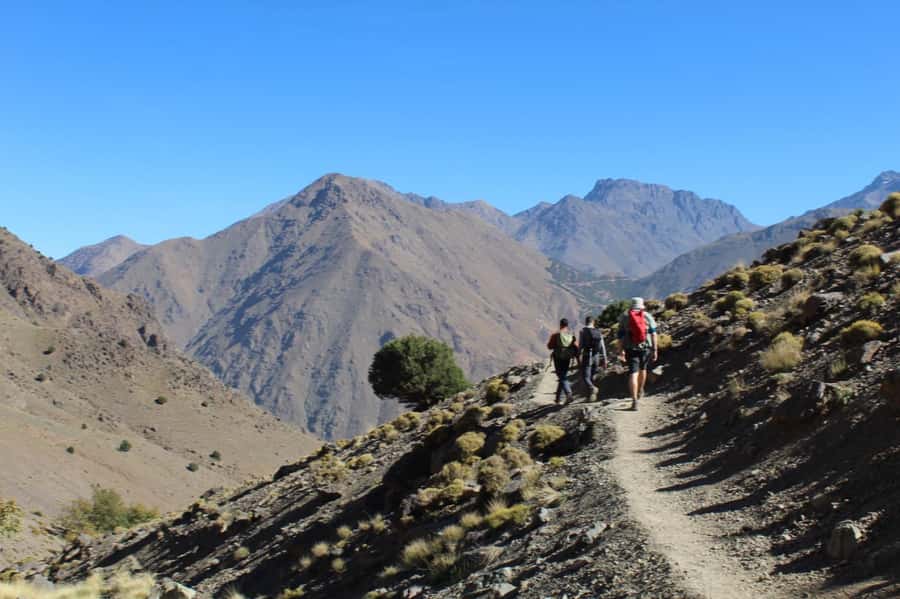
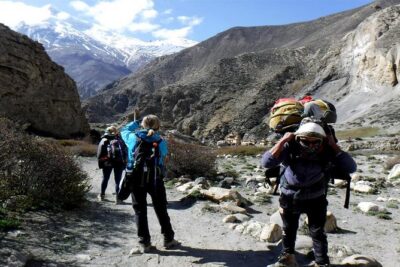
This trek works because it’s short enough to plan, but long enough to feel like you escaped into the mountains. You’re not just walking “between dots” on a map. You pass through hamlets and Berber villages, and you spend a night sleeping locally, which changes the whole vibe compared with a day hike.
I also like the balance of effort and reward. Day 1 gives you a solid climb and a high pass crossing (Tizi n’Tamatert/Tidli area around 2250–2280m), then a descent into Armed Village for the night. Day 2 ramps up with a spiritual stop at Sidi Chamharouch (about 2350m) and finishes with a higher pass at Tizi Izgaren (2520m) before heading back toward Imlil.
One practical note: you’re dealing with mountain weather swings. Even if Marrakech feels mild, the High Atlas can shift quickly, with cold winds and the possibility of snowier conditions in autumn through late spring. Plan for the hike you’ll have, not the day you hope for.
You can also read our reviews of more tours and experiences in Ouarzazate.
Marrakech to Imlil: Turning a City Morning into Mountain Time
You meet at فندق علي on Rue Moulay Ismail in Marrakech. Then the schedule sends you out early—departing around 08:00—with about a 1.5-hour drive to Imlil. This matters more than it sounds. Getting started earlier buys you better light, steadier walking temps, and fewer fatigue headaches later.
When you arrive in Imlil, you meet your local mountain guide and you begin the trek. I like this setup because it gives you a smooth handoff: transport first, then a clear start with guidance right away. There’s less “figuring out” and more “go, watch, learn.”
You’ll also get an English audio guide as part of the experience. I can’t say how you’ll use it on the trail, but having it along is helpful for understanding what you’re seeing without constantly stopping to ask questions.
Day 1: Imlil Over Tizi n’Tamatert to Armed Village
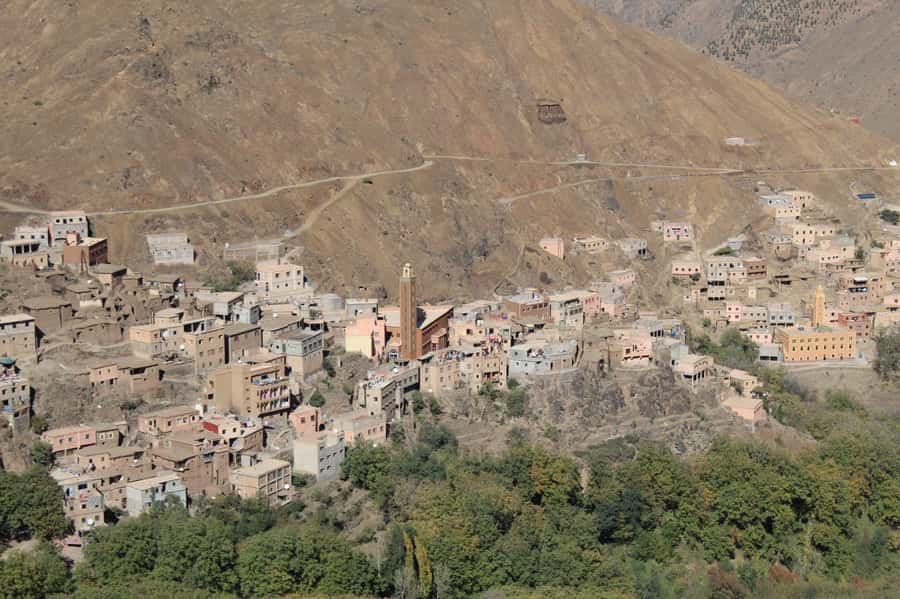
Day 1 is built around that classic Atlas feeling: open views at altitude, then a gradual shift into village life as you descend.
Start: Tizi n’Tamatert Pass (around 2279–2280m)
You begin trekking through Tizi n’Tamatert Pass (listed around 2279m, and sometimes noted as 2280m). As you climb, you’re looking out over the Imnane Valley area, and the terrain gives you lots of small “check points” where you can pause and reset your footing.
This pass is also where you’ll feel the day’s rhythm. If you start too fast, you’ll pay for it later. Pace matters here because your legs need to handle both the climb and the descent that follows.
The Tidli area and panoramic walking
After the pass, the route continues toward the Tidli area. Tidli is part of what makes the day more than just altitude. You’re moving through terrain with broad mountain views, and the walking gives you time to take in how farms and settlements work in the valley below.
The itinerary notes a Tidli pass around 2250m, which is a useful anchor: you’re not spending the whole day at the highest point, but you are staying in genuine high-altitude walking.
Descent and night in Armed Village
By afternoon, you head down toward Tizi Armed Village, where you sleep in a Berber guesthouse in Armed Village. The itinerary lists 5 to 6 hours of hiking for the day, which is a good chunk without being overwhelming.
This is also the moment where the trip earns its “authentic” tag in a practical way. You’re not rushing from one attraction to the next. You’re descending into the place that hosts you, then you’re fed like you’re part of the evening routine.
Overnight: a local guesthouse, plus a traditional Berber dinner you’ll share after your hike.
Day 1 Dinner and Guesthouse Night: What “Local” Means Here
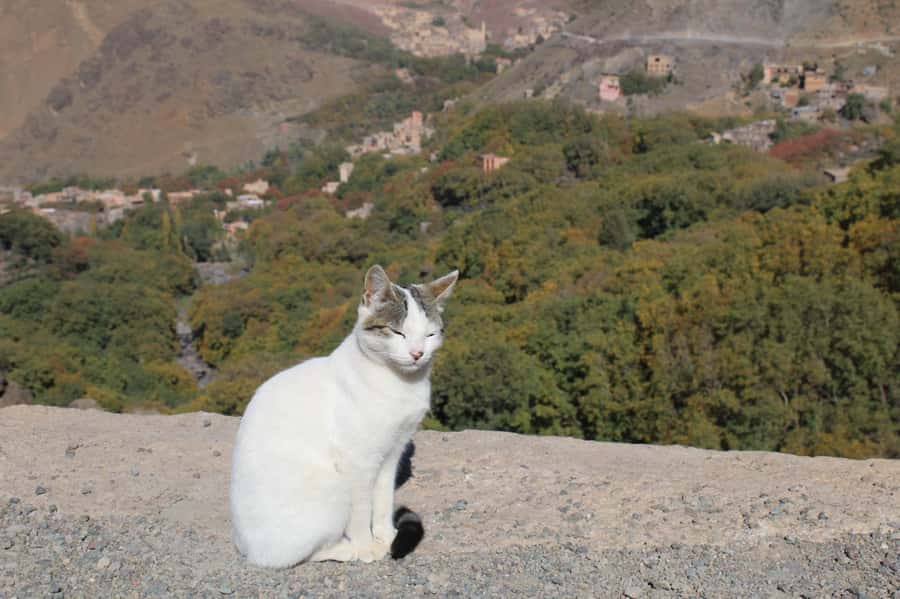
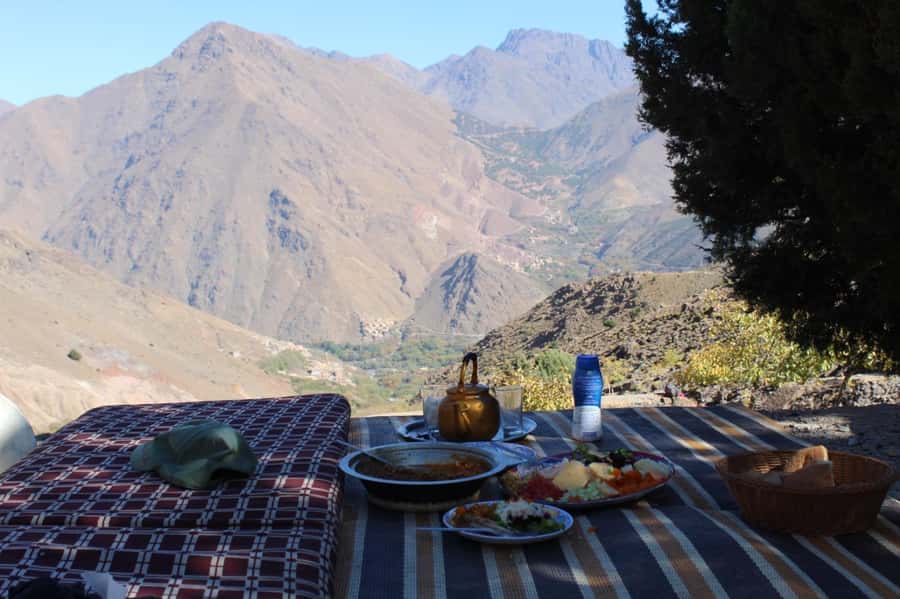
In Armed Village, you’re staying at a local Berber guesthouse, and meals are included thanks to a Berber cook. That’s a big value point. Food is part of why trekking tours fail when you have to improvise. Here, the trip handles it.
The dinner isn’t just about calories. It’s about timing and comfort. After several hours on the trail, you want a hot meal, not a scavenger hunt. The reviews also highlight good food and accommodations, and that matches what you’d hope for on a short 2-day plan.
If you’re traveling with kids, this kind of setup can be especially helpful because the rhythm is predictable: guided walking, then a real place to land for the night.
Day 2: Sidi Chamharouch, Tizi Izgaren (2520m), and the Return to Imlil
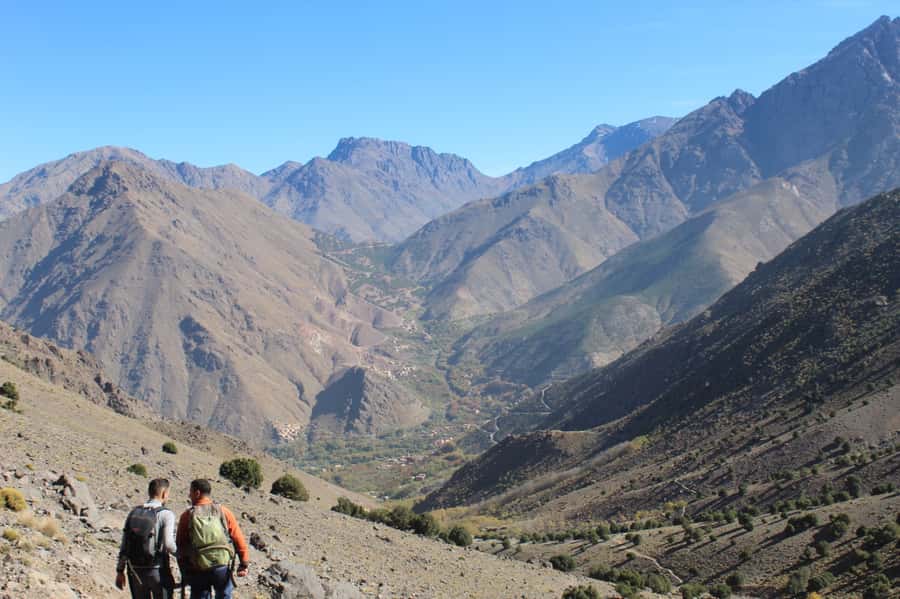
Day 2 is where the trek reaches its emotional payoff. It’s not just higher—it feels more meaningful.
Morning hike toward Sidi Chamharouch (~2350m)
After breakfast, you trek toward Sidi Chamharouch, around 2310–2350m depending on how the route segments are counted. Sidi Chamharouch is described as a spiritual place for pilgrims and a well-known stop for trekkers on the way to Toubkal.
That matters because you’ll likely notice people taking the moment seriously. Even if you’re not religious, it adds depth to the day. You’re not only walking through scenery; you’re passing through a living tradition.
Ascent to Tizi Izgaren Pass (2520m)
Next comes the big altitude moment: Tizi Izgaren Pass (2520m). The itinerary frames it as a place for breathtaking views of the surrounding peaks. This is the part where you’ll want to slow down and take a breather. At this height, the air can feel sharper, and the work you did on Day 1 makes Day 2 feel possible.
This is also where packing matters. If you’re wearing the right layers and you have your waterproof over-trousers ready, you’ll move more comfortably. Mountain weather can switch from calm to windy without warning.
Descend and late lunch near waterfalls in Imlil
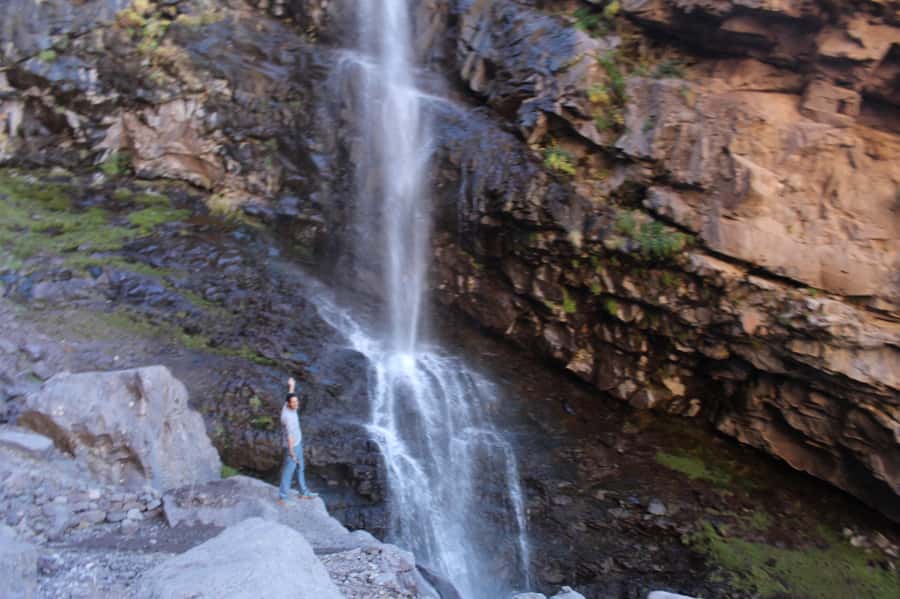
In the afternoon, you return to Imlil via waterfalls, with a late lunch under walnut groves and time to relax near the river. This is a smart close to the trek. You’re not immediately jumping back into a vehicle while still exhausted.
The day’s walking time is listed at about 5 hours, and then there’s a longer total travel window back to Marrakech. The return transfer is noted as arriving around 15:00 (roughly a 5-hour/late-day transit block after the trek), so plan on a full day even after the hiking ends.
Price and Value: What You’re Really Paying For
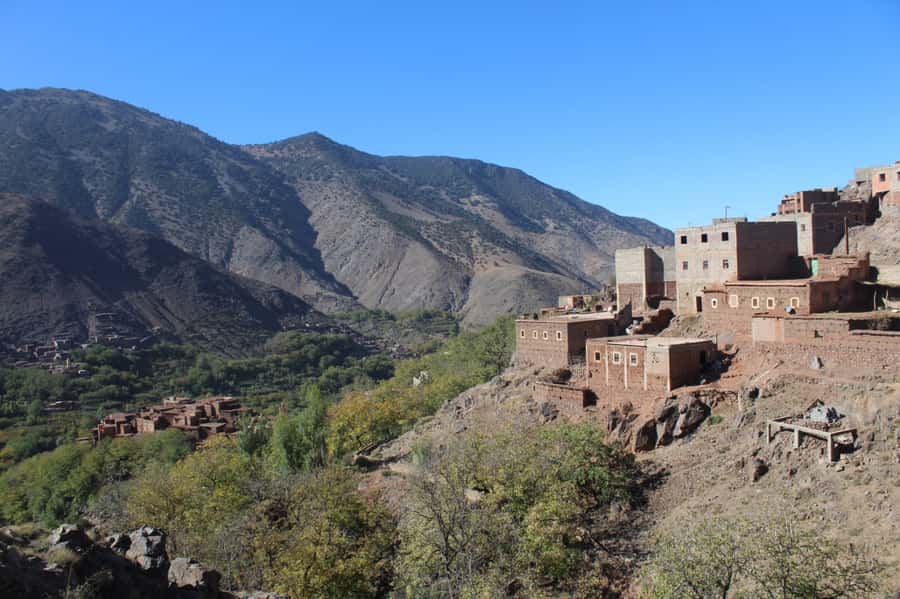
At $124 per person for 2 days, the value isn’t just the route. It’s what the price covers that you’d otherwise have to organize yourself.
You’re paying for:
- a fully escorted local mountain guide
- a Berber cook handling meals
- all meals (breakfast, lunch, dinner)
- 1 night in a local guesthouse
- transport from and back to Marrakech
For many people, this is the difference between a smooth trip and a stressful one. If you had to arrange guides, food, lodging, and transport piecemeal, it usually gets expensive fast, and you lose the low-friction feel that trekking really needs.
The only things not included are travel insurance, equipment, and soft drinks. So you’ll want to budget for any extras you personally need, especially if you don’t already own solid hiking boots and a rain plan.
What to Pack for the Atlas (So You Don’t Miserably Guess)
The key advice is straightforward: bring what you’d use for any mountain walking, plus protection for quick weather changes. It can be warm and sunny in the valleys, but cold winds and even snowier conditions can show up higher up, especially from autumn through late spring.
Here’s what the tour’s checklist focuses on:
- Good walking boots and socks
- comfortable shoes or slippers for the guesthouse
- trekking pants
- lightweight waterproof over-trousers / rain-pants
I’d add a very practical mindset: dress in layers and expect wind. If you’ve ever said I’ll just tough it out with a light jacket, the Atlas tends to humble that plan.
Also, do the easy, respectful thing: don’t leave rubbish behind. Carry out what you carry in.
Guide Quality: Why Hamid, Yussuf, and Hussain Matter
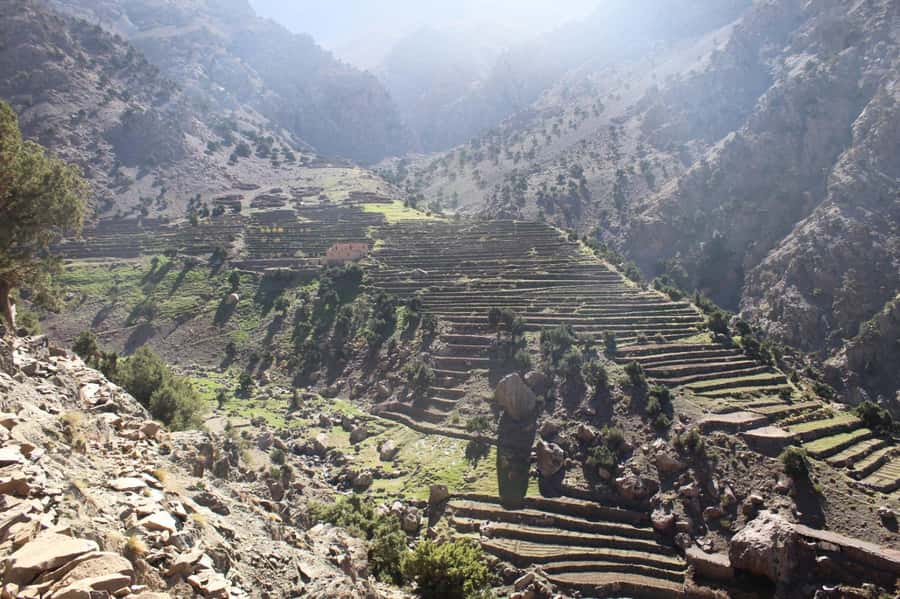
On paper, a trek can look similar to dozens of others. In real life, the guides are what turn it from walking to understanding.
The reviews you have point to Hamid as the person organizing pick-ups, guides, food, and accommodation, and that kind of coordination matters on a short 2-day route. If there’s a hiccup in timing, organization prevents it from turning into a stress spiral.
The guides Yussuf and Hussain are highlighted for speaking really good English and for sharing interesting information along the way. That improves the whole experience because you’re not just staring at mountains—you’re learning why people build and farm where they do, and what certain stops mean to pilgrims and trekkers.
Who Should Book This Trek (And Who Might Want Another Option)
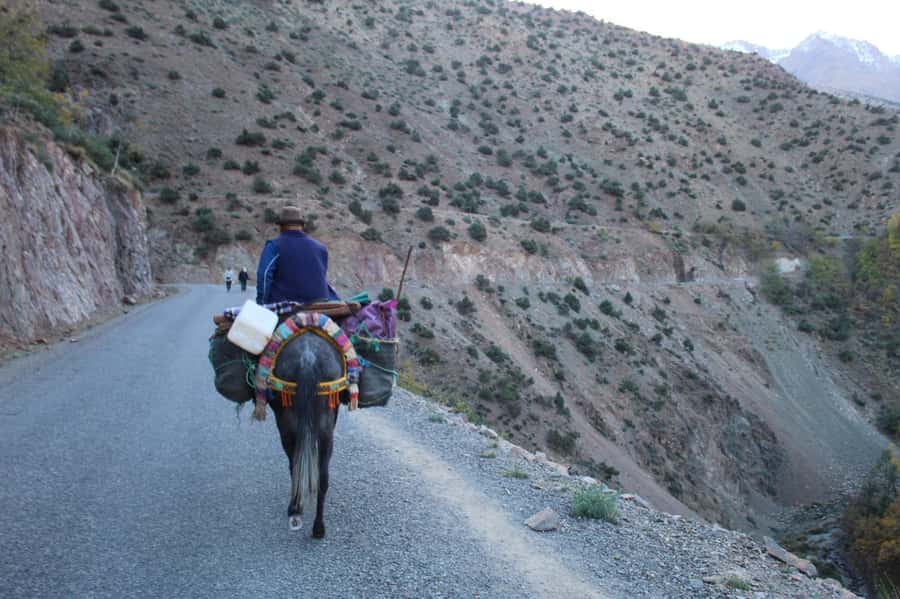
This trek is ideal if you want:
- a 2-day introduction to the High Atlas without committing to a longer trek
- village walking and a real guesthouse night
- guided support in English or French
- included meals and transport so you’re not planning logistics mid-trip
It may feel like the wrong fit if you:
- struggle with multi-hour uphill walking
- hate cold wind and don’t want to pack for sudden weather changes
- expect a completely flat, casual stroll (this isn’t that)
That said, it’s also not a month-long ordeal. With 5–6 hours on Day 1 and about 5 hours on Day 2, it’s manageable for many active people who don’t mind working a bit.
Should You Book This 2-Day Atlas Trek?
Book it if you want a short, well-run trek that blends passes, villages, and a guesthouse night with included meals and transport. At this price point, the “value” is the structure: you get escorting, food, lodging, and the mountain route in one package.
Don’t book it if you’re looking for a purely scenic, low-effort day. This trek has real altitude and walking time, and it asks you to prepare like you’re hiking in mountains, because that’s exactly what it is.
If you’re good with that—and you show up with proper boots, layers, and a rain plan—you’ll come away with more than photos. You’ll have walked through the Atlas in the way locals and trekkers often do: step by step, valley by valley, with dinner waiting at the end of the trail.
FAQ
Where do we meet in Marrakech?
You meet at فندق علي on Rue Moulay Ismail, Marrakech 40000, Morocco.
What languages are guides available in?
The live tour guide is available in English and French.
Are meals included?
Yes. The trek includes breakfast, lunch, and dinner.
Where do you sleep overnight?
You stay 1 night at a local Berber guesthouse.
How long is the hiking each day?
Day 1 is listed at about 5 to 6 hours of hiking. Day 2 is listed at about 5 hours of hiking, plus time for the return transfer to Marrakech.
Which mountain passes and stops are included?
The itinerary includes Tizi n’Tamatert (around 2279–2280m), the Tidli area/pass (around 2250m), Sidi Chamharouch (around 2350m), and Tizi Izgaren (2520m).
Is transport included from Marrakech?
Yes. Transport from and back to Marrakech is included.
Can I cancel for a full refund?
Yes. Free cancellation is available up to 24 hours in advance for a full refund.
What should I bring since equipment is not included?
You should bring your own hiking equipment. The guidance includes good walking boots and socks, trekking pants, and lightweight waterproof rain pants/over-trousers, plus comfortable shoes or slippers for the guesthouse.