REVIEW · OUARZAZATE
2-Day Atlas Mountains Morocco Trek with Village Stay
Book on GetYourGuide →Operated by MOROCCO TRAVEL TOURS COMPANY · Bookable on GetYourGuide
The Atlas Mountains hit you fast. In two days you’ll walk from Imlil up and over mountain passes, then down through juniper forests and Berber villages where you can see how people live with the land. Two things I really like are the mountain views from high passes like Tizi n’Tamatert and the fact that the trip is built around a genuine village night in Armed, not a hotel detour. One drawback to weigh: you’re hiking at altitude (passes around 2,250–2,520m), so this is not a sit-and-sightseeing outing.
I also like that the day plan is specific and practical: you get transfers from Marrakech, a professional guide, all meals during the trek, and one night in a guesthouse. You’ll pass places like Imlil, Arghen, M’zzik, and the Assif Aït Mizane Valley, then finish with stops like Sidi Chamharouch and high viewpoints around Tizi Izgaren. If you’re the type who hates cold, plan ahead for chilly nights and early mornings in winter.
In This Review
- Key Things I’d Bet You’ll Remember
- Entering The Atlas: How This Trek Works in Real Life
- Marrakech to Imlil: The Setup Before the Climb
- Day 1: Tizi n’Tamatert Pass to Armed Village
- The big first step: Tizi n’Tamatert
- Tidli area and the rhythm of valleys
- Descend into Armed and the village stay
- Day 1 Bonus Stops You’ll Likely Appreciate
- Day 2: Sidi Chamharouch, Tizi Izgaren, and Back to Imlil
- The higher pass moment: Tizi Izgaren
- The return: late lunch near the river
- Guides Matter Here: What Makes the Human Side Work
- Food and Comfort: Guesthouse Meals, Cold Nights, and What’s Included
- Price and Value: Is $124 a Good Deal?
- What to Pack: The Small List That Prevents Big Annoyance
- Who Should Book This Trek (and Who Might Want Another Option)
- Should You Book This 2-Day Atlas Mountains Trek?
- FAQ
- How long is the trek?
- Where do you meet in Marrakech?
- What languages are available for the guide?
- Does the price include transport from Marrakech?
- Are meals included?
- Where do you stay overnight?
- How much hiking should I expect?
- Is travel insurance included?
- Are soft drinks included?
- Is it free to cancel close to the start date?
- Can I reserve now and pay later?
Key Things I’d Bet You’ll Remember
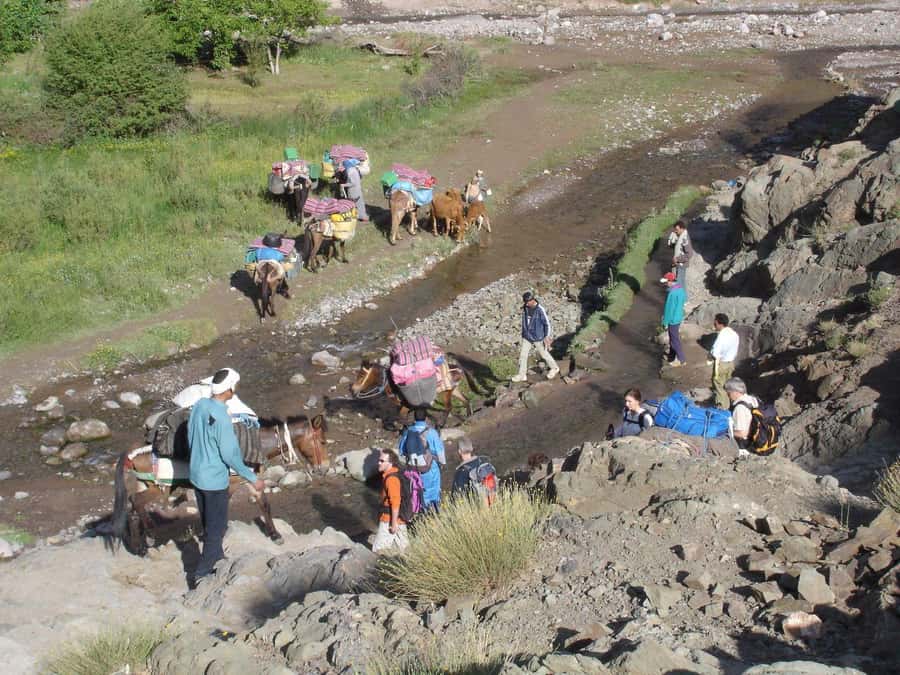
- Pass-country views from Tizi n’Tamatert (~2,279m / ~2,280m), plus higher viewpoints on the second day
- Juniper-forest hiking with descents that feel cooler and more shaded than exposed ridgelines
- Armed Village guesthouse night where dinner and breakfast are part of the rhythm
- Sidi Chamharouch, a well-known spiritual stop trekkers pass on the way toward Toubkal
- Real guide support from guides like Ibrahim, Omar, and Mohammed, who were praised for being helpful and adaptable
- Small-group feel on some dates, including a couple cases where it was just two hikers
Entering The Atlas: How This Trek Works in Real Life
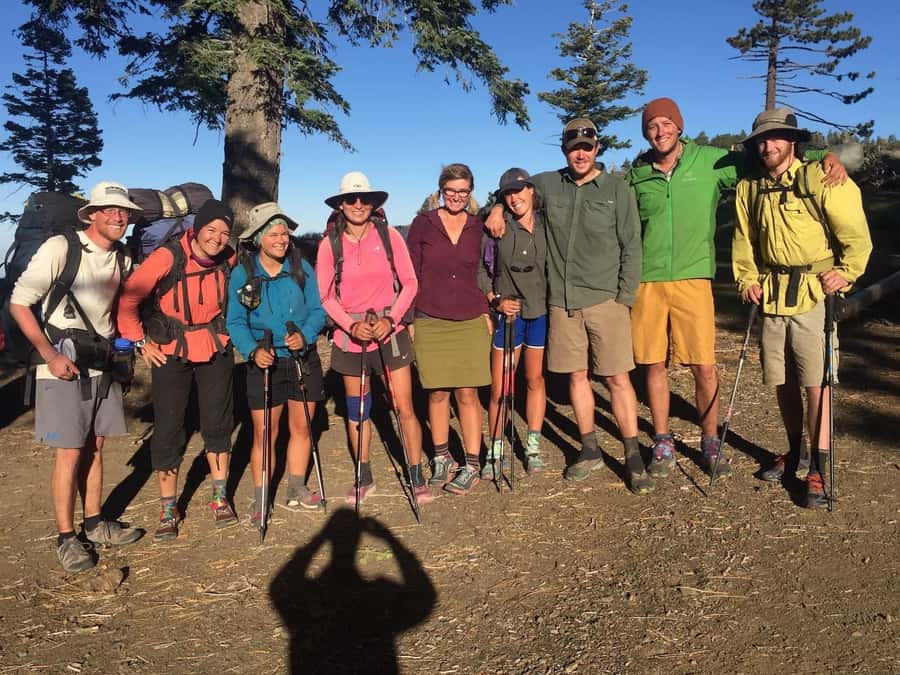
This is a classic short Atlas trek that’s designed to be doable without feeling rushed. You start in the Imlil area, then spend your two days moving between villages, climbing through mountain terrain, and dropping into valleys with rivers and orchards. The “story” of the walk is built into the route: elevation changes, changes in vegetation, and the way villages appear along irrigated terraces.
You’ll hike through deep gorges and past river streams as the valleys open up. Then you get juniper forests as you descend—one of those Atlas traits that makes the air feel different under the trees. The trip also points you toward the highest waterfall in the Atlas Mountains, which is the kind of payoff that makes a short trek feel bigger than its number of days.
The guide is the real engine here. You’re not just collecting scenery—you’re learning the rhythm of the valleys and passes so you know what you’re looking at as you walk.
Marrakech to Imlil: The Setup Before the Climb
The day begins with private transport from Marrakech. Your pickup point is Hotel Ali, Rue Moulay Ismail. You’ll typically depart Marrakech early, with the schedule listing an 08:00 departure and about a 1.5-hour drive to Imlil.
That transfer matters more than you might think. The Atlas road takes you from city-level life into mountain terrain, and by the time you reach Imlil you’re mentally switched on. You’ll meet your guide there and start walking with the right pace from the first pass, instead of wasting energy on stress or confusion.
Tip I’d follow: wear comfortable shoes before you ever leave Marrakech. Even the approach roads and village paths can be rough, and you want your feet ready for real trail work.
Day 1: Tizi n’Tamatert Pass to Armed Village
The big first step: Tizi n’Tamatert
Day 1 starts with climbing over Tizi n’Tamatert (listed around 2,250–2,279m depending on how the stop is referenced). The route is built for views over the Imnane Valley, so you feel like the hike is giving you something as you go up—not just a grind.
You’re walking above village edges, where terraces thin out and you start seeing the mountains more clearly. Expect steep moments, rocky sections, and plenty of chances to pause for photos and breath-checks.
Tidli area and the rhythm of valleys
After crossing that main pass, you head toward the Tidli area and continue through the mountainous scenery. The idea is that you keep moving through the high country without the hike turning into a marathon.
This part of Day 1 is where you’ll notice how terrain changes your energy. Uphill gets your legs working; downhill asks for control in your knees and ankles. Since the day is about 5–6 hours of hiking, you can treat it as a strong but manageable training day.
Descend into Armed and the village stay
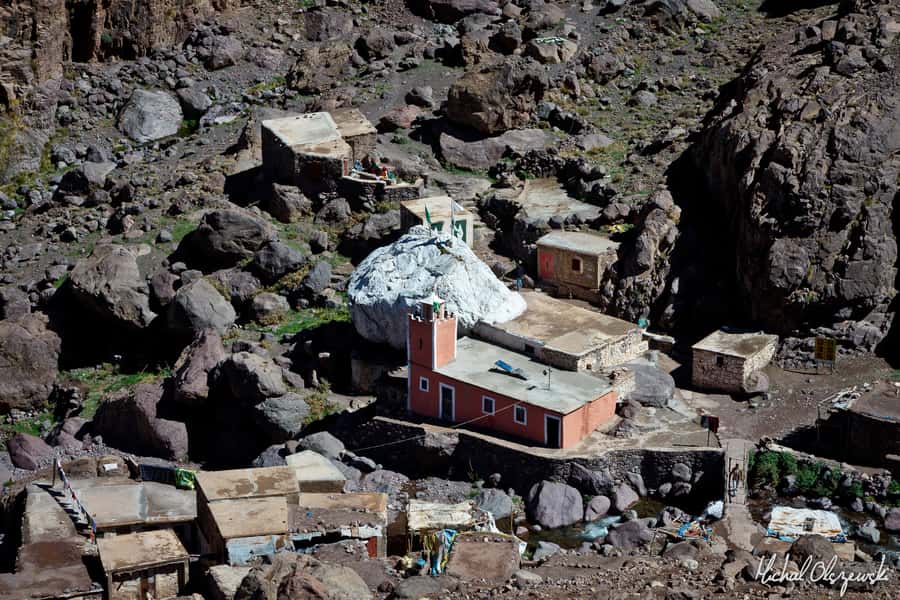
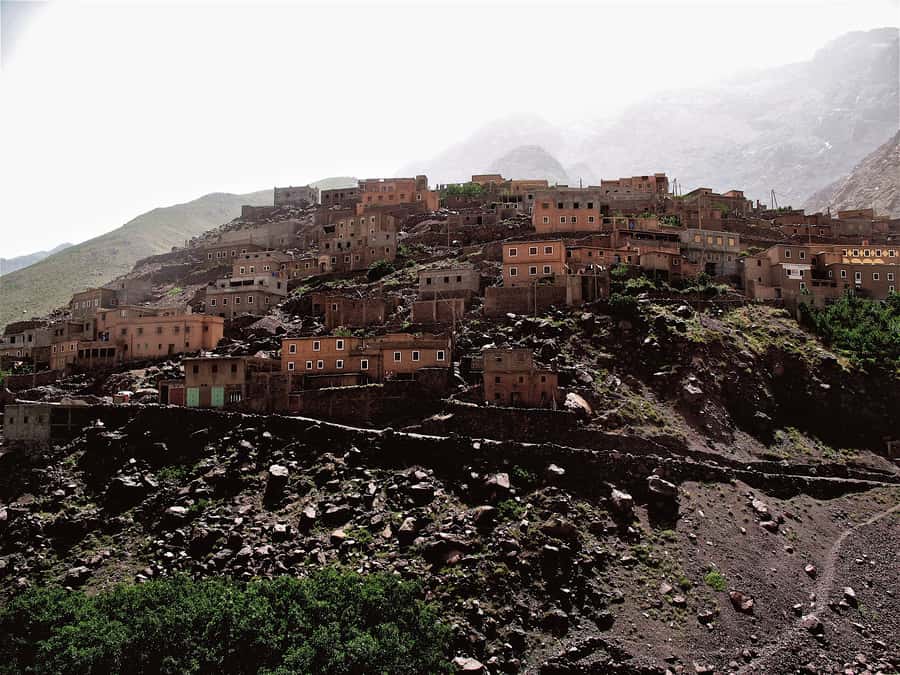
By late afternoon you descend to Armed Village, where you’ll sleep in a Berber guesthouse. This is the core “village stay” part of the experience: you’re not only passing through villages—you’re spending the night among them.
Dinner is included, and the tone of the stay is usually family-style hospitality. In one story, people praised the food as huge portions and the welcome as warm, with guides staying engaged rather than disappearing after drop-off.
One practical consideration: if you’re doing this in winter, bring a plan for sleeping comfort. One review noted that sleeping bags were not included in the price and recommended renting or bringing one because rooms can feel very cold, especially in December.
Day 1 Bonus Stops You’ll Likely Appreciate
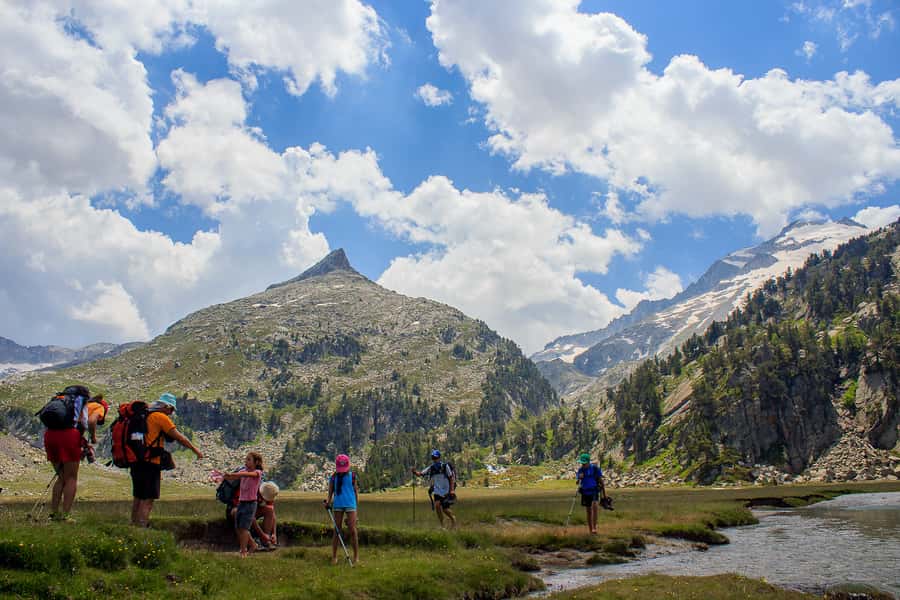
This route doesn’t just run point-to-point. You’ll go through or near villages such as Imlil, Arghen, and M’zzik, plus time in the Assif Aït Mizane Valley. That valley viewpoint over ancient irrigated terraces of fruit trees and vegetables is the kind of Atlas detail you don’t get from a drive-by.
And yes, you’ll likely see water in action—gushing stream sections and gorge crossings are part of the experience. When water is nearby, the air can cool off and you’ll find more shade, which makes a big difference on a long hike.
If you like landscapes in the literal sense (water, stone, trees, walls of terraces), this day will keep your eyes busy.
Day 2: Sidi Chamharouch, Tizi Izgaren, and Back to Imlil
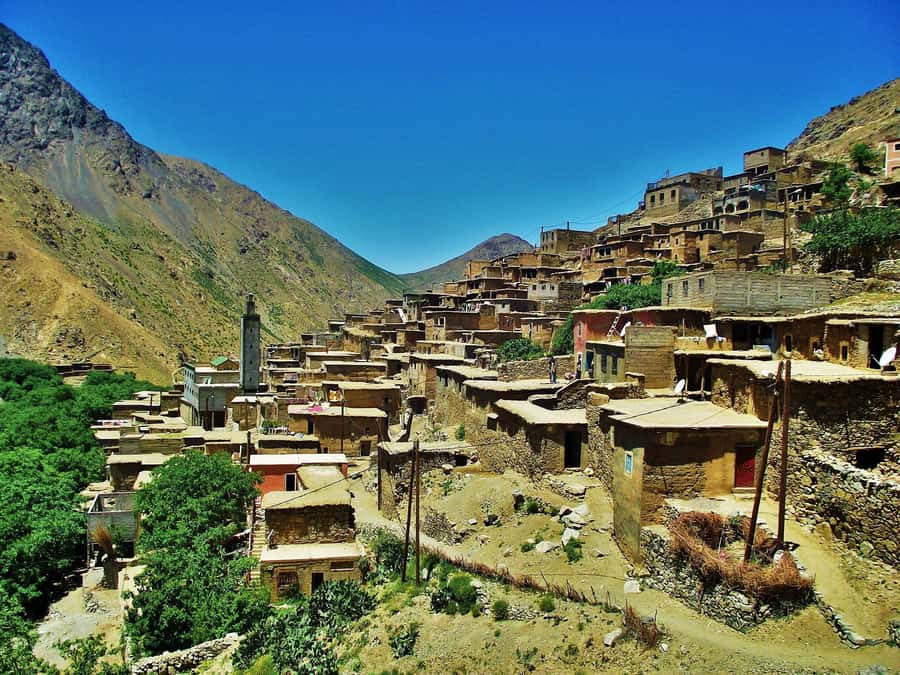
Day 2 starts after breakfast in the guesthouse. From there you move toward Sidi Chamharouch (listed around 2,310m / the spiritual stop point). This place is known for pilgrims and is also described as a famous trekkers’ stop on the way to Toubkal.
That matters because it changes the feel of the hike. For a stretch, you’re not just watching scenery—you’re walking through a point with human meaning. It’s a reminder that these paths exist for work, worship, and survival, not only for tourism.
The higher pass moment: Tizi Izgaren
Next comes the big altitude payoff: Tizi Izgaren Pass around 2,520m. This is where your second-day views should feel like a reward. You’re higher, the air feels thinner, and the peaks are easier to read.
It’s also where you should go slow on purpose. Altitude can make your breathing feel “out of sync” even if you’re fit. The guide’s job here is to keep you moving at a pace that matches your group.
The return: late lunch near the river
In the afternoon you head back to Imlil for a late get lunch under walnut groves and time to relax near the river. This is a smart finishing rhythm: you don’t end the hike and then immediately jump into a bus rush.
Then you transfer back to Marrakech the same day. The info provided says the return takes about 5 hours, with you arriving back in Marrakech later in the day.
Guides Matter Here: What Makes the Human Side Work
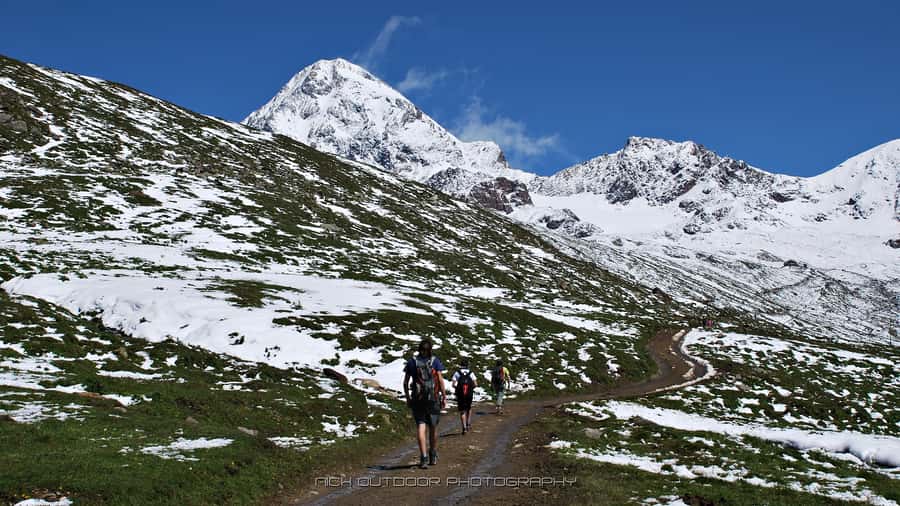
This trek lives or dies on the guide relationship. The names that came up strongly—Ibrahim, Omar, and Mohammed—were repeatedly described as friendly, helpful, and adaptable. That lines up with what you need on a pass trek: someone who can adjust pace, explain what you’re seeing, and handle small issues without drama.
One review specifically praised a guide for being very supportive and for helping during a moment of difficulty. Another highlighted a guide living in or connected to the local areas, which often means they understand which spots feel right and how to move with the seasons.
If you care about this part, ask your guide early what to expect for the weather and trail conditions that day. You’re paying for more than GPS points—you’re paying for judgment.
Food and Comfort: Guesthouse Meals, Cold Nights, and What’s Included
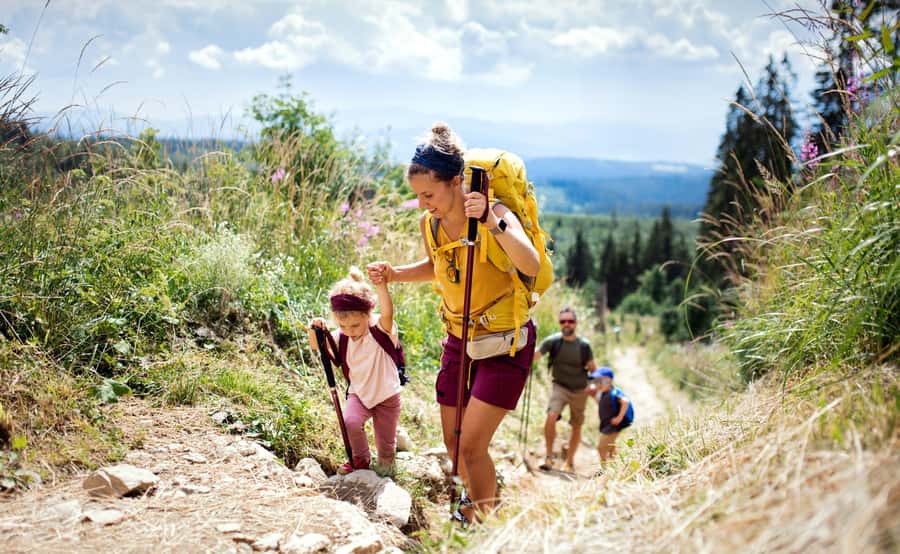
The price includes all meals during your trekking days. That typically means breakfast and dinner at the guesthouse, plus lunch during the hiking portion. Reviews highlighted the food as excellent and satisfying, including big portions.
In terms of lodging, it’s a guesthouse in Armed Village for one night. That’s not the same as a hotel stay. Think simple, clean, and local—exactly what makes the village experience work.
Winter comfort is the one real variable. A couple reviews mention December cold and the need to use or rent a sleeping bag. So if you’re traveling during colder months, don’t assume you’ll be warm just because the room has bedding.
Practical move: pack layers you can sleep in. Warm socks and a hat can be more useful than you’d expect.
Price and Value: Is $124 a Good Deal?
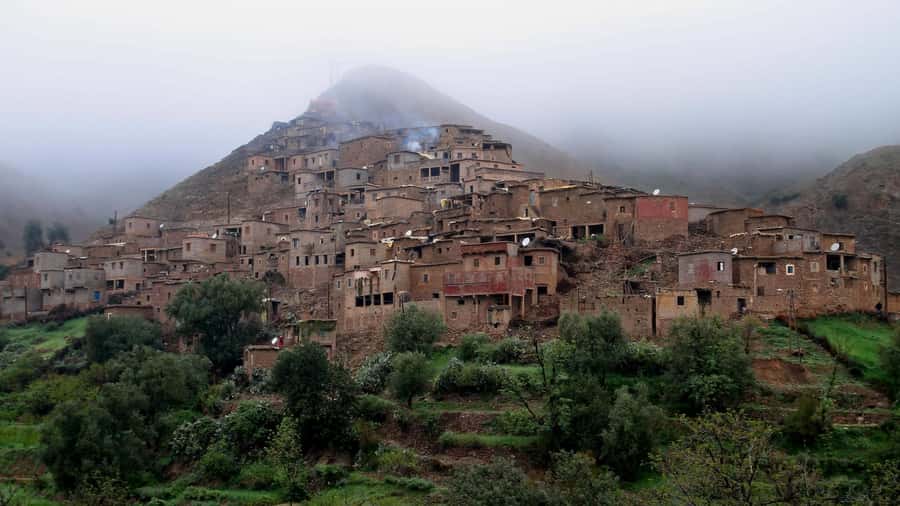
At $124 per person for 2 days, the value looks strong because the cost isn’t only “a guide and a hike.” You also get:
- Private transport from and back to Marrakech
- Pickup and drop-off
- All meals during the trek
- A professional mountain guide
- 1 night accommodation in a guesthouse
When you compare that to what it costs to arrange a guide plus a separate transfer and meal plan, this package format saves you hassle. You’re buying a complete, guided circuit built around actual mountain walking and village time.
What you should budget separately:
- soft drinks (not included)
- travel insurance (not included)
One small caution on value: if sleeping bags aren’t included, winter travelers may need to add the cost of renting or bringing one.
What to Pack: The Small List That Prevents Big Annoyance
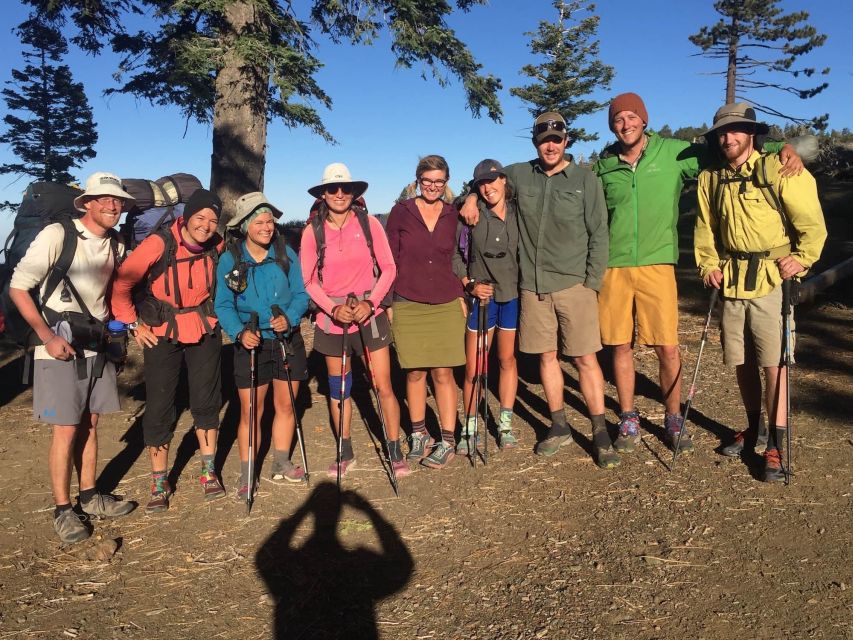
You should treat this like a real hiking weekend. The tour info and reviews both point toward being ready for the cold and for active walking.
Bring:
- sport clothes and layers (a warm layer for night)
- good hiking shoes with traction
- a hat and gloves if you’re traveling in cooler months
- a day layer you can remove for climbs and put back on during passes and descents
For winter or shoulder season:
- plan for sleeping comfort. If you don’t have your own sleeping bag, you might want to rent one since conditions can be very cold.
Also pack a small amount of patience. Village routes aren’t always smooth, and the guide will sometimes adjust based on trail and timing.
Who Should Book This Trek (and Who Might Want Another Option)
This trek fits you if you want:
- a short, high-altitude introduction to the Atlas Mountains
- Berber village life with a real overnight stay
- a plan that covers passes like Tizi n’Tamatert and Tizi Izgaren in just two days
- guidance in English or French
It may not fit if:
- you want a fully comfortable, hotel-level stay every night
- you’re not ready for steep, uneven trails and altitude passes around 2,500m
- you strongly dislike cold nights in December without a proper sleeping setup
If this is your first Morocco trip and you want your first Atlas experience to feel authentic, this is a very logical choice.
Should You Book This 2-Day Atlas Mountains Trek?
I’d book it if you’re excited by the idea of walking between villages with one guided circuit from Marrakech, plus meals and a guesthouse night handled for you. The guides praised for being helpful—like Ibrahim, Omar, and Mohammed—are a good sign that this isn’t just a “walk and go” operation.
I’d think twice if your priority is comfort at every moment or if you arrive without winter planning gear. The cold can be real, and sleeping bags may be needed depending on season and what’s available at the guesthouse.
FAQ
How long is the trek?
The trek is 2 days.
Where do you meet in Marrakech?
The meeting point is فندق علي (Hotel Ali) on Rue Moulay Ismail, Marrakech 40000.
What languages are available for the guide?
The tour offers a live guide in English and French, and it also includes an audio guide in English and French.
Does the price include transport from Marrakech?
Yes. Private transport is included from and back to Marrakech, including pickup and drop-off.
Are meals included?
Yes. All meals during your trekking tour are included.
Where do you stay overnight?
You stay for 1 night in a guesthouse in the Armed Village area.
How much hiking should I expect?
Day 1 includes about 5 to 6 hours of hiking, and Day 2 includes additional hiking over passes and viewpoints. Exact total times for Day 2 aren’t stated in the provided info.
Is travel insurance included?
No. Travel insurance is not included.
Are soft drinks included?
No. Soft drinks are not included.
Is it free to cancel close to the start date?
The tour offers free cancellation up to 24 hours in advance for a full refund.
Can I reserve now and pay later?
Yes. You can reserve now & pay later, so you can book without paying immediately.