REVIEW · SAPA
2 Day Trekking Experience: Explore with knowledgeable local guide
Book on Viator →Operated by Sapa Trekking Tours: Live like a local whilst exploring the breathtaking scenery of Muong Hoa Valley · Bookable on Viator
Sapa shifts fast when Bau guides your trek. I love the 16km Muong Hoa Valley hike with real conversation about Hmong life, and I love the family dinner and overnight at her home, which makes the mountains feel human. The main drawback: the walking is no joke, so you need at least moderate fitness and good footwear.
This private 2-day trip runs long days (about 12 hours each), and it’s built around going beyond the easy viewpoints in Sapa. Pickup is offered, and you get a mobile ticket, which makes the whole thing feel simple from the start.
With a 5-star rating and 100% recommendation, the consistent theme is clear: Bau shows up with extra help, including bringing along extra boots if you need them. If you like cultural learning that comes with sweat and shared meals, this one lands.
In This Review
- Key highlights to know before you go
- Why Bau’s Hmong-led trek feels different in Sapa
- Day 1: Sapa to Muong Hoa Valley on foot (about 16km)
- The overnight at Bau’s home (where the trip actually becomes personal)
- Day 2: more walking plus lunch with a local family
- What’s included in the $65 price (and why it’s not just cheap)
- Pickup, private group, and mobile ticket: the logistics that keep you relaxed
- What you should pack (based on what actually goes wrong on treks)
- Who this trek suits (and who may want a gentler option)
- Should you book Bau’s 2-day Sapa trekking experience?
- FAQ
- FAQ
- How long is the trek?
- Where does the trekking start?
- What is the price, and what does it include?
- Do I get pickup?
- Is this a private tour?
- What fitness level do I need?
- Do I need to bring tickets?
- What if I need to cancel?
Key highlights to know before you go
- Bau meets you at your hotel: Pickup is included, and she’s helped people with spare boots when the ground surprises you.
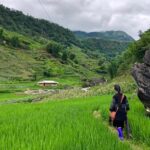
- 16km Muong Hoa Valley day one: You’ll walk through the scenery around Muong Hoa Valley, not just do short village photo stops.
- Overnight at a home, not a faceless hostel: Dinner and the family welcome change the vibe.
- Lunch with a local family on day two: Meals are part of the experience, not an afterthought.
- Private by default: It’s your group only, so the pace can actually match you.
- Moderate fitness required: Expect a real trek over two days, not a stroll.
Why Bau’s Hmong-led trek feels different in Sapa
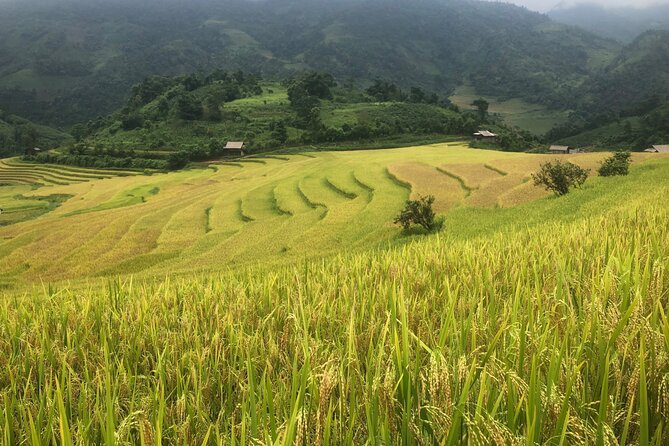
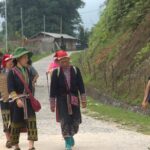
Sapa has a reputation for turning culture into a quick performance. This trek goes the other direction. You’ll be walking with Bau, a local Hmong guide who focuses on daily life, traditions, and what it means to live in this mountain region. The tone stays personal—more like spending time with someone who wants you to understand their home.
Two things I really like about this style of trip: first, the walking route gives you time to notice details. Second, the family meals turn the trip from scenery into a full day you can talk about later. You’re not just looking—you’re learning what daily life feels like between the views.
You should also know the trip is practical, not precious. Even the small logistics matter: one of the clearest themes from past guests is that Bau plans for common trek problems. In one case, she brought extra boots that saved the day. That’s the kind of attention that makes you relax and focus on the trail.
Day 1: Sapa to Muong Hoa Valley on foot (about 16km)
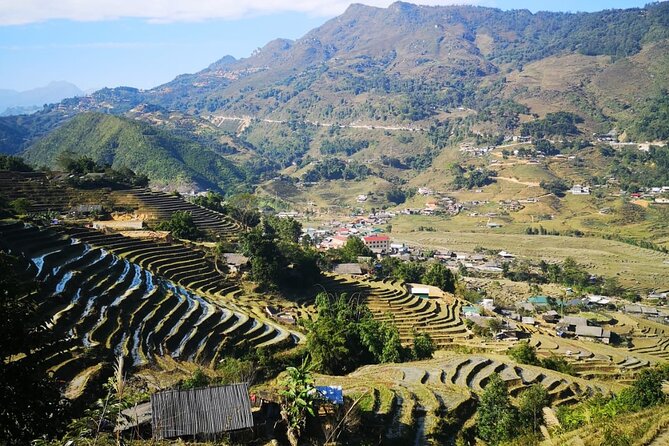
Day 1 starts with Sapa and quickly turns into real trekking time. Your main leg is roughly 16km through the Muong Hoa Valley area. This is the part of the trip where your pace and footing matter most, because the route is long enough that you’ll feel it.
What you’ll do on day one isn’t just pass through viewpoints. You’ll spend hours moving through the mountains, with time for cultural context as you walk. The guide talks about local life and helps you connect what you’re seeing to how people live here. This makes the scenery more useful. Even when the views are great (and they are), the bigger win is understanding what’s behind them.
A consideration for day one: you’ll be outdoors for a long stretch. Wear shoes that work on uneven ground and bring socks you’re not afraid to get dirty. If you’re the type who only likes easy walks, this may feel like too much on day one.
Also, note the trip lists the activity as having admission ticket free on the day schedule. Translation: you’re not paying extra museum-style fees to walk. You’re paying for the guide, the route, and the experience.
The overnight at Bau’s home (where the trip actually becomes personal)

The big reason this trek earns strong praise is what happens after the first day of walking. Many trekking trips stop at the trail and then send you back to a hotel. Here, you finish the first day and spend the night at Bau’s home.
That overnight change is huge. You don’t just get a bed—you get a family welcome. In the past, people have described meeting Bau’s family (including her daughters) and sharing dinner in a way that feels like you’re part of the household for the night. It’s cozy, and it adds warmth to the day’s physical effort.
Practically, a home stay also means you’re in better hands than you’d expect. One theme in the feedback is that Bau is patient and supportive on the trek itself. Another is that she comes prepared. If you realize you’re under-equipped, she may help you handle it—like bringing extra boots.
Dinner is included, so you don’t have to spend your evening guessing where to eat or what will be open. You’ll be fed, and you’ll likely have time to talk—sometimes that’s the best “souvenir” you carry back.
Day 2: more walking plus lunch with a local family
Day 2 continues the trekking experience with more time in the Sapa area and its surrounding cultural landscapes. The exact trail details aren’t described step-by-step here, but the day is positioned as another full trekking day (again around 12 hours) focused on both scenery and cultural context.
The highlight on day two is the lunch. You’ll share lunch with a hospitable local family. This isn’t framed as a tourist lunch stop. It’s presented as part of how you connect with the community—food, conversation, and a look at daily routines.
This is also where you’ll likely appreciate the structure of the trip. After a long day on foot the day before, day two can feel either tough or enjoyable depending on how well the plan supports you. The meal inclusion helps. Lunch (2 total lunches across the trip) means you’re not rationing energy or hunting for food at the wrong moment on the trail.
Like day one, the best approach is to plan your day around being outdoors and moving at a guided pace. If you want a strict sightseeing checklist with quick stops and lots of free time, this isn’t that kind of itinerary.
What’s included in the $65 price (and why it’s not just cheap)
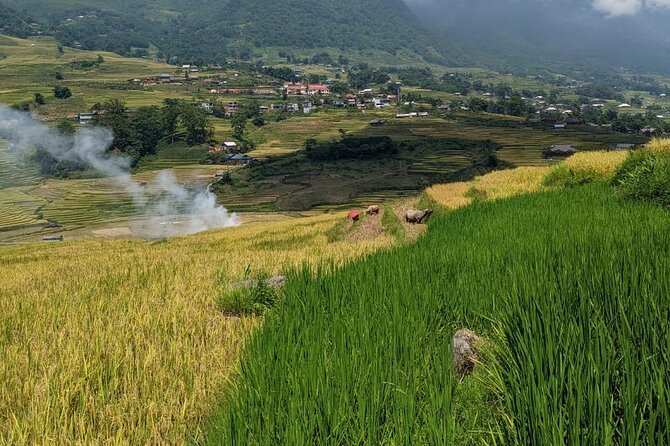
At $65 for two days, this trek is priced like a value option in a region where “Sapa tours” can go expensive fast. But the real question is what you’re getting for the money—not just the number.
Here’s what’s included:
- Dinner
- Lunch (2)
- A local Hmong guide (and the experience is private for your group)
Pickup is offered, and you’ll receive a mobile ticket. Those details matter more than they sound. Pickup saves you the hassle of coordinating transport when you’re already starting the day in the mountains. A mobile ticket reduces the chance of you dealing with a paper-print moment.
What’s not included:
- Tips
- Personal expenses (including insurance)
That last part is important. This trek involves moderate physical effort and time outdoors. You’re responsible for your own insurance and personal spending. I always tell people to budget for a basic insurance policy that covers trekking, even if the operator doesn’t frame it that way.
And here’s the balanced view: the price is solid, but you still need to show up ready. If you don’t bring the right footwear or you expect an easy walk, you might regret not planning better. When you meet the physical demands, that’s when the cost starts to feel like a fair deal.
Pickup, private group, and mobile ticket: the logistics that keep you relaxed
Some tours are “private” in name only. This one is described as private, meaning only your group participates. That matters in practice. You can ask more questions without feeling rushed. You can keep a pace that works for you, especially on a longer walk.
Pickup is also offered. That’s a big convenience in Sapa, where getting to trailheads can be the annoying part of the day. If you’re staying centrally, this reduces friction.
You’ll also use a mobile ticket. That typically means you don’t need to carry lots of paperwork or worry about losing anything.
One more practical note: the experience is listed as near public transportation. That’s useful if you’re not staying in the same area as the pickup point or you’re arriving under your own schedule. Still, pickup is part of the experience, so don’t assume you’ll be walking there alone unless you choose to.
What you should pack (based on what actually goes wrong on treks)
The most useful packing advice here is simple: prepare for feet first, then layers, then extras.
From the feedback, one common issue is boots and footing. Bau has helped with extra boots when needed, but you shouldn’t rely on rescue every time. Bring shoes you already trust on uneven ground.
Beyond that, pack for long, outdoor days. You’ll be walking for hours both day one and day two, so think in terms of comfort over fashion. A small backpack can help you carry water and personal items, plus whatever you need to feel steady on the trail.
Also, bring a mindset for shared meals. Dinner and two lunches are included, and the trip is designed around eating with people in the community. If you have dietary needs, plan ahead and communicate them clearly so you’re not stuck figuring it out at mealtime.
Who this trek suits (and who may want a gentler option)
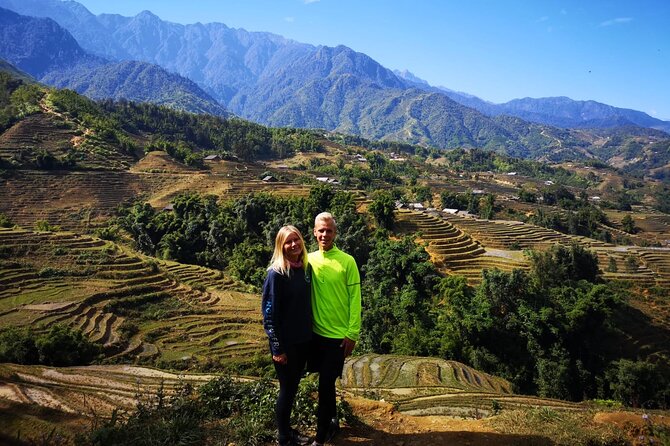
This is best for people who like:
- Culture that happens while you’re walking, not after a bus ride
- A real connection with a local Hmong guide and family
- An overnight element with dinner included
- A moderate trekking challenge
The trip specifically calls for moderate physical fitness, so it’s not meant for people who want minimal walking. Day one’s about 16km, so even if you’re fit, pacing and footwear matter.
It also suits you if you like a smaller group feel. A private format makes it easier to focus on the conversation and the trail rather than trying to keep track of a larger crowd.
If you’re seeking a very short, low-effort activity with lots of free time, you’ll probably find this too structured and too physical. But if you want the kind of Sapa experience that leaves you with stories, this fits well.
Should you book Bau’s 2-day Sapa trekking experience?
I’d book it if you want Sapa to feel real—less like a checklist, more like a day with people who live there. Bau’s approach is built around walking, meals, and a genuine cultural exchange. The repeated praise for her kindness, patience, and clear explanations points to the type of guide who adjusts to your needs instead of marching you through a script.
Book it especially if:
- You’re comfortable with a moderate trek over two days
- You want an overnight experience with dinner included
- You value cultural context and family interaction
- You appreciate practical support (like help with boots)
Skip or rethink if:
- You’re not ready for a roughly 16km day
- You prefer day trips that stay strictly in the town without home stays
- You don’t want to participate in shared meals
If you match the fitness level and the style—walk, learn, eat, rest—this one feels like strong value at $65 and a memorable way to experience Sapa beyond the standard route.
FAQ
FAQ
How long is the trek?
It’s a 2-day experience, with each day listed as about 12 hours.
Where does the trekking start?
The schedule lists Sapa as the starting point on both day one and day two.
What is the price, and what does it include?
The price is $65. Included are dinner and lunch (2 lunches total). Tips and personal expenses (including insurance) are not included.
Do I get pickup?
Yes, pickup is offered.
Is this a private tour?
Yes. It’s described as private, meaning only your group will participate.
What fitness level do I need?
You should have a moderate physical fitness level.
Do I need to bring tickets?
You’ll use a mobile ticket. The schedule also indicates admission ticket free for the activities listed.
What if I need to cancel?
You can cancel for a full refund up to 24 hours in advance of the experience’s start time. If you cancel less than 24 hours before, the amount paid won’t be refunded.