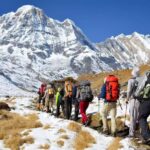
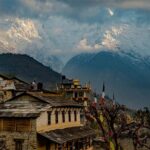
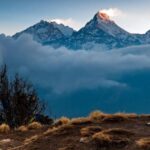
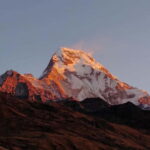
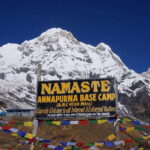
5416 meters is a long walk upward. This 12-day Annapurna Circuit circuit is built for the big moment at Throng La, while still feeling grounded in daily village trekking and real guesthouse nights. I especially like the way the route mixes altitude work with sightseeing, including a rest/acclimatization day in Manang and a stop for Bhojo Gompa. The guides stand out too—names like Bikram, Prakash, and Krishna come up for a reason, and Bikram in particular is described as patient and experienced (over 20 years), which matters when your legs start bargaining with you.
One possible drawback: meals and drinks are not included, so you’ll need to budget for food along the way in addition to the trekking cost.
In This Review
- Key Highlights Worth Knowing
- A Classic Annapurna Circuit, Designed for the Big Moments
- Day 1: Pokhara to Besisahar, Then a Gentle Start Toward the Trek
- Day 2: Jagat—Village Life Meets Steady Climbing
- Day 3: Through Annapurna Padmaarga Toward Dharapani
- Day 4: Chame and the Payoff of Higher Views
- Day 5: Pisang—More Trail Time, More Mountain Feeling
- Day 6: Manang—A Major Hub Before the Acclimatization Work
- Day 7: Acclimatize in Manang and Visit Bhojo Gompa
- Day 8: Yak Kharka—Steep Effort With Big Views
- Day 9: Thorong Phedi—The Pre-Pass Setup
- Day 10: Thorong La (5,416 m) to Muktinath—Start Early, Plan for the Long Descent
- Day 11: Jomsom—Recovery Walking and Village Time
- Day 12: Back to Pokhara and Into Regular Life
- Price and Logistics: What $718.77 Covers (and What It Doesn’t)
- Guides Matter: The Calm-Competence Factor
- Getting Your Body Ready: Fitness and Altitude Reality
- So, Should You Book This Annapurna Circuit Trek?
- FAQ
- Where does the trek start and end?
- How high does the trek reach?
- How long is the trek?
- Is an English-speaking guide included?
- Are permits included?
- Is accommodation included?
- Are meals included in the price?
- What about transportation from Pokhara?
- Is this a private tour?
- Is free cancellation available?
Key Highlights Worth Knowing
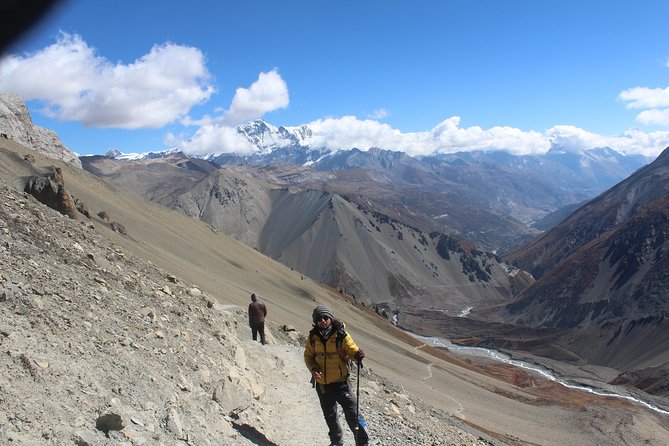
- A real high-pass finish at Throng La (5,416 m), with a long descent to Muktinath afterward
- A dedicated acclimatization day in Manang, plus time for Bhojo Gompa
- English-speaking trekking guides with a track record of calm, practical support
- Guesthouse accommodation included, so you’re not hunting for beds each night
- Permits handled via trekking permit and TIMS (good for peace of mind)
- Pickup plus transport built in: private-car hotel shuttle and sharing buses to the trail
A Classic Annapurna Circuit, Designed for the Big Moments
The Annapurna Circuit is famous because it keeps changing. One day you’re working your way through villages and gradual climbs; the next day you’re dealing with higher, thinner air and colder mornings. What I like about this particular 12-day plan is that it doesn’t treat altitude like an afterthought—it gives you structure, including a day in Manang that’s clearly meant to help your body adjust before the high pass.
It also feels like good value because so many of the essentials are packaged in. You’re not just paying for a guide—you’re paying for permits (trekking permit and TIMS), an English-speaking guide, guesthouse lodging, and transport between Pokhara and the trekking start points. The trek itself stays “in the real world,” with mostly uphill walking days that are measured in hours, not in vague promises.
If your goal is a lifetime milestone (walking over Throng La) without chaos and constant logistics, this kind of guided, organized circuit makes sense. You’re still doing the work—just with fewer moving parts.
You can also read our reviews of more tours and experiences in Pokhara.
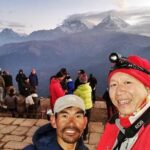
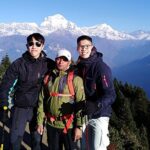
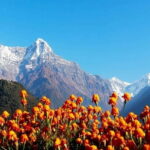
Day 1: Pokhara to Besisahar, Then a Gentle Start Toward the Trek
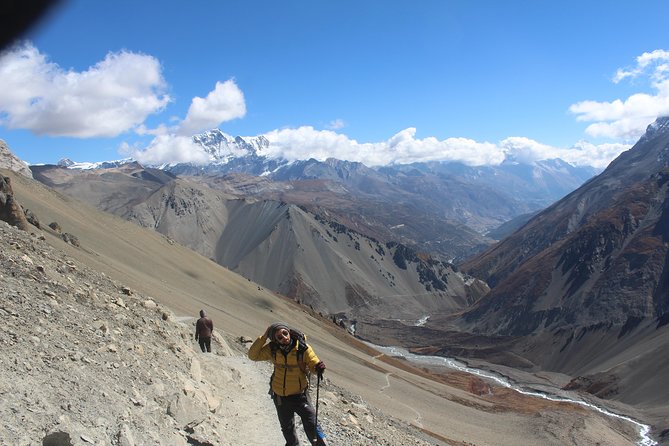
Day 1 begins early, with a 6:15 am bus drive to Besisahar, followed by a trek toward Nadi and the Besisahar–Chame Sadak area. The walking time listed is about 6 hours, which is a good first-day target: enough to wake up your legs, not so much that you’re cooked before your body learns the rhythm.
This early start matters more than it sounds. In mountain trekking, morning light usually means better footing and more predictable weather. You’ll also get into the routine quickly: bus, then trail, then a guesthouse night. That “reset loop” is exactly what you want when you’re building stamina for multiple days of climbing.
Practical tip: start the trek day with a clear plan for pacing. Don’t try to sprint through the first hours. On circuits like this, speed doesn’t impress your lungs at altitude.
Day 2: Jagat—Village Life Meets Steady Climbing
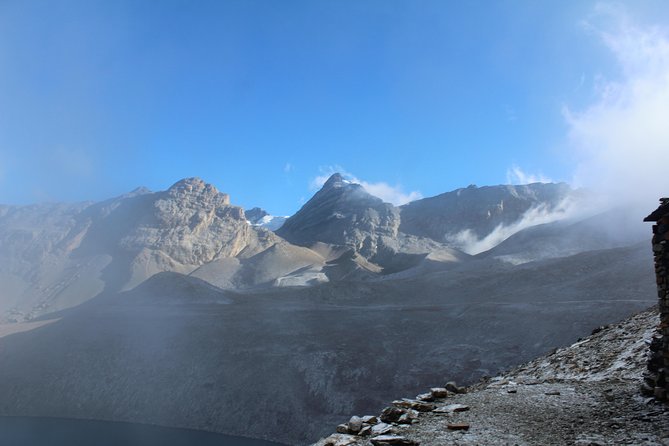
On Day 2, you continue to Jagat for about 5 hours of trekking. Jagat is one of those places where you feel like you’re really inside the trek. You’re not just moving through a route; you’re moving through communities.
This day is valuable because it’s a “workday” trek that builds comfort. If you’ve never walked this much on consecutive days, Jagat-type stages teach you how to manage stops, hydration, and the steady effort of being uphill-minded without going flat-out.
Day 3: Through Annapurna Padmaarga Toward Dharapani
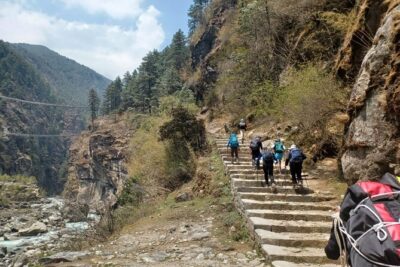
Day 3 takes you toward Dharapani, with about 7 hours of trekking. This is listed as enjoying beautiful scenery and passing through villages along the way. A 7-hour day can feel long, but it’s also the kind of day that helps you settle into a rhythm.
Why this matters: the Annapurna Circuit isn’t one steep grind the whole time. It’s a sequence of rises and stretches—so your best strategy is to learn your own pace early. A guide makes this easier, because they can adjust how you walk based on how you’re responding, not just based on a schedule.
Day 4: Chame and the Payoff of Higher Views
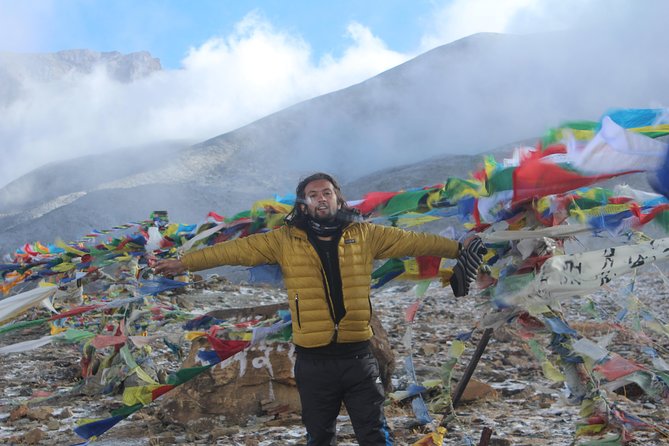
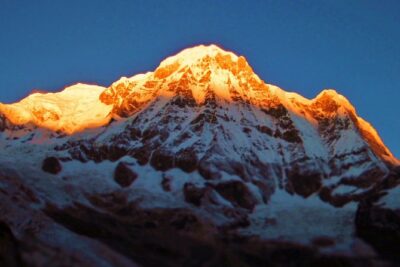
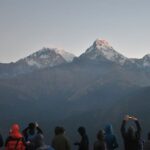
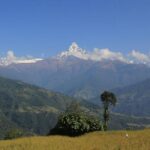
Day 4 focuses on Chame, with about 6 hours trekking. This is a day that’s built around the views—Lamjung Himal, Annapurna II, and Annapurna IV are specifically called out in the plan. Chame is also where the trek tends to feel more “mountain corridor” than “village stroll,” because the terrain and elevation shift your attention upward.
One consideration here: view days often invite slower walking. That’s okay, but you still want to keep moving steadily so you can sleep well and feel ready for the next climb.
Day 5: Pisang—More Trail Time, More Mountain Feeling
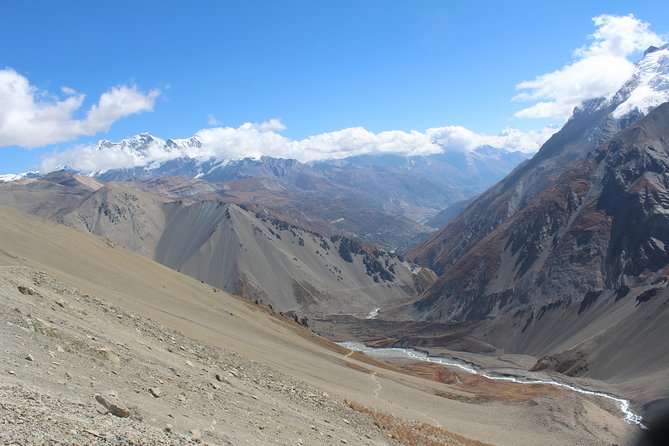
Day 5 goes to Pisang in about 6 hours. Pisang-type stages often feel like you’re stepping into a more dramatic trekking atmosphere: tighter terrain, colder air pockets in the morning, and more time spent looking up. Even without going full technical, a day like this starts to remind you that the Circuit is a real expedition, not just a hike.
This is also a good day for mental focus. You’ll get tired. That’s normal. The trick is to keep the effort consistent so fatigue doesn’t spike early and then crash the rest of the week.
Day 6: Manang—A Major Hub Before the Acclimatization Work
Day 6 brings you into Manang in about 6 hours. The plan highlights snow-capped mountain views here, and Manang is where the trek starts transitioning into higher-altitude thinking.
This is an important point for planning: Manang isn’t just another overnight. It’s the place you’re meant to be ready from. The next day includes acclimatization and a cultural stop, so getting to Manang with enough energy pays off.
Day 7: Acclimatize in Manang and Visit Bhojo Gompa
Day 7 is the “smart pause” day. You take a short walk to higher altitudes to get acclimatized and then you visit Bhojo Gompa in about 3 hours. This is one of the best-designed parts of the plan because it acknowledges the reality of altitude. You climb; you adjust; you don’t just jump straight toward the highest pass.
The value here is practical: acclimatization days aren’t only about biology, they also reduce stress. When you’re not feeling like you’re falling behind the itinerary, you can enjoy the day more.
And the guide experience matters again. In groups led by people like Prakash, the support style is described as taking care of you and also sharing context about both Himalayas and culture. That combination keeps this day from feeling like a forced break.
Day 8: Yak Kharka—Steep Effort With Big Views
Day 8 goes to Yak Kharka and is listed as about 4 hours. The route is described as inclined throughout, and it emphasizes aerial views. This is a classic “work and look” day: you’ll keep climbing, but you’ll also have the chance to see the higher corridor opening up ahead of you.
A 4-hour day can sound easy. Don’t assume that. At higher elevations, even moderate climbs can feel heavy. Your goal should be steady breathing and consistent steps.
Day 9: Thorong Phedi—The Pre-Pass Setup
Day 9 moves to Thorong Phedi / Thorong La Road in about 4 hours. This is the day before crossing the pass, so it’s a staging day, not a sightseeing sprint.
If you want one simple strategy for this day: treat it like prep. The next morning is when you need energy for the famous Thorong La crossing at 5,416 meters.
Day 10: Thorong La (5,416 m) to Muktinath—Start Early, Plan for the Long Descent
Day 10 is the headline day. You trek from Thorong Phedi to Thorong La, starting early in the morning, cross the famous high pass at 5,416 m, and then descend to Muktinath (about 3,800 m). The listed trekking time is 8 hours, so it’s a full-day effort.
Why “start early” is repeatedly important on high passes: conditions can change quickly, and mornings tend to be more manageable for footing and weather stability. The way this plan gives you an early start is a real value point because it’s aligned with how these treks actually work.
Also, the down day matters. Descending can be tough on knees even when it’s less mentally intense than the climb. Having a guide and pacing plan helps you manage the descent without turning it into a slide-fest.
Day 11: Jomsom—Recovery Walking and Village Time
Day 11 descends to Jomsom in about 5 hours and includes time to explore Jomsom village and nearby places. After Thorong La, this type of day can feel like a gift. You’re still walking, but it’s not the same altitude pressure and the effort profile is different.
This is also a good day to take stock: you’ve crossed the pass and completed the circuit’s most intense segment. Now you can shift from survival mode to simple enjoyment.
Day 12: Back to Pokhara and Into Regular Life
Day 12 is about transit. You take a morning bus drive back to Pokhara, then transfer to your hotel. The listed total time is about 8 hours.
This matters for how you’ll feel the day you finish. A trek like this earns your rest, and the transport plan helps you close the loop without needing extra coordination. When you arrive in Pokhara, you’re back in a place with real services and less altitude pressure—which is exactly what you want after the final descent.
Price and Logistics: What $718.77 Covers (and What It Doesn’t)
The price is $718.77 per person, and the value comes from what’s included:
- Hotel shuttle service in a private car
- Trekking permit and TIMS
- English-speaking trekking guide
- Guesthouse accommodation
- Sharing bus from and to the trekking points
- Private trip meaning only your group participates
That’s a lot of the “hidden cost” work that people forget to plan for on trekking trips. Permits alone can be a hassle if you’re handling everything yourself. Guide + accommodation + transport is also what makes the trek feel like a single package instead of ten separate errands.
What’s not included is also clear: all meals and drinks. That can affect your final budget more than the headline price, especially if you’re paying for food every day while trekking at higher elevations. If you like to eat well, or if you want extra snacks, plan extra cash beyond the listed cost.
Rescue costs are also not included in the pricing, and gratitude for the guide is optional. In trekking terms, that’s normal. Just don’t treat a trek price as a fully guaranteed safety net.
Guides Matter: The Calm-Competence Factor
On this kind of trek, the guide is more than someone who points the way. They shape your pace, your decision-making, and your comfort with altitude.
In the feedback connected to this experience, Bikram is mentioned as patient and experienced (over 20 years), and people say they felt super comfortable even without prior familiarity. Prakash is described as excellent—briefing about the Himalayas and culture while also taking care of the group so they could pass Throngla smoothly. Krishna, with the CAN team, is also praised for making the trek work well for a group of six.
You don’t need a dramatic personality to succeed at a high pass. You need steady, practical support. That’s what these names suggest you’ll get: people who can handle the physical reality of altitude while keeping the group moving.
Getting Your Body Ready: Fitness and Altitude Reality
The tour info is direct: you should have strong physical fitness. And that’s the right message, because the schedule includes a full set of trekking days culminating at 5,416 meters.
Even though many days are listed as 4–7 hours, you’re walking at elevation for multiple days. That’s why the Manang acclimatization day is so important, and why starting early on the pass day is such a big deal.
If you’re the kind of hiker who plans to stop and stare all day, you’ll still need to keep your pace consistent enough to finish each segment. You can take breaks, but you shouldn’t treat the itinerary as a suggestion.
So, Should You Book This Annapurna Circuit Trek?
I think this trek is a great choice if you want a guided Annapurna Circuit with the big goal—crossing Throng La—while still keeping daily life simple. The inclusion of permits, guesthouse accommodation, an English-speaking guide, and transport from Pokhara means you spend less time managing logistics and more time focusing on the walk.
I would hesitate only if the idea of paying for meals and drinks out of pocket feels stressful, or if you’re unsure about your ability to handle consecutive trekking days at altitude even with the acclimatization stop in Manang. Also, if your ideal travel style is very flexible and unstructured, you may find a scheduled circuit feels more guided than you like.
If you’re aiming for a serious, memorable Annapurna experience with calm support and clear pacing, this one is worth strong consideration.
FAQ
Where does the trek start and end?
The trek starts in Pokhara and ends back in Pokhara. You finish on Day 12 with a morning bus drive to Pokhara, followed by a hotel transfer.
How high does the trek reach?
The highest point is Throng La, at 5,416 meters.
How long is the trek?
It runs for about 12 days.
Is an English-speaking guide included?
Yes. An English speaking trekking guide is included.
Are permits included?
Yes. The package includes the trekking permit and TIMS.
Is accommodation included?
Yes. You stay in guest houses as part of the trek.
Are meals included in the price?
No. All meals and drinks are not included.
What about transportation from Pokhara?
You get a hotel shuttle service in a private car, plus sharing bus transport from and to the trekking points.
Is this a private tour?
Yes. It’s described as a private trip, with only your group participating.
Is free cancellation available?
Yes. Free cancellation is available up to 24 hours in advance for a full refund. If you cancel less than 24 hours before the start time, the amount paid is not refunded.