REVIEW · KATHMANDU
14 Days Everest Base Camp Trek
Book on Viator →Operated by Magic Himalaya Treks · Bookable on Viator
Everest is the kind of goal that rearranges your plans.
This 14-day trek is built around the big moments: a dramatic Lukla flight and a high-sunrise payoff from Kalapather with Everest in front of you.
I like how Magic Himalaya Treks keeps things practical: you get an experienced, license-holder guide, porters with support covered, and a medical kit carried for the trek. Guides such as Nabin, Santaji, and Shanta show up in multiple experiences with consistent encouragement and strong organization.
One thing to consider: this is serious altitude hiking, and flights can depend on mountain weather. Strong fitness helps a lot, and the plan is weather-sensitive for safe flying.
In This Review
- Key things that make this Everest Base Camp trek worth your attention
- Kathmandu to Lukla: you start with a plan, not chaos
- Lukla flight day: the runway that turns nerves into respect
- Namche Bazaar arrival: the acclimatization battle starts early
- Namche rest day, but not rest: smart recovery walks
- Tengboche day: Everest-facing trekking without forcing speed
- Dingboche: a shorter walk that sets you up for the long middle
- Rest day pattern: Nangkartshang hike (about 5,000m)
- Lobuche and the Thukla Pass area: monuments and long horizons
- The big approach: Gorak Shep and the road to Everest Base Camp
- Kalapather sunrise: the closest Everest view day
- Downshift to Namche Bazaar: the miles get easier, your body still needs care
- Final trekking day to Lukla: celebrate the finish, keep it safe
- Kathmandu reset: last day, full rest, then fly home
- Price and value: what you’re really paying for at $1,680
- Who this trek suits best (and who should rethink)
- Should you book this Magic Himalaya Everest Base Camp trek?
- FAQ
- What’s the meeting time for this experience?
- Does the trek include pickup in Kathmandu?
- Are flights to Lukla included?
- Is Everest Base Camp and Kalapather included?
- What’s included in the price?
- What’s not included?
- Can I cancel for a full refund?
Key things that make this Everest Base Camp trek worth your attention
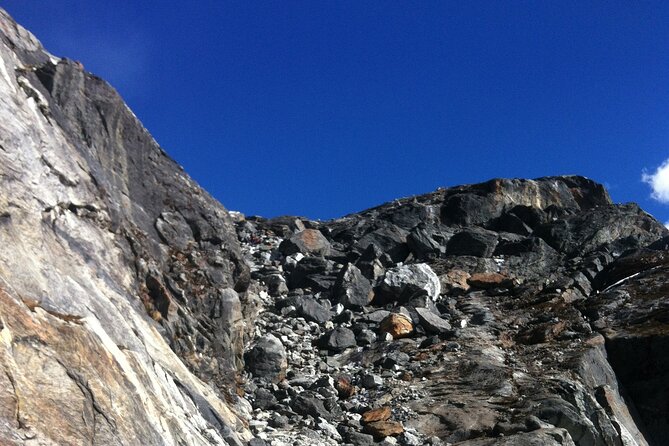
- Kalapather sunrise (about 5,450m): a close, famous viewpoint for seeing Everest without waiting all day
- Everest Base Camp sits around 5,463m: plus the idea that the camp changes year to year with glacier movement
- Structured acclimatization: rest days include altitude walks so your body adapts better
- Professional guidance and porters: the trip covers guide and porter salaries and expenses, with a carried medical kit
- Lukla logistics handled for you: you travel by air into the Everest region, then follow the classic Khumbu trail
- High attention to safety and support: multiple write-ups emphasize steady care and guidance
Kathmandu to Lukla: you start with a plan, not chaos
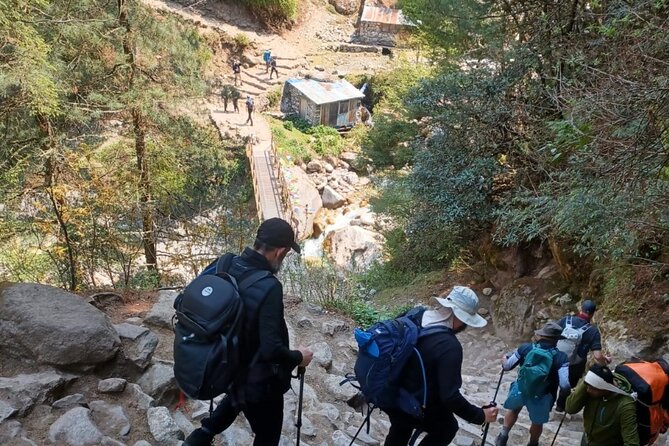
Your trip begins in Kathmandu, with a team member meeting you after you land at Tribhuvan International Airport. The timing matters here. Your start time is listed as 12:45 pm, so build a buffer if your international flight is tight. Once you’re sorted, the transfer flow is straightforward: you’ll be guided from Kathmandu to the domestic airport area to connect toward Lukla.
What I like about this setup is that it reduces the usual pre-trek stress. You’re not hunting down SIM cards or arguing about transport at the worst possible moment. You’re also not figuring out the guide/porter puzzle while you’re still jet-lagged.
On the logistics side, the company indicates pickup and private transportation in Kathmandu, plus included flights for the guide and clients between Kathmandu and Lukla. That’s a big deal in Nepal treks—getting to the trail cleanly often determines how good your first “real trekking day” feels.
You can also read our reviews of more tours and experiences in Kathmandu.
Lukla flight day: the runway that turns nerves into respect
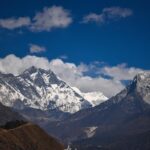
The Lukla flight is one of the memorable parts of the Everest Base Camp experience for a reason. This is the jump-off point for the Khumbu region, and the airstrip is known for being challenging, because mountains squeeze the margins.
From your perspective, the value here is simple: the plan doesn’t just tell you to visit Lukla. It sets up round-trip air for both you and your guide, and it coordinates the airport side in Kathmandu. When weather changes, this route can be the first domino, so it helps that the trek is packaged with transport and guide coordination instead of leaving you to improvise.
After the flight, you’ll meet porters and begin trekking right away. That’s another practical plus: you don’t waste precious daylight on complicated meet-ups.
Namche Bazaar arrival: the acclimatization battle starts early
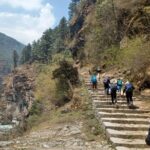
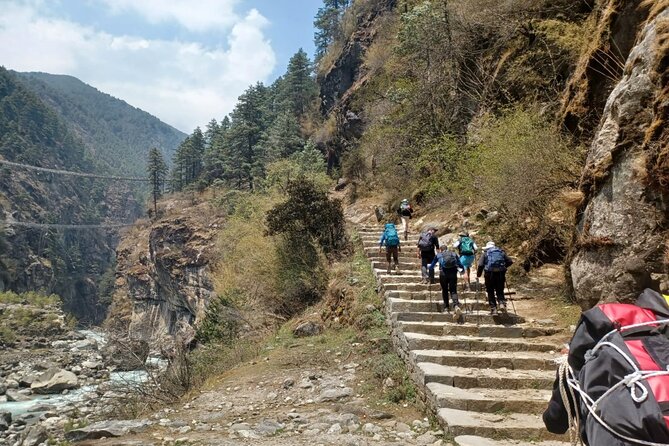
Your early trail stage follows the Dudhkoshi river and includes several suspension-bridge crossings. This matters because it’s not just scenic walking—it’s a steady introduction to the rhythm you’ll keep for two weeks: lift, breathe, step carefully, repeat.
You’ll reach Namche Bazaar after about a half-day of trekking. Namche is where the altitude starts to feel real, but it’s also where the trek becomes more than “just hiking.” It’s a hub town for supplies, tea-house culture, and that classic Everest-region energy.
The first time you see how the valley layers stack up, you’ll understand why people keep coming back. But you also need to treat Namche as training for the climb ahead. If your first days feel slower than expected, that’s not failure—that’s altitude physics.
Namche rest day, but not rest: smart recovery walks
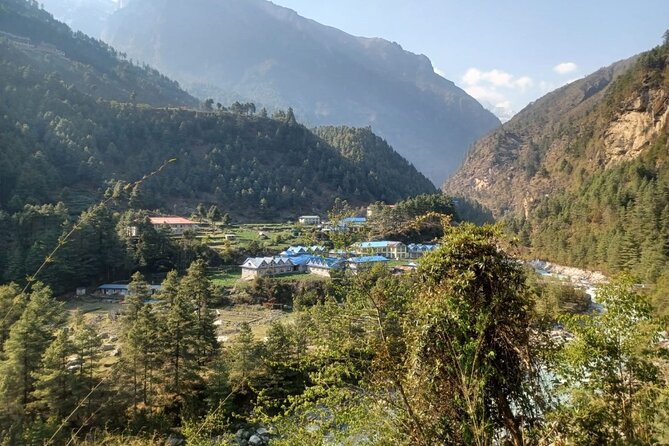
You have a rest day in Namche—but it’s not a day of doing nothing. Instead, you’ll take a short hike for acclimatization, with options for viewpoints such as Syangboche and an Everest Viewpoint route.
This is one of my favorite parts of well-run high-altitude treks. The altitude rest day is where people either “coast” and feel worse later, or they move gently and help their body adapt. By building in a controlled walk, the trek encourages you to keep lungs working without turning the day into another hard push.
You’ll also get a chance to absorb the area slowly. Standing at a viewpoint while your guide explains what you’re seeing can make the whole trip click: Everest isn’t just a destination, it’s a changing presence that shifts by light, cloud, and elevation.
Tengboche day: Everest-facing trekking without forcing speed
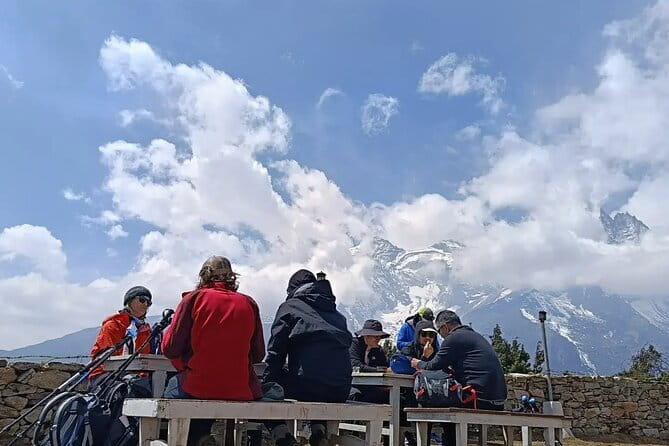
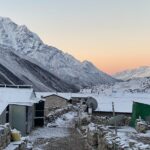
On your way toward Tengboche, you’ll walk with a forward-facing view of Mount Everest and other Himalayan peaks. The day is also positioned to show you multiple landmarks that make the region feel alive—peaks like Ama Dablam, Thamserku, and Tabauche appear as you move.
This kind of day is valuable because it teaches you how to pace in the mountains. You want time to look up, breathe, and keep your steps steady. If you try to “win” the trek early, the climb later will punish you.
The trek time is listed at about 6 hours on this leg, so it’s not a stroll, but it’s also not an all-day grind. That balance is part of why this itinerary works for many people who want the big views without turning it into a survival exercise.
Dingboche: a shorter walk that sets you up for the long middle
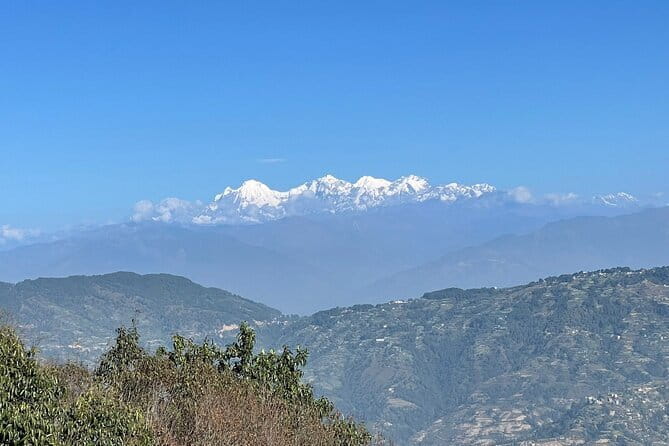
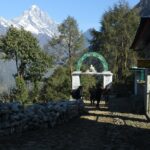
The next major stop is Dingboche. Your walking day here is shorter—about 4 hours—and it comes with a reward: an incredible view of Ama Dablam along the way and on arrival.
A shorter day near higher altitude is intentional. It gives you time to settle in and focus on recovery habits—hydration, slow breathing, and eating enough. You’ll also pass through places on the route like Pangboche and Sanasa.
Why this matters: your trip’s success isn’t just “reach the base camp.” It’s whether you manage the chain reaction of altitude. If Dingboche day is too hard, the next days can become harder than they need to be.
Rest day pattern: Nangkartshang hike (about 5,000m)
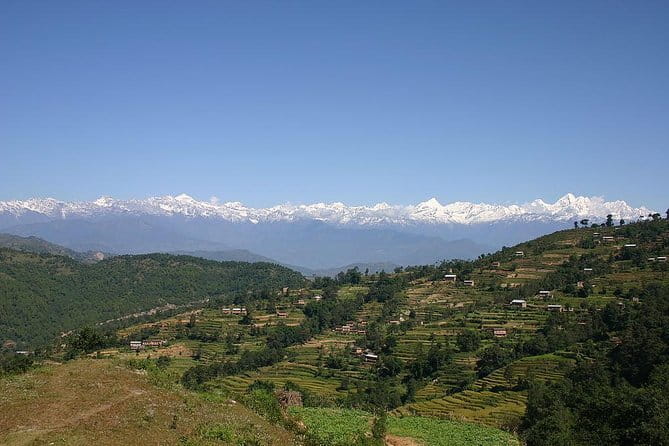
You take another rest day in Dingboche, but again, the plan keeps you active with a climb to Nangkartshang Hill (around 5,000m). The payoff is a top view over the Imja Tse Valley plus an expanded range of mountains like Island Peak and others.
This is also where the trek teaches discipline. You’re going uphill, but you’re not trying to “smash it.” You’re practicing altitude tolerance in a controlled way.
The mental benefit is huge too. When you’re feeling tired, it helps to remember that the trek isn’t random—it follows a pattern meant to keep you moving safely and efficiently.
Lobuche and the Thukla Pass area: monuments and long horizons
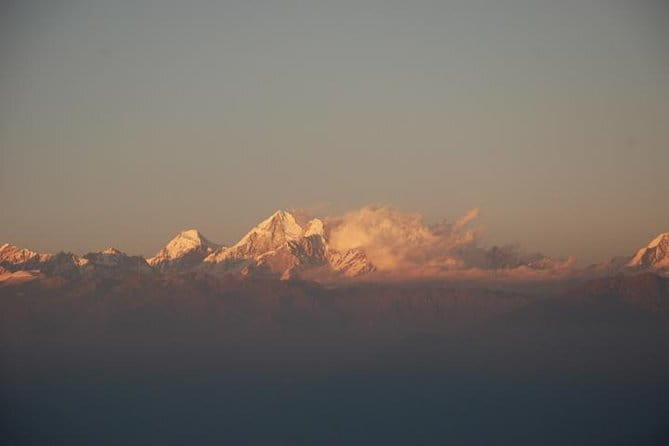
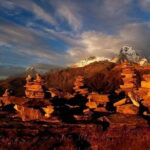
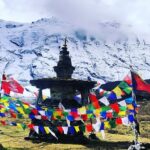
From Dingboche, the trail continues toward Lobuche. You’ll walk around 6 hours, passing Thukla and Thukla Pass, and you’ll see monuments made by famous climbers.
That’s a sober moment on a trek that’s otherwise full of wonder. It reminds you this route isn’t just a viewpoint parade—it’s a path with real history and real risk. Staying focused on your body and safety habits is not optional here.
This day sets you up for the push toward Gorak Shep and the approach to Everest Base Camp. So even if the views are strong, keep your energy for later.
The big approach: Gorak Shep and the road to Everest Base Camp
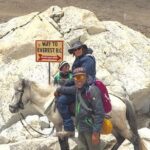
One of the longest walking days is scheduled as you head to Gorak Shep in the morning, with a light lunch there, and then you push toward Everest Base Camp.
Your trek to base camp is described as involving about two hours of walking after leaving Gorak Shep. This is important. People sometimes imagine “base camp” as right around the corner, but in reality the approach feels like a sequence of hard-earned steps that gradually turn into the moment you came for.
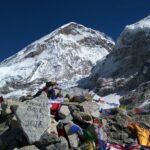
And base camp itself isn’t a fixed landmark. The description notes that the base camp changes every year as glaciers shift, and that the new Everest Base Camp is on top of the Khumbu glaciers.
Altitude here is the main consideration. If you go too fast, you pay for it. If you keep moving steadily, the final stretch becomes a celebration instead of a struggle.
Kalapather sunrise: the closest Everest view day
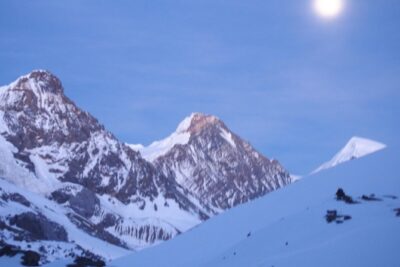
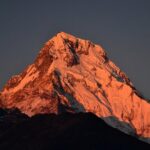
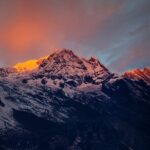
Early the next day, you hike to Kalapather for a sunrise view and mountain panorama. Kalapather is listed at about 5,450m, and it’s described as the popular and closest viewpoint of Everest.
This is one of the most “you will remember this forever” pieces of the experience. Sunrise at altitude isn’t just pretty—it changes the way you understand scale. Everest looks different when light hits it from the side, and it can make the mountain feel close enough to touch.
After reaching the top, you take pictures, then descend back toward Gorak Shep for breakfast. The day structure is practical: you get the reward early and then recover with food and rest.
Downshift to Namche Bazaar: the miles get easier, your body still needs care
After the base camp/high-view days, the itinerary turns toward descent. You walk down toward Namche Bazaar, passing places such as Pangboche and Tengboche, and stop for lunch around Phortse Tangha.
The walking time is listed around 6 hours, and the mood typically shifts from “reach the next elevation” to “let your legs reset.” Descents can feel easier, but they can be harder on knees, ankles, and shins—so take it slow and don’t rush just because you’re dropping altitude.
You’ll arrive back in Namche and enjoy the town’s energy again. It’s also a good time to refuel mentally. Two weeks in the mountains changes what you notice: you may start seeing clouds, ridgelines, and light patterns more than you see distance.
Final trekking day to Lukla: celebrate the finish, keep it safe
On your last trekking day, you hike about 7 hours from Namche Bazaar to Lukla, with lunch in Phakding on the way. Since this is the end of the trail, it’s common to feel a mix of relief and emotional “what now?”
The trip notes that today includes a bit of celebration and the idea of making porters happy. That’s a meaningful touch, because it recognizes that finishing the trek is never a solo effort. You’re closing the loop with the people who carried your gear and kept your day-to-day running.
Kathmandu reset: last day, full rest, then fly home
After Lukla, you’ll return to Kathmandu depending on flight timing. You’ll have a driver transfer to your hotel, and then you get a full rest day with accommodation and breakfast provided.
This matters because after high altitude, sleep isn’t instant. Your body needs time to settle. It’s also the best day to eat normally, hydrate, and sort through photos before you head home.
Then on the last day, you fly back, with breakfast provided.
Price and value: what you’re really paying for at $1,680
At $1,680 per person, this trek isn’t a budget-only option—but it can feel fair for what’s included.
Here’s what you’re covering that often costs extra elsewhere:
- Government fees, including Khumbu Municipality charges and Sagarmatha National Park entrance fee, plus taxes and VAT
- An experienced license-holder guide and porters, with salary and expenses included
- A medical kit box and required medicine
- Air-conditioned private transportation in Kathmandu and airport pickup/drop
- Round-trip flights between Kathmandu and Lukla for guide and clients
- Meals: dinner (13), lunch (11), breakfast (13)
- A mobile ticket for the experience
What’s not included is equally important: tips are compulsory, bar bills are not included, and rescue operations in an emergency are not included. Also, Nepal entry visa fee and travel insurance for the trek are listed as additional items.
So the value call comes down to this: you’re paying for a guided, meal-supported, permit-supported package where a lot of “real logistics” are handled. If you want to manage route decisions, permits, and flight connections yourself, you could go cheaper. But if you want fewer headaches and stronger accountability on the ground, this pricing starts to make sense.
Who this trek suits best (and who should rethink)
This experience is a strong fit if you:
- Want a classic Everest Base Camp journey with a planned sequence of acclimatization walks
- Prefer having experienced human support rather than going fully independent
- Are aiming for the big viewpoints, especially Kalapather and the Everest Base Camp area
- Have the physical fitness level described as “strong” in the trip info
If you’re prone to altitude issues or have a history of serious mountain sickness, you should be more careful. One submitted account notes altitude sickness affected their ability to reach Everest Base Camp, so that risk is real and not theoretical.
Should you book this Magic Himalaya Everest Base Camp trek?
I’d book it if you want a guided trek that’s set up for the altitude challenge instead of pretending it’s just “a walk.” The combination of licensed guidance, included port support, and the way the plan builds in acclimatization walks is the core reason this looks like good value.
I would pause if your biggest concern is uncertainty. This route requires good weather for the flight portions, and the altitude demands serious respect. If you’re going, go prepared, go slow, and treat rest days as part of the strategy—not time off from altitude.
If you want Everest Base Camp and a close-up view day at Kalapather without turning logistics into your second job, this package fits that goal.
FAQ
What’s the meeting time for this experience?
The start time is listed as 12:45 pm.
Does the trek include pickup in Kathmandu?
Yes. The experience includes airport pickup and drop on private transportation, and a representative meets you after you arrive in Kathmandu.
Are flights to Lukla included?
Yes. The trek includes round tickets for the guide and clients for Kathmandu to Lukla.
Is Everest Base Camp and Kalapather included?
Yes. The plan goes to Everest Base Camp (around 5,463m) and includes a sunrise hike to Kalapather (around 5,450m) for mountain viewing.
What’s included in the price?
Included items list government fees (including Sagarmatha National Park entrance), a license-holder guide and required porters with their salary and expenses, a medical kit box and required medicine, transport and pickups in Kathmandu, meals (13 dinners, 11 lunches, 13 breakfasts), and air tickets between Kathmandu and Lukla.
What’s not included?
Not included: personal expenses, tips for guide and porters (compulsory), bar bills (alcoholic and non-alcoholic drinks), rescue operation costs, and extra items during meals. Nepal entry visa fee and travel insurance are also not included.
Can I cancel for a full refund?
Yes. Cancellation is free, and you can cancel up to 24 hours in advance for a full refund. If it’s canceled due to poor weather, you’ll be offered another date or a full refund.