REVIEW · KATHMANDU
Annapurna Base Camp Trek
Book on Viator →Operated by Mount Elegance Treks and Expedition · Bookable on Viator
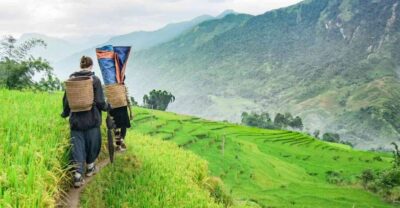
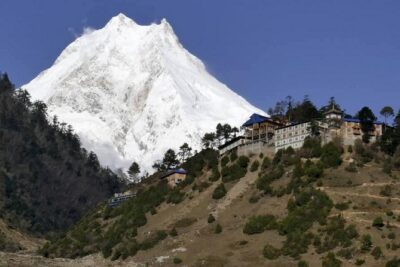
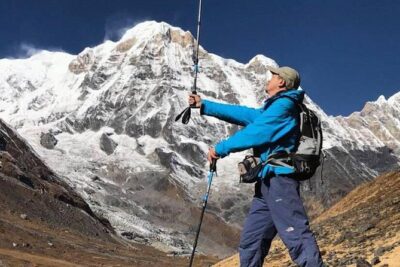
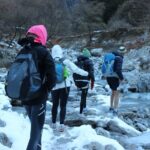
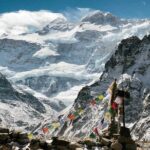
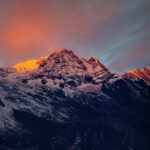
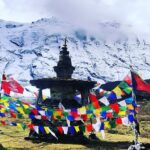
Himalaya views start the moment you land. This Annapurna Base Camp trek blends classic mountain scenery—rhododendron forests, Gurung villages, and Buddhist monasteries—with a comfort-first setup: 3-star hotels in Kathmandu and Pokhara, then teahouse lodging during the trek. I like that the trip is built around real support, not guesswork, with a government-licensed English-speaking guide and porter help.
The biggest thing I’d flag is the altitude. You’ll reach Annapurna Base Camp at 4,130m, and there’s no hot shower during the trekking days, so plan for basic bathroom breaks and cold water. If you go in with a steady pace and the right mindset, this route feels challenging in the best way.
You also get a helpful logistics package: airport transfers in Kathmandu, tourist bus drives to Pokhara and back, permits, and all meals during the hike. With Mount Elegance Treks and Expedition, the tone is practical and organized, and that matters when you’re spending days on the move.
In This Review
- Key highlights worth caring about
- The big-picture promise: comfort-minded Annapurna Base Camp days
- Price and logistics: what $240 covers (and why it’s not just a bargain)
- The day-by-day trek reality: from Kathmandu arrival to Base Camp at 4,130m
- Day 1: Arrive in Kathmandu, get settled
- Day 2: Kathmandu to Pokhara by tourist bus (200 km)
- Day 3: Pokhara area to Ghandruk (trek 5 km)
- Day 4: Ghandruk to Sinuwa (12 km, 6–7 hours)
- Day 5: Sinuwa to Deurali (10 km, 6–7 hours)
- Day 6: The key push to Annapurna Base Camp (9 km, 6–7 hours)
- Day 7: Base Camp descent and trekking to Bamboo (13 km, 6–7 hours)
- Day 8: Bamboo to Jhinu Danda (11 km, 5–6 hours)
- Day 9: Trek short and sweet, then back toward Pokhara
- Day 10: Pokhara to Kathmandu (200 km, 7–8 hours)
- Day 11: Final day in Kathmandu and transfer time
- What “luxury” means here: teahouses, meals, and comfort you can count on
- Altitude and pacing: how to handle 4,130m without ruining your trip
- Drives, guides, and the human side of organization
- Who should book this Annapurna Base Camp trek
- Should you book it? My decision checklist
- FAQ
- What is the highest altitude on this trek?
- Are permits included in the price?
- What meals are included during the trek?
- Do I have a guide and porter?
- Is accommodation included in Kathmandu and Pokhara?
- Is a hot shower included during the trek?
- Do I need travel insurance and a Nepal visa?
Key highlights worth caring about
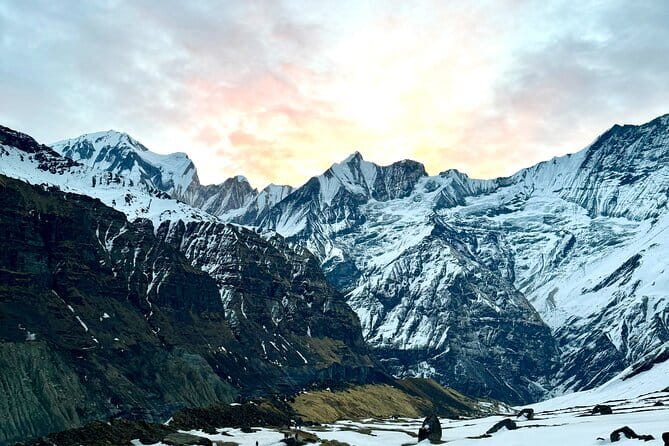
- Permits handled for you: Annapurna Conservation Area Permit (ACAP) and TIMS card included
- Guide + porter support: an experienced English-speaking government-licensed guide, plus a porter (1 porter for 2 trekkers)
- Food is covered while trekking: full board (breakfast, lunch, dinner) with tea/coffee during the trek
- Comfort in the big cities: 3-star hotel stays in Kathmandu and Pokhara with breakfast
- Teahouse twin sharing: “best available” twin rooms on the trail, plus a first aid kit for peace of mind
The big-picture promise: comfort-minded Annapurna Base Camp days
This trek is sold as a luxury-style experience, but the real value is simpler: less stress. You’re not organizing permits, figuring out meals, or trying to manage logistics across Kathmandu, Pokhara, and the trail. The itinerary is built so you can focus on walking, acclimatizing, and enjoying the mountain views.
I especially like the mix of comfort and authenticity. In the cities, you get 3-star hotel basics. On the trail, you stay in teahouses in twin sharing rooms and eat the standard trekking meals—but with full board planned in advance, including tea/coffee. That makes a huge difference on long days when you’d rather not negotiate every meal stop.
One more smart touch is that the program is set up for moderate physical fitness. “Moderate” doesn’t mean easy; it means the days are structured so you have a rhythm and support, rather than a punishing pace with no help.
You can also read our reviews of more tours and experiences in Kathmandu.
Price and logistics: what $240 covers (and why it’s not just a bargain)
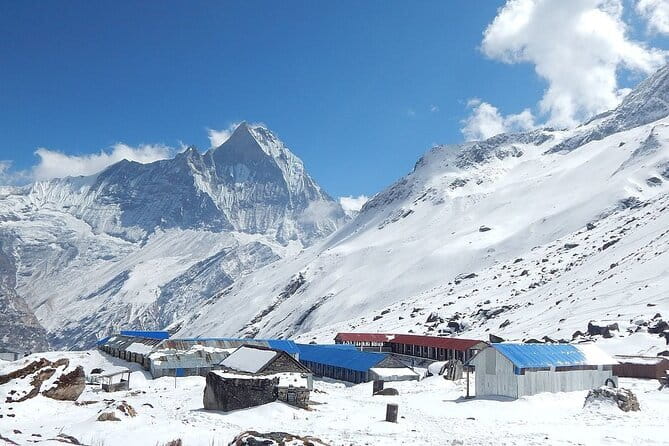
At $240 per person, you’re not paying for small add-ons. The package includes airport transfers in Kathmandu, the long Kathmandu–Pokhara–Kathmandu drives by tourist bus, and key trek paperwork: ACAP and TIMS. It also covers accommodations in Kathmandu and Pokhara (3-star hotels with breakfast), plus best-available teahouse lodging during the trekking portion.
The meal coverage is a big part of the value. You get breakfast, lunch, and dinner during the trek, with tea/coffee included. When you’re at altitude, it’s comforting to know lunch isn’t an optional hunt for food. You’ll still want to choose wisely on the trail, but you won’t be managing the schedule around where to eat.
What’s not included is also clear, and you should budget for it. International airfare, the Nepal entry visa, and travel and rescue insurance are excluded. Tips for guides, porters, and drivers are also not included. Plus, alcoholic drinks and bottled water aren’t part of the package, and hot showers aren’t included during the trek.
If you like the idea of a guided trek where major costs and key logistics are handled, this price structure can feel fair. If you want maximum on-trail comfort (like frequent hot showers or private rooms), you’ll likely need a different tier.
The day-by-day trek reality: from Kathmandu arrival to Base Camp at 4,130m
Here’s how the 11-day flow typically plays out, and what each part is doing for you.
Day 1: Arrive in Kathmandu, get settled
You land at Tribhuvan International Airport and meet a representative for a transfer to your hotel. Kathmandu sits around 1,400m, so you’re not dealing with altitude stress on day one. The goal is simple: sleep, hydrate, and get your gear ready so you’re not scrambling later.
What I like here: the pickup and airport transfer remove a common first-day headache in Nepal. After a long flight, that’s not minor.
Day 2: Kathmandu to Pokhara by tourist bus (200 km)
Day two is a long scenic drive to Pokhara—about 7 to 8 hours covering roughly 200 km. Pokhara drops you to around 822m, which helps you mentally and physically before the trekking climb starts.
Consideration: you’re spending a full day on the road. Bring something to pass the time and plan for a slower start the next morning.
Day 3: Pokhara area to Ghandruk (trek 5 km)
You drive from Pokhara toward the trailhead area (to Nayapul), then trek about 5 km to Ghandruk. It’s listed as 3 to 4 hours, with Ghandruk at 1,940m.
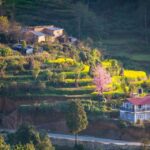
Ghandruk is one of those places you remember because it feels like a real village stop, not just a waypoint. It’s part of the trek’s cultural layer—Gurung village life is one of the themes of this route description.
Why it matters: day three is shorter than the mid-trek days, so you can get used to walking with the right pace and start building a comfortable rhythm.
Day 4: Ghandruk to Sinuwa (12 km, 6–7 hours)
Today’s trek is longer: about 12 km and 6 to 7 hours, reaching Sinuwa at 2,340m. This is where the scenery themes start to feel more “Himalayan trail” than “easy walk.”
You’ll climb steadily, and that’s the point—your body learns how to work at increasing altitude. The downside is simple: you’ll likely feel this in your legs by evening.
Day 5: Sinuwa to Deurali (10 km, 6–7 hours)
Day five is another solid day: roughly 10 km over 6 to 7 hours, topping out around 3,200m at Deurali. The trekking description here points toward forested stretches, including bamboo forests as you work upward.
This day is a practical acclimatization step. Even though you’re still moving, you’re getting a chance to adjust before the big leap toward the highest point.
Day 6: The key push to Annapurna Base Camp (9 km, 6–7 hours)
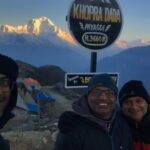
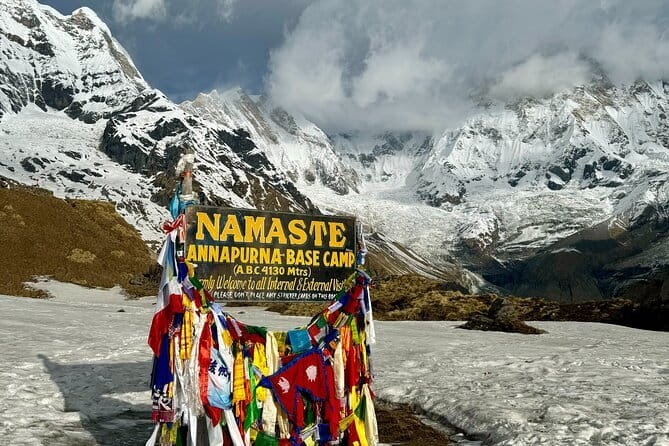
This is the headline day: a 9 km trek over about 6 to 7 hours to Annapurna Base Camp at 4,130m. It’s one of the most exciting moments on any Annapurna route, because you’ve done the climbing work and the reward is the high-altitude setting.
What you should expect: colder air, slower breathing, and a strong mix of fatigue and excitement. This is where your guide’s pacing matters. The itinerary includes breakfast, lunch, and dinner, which helps you keep energy up without improvising.
Day 7: Base Camp descent and trekking to Bamboo (13 km, 6–7 hours)
After morning time at base camp, you begin descending. You’ll trek about 13 km for 6 to 7 hours to Bamboo at 2,310m. That’s a big drop in altitude, and it’s not just for convenience—it helps your body recover from the day at high elevation.
I like the structure: it gives you a real recovery by midweek, instead of stacking high-altitude stress without a break.
Day 8: Bamboo to Jhinu Danda (11 km, 5–6 hours)
Day eight is 11 km for 5 to 6 hours, ending at Jhinu Danda at 1,780m. The itinerary describes it as a pleasant journey through lush forest areas.
Jhinu Danda is a nice “reset” day because the altitude is lower and the walk feels more human after the steepest parts of the route.
Day 9: Trek short and sweet, then back toward Pokhara
Today is a shorter trek—about 6 km—followed by a drive of 2 to 3 hours to Pokhara. That puts you back at 822m. This is one of those days where you’ll appreciate having less time on your feet.
It’s also a good chance to eat calmly and enjoy the comfort of your hotel stay after the trek days.
Day 10: Pokhara to Kathmandu (200 km, 7–8 hours)
Another long road day. You’ll drive about 200 km in 7 to 8 hours back to Kathmandu, with altitude around 1,400m.
Practical tip: keep your layers accessible. Bus rides can swing between warm and cold fast.
Day 11: Final day in Kathmandu and transfer time
You’ll have time to relax in Kathmandu, then an airport transfer depending on your flight schedule. The trek portion is over, so this last day is about breathing out and turning the whole experience into memories instead of exhaustion.
What “luxury” means here: teahouses, meals, and comfort you can count on
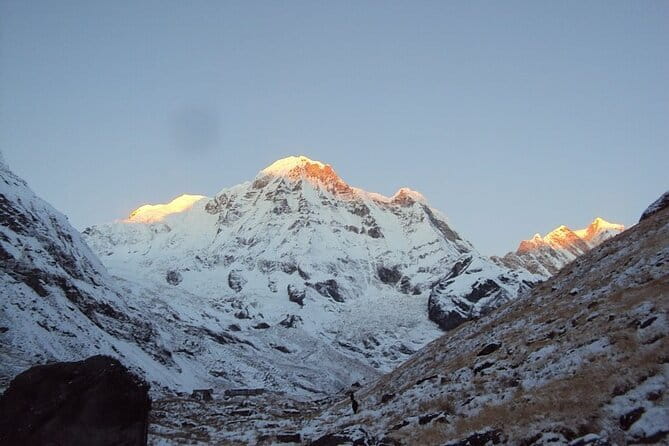
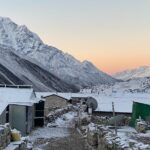
Let’s translate the comfort claim into real-life value. On the trek, you’re in teahouses with best available twin sharing rooms. That means you should expect basic but functional comfort. You’re not booking a private spa retreat on the trail.
Where the program helps is in planning and consistency:
- Full board meals during trekking days, including tea/coffee
- A first aid medical kit provided
- A duffel bag and sleeping bag included (and they should be returned after the trek)
- A structured itinerary so you aren’t scrambling for lodging availability
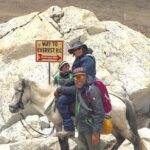
The “luxury” part also shows up in the guide and porter arrangement. A government-licensed English-speaking guide handles route guidance, pacing, and trekking logistics. A porter service (1 porter for 2 trekkers) reduces the weight you carry. That matters when you’re tired and altitude is already making every step take effort.
One thing to be clear about: hot showers aren’t included. That’s common on trekking routes, but it’s still a real comfort tradeoff. If warm water is a non-negotiable for you, this package probably won’t satisfy.
Altitude and pacing: how to handle 4,130m without ruining your trip
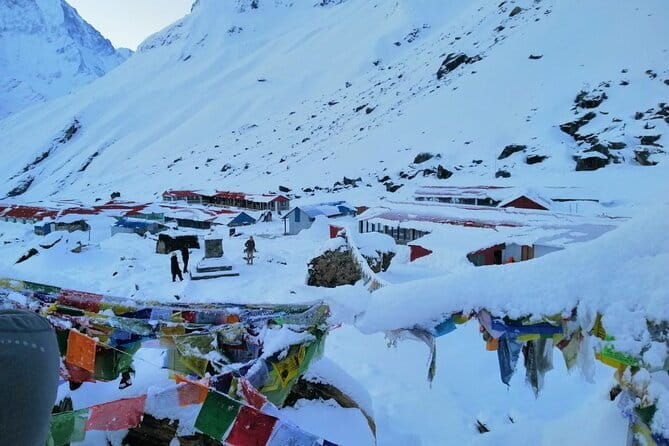
Your highest point is Annapurna Base Camp at 4,130m. That’s not extreme compared to some Himalayan peaks, but it’s high enough to require respect.
The itinerary supports smart pacing. You don’t go from low elevation to base camp in one hop. You gain altitude in stages—Ghandruk at 1,940m, Sinuwa at 2,340m, Deurali at 3,200m—then reach 4,130m on day six. After that, you descend to Bamboo at 2,310m, which gives your body a chance to recover.
Your job as the trekker: walk slower than you think you need to. Drink water regularly and keep meals simple. If you feel wiped out at any point, tell your guide early. That’s one reason having an experienced, English-speaking, government-licensed guide is part of the value.
Packing-wise, rely on the sleeping bag and duffel bag being provided, but still plan for cold nights and variable weather. The route is described as requiring good weather, so you can expect at least some days where conditions change quickly.
Drives, guides, and the human side of organization
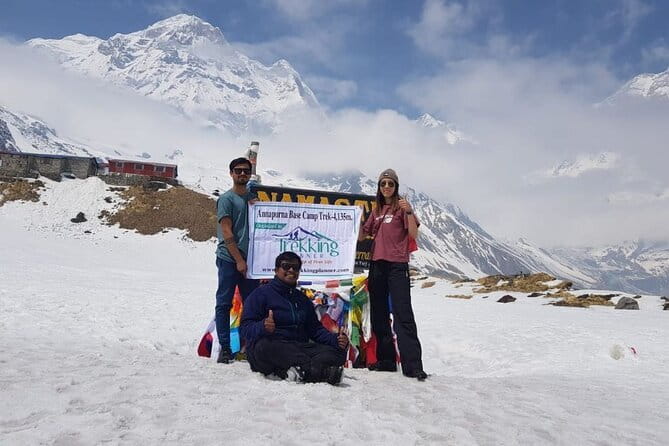
Trekking is half the mountain, half the teamwork. This trip’s organization is clearly a selling point. You get pickup options, and you start with airport transfers in Kathmandu. Then you move by tourist bus between major hubs—Kathmandu to Pokhara and back—so you’re not juggling local transport every day.
The guide setup is also a big deal. You’re paired with an experienced English-speaking, government-licensed trekking guide. Plus, the porter ratio (1 porter for 2 trekkers) means you’re likely carrying less than you would on a self-guided version of the trek.
I also like that the package includes a farewell dinner at the end. It’s small, but it turns the trek from a series of logistics into a shared event. That matters more than you’d think when you spend days walking in thin air.
Who should book this Annapurna Base Camp trek
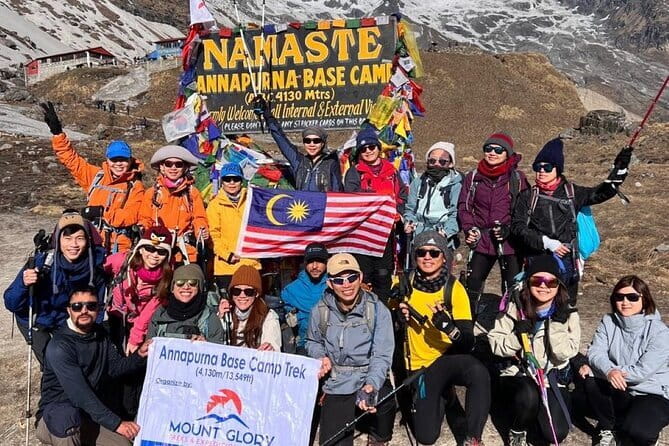
This one makes the most sense for you if:
- You want a guided Annapurna Base Camp trek without planning permits and meal logistics yourself
- You like the idea of comfort in Kathmandu and Pokhara (3-star hotels)
- You’re comfortable with moderate physical fitness and a multi-day trekking schedule
- You prefer a porter-assisted trek to reduce the load you carry
It might not fit if you need:
- Hot showers during the trek
- Private rooms every night
- Maximum flexibility around the schedule with no guide structure
Should you book it? My decision checklist
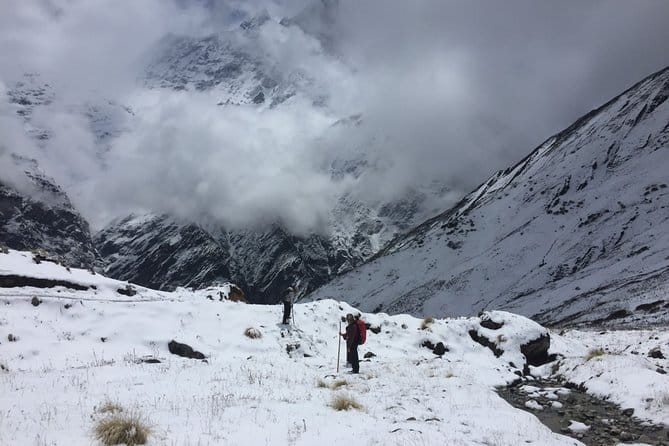
I’d book this Annapurna Base Camp trek if you want a well-organized, support-heavy way to reach base camp at 4,130m. The included permits, English-speaking licensed guide, porter service, and full-board meals during trekking days add up to real convenience. For $240, the value is strongest for travelers who hate paperwork and prefer their biggest trekking decisions handled upfront.
I’d hesitate if you’re very sensitive to cold water, because hot showers aren’t included. And if altitude is already an issue for you, be sure you’re truly ready for the 4,130m high point—no amount of logistics replaces acclimatization and pacing.
FAQ
What is the highest altitude on this trek?
The highest altitude listed is Annapurna Base Camp at 4,130m (13,550ft).
Are permits included in the price?
Yes. The Annapurna Conservation Area Permit (ACAP) and TIMS card are included.
What meals are included during the trek?
You’ll get full board meals while trekking: breakfast, lunch, and dinner, plus tea/coffee.
Do I have a guide and porter?
Yes. You get an experienced, English-speaking, government-licensed trekking guide, and porter service (1 porter for 2 trekkers).
Is accommodation included in Kathmandu and Pokhara?
Yes. You stay in a 3-star hotel in Kathmandu and Pokhara including breakfast.
Is a hot shower included during the trek?
No. Hot shower during the trek is not included.
Do I need travel insurance and a Nepal visa?
Travel and rescue insurance and the Nepal entry visa are not included.