REVIEW · KATHMANDU
Manaslu Larke Pass Trekking
Book on Viator →Operated by Skyway Nepal Treks · Bookable on Viator
Manaslu begins with big air and small villages. This 16-day trek through the Manaslu Conservation Area (starting from Soti Khola and heading toward Dharapani) pairs Himalayan views with real time in hill-village culture along the route. You’ll see the snowline up close, yet you’re also moving through villages where daily life keeps going, not just postcard stops.
I also like how the trip is set up around a strong team. You’re guided by Durga, with porters and assistants (one porter for every two clients) helping keep the load and pace realistic. One possible drawback: this is still high-altitude trekking, and the day you cross Larke Pass (5,160m) is long and serious, so you need solid fitness and common sense with pacing.
In This Review
- Key moments that make this trek worth it
- Manaslu Larke Pass: the “big peak” trek with human-scale days
- Kathmandu prep: where your trek really starts (even before you walk)
- Getting to the trailhead: the long drive that replaces a short hike
- The middle stretch: Namrung and Samagaun bring both scenery and culture
- The acclimatization day that can save your whole trip
- From Samdo to Larkya Phedi: setting up for Larke Pass
- Larke Pass day: the 10–12 hours that earn the view
- Meals, stays, and the parts you’ll need to plan for yourself
- Price and logistics: what $1,150 actually buys you
- Who should choose this trek, and who should think twice
- The practical “value” of guide Durga and a supportive team
- Should you book Manaslu Larke Pass with Skyway Nepal Treks?
- FAQ
- How many days is the Manaslu Larke Pass trekking experience?
- Where do we meet and where does the trek end?
- Is pickup included in Kathmandu?
- What’s included in the price?
- Are drinking water and snacks included during the trek?
- Are hot showers and WiFi available during the trek?
- Is there an acclimatization day with an optional hike?
- What is the cancellation policy?
Key moments that make this trek worth it
- Guide Durga’s practical leadership that keeps the group moving well and helps with the tough parts
- Village-to-village trekking that brings you close to the ethnic communities along the route
- A real acclimatization day with an optional push to Manaslu Base Camp and Birendra Lake
- A long, high pass day via Larke Pass at 5,160m, with huge rewards if you pace right
- Meals and logistics bundled in so you spend less time worrying and more time hiking
Manaslu Larke Pass: the “big peak” trek with human-scale days
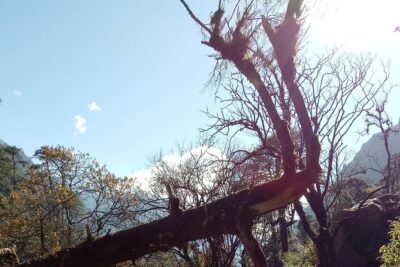
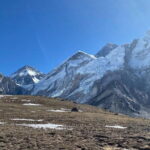
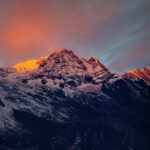
Manaslu is the eighth-highest mountain on Earth, at 8,163m. But on this trek, what really sticks is how you move from foothills into high pastures while staying connected to the people living along the trail. The Manaslu region is described as stretching from sub-tropical Himalayan foothills to more arid Trans-Himalayan high pastures that border Tibet. In plain terms: your scenery and your village life change with the altitude.
You get that mountain scale almost immediately, but it’s the gradual build that works. Day 3 starts with a drive down to Soti Khola at about 800m, then you’re trekking higher over multiple days. You’re not jumping from lowland to thin air. You’re climbing in steps, with time in-between for views and for village encounters.
You can also read our reviews of more tours and experiences in Kathmandu.
Kathmandu prep: where your trek really starts (even before you walk)
Day 1 lands you in Kathmandu at about 1,300m. Day 2 is built around Kathmandu sightseeing and trek preparation for about 8 hours. This matters more than it sounds. When you’re heading into a high, remote trek, you want time to get settled, confirm your plan, and make sure you’re mentally ready before you start hiking for days on end.
Also, you’re not going in blind. Your organizer is Skyway Nepal Treks, and the program includes pickup offered in Kathmandu. The meeting point is Thamel Marg in Kathmandu, and the trip ends back at the same meeting point, so you’re not stuck figuring out how to reach the next stage.
One more practical note: you’ll be asked for passport details (name, number, expiry, and country) and you’ll need your original passport. There’s also mention of two picture requirements. It’s the kind of paperwork that can stall a trip if you wait too long, so handle it early.
Getting to the trailhead: the long drive that replaces a short hike
Day 3 is a drive to Soti Khola at around 800m. The day is listed as 8 to 9 hours for the drive. After that, Day 4 begins your first proper trekking section from Soti Khola up to Machha Khola (about 870m) for roughly 6 to 7 hours.
This kind of start is not a flaw—it’s the deal on treks in western Nepal. You’re spending a day or two reaching the trail corridor, and that sets you up for a trek that then feels continuous. You’ll also notice how the schedule stays structured, with private vehicle transfers between destinations.
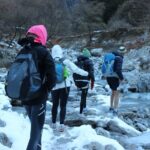
On Day 4 to Day 6, the trek starts stacking elevation in small doses:
- Day 4: Soti Khola to Machha Khola (6–7 hours)
- Day 5: Machha Khola to Jagat (about 1,340m, 6–7 hours)
- Day 6: Jagat to Philim / Deng segment (the itinerary lists a stop at Deng around 1,860m, 7–8 hours)
These are not marathon days, but they’re enough to teach your body the rhythm: consistent movement, steady breathing, and stopping before you’re totally cooked.
The middle stretch: Namrung and Samagaun bring both scenery and culture
Day 7 takes you from Deng to Namrung (around 2,660m) for about 6 to 7 hours. Day 8 shifts again, going from Namrung toward the Lho Gham area (about 3,180m) in about 3 to 4 hours, which feels like a lighter day after a longer build.
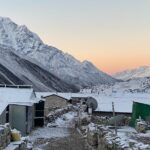
Then Day 9 is listed from Lho Gham to Samagaon/Samagaun at around 3,530m for about 3 to 4 hours. In other words: you’re climbing but not every single day is a grind. That balance matters because it keeps you alert for what’s happening around you—especially when you’re moving through hill villages where people live year-round.
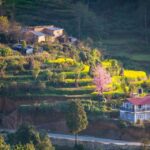
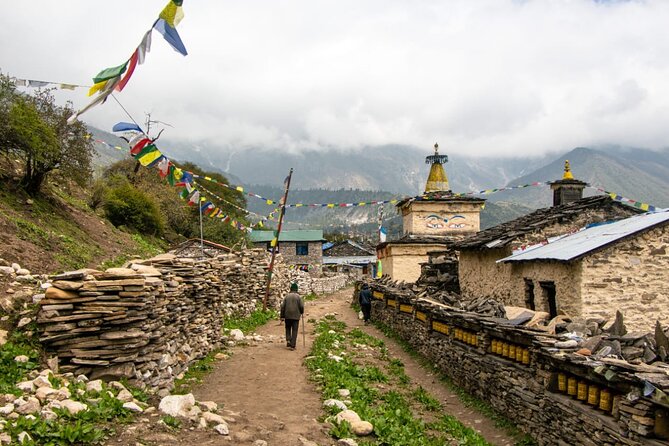
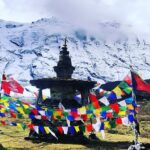
From the description of the region and the route pacing, this is one of the trek’s best “human” zones. Manaslu is often described as a place of close interaction with different ethnic groups in hill villages. You’ll feel that more when the walking days aren’t overloaded, since you’re arriving with enough energy to actually notice daily life, not just recover from it.
The acclimatization day that can save your whole trip
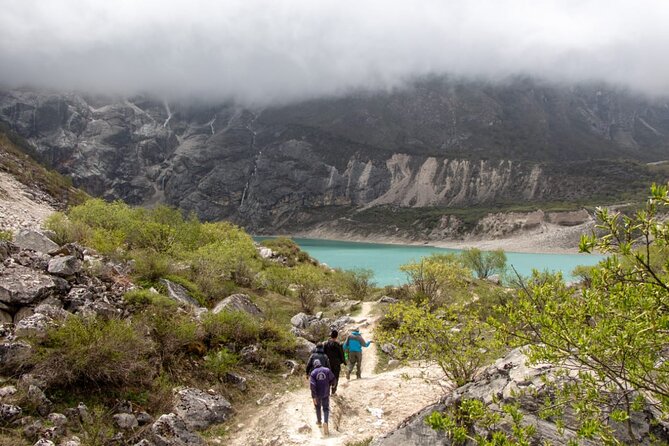
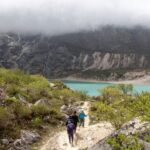
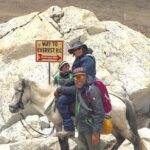
Day 10 is your acclimatization day at Samagaun (around 3,530m). The itinerary gives an optional hike of 4 to 5 hours: up to Manaslu Base Camp (about 4,800m) and Birendra Lake (about 4,450m) and back.
This is a big deal for two reasons.
First, it helps your body adapt. Second, it gives you a taste of the high core of the Manaslu experience without committing to a full pass crossing that same day. The option is useful if you feel good, and it’s also fine to rest if you don’t.
On treks like this, I like having a planned choice. You get structure but you’re not forced into an all-or-nothing mindset.
From Samdo to Larkya Phedi: setting up for Larke Pass
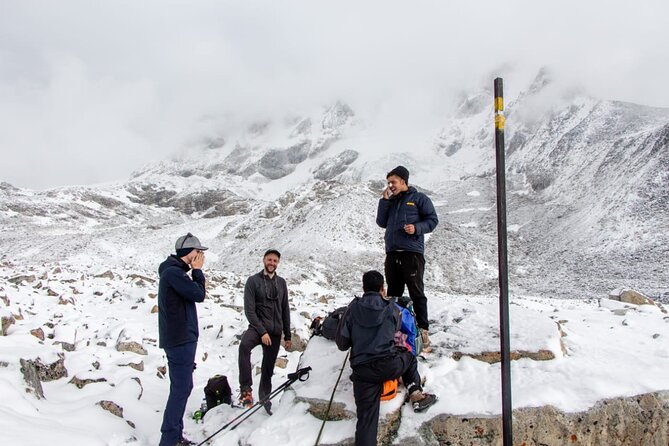
Day 11 moves you from Samagaon/Samagaun to Samdo (around 3,860m) for about 2 to 3 hours. That’s a shorter day, which usually means you’ll have time to settle in and be ready mentally for what comes next.
Then Day 12 takes you from Samdo to Larkya Phedi (Dharamsala), around 4,480m, for about 4 to 5 hours. This is the “prep layer” before the high crossing. You’ll feel the altitude tightening here. It’s not just about breathing—it’s about how quickly you tire and how careful you need to be with effort.
This is also where your acclimatization choices from Day 10 can pay off. If you paced well and didn’t force it, you’ll likely be more comfortable as the air gets thinner.
Larke Pass day: the 10–12 hours that earn the view
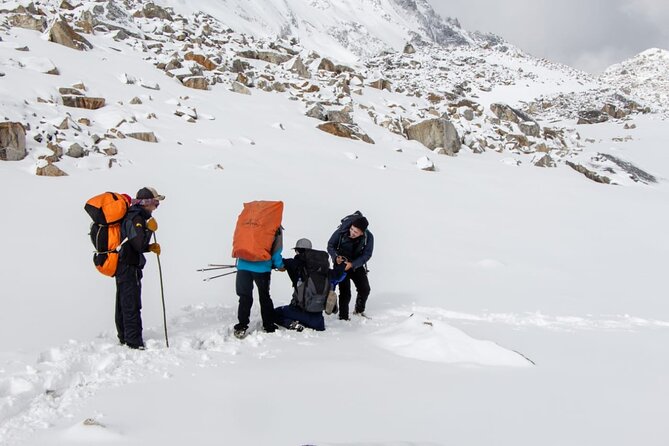
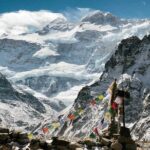
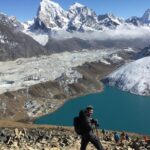
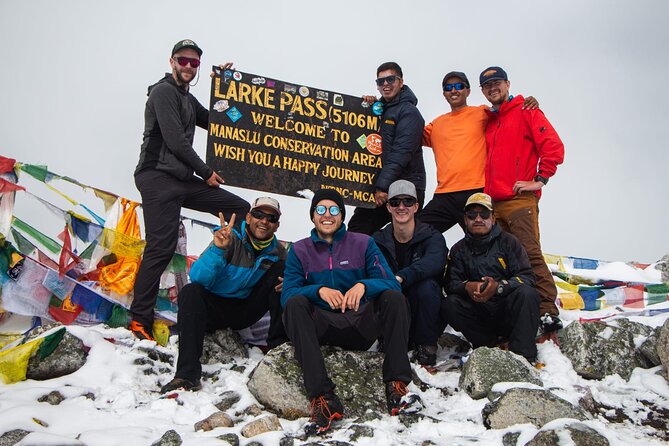
Day 13 is the marquee day: Larkya Phedi (Dharamsala) to Bimthang (about 3,720m) via Larke Pass (5,160m). It’s listed at 10 to 12 hours.
That’s a long day by any standard, and it sits at the highest point of the trek. The win here is obvious: you’ll be standing near 5,160m at the top of Larke Pass. The penalty is also obvious: you have limited energy for mistakes. You’ll want to keep your pace controlled. The team setup (guide, porters, assistants) helps here because it’s less chaotic when everyone knows what the next step is.
Arriving in Bimthang at about 3,720m after the pass is the reward zone. You’re dropping in elevation, which can help you recover. The route then keeps moving toward the exit:
- Day 14: Bimthang to Dharapani for about 8 hours
- Day 15: drive back to Kathmandu via Besishar (about 12 hours)
This is how the trek finishes: you get the hard day, then a steady winding-down phase instead of an abrupt stop.
Meals, stays, and the parts you’ll need to plan for yourself
Here’s what I think is genuinely good value in the package: most of your day-to-day essentials are included, so you’re not constantly paying extras while you’re trekking.
Included in the trek and Kathmandu:
- All accommodation on a double occupancy basis
- Trekking permit and TIMS fees
- All meals during trekking
- Breakfasts in Kathmandu
- One welcome dinner and one farewell dinner
- Experienced English-speaking trekking guide plus a team of porters and assistants
Not included items you should plan for:
- Drinking water
- Snacks
- Hot shower
- WiFi during trekking
- Any personal expenses
This means you should treat the trek as “food provided, but you still manage your comfort.” Water is specifically called out as not included, so budget time and money for that reality. Also, expect no shower comfort or dependable WiFi during the trek itself.
Price and logistics: what $1,150 actually buys you
At $1,150 per person for an approximately 16-day trek, the price looks moderate for a high-altitude, guided program with permits and full in-trek meals. The big question isn’t just whether it’s cheap—it’s what’s bundled.
You’re getting:
- Private vehicle transfers between destinations
- Double-occupancy lodging
- Guide and porter support (with a porter ratio of one for every two clients)
- Trek-specific paperwork covered (trekking permit and TIMS fees)
- Full meal coverage on trekking days, plus Kathmandu breakfasts and two dinners
Where the savings often come from with programs like this is time and hassle. Instead of you figuring out permits, meal planning, and transport sequencing, it’s handled. That can matter a lot on longer routes where one missed step can throw off multiple days.
If you’re the type of traveler who likes independence, you might not love being locked into a schedule. But if you want your effort to go into the mountains—not into administration—this package structure is exactly the point.
Who should choose this trek, and who should think twice
This trek is private, meaning only your group participates. If you travel with friends or a small team, that can make the experience feel more personal and less crowded.
It also fits well if you:
- Have a strong physical fitness level (the program explicitly calls for this)
- Want an English-speaking guide and real porter support
- Prefer structured acclimatization rather than guessing your way through altitude
Think twice if you:
- Struggle with long hiking days (Day 13 is 10 to 12 hours, and you’ll be at 5,160m)
- Don’t like the idea of managing non-included essentials like water, snacks, and showers
The good news is that the plan has a built-in acclimatization day (with an optional high hike) and multiple intermediate trekking days that don’t throw you straight into the highest point.
The practical “value” of guide Durga and a supportive team
From the trip details and the consistent praise in the feedback you shared, the guide experience is a standout. Durga is specifically named as a key part of the trek. That’s a good sign, because on a route like this the guide’s job isn’t just navigation. It’s pacing, decision-making, and keeping the mood steady when the day is long.
The porter and assistant team also matters. With one porter for every two clients, you’re not expected to handle everything alone. That reduces physical strain and lets you focus on hiking smart.
And yes, this shows up in how the trek feels day-to-day: varied scenery, village routes, and sustained support instead of a rushed, do-it-yourself vibe.
Should you book Manaslu Larke Pass with Skyway Nepal Treks?
If you want a serious trek with a well-built structure, this one makes a lot of sense. You get permits and TIMS handled, guided pacing with Durga and a support crew, and full meals during the trekking days. You also get the key high-altitude ingredient: a real plan for acclimatization before Larke Pass.
Book it if you:
- Want an organized experience that still lets you enjoy villages and mountain moments
- Are ready for high altitude and a long pass day
- Like the idea of a private trek with transport and logistics taken care of
I’d skip it (or at least ask a lot of questions before booking) if you’re not confident with long trekking hours or if the non-included items like water and snacks would be a dealbreaker for your budget comfort.
If you’re fit, flexible, and excited by Manaslu’s mix of peaks and hill villages, this is a strong way to do it.
FAQ
How many days is the Manaslu Larke Pass trekking experience?
It’s listed as 16 days approximately. Day 16 is for departure or an extension of your trip.
Where do we meet and where does the trek end?
The meeting point is Thamel Marg, Kathmandu 44600, Nepal. The activity ends back at the same meeting point.
Is pickup included in Kathmandu?
Pickup is offered, and private vehicle transport is included between destinations in the itinerary.
What’s included in the price?
The price includes private vehicle transfers between destinations, double-occupancy accommodation, trekking permit and TIMS fees, all meals during trekking, breakfasts in Kathmandu, one welcome dinner, one farewell dinner, and an experienced English-speaking trekking guide with porters and assistants.
Are drinking water and snacks included during the trek?
No. Drinking water and snacks are not included during trekking.
Are hot showers and WiFi available during the trek?
Hot shower and WiFi are not included during trekking.
Is there an acclimatization day with an optional hike?
Yes. On the acclimatization day (Day 10), there’s an optional hike to Manaslu Base Camp (4,800m) and Birendra Lake (4,450m), with a total round trip listed at about 4 to 5 hours.
What is the cancellation policy?
You can cancel for free up to 24 hours in advance of the experience’s start time for a full refund. If you cancel less than 24 hours before the start time, the amount paid isn’t refunded.