REVIEW · KATHMANDU
Gokyo Lake Trek
Book on Viator →Operated by Alliance Adventure Pvt. Ltd · Bookable on Viator
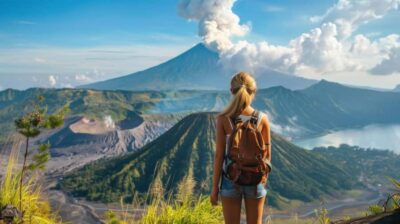
Ever wonder what 360° Everest views feel like? This trek through Nepal’s Gokyo Valley is built around dramatic high-altitude scenery, with Gokyo Lake at about 4,750 m and Gokyo Ri giving you panoramic mountain time you’ll remember. You also get multiple looks at Everest-region giants—Cho Oyu, Lhotse, Makalu, Ama Dablam, and more—without doing the same exact trail as everyone else.
I especially like two things. First, you travel with a team that’s set up for the practical parts of trekking: an English-speaking guide, plus helpful porters, a medical kit bag, and permit/TIMS support. Second, the trip includes a lot of the big logistical costs up front, including meals and key trekking gear (warm down jacket, sleeping bag, and trekking poles after the trek return to the company).
One consideration: the early flight days and high, exposed walking mean you’ll feel weather and altitude more than on a casual hike. Lukla flights are weather dependent, and the trek runs in a cold, high-elevation world where hot showers and battery charging are not included.
In This Review
- Key things that make the Gokyo Lake Trek worth your attention
- Why Gokyo Valley can feel like the Everest region without the crowd pressure
- Price and value: what you’re really paying for at $1,785 per person
- Kathmandu start: your briefing, your room, and your first pacing lesson
- The Lukla jump-off: 15 minutes of flight that start a big change
- Suspension bridges, Namche Bazaar, and your first real Everest-region taste
- Sagarmatha National Park, Everest View Hotel, and Khumjung’s quiet power
- The long climb days: when your legs learn the route
- Gokyo Glacier and lakes day: where Cho Oyu starts to feel close
- Coming back down: familiar trails, last Everest angles, and endurance
- Lukla to Kathmandu: your flights, your rest, and culture on the final stretch
- What to pack (based on what this trek includes and what it doesn’t)
- Who this trek suits best (and who should rethink it)
- Booking notes that matter: private group setup and guide support
- Should you book the Gokyo Lake Trek with Alliance Adventure?
- FAQ
- What time does the trek start in Kathmandu?
- How long is the Gokyo Lake Trek?
- What is included in the trekking meals and accommodation?
- Are permits and TIMS cards included?
- What trekking gear is provided?
- What is not included during the trek?
- Is altitude sickness insurance included for passengers?
- What is the cancellation policy?
Key things that make the Gokyo Lake Trek worth your attention
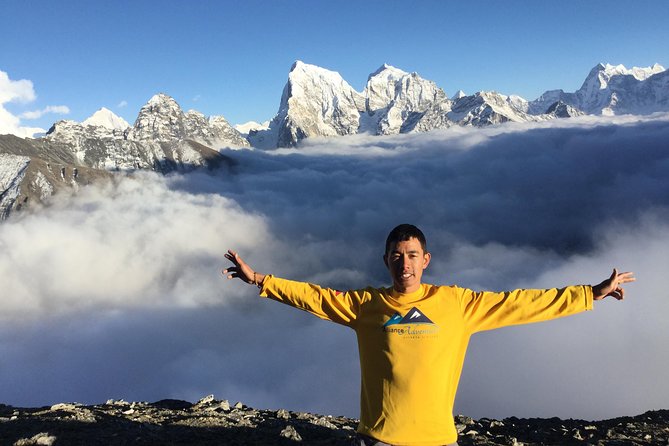
- Gokyo Ri for wide-open views, including Everest-region peaks and a 360° feel from high above the valley
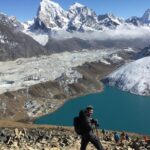
- Gokyo Lake at ~4,750 m, plus time near the glacier and multiple lake moments
- Hillary-linked terrain, including suspension bridges and famous trekking heritage in the Everest area
- Altitude-safety attention, including a briefing from Himalayan Rescue Association volunteers and a doctor
- A guided, supported trek setup, with permits, meals, and gear handled so you can focus on walking
Why Gokyo Valley can feel like the Everest region without the crowd pressure
The Everest area has a specific kind of pull: big, sharp mountains; monasteries and villages at weird angles; and that sense that every trail is leading to something higher. The Gokyo route keeps that energy, but it adds a different flavor. You’re spending time around Gokyo Lake and the surrounding glacier, so the scenery isn’t only granite walls and snowy ridgelines—it’s also water, ice, and color changes as the light shifts through the valley.
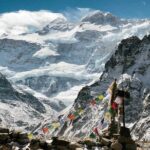
And because Gokyo Ri is part of the itinerary, you’re not just hiking toward views from the trail. You’re going high enough to see the broader mountain map, including Everest-area giants like Everest, Lhotse, Makalu, and Cho Oyu. That mix of lakes + high ridges is what makes this trek feel special.
You can also read our reviews of more tours and experiences in Kathmandu.
Price and value: what you’re really paying for at $1,785 per person
At $1,785 per person for about 15 days, this isn’t a budget trek. But it also isn’t only you paying for a route on a map. Your cost is covering the stuff that usually creates headaches on trekking trips: internal transport, guided logistics, accommodations, permits, and a chunk of meals.
Here’s what you get that protects your time and comfort:
- Kathmandu hotel stay (2 nights) with breakfast
- All transportation from arrival through departure
- Accommodations plus meals on trek (breakfast, lunch, dinner, tea/coffee are included, and even ginger lemon honey and hot chocolate are on the list)
- Trekking permits and TIMS cards
- A medical kit bag, plus insurance for guides and porters
- Warm down jacket and sleeping bag, and trekking walking poles handled through the operator
- A waterproof 100% waterproof duffel bag, plus an operator t-shirt
- Welcome and farewell dinners
What you should plan to pay for yourself:
- Cold drinks (like soda and bottled water), plus phone calls, laundry, and bar bills
- Tips for your guide and porters
- Altitude sickness insurance for you (this isn’t included)
- Hot shower and battery charging along the trek
That last point matters more than people expect. Even if you’re physically ready, cold evenings feel sharper if you can’t wash and recharge easily. If you hate discomfort, budget for the fact that you’ll be dealing with basic facilities for much of the trek.
Kathmandu start: your briefing, your room, and your first pacing lesson
The itinerary begins with a very relaxed Day 1 in Kathmandu: a warm welcome at the hotel and a briefing about the Gokyo Lake (Gokyo Ri) trek. That matters because trekking here isn’t just about distance—it’s about altitude, timing, and not making dumb choices when you’re tired.
On Day 2, you get a half-day city tour and then a drive toward Manthali Airport. Doing this driving segment earlier can help you avoid a brutal wake-up later. It’s the kind of small logistics win that makes a big difference when sleep matters.
The Kathmandu nights are also your buffer. Since 2 nights of hotel stay are included, you can eat normally, sleep indoors, and confirm you’ve got your documents ready for permits.
The Lukla jump-off: 15 minutes of flight that start a big change
Day 3 is an early morning flight to Lukla (about 15 minutes if weather allows). When the sky cooperates, the transition is quick. When it doesn’t, you’ll want patience. The trek is built around these flight windows, so don’t schedule anything tight in Kathmandu right before departure.
Once you’re on the trekking side, you shift into Sherpa-life rhythm—local culture, village stonework, and the constant up-and-down that defines the Everest-region walking style.
Suspension bridges, Namche Bazaar, and your first real Everest-region taste
Day 4 is about moving through iconic river crossings. You’ll walk over five suspension bridges, and the highlight is the very high Hilary suspension bridge area if weather gives clear visibility. Even when you’re tired, bridge days feel memorable because the valley drops away beneath you and the air feels different up there.
After that, you climb toward Namche Bazaar. Namche is often described as a mini-market, and that’s accurate in spirit: you get the supplies and coffee-and-bakery comforts you didn’t know you’d crave. It’s also a gateway feeling—this is where many people connect routes in the Everest region, and you start sensing what’s coming next.
What I like here is the balance. You’re not thrown into your hardest altitude day immediately. Instead, you build into it with a mix of crossing views and village warmth.
Sagarmatha National Park, Everest View Hotel, and Khumjung’s quiet power
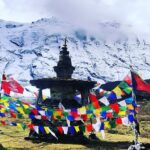
Day 5 layers in culture and a nature setting. You’ll hike to Sagarmatha National Park areas, stop at Everest View Hotel, and visit Khumjung Village, including Hillary School.
This day is a good reminder that the Everest region isn’t only about peaks. It’s also about communities shaped by trekking seasons and mountain life. If you like seeing how conservation and education sit inside mountain tourism, this part can hit hard in a good way.
You’ll also get walking-time mountain views, so it’s not only a cultural itinerary. The trail experience still matters.
The long climb days: when your legs learn the route
Day 6 is described as a longer walking day, and the route continues below major peaks with the possibility of spotting Himalayan goats along the trail if you’re lucky. You’re mostly climbing toward your destination.
Day 7 then shifts toward Machhermo (after Dole). If the weather is clear, this is where the big views can land like a punch. It’s also the day you’ll visit Himalayan Rescue Association volunteers and a doctor. That briefing isn’t about fear—it’s about giving you practical guidance so you manage your pace and altitude decision-making.
If you’ve never done high-altitude trekking before, this is the day to listen carefully. Altitude advice that’s delivered in the middle of the trek—not as an internet lecture—tends to actually stick.
Gokyo Glacier and lakes day: where Cho Oyu starts to feel close
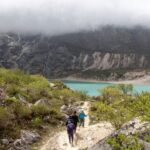
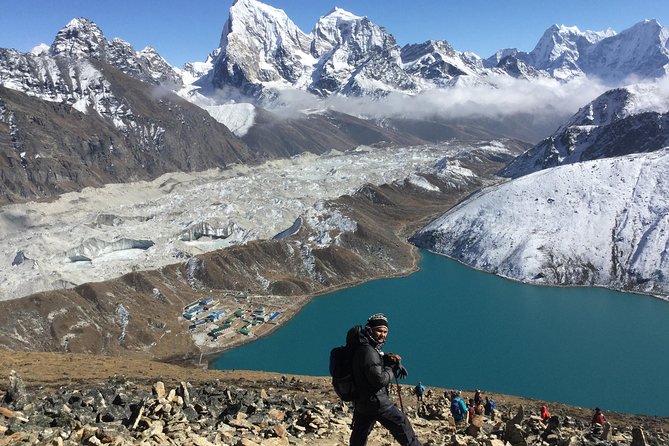
Day 8 brings a glacier walk through the Gokyo area, with Mount Cho Oyu and the Gokyo Lakes around you. The lake part is the emotional core of the trek: the itinerary emphasizes how beautiful the lakes are, and it makes sense. This is the moment where your eyes stop scanning for peaks only and start appreciating water and ice together.
Day 9 then gives you a higher viewpoint day. After early breakfast, you hike to Gokyo Ri for panoramic views. The itinerary highlights a wide 360° feel with Everest and Makalu included. If you still have legs (or you hate the idea of leaving anything unexplored), there’s also an optional hike to the 5th Lake.
This is a good day to be honest with yourself. If you’re tired, skip the extra. If you feel strong, go for it. The trek already gives you plenty of payoff without turning every day into an all-out summit day.
Coming back down: familiar trails, last Everest angles, and endurance
Day 10 is a return walk following similar areas, with more lake and mountain photo moments before you continue down. Day 11 is another full hiking day, moving along terrain below peaks like Thamserku and Kusumkhangaru, and also noting Ama Dablam. This is also where you get a last capture feeling for Everest from the trail and then back to Namche Bazaar again.
Day 12 is your wind-down toward Lukla. The itinerary frames it as the last steps of Hillary and Mount Everest, and you celebrate in Lukla with your guide and porter after a successful trek.
I like the way the itinerary treats the return. It’s not a victory lap every day, and it doesn’t pretend trekking is easy. But it does keep a sense of meaning as you close out the route.
Lukla to Kathmandu: your flights, your rest, and culture on the final stretch
Day 13 is early breakfast, then a flight back to Manthali Airport and a 4-hour drive to Kathmandu. You’ll be in “rest and reset” mode afterward, with time at the hotel.
Day 14 adds a Nepal history and culture tour with a farewell dinner. If you want closure after days of mountain quiet, a guided city day works well. You can shift your brain from altitude pacing to street pacing.
Day 15 is lighter: last-minute shopping and then your safe flight home.
What to pack (based on what this trek includes and what it doesn’t)
Even with gear included, you still need to show up ready for cold and sun. High altitude sun can be intense, and the itinerary’s packing guidance points you toward the basics that prevent misery.
Bring:
- A warm system: a windproof outer jacket and a warm down-filled layer are specifically recommended
- Gloves, a hat or cap, sunglasses, sunblock, lip balm
- Comfortable trousers (looser clothing helps women during the day)
- Lightweight trekking shoes and warm wool or thermal socks
- Thermal undergarments for night if you run cold
- A flashlight and spare batteries
- A plan for recharge: hot showers and battery charging are not included, so think about your power needs
What the operator handles (so you don’t overpack):
- Warm down jacket, sleeping bag, and trekking poles through the trek plan
- A waterproof duffel bag and a company t-shirt
One practical tip: if you’re relying on your own sleeping comfort, test your layering strategy in Kathmandu first. Don’t assume you’ll be fine just because you’ve backpacked before at lower elevations.
Who this trek suits best (and who should rethink it)
This is best for you if:
- You have moderate physical fitness and you’re comfortable with long walking days
- You want Everest-region views but with the lake-and-glacier focus of the Gokyo Valley
- You appreciate guided support, permits handled, and a clear structure from Kathmandu through Lukla and back
It might not be the right choice if:
- You dislike cold evenings and basic facilities (hot showers aren’t included)
- You want guaranteed Lukla flight timing. Flights are weather friendly when they happen, and the trek schedule depends on those windows.
- You’re traveling with very limited stamina. Several days are described as long walking, and you’ll gain and lose altitude consistently.
Also note the trip is minimum age 18 and is private for your group only, so it’s a better fit for couples and small groups who want flexibility and attention.
Booking notes that matter: private group setup and guide support
This is a private tour/activity, meaning only your group participates. That can make a difference when you want to ask questions, adjust your pacing, or get practical help on the trail.
On the human side, Alliance Adventure has shown up in the Everest-adjacent trekking world with guides like Urja and Ashish being praised for clear communication and good care from day one. I like that pattern: good trekking isn’t only about scenery—it’s about calm problem-solving and steady advice when conditions get tough.
Should you book the Gokyo Lake Trek with Alliance Adventure?
Book it if you want a classic Everest-region trip with a strong lakes-and-glacier identity, and you’re okay with the real trek tradeoffs: cold nights, basic facilities, and the reality that high-elevation logistics run on weather.
Before you say yes, do three quick checks:
- Can you handle longer walking days without rushing your altitude pace?
- Do you accept that hot showers and battery charging are not included?
- Are you okay paying extra for tips and for your own altitude sickness insurance?
If those boxes are green, this trek can be a rewarding way to experience the Himalayas with real structure and plenty of high-impact views from places like Gokyo Lake and Gokyo Ri.
FAQ
What time does the trek start in Kathmandu?
The start time listed is 6:00 am in Kathmandu.
How long is the Gokyo Lake Trek?
The duration is listed as 15 days approximately.
What is included in the trekking meals and accommodation?
The package includes accommodations plus breakfast, lunch, dinner, and tea/coffee during the trek. It also includes items like ginger lemon honey and hot chocolate.
Are permits and TIMS cards included?
Yes. The trekking permit and TIMS cards are included.
What trekking gear is provided?
You receive a warm down jacket and a sleeping bag, plus trekking walking poles after the trek returns to the company.
What is not included during the trek?
Cold drinks, phone calls, laundry, and bar bills are not included. Hot shower and battery charging are also not included, and tips for guide and porters are not included.
Is altitude sickness insurance included for passengers?
No. Altitude sickness insurance for the traveler is not included.
What is the cancellation policy?
This experience is non-refundable and cannot be changed for any reason. If you cancel or request an amendment, the amount you paid will not be refunded.