REVIEW · POKHARA
4 Day Mardi Himal Base Camp Trek from Pokhara
Book on Viator →Operated by CAN Travels · Bookable on Viator
Short treks, serious mountain payoffs. This Mardi Himal Base Camp trek is built for people who want the Annapurna views fast, with tea-house nights and a guide keeping everything organized. I like the way the day-by-day plan mixes tough walking with actual payoff hours, and I like the English-speaking guide setup (you may even see names like Krishna Adhikari, Biru, or Birendra tied to recent departures). One heads-up: the trail has steep stretches, so a moderate fitness base matters.
Logistics are handled in a practical way: you get permits and official documents, entrance fees, tourist-standard guesthouse stays, plus a round-trip transfer by shared bus or jeep from Pokhara. The second thing I really like is the peace of mind of an emergency normal first-aid kit with your guide. The main trade-off is that food and drinks are not included, so you’ll need to budget for meals along the trail.
Guesthouses on the trek are simple, not fancy. You should expect basic rooms and typical tea-house trekking comfort—fine for most people, but not for anyone expecting a hotel experience. If you’re going for the mountain scenery, this is a solid fit; if you want maximum comfort, you’ll want to set expectations early.
In This Review
- Key highlights (what you’ll feel right away)
- Why Mardi Himal Fits a 4-Day Time Window from Pokhara
- Day 1: Kande to Forest Camp (the steep start that sets the tone)
- Day 2: Forest Camp area to High Camp (gradual climb with view rewards)
- Day 3: High Camp to Mardi Himal Base Camp (the day you earn the payoff)
- Day 4: Siding Village to Pokhara (a satisfying descent day)
- Tea Houses and Guesthouses: Comfort that’s practical, not fancy
- Guides, Permits, and Transfers: Where this package saves you time
- Price and Value: What $290 gets you (and what it doesn’t)
- Pacing, Fitness, and Gear Tips for Steep Days
- Best Fit: Who will love this trek, and who should rethink it
- Should you book CAN Travels for the 4-Day Mardi Himal Base Camp Trek?
- FAQ
- How long is the 4-day Mardi Himal Base Camp trek from Pokhara?
- What’s included in the price?
- Are meals and drinks included?
- What kind of transport will I use from Pokhara?
- Where do you stay during the trek?
- Is this trek private or group-based?
- What fitness level do I need?
- What time does the experience start?
- What are the main walking highlights by day?
- What is the cancellation policy?
Key highlights (what you’ll feel right away)
- Permits and official documents included, so you’re not scrambling in Pokhara
- Experienced English-speaking guide, with recent guide names including Krishna Adhikari, Biru, and Birendra
- Round-trip transfer by shared bus or jeep plus hotel pick up and drop off
- Tourist-standard guesthouse nights along the trail
- A true 4-day plan with a mix of steep sections and more manageable stretches
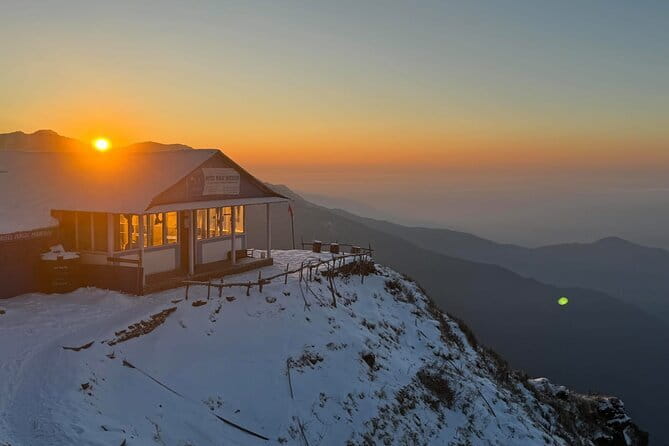
- Tea-house trekking vibe with mountain views as your daily reward
Why Mardi Himal Fits a 4-Day Time Window from Pokhara

If you have limited days, Mardi Himal is one of those treks that makes sense immediately. You’re in the Annapurna region, close enough to Pokhara that the logistics don’t feel like a second job, yet you still climb into the zone where Himalayan peaks show up big and personal.
What makes this trek especially appealing is the balance between effort and experience. The route works as a steady ascent with guesthouse nights—so you’re not just rushing uphill and sleeping in the dark. And you’re not waiting forever for views; you start spotting mountain scenery as you gain elevation during the middle days.
The big idea: you’re doing a short trek, but it doesn’t feel like a watered-down version. You’ll still get that classic tea-house rhythm: walk, stop, breathe, eat, repeat. That’s exactly what most people want when they pick a 4-day Mardi Himal Base Camp trek.
You can also read our reviews of more tours and experiences in Pokhara.
Day 1: Kande to Forest Camp (the steep start that sets the tone)
Your day begins with the Pokhara to Kande drive, about an hour. Then it’s straight into trail time: you start from Kande and head through lush forests and village areas. This early part matters because it’s where your legs warm up and your mind switches from city mode to trail mode.
The walking time is about 5–6 hours to reach Forest Camp, and the trail is steep in places. This isn’t a gentle “stroll for tourists” day. If you pace well—shorter steps, steady breathing—you’ll likely feel good by the time you settle in.
A practical tip: on day one, I’d treat it like a warm-up hike rather than a race. Save your biggest push for the later segments. Steep sections early can make people overdo it, then suffer later.
Day 2: Forest Camp area to High Camp (gradual climb with view rewards)

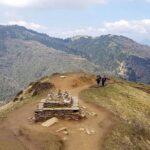
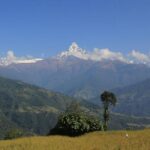
Day 2 starts with a gradual ascent through the forest. As you climb, the mountain views start showing up more consistently, which is a huge motivation boost when you’re still dealing with leg fatigue from day one.
You’ll walk about 6–7 hours to reach High Camp. The pace here is described as relatively easy compared to the steeper sections—still work, but more doable for many trekkers. This is the day where the trek starts feeling like you’re actually entering the high-country setting.
The special thing about this middle day is timing. You’re likely to get mountain glimpses during the climb, not just at the final destination. That means more “wow” moments per hour, which helps if you prefer frequent breaks over one long, dramatic finish.
Day 3: High Camp to Mardi Himal Base Camp (the day you earn the payoff)
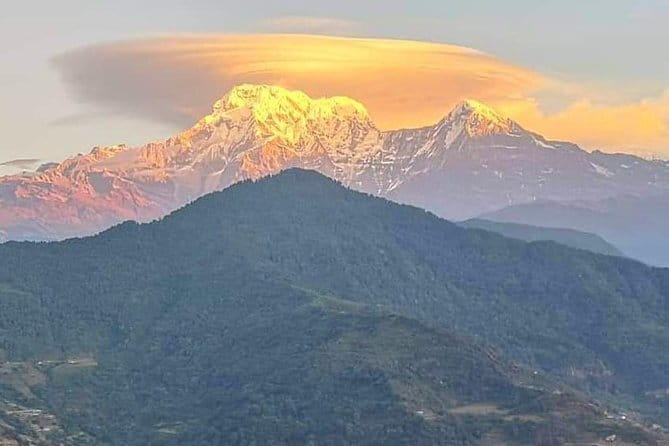
This is the challenging day. The trail becomes steeper as you climb higher, and the trek to Mardi Himal Base Camp is described as more difficult once you’re working at higher elevation levels.
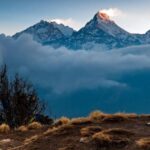
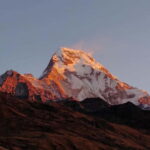
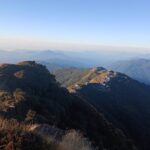
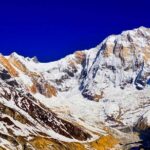
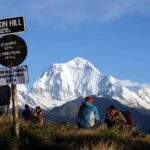
The plan calls for a total of about 8 hours on day three. Within that, there’s a key ascent segment of roughly 3–4 hours toward Mardi Himal Base Camp from the High Camp area. You’ll see panoramic views of the mountains and the valley below, and that’s the main reason most people book this short trek.
If you’re the kind of trekker who likes to know what to expect mentally: this is the day to slow down and stay relaxed. Steep trail work is easier when you keep your effort steady rather than constantly surging. Your guide can help with pacing, and having an English-speaking guide is a real benefit when you need reminders like drink water, take breaks, and don’t fight the slope.
Day 4: Siding Village to Pokhara (a satisfying descent day)
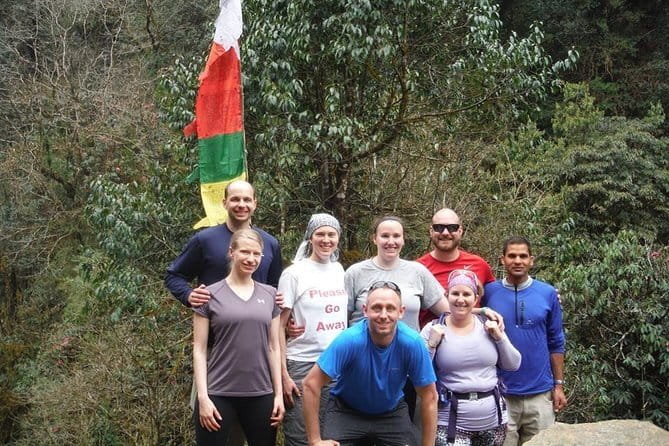
Day four flips the script: you descend through forests and villages. That means fewer steep climbing efforts and more of that satisfying “feet can fly a little” feeling—though your knees may still feel it.
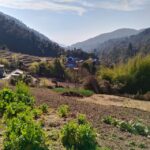
The plan is about 5–6 hours to reach Siding Village, then another 2–3 hours of driving back to Pokhara. Seeing traditional houses and terraced fields along the way adds a different kind of reward. Instead of only mountain views, you get a sense of daily life in the region.
This is also the day that helps you avoid trek burnout. After the base camp effort, you get to work your way downward at a pace that feels more like recovery than conquest. By the time you’re back in Pokhara, you can actually enjoy the city again instead of dragging through it.
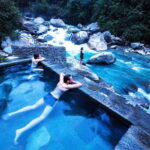
Tea Houses and Guesthouses: Comfort that’s practical, not fancy
You’ll sleep in tourist standard guesthouses during the trek. That’s a helpful phrase because it tells you what matters: you’re getting a reliable place to rest, but not luxury.
Food and drinks are available for purchase, not included. That’s normal for tea-house trekking, but it’s important for your planning. Carry a little extra cash for meals, and expect that prices can vary slightly as you go higher.
What I like about this setup is the simplicity. You don’t have to worry about finding your own lodging every night or negotiating with property owners. The guide and the included organization handle the guesthouse logistics, so you can focus on walking and enjoying the stops.
Guides, Permits, and Transfers: Where this package saves you time

This trek is run with an experienced English-speaking trekking guide, and you also get an emergency normal first-aid kit with the guide. That safety net matters most on days with steep terrain, when you need practical help fast.
Another big value point: trekking permit and all official documents are included. In Nepal, permits aren’t just paperwork—they’re your ticket to enter and trek legally in the region. Having them handled makes the trip smoother the moment you arrive.
Transport is also included: round trip transfers by shared bus or jeep, plus hotel pick up and drop off. That’s not glamorous, but it’s the kind of detail that keeps you from spending a day managing taxis and timing.
One more thing: the tour is private, meaning only your group participates. If you’re traveling with friends or family and want a pace that fits you, private trips can feel way less stressful than joining a larger group with mismatched speeds.
And yes—based on recent guide names tied to CAN Travels departures, you might be guided by people like Krishna Adhikari, Biru, or Birendra. You can’t count on any one person, but it’s a good sign that English-speaking guidance is a real focus here.
Price and Value: What $290 gets you (and what it doesn’t)
At $290 per person, this is a budget-friendly way to do Mardi Himal with key costs already covered. Here’s the value math that matters:
Included:
- trekking permits and official documents
- experienced English-speaking guide
- round-trip transfer by shared bus/jeep
- tourist standard guesthouse accommodation
- entrance fees
- hotel pick up and drop off
- emergency normal first-aid kit
Not included:
- food and drinks (available on purchase)
- gratuities (optional)
So where does the money go? You’re paying for organization, guiding, legal access, and the “moving parts” of a 4-day trek. That’s exactly what you want to buy when you’re on a tight schedule. You’re not just paying for walking—you’re paying for a guided, structured trek that doesn’t collapse if a detail goes wrong.
If you’re comfortable budget-wise with tea-house meals (and you should be), the price feels fair. If you expect meals and drinks to be part of the package, plan to spend extra.
Pacing, Fitness, and Gear Tips for Steep Days
The trek is best for travelers with moderate physical fitness. That’s honest, and it matches what the itinerary describes: steep sections on some days, a longer day on the route to base camp, and a full day of descending afterward.
How to make it easier on yourself:
- Go slow on steep parts, especially day one and day three.
- Take advantage of regular short breaks instead of one long “I’m done” rest.
- Keep water in your plan. You’ll feel the difference most on the harder climb day.
Gear isn’t listed in the provided details, so I’ll keep this general: bring layers for cooler conditions, shoes with grip for uneven stone and soil, and enough rain protection for sudden weather. The Annapurna region can change moods quickly, even during short treks.
Also, pack for guesthouse basics. You’ll be living out of a daypack, so keep your essentials easy to reach.
Best Fit: Who will love this trek, and who should rethink it
This trek makes sense if you want:
- a shorter route that still reaches Mardi Himal Base Camp
- a guided, organized experience from Pokhara
- tea-house trekking nights with guesthouse stays
- a realistic challenge without committing to a long multi-week journey
It may not be the best match if:
- you’re not comfortable with steep trails and long hiking days (5–7 hours is common here)
- you expect meals and drinks to be included
- you want a hotel-style comfort level every night
If you’re an independent traveler who prefers going fully self-guided, the “private tour” structure and included guide may feel like extra structure. But for most people, that structure is the point: less planning stress, more time for the mountains.
Should you book CAN Travels for the 4-Day Mardi Himal Base Camp Trek?
I’d book this if you want a smart, time-efficient way to experience Mardi Himal without turning the trip into logistics homework. The value is strong because permits, entrance fees, guiding, guesthouses, and transfers are handled, and you’re not left piecing it together after you land in Pokhara.
Be sure you go in with the right expectations:
- it’s a moderate fitness trek
- you’ll face steep trail sections, especially around the higher portions
- you’ll pay separately for food and drinks
If that fits your style, this is a great way to see the Annapurna region in four days—enough time for accomplishment, not enough time for boredom.
FAQ
How long is the 4-day Mardi Himal Base Camp trek from Pokhara?
It’s listed as approximately 4 days. The daily trekking times range from about 5–6 hours up to 6–7 hours, with day three totaling around 8 hours, including the ascent to Mardi Himal Base Camp.
What’s included in the price?
The price includes trekking permits and official documents, an experienced English-speaking trekking guide, round trip transfers by shared bus or jeep, tourist standard guesthouse accommodation during the trek, a private tour setup, entrance fees, hotel pick up and drop off, and an emergency normal first aid kit with the guide.
Are meals and drinks included?
No. Food and drinks are not included, but you can purchase them along the way at tea houses or guesthouse locations.
What kind of transport will I use from Pokhara?
You’ll use round trip transfer by shared bus or jeep according to the itinerary, plus hotel pick up and drop off.
Where do you stay during the trek?
You stay in tourist standard guesthouses during the trek.
Is this trek private or group-based?
It’s a private tour/activity. Only your group will participate.
What fitness level do I need?
The trek is for travelers with moderate physical fitness.
What time does the experience start?
The meeting point start time is listed as 7:15 pm.
What are the main walking highlights by day?
Day 1 includes a steep start from Kande to Forest Camp (about 5–6 hours). Day 2 is a longer day to High Camp (about 6–7 hours). Day 3 is the harder day with a steeper climb toward Mardi Himal Base Camp (about 8 hours total). Day 4 includes descent to Siding Village (about 5–6 hours) plus driving back to Pokhara (about 2–3 hours).
What is the cancellation policy?
You can cancel for a full refund if you cancel at least 24 hours in advance. If you cancel less than 24 hours before the start time, the amount paid is not refunded.