REVIEW · KATHMANDU
Everest Base Camp Trek
Book on Viator →Operated by Dream Heaven Adventure Pvt. Ltd. · Bookable on Viator
Everest Base Camp is still one of the world’s most dramatic goals, even if you’re not a climber. This 14-day trek is interesting because you mix big-mountain viewpoints with real Sherpa life, from Namche Bazaar to Tengboche Gompa, then you finish with the Everest-overlooking payoff at Kalapathar (5,550 m).
I love that the trip is set up as a full package—round-trip airfares to Lukla, entrance fees, and necessary equipment are part of the plan. I also like the steady rhythm: you get acclimatization stops (Dingboche, Chukhung-area) instead of just rushing upward.
One consideration: the air gets thin fast, and the top days include windy, rocky walking. If you have only light endurance, you may feel altitude pressure more than you’d like, even with the built-in pacing and rest style days. Also, Lukla flights can be weather-dependent, so keep your expectations flexible.
In This Review
- Key highlights you’ll actually care about
- Everest Base Camp without rope teams: what this trek really delivers
- Price and value: why $1,650 may feel fair (and where it can still sting)
- Day 1 in Kathmandu: the meeting that sets your pace
- Lukla and the Phakding start: the flight and the first valley walk
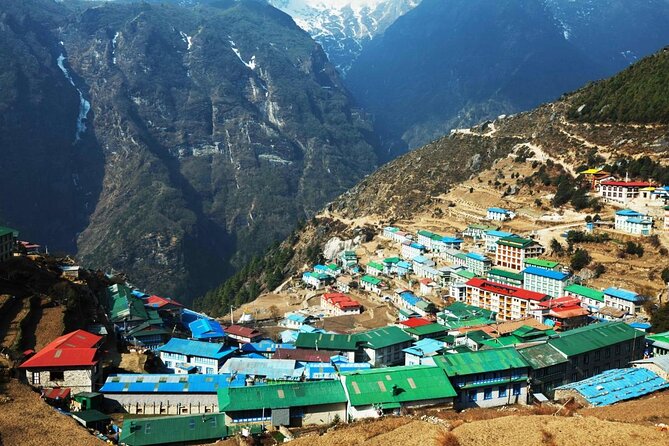
- Namche Bazaar: Sherpa capital, market energy, and viewpoints that arrive early
- Tengboche Gompa: monastery time and that big edge-of-the-world view
- Dingboche and the Chukhung-area acclimatization day: why this part matters
- Lobuche to Gorakshep to Everest Base Camp: the day your photos start feeling real
- Kalapathar (5,550 m): the windy viewpoint payoff, then the long come-down
- Pangboche, Tengboche, and the Dudh Koshi corridor: religion, forest, and the return loop
- Lukla finish and Kathmandu reset: last sunsets and a cultural dinner
- Daily pacing and fitness reality: moderate effort with real altitude days
- Support that matters: guide, porters, and the peace of handled logistics
- Should you book this Everest Base Camp trek?
- FAQ
- Where does this trek start in Kathmandu?
- How long is the Everest Base Camp trek?
- Are flights to Lukla included?
- Is airport pickup and drop-off included?
- Are accommodations included each night?
- Are meals included?
- Is trekking equipment included?
- Do you provide porter services?
- Is there a vegetarian option?
- What is the cancellation and refund policy?
Key highlights you’ll actually care about
- Lukla flight time built into the itinerary so you can plan around the most intense part early
- Tengboche Gompa panorama with Everest-area peaks laid out for photos and quiet time
- Kalapathar at 5,550 m for a sweeping look at Everest’s windblown summit
- Porter support (2 trekkers : 1 porter) to help you keep steady on the trail
- All entrance fees + national park fees included so you’re not doing math mid-trek
- Private tour setup for a smoother, more controllable experience with your group
Everest Base Camp without rope teams: what this trek really delivers
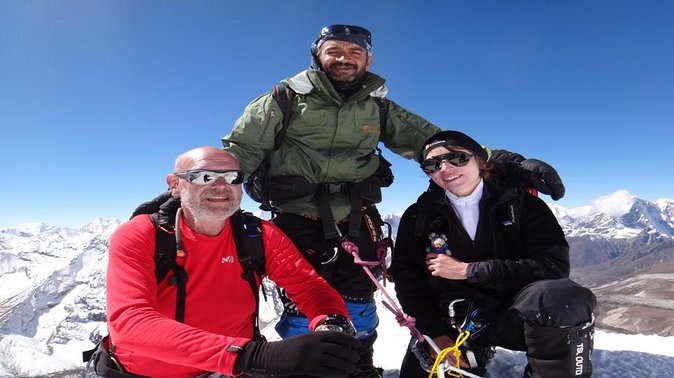
This trek is built for getting to Everest Base Camp as a walker, not a climber. That matters because you’ll spend your time on the trail and at mountain viewpoints, not training for technical gear or summit conditions.
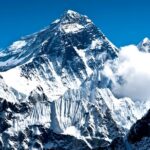
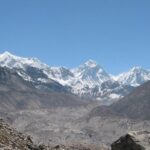
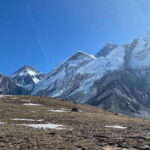
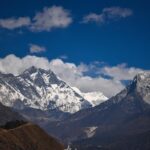
You’ll see Everest in a few different ways. First, you’ll catch it from trekking towns like Namche Bazaar. Then you’ll get classic Base Camp framing as the camp area looks like a tented town. Finally, Kalapathar gives you the high-angle view people chase when they want the mountain to fill the horizon.
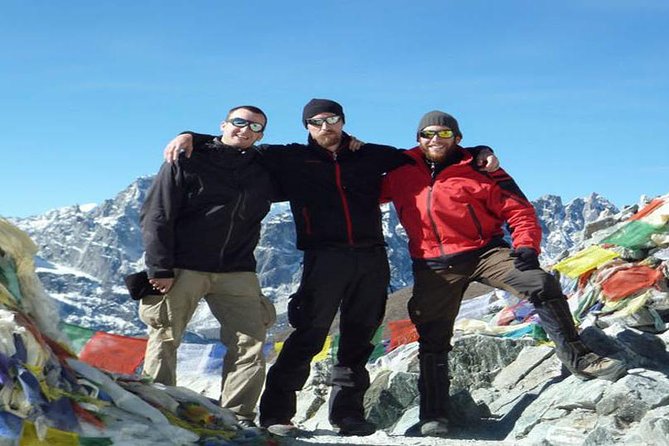
And there’s more than big views. You’ll pass through villages shaped by the Khumbu way of life, with monasteries, mani stone walls, and prayer flags that feel like part of the daily workflow—not a side attraction.
You can also read our reviews of more tours and experiences in Kathmandu.
Price and value: why $1,650 may feel fair (and where it can still sting)
At $1,650 per person for a roughly 14-day trek, the value comes from what’s included, not just the route. This package covers 14 nights of accommodation, meals as per the itinerary, a professional guide, porter services (2 trekkers to 1 porter), national park fees, and entrance fees. It also includes hotel pickup and drop-off and transport by private vehicle in Kathmandu.
The other big value point is the flight structure. Your trek includes round-trip airfares to Lukla, plus a flight from Lukla back to Kathmandu at the end. For most EBC plans, flights are where costs and logistics get messy. Here, that piece is handled.
Where it can sting: drinks and personal costs aren’t included. Battery recharge, laundry, and hot shower access cost extra. Also, if you bring excess luggage, there can be extra charges.
Day 1 in Kathmandu: the meeting that sets your pace
You start with a pickup at Tribhuvan International Airport and a trip to your hotel. The tour includes a pre-trip gathering at the hotel, where you meet your trekking guide and can ask questions about the route and your progress.
This isn’t just paperwork. In the Everest region, tiny details matter—how fast you should move, when to rest, and what to expect on your higher days. A good guide can also help you manage stress on days that feel long, especially if you’re traveling with mixed fitness levels.
One logistics note: the meeting time listed is 5:15 am, so your travel day needs to be respectful of sleep. Kathmandu airport day always feels early. Plan to treat it like part of the trek, not the warm-up.
Lukla and the Phakding start: the flight and the first valley walk
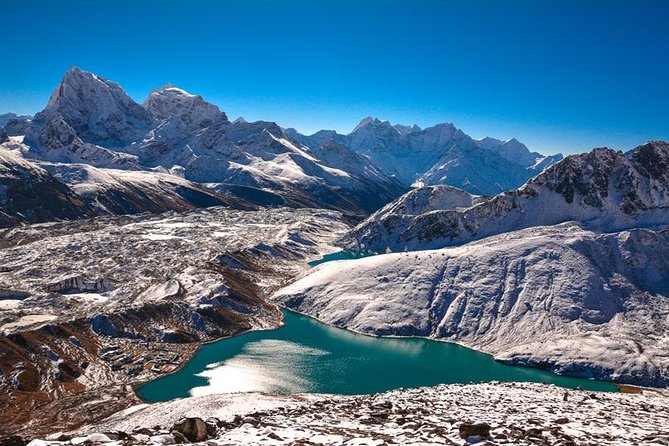
Day 2 starts with a short flight of about 40 minutes to Lukla. It’s described as thrilling, with sweeping views over stream valleys and terraced scenes. If you like airplanes with character, this is a highlight. If you don’t, it’s still the gateway you need, and it tends to set your mind in mountain mode fast.
After landing, the trail continues to Phakding in about 3–4 hours. Along the way you’ll notice mani stone walls—stone tablets and decorated boulders painted in bright colors. Those details are more than decoration. They’re the visual language of the region, and they help you understand how spiritual practice sits beside everyday walking.
Phakding is your first proper overnight in the Khumbu zone. It’s also a good place to calibrate your pace and your breathing before higher villages begin stacking up.
Namche Bazaar: Sherpa capital, market energy, and viewpoints that arrive early
On Day 3 you head into the Sherpa villages by crossing through the Dudh Koshi valley. This is the point where the trek starts to feel like a lived-in place rather than a trail.
You’ll likely see major peaks in the mix—Everest, Nuptse, and other giants—along the way. Then you reach Namche Bazaar, the Sherpa capital and an important exchanging place for the local community. In real terms, it’s where you can feel the flow of goods, trekkers, and local life.
One more thing you’ll appreciate: the trek is arranged with acclimatization built into the days around Namche. Day 4 includes free time in Namche and a short hike up to Khumjung, plus views of Everest, Ama Dablam, Lhotse, Nuptse, and others.
This is where you’ll start learning the pattern of EBC trekking: move uphill, take in the views, then come down enough to keep altitude stress manageable.
Tengboche Gompa: monastery time and that big edge-of-the-world view
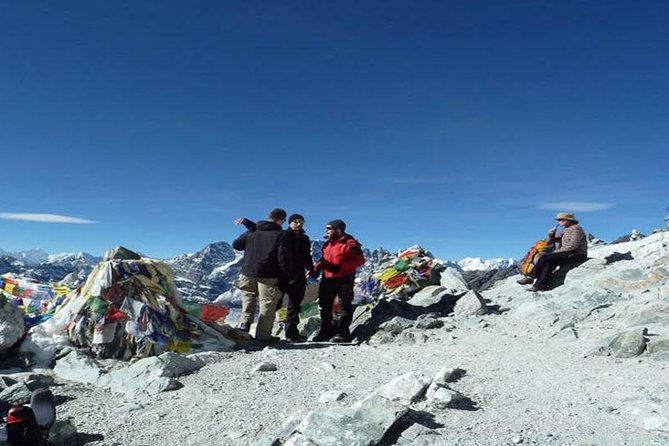
Tengboche is one of those places where the trek feels like it has a soundtrack. You’ll visit Tengboche Gompa, and it’s described as sitting high and open, with a major panorama of peaks including Everest, Lhotse, Nuptse, and Ama Dablam.
Even if you’re not a temple person, monasteries here help you read the region. You get the spiritual setting, the quiet rhythm, and that sense that the mountains aren’t just scenery—they’re part of belief, identity, and daily life.
A realistic drawback: monastery viewpoints often mean cold air, wind, and time spent standing around for photos. Bring the right layers for stillness, because motion is easier than waiting.
If you want the Everest trek to feel more human and less like a checklist, Tengboche is where that shift happens.
Dingboche and the Chukhung-area acclimatization day: why this part matters
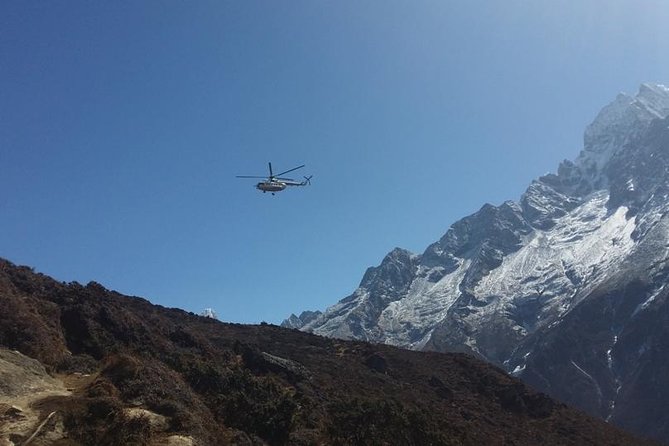
Day 6 moves you to Dingboche, called the summer valley. The trail gradients are described as relatively mild compared to what comes later, but you still move slower because altitude asks for respect.
This day is useful because it’s not only about walking—it’s about acclimatization. You’ll get views of Ama Dablam, Lhotse, and other mountains while your body adapts.
Day 7 leans into a calm day with a possible morning trek toward the Chukhung area, described as a trek to the cabins. The logic here is practical: you gain elevation gradually, then return, so you can keep pushing without feeling destroyed.
You’ll also visit the Dingboche monastery, described for its distinctive animal scalp and hand feature. It’s a detail that makes the place memorable, and it’s a good reminder that this region mixes faith with local storytelling.
Lobuche to Gorakshep to Everest Base Camp: the day your photos start feeling real
Day 8 brings Lobuche after you step up to a yak farm area. You’re also in view of Tawache Peak and Cholatse peak. Then you reach the Khumbu Glacier region by following the Duglha before arriving at Lobuche.
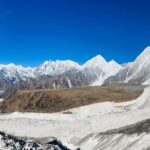
On Day 9, you head to Gorakshep first. The trail includes short up-and-down sections, and you’ll see the Khumbu glacier while crossing the north rim area near Khumbutse and Pumori. Then you continue to Everest Base Camp.
Here’s what Base Camp feels like in the plan: the area is described as wide and spread out, looking like a tented town with teams from around the world staking out space. It’s not just a single lookout. It’s a moving city of logistics, preparation, and people chasing the same mountain dream.
Practical note: the walk from Gorakshep to Base Camp isn’t presented as easy, but it’s framed as doable without climbing supplies. That means you can expect tough weather changes and frequent stops for breath and views.
Kalapathar (5,550 m): the windy viewpoint payoff, then the long come-down
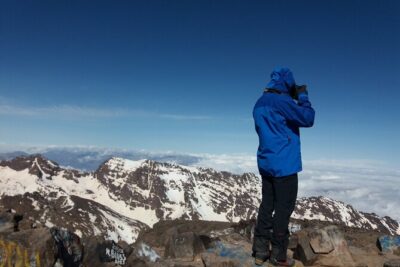
Day 10 starts with the climb to Kalapathar. It’s described as a windy path with rocky slopes and sedge-like terrain. That’s the day where the trek’s payoff is clear: from Kalapathar you get stunning views of Mt. Everest and a long list of nearby peaks including Khumbutse, Lhotse, Nuptse, Ama Dablam, Cholatse, Tawache, and Pumori.
Then the plan is down: you trek back toward Gorakshep, and after breakfast you continue to Pheriche by crossing Lobuche and Dhugla. You’ll pass chorten and stupas along the route, following the kind of cultural rhythm where prayers are part of the walking loop.
On that exposed thin trail, it also mentions a special traffic moment—meeting a line of animals, including zopkyos and yaks. That small chaos is funny in hindsight, but it also shows why you need patience with narrow paths at popular times.
Pangboche, Tengboche, and the Dudh Koshi corridor: religion, forest, and the return loop
Day 11 is a mix of cultural sites and forest walking. You start by going down to Pangboche, where you can see an older monastery described as containing what are believed to be a yeti scalp and bones. It’s not just a legend stop. It’s the kind of story the region holds onto, and it helps explain why these monasteries matter beyond architecture.
From Pangboche, the trail drops to the riverside, crosses a bridge, and climbs through pine and juniper forest to Tengboche village. Then it drops sharply again toward Dudh Koshi River, reaching Phunki. You cross the river and head back up toward Namche Bazaar.
This day’s value is variety. You get high-mountain spiritual points, then you get the calmer feel of forest trails and river corridors. You also feel the trek moving out of the upper zone and back toward the towns you learned earlier.
Lukla finish and Kathmandu reset: last sunsets and a cultural dinner
Day 12 drops sharply down to Lukla, following the Dudh Kosi River. This is described as the trek coming full circle, ending with last mountain sunsets. You sleep in Lukla again, which is smart because it reduces travel stress.
Day 13 brings a scenic flight back to Kathmandu (about 35 minutes). Once you land, a guide takes you to the hotel by private vehicle. In the evening, there’s a cultural dinner with the group as a proper finish.
Day 14 is straightforward: the airport team drops you at Tribhuvan International Airport for your onward flight.
Daily pacing and fitness reality: moderate effort with real altitude days
This trek is aimed at people with moderate physical fitness. That doesn’t mean it’s casual. It means the itinerary includes enough acclimatization days and structured hiking lengths so you can succeed if you move sensibly.
The plan includes several slower or supportive days: resting time in Namche, the Dingboche acclimatization day, and the optional Chukhung-area morning hike. Those pieces help because Everest-region altitude doesn’t care how motivated you are. It cares about time, rest, and your pacing.
You also need to expect windy exposed sections, especially on the Kalapathar climb and when you’re near glacier-adjacent paths. Wind can make the cold feel sharper, even when the sun is out.
If you’re prone to rushing when excited, this itinerary quietly asks you to do the opposite.
Support that matters: guide, porters, and the peace of handled logistics
A lot of EBC trekking stress comes from logistics. Here, it’s handled. You get a professional guide, porter support (2 trekkers : 1 porter), round-trip Lukla flights, airport transfer, and a private setup for your group.
There are also signs of strong leadership. The company’s management (including a person named Suman in past experiences) has been described as responsive and careful with planning. Guides such as Shambhu, Hupa Raj/Hupi, Raj, and support like Deepak show up in prior trip stories, and that points to experience in the real-world problems that pop up on mountain schedules.
Just remember: you still own your own effort. The guide helps you plan and respond. You still need to walk, hydrate, and rest when your body asks.
Should you book this Everest Base Camp trek?
Book it if you want a well-structured EBC plan where most of the hard logistics are already handled, and you like the idea of combining Everest views with monastery days (Tengboche and Pangboche) plus the big viewpoint finish at Kalapathar.
Don’t book it if you know altitude and wind make you anxious and you’re not comfortable adjusting your pace. This trek includes high-elevation exposure and a windy summit-day-style hike, even though it’s not a technical climb.
One last practical check: confirm what exactly counts as included equipment and what you’ll still need personally. Also note that drinks and personal expenses aren’t included, so plan a budget for small costs that always show up in trek-country life.
FAQ
Where does this trek start in Kathmandu?
You meet at Tribhuwan International Airport in Kathmandu, with the start time listed as 5:15 am.
How long is the Everest Base Camp trek?
It’s listed as 14 days (approx.).
Are flights to Lukla included?
Yes. Round-trip flight ticket to Lukla is included, and there’s also a scenic flight back to Kathmandu near the end.
Is airport pickup and drop-off included?
Yes. Hotel pickup and drop-off are included, and the airport team drops you at Tribhuvan International Airport on the final day.
Are accommodations included each night?
Yes. The package includes 14 nights of accommodation.
Are meals included?
Yes. Meals are included as per the itinerary, with breakfast and dinner counts included in the package details.
Is trekking equipment included?
Yes. All necessary equipment is included.
Do you provide porter services?
Yes. Porter services are included with a ratio of 2 trekkers for every 1 porter.
Is there a vegetarian option?
Yes. Vegetarian option is available if you advise at the time of booking.
What is the cancellation and refund policy?
You can cancel up to 6 days in advance for a full refund. For a 50% refund, cancel 2–6 days in advance. If you cancel less than 2 full days before the experience start time, the amount paid is not refunded.