REVIEW · KATHMANDU
Annapurna Circuit Trek 12 days
Book on Viator →Operated by Trek Around Himalayas Pvt. Ltd. · Bookable on Viator
Annapurna Circuit feels like several trips in one. The Annapurna Conservation Area shifts fast, from subtropical valleys and agriculture to rhododendron forests and alpine climbs, with big-name peaks framing your days. I especially like how the route builds toward two headline moments: Tilicho Lake at 4919m and the Kaligandaki gorge, famous for slicing deep between Annapurna I and Dhaulagiri. The main drawback to plan for is altitude: you need moderate fitness and a steady pace because the air thins as you climb.
What makes this version work well is the support. You get a highly experienced trekking guide with a government license, plus the paperwork handled up front, including the ACAP and TIMS permits. In the reviews, the team behind it (including Bimal’s crew and guide Nabin) comes through as professional and friendly, with real attention to safety and pacing.
Logistics are also smoother than many DIY attempts. Pickup is offered, ground transportation is included as per the route, and you’ll stay in tea houses during the trek, which keeps the trip practical for first-timers. The consideration here is simple: meals aren’t included (in city or on the trail), so budget for everyday food and the extras you’ll be tempted by, like hot showers when available.
In This Review
- Key things I’d bookmark before you go
- Annapurna Circuit is really a moving museum of Nepal’s elevations
- Wildlife and ethnic variety: why conservation area matters on foot
- From Kathmandu to the trekking core: pickup, transport, and the Pokhara–Jomsom–Muktinath flow
- Tea houses for 12 days: included comfort, real-world simplicity
- The Tilicho Lake day: the altitude you’ll feel, not just see
- Kaligandaki Gorge: one of Nepal’s deepest geographic punches
- The daily rhythm: why your pacing plan matters more than your speed
- Price and value: $769.24 for 12 days with permits and transport
- Small group size: up to 20, and why that affects your experience
- Who should book this Annapurna Circuit version
- Should you book this trek or not?
- FAQ
- How long is the Annapurna Circuit trek?
- What is the tour price per person?
- Where does the tour start from?
- Is accommodation included during the trek?
- Do I need a guide and does the tour include permits?
- Are meals included in the price?
- Is a porter included?
- What happens if weather is bad?
Key things I’d bookmark before you go
- Altitude changes quickly: you’ll move through big elevation bands, so plan for slow, steady climbing
- Tilicho Lake at 4919m: a standout high-altitude destination inside this trek
- Kaligandaki Gorge views: one of the dramatic geographic features of the region
- Tea-house nights are included: easier planning, but expect basics
- Small group limit: up to 20 travelers, which usually keeps the pace more human
- Licensed guide + permits handled: less admin stress, more time on the trail
Annapurna Circuit is really a moving museum of Nepal’s elevations
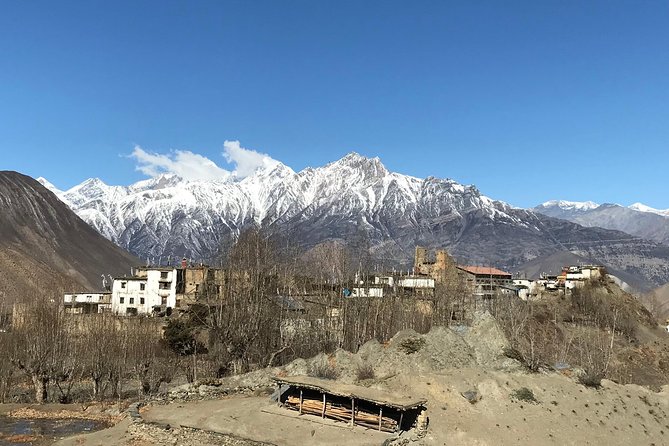
The Annapurna region can feel like a greatest-hits album of Nepal’s vertical geography. You start below 1000m in areas that swing between agriculture and forest remnants, then climb into rhododendron country, and eventually you reach higher, drier terrain where conifer forests can seem almost soundless except for wind in the canopy.
I like that you don’t just “walk to scenery.” You see how life changes with altitude and climate. Broadleaf forests and cleared fields in the lower valleys give way to rhododendron forests with gnarled limbs and epiphytic ferns and orchids. If you trek in spring, the rhododendrons can bloom in shades of pink, red, and white depending on elevation. Even outside that season, the forest structure and color shifts still tell a story.
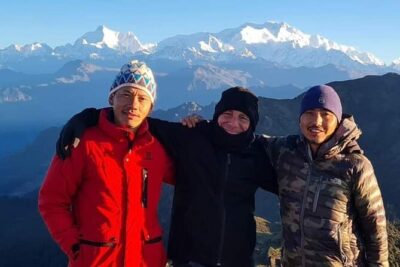
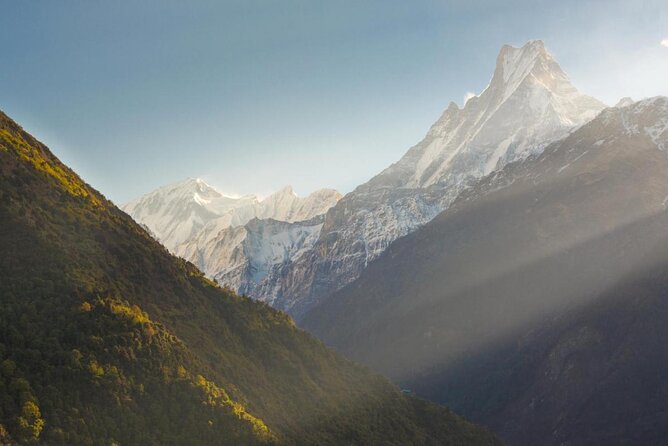
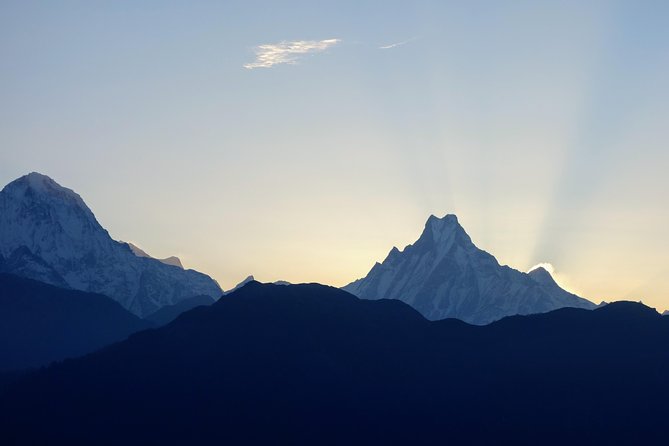
You’ll also get the kind of mountain framing that feels earned rather than staged. This trek is tied to landmark peaks of the Annapurna Himal—Mount Annapurna I (8091m), Dhaulagiri (8167m), and Machhapuchhre (6993m). Having these names associated with the route matters because you’re not walking through “generic mountains.” You’re moving in a landscape with real, recognizable giants.
One more thing I appreciate: the trek sits inside a protected area that covers 7629 square kilometers. That scale explains why the walking often feels wild and intact instead of chopped up by constant development.
You can also read our reviews of more tours and experiences in Kathmandu.



Wildlife and ethnic variety: why conservation area matters on foot
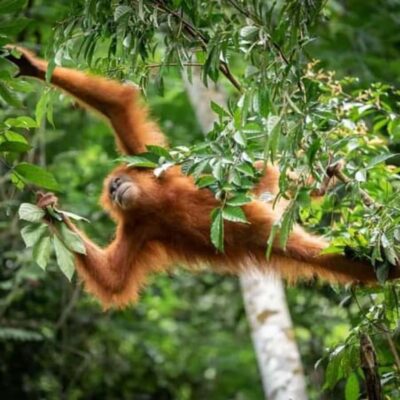
This is not just a scenery circuit. The Annapurna Conservation Area is a working conservation zone and a real habitat. The numbers are striking: 101 species of mammals, 474 species of birds, 39 species of reptiles, and 22 species of amphibians. You may not see a snow leopard on your schedule, but knowing that this place is a stronghold for big, rare species changes how you look at the trails.
Symbolic animals listed for the area include snow leopard, musk deer, Tibetan argali, Tibetan wolf, and Tibetan fox. Bird life is also a highlight in the right conditions: golden eagle, Demoiselle crane, and different pheasants. What I like about this is the expectation shift. You can stop thinking only in terms of photo stops and start watching. Sometimes you’ll notice barking deer yelps or just the quiet texture of the higher forests before birds kick in.
This trek also passes through regions tied to more than 10 ethnic groups. That matters because Nepal’s mountain cultures aren’t a museum item. They’re living communities shaping hospitality, trail life, and the rhythms of everyday conversation in teahouses and settlements.
If you like nature, conservation, and people at the same time, this is a good match. If you only want steep summits and nothing else, you might find yourself slowing down for forest and community moments—which is often exactly the point of the Annapurna Circuit.
From Kathmandu to the trekking core: pickup, transport, and the Pokhara–Jomsom–Muktinath flow
Most people don’t start the trek with magic; you start with movement. This tour lists Kathmandu as the base location and includes ground transportation as per the itinerary. Pickup is also offered, which is a real value if you’re arriving and tired, or if you’d rather not negotiate your way out of the city.
A key part of this route is how it connects with the Annapurna area through Pokhara, then onward toward Jomsom and Muktinath. One review describes the trip as starting from Pokhara Jomsom and Muktinath and notes it felt like a kind of pilgrimage. I get why: Muktinath is spiritually significant in the wider region, and the journey tone can feel different when the route includes places people travel to for reasons beyond trekking.
What to take from this, practically:
- You’re not just “walking”; you’re traveling through the region’s road-to-trail transitions.
- Those transitions often set your pace for the days ahead. If your first movement days are smooth, you’ll feel calmer the moment the trail begins.
The best part is that the tour handles the ground transport. That removes a chunk of uncertainty that can chew up your energy on travel days.
Tea houses for 12 days: included comfort, real-world simplicity
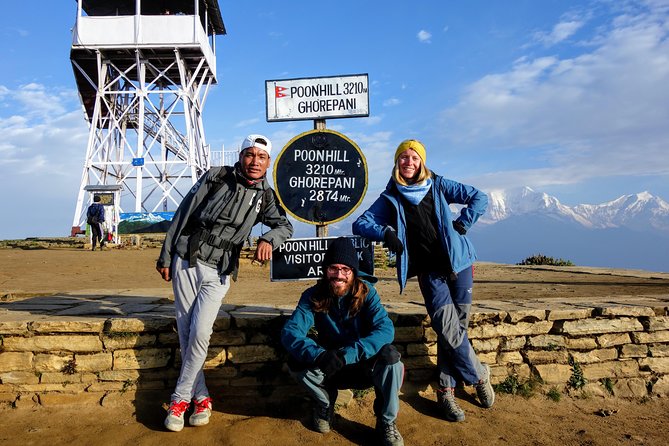
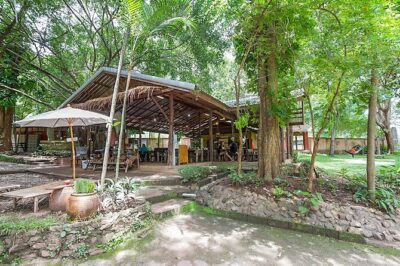
The trek includes accommodation during the trekking at tea houses. That’s important. Tea houses are the core infrastructure of popular routes, and they’re also the reason this trek can be planned without needing your own cooking gear or porters right away.
Here’s the honest tradeoff: tea houses are practical, not luxury. Expect basic rooms and the kind of comfort that feels good after a long day because it’s warm enough, clean enough, and in the right location. You’ll also want to plan for your “on the trail” comforts being limited by the setting. The tour specifically notes that meals in city and trekking are not included, and personal expenses like water and bar bills are not included either.
Also, hot showers and snacks aren’t included, and wifi internet is listed as personal expense territory. That tells you what to expect. If being connected all the time matters to you, you’ll need to adjust your expectations before you go.
On the plus side, having tea houses included reduces decision fatigue. You can focus on packing and pacing rather than researching every night’s stay.
If you want to travel light, consider the porter note. A porter is available at extra cost. You can decide based on your comfort and how sensitive you are to carrying weight at altitude. This is one of those small decisions that can change the whole experience.
The Tilicho Lake day: the altitude you’ll feel, not just see
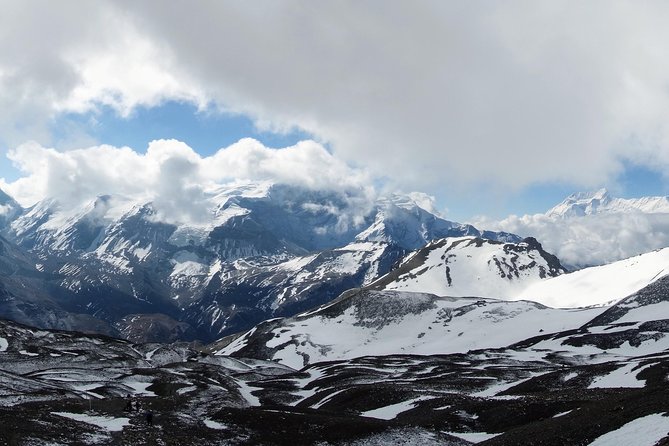
Tilicho Lake is a major highlight on this itinerary—situated at 4919m. That fact alone tells you a lot about how your body will be involved. At this elevation, even short climbs can feel bigger than you expect. Breath might run shorter. Walking might feel slower. Your mind might get louder.
I like that this trek includes a target like Tilicho because it gives you a clear “why” for the climb. It’s not just gradual altitude gain for the sake of it; it’s tied to a specific destination at a specific height.
What you should do with this information:
- Bring a mindset for slower progress, even if you feel okay early.
- Don’t treat altitude as something you conquer once; treat it as something you respect every hour.
- If you’re prone to getting behind, build in extra patience. This is a trek where a steady pace beats a hero pace.
The included guide support matters here. With a government-licensed trek leader and a group size up to 20, you have a structure for moving safely and adjusting if needed.




Kaligandaki Gorge: one of Nepal’s deepest geographic punches
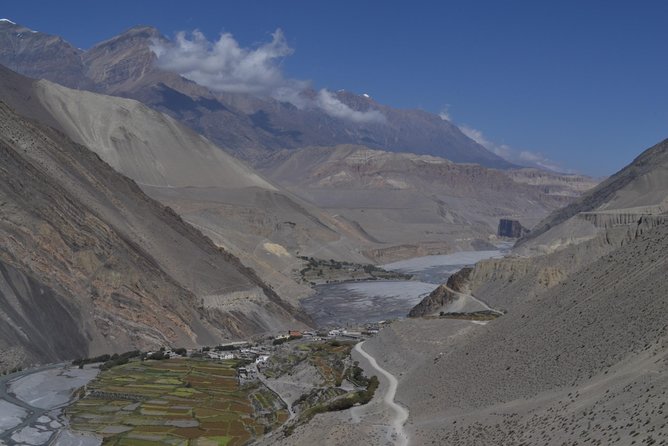
If Tilicho is the high-altitude bucket list, Kaligandaki gorge is the dramatic earth-science moment. The trek passes through this gorge, described as the world’s deepest canyon, and it’s also presented as the natural boundary separating Mount Annapurna I on the east and Dhaulagiri on the west.
That kind of “two giants on opposite sides” framing does something to your experience. It makes the terrain feel intentional, like the mountains are telling a story through their separation. And a deep canyon isn’t just impressive from the viewpoint; it also influences weather and how sound travels in the area. You may notice wind patterns and changing light as you move around.
I’d also suggest paying attention to how the gorge changes the walking atmosphere. You can go from forest or open stretches into areas that feel more exposed. That can mean colder air, stronger wind, and faster fatigue if you dress too lightly.
So if you tend to think in terms of temperature only, broaden that to wind chill. Kaligandaki is a place where “feels like” can catch you.
The daily rhythm: why your pacing plan matters more than your speed
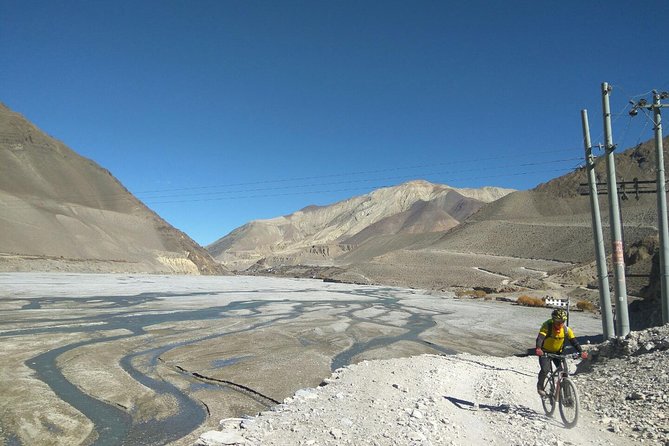
This is a trek for people with moderate physical fitness, and that’s the right level of honesty. Annapurna Circuit isn’t only about legs; it’s also about managing your energy, your breathing, and your hydration throughout the day.
The included guide plays a big role in this. One review specifically mentions that abilities were well gauged and that the group felt safe at all times, with the guide coaxing people along. That’s a useful style note for you: look for guidance that matches effort to altitude, not just motivation to keep you moving.
Practical pacing approach I’d use:
- Start each day slightly under what you think you can do.
- Keep stops short and purposeful.
- Save your effort for viewpoint moments, not for racing between them.
You’ll also notice how different trail environments affect your body. Agricultural valleys can feel easier underfoot but less interesting. Forest segments can be cooler and more shaded but sometimes slower. Higher, drier areas can be mentally tough because the sky feels open and there’s less shelter.
Price and value: $769.24 for 12 days with permits and transport
Let’s talk money without hand-waving. The price listed is $769.24 per person for about 12 days. That’s not a budget trek, and it’s not a luxury trek either. What makes it feel reasonable is what’s included.
Inclusions:
- Tea house accommodation during the trek
- A highly experienced, government-licensed guide, plus his expenses
- Necessary paperwork and required permits, including ACAP and TIMS
- Government and local taxes
- All ground transportation as per the itinerary
Those items add up quickly if you DIY. Permits and fees are not the fun part of planning, and hiring a qualified guide without guesswork takes time. Transport through Nepal’s terrain can also be a big unknown for independent travelers.
The key missing piece is meals. All meals in city and trekking aren’t included, and that’s where your day-to-day budget will live. Personal expenses like water and bar bills, plus wifi internet and hot showers, also fall outside the package. Porter support is optional at extra cost, and tips for the guide, porters, and other staff aren’t included.
So the real way to judge value is this:
- If you want a guided, permit-covered trek with transport and tea houses handled, this looks like a fair deal.
- If you’re trying to keep costs ultra-low and you can handle admin and planning, you might find cheaper options elsewhere—but you’d be trading away convenience and structure.
Small group size: up to 20, and why that affects your experience
A maximum of 20 travelers keeps the trek from becoming a moving train. That matters for two reasons: pacing and attention. With more people, you can end up waiting more often, and individual safety checks get harder. With fewer people, it’s easier for the guide to read the room and adjust.
This tour’s style shows up in the review themes about feeling safe and guided. When a guide can actually see how you’re doing, you spend more time hiking and less time guessing.
Who should book this Annapurna Circuit version
This trek makes the most sense if you:
- Want a first-time-friendly Annapurna Circuit experience
- Prefer a guide who handles the permits and the logistics
- Like a mix of mountain drama and conservation-area nature
- Are comfortable with tea-house simplicity and paying for your meals separately
- Have moderate fitness and can pace yourself as altitude rises
You might think twice if you’re looking for nonstop creature comforts or you strongly rely on included meals, wifi, or daily hot showers.
Should you book this trek or not?
If your priority is a well-managed Annapurna Circuit with real guide support, this is a strong booking choice. The standout value is the combination of licensed guidance, ACAP and TIMS paperwork, and ground transportation, plus tea-house accommodation during the trek. You also get two major geographic reasons to go: Tilicho Lake at 4919m and the Kaligandaki gorge experience.
I’d still make one decision before you book: can you handle altitude with a calm, patient pace? If yes, you’re set. If you tend to push too hard early, consider adding a porter for comfort or be ready to slow down fast.
FAQ
How long is the Annapurna Circuit trek?
It’s listed as approximately 12 days.
What is the tour price per person?
The price is $769.24 per person.
Where does the tour start from?
The tour location is Kathmandu, Nepal, and ground transport connects through the Pokhara Jomsom and Muktinath flow.
Is accommodation included during the trek?
Yes. Accommodation during the trekking is included at tea houses.
Do I need a guide and does the tour include permits?
Yes. The trek includes a highly experienced, government-licensed trekking guide, and the tour covers necessary paperwork and permits, including ACAP and TIMS.
Are meals included in the price?
No. All meals in the city and during the trek are not included.
Is a porter included?
A porter is not included but is available for an extra cost.
What happens if weather is bad?
This experience requires good weather. If it’s canceled due to poor weather, you’ll be offered a different date or a full refund. You can also cancel up to 24 hours in advance for a full refund.