REVIEW · KATHMANDU
Private Manaslu Circuit Trek at Himalayas
Book on Viator →Operated by Himalayas On Foot - Day Tours · Bookable on Viator
Manaslu makes you slow down. This private trek circles the Himalayas’ quieter side of Nepal, with Tibetan-influenced villages and big views that build day by day. You’ll also get a real sense of rhythm: drive in from Kathmandu, walk in manageable chunks, then spend extra time where your body needs it most.
I especially like two things here: the trek is run with a professional, government-licensed guide, and the trip is organized around the permits and the daily logistics you’d rather not worry about on a restricted route. In past trips, guides like Yaka and Raj were praised for matching the group pace and staying calm while keeping safety front and center, while Laxman helped by carrying bags.
One possible drawback: this isn’t a walk-and-forget-it vacation. The route climbs high—Larkya La reaches 5,160 m—so you’ll want moderate fitness and a steady pace, and you should plan your load because a porter isn’t included. Drinks during the trek also aren’t covered, which can add up.
In This Review
- Key things that make this Manaslu Circuit plan worth your attention
- Why the Manaslu Circuit feels calmer than the big-name treks
- Price and logistics: what $1,500 really covers (and what it doesn’t)
- Your 13 days on the trail: a day-by-day reality check
- Days 1–4: arriving, settling in, and starting the climb
- Days 5–7: Lho, Sama Gaon, and building for Manaslu Base Camp
- Days 8–10: Samdo, a rest day with options, then toward Larkya La setup
- Days 11–12: Larkya La pass day and the descent to Bimthang
- Day 13: Bimthang / trail end → Dharapani → Kathmandu (back down to ~1,963 m)
- Tea houses, meals, and what “included” actually means at altitude
- Guides, pace, and why private helps on Manaslu
- Altitude and fitness: planning for Larkya La without guesswork
- What to pack (based on what’s provided)
- Should you book this Manaslu Circuit trek?
- FAQ
- How long is the Manaslu Circuit trek on this private tour?
- What is the highest altitude you reach?
- Is pickup in Kathmandu included?
- What permits are included?
- What kind of accommodation and meals are included during the trek?
- Do I need to bring a sleeping bag or down jacket?
- Is a porter included for my bag?
- What fitness level is required?
- Can I cancel and get a refund?
Key things that make this Manaslu Circuit plan worth your attention
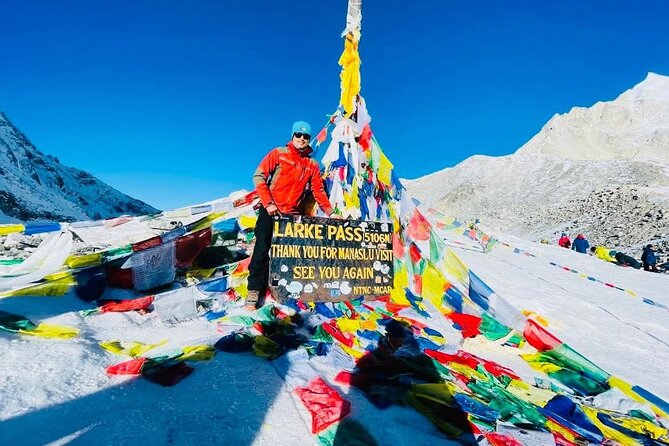
- Private by default: it’s only your group, not a mixed crowd.
- Restricted-area permits included: Manaslu Restricted Permit plus MCAP and ACAP.
- Acclimatization built in: extra time at higher points like Manaslu Base Camp and Samdo.
- Lodge/tea-house comfort: you’re set up with tea house or lodge stays each night.
- Real safety basics included: first aid kit and an oximeter, plus helicopter support via insurance if needed.
- Pace management: guides have experience balancing speed and comfort at altitude.
Why the Manaslu Circuit feels calmer than the big-name treks
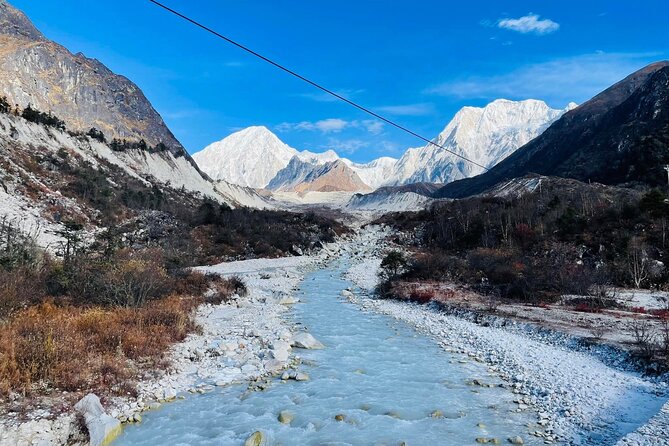
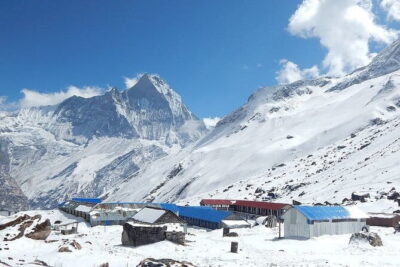
If you’ve ever hit a popular trail where you’re always overtaking someone (or being overtaken), you’ll understand why Manaslu attracts hikers who want space. This trek runs through a restricted trekking area, so the route generally feels more controlled and less crowded. That matters because the Manaslu experience isn’t just photos from a cliff—it’s long valley walks where you actually have time to notice prayer walls, small villages, and the quiet changes in altitude and weather.
You’re also moving through Tibetan-influenced communities rather than purely “tourist Nepal.” You’ll see prayer wheels and mani walls as you pass through villages shaped by Buddhism. On a trek like this, those details become the story, not a side note.
You can also read our reviews of more tours and experiences in Kathmandu.



Price and logistics: what $1,500 really covers (and what it doesn’t)
At $1,500 per person for about 13 days, the value is mainly in what’s included for a restricted route. You’re not just paying for “a guide.” You’re also paying for the permits and the daily structure that keeps the trek flowing from Kathmandu to the trail and back.
What’s included (the big-ticket items):
- Kathmandu to Machha Khola by bus, and Dharapani to Kathmandu by bus
- Government-licensed trekking guide with insurance, plus food and guidance
- Tea-house or lodge accommodation
- Manaslu Restricted Permit plus MCAP (Manaslu Conservation Area Permit) and ACAP (Annapurna Conservation Area Permit)
- Basic safety support: first aid kit and an oximeter
- All breakfasts and lunches on trek days (13 each) and dinners (12)
- A farewell dinner back in Kathmandu
- Sleeping bag, down jacket, and duffle bag if necessary (returned after the trek)
What you should budget separately:
- Meals in Kathmandu (the days at the start/end aren’t covered)
- Porter service (not included)
- Drinks during trekking (hard and soft drinks aren’t included)
- Personal travel insurance and any rescue/evacuation costs not covered by insurance
- International airfare and visa fees/taxes
- Tipping your guide and porters (if you add one)
- Any upgrade lodging in Kathmandu
My practical take: if you were planning to hire a guide, sort permits, and then handle daily meals and stays yourself, this price starts to look less like a fee and more like buying stress relief. The main “hidden cost” to watch is the drinks + porter decision. If you’re traveling light, you might be fine without one. If you’d rather hike comfortably with less weight, factor in hiring a porter on your own.
Your 13 days on the trail: a day-by-day reality check
This trek runs like a slow climb with built-in breathers. Some days are mostly walking; others include longer travel on foot or transfer time. The altitude profile is the key—knowing what each day is doing helps you pace better.
Days 1–4: arriving, settling in, and starting the climb
Day 1: Kathmandu → Machha Khola (drive day)
You’ll drive toward Machha Khola, the trekking start point. Even if you’re not walking much, it’s a long transition day (about 7–8 hours of travel). You’ll top out around 1,400 m on this first day, which is gentle enough for most people to start acclimating without feeling slammed.
Day 2: Machha Khola area → Jagat (6–7 hours walking)
This is where the trek begins in earnest. The trail is narrow and crosses the Tharo Khola. You’ll also pass a hot spring, which can be a big morale boost after a day of exertion. Max altitude: about 1,410 m.
Day 3: Jagat → Pewa
Walking time is listed around the trekking day segment, with a climb to 1,860 m. This is one of the “get your rhythm” days—steady hiking, fewer big dramatic altitude jumps, and time to learn how your body reacts at elevation.
Day 4: Pewa → Namrung (to ~2,630 m)
You’ll climb to about 2,630 m. This kind of day matters because it sets expectations: Manaslu isn’t a single-mountain push; it’s many days of careful elevation gain.
Possible drawback in this early section: if you go too fast right away, you’ll pay for it later at higher camps. A private guide helps here because you can ask for pacing that matches your comfort.
Days 5–7: Lho, Sama Gaon, and building for Manaslu Base Camp
Day 5: Namrung area → Lho (to ~3,180 m)
This day is shorter on paper (travel hours around 4 hours) but still climbs to 3,180 m. Shorter days at altitude are your friend; they let you rest, eat well, and keep your legs working.
Day 6: Lho → Sama Gaon (to ~3,530 m)
Max altitude is about 3,530 m. Sama Gaon is a key village stop because it gives you time to settle in before the higher acclimatization points. It’s also where the trek starts to feel more “high Himalaya” than “foothills.”
Day 7: acclimatization day near Manaslu Base Camp (to ~4,400 m)
This is an important shift: Day 7 is explicitly an acclimatization day with time near Manaslu Base Camp. Max altitude is around 4,400 m. You’re not just trying to “reach” a number—you’re teaching your body to handle elevation so the later crossing day doesn’t feel like a shock.




Days 8–10: Samdo, a rest day with options, then toward Larkya La setup
Day 8: Sama Gaon → Samdo (4–5 hours walking, then toward ~3,690 m)
You’ll walk about 4–5 hours. The route descends to the Budhi Gandaki River and heads toward Manaslu Base Camp area points. Max altitude is about 3,690 m. A day like this often feels like “progress with a breather”—you gain experience on the trail without a brutal altitude spike.
Day 9: Samdo acclimatization day (stay near ~3,690 m)
Instead of climbing higher just for the sake of it, you spend the day in Samdo. You can explore the village and you may hike up the valley toward a trade pass to Tibet for excellent views (the itinerary notes this as an option). Max altitude stays around 3,690 m—perfect for rest without total stillness.
Day 10: toward Dharamshala / Larkya Phedi (to ~4,460 m)
This day is about 4–5 hours walking and climbs to around 4,460 m. You’ll cross a wooden bridge over the Budhi Gandaki and cross two streams. Think of it as the “approach day” that positions you for the real work ahead.
Days 11–12: Larkya La pass day and the descent to Bimthang
Day 11: Larkya Phedi → Larkya La pass area (to ~5,160 m)
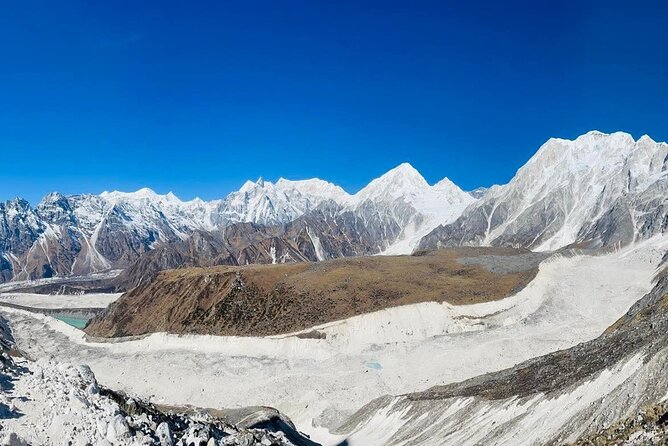
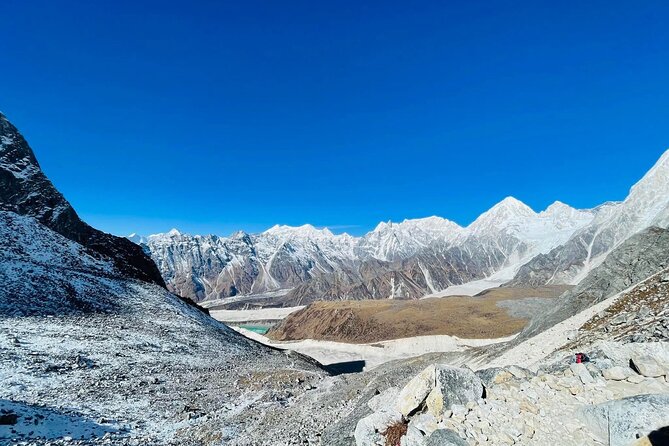
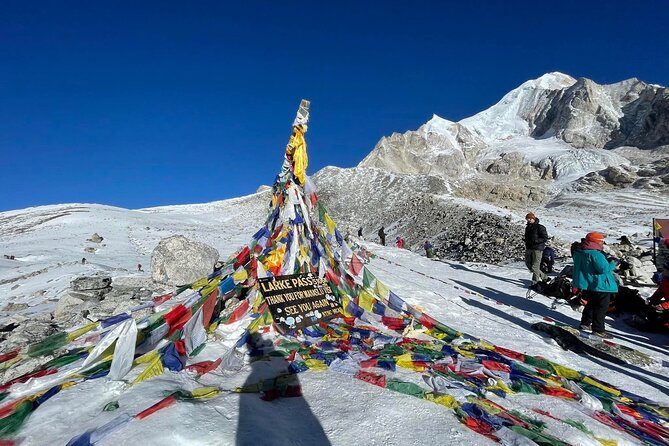
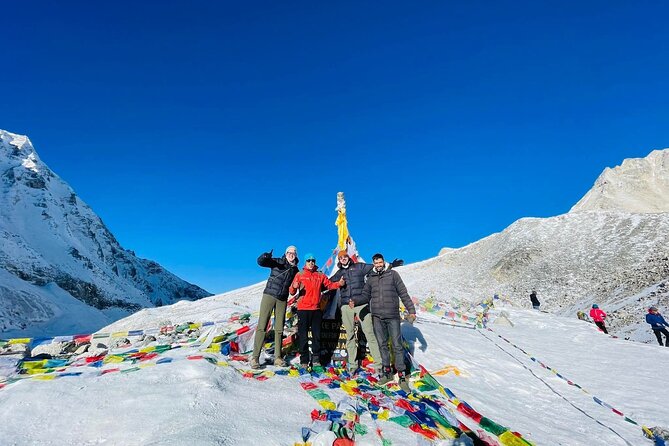
This is your big day. Walking time is listed 7–8 hours, and max altitude reaches 5,160 m at Larkya La. The trek passes through moraines of the glacier area and heads through a valley after the pass for views of peaks like Cho Danda and Larkya Peak. The itinerary also notes the trail heads through glacial terrain, so you’ll want proper boots and traction where conditions demand it.
One drawback to be honest about: a pass day is where weather and fatigue matter most. Even with a guide, you’ll feel the cold and thinning air if you’re not pacing well. Take it slow on the ascent and save energy for the pass itself.
Day 12: descent and travel to Bimthang (to ~3,720 m)
Max altitude drops to about 3,720 m. The day is listed as 9 hours travel, which likely includes a longer walking segment and transfers. This is where you’ll appreciate that the itinerary is designed as a climb-then-descend rhythm.
Day 13: Bimthang / trail end → Dharapani → Kathmandu (back down to ~1,963 m)
On the last day, you travel 8–10 hours down to Dharapani (~1,963 m). It’s a long day, but emotionally it’s the “we did it” finish. Then you’ll return to Kathmandu via bus. After a trek like this, having a farewell dinner in Kathmandu feels like a nice reset.
Tea houses, meals, and what “included” actually means at altitude
Manaslu is set up as a tea house / lodge trek, so you’ll sleep in basic rooms each night rather than camping. That’s practical. It also means the real comfort you’ll notice comes from consistent meal service and enough warmth in the evenings.
Meals are included on the trek:
- Breakfast: 13
- Lunch: 13
- Dinner: 12
That matters because altitude hiking makes eating a schedule issue. If you’re hungry at the wrong time, you’ll slow down. This plan removes some of that pressure by building meals into the day.
What isn’t included is just as important:
- Drinks during trekking aren’t included.
- Meals in Kathmandu aren’t included.
In practice, plan to buy water and other drinks at tea houses. Bring cash, and expect prices can be higher as altitude increases.
Guides, pace, and why private helps on Manaslu
This is a private tour, meaning only your group participates. That sounds like a small detail until you hit altitude. When you hike with one pace and one set of expectations, you waste less time waiting around, and your guide can manage your day based on your energy, not a generic group schedule.
The guides have been praised for exactly this. In the past, guide Yaka was described as caring and kind, and Raj was praised for matching a faster walking preference while still keeping the trek safe and comfortable. Laxman was specifically appreciated for carrying bags, which is the sort of practical help that can make your pass day less stressful.
If you’re the type who likes to move steadily and check in often, private works well. If you’re easily overwhelmed by planning, private also helps, because your guide handles the flow and you focus on your steps.
Altitude and fitness: planning for Larkya La without guesswork
The itinerary’s altitude numbers are the clearest signal of difficulty. You’ll reach:
- around 4,400 m near Manaslu Base Camp (Day 7)
- around 3,690 m at Samdo (Days 8–9)
- up to 4,460 m near Larkya Phedi / Base Camp (Day 10)
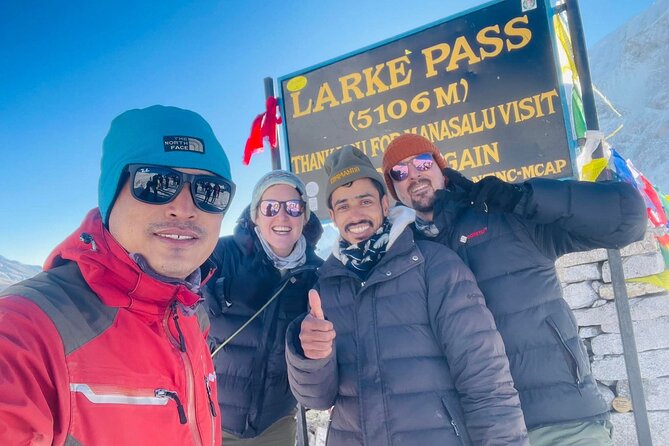
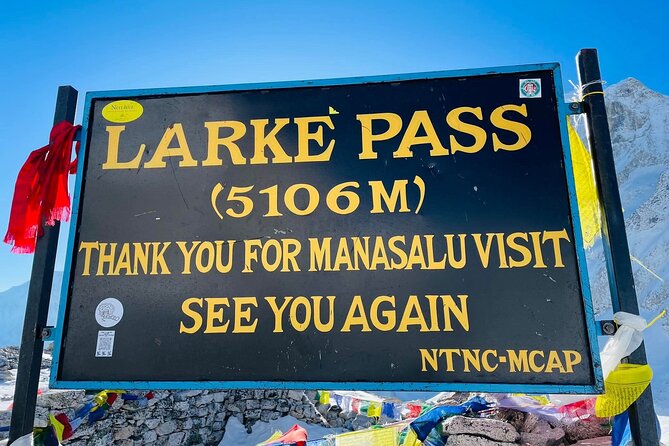
- up to 5,160 m at Larkya La pass (Day 11)
The tour is listed for moderate physical fitness, which is reassuring, but it doesn’t remove altitude risk. The good news is the plan isn’t just a direct line upward. You get acclimatization days (Day 7 and Day 9) plus a setup night at Larkya Phedi before the pass.
My suggestion: treat the first few days as training for patience. The pass day will feel easier if you don’t burn your legs on days 3 and 4.
What to pack (based on what’s provided)
You don’t have to start from zero. This tour can provide:
- sleeping bag
- down jackets
- duffle bag (if necessary), returned after the trek
But you should still plan for your personal comfort and safety. Bring your usual trekking essentials, and don’t rely on provided gear for everything—especially if you run cold.
Also think about your weight. A porter is not included, so you’ll carry your own bag unless you arrange help separately. If you want a lighter pack for the Larkya La day, this is where you should plan early.
Should you book this Manaslu Circuit trek?
You’ll likely love booking this if:
- you want a private experience with a guide who can match your pace
- you care about getting permits and logistics handled for a restricted area
- you value acclimatization time, not just “hit the highest point and move on”
- tea-house comfort and included meals match your style of trekking
I’d think twice if:
- you’re not comfortable managing altitude and you hate long travel days
- you’d rather not handle your own pack (since porters aren’t included)
- you expect drinks and Kathmandu meals to be included
If you’re ready for high altitude with a steady plan—and you want the Manaslu Circuit without the chaos—this one is a solid, practical choice.
FAQ
How long is the Manaslu Circuit trek on this private tour?
It’s listed as 13 days (approx.). The itinerary includes time trekking on the trail plus travel time by bus from Kathmandu to the trek start and back from the trek finish.
What is the highest altitude you reach?
The highest point listed is 5,160 m at Larkya La Pass (Day 11).
Is pickup in Kathmandu included?
Yes. The tour includes pickup offered (and a mobile ticket is provided).
What permits are included?
The trip includes the Manaslu Restricted Permit, the Manaslu Conservation Area Permit (MCAP), and the Annapurna Conservation Area Permit (ACAP).
What kind of accommodation and meals are included during the trek?
You get tea house / lodge accommodation. Meals included on trek days include breakfast (13), lunch (13), and dinner (12). Meals in Kathmandu are not included.
Do I need to bring a sleeping bag or down jacket?
Not necessarily. The tour includes sleeping bag and down jackets if necessary, and it also includes a duffle bag if necessary. These are returned after the trek.
Is a porter included for my bag?
No. A porter for your bag is not included.
What fitness level is required?
The tour is described as suitable for moderate physical fitness.
Can I cancel and get a refund?
Yes. You can cancel up to 6 days in advance for a full refund. Canceling 2–6 days before start gives a 50% refund, and canceling less than 2 days before start is not refundable.