REVIEW · SA PA
Sapa: 2-Day Local Guided Valley Trek with Night Homestay
Book on GetYourGuide →Operated by Sa pa Rice Terraces View Homestay & Bar · Bookable on GetYourGuide
Two days here feels like real mountain time. I love that this trek with Zo takes you up to Ham Rong Mountain for big valley views, then down into villages where you can see daily life close up. The best part for me is the overnight homestay dinner experience in Giang Ta Chai Mong.
My second favorite thing is Zo’s approach: she keeps the pace in check and prioritizes safety, so you’re not just sprinting for photos. The one clear drawback is the walking: you’re covering about 19 km over two days on steep, uneven terrain, and it may not suit people over 70 (or over 95).
In This Review
- Key highlights you should plan around
- Why this 2-day Sa Pa trek feels like the real deal
- Day 1: From Sa Pa to Ham Rong Mountain, then down to Black H’mong villages
- Ham Rong viewpoint: what you’re really there for
- Hang Da Village lunch: simple and local
- Hau Thao Village: daily life beyond the photo stop
- Night homestay in Giang Ta Chai Mong: dinner, chats, and simple comfort
- Day 2: Red Dao village, bamboo forest, Ta Van, then Lao Chai terraces
- Bamboo forest and Ta Van Village rest break
- Lao Chai: the terrace-field finale and lunch
- What the walking is like (and how to prepare so you enjoy it)
- Pack smart for Sapa’s reality
- Zo’s guiding style and why it matters on the trail
- Who this trek suits best (and who should sit this one out)
- Price and value: what $43 buys you in practice
- Should you book this Sa Pa trek with Zo?
- FAQ
- What is the duration and total walking distance?
- How hard is the trek?
- Where do we meet the guide?
- What language does the guide speak?
- Are meals included?
- What is the homestay like?
- Which villages are visited?
- What should I bring for this trek?
- Is this tour suitable for children or older adults?
- Can I reserve without paying right away?
Key highlights you should plan around
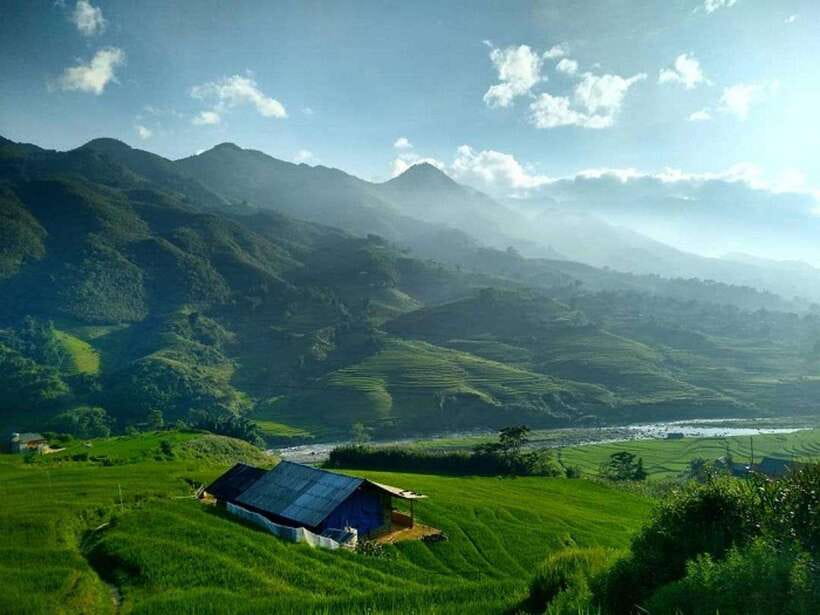
- Ham Rong Mountain (around 2,000m) and Fansipan views on a clear day
- Muong Hoa Valley rice terraces during the main climb and viewpoints
- Black H’mong village time in Hang Da and Hau Thao, with lunch near a local family
- Night homestay in Giang Ta Chai Mong for an authentic, simple stay and dinner
- Day 2 village variety: Red Dao at Giang Ta Chai Dao, then Ta Van and Lao Chai terraces
- Bamboo forest walking plus a real local guide who can speak English
Why this 2-day Sa Pa trek feels like the real deal
If you only have a short window in Sa Pa, this is one of the most practical ways to get out of town and into the hills. Two days is long enough to feel the rhythm of the villages and the weather, but short enough that you’re not spending your whole trip on your feet.
For $43 per person, you’re not just buying a viewpoint. You’re getting a guided route through multiple ethnic communities, a village-area lunch, water provided, and a return pickup to Sa Pa. In a place where tours can start to feel overly “tour-bus,” this one is built around walking and meeting people.
You can also read our reviews of more tours and experiences in Sa Pa.

Day 1: From Sa Pa to Ham Rong Mountain, then down to Black H’mong villages
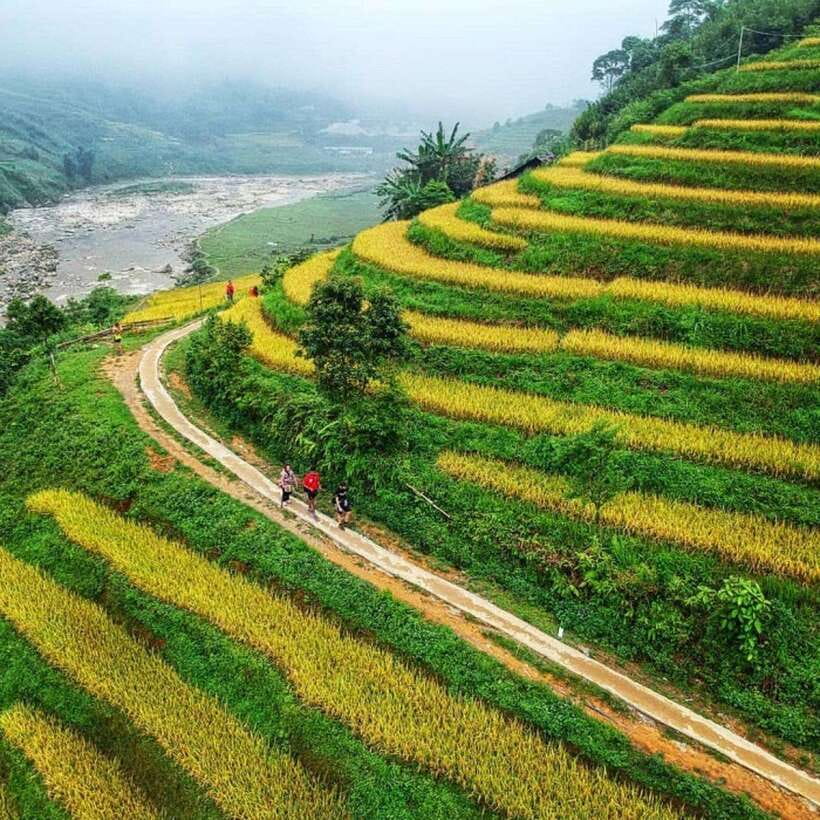
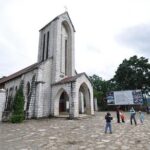
Your day starts at 09:00, with pickup either at your hotel in Sa Pa or in front of Sa Pa Stone Church. After a short intro, you begin with a 2 km uphill trail toward Ham Rong Mountain, reaching about 2,000m.
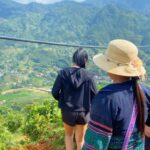
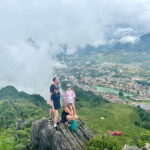
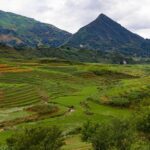
This first climb matters because it sets the tone. Once you’re up high enough, the views become the reward for the effort, not just a random stop. You’ll look out toward the Muong Hoa Valley and the terraced rice fields, and on a good day you can see Fansipan Peak (3,143m), often called the Roof of Indochina.
Ham Rong viewpoint: what you’re really there for
From Ham Rong Mountain, you’re getting three kinds of scenery at once:
- Wide mountain panorama, including Fansipan when visibility cooperates
- Terraced rice patterns in the Muong Hoa Valley
- A view of the valley river and Sa Pa’s main valley system
It’s the kind of viewpoint that helps you understand where everything sits. Later, when you’re walking between villages and fields, you’ll know what direction you’re moving and why the valley looks the way it does.
Hang Da Village lunch: simple and local
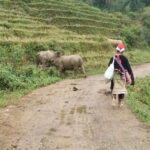
After enjoying the viewpoint, you head downhill to Hang Da Village, home to the Black H’mong community. Along the way, you may pass animals that roam freely—think buffaloes, horses, and pigs—which makes the walk feel more lived-in than staged.
At 12:30, you stop for lunch at a small restaurant near a local family in Hang Da Village. This is one of those “small detail, big payoff” moments. Eating nearby (instead of after-hours in town) keeps the day connected to what you’re seeing outside your window.
Hau Thao Village: daily life beyond the photo stop
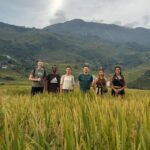
At 14:00, you continue on to Hau Thao Village, another Black H’mong community. This part of the day is less about a single dramatic viewpoint and more about daily rhythms—farming, rice harvesting or planting (depending on the season), and how people work the land.
Then you walk until about 17:00, when you arrive at your homestay in Giang Ta Chai Mong.


Night homestay in Giang Ta Chai Mong: dinner, chats, and simple comfort
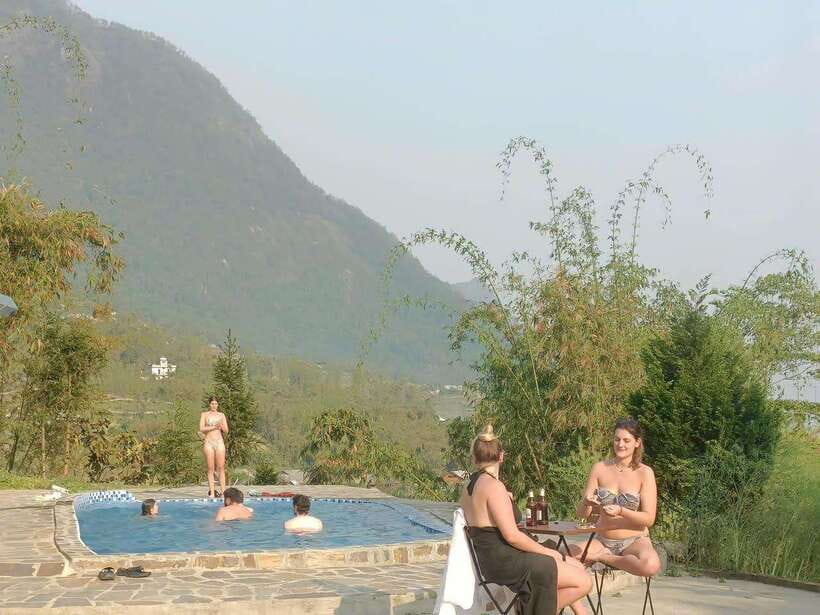
You reach the homestay at 17:00, and the welcome is the heart of the evening. The Black H’mong hosts open their home, and you get time to relax in a peaceful village setting after a long walk.
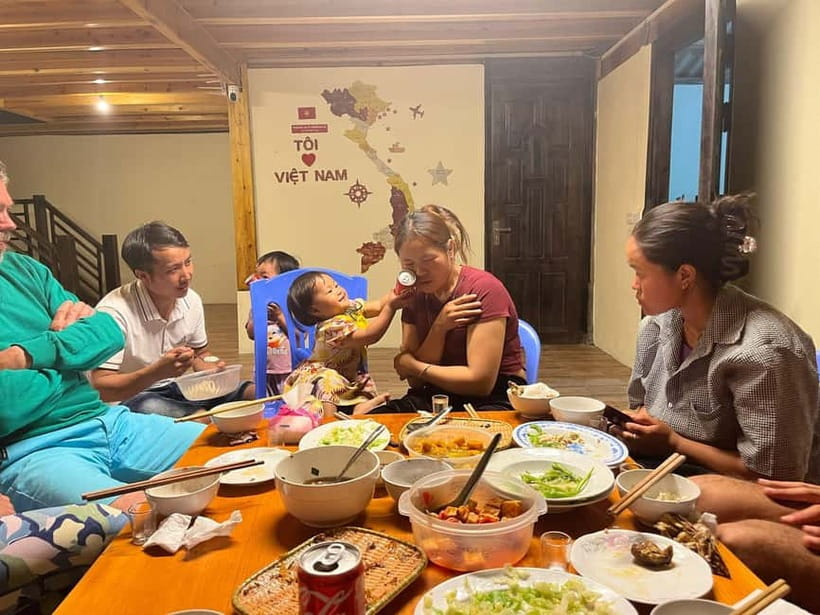
Dinner is at 19:00. You can expect a traditional meal prepared by the hosts, and you also get a chance to talk with them—ask questions, hear stories, and learn about culture in an everyday way rather than through a script.
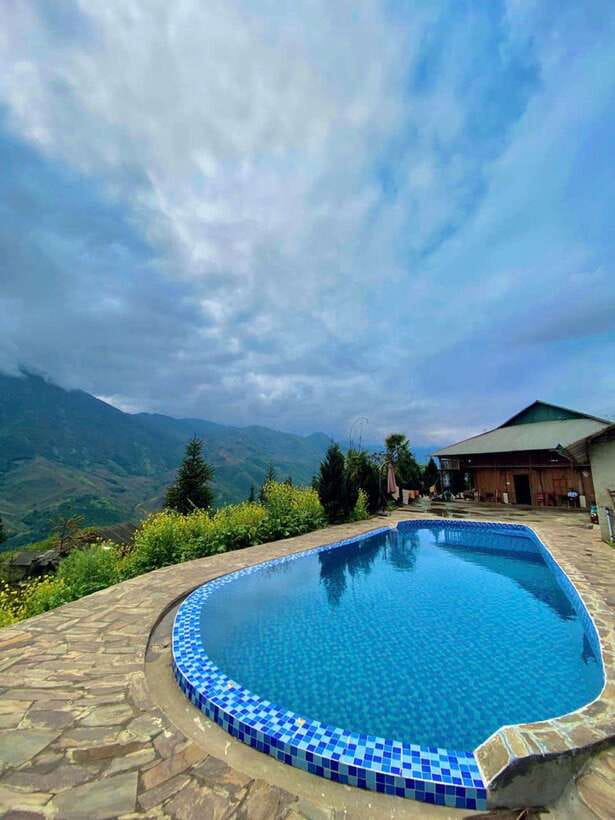
Practical note: this homestay is described as simple and cozy with basic facilities. Translation: you’re staying for the authenticity and the view, not for five-star comforts. Still, it’s the kind of night where you’ll remember the warmth and the quiet more than the TV (because there may not even be much to do besides sit, chat, and watch the evening settle).
Day 2: Red Dao village, bamboo forest, Ta Van, then Lao Chai terraces
Day 2 starts gently. Around 08:00, you wake up in the countryside with the mountains and clouds above the valley. At 09:00, breakfast is served at the homestay, often with hot tea or coffee in the crisp morning air.
At 09:30, you head to Giang Ta Chai Dao Village, a Red Dao community near the mountain foothills. Here you get another angle on Sa Pa’s ethnic diversity, plus strong photo opportunities: terraced rice fields stretching out below, simple wooden houses, and a tranquil lake linked to the Red Dao people.
Bamboo forest and Ta Van Village rest break
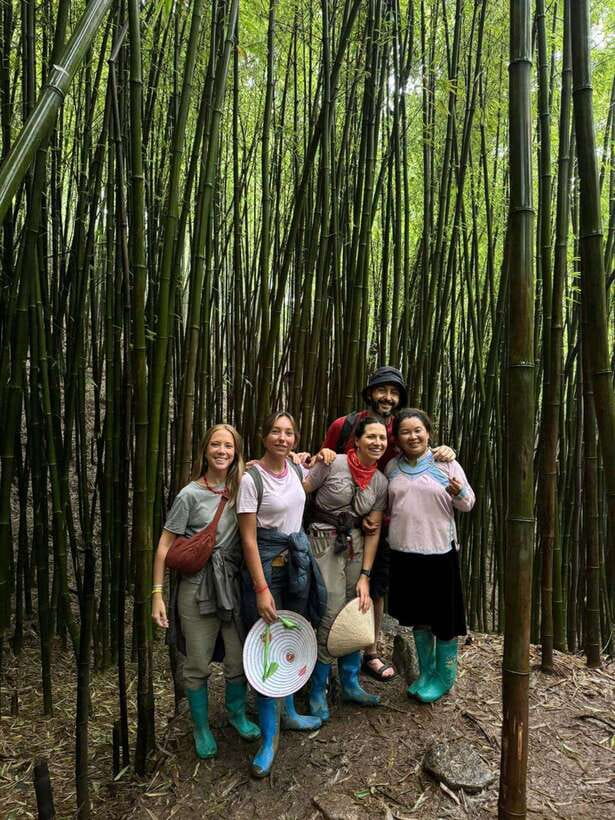
At 11:00, the route moves through a bamboo forest, then continues to Ta Van Village. This is a good stretch for slowing down. Bamboo trails have a way of making sound travel differently, and it’s a nice contrast after the uphill climbs of Day 1.
You’ll rest, take photos, and soak up the quiet before continuing.
Lao Chai: the terrace-field finale and lunch
At 12:00, you move from Ta Van to Lao Chai, one of the most stunning terrace villages in Sa Pa. Lunch is included here, and it’s a satisfying way to end your walk: eat well, sit for a bit, and watch the fields around you.
At 14:00, pickup begins at Lao Chai Village. The tour ends between 15:30 and 16:00, back in Sa Pa.
What the walking is like (and how to prepare so you enjoy it)
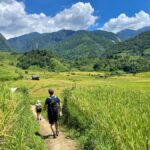
This trek is marked as moderate fitness. You cover about 19 km total over two days, and it includes steep sections and uneven terrain. You’re not just walking on a smooth path, and that’s why good footwear matters.
I suggest thinking about it like this:
- Day 1 is about getting your legs ready for real climbs and descents
- Day 2 is shorter, but it still includes village trails, terraces, and forest walking
Pack smart for Sapa’s reality
Bring comfortable shoes (and real hiking shoes if you have them), plus a sun hat and sunscreen. Even in cooler Sapa weather, the sun can surprise you—especially up on hills.
Add:
- A light raincoat or jacket (weather can change fast)
- A change of clothes for evening comfort
- Mosquito repellent
- A waterproof bag and waterproof camera option
- Cash, just in case you want extra snacks or small purchases
If your feet are picky, plan for blisters. The route is short on time but long on steps.
Zo’s guiding style and why it matters on the trail
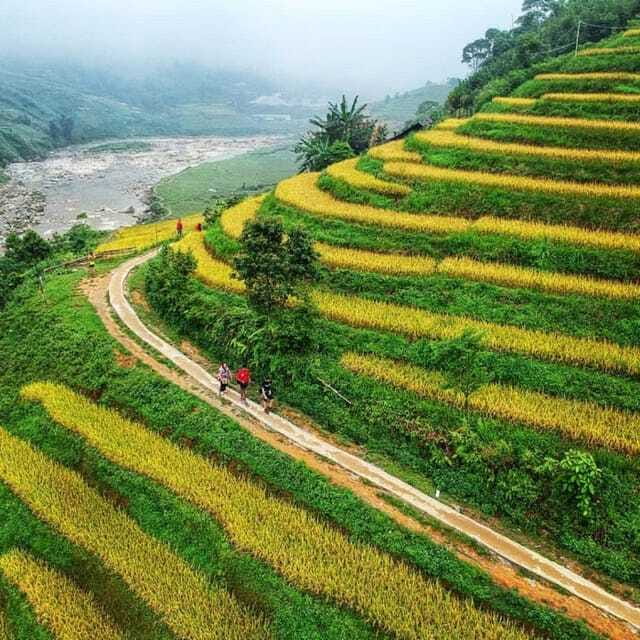
This tour is led by Zo, a Black H’mông guide from Sa Pa, and she can speak English. The best practical benefit of having a local guide isn’t just explanation—it’s route confidence. She understands what’s worth slowing down for and what needs a safer, steadier pace.
From what I’ve seen reflected in people’s experiences, Zo focuses on safety and comfort, adjusting the pace and route to fit the group. That matters a lot because the difficulty is mostly about uneven walking, not technical hiking.
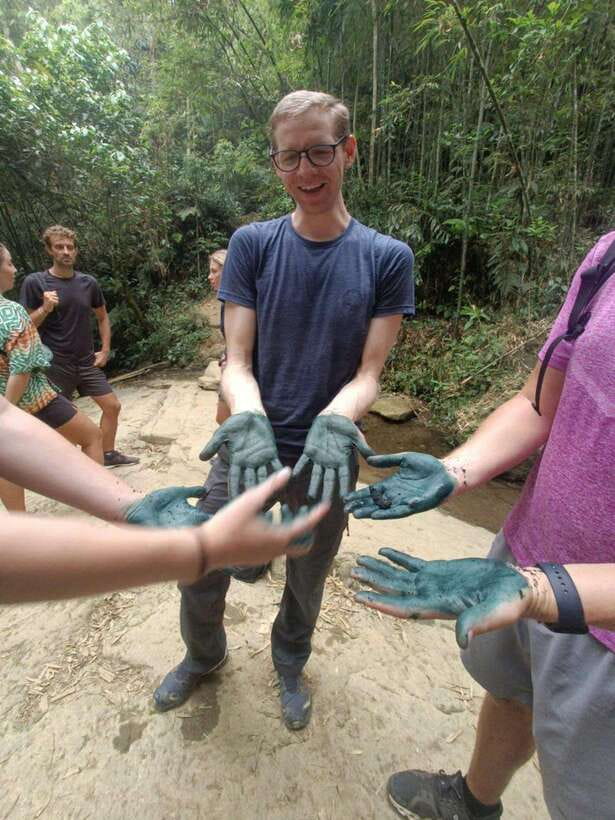
It also helps that Zo shares more than the obvious. You’re likely to hear stories about daily life, and even small nature details along the way—like learning to notice plants in the forest rather than treating it as scenery you pass through.
Who this trek suits best (and who should sit this one out)
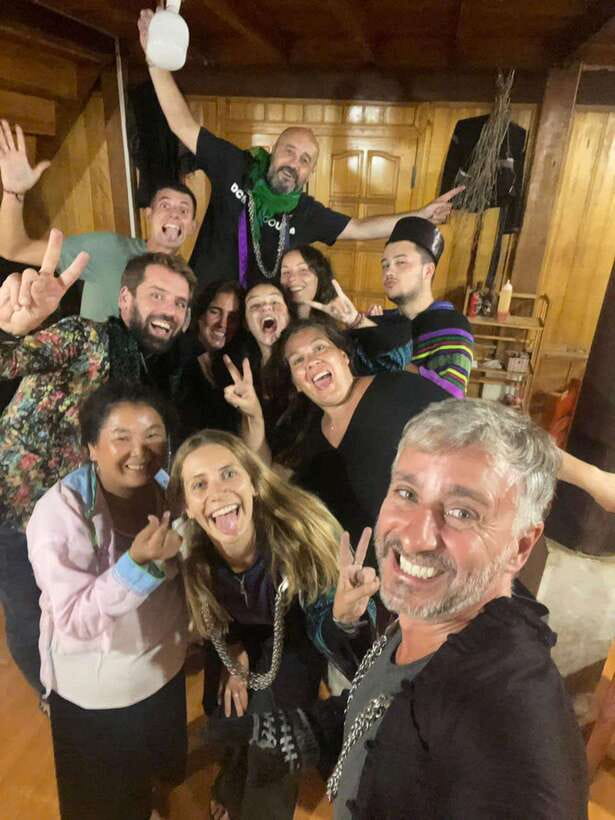
You’ll enjoy this tour if you like:
- Walking in real village areas
- Learning through conversation, not lectures
- Terraced rice views and multiple ethnic communities in one short trip
- A homestay night where the experience is the point
It may not be for you if you:
- Want a totally flat route (this isn’t it)
- Need modern hotel comfort (homestay facilities are basic)
- Have mobility limitations that make steep, uneven trails hard
Age notes are important. The tour isn’t suitable for people over 70 years, and also not suitable for people over 95 years.
Price and value: what $43 buys you in practice
At $43 per person, you’re paying for several things at once:
- An English-speaking local guide
- Water provided during the tour
- Lunch in a village area on Day 1 (and lunch in Lao Chai on Day 2)
- Car or motorbike pickup back to Sa Pa, plus car transfer connections
What makes the price feel fair is the mix of effort and access. You’re walking roughly 19 km, which is more than a quick sightseeing loop, and you’re getting a night in a real homestay instead of just a photo stop.
If you’re comparing costs, don’t look only at the ticket price. Compare what else you’d pay for on your own: guide time, transport out of town, and meals while you’re far from restaurants.
Should you book this Sa Pa trek with Zo?
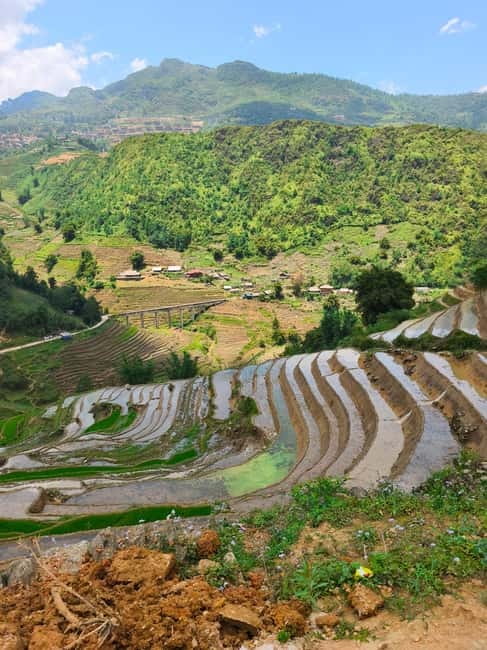
Book it if you want a grounded, guided experience that balances views with real village contact. This is a strong pick for a first-time Sa Pa visit because you’ll see Ham Rong Mountain, Muong Hoa Valley terraced fields, and two different ethnic community areas (Black H’mong and Red Dao) in a structured two days.
Skip it if you’re chasing an easy stroll or you need full hotel comforts. The terrain is steep and uneven, and the homestay is simple.
My final advice: if you show up with decent shoes, a rain layer, and a flexible mindset for slow moments (tea in the morning, chats in the evening), this trek has the right ingredients to feel unforgettable for the right reasons.
FAQ
What is the duration and total walking distance?
The tour runs for 2 days and 1 night, covering about 19 km total (roughly 13–15 km on Day 1 and about 10 km on Day 2).
How hard is the trek?
The difficulty is described as moderate. Expect some steep, uneven terrain and bring comfortable hiking shoes if you can.
Where do we meet the guide?
Your guide will pick you up at your hotel in Sa Pa or in front of Sa Pa Stone Church.
What language does the guide speak?
The local guide can speak English.
Are meals included?
Yes. Lunch is included on Day 1 at a village restaurant area, and you’ll also have lunch on Day 2 in Lao Chai. Dinner is included during the homestay night.
What is the homestay like?
The homestay is described as simple, authentic, and cozy, with basic facilities. It includes dinner, and you’ll have time to chat with the hosts.
Which villages are visited?
Day 1 includes Hang Da Village and Hau Thao Village (Black H’mong), then the homestay in Giang Ta Chai Mong. Day 2 includes Giang Ta Chai Dao (Red Dao), Ta Van, and Lao Chai.
What should I bring for this trek?
Bring comfortable shoes, sun hat, suncreen, a change of clothes, sunscreen, mosquito repellent, and a waterproof bag (especially if you have a waterproof camera). A light raincoat or jacket is also recommended, plus cash.
Is this tour suitable for children or older adults?
Children under 4 are free (inform the operator in advance). The tour is not suitable for people over 70 years and not suitable for people over 95 years.
Can I reserve without paying right away?
Yes. It’s listed as Reserve & Pay Later, meaning you can book your spot and pay nothing today.