REVIEW · SA PA
Sapa: Trekking Through Terraced Rice Fields & Valley 1 Day
Book on GetYourGuide →Operated by Sapa Odyssey Tour · Bookable on GetYourGuide
Rice terraces start the story here. This 6-hour, English-guided walk in Sapa strings together terraced rice fields and village life across Muong Hoa Valley, not just quick viewpoints. I love how the trail shifts from vegetable gardens into a bamboo forest before you even reach the river.
I also like the hands-on culture stops, especially the H’Mong textile demonstrations in Lao Chai, including cloth flattening and indigo dyeing. The day ends with big views toward the Hoang Lien Son mountain range from Ta Van, and you’ll learn about several ethnic groups along the way. One drawback: it’s a real walking trek, so it’s not suitable for pregnant travelers or anyone with mobility impairments or wheelchair users.
In This Review
- Key highlights to look for
- Rice terraces, villages, and a schedule that actually fits
- From pickup to the Muong Hoa River: the walk that sets the tone
- Y Linh Ho and its quiet, airy feel
- Lao Chai Village: H’Mong houses and textile work you can actually see
- Lunch by the stream: why it feels like part of the day
- Ta Van Village and the Hoang Lien Son views
- Price and value: what $30 really covers
- Who this trek is best for (and who should skip it)
- Practical tips so your day goes smoothly
- Should you book Sapa: Trekking Through Terraced Rice Fields & Valley 1 Day?
- FAQ
- How long is the tour?
- Where do I meet the guide or where is pickup?
- Is lunch included?
- Do you provide an English-speaking guide?
- Which villages are visited during the trek?
- When does the tour end?
- What should I bring for the trek?
- Is the tour suitable for wheelchair users or people with mobility impairments?
Key highlights to look for
- Muong Hoa River arrival after a 3-kilometer walk through gardens and bamboo
- Y Linh Ho for fresh mountain air and standout terraced scenery
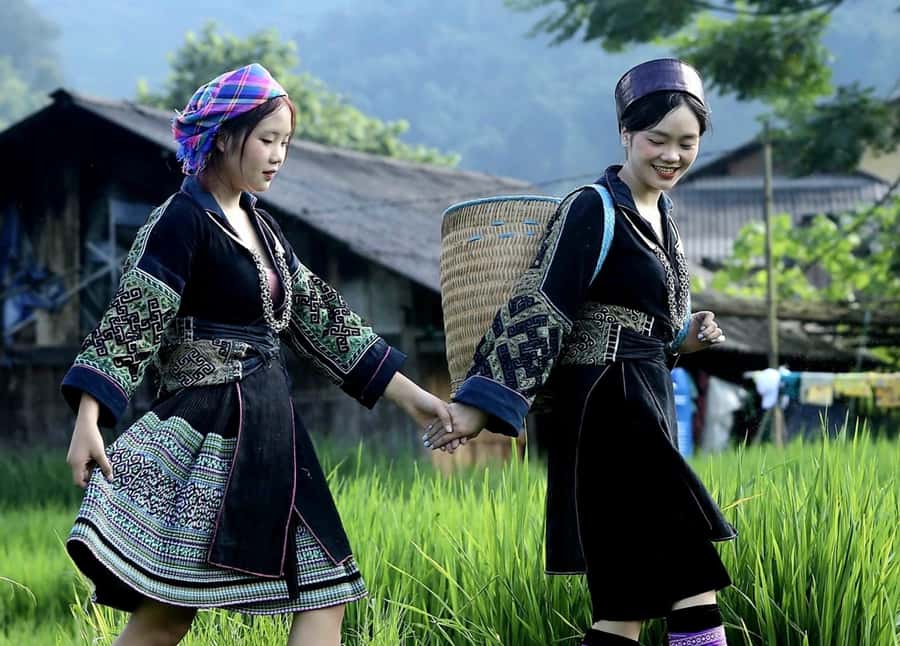
- Lao Chai H’Mong visit with traditional homes and textile practices (cloth flattening, indigo dyeing)
- Lunch with Black Hmong hosts at a small restaurant by the stream
- Ta Van cultural mix featuring Zay, Hmong, and Red Dao communities
- Hoang Lien Son views over the valley from Ta Van paths
Rice terraces, villages, and a schedule that actually fits
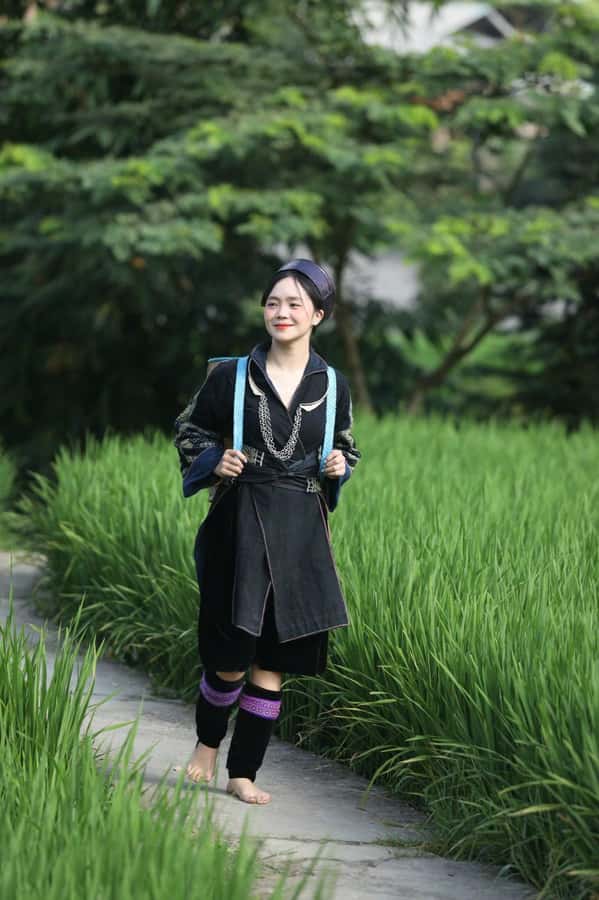
Sapa can feel touristy fast if you only hop from one photo spot to the next. What makes this trek work is the pacing: about 6 hours total, with time for guided village visits and one proper lunch stop. You’re walking between places that still function as communities, so the day feels like a moving conversation with the landscape.
I like that you get a real plan for the morning and not just a vague start. You’ll be picked up from a hotel in central Sapa (or meet at Sapa Church), then your guide gives you a briefing before you head out. That briefing matters. It helps you know what you’re looking at, and it sets expectations for how long you’ll walk between village segments.
For $30 per person, it also has strong value. You’re not paying extra for every little add-on, because the tour includes an English-speaking guide, lunch, village entrance fees, and transport back to Sapa town or your accommodation.
You can also read our reviews of more tours and experiences in Sa Pa.

From pickup to the Muong Hoa River: the walk that sets the tone
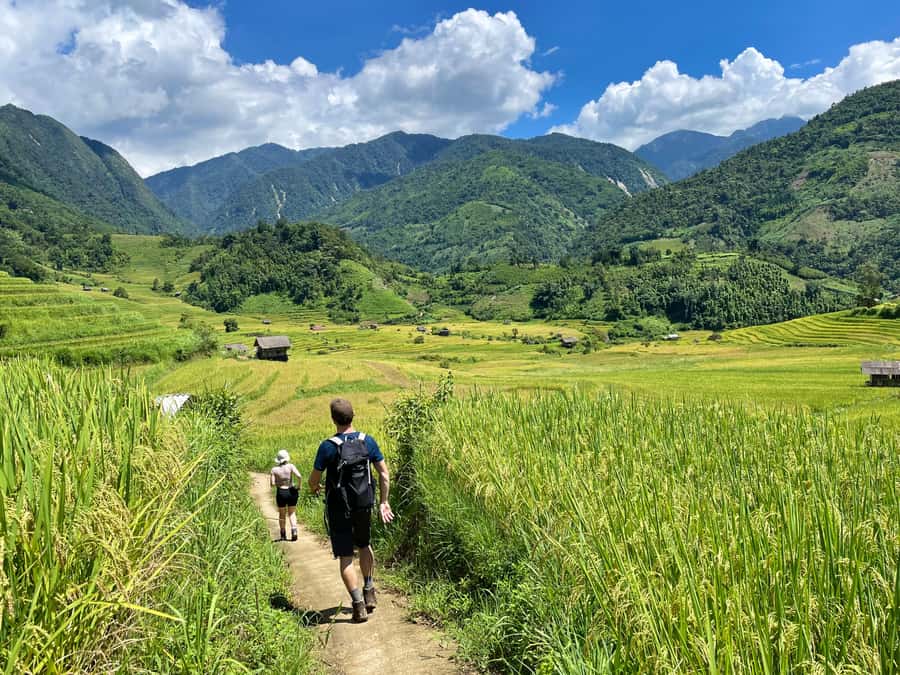
The morning begins either with hotel pickup in central Sapa or with a meeting point at Sapa Church. Once you’re with your guide, expect a warm welcome and a clear rundown of what’s ahead. After that, you’ll start on a local trail that threads through vegetable gardens and a bamboo forest.
Here’s the practical part you’ll appreciate: the day doesn’t dump you straight into the hardest climbing. You begin with a scenic route that builds momentum. After about a 3-kilometer walk, you reach the Muong Hoa River. This river stop is a natural turning point in the trek because it signals that you’ve moved from town edge into the valley world.
Even if you’re not a “serious hiker,” that early stretch is one of the reasons this tour feels satisfying. You’re not just sightseeing from a bus. You’re getting your legs working while the scenery keeps changing.
Y Linh Ho and its quiet, airy feel
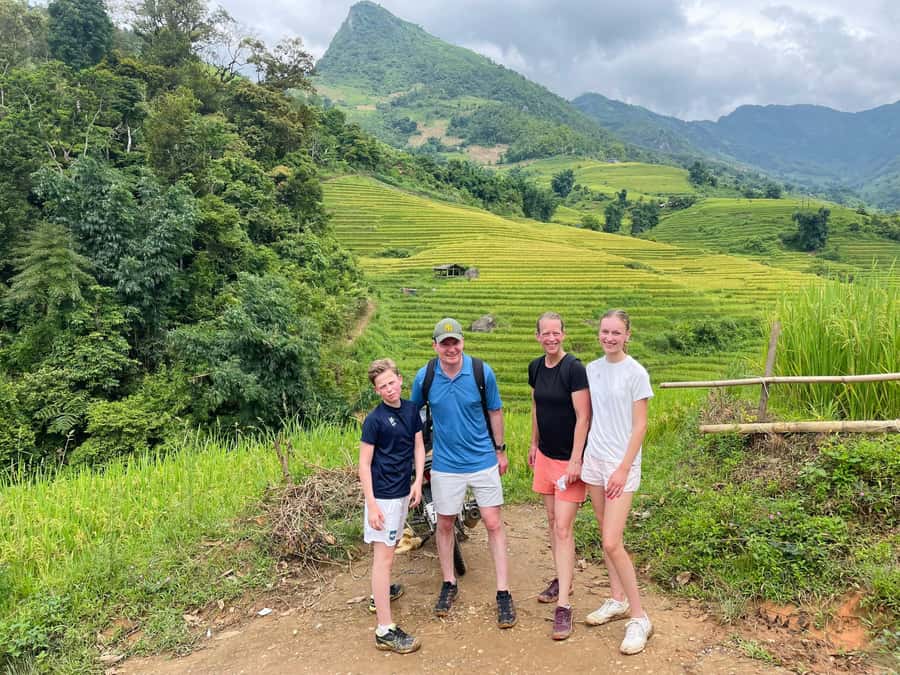
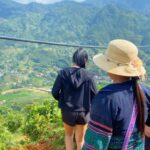
After the Muong Hoa River, you continue toward Y Linh Ho, known for stunning views and fresh mountain air. In practice, this is where the scenery starts to look less like “a valley you pass through” and more like “a place you’re walking inside.”
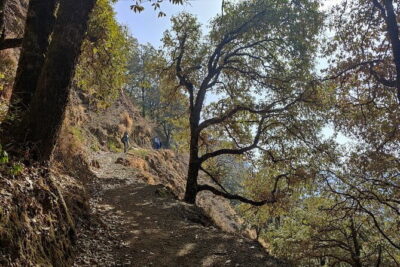
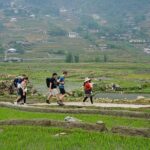
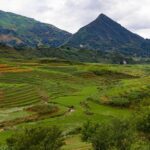
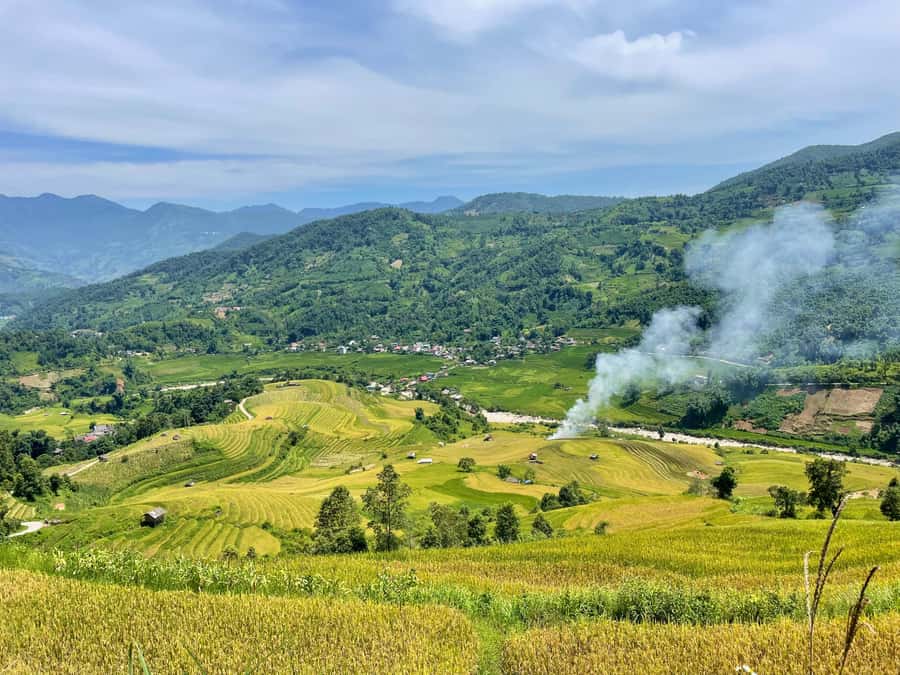
You’ll trek through lush green forests and along terraced rice fields. The key detail is that the path isn’t one long straight line. It turns and folds, so each bend changes the view: different angles on the terraces, different sightlines across the valley, and different moments of distance—especially when the light catches the rice steps.
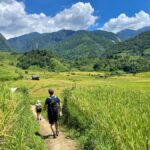
This part is also a good test of whether you enjoy walking on narrow village paths. You’ll later do similar walking near rice fields again, so if you find yourself getting impatient or uncomfortable, you’ll want to know early. On the flip side, if you like slow travel—moving by foot and letting the scenery unfold—Y Linh Ho is exactly the sort of stop that clicks.
Lao Chai Village: H’Mong houses and textile work you can actually see
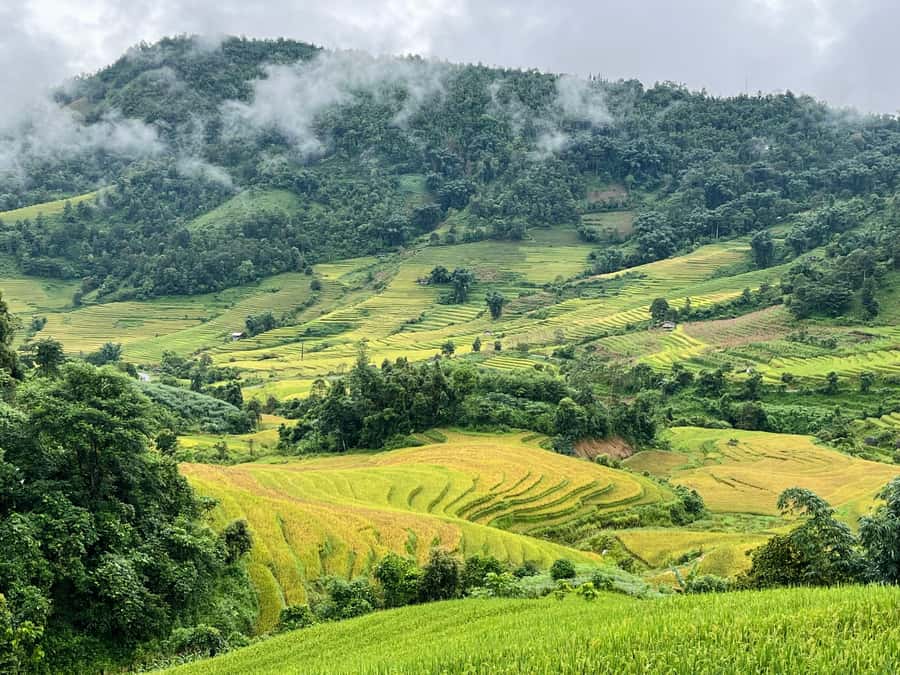
Lao Chai Village is home to the H’Mong community, and it’s one of the most meaningful sections of the trek. You’ll spend about an hour here, with guided time for sightseeing and a walk through the village area.
The most memorable element is the textile connection. You don’t just get a quick look at fabric. You can observe traditional H’Mong textile practices, including cloth flattening and indigo dyeing. That makes the culture visit feel more grounded. You see how clothing and color come from local hands and local processes, not from a craft shop script.
When you’re there, keep it respectful and simple: listen first, ask short questions, and accept that some things are shared only if the moment feels right. A good guide can help you pace your curiosity so you learn something real without crowding people.
One more practical note: village visits usually mean you’ll be standing or moving slowly. Bring comfortable shoes, because even on “easy” walking tours, village surfaces can be uneven. (The tour doesn’t require technical hiking gear, but your feet will still thank you for good grip.)
Lunch by the stream: why it feels like part of the day
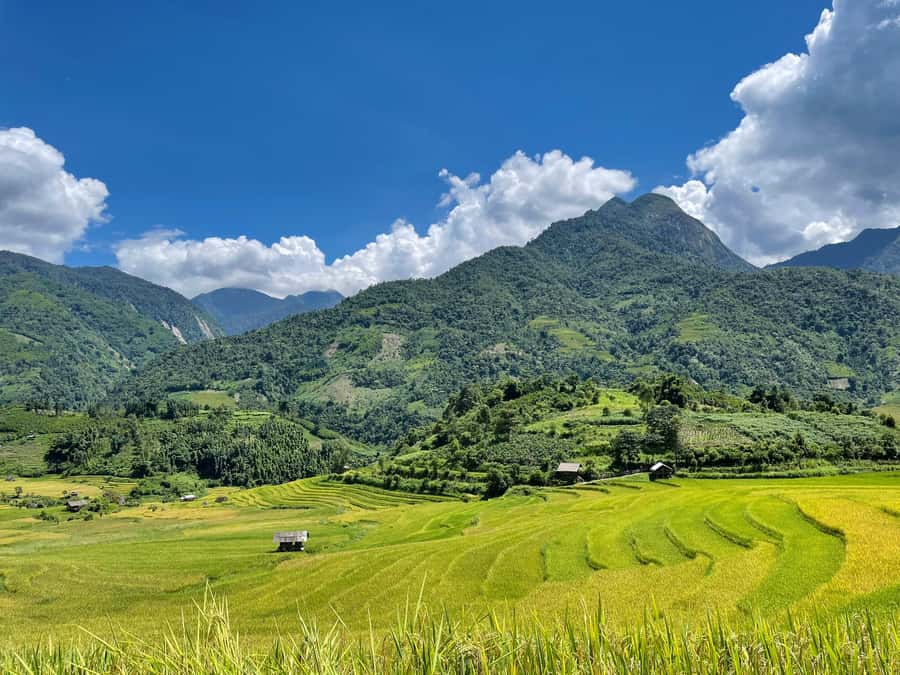
Lunch is served at a quaint restaurant run by the Black Hmong people, located right by the stream. You get about an hour for the meal, which is important because this trek keeps you active for most of the day. A proper lunch break means you can reset before the final village section.
What I like about this setup is the connection. Many tours treat lunch as a pit stop. Here, it’s part of the landscape and part of the local rhythm. Eating near the stream also gives you a calmer moment, and you’ll likely feel the change in mood after hours of walking through terraces and forested paths.
You’ll also be in the best position for a low-drama transition into the afternoon. Your energy is still decent, your legs have recovered a bit, and your guide can steer you toward the remaining walking routes with context.


Ta Van Village and the Hoang Lien Son views
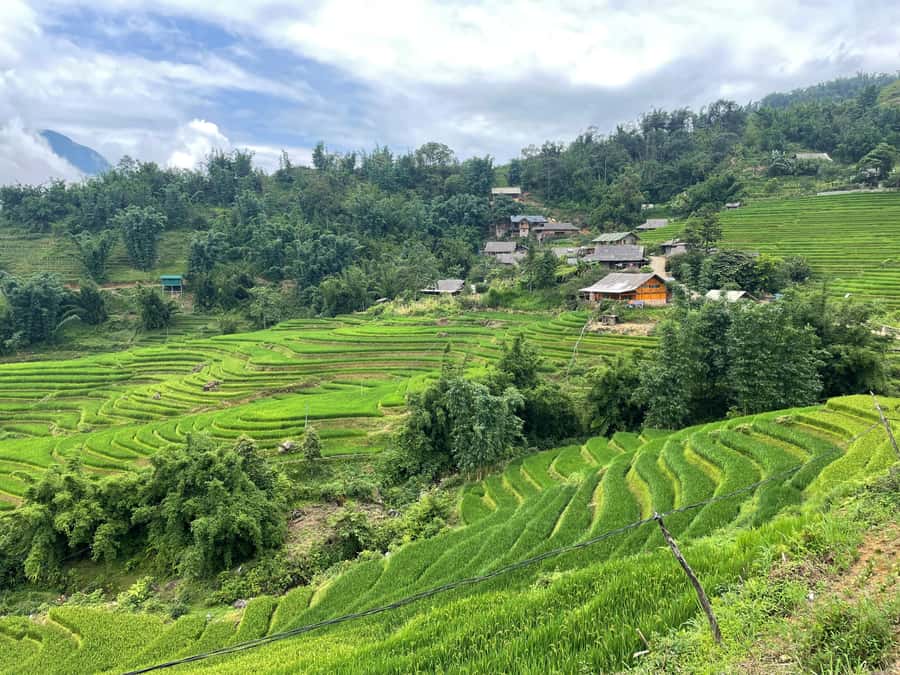
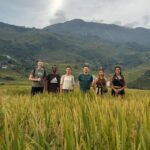
After lunch, the trek continues along a picturesque path through fields and alongside the Muong Hoa Stream to Ta Van Village. Ta Van is known for charming terraced fields, plus a cultural mix that includes the Zay, Hmong, and Red Dao ethnic groups.
This stop matters because it broadens the day beyond one community. Lao Chai focuses on the H’Mong, while Ta Van gives you more variety in the way people live and what you can learn through conversation and village observation. Expect guided sightseeing and another stretch of walking, with time to enjoy the surroundings.
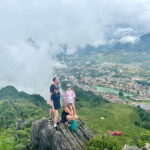
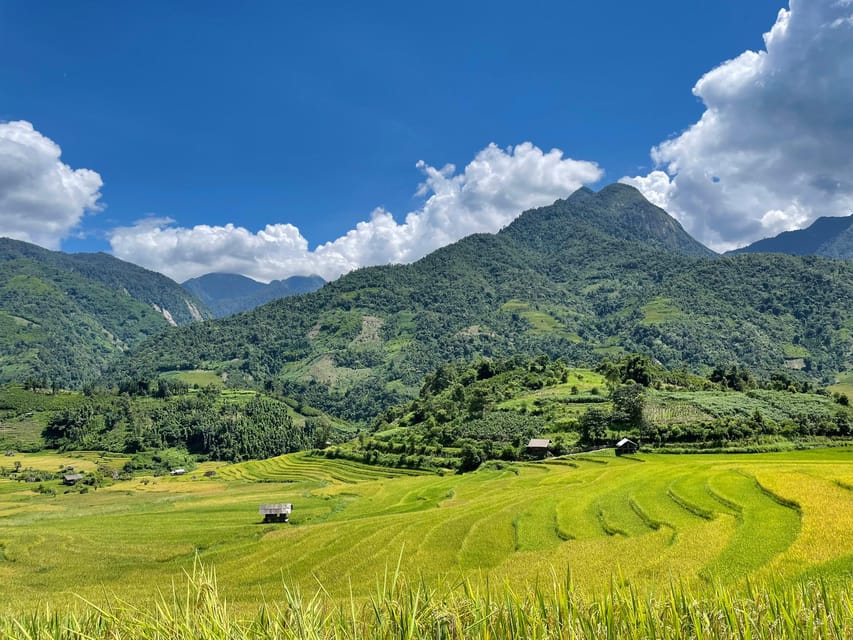
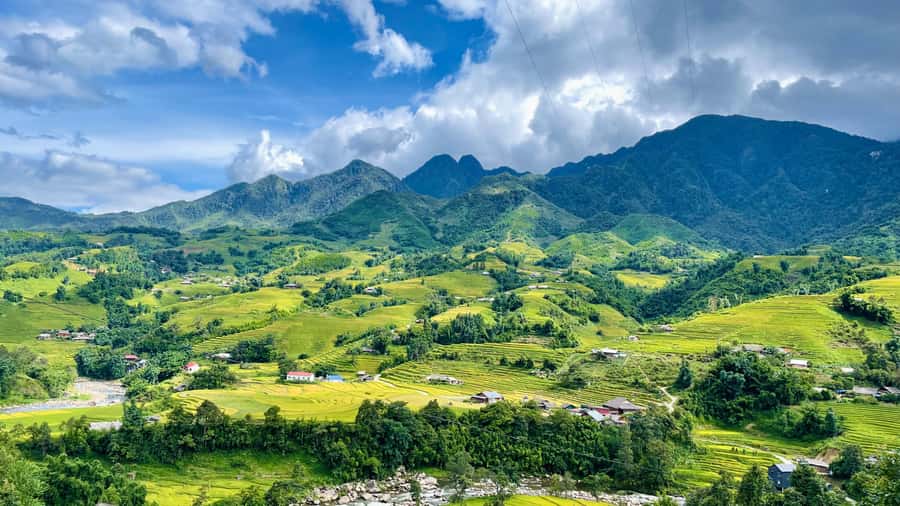
One of the biggest payoffs here is the scenery viewpoint toward the Hoang Lien Son mountain range. Even without perfect weather, you’ll get a strong sense of the region’s scale from these paths—valley folds, terraces below, and mountains looming in the distance.
The tour wraps up your Ta Van time around 2:00–3:00 PM, then you’ll be transferred back to your hotel or to central Sapa. In other words, you’re not stuck on a late-afternoon ride with nothing left to do. You finish with daylight and enough time to plan what comes next.
Price and value: what $30 really covers
At $30 per person for a 6-hour trek, you’re paying for more than a walk. You’re buying a coordinated day: an English-speaking guide, lunch, village entrance fees, and transportation back to Sapa town or your accommodation.
That’s why this price feels reasonable. If you tried to piece it together yourself, you’d still need someone to guide you through the villages and terraces, plus you’d likely end up paying for entry fees and losing time sorting logistics. Here, the structure is the value.
The tradeoff is also clear: you’re paying for guided access and cultural visits, not for a slow day with lots of optional stops. The day keeps moving. If you want a super relaxed pace, you might feel the hours.
Who this trek is best for (and who should skip it)
This is a strong fit if you:
- Want a guided day that mixes terraced rice scenery with real village visits
- Enjoy walking on footpaths and don’t mind sustained time outdoors
- Like culture that’s practical and observable—like indigo dyeing and cloth flattening
- Are happy to eat lunch at a local spot run by community members, right by the stream
It’s not a great fit if you:
- Are pregnant or have mobility limitations
- Use a wheelchair
- Prefer a tour with minimal walking segments
Also, this is one of those experiences where your gear makes a real difference. You’ll want comfortable shoes, plus a hat, sunscreen, and insect repellent. Weather-appropriate clothing is also on the list for a reason—Sapa conditions can change during the day.
Practical tips so your day goes smoothly
Before you go, get your basics right and you’ll enjoy the trek more.
- Wear comfortable shoes with grip. You’ll be walking between terraces and village paths.
- Bring a hat and sunscreen. You’re out for hours, and sun exposure builds fast.
- Use insect repellent. The route includes forests and streamside sections.
- Pack camera batteries and a phone power strategy. You’ll likely want photos from multiple angles in Y Linh Ho and Ta Van.
- Keep water in mind even though the tour includes lunch. A hat and sunscreen pair well with hydration habits.
If you’re the kind of person who likes to learn while you walk, this tour rewards that. Your English-speaking guide’s job is not just to lead you. They also explain what you’re seeing and help you understand the ethnic communities you’ll encounter.
Should you book Sapa: Trekking Through Terraced Rice Fields & Valley 1 Day?
Book it if you want a half-day commitment that’s not just scenery. You’ll get terraced rice walks, village introductions, H’Mong textile demonstrations in Lao Chai, lunch at a Black Hmong-run restaurant by the stream, and a final cultural stop in Ta Van with views toward Hoang Lien Son. For $30 with guide, lunch, entrance fees, and transport included, the value is strong.
Skip it if walking for around 6 hours won’t work for you, or if you need wheelchair-friendly access. And if you hate being outdoors for extended stretches, choose a lighter day trip instead.
If you’re ready for a guided trek that feels like moving through real places, this one is a solid choice.
FAQ
How long is the tour?
The duration is about 6 hours.
Where do I meet the guide or where is pickup?
You can get picked up from your hotel in central Sapa, or you can meet the guide at Sapa Church.
Is lunch included?
Yes. Lunch is included, and it’s served at a restaurant run by the Black Hmong people.
Do you provide an English-speaking guide?
Yes. The tour includes a professional English-speaking guide.
Which villages are visited during the trek?
You visit Bản Ý Linh Hồ (Y Linh Ho), Lao Chai Village, and Ta Van Village.
When does the tour end?
You’ll visit Ta Van around 2:00–3:00 PM, and the tour typically ends around 3:00 PM with a transfer back to Sapa.
What should I bring for the trek?
Bring comfortable shoes, a hat, a camera, sunscreen, insect repellent, and weather-appropriate clothing.
Is the tour suitable for wheelchair users or people with mobility impairments?
No. The tour is not suitable for wheelchair users or people with mobility impairments, and it’s also not suitable for pregnant women.