REVIEW · KIGALI
3 Days Gorilla & Golden Monkey Trekking Safaris
Book on Viator →Operated by Shalom Safaris · Bookable on Viator
Two primates, three days, one Rwanda memory. In Volcanoes National Park, you’ll get Gorilla trekking and Golden monkey trekking in a tight schedule, with Kigali city touring plus conservation-focused stops. I like how Shalom Safaris handles the whole flow end to end, and I like that you’re not stuck figuring out transport and meals while you’re chasing your next primate sighting. One thing to think about first: the 6:00 am start and the moderate physical fitness needed for trekking.
This is also a private setup, so it’s just your group, not a shared stampede. In the stories I saw, the people running the trip paid real attention to details, including guides praised for being friendly and capable, like Dady, and the team making time for special moments for families. You’ll round out the primate days with cultural experiences like a village visit after your tracking, which adds meaning beyond the wildlife photos.
In This Review
- Key highlights worth planning around
- Rwanda in 3 Days: What This Primate Combo Is Really Like
- Price and Logistics: What $5,500 Per Person Really Covers
- Day 1: Kigali City Tour and Transfer to Volcanoes National Park
- Day 2: Gorilla Trekking Plus the Ellen DeGeneres Campus Visit
- Day 3: Golden Monkey Trekking and Gorilla Guardian Village
- Where You Sleep: Sambora Kinigi (or Similar) and Why It Matters
- What to Expect From the Guides and the Trip Feel
- Timing, Weather, and Fitness: The Stuff You Should Actually Plan For
- How This Tour Fits Your Travel Style
- Should You Book Shalom Safaris for This 3-Day Primate Trek?
- FAQ
- What time does the tour start?
- How long is the tour?
- Is this a private tour?
- What’s included in the price?
- What is not included?
- What should I know about cancellations and weather?
Key highlights worth planning around
- Two iconic primate treks in 3 days gives you a complete Volcanoes National Park primate experience without stretching your time.
- Private group format means fewer moving parts and more focused pacing for your crew.
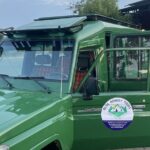
- 4×4 transport plus meals helps you stay on schedule after early starts.
- Conservation stops built into the days add context on top of the sightings.
- Cultural village visit gives you a fuller view of Rwanda beyond the park gates.
- Weather-dependent trekking means the operator needs good conditions, and they’ll work with you if plans shift.
Rwanda in 3 Days: What This Primate Combo Is Really Like
If you want the classic Rwanda primate story, this tour is built for speed and focus. You’ll spend your days in Volcanoes National Park doing two of the most sought-after trekking experiences: gorillas, then golden monkeys. It’s the kind of itinerary that works best if you’re comfortable moving early and staying flexible, because trekking doesn’t care about your sleep schedule.
The payoff is that you’re not choosing one “big day” and calling it a trip. Instead, you get two primate treks with very different vibes. Gorilla trekking is about quiet patience and sharp attention; golden monkey trekking feels more active and lively. Doing both within three days keeps the whole trip feeling cohesive, not like you’re constantly traveling between unrelated stops.
The other thing I like is the way your trip has built-in breaks that are actually useful. You’re not just dropped at the park and left to scramble. You’re picked up, transported by 4×4, and fed—breakfast, lunch, dinner—and even bottled water is included. That matters when you’re trekking, because the hardest part is usually not the miles. It’s staying calm and functional when the morning starts too early.
You can also read our reviews of more tours and experiences in Kigali.
Price and Logistics: What $5,500 Per Person Really Covers
At $5,500 per person, this is not a casual add-on. The upside is that a lot of the high-friction parts are included: all fees and taxes, 4×4 transportation, accommodation, all meals, and snacks, plus bottled water. In other words, you’re paying for the whole machine to run—permits and park-related costs are rolled into the package rather than added later like a surprise bill.
What’s not included is also clearly stated. You’ll want to plan for airfares to Rwanda, tips to local guides, and luxury drinks/alcohol. That’s pretty standard, but it does affect your total budget. If you’re trying to travel with a tight “all-in” number, plan a buffer for tipping and any extra beverages you want.
A private tour can also be part of the value equation. When it’s just your group, your time in the vehicle and at key stops tends to be more controllable. You’re not waiting for multiple groups to finish a photo moment or argue about the meeting time.
Day 1: Kigali City Tour and Transfer to Volcanoes National Park
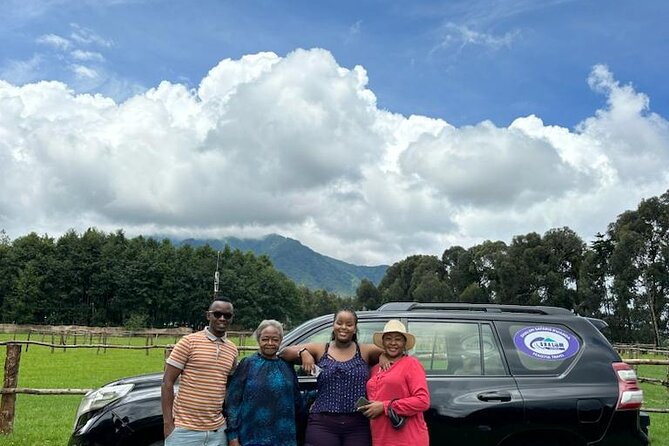
Your day begins with an early start at 6:00 am. That’s a real factor here because the whole trip is built around prime trekking windows. If you’re the type who needs a slow morning, you’ll want to plan for it in your sleep schedule the night before.
Day 1 mixes city time with a big travel shift. You’ll do a Kigali city tour, then transfer to Volcanoes National Park. After that, you’ll have dinner and overnight at Sambora Kinigi or similar. This matters because it reduces the “day after trekking” problem. Instead of rushing from Kigali to the park and trekking the same day, you transition, eat, sleep, and show up ready.
What to think about on this first day is mental setup. The best trekking days are the ones where you aren’t scrambling. With the private transport and meals handled, your job becomes simple: get to the park, rest, and be ready to go again the next morning.
One practical note: the trip offers pickup, and the tour includes a full transport plan in a 4×4, so you’re not trying to piece together local rides while you carry trekking-day essentials.
Day 2: Gorilla Trekking Plus the Ellen DeGeneres Campus Visit
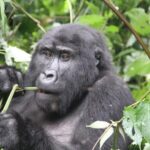
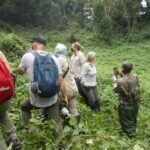
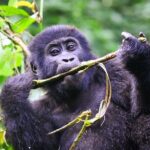
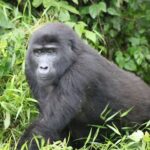
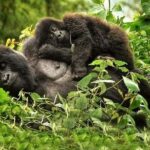
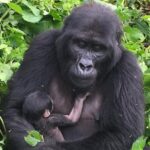
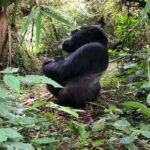
Day 2 is your “big one”: gorilla trekking in Volcanoes National Park. Gorilla tracking is not about speed. It’s about awareness—quiet movement, patience, and following the guidance of the people leading you through the forest. The operator lists that you should have moderate physical fitness, which is a good heads-up that you’ll be trekking on uneven ground and at a pace that takes effort.
After the gorilla experience, you’ll visit the Ellen DeGeneres Campus of the Diana Fossey Fund. Even if you only spend a short time there, it adds a layer that your park time can sometimes miss. You’re not just seeing animals; you’re also connecting to conservation work tied to Diana Fossey’s name. It helps make the gorillas feel bigger than a bucket-list snapshot.
You’ll finish Day 2 with dinner and another overnight at Sambora Kinigi or similar. Having the same overnight location for two nights is a quiet win. It means you’re not constantly packing and repacking, and it makes it easier to settle your gear for the next trek.
What I especially like about this day is the pacing. Gorilla trekking can be emotionally intense, even when you’re fully prepared. A conservation stop afterward gives your brain somewhere useful to land before the next day’s early start.
Day 3: Golden Monkey Trekking and Gorilla Guardian Village
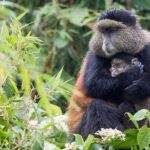
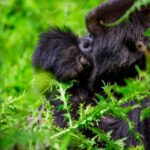
Day 3 is for the second primate chapter: golden monkey trekking. Golden monkeys are different from gorillas in both behavior and the way you experience the trek. You’ll likely find your attention shifting from the slow, grounded tracking of gorillas to a more active search for movement. It’s a good contrast that keeps the trip from feeling repetitive.
Afterward, you’ll visit Gorilla Guardian Village. That stop gives you a chance to connect what you experienced in the forest with the human side of conservation and community life near the park. If you like your wildlife travel grounded in real people and real places, you’ll appreciate that extra layer.
In the evening, you transfer back to Kigali and are dropped off at your hotel or airport. This is a helpful detail because it reduces last-minute stress. Instead of navigating transport in your final hours, you can focus on packing and preparing for departure.
Where You Sleep: Sambora Kinigi (or Similar) and Why It Matters
Two nights at Sambora Kinigi or similar is more than just a place to crash. It’s a logistics choice that keeps you consistent during the most tiring part of the trip. If you’ve done primate trekking before, you know the biggest threat to your enjoyment is usually not the climb. It’s the lack of recovery.
Having dinner included each night means you’re not hunting for food right when you’re tired. Snacks and bottled water being included also helps you stay comfortable between meal times. For a trek-based itinerary, this kind of “small” inclusion often makes the difference between feeling cared for and feeling like you’re managing everything yourself.
I’d also look at the hotel as part of your packing strategy. Since you’ll likely be trekking early, you’ll want to keep your day bag ready—thermos, small layers, wet-weather gear if needed, and whatever you prefer for long days.
What to Expect From the Guides and the Trip Feel
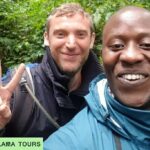
Organization is one of the strongest points tied to this operator. The experiences shared highlight a trip that runs smoothly from arrival to departure, with guides who are friendly and knowledgeable in the way that matters on trek days: they help you understand what’s going on, and they keep things moving without losing care.
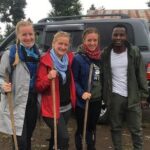
Names mentioned in that positive feedback include Shalom and Dady. In one story, the team even took time to celebrate a daughter’s birthday during the trip. That’s not a minor detail if you’re traveling as a family or bringing someone for a milestone. It signals that the team doesn’t treat the trip like a conveyor belt.
For you, the practical takeaway is simple: you’re less likely to waste energy figuring out timing and meeting points. When you’re paying for gorilla and golden monkey trekking, you want the day to feel controlled. This setup is designed around that.
Timing, Weather, and Fitness: The Stuff You Should Actually Plan For
This experience requires good weather. If trekking is canceled due to poor conditions, you’ll be offered a different date or a full refund. That means your plans should have some flexibility. If your schedule is locked to one flight day with no backup, build in a buffer if you can.
You’ll also want moderate physical fitness for the trekking parts. Trekking doesn’t mean “athlete only,” but it does mean expect some physical effort on uneven trails. If you’re unsure, I recommend choosing footwear you’re confident walking in for a few hours and packing with the mindset that your legs will be doing real work, not just a short walk.
The day starts at 6:00 am, which can be the biggest shock. If you’re traveling from another time zone, plan for jet lag on this one. Most disappointment on trek days comes from being too tired to pay attention, not from missing a sighting.
How This Tour Fits Your Travel Style
This is a great fit if you want a full primate-focused Rwanda experience in a short window. You’re getting both gorillas and golden monkeys in three days, plus Kigali city time and cultural/conservation visits.
It’s also a good choice if you value a private format. Since only your group participates, you’re less likely to feel like your day depends on strangers’ pacing. If you travel as a couple, family, or small group with specific timing needs, that can be a big deal.
Who might want to look elsewhere: if you don’t enjoy early starts, or if you know you won’t do well with moderate trekking effort, you may find the schedule stressful. Also, if you want a very relaxed pace with lots of free time each day, this itinerary is not that. It’s built for primate trekking, and the days run on a mission.
Should You Book Shalom Safaris for This 3-Day Primate Trek?
If you’re choosing between “one primate trek” and “the full primate run,” I’d lean toward booking this. The value isn’t just that you see gorillas and golden monkeys. It’s that the package covers the big operational pieces—transport, meals, lodging, and fees—so you don’t end up spending your trip time managing logistics.
I’d book it especially if:
- you want a complete Volcanoes National Park primate experience in a tight timeframe
- you like having a team that handles the day-to-day details
- you can handle a 6:00 am start and have moderate trekking fitness
- you’d appreciate the added context of the Diana Fossey Fund campus and Gorilla Guardian Village
If those conditions don’t fit you, you might prefer a slower Rwanda itinerary or a smaller-scope option. But for most primate-focused travelers, this is the kind of plan that turns a wish list into a real, organized sequence of days.
FAQ
What time does the tour start?
The experience has a start time of 6:00 am.
How long is the tour?
It runs for 3 days (approx.).
Is this a private tour?
Yes. It’s a private tour/activity, and only your group will participate.
What’s included in the price?
Included are all fees and taxes, 4×4 transportation, snacks, breakfast, lunch, dinner, bottled water, and accommodation.
What is not included?
Tips to local guides, airfares, and luxury drinks/alcoholic drinks are not included.
What should I know about cancellations and weather?
There is free cancellation up to 24 hours in advance for a full refund. The experience requires good weather, and if it’s canceled due to poor weather, you’ll be offered a different date or a full refund.