REVIEW · KIGALI
3 Days Uganda Gorilla Trekking Safari
Book on Viator →Operated by Frena Adventures · Bookable on Viator
One of the best ways to feel small fast is Bwindi. This 3-day safari links gorilla trekking in Bwindi Impenetrable National Park with a calmer stop at Lake Bunyonyi after a tough day in the forest. I especially like the tight pacing for only three days, and I like the way the itinerary builds in time to decompress with boat rides and viewpoint hikes. One thing to think about: the trek can be physically demanding, with routes that can run long and steep even when the day starts out bright.
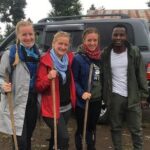
In the feedback, the human touch is a big part of the value. Names like Ronald, Farouk, Roland, Apollo, and even director Fred show up with a consistent theme: prompt pickups, clear trek explanations, and help with paperwork and cross-border details between Rwanda and Uganda. This tour runs with a maximum group size of 7, which usually means less waiting around and more attention when it matters.
In This Review
- Key highlights that shape your 3-day Bwindi plan
- Bwindi to Bunyonyi in 3 days: what you are really buying
- Kigali handoff and the Rwanda-to-Uganda drive through Katuna
- Rushaga Gorilla Havens Lodge and the Batwa cultural trail on Day 1
- Gorilla briefing, rugged tracking, and your one-hour gorilla window
- Lake Bunyonyi: bilharzia-free swimming, 29 islands, and Hawk’s Eye Lodge
- Day 3 boat ride and scenic hikes back toward Kigali
- Price and value for a three-day gorilla safari from Kigali
- What guide style means on gorilla days (Ronald, Farouk, Roland, Apollo)
- Practical tips that actually help (and don’t waste your time)
- Should you book this 3-day Kigali Bwindi and Bunyonyi safari
- FAQ
- What is the meeting start time?
- Where does the safari start?
- How long is the safari?
- How many people are in the group?
- Is pickup included?
- What happens on Day 2 during gorilla trekking?
- How long is the gorilla viewing time?
- What is Lake Bunyonyi known for in this itinerary?
- Is admission ticket included?
- What is the cancellation timeframe for a full refund?
- Book decision: gorillas now or wait for later?
Key highlights that shape your 3-day Bwindi plan
- Small group size (max 7) helps keep the day moving and reduces time stuck in logistics.
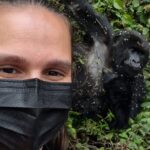
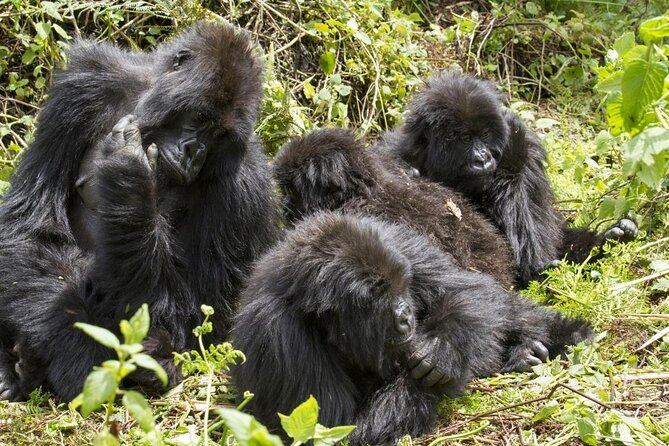
- One hour with the gorillas after a guided briefing lets you actually watch behavior, not just snap photos and run.
- Batwa cultural trail on Day 1 adds context for the forest beyond wildlife spotting.
- Lake Bunyonyi downtime balances the hike with scenery, boat rides, and scenic viewpoint walking.
- Multi-day rhythm from Kigali keeps the trip efficient, with overnight stays close to your main activities.
Bwindi to Bunyonyi in 3 days: what you are really buying
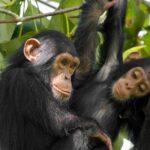
This is a focused trip built around one headline: mountain gorillas in Bwindi Impenetrable National Park. Bwindi matters because it’s one of the core gorilla strongholds in the world, and it’s not just about gorilla sightings. The park is also home to Afro-montane forest life, from birds (including the African broad-bill in areas like Ruhija) to animals such as duikers and forest elephants.
After that intense forest day, the safari flips into a slower gear at Lake Bunyonyi, often called the Lake of a thousand islands. The itinerary is smart this way: you go from steep, thick vegetation trekking to water and views the next day, instead of trying to squeeze everything into a nonstop schedule.
The real value question is whether you can handle the physical side of gorilla trekking. The tour is designed for people with moderate physical fitness, and the trek can run 2 to 8 hours depending on gorilla movement. If that sounds like a stretch, you should still consider the experience, but do plan for uneven ground and longer walks than you might expect.
You can also read our reviews of more tours and experiences in Kigali.
Kigali handoff and the Rwanda-to-Uganda drive through Katuna
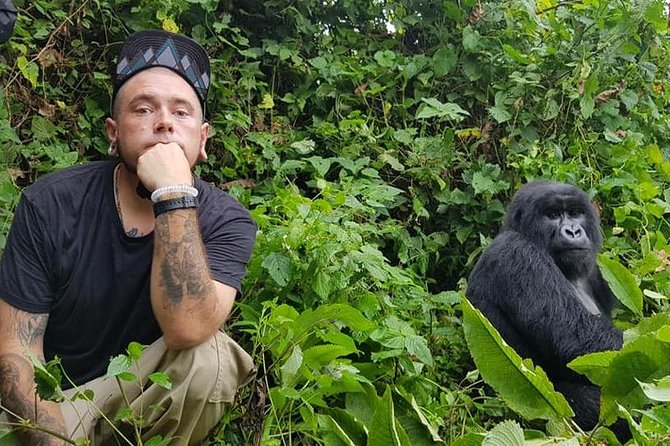
The day starts with a pickup in Kigali (meeting start time is 8:00 am). From there you drive to the border at Katuna before continuing into Uganda to reach Bwindi. That drive is not a side quest. It sets expectations: you’re trading comfort for time in a car that moves through real countryside and hills, then swapping road time for forest time.
Why this matters for you: a smooth handoff at the border keeps you from losing energy right before gorilla tracking. In the feedback, the drivers were credited with handling details and staying on schedule, including help with visas between countries. If you like knowing what to do next, this kind of guided pacing reduces stress on a day when you want to be calm.
Also, you’re not solo in the logistics sense. Even though the group is small, the tour design keeps you from doing everything yourself: the guide and driver are the link between Kigali, the border, and the park areas.
Rushaga Gorilla Havens Lodge and the Batwa cultural trail on Day 1
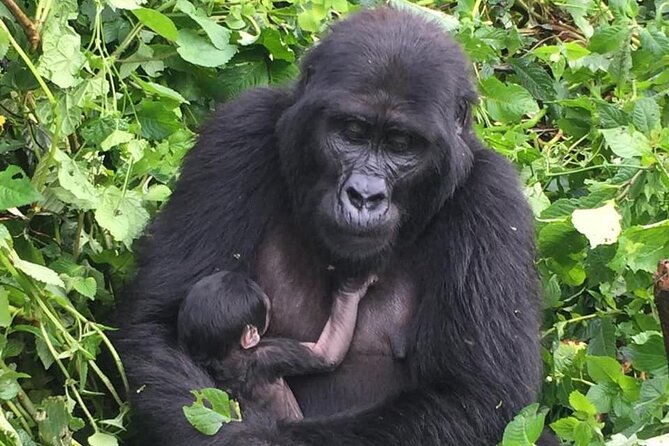
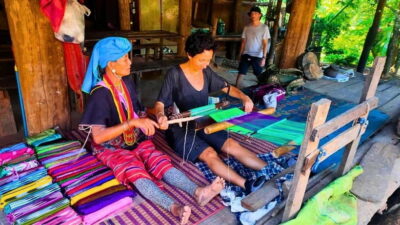
Day 1 is your setup day: you check in to your lodge in the Bwindi area and then shift to a cultural experience with the Batwa Cultural trail. The idea is to go through Batwa villages and learn how daily routines work, including how communities cultivate hillside spaces and care for animals such as cows.
This stop is easy to skip if you’re only thinking about gorillas, but I like including it because it changes how you see the forest. When you understand how people historically lived in and with this landscape, the gorilla trek becomes more than a wildlife event. It feels grounded in place, not just an attraction.
At the end of the day you sleep at Rushaga Gorilla Havens Lodge. Lodges like this are chosen for access to the park region, so you can start bright on Day 2 without fighting distance and time.
One practical note: even though Day 1 is lighter than the trek day, you’ll still want a good sleep. The next day starts with early breakfast and then a briefing, and gorilla tracking doesn’t wait for anyone who slept in.
Gorilla briefing, rugged tracking, and your one-hour gorilla window
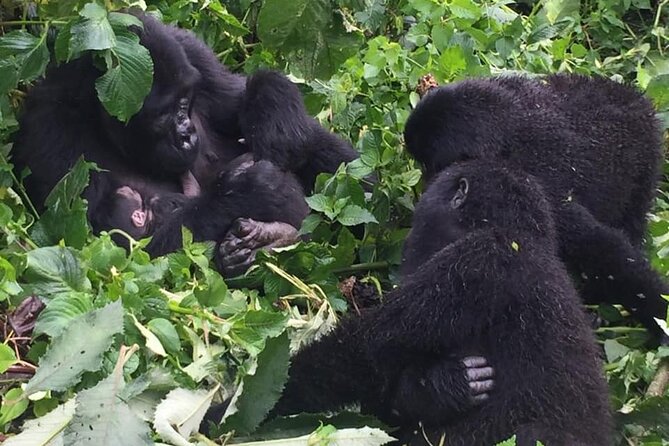
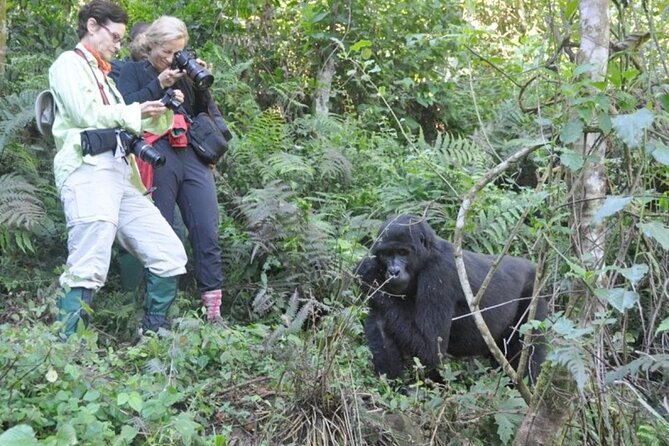
Day 2 begins with early breakfast. Then you drive to park headquarters for a briefing on what to do and what not to do during gorilla tracking. This part is not filler. It’s the difference between a safe, smooth encounter and a stressful one.
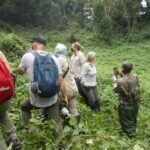
Then you head into the forest. Tracking Bwindi gorillas means thick vegetation, steep slopes, valleys, and rugged terrain. The trek can last 2 to 8 hours, so your biggest job is to keep moving without burning out too fast. The forest itself tends to be alive with sound, which you may notice before you see anything. That’s normal, and it’s part of the experience.
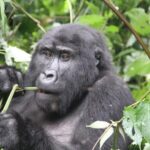
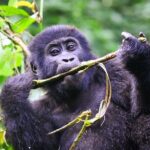
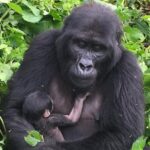
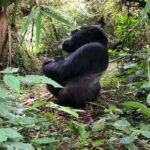
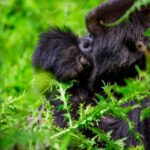
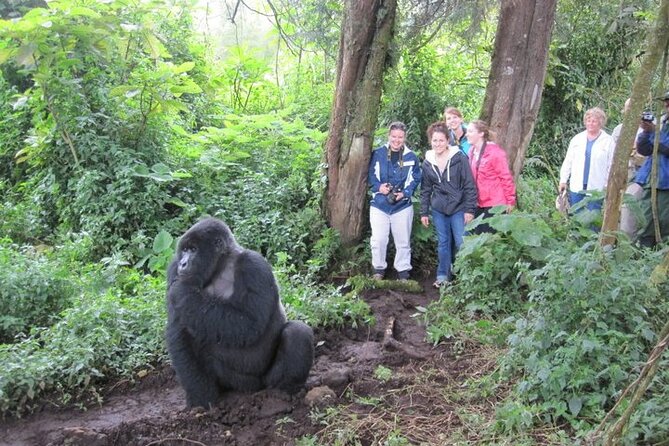
When you finally locate the gorillas, you get a one-hour viewing window. That hour is structured, not casual wandering. I like this timing because it’s long enough to watch behavior—feeding, movement, social interactions—without it turning into a marathon that drains everyone’s energy.
What to consider: your pace depends on where the gorillas go. You can be fit and still have a hard day if the path turns steep. This tour’s stated requirement is moderate physical fitness, and I’d treat that as a gentle minimum, not a guarantee of comfort.
Lake Bunyonyi: bilharzia-free swimming, 29 islands, and Hawk’s Eye Lodge
After the trek, you travel to Lake Bunyonyi. This is your recovery phase, and the itinerary supports it with real time to reset. The lake is described as one of western Uganda’s most beautiful places and is said to be the second deepest in Africa at about 900 meters. It’s also noted as one of the few spots in Uganda where swimming is considered safe because it’s bilharzia free.
You also get something I think is underrated on gorilla trips: permission to slow down. After a day of hiking through vegetation, being near water feels like a different planet. Your body has a chance to unclench, and your mind gets to absorb the views without scanning every step for mud and roots.
The overnight stop is Hawk’s Eye. Lodging here typically supports that post-trek rhythm, so you’re not hopping around again right after a long day.
Dinner and a full night also help you handle Day 3, which includes boat riding and a bit more walking. It’s not a couch-only ending.
Day 3 boat ride and scenic hikes back toward Kigali
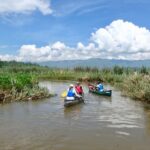
Day 3 starts after breakfast with a boat ride around different islands on Lake Bunyonyi. This ties back to the nickname, Lake of a thousand islands, and it’s a nice change from forest tracking. Seeing shoreline patterns and island groups from the water helps the whole area feel real instead of just scenic on a map.
After the boat ride, you hike to scenic view points. This isn’t described as a major hard trek, but it does add a walk, so you’ll still want sturdy shoes and a water plan. Then you transfer back to Kigali, with lunch en route.
The return by lunch-and-road structure matters for value. Instead of ending with an awkward late departure, you get a clean finish you can build future plans around.
Price and value for a three-day gorilla safari from Kigali
The price is $1,810.38 per person for a roughly 3-day experience, with a stated booking pattern of about 63 days in advance on average. That number can look high at first glance, but gorilla trekking is one of those rare travel experiences where costs are driven by access, park operations, guide labor, and the reality that you can’t mass-produce the encounter.
Here’s how I’d judge value for you based on what’s included and how it’s arranged:
- Time efficiency: You’re doing this as a short safari starting in Kigali, which reduces the number of travel days you need to budget for.
- Small group structure: Maximum 7 people keeps coordination tighter, especially on the trek day.
- Multi-experience arc: You get Day 1 culture via the Batwa trail, Day 2 gorilla tracking plus Lake Bunyonyi travel, and Day 3 boat and viewpoints. That is a full emotional cycle in just three days.
- Admission listed as free: The itinerary notes Admission Ticket Free for Day 1 and Day 2. If that’s accurate for your exact booking, it helps justify the overall price. Still, it’s wise to confirm what’s covered in your final confirmation.
If you want only the cheapest gorilla deal possible, this may not be the move. But if you want a smooth, guided, and tightly planned short trip that doesn’t waste days, the structure makes sense.
What guide style means on gorilla days (Ronald, Farouk, Roland, Apollo)
Gorilla trekking is emotional. It’s also complicated. A good guide isn’t just spotting animals; they manage movement, timing, and decisions when conditions change.
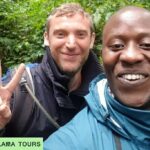
In the feedback you provided, drivers and guides like Ronald are praised for being prompt and available from pickup to delivery, plus for explaining trek details. Farouk shows up as accommodating and skilled at delivering a smooth experience even with a rocky start. Roland is described as helpful, funny, and informative, with strong attention to punctuality. Apollo is credited with handling scheduling shifts when an arrival was late, and directing the itinerary so activities still fit.
I take that as a practical signal for you: this kind of tour is best when your guide keeps you calm and informed. Since the trek day can stretch (2 to 8 hours), clear communication makes the day feel manageable instead of random.
Practical tips that actually help (and don’t waste your time)
I can’t tell you what to pack from the tour notes, but I can tell you what helps most people on Bwindi-style tracking:
- Wear footwear with grip for slopes and uneven ground. Gorilla country can be muddy and slippery.
- Bring a light rain layer. Weather matters for forests, and the experience notes that it requires good weather.
- Plan for sweat and dust. Even if you’re not walking all day, the forest trek is physically active.
- Keep your expectations realistic. The one-hour gorilla window is precious, but it comes after time moving through thick vegetation.
And because the group is small, you’ll likely be sharing a bit of trail rhythm. Don’t fight the group pace. If you do, you’ll regret it halfway through.
Should you book this 3-day Kigali Bwindi and Bunyonyi safari
Book it if you want a high-impact gorilla trip without a long vacation setup, and if you’re okay with rugged trekking. The combination of Bwindi gorillas plus Lake Bunyonyi boat time is a strong balance, and the small group size helps keep the day from feeling chaotic.
Skip it or consider another option if you know you struggle with steep, uneven walking, since the trek can run up to 8 hours. Also, if you hate being flexible, keep in mind that gorilla tracking and weather can affect timing, and the tour notes that it requires good weather.
One last decision tip: if you’re the type who likes clear answers and a driver who handles details, this tour’s feedback pattern around named guides (Ronald, Farouk, Roland, Apollo, Fred) is a good sign. You’ll likely spend more time watching and less time worrying.
FAQ
What is the meeting start time?
The meeting start time is 8:00 am.
Where does the safari start?
The safari starts with pickup in Kigali, Rwanda.
How long is the safari?
The duration is about 3 days.
How many people are in the group?
The tour has a maximum of 7 travelers.
Is pickup included?
Pickup is offered.
What happens on Day 2 during gorilla trekking?
You have an early breakfast, go to park headquarters for a briefing, then trek through thick vegetation. The trek ranges from 2–8 hours, and once you sit with the gorillas you stay for one hour.
How long is the gorilla viewing time?
Once you find the gorillas, you have one hour to stay with them.
What is Lake Bunyonyi known for in this itinerary?
It is called the Lake of a Thousand Islands due to its 29 islands. The itinerary also notes it is bilharzia free and one of the few places in Uganda where swimming is considered safe, plus it is about 900 meters deep.
Is admission ticket included?
The itinerary notes Admission Ticket Free.
What is the cancellation timeframe for a full refund?
You can cancel up to 6 days in advance of the experience for a full refund.
Book decision: gorillas now or wait for later?
If your priority is gorilla tracking and you want it from Kigali with tight scheduling and a small group, this 3-day plan is a sensible choice. Just be honest about your physical comfort. Bwindi trekking can be steep and long, even when the trip is well organized. If you can handle that, the mix of one-hour gorilla viewing, Batwa cultural context, and Lake Bunyonyi decompression makes the whole experience feel complete.