REVIEW · KIGALI
2 Day Gorilla Trekking Safari in Uganda via Kigali
Book on Viator →Operated by Bamboo Ecotours · Bookable on Viator
Seeing gorillas in Bwindi is the kind of trip you plan for years. This 2-day, small-group safari links Kigali to Uganda’s Bwindi Impenetrable Forest, with ground transfers, meals, and gorilla permits handled. You’ll also get the classic Bwindi rhythm: a drive in, a briefing at the gate, a trek that can run short or long, then a return to Rwanda.
I especially like the way the day is built around the real gorilla moment. You start with a park guide’s briefing at the gate, then you’re told which gorilla family to track, with the pace depending on where the group is that day. I also like the cross-border practicality: you’re picked up in Kigali and routed through Rwanda’s Musanze (Ruhengeri) toward Uganda, then over via the Cyanika border post.
One drawback to consider is the time commitment. Even though it’s only 2 days, the driving is estimated at about 5 hours each way, and the trek itself can take anywhere from a few hours to much longer.
In This Review
- Key reasons this 2-day Kigali-to-Bwindi trek works
- Kigali to Bwindi: why this route is a real travel win
- The long drive through Musanze, Cyanika, and Kisoro
- Day 1 arrival: Bwindi’s early afternoon and optional Lake Mutanda time
- The Bwindi gate briefing: how your gorilla trek really begins
- Trek day pace: what to expect once you’re actually tracking
- Day 2 trek and the return to Kigali
- Sleeping within Bwindi limits: tented accommodation is an add-on
- Price and value: what $1,780 per person includes (and why it matters)
- Who this 2-day Bwindi trek suits best
- Should you book Bamboo Ecotours for Kigali-to-Bwindi in 2 days?
Key reasons this 2-day Kigali-to-Bwindi trek works
- Small-group feel: your tour is limited to a maximum of 5 travelers, and gorilla trekking is run with a group cap of 10 people.
- You get your gorilla family at the gate: a national park guide briefs you and assigns the family before the trek.
- Cross-border logistics are handled: pickup in Kigali plus transfers through Musanze and the Cyanika border post to Bwindi.
- Meals are included: breakfast and dinner are covered, with lunch provided during the trip.
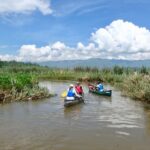
- Optional time around Lake Mutanda: if you arrive early enough on Day 1, you can add a coffee making tour and canoeing.
Kigali to Bwindi: why this route is a real travel win
Starting in Kigali makes this feel less like a complicated multi-day relocation and more like a focused adventure. You’re not doing the planning-heavy parts on your own, since ground transfers from Rwanda and the transfer to the national park are included.
And for many people, that cross-border drive is part of the fun. You pass through Rwanda’s northern town of Musanze (Ruhengeri), then continue via Kisoro in Uganda’s direction, so you get that slow reveal of the region instead of only seeing the border and your hotel.
There’s also a timing advantage. Arriving at Bwindi in the early afternoon on Day 1 gives you breathing room. You won’t just jump straight into the trek and crash—there’s time to settle in and add optional activities if you want them.
You can also read our reviews of more tours and experiences in Kigali.
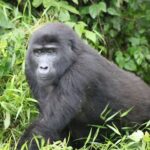
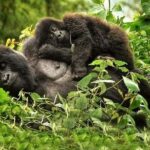
The long drive through Musanze, Cyanika, and Kisoro
The driving is estimated at about 5 hours from Kigali to Bwindi National Park. That’s a chunk, but it also means you’re not stuck overnight in transit. If you’re the type who can handle a long seat day, this can feel like a straightforward way to reach one of Africa’s most famous gorilla areas.
The route is specific and helpful to know. You travel through Musanze (Ruhengeri) in Rwanda, then cross into Uganda via the Cyanika border post, and continue on past Kisoro before reaching Bwindi.
In practical terms, this day is about patience. The roads can be rough, and having a driver who stays calm matters. From past experiences with Bamboo Ecotours, drivers such as Godfrey and Jackson have been praised for safe, upbeat, professional handling of the road—exactly what you want when you’re traveling cross-border and you’re on a tight itinerary.
Day 1 arrival: Bwindi’s early afternoon and optional Lake Mutanda time
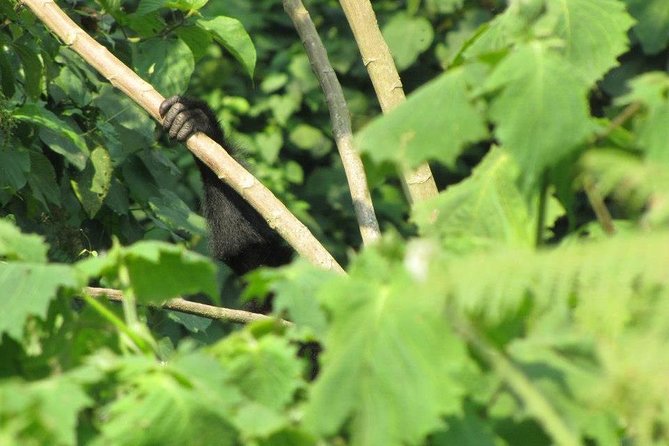
You’ll reach Bwindi National Park in the early afternoon, which is one reason this tour works well for first-timers. After the drive, you’re not forced into an immediate all-day activity. Instead, you can choose lighter add-ons based on energy and interest.
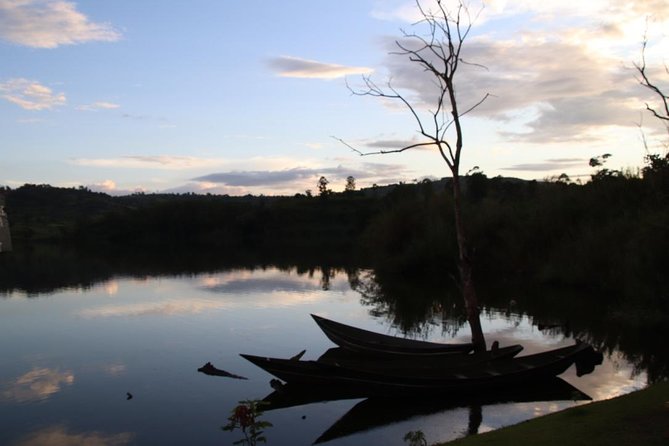
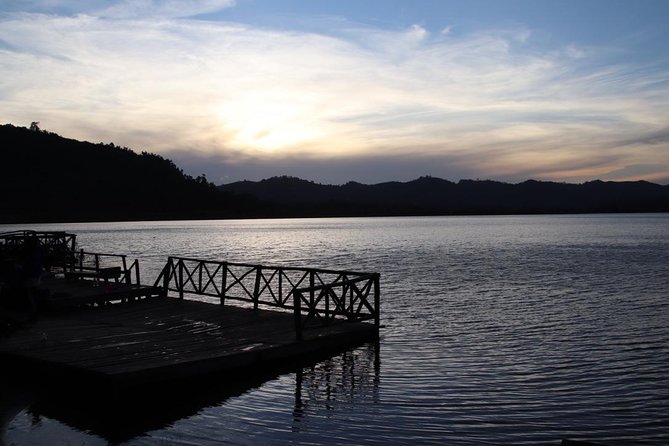
Two options are specifically mentioned here: a coffee making tour and canoeing at Lake Mutanda. If you do either, you’ll break up the trip with something local and scenic, rather than only focusing on the trek. It’s also a good way to start feeling the geography of the area—forest edges, lake views, and the kind of quiet that makes Bwindi feel different from a city-based safari.
One small heads-up: Day 1 is also the buildup day. You’ll be thinking about the trek—how long it might take, how far the gorillas might be, and what your body feels like after the drive.
The Bwindi gate briefing: how your gorilla trek really begins
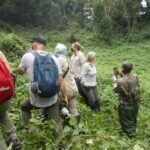
The trek doesn’t start with guessing. On the morning of the trekking day, you head to the Bwindi National Park gate right after breakfast. A park guide runs the briefing and sets expectations so you know what’s coming.
This briefing matters because gorilla trekking isn’t a single fixed-length walk. The time on the trail can range from a few hours to many hours depending on how far the gorillas are inside the forest. That range changes how you mentally prepare. You don’t want to plan your day around a neat, predictable timeline—you want to plan around flexibility.
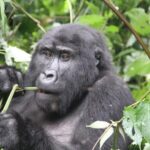
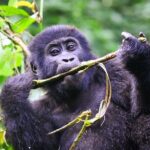
Then comes the moment that turns the day from planning into action: you’re told which gorilla family to trek. That family assignment is made at this point, and your trek follows where the assigned group ends up.
From the operator’s approach and how guides work in Bwindi, you should expect the guide to help you move at a pace that matches the group and the terrain. The goal is not speed. The goal is staying safe, keeping distance, and having the best possible encounter when you arrive.
Trek day pace: what to expect once you’re actually tracking
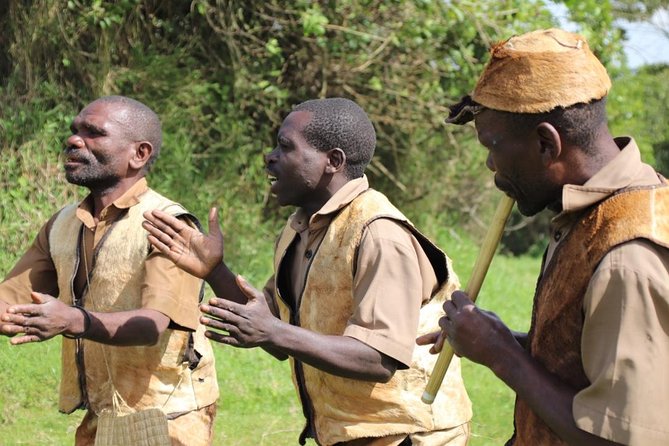
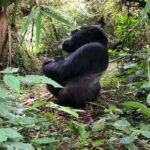
Once you start trekking, your experience becomes about a few simple factors: the forest path conditions, the gorillas’ location, and your group’s ability to stay together. Because the trek can be short or long, you’ll feel the day stretch or compress depending on what you find.
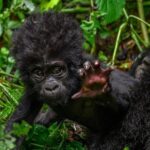
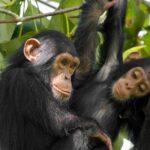
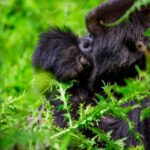
The positive part? You’re not just hiking for the sake of hiking. You’re tracking living animals in a protected ecosystem, with a national park guide and a group cap that keeps things manageable. And because gorilla encounters are tightly regulated, you get that sense that everyone is there for the same reason and the rules aren’t an afterthought.
In past on-the-ground experiences, drivers and support staff have often played a big role in keeping people calm and informed leading up to the trek. Names that come up include Herbert, Fred, Jackson, and Godfrey—people noted for being friendly, safe, and ready with answers. While your park guide is the one running the trek briefing, having a steady driver/support team helps you focus on the moment rather than logistics.
Day 2 trek and the return to Kigali
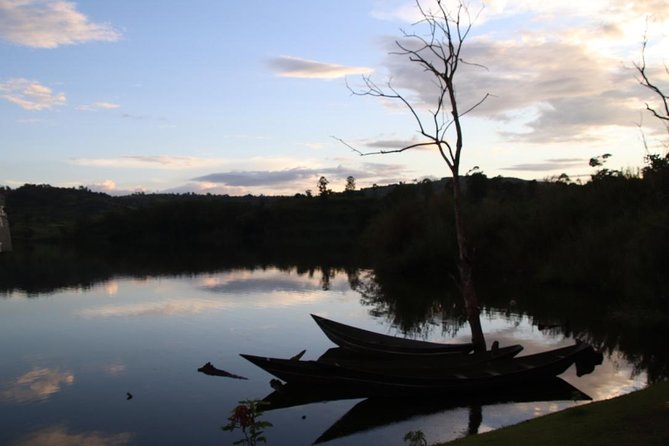
After trekking, the story continues immediately. On Day 2, you return to the national park gate after breakfast for the briefing process and to begin the trek. Once your tracking is finished, you drive back to Kigali, Rwanda.
The return drive is estimated at about 5 hours. That’s another full travel chunk, so plan for a “sit-down reset” feeling afterward. You’ve already earned it.
This day format also helps you commit. You’re not juggling an extra stop or an additional overnight elsewhere. When the trek is done, you’re on the road home.
Sleeping within Bwindi limits: tented accommodation is an add-on
One part of this tour that’s worth understanding up front is the accommodation setup. The overview notes that you can sleep within the Bwindi Impenetrable Forest park limits in tented accommodation, but it says campsite stays within the park are an additional cost.
That means your included meals (breakfast and dinner are listed in the package) don’t automatically guarantee you the inside-the-park tent option. If you want that specific experience—being as close as possible to the forest environment—you’ll want to confirm the lodging arrangement and any add-on cost before you go.
The trade-off is straightforward. Staying inside the park limits can feel more immersive and closer to the “Bwindi at night” vibe. The cost may be higher, and the basic comfort level is different from typical lodge-style stays. If you’re mainly chasing the gorilla encounter, the inside-park sleep option is a nice bonus, not the core reason to book.
Price and value: what $1,780 per person includes (and why it matters)
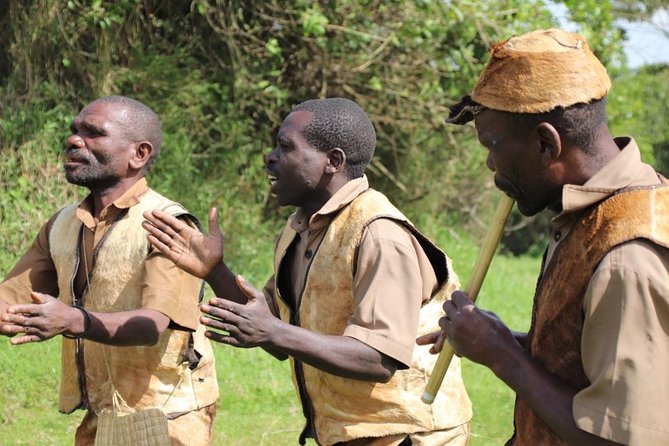
At $1,780 per person, this isn’t an impulse purchase. So the value question is: what you’re getting for that money, and what you’re not.
On the value side, the package includes gorilla trekking permits and transfers. It also includes meals—breakfast, dinner, and lunch. For many people, permits are the big wildcard cost in gorilla travel. Here, that core requirement is built in, so you’re not piecing together a separate permit purchase on your own.
You’re also paying for the cross-border transportation and the time it takes to move you from Kigali to Bwindi. The drive is long, and that’s exactly what you want included when you’re on a tight 2-day window.
On the cost-expectation side, some major items are not included. Visas and travel insurance are not included, and flights (domestic and international) are also not included. Items of personal nature aren’t included either.
So my honest take: if you’re starting in Rwanda and you want the simplest “do it in two days” setup with permits handled, the price makes sense. If you’re already planning a wider Rwanda/Uganda trip where you’ll be moving around anyway, you might compare other routes. But for a direct Kigali-to-Bwindi plan, this is the kind of package that reduces decision fatigue.
Who this 2-day Bwindi trek suits best
This tour fits best if you want a tight, focused gorilla trip and you’re okay with long driving days. The information you’re given calls for moderate physical fitness. That lines up with trekking that can last a few hours or much longer.
It also suits small groups. The tour is described with a maximum of 5 travelers, which tends to feel calmer than bigger lineups. And the gorilla trekking grouping is capped at 10 people, which helps keep the day from becoming chaotic.
This isn’t the best choice if you need lots of free time for flexible detours. The itinerary is built around reaching the gate, briefing, trekking, then driving back to Kigali. If you like loose travel days and slow pacing, you’ll feel the schedule pressure here.
Should you book Bamboo Ecotours for Kigali-to-Bwindi in 2 days?
If you want the simplest way to do gorilla trekking from Kigali without piecing logistics together yourself, I’d seriously consider booking this. The biggest green flags for me are the included gorilla trekking permits, the included transfers, and the fact that you’re not guessing how the trek starts—you get a gate briefing and your gorilla family assignment before tracking begins.
Just go in with clear expectations. The trek time can vary a lot, the driving is about 5 hours each way, and you’ll want to accept that you may not get a super early start beyond what the schedule allows. Also remember that this experience is listed as non-refundable and cannot be changed for any reason—so book only when your dates are firm.
One last practical tip: if you’re the type who likes to feel prepared, use the chance to ask questions early. The operator’s contact person, Edison, is repeatedly mentioned in communication as responsive during the lead-up, and that kind of clarity can make Day 1 smoother.
If your dates are set, you’re comfortable with moderate fitness and long drives, and you want a true small-group gorilla trek package, this is a strong match.