REVIEW · SAPA
Sapa hard trekking villages homestay 3days/ 2nights tour – amazing culture
Book on Viator →Operated by David Tran Travel - Day Tours · Bookable on Viator
Village trekking in Sapa is one of those rare trips that feels human, not packaged, and this one runs straight through small communities. I love the homestay format (shared bathrooms, real family meals, and time to talk) and the well-paced small-group setup (max 15 with an English-speaking guide). One thing to consider: you’re signing up for real hiking days—long enough that your legs will complain, especially on the second day.
If you want rice terraces, forest paths, waterfall scenery, and the chance to learn village life from inside the home, this is a strong choice. Just go in expecting basic accommodation and plan to buy only drinks on your own, since beverages aren’t included.
In This Review
- Key Things I’d Prioritize
- Why This Sapa Homestay Trek Feels Different Than a Simple Tour
- Meeting Point and Timing: What to Expect on the First Afternoon
- Day 1: Y Linh Ho Terraces to Lao Chai Breaks, Then a Giay Homestay at Ta Van
- Day 2: Bamboo, Silk Waterfall Scenery, and Tay Hospitality in Ban Ho
- Day 3: River Walk to Nam Toong (Red Dao) and a Cooling Stop Near Lavie Waterfall
- Price and Value: How $110 Works When Most Costs Are Already Covered
- Guides, Group Size, and the Human Side of the Trek
- Comfort, Fitness, and Packing Tips That Keep You Happy
- Should You Book It: Who It Suits Best (and Who Might Want Another Option)
- FAQ
- What does the $110 price include?
- Where do we start, and what time is the tour scheduled?
- How long is the hiking each day?
- What kind of accommodation is provided during the homestays?
- Are drinks included?
- Is there a holiday surcharge for Lunar New Year?
Key Things I’d Prioritize
- Homestays with shared living: you eat with families, sleep in basic rooms, and get the social part built in
- Village-to-village route: Hmong, Giay, Tay, and Red Dao communities show up in sequence, not as a quick photo stop
- Scenic variety across the days: terraces, bamboo forest, silk waterfall area, river walk, and Lavie waterfall vicinity
- Small group size (max 15): easier conversation with your guide and less crowding on the trails
- English-speaking guidance with cultural context: multiple guides are praised for clear explanations and good humor
- All meals included (2 breakfasts, 3 lunches, 2 dinners): less guessing, more time moving and enjoying
Why This Sapa Homestay Trek Feels Different Than a Simple Tour
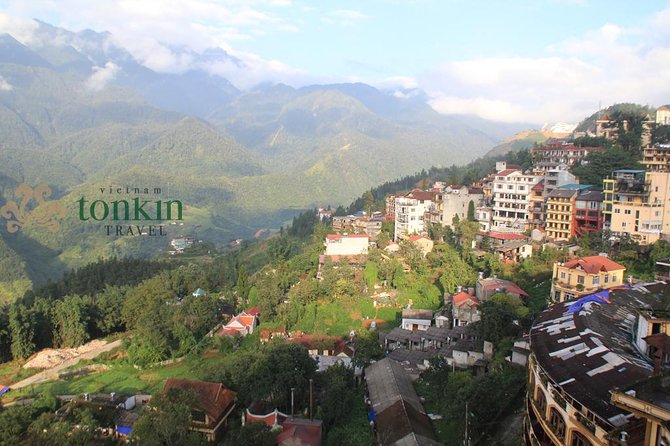
This tour is built around walking between communities, not just sightseeing at the edges of Sapa. You start in town and gradually step into rural valleys where daily life is the main event—rice terraces, farm paths, market routines, and family hospitality.
The big win is that your days are structured so you’re not constantly waiting. You hike, eat, and then connect with the family who hosts you that night. I also like that the group stays small (up to 15), which makes it easier to ask questions and actually hear the answers instead of shouting over a crowd.
The only practical downside is that homestays are basic. You’ll have sharing bathrooms and simple rooms, so you should treat this as a cultural exchange stay first, comfort stay second.
Meeting Point and Timing: What to Expect on the First Afternoon
You’ll meet at Delta Sapa Hotel (031 Ng. Cầu Mây, Sa Pa). Pickup from hotels or the bus station happens around noon, and the main start time listed is 1:00 pm, followed by hotel pickup and an easy lunch break.
This timing matters. Starting in the early afternoon lets you get your first village walk done with daylight, while still leaving enough time to settle before dinner and a homestay night. If you’re the type who hates rushed check-ins, this schedule is a relief.
One more small tip: keep your day-one energy for the first stretch after lunch. If you overstuff yourself right before the walking portion, you’ll feel it later on uneven trail.
Day 1: Y Linh Ho Terraces to Lao Chai Breaks, Then a Giay Homestay at Ta Van
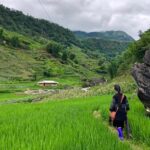
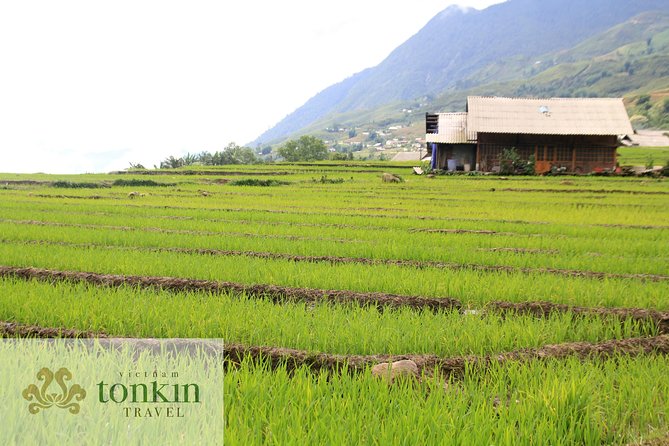
Day one flows downhill from Sapa toward village farmland. After lunch at the hotel, you set out around 2:30 pm for Y Linh Ho, home to the Hmong minority. The walk is centered on classic Sapa scenery—hereditary rice terraces estimated around 100 years old—with great photo angles when the light hits the slopes just right.
Next you continue toward Lao Chai. This is where the walking becomes more than scenic: you get a short break in Lao Chai to enjoy drinks and take in the views. That pause is useful. It gives you time to recover your breathing, swap camera tips with the group, and ask your guide what you’re seeing on the hillside.
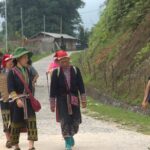
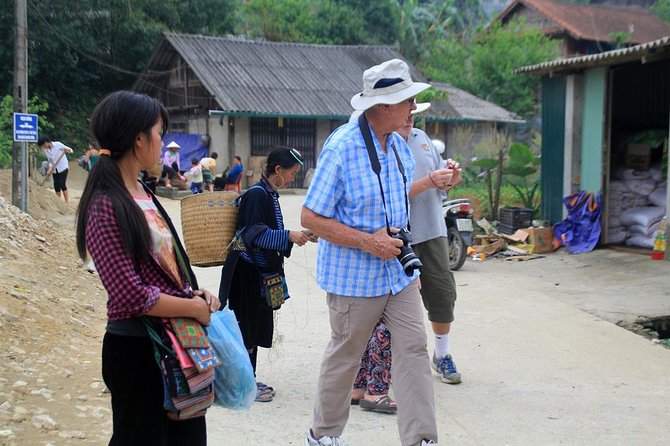
Then comes Ta Van, described as a Hmong and Giay village. You’ll be welcomed by a Giay family, and the rest of the day turns into the homestay experience—dinner with the family, and even cooking time. This is one of the tour’s most praised elements because it shifts you from observer to participant.
What to watch for on day one: the trail can be slow and step-based, not one long straight line. If you’re carrying a small daypack, keep it light so you’re not fighting your own gear on the descent.
Day 2: Bamboo, Silk Waterfall Scenery, and Tay Hospitality in Ban Ho
Day two is the long one—plan for a full day out on the trails. You’ll wake naturally (rooster and pigs are part of the vibe), then start with breakfast that can include pancakes and hot tea or hot coffee outdoors, with terrace views in the background.
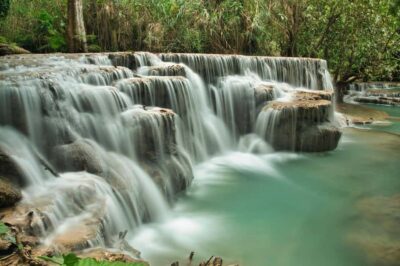
After breakfast, you leave the first homestay and trek through a bamboo forest and toward an area described as the silk waterfall. The route here is about shifting scenery day-to-day, not just repeating the same terrace viewpoints. When mist or low clouds roll in, the forest sections can look dramatic and a bit softer around the edges.
Midday you stop for a picnic lunch with scenic views. That matters because it keeps the rhythm steady. Instead of one rushed meal, you get a proper break before continuing.
Then you hike on to Ban Ho, where you’ll receive a welcome from the Tay minority and spend the second night at a Ban Ho homestay. Like day one, dinner with the local family is included, and this is the point where the trip becomes less about the clock and more about relationships—learning names, learning routines, and sharing conversation even when your Vietnamese is limited.
The main consideration on day two: pacing. Don’t race to prove anything. If you keep a steady effort, you’ll feel better on the later portions of the hike and enjoy the waterfall-forest scenery instead of just surviving it.
Day 3: River Walk to Nam Toong (Red Dao) and a Cooling Stop Near Lavie Waterfall
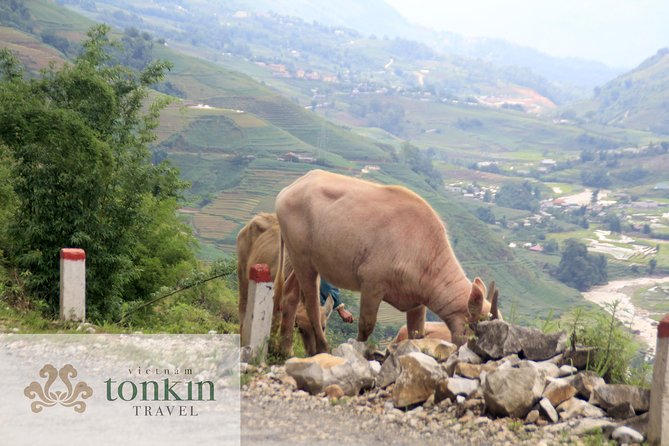
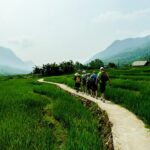
Day three starts with breakfast back at the Ban Ho homestay, then a walk along the river. This portion is less about steep descents and more about taking in the valley energy—water sounds, village edges, and the sense that life here is tied to the landscape.
From the river walk, you’ll head to Nam Toong, home to the Red Dao minority. Expect more village context than a quick pass-through. After that, you walk back toward Ban Ho and have time to cool off with a dip in fresh water near Lavie waterfall.
That short water break is more than a fun moment. It helps reset your body before lunch and the return to town. By the time you’re back, you’ll have earned a slower pace.
After lunch at the homestay, you travel back to Sapa by car around 2:00 pm. You’ll also get the practical bonus of a shower at your hotel, then a shuttle at 3:00 pm to the bus office for your trip back to Hanoi. They also prepare sandwiches to take away, which is a nice touch when you don’t want to hunt for food immediately after the hike.
Price and Value: How $110 Works When Most Costs Are Already Covered
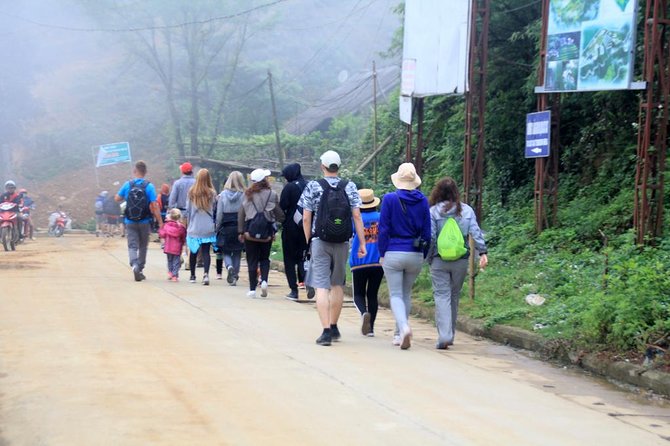
At $110 per person, the value comes from what’s included, not from fancy add-ons. You’re getting:
- 2 nights of homestay accommodation in basic shared-room conditions
- All meals: 2 breakfasts, 3 lunches, 2 dinners
- English-speaking guide plus trekking and sightseeing fees
- Air-conditioned vehicle support during transfers
- Pickup offered from Sapa hotels or the bus station
- Mobile ticket included
What’s not included is straightforward: beverages and drinks. So if you love bottled water, soft drinks, or juices, budget for that separately.
One seasonal note: there’s a $50 per person surcharge on Lunar New Year holidays on the listed dates in 2026. If your trip overlaps those days, check the total cost before you fall in love with the idea.
If you’re comparing against DIY trekking, the biggest value is not just convenience. It’s the guide plus the homestay connections. In rural areas, knowing the route and arranging family stays is the hard part. Paying for that makes your trip smoother and often more respectful.
Guides, Group Size, and the Human Side of the Trek
This tour runs with a maximum of 15 travelers, which keeps the experience from feeling like a conveyor belt. A smaller group also helps with conversation during breaks and makes it easier for the guide to adapt when someone needs a slower pace.
The guide factor is a big deal here. Multiple guides are praised in provided feedback for combining clear English with cultural explanations and good humor. Names that come up include Ha, Tran, Jack, Dem, Dinh, Lu, and Hung. That doesn’t guarantee your exact guide, but it tells you the guides are often chosen for communication, not just route-leading.
I also appreciate that the itinerary repeatedly creates space for questions: terrace history, village life, what you’re seeing on the trail, and why certain places matter to the families. When a guide explains that stuff well, the scenery lands harder because you understand what you’re looking at.
Comfort, Fitness, and Packing Tips That Keep You Happy
Let’s be honest: you’re hiking. The day lengths are listed as about 7 hours on day one, around 15 hours on day two, and about 8 hours on day three. That second day is the marathon of the trip, so plan for steady effort and frequent hydration.
What helps most:
- Wear sturdy shoes with grip for uneven paths
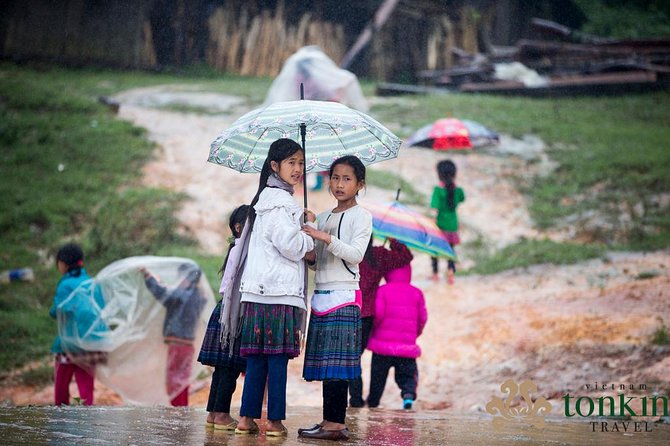
- Bring a light rain layer (weather can change quickly in the mountains)
- Pack a small daypack so you can keep essentials close
- Expect homestay conditions to be basic: simple rooms, sharing bathrooms, and fewer creature comforts than a city hotel
The trip also notes that it requires good weather. If conditions are poor, the operator should offer a different date or a full refund. That’s the right way to handle a trekking tour—no one benefits from hiking when visibility and footing are unsafe.
If you’re sensitive about cleanliness, you’ll want to bring your own basic toiletries and consider a thin sleep layer. That’s not a guarantee of issues, just sensible travel prep for shared, rural accommodation.
Should You Book It: Who It Suits Best (and Who Might Want Another Option)
Book this tour if you want:
- Real village contact through homestays and family meals
- A route that highlights multiple ethnic communities across rice terraces, bamboo, waterfalls, and rivers
- A small-group trek where your guide’s explanations matter
- Meals and trekking costs handled so you can focus on the experience
Skip it (or look for an easier alternative) if:
- You’re mainly after luxury comfort and private bathrooms
- You’re not comfortable with long hiking days, especially the longer second day
- You’re expecting frequent city-style amenities during the trek
My practical call: if you’re the type who enjoys slow conversations after a long walk, this is a very good match for Sapa. The price is solid because meals, transfers, fees, and two homestay nights are already baked in—and the route spends time where you actually want to be: with people, not just near them.
FAQ
What does the $110 price include?
The tour includes an English-speaking guide, entrance and sightseeing fees, the trekking trip, air-conditioned vehicle transfers, 2 nights of accommodation in local houses/basic rooms with sharing bathroom, and meals (2 breakfasts, 3 lunches, and 2 dinners).
Where do we start, and what time is the tour scheduled?
You meet at Delta Sapa Hotel (031 Ng. Cầu Mây, TT. Sa Pa, Sa Pa, Lào Cai, Vietnam). Pickup from hotels or the bus station is around noon time, and the listed start time is 1:00 pm.
How long is the hiking each day?
Day 1 is about 7 hours, Day 2 is about 15 hours, and Day 3 is about 8 hours. The trek is a multi-day walking route through villages and scenic areas.
What kind of accommodation is provided during the homestays?
Accommodation is described as basic rooms/local houses with a sharing bathroom, for 2 nights total. You should expect simpler comfort compared to a hotel.
Are drinks included?
No. Beverages and drinks are not included, so you’ll need to pay for them separately.
Is there a holiday surcharge for Lunar New Year?
Yes. There is a surcharge of $50 per person on Lunar New Year holiday dates listed for Feb 14–23, 2026.