REVIEW · KALAW
3Days Less Touristic Way Trekking from Kalaw To Inle
Book on Viator →Operated by Rohit Kalaw Trekking · Bookable on Viator
Three days, fewer tourist steps. This Kalaw-to-Inle walk is built around two village homestays and a small 10-person group, so you spend time with people, not just passing through. I like that you also get a backpack transfer, meaning your hike feels more like walking than hauling.
You’ll also appreciate that the trip planning is mostly handled for you. Meals are included (breakfast, lunch, and dinner), and the schedule is paced so you’re not rushing between viewpoints. One thing to consider: the route depends on weather, and a rainy start can affect the rainforest section.
In This Review
- Key Things That Make This Trek Work
- What This Trek Is Really About: People First, Not Photo Stops
- Homestay Nights: The Best Reason to Choose This Over a Big Tour
- The Walking Schedule: Kalaw to Inle, Step by Step
- Day 1: Kalaw and the Rain Forest Path (Weather Can Change It)
- Day 2: Vegetable Plantations, Village Views, and Monastery Time
- Day 3: The Long Walk to the Western Lake Jetty, Then the Boat to Your Hotel
- Included Support That Makes the Trek Feel Fair (Not Like a Test)
- Guides Matter: Why Rohit (and Others) Get Mentioned So Often
- Boat Transfer to Inle: The Smooth Landing After a Walking Day
- What to Expect in Real Life: Pace, Terrain, and Comfort
- Value Check: Why $31 Can Be a Smart Deal Here
- Who This Trek Suits Best (And Who Might Want to Think Twice)
- Practical Tips Before You Go
- Should You Book This Kalaw to Inle Trek?
- FAQ
- What is the duration of the trek?
- Where does the tour start and what time do we depart?
- Is pickup offered?
- How big is the group?
- What kind of accommodation is included?
- Are meals included?
- How do you travel to Inle Lake at the end?
- What is not included in the price?
- What happens if the weather is bad?
Key Things That Make This Trek Work
- Two homestay nights with real village routines, not a scripted stop
- Backpack transfer so you can walk lighter (and not regret it at day’s end)
- Included meals that keep you from thinking about logistics all day
- A long but doable final descent (about 15–16 km and roughly 4 hours on Day 3)
- Comfortable finish with a boat ride to your Inle Lake hotel
What This Trek Is Really About: People First, Not Photo Stops
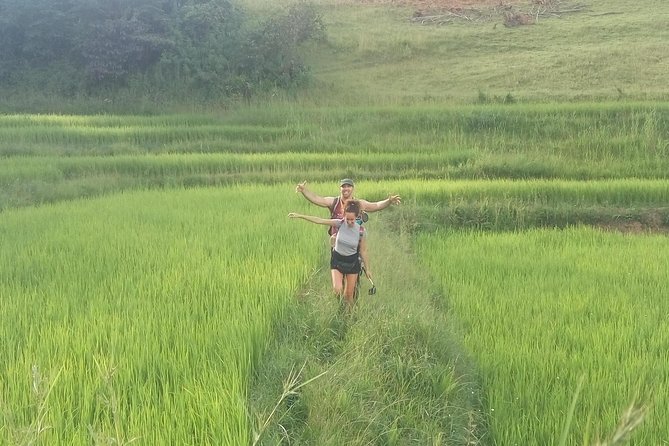
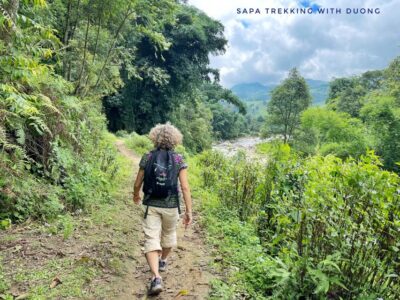
This is a trekking route that aims for normal life. You’ll walk through rolling farmland, tribal villages, and stretches of rain forest, then end up on Inle Lake with a boat ride to your hotel. The big difference is how the experience is set up: it’s not just about ticking off a trail. It’s about meeting people in their homes.
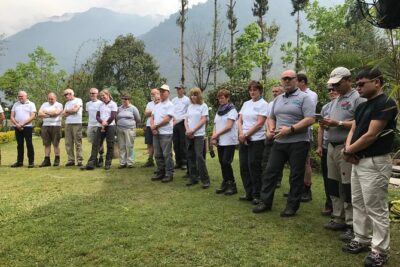
The small group size matters here. With a maximum of 10, you’re more likely to actually talk with your guide and the families you stay with. That’s where the trip becomes more than scenery. You’re learning routines, food, and local plant knowledge that you’d never pick up from a quick roadside encounter.
You can also read our reviews of more tours and experiences in Kalaw.

Homestay Nights: The Best Reason to Choose This Over a Big Tour
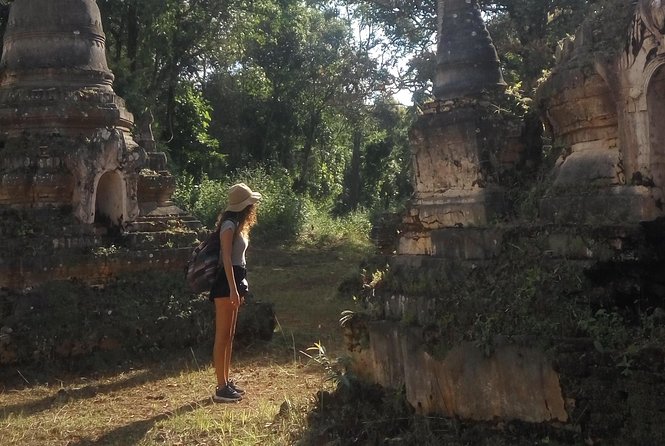
The homestays are the heart of the experience. You’ll sleep two nights in local settings, and that’s where the trek’s value really shows. It’s one of those travel moments that changes your pace: you stop thinking about miles and start noticing daily habits—how meals are prepared, how households function, and how neighbors interact.
In the feedback for this trek, guides like Rohit are repeatedly credited for making these exchanges feel natural. One standout theme is plant and seasoning knowledge, including medicinal uses. That kind of learning tends to happen when people slow down and ask questions, and the homestay format makes that easier.
There’s also a practical side. Staying locally cuts down on the feeling of “moving camp” all the time. Yes, you still hike. But the sleeping setup is handled in a way that keeps you part of the community for a night or two, instead of bouncing from one hotel to the next.
The Walking Schedule: Kalaw to Inle, Step by Step
The trek runs on a simple rhythm: morning departure, lunch along the way, then a slow drift toward the day’s end point. Starting time is 7:30 am, which is early enough to get daylight without feeling like you woke up in the dark on purpose.
Day 1: Kalaw and the Rain Forest Path (Weather Can Change It)
On Day 1, you start from your Kalaw hotel. Your walk includes a rainforest section, but there’s a clear heads-up: if it rains (or if rain showers roll in), the rainforest passage may not happen.
After that, you’ll pass through areas connected to local ethnic communities, including Hin kha gone (Palaung ethic people). You’ll also move toward Myin taik station and continue through Ywar pu. This is the kind of day where the trail feels varied—forest, then village edges, then farmland.
What I like about this day is how it introduces you to the region’s mix without forcing you into a marathon. It’s not just walking; it’s a gradual shift in what you see and who you talk to.
Day 2: Vegetable Plantations, Village Views, and Monastery Time
After breakfast, Day 2 leans into countryside life. You’ll see views of the area and different vegetable plantations, with the exact crops depending on season. Then you’ll pass spots like Lamine, Pinn nwe, and Khone Hla—with lunch along the route.
After lunch, you’ll continue to Hti Tain monastery. A monastery stop isn’t just a “look at the building” moment. It usually gives you a pause in the hike—time to sit, observe, and reset your legs before the final leg toward Inle.
If you’re the kind of person who gets tired when every day is just “walk, walk, walk,” Day 2 is built to break that up. It also tends to be where you notice the rhythm of village life most clearly.
Day 3: The Long Walk to the Western Lake Jetty, Then the Boat to Your Hotel
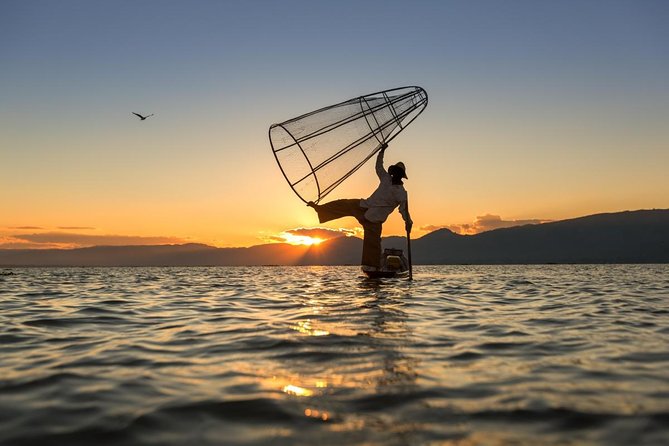
Day 3 is the long one. After breakfast, you pass through a village area and you’ll get views toward Inle Lake. Then you head down toward the western part of the Lake jetty boat station.
Here’s the key detail: the walk is about 15–16 km, roughly 4 hours. That means you should treat this day like a steady hike day, not a casual stroll. Take it at a comfortable pace and use breaks when your guide offers them.
After lunch at the jetty area, you take the boat trip to your Inle Lake hotel. That boat ride is a satisfying finish because you’re ending the hike with water, views, and a change of pace. After three days of footsteps, the glide feels like a reward.
Included Support That Makes the Trek Feel Fair (Not Like a Test)
At $31 for about 3 days, this trek is priced to feel accessible. The key isn’t just the number. It’s how much gets handled for you, so your time goes into walking and meeting people—not managing every small detail.
Here’s what’s included, based on the tour information:
- Backpack transfer (so you don’t carry heavy loads)
- Homestays for the two nights
- Water
- Meals: 3 breakfasts, 3 lunches, and 2 dinners
- Boat transfer to your hotel at Inle Lake
The backpack transfer is a big deal. If you’ve trekked before, you know the difference between carrying your bag and carrying only what you need for the day. With this setup, you’re less likely to arrive cranky, sore, or slow on the last day.
Meals included also reduce decision fatigue. Food is already planned, and you’re less likely to feel stuck searching for something safe and predictable during a hike day. And yes, in the feedback for this trek, the food gets praised as a real highlight—one reason people call it a must-do.
Guides Matter: Why Rohit (and Others) Get Mentioned So Often
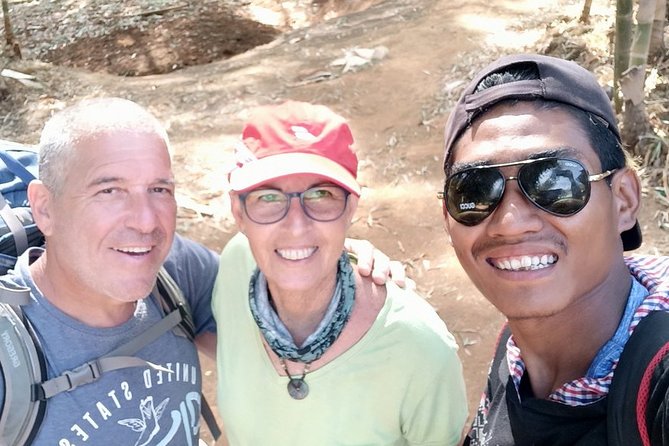
A trekking route is only as good as the person shaping your pace and your conversations. The guide’s role shows up again and again: stopping for the right moments, keeping you safe, and making time for questions with villagers.
Rohit is mentioned in multiple comments for being friendly, knowledgeable, and good at talking with locals. One guide-related detail that sticks: he points out plants used for seasoning and medicinal purposes. That’s exactly the kind of “small learning moment” that makes a hike feel meaningful.
Another guide name you may encounter is Min Min, who’s described as attentive and able to interact comfortably in the villages. So while the route is consistent in structure, your guide can make the experience feel more personal—especially if you’re the type who likes to ask why people do things a certain way.
Boat Transfer to Inle: The Smooth Landing After a Walking Day
Most people remember the first hike day or the homestays. But the boat transfer is what closes the loop. After the last stretch on Day 3, you get a ride to your Inle Lake hotel, which helps the ending feel complete rather than abrupt.
This matters because Inle Lake hotels can be spread out along the shore. A boat transfer makes the arrival simpler than trying to coordinate transport on your own. Even better, the boat time gives you a chance to take in the lake without needing to immediately plan your next move.
What to Expect in Real Life: Pace, Terrain, and Comfort
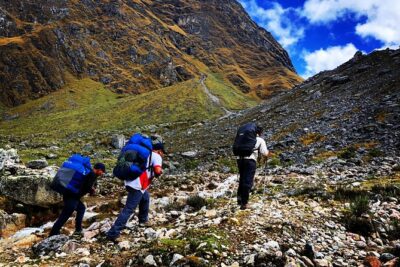
This is walking through farmland, villages, and forest edges. Some days will feel easier than others, but you should expect uneven paths. Day 3 is specifically longer—about 15–16 km—so treat that as your fitness anchor.
Because the rainforest section depends on weather, there’s a built-in uncertainty. If you’re hiking in the rainy season, you’ll want to pack smart, especially for wet trail conditions. The tour information is honest about weather dependency, and that honesty matters.
Also, note that the experience says most travelers can participate. That doesn’t mean it’s a “no effort required” day. It means the operator expects a normal range of abilities can handle it with the provided pacing and support.
Value Check: Why $31 Can Be a Smart Deal Here
At first glance, $31 sounds low for a 3-day tour with homestays and meals. The value comes from what’s included and how it’s delivered.
You’re paying for:
- two nights of homestay lodging
- a guided trek
- daily meals (not just breakfast)
- a backpack transfer that saves your energy
- a boat transfer to your hotel at Inle Lake
If you compare that to many trekking experiences where meals and local logistics cost extra, this one looks like it’s built for travelers who want to spend less money on overhead and more on the actual route and people.
One caution: the tour information says all fees and taxes aren’t included. That could mean small extras depending on what local fees apply during your dates. It’s not likely to change the trip’s core value, but it’s worth keeping in mind.
Who This Trek Suits Best (And Who Might Want to Think Twice)
This is a great fit if you want:
- small group travel (max 10)
- real village time via two homestays
- a guided route that includes meals and transport support
- learning opportunities from a guide who talks with locals and knows plant uses
It may be less ideal if you:
- need rain-raid certainty and can’t handle route changes if it rains
- prefer shorter daily distances (Day 3 is around 15–16 km)
- want strictly modern comfort with zero uncertainty (homestays are local by design)
Practical Tips Before You Go
Pack for a hike day, but also remember you’re sleeping in local homes. Bring a day bag for essentials and let the backpack transfer handle the heavier load. If you’re prone to blisters, treat your feet well early—Day 3 is long enough that small issues become big problems.
Also plan your expectations around the pace: this is not a “run the trail” tour. The guide is there to keep things safe and enjoyable, with breaks and room for conversation.
Finally, come with curiosity. When guides like Rohit are praised for talking to villagers and showing plants, it’s usually because the group encourages questions and respectful interaction.
Should You Book This Kalaw to Inle Trek?
If you want the classic Myanmar trekking feel—villages, farmland, forest edges, and a lake finish—this is a strong choice. The biggest reasons are the two homestay nights, the backpack transfer, and the fact that meals are handled for you. That combo makes the trek feel doable and genuinely local.
I’d book it if you like small groups and you’re comfortable with the reality that weather can change the day’s trail details. I’d skip it only if you’re chasing a perfectly predictable route every day or you really dislike longer walking distances, especially on Day 3.
FAQ
What is the duration of the trek?
The trek lasts about 3 days.
Where does the tour start and what time do we depart?
The tour starts in Kalaw, with a start time of 7:30 am.
Is pickup offered?
Yes, the experience includes pickup offered.
How big is the group?
The tour has a maximum group size of 10 travelers, which helps keep it more personal.
What kind of accommodation is included?
You’ll stay in homestays for two nightly stays during the trek.
Are meals included?
Yes. The package includes breakfast (3), lunch (3), dinner (2), plus water.
How do you travel to Inle Lake at the end?
After the walking portion on Day 3 and lunch, you take a boat trip to your Inle Lake hotel.
What is not included in the price?
The tour lists all fees and taxes as not included.
What happens if the weather is bad?
The experience requires good weather. If it’s canceled due to poor weather, you’ll be offered a different date or a full refund.