REVIEW · KALAW
Hello, who like to make fantastic trek with the most experienced guide in Kalaw.
Book on Viator →Operated by Excellent Trekking · Bookable on Viator
The morning starts early, and it quickly feels real. This Kalaw-to-Inle trek takes you through hill-tribe country—quiet villages, vegetable and flower gardens, and rice fields—guided by people who know the region well.
What I like most is the way you move off the usual track, with stops that help you understand daily life and local farming. I also love the trail variety: you can be among pine forest, then rainforest, then out in wide rice-field scenery with plenty of up-and-down walking.
One consideration: it’s not a lazy stroll. Expect a steady pace, and in dry season it can be around 20 km per day, so wear good shoes and be honest about your stamina.
In This Review
- Key things to know before you go
- Why the Kalaw-to-Inle hill-tribe trek feels different
- Morning at 6:00 am: how the first hours set the tone
- Villages, gardens, and rice plantations: seeing daily life up close
- Pine forest, rainforest trails, and the up-and-down rhythm
- The guide experience: why Johnny/Jo changes everything
- Pace and difficulty: what fits you best
- Beyond the trek: a smart sunset tip for the Inle days
- Price and logistics: value at $15.39 per person
- Who should book this Kalaw trek (and who should skip it)
- Should you book this trek?
- FAQ
- What time does the trek start?
- How much does it cost?
- How long is the trek?
- Is this tour private?
- Is pickup included and will I get a ticket on my phone?
- How strenuous is the walking?
- What is the cancellation policy?
- What happens if the minimum number of travelers isn’t met?
Key things to know before you go
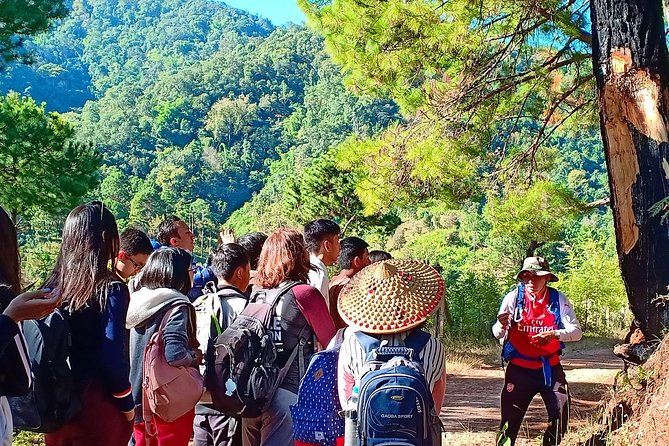
- Start at 6:00 am, so plan an early night and keep your day light on heavy drinking
- Private tour means only your group goes, so the guide can adjust pace and stops
- Hill-tribe villages + farming scenes are the core of the experience, not just photos from a viewpoint
- Mixed forests and rice fields keep the walk interesting from start to finish
- English support from guides like Johnny/Jo makes conversations with locals easier
- Average difficulty, sustained walking, especially in dry season
Why the Kalaw-to-Inle hill-tribe trek feels different
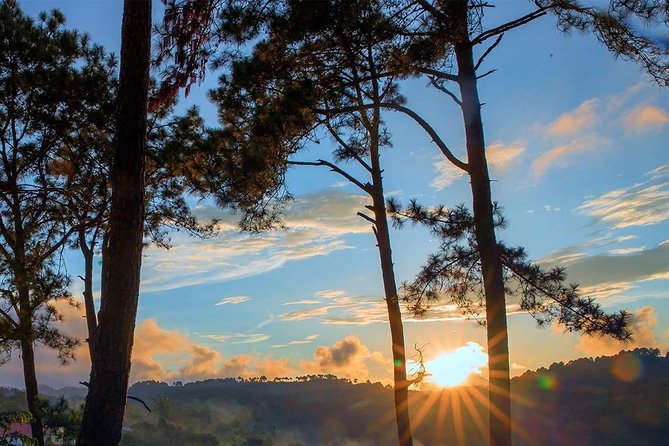
Kalaw is a great base for trekking, but this route sells something more specific than just distance. You’re walking through countryside life—the kind built on vegetables, flowers, and rice work—while the forest and hills keep changing the feel of the day.
The vibe is quiet. You’re not constantly surrounded by big tour groups, and that matters. When you stop in villages, you get time to notice how people live: gardens, fields, daily routines, and the rhythm of work that repeats across seasons.
If you like nature, you’ll get that too. The trail includes pine forest and rainforest sections, plus stretches across rice fields where the scenery opens up and the air tends to cool at higher points.
You can also read our reviews of more tours and experiences in Kalaw.
Morning at 6:00 am: how the first hours set the tone
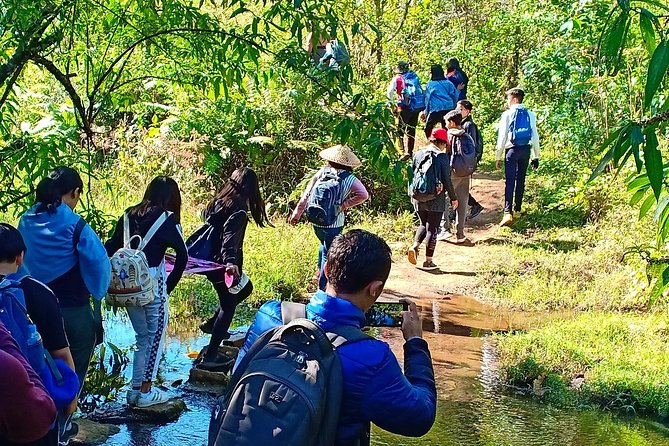
Your start is early—6:00 am—which is exactly what trekking country needs. In the morning you tend to get steadier trail conditions and cooler temperatures, especially during the cooler months when a cold breeze can show up.
At the beginning, you’ll feel the day is already in motion. This isn’t the kind of walk where you can half-sleep and catch up later. Instead, you’ll settle into a rhythm: hike, pause, hike again, often with village stops along the way.
Pickup is available (and the meeting point is near public transportation). That helps if you don’t want to scramble with taxis right at dawn. Once you’re moving, the guide’s explanations kick in, and the route starts to make sense as more than “a path between two towns.”
Villages, gardens, and rice plantations: seeing daily life up close
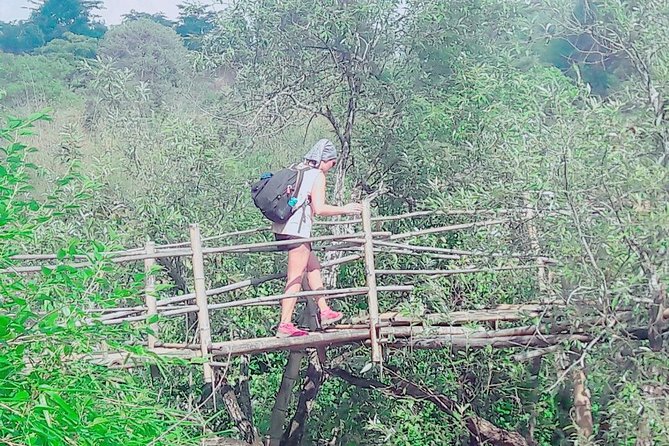
This trek’s heart is what you do when you stop. You’ll pass through many beautiful villages, and the day is shaped by glimpses of how people grow food and manage land in the hills.
You may see vegetable and flower growing around homes, along with work related to rice cultivation—often with trails that cut through fields rather than circling around them. Even when you’re just walking past, you’re watching agriculture happen up close, at a human pace.
One detail I’d keep in mind: this isn’t only about scenery. Guides like Johnny (and his role as Jo, including serving as guide and interpreter) are praised for explaining culture and agriculture in ways that help you connect what you’re seeing to the bigger picture of Myanmar life in these regions.
Also, this trek can feel social in the best way. You’re not just taking pictures in passing. You’re often walking far enough off the most predictable tourist routes that you get real exchanges with local people.
Pine forest, rainforest trails, and the up-and-down rhythm
The trail doesn’t stay in one mood. You can shift from shaded pine forest to wetter rainforest patches, then out toward open views over rice fields and valleys. That variety matters because it changes your body’s experience: shade helps, open stretches work different muscles, and the hills keep your attention.
The walking includes plenty of up and down. That’s great if you like a challenge and good views. It can be tiring if you’re used to flat days or you expect the trek to feel like a guided nature walk.
During dry season, one review mentions about 20 km per day with average difficulty, and that you’ll hike at a fairly steady pace. The good news is that an experienced guide will often stop frequently enough for you to catch your breath, take photos, and regroup.
And if you’ve got weather worries: this region changes with seasons. Even though the exact forecast isn’t part of the tour info here, you should treat the trek like a serious outdoor day. Bring layers and plan for temperature swings.
The guide experience: why Johnny/Jo changes everything
A trek lives or dies by the guide, and here the guide is a major selling point.
Several accounts highlight Johnny for deep regional knowledge and for going beyond a surface explanation. He takes you through village-and-field paths where you can exchange with locals away from the most tourist-heavy routes. He also breaks down how agriculture works and what people’s routines mean in a cultural context.
Another review describes Jo doing multiple roles—guide and even cooking support, plus acting as interpreter when needed. That matters in hill-tribe trekking because the most interesting moments often happen during conversation, not just while you’re hiking.
English communication seems solid too. One review specifically notes that Johnny speaks English very well, which is a huge advantage if you don’t know Myanmar languages. You’ll spend less time guessing what you’re looking at and more time understanding it.
If you’re the type of traveler who likes learning as you go, you’ll probably appreciate how the guide turns route details—plants, farming, village life—into something you can actually remember later.
Pace and difficulty: what fits you best
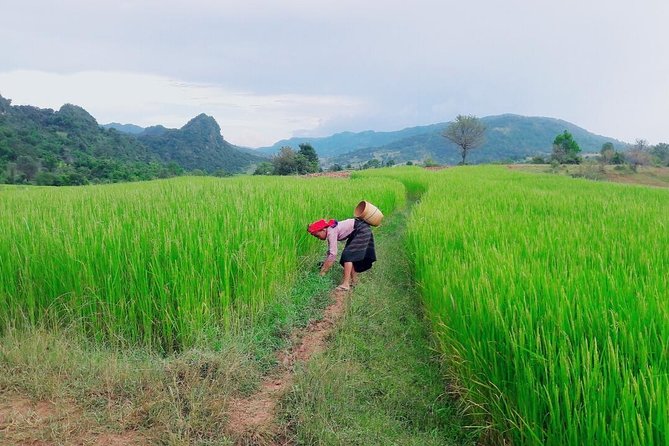
This trek is described as average difficulty, and dry-season walking can be around 20 km per day. That combination usually means you’ll be walking for hours, not just moving between occasional stops.
What you should consider:
- You want comfortable shoes that handle uneven ground
- You’ll benefit from basic fitness and stamina
- You should be okay with a steady pace, even if the guide pauses often
If you’re traveling with parents or mixed-experience group members, this route still might work, but you’ll want to be realistic. The guide can stop and adjust, but the terrain and distance still exist.
If you’re hoping for something very gentle—more like a long scenic stroll—this likely won’t match that expectation. It’s adventure and effort, with village moments built into the hike.
Beyond the trek: a smart sunset tip for the Inle days
One practical tip that comes up again and again in the Kalaw-to-Inle planning is the sunset viewpoint in the Inle area. The advice is simple: don’t rush away from the Kalaw/Inle region before you’ve made time for that sunset.
The viewpoint access is described as about a 30-minute drive up the mountain, and motorbike is mentioned as the easiest option for getting up and down (especially outside rainy conditions). Even if you don’t ride yourself, use that timing as your planning anchor so you’re not scrambling when you’re tired after trekking.
It’s also a good reminder: you’re not just choosing the trek. You’re building a small week of experiences around it. Adding one good sunset can make the whole trip feel more complete.
Price and logistics: value at $15.39 per person
The cost is $15.39 per person for a trek that runs about 2 days and 10 hours. For that price, you’re paying for guided hiking plus the real experience piece—village access, interpretation, and route knowledge.
This doesn’t mean everything is guaranteed to be included in the way a full-service package tour is. The info here confirms pickup offered and a mobile ticket, but it doesn’t spell out details like what meals are included. So I recommend you plan like you might pay for some extras during the day: water, small snacks, and practical items if you need them.
You’ll also want to count time wisely. Start at 6:00 am, expect a full two-day flow, and treat the trek as the main event. If you schedule other activities right after, you may feel it in your legs.
One more value note: this is a private tour/activity with only your group participating. That often means less waiting, fewer distractions, and a better chance of the guide matching pace to your group.
Who should book this Kalaw trek (and who should skip it)
Book it if you want more than photos. If you enjoy hill-tribe villages, agriculture-focused conversations, and varied forest-and-field trekking, this is a strong fit.
You’ll also like it if you appreciate a guide who can translate what you’re seeing into something understandable—especially with English support from guides like Johnny and Jo.
Consider skipping (or booking only if you know you’re up for it) if:
- You want a very relaxed walking pace
- You’re not comfortable with a long day starting at 6:00 am
- You dislike strenuous hiking when the route turns hilly and the distance adds up
If your idea of a perfect day includes learning by walking and getting out into the countryside, you’ll probably have a memorable trip.
Should you book this trek?
I think you should book if your priority is authentic countryside life around Kalaw—villages, rice fields, and forest trails—with an experienced guide who can explain the culture and agriculture as you go. The price is low enough that it feels like a real deal, and the private-group format keeps things comfortable.
Just be honest about the physical side. This is a real trek with sustained walking, so pack for it and set expectations accordingly. If you do that, you’ll come away with more than a route—you’ll come away with a clearer sense of how people live and work in the hills around Kalaw.
FAQ
What time does the trek start?
The start time is 6:00 am.
How much does it cost?
The price is $15.39 per person.
How long is the trek?
It’s about 2 days and 10 hours.
Is this tour private?
Yes. It’s a private tour/activity, and only your group will participate.
Is pickup included and will I get a ticket on my phone?
Pickup is offered, and you receive a mobile ticket.
How strenuous is the walking?
It’s described as average difficulty, and in dry season one review mentions about 20 km of walking per day with a sustained pace (though the guide stops often).
What is the cancellation policy?
It’s non-refundable and cannot be changed for any reason.
What happens if the minimum number of travelers isn’t met?
If it’s canceled because the minimum isn’t met, you’ll be offered a different date/experience or a full refund.