REVIEW · KATHMANDU
14 Days Luxury Annapurna Base Camp Trek
Book on Viator →Operated by Welcome Nepal Treks P.ltd · Bookable on Viator
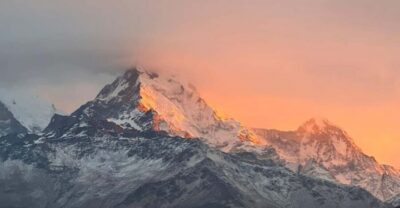
One look at Annapurna and you get hooked fast. This 14-day luxury Annapurna Base Camp trek pairs real trekking days with 5-star hotel time in Kathmandu and Pokhara, plus lodge stays that aim to feel comfortable at altitude. I especially like the early mountain-view days (Poon Hill is the classic sunrise angle here) and the way the trip is built around a steady, guided pace through villages and forests. The main consideration: you still have real altitude days and long hiking blocks, so luxury comfort does not erase the need for slow, careful walking.
The route also mixes big-picture scenery with human-scale moments—suspension bridges, rhododendron forests, and Gurung village life—so it doesn’t feel like a nonstop climb. If you want help smoothing out logistics, you’ll appreciate the included private transport, permits, and airport transfers by car. One more thing to weigh: you’ll be away from city meals, since lunch and dinner in Kathmandu and Pokhara are not included.
In the feedback I saw, people praised the care and follow-through of the team, including a named contact: Mr Hari. That matters on a trek, because it’s the small friction points—timing, organization, and comfort at the lodge—that make the difference.
In This Review
- Key points worth your attention
- Luxury Annapurna Base Camp: where comfort meets altitude reality
- Kathmandu to Pokhara: your 5-star landing pad before the trail
- From Phedi up to Dhampus: starting gently, then earning the views
- Dhampus to Landruk: forest walking and the long-way-up feeling
- Chhomrong: where mountain views and village life meet
- Chomro Khola bridges and rhododendron color: the trail starts getting wild
- Deurali: quiet walking and the sense of wilderness
- Annapurna Base Camp day: slow walking is the smart luxury
- Sunrise and Machhapuchhre Base Camp: the mountain-view shift
- Back down to Chhomrong: rest isn’t the same as stopping
- Ghandruk village and the Gurung culture stop
- Nayapul to Pokhara: the quiet relief of switching gears
- Back to Kathmandu: final meals, final stretch, final day free
- What the $2,666.67 price covers, and how it adds real value
- Who this luxury trek fits best (and who should reconsider)
- Should you book 14 Days Luxury Annapurna Base Camp Trek?
- FAQ
- Where does the tour start?
- How long is the trek?
- What’s included for transportation?
- Are hotel stays included?
- Are meals included during the trek?
- Do you get a guide and porter?
- Are permits and paperwork included?
- Is cancellation free?
Key points worth your attention
- 5-star hotel time in Kathmandu and Pokhara before and after the trek, so you land well and recover well.
- Sunrise and close-mountain viewpoints built into the schedule, including the famed Poon Hill sunrise angle.
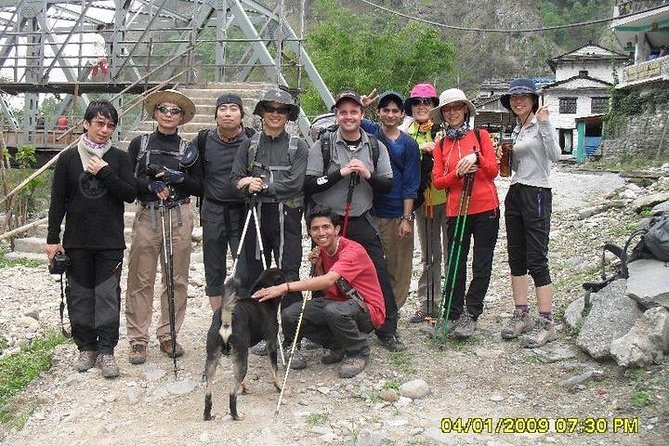
- Guide + porter support with a 1 porter for 2 people ratio, which helps keep the trekking days calmer.
- Luxury lodge/teahouse style during the trek, with your meals included while hiking.
- A route that changes character fast—from village trails to higher, quieter wilderness near Deurali and Base Camp.
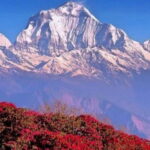
- Strong mountain-view payoff, including perspectives of Annapurna, Machhapuchhre, Dhaulagiri, and more from the Annapurna region.
Luxury Annapurna Base Camp: where comfort meets altitude reality
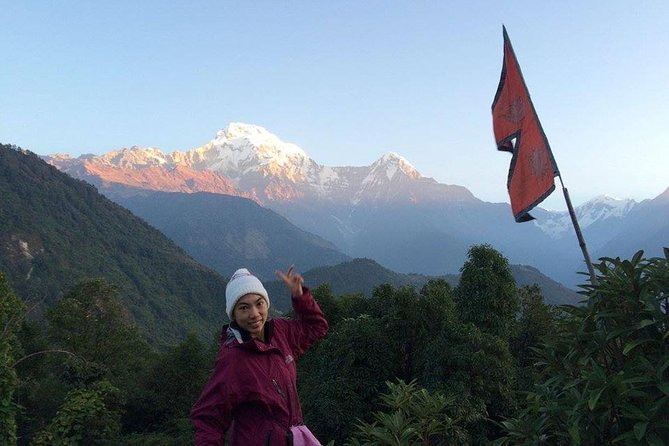
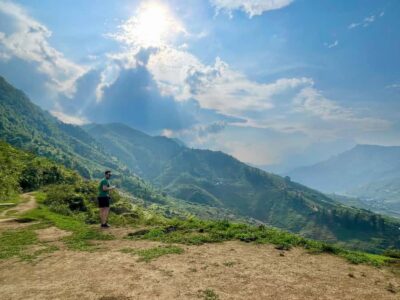
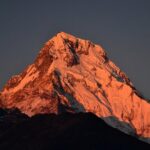
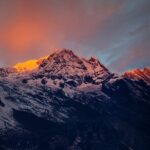
This is the Annapurna story most people imagine: green hills, small villages, big walls of snow, and sunrise color that looks too dramatic to be real. What makes this version different is the blend of comforts on both ends of the trek—5-star hotels in Kathmandu and Pokhara—and the promise of luxury-feeling lodge stays during the hiking days.
Still, let’s keep it honest. Even with “luxury” in the name, you’re hiking in mountain country. You’ll feel thinner air on the higher parts, and the long day blocks (often around 5–7 hours) will ask for steady pacing.
You can also read our reviews of more tours and experiences in Kathmandu.
Kathmandu to Pokhara: your 5-star landing pad before the trail
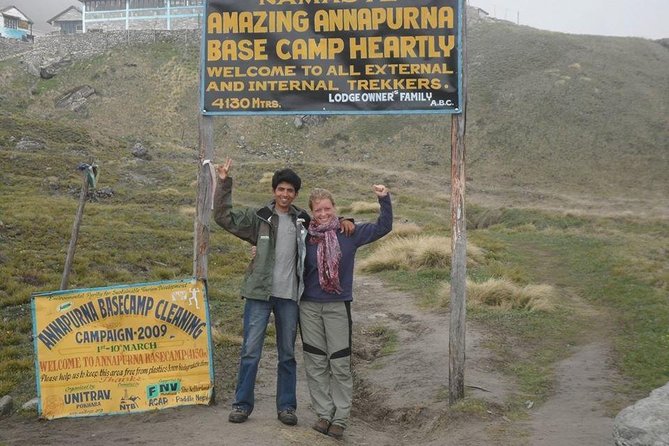
Day 1 is all about getting set up. You’re met at Tribhuvan Airport, transferred to a hotel, and given a brief about the trek after you refresh. This matters because the first day on these trips is when you either feel grounded—or scattered.
On Day 2 you move to Pokhara, by car or flight. Pokhara’s Lakeside area is the classic base for a reason: it’s relaxed, easy to reset your mind, and it’s close to the trekking start area. The trip includes deluxe 5-star accommodations in Kathmandu and Pokhara on the arrival side, so you’re not trying to recover on a creaky bed after travel.
Practical note: since major meals in Kathmandu and Pokhara are not included, you’ll likely use the included trekking meals to stay consistent. I like that split because it keeps your budget predictable and your energy steady before the hiking starts.
From Phedi up to Dhampus: starting gently, then earning the views
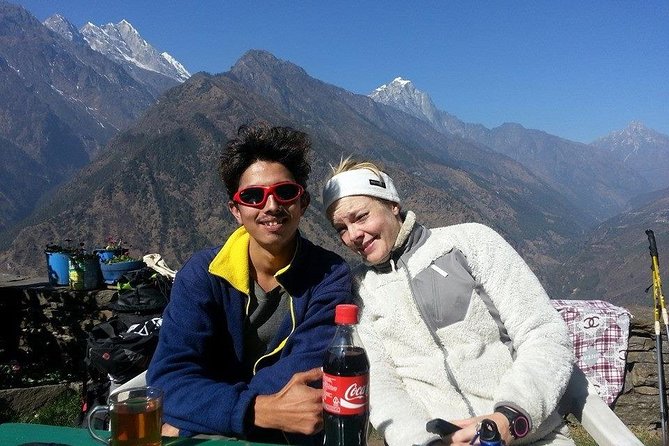
After a short drive to Phedi, the trek begins. Day 3 takes you from Phedi to Dhampus at about 1,600 m. It’s a “warm-up” kind of day, but don’t treat it like a stroll—the first day always sets the tone for how your legs and breathing respond.
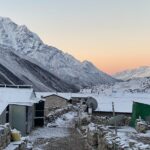
This segment is also about getting your footing on trail life. You’ll be in tea house territory, moving through the landscape at a pace where you can actually notice details. That’s where guided support helps: you’re not constantly guessing what comes next.
A drawback to consider here is mental: early days can feel easy, and it’s tempting to push pace. On Annapurna routes, the right approach is to walk a little conservatively from the start, not just when altitude shows up.
Dhampus to Landruk: forest walking and the long-way-up feeling
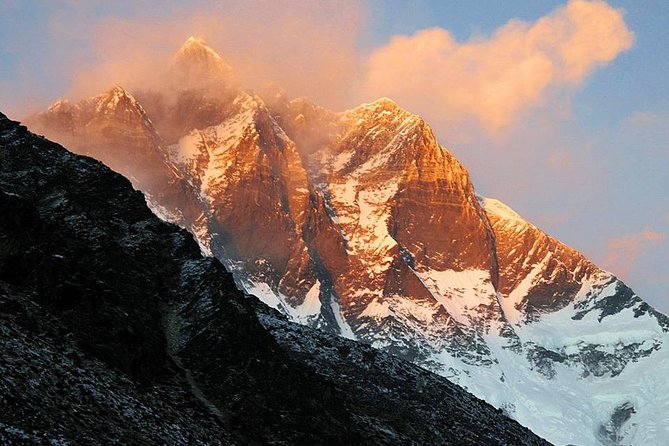
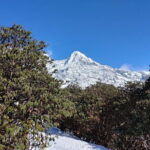
Day 4 climbs from Dhampus toward Deurali (around 2,100 m), then heads down toward Landruk. The route shifts into rain-forest jungle vibes, and the change in vegetation is one of the reasons many people fall for this region.
You’ll likely notice how the trail alternates between effort and scenery. The down to Landruk can be easier on your breathing but harder on your knees—so it’s smart to use controlled steps rather than speed.
Landruk itself is also about atmosphere. It’s not just a dot on a map; it’s a mountain village where the views start to feel closer, and you’ll get a sense of how daily life fits against the Himalayan backdrop.
Chhomrong: where mountain views and village life meet
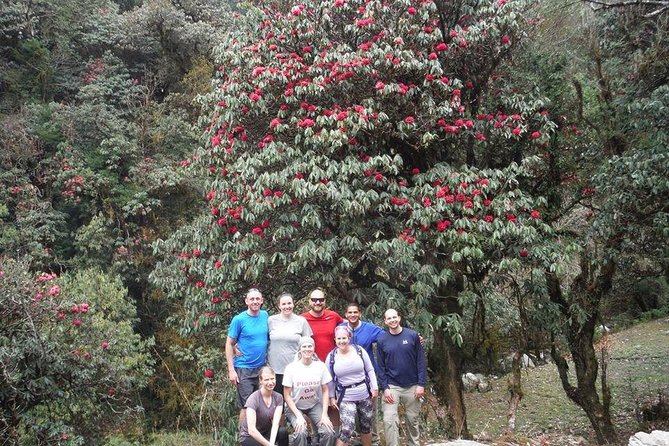
Day 5 continues the descent toward the Modi River, passes local villages and forests, and then goes uphill again toward Chhomrong. The schedule highlights Chhomrong as one of the best spots for mountain perspectives—think Annapurna South and nearby peaks like Hiunchuli and Fishtail in the broader mix.
This is one of those nights where you’ll want to time your evening right. If the weather is clear, the view can be stunning. If it isn’t, you still get a cozy village setting and a solid base for the next climb.
The only real downside is trail fatigue. By this point, you’ll have done multiple hike days in a row, and the climb after Jhinu Danda (about an hour uphill) can feel punchier than it sounds on paper.
Chomro Khola bridges and rhododendron color: the trail starts getting wild
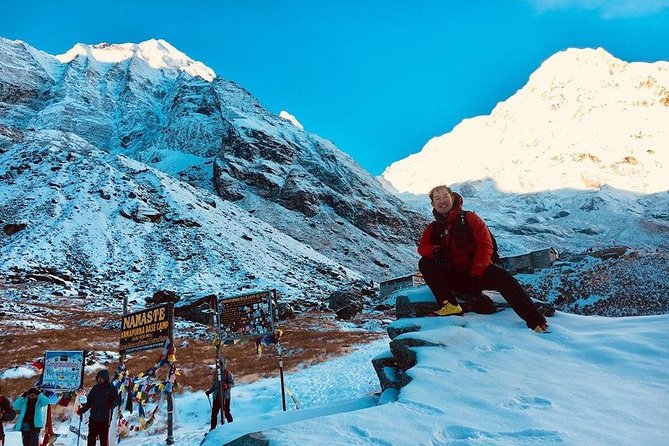
Day 6 is a day with a classic Annapurna element: descent to a suspension bridge over the Chomro Khola, then a climb through areas like Tilche, Bhanuwa, Sherpa Lodge, and onward to scattered lodges such as Sinuwa.
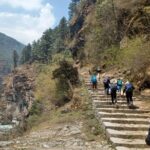
This day’s value is twofold. First, you get that “real trail” feeling—stone steps, river crossings, and forests that look different as you change altitude. Second, the schedule explicitly calls out panoramic views (including Fishtail from the back down the Modi Khola), which is exactly the kind of payoff you want on a trek day.
Another detail worth knowing: the route passes through mixed rhododendron forest, and it notes April as a colorful time. Even if you’re not hiking in April, expect seasonal variation—meaning the trail will feel fresh, not repetitive.
Deurali: quiet walking and the sense of wilderness
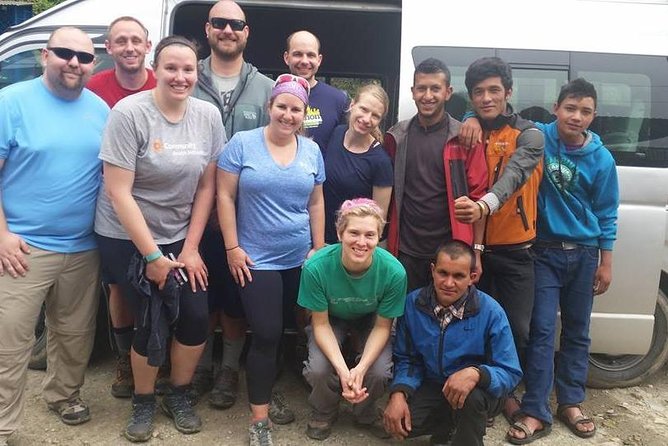
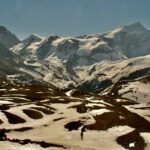
On Day 7, the trip leans into solitude. It notes that you won’t find permanent settlements along this trail and that it can feel like true wilderness if you walk quietly.
This is also where the “luxury trek” idea gets tested in a good way. Luxury is still there in terms of lodge comfort and organization, but the environment is more remote, so it’s less about amenities and more about the experience of being in mountain country.
The guide and slow pace also matter here. Higher walking can bring fatigue that feels like it comes out of nowhere, especially if you’ve been too fast earlier in the trek. This day is a reminder to keep breathing calm and steps steady.
Annapurna Base Camp day: slow walking is the smart luxury
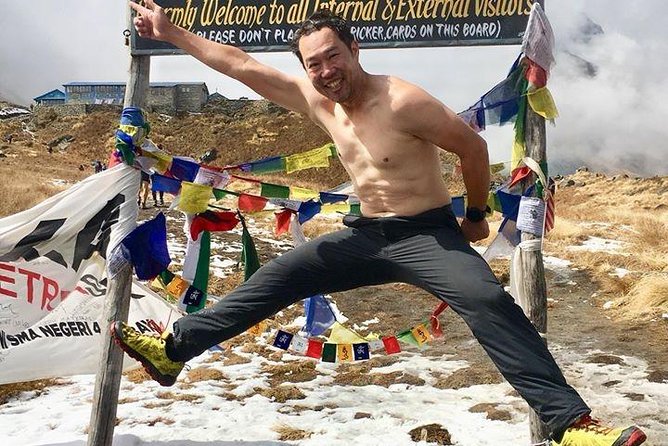
Day 8 is the big milestone: reaching Annapurna Base Camp. The plan is clear that altitude can bring oxygen shortage, so the advice is to walk slowly. That’s good trekking logic, not a suggestion to be ignored.
Your reward is a mix of close mountain views and waterfalls along the way. You’ll also be spending time at a local lodge after walking for about three hours from the trail approach, which gives you a chance to adjust and take in the Base Camp atmosphere without rushing.
One consideration: if you’re prone to altitude issues, don’t use “I’m fine” as your compass. Take it slow, speak up if you feel off, and use your guide’s pace as the default.
Sunrise and Machhapuchhre Base Camp: the mountain-view shift
Day 9 wakes you up early and takes you toward Machhapuchhare Base Camp. The purpose here is straightforward: sunrise and mountain views. Then you return to Dovan for a night in a local teahouse.
This day stands out because it changes the emotional tone. Base Camp days can feel like arrival and wonder. A pre-dawn hike to a viewpoint adds a sharper kind of excitement—cold air, slow breathing, and that moment when the sky starts to turn.
If clouds roll in, you might not get the exact dramatic sunrise look you hoped for. But even in less-than-perfect conditions, the morning rhythm and the chance to see Machhapuchhre’s presence nearby are usually worth it.
Back down to Chhomrong: rest isn’t the same as stopping
Day 10 moves you from Dovan back to Chhomrong. It’s about regrouping: breakfast first, then trek back over roughly a half-day block.
This is also where the practical side of luxury matters again. You’ve been on trail for days, and a comfortable lodge setup helps your recovery. Still, remember that “coming down” can be physically demanding on your legs even if your breathing feels easier.
If you’re tired, use the night to handle your gear, hydrate, and keep snacks and water simple. The better you manage small stuff, the easier the final weeks of trekking feel.
Ghandruk village and the Gurung culture stop
Day 11 heads toward Ghandruk. The route goes straight and slightly downhill, crosses the Kimrung Khola, then gradually goes up to a small village area before arriving at Ghandruk.
This is the cultural payoff day. Ghandruk is described as a Gurung settlement with strong cultural and natural richness, and it’s listed as a UNESCO World Heritage Site. There’s also mention of a cultural show in the evening on request.
This is where you shift from “mountain checkpoints” to “people and place.” Even if you’re primarily trekking for views, you’ll enjoy the sense that you’re moving through living communities—not just passing scenery.
Nayapul to Pokhara: the quiet relief of switching gears
Day 12 is a wind-down day. After walking through paddy fields and local settlement areas, you reach Nayapul and then drive to Pokhara. It’s about four hours walking, then transport.
The paddy fields and village sections are a different kind of scenery—less dramatic than the higher elevations but often more soothing. It’s the kind of transition where you can feel your body shifting from trekking mode to recovery mode.
Then you spend the night in a deluxe 5-star hotel again. This is a real value piece of the itinerary: after days of basic trail comforts, a proper hotel bed and shower time can feel like part of the trip’s success.
Back to Kathmandu: final meals, final stretch, final day free
Day 13 returns you to Kathmandu by drive or flight. Day 14 gives you free time in Kathmandu after breakfast—shopping and rest—and a drop to the airport by private car.
Since meals in Kathmandu are not included beyond breakfast on the trek plan, you’ll likely use this final day to eat what you want. I like keeping the last day flexible, especially after a trek where your appetite changes day to day.
What the $2,666.67 price covers, and how it adds real value
Let’s talk about money without the sales pitch. At $2,666.67 per person, this trek isn’t trying to be the cheapest way to do Annapurna Base Camp. It’s selling convenience and comfort layers that matter.
Here’s what you’re getting for the cost, based on the included details:
- Deluxe 5-star hotels in Kathmandu and Pokhara (arrival and post-trek sides), plus two nights deluxe accommodation in Pokhara.
- Private airport pickup/drop-offs by car/van/bus.
- Meals during the trek (breakfast, lunch, dinner as listed for multiple trekking days).
- Permits and paper work including conservation entry permits.
- A guide and porters (1 porter for 2 people), with salary, food, drinks, accommodation, transportation, and insurance covered.
- Luxury accommodations in lodges/tea houses during the trek and the option of a duffel bag if needed.
So where’s the value for you? If you hate logistical stress—figuring out permits, meal planning, and daily trekking coordination—this reduces the number of decisions you must make. If you want a trek that still feels civilized when you’re not hiking, the 5-star sides in Kathmandu and Pokhara can genuinely improve your recovery.
The “consideration” side is that you’re paying for comfort that won’t remove the physical demands. If your priority is to minimize cost, a budget version will usually beat this one. If your priority is to enjoy the journey without constant friction, the pricing makes more sense.
Who this luxury trek fits best (and who should reconsider)
This trek fits best if:
- you want Annapurna Base Camp without giving up hotel comfort at the start and end,
- you prefer a guided plan with permits handled,
- you like the idea of sunrise and close mountain viewpoints as scheduled highlights,
- you’re traveling with a group (it’s private, so it’s tailored to your group).
You might reconsider if:
- you’re expecting all trekking days to be easy. Some days are around 6 hours, and higher altitude days require slow pacing,
- you want meals fully included in cities. The plan specifies major city meals are not included,
- you don’t want to plan for personal costs like water, tea/coffee, snacks, and shower items while on the trail.
Should you book 14 Days Luxury Annapurna Base Camp Trek?
If you want Annapurna Base Camp with a comfort-first structure, I think this is a smart way to do it. The combination of 5-star hotels, guided support, and included trekking meals takes away several big sources of stress, while the route still gives you the real mountain payoff: sunrise viewpoints, village scenes, suspension bridge moments, and close-range mountain perspectives.
My final advice: confirm what “luxury” means in the lodges for your travel dates, and if Tilicho Lake is a must-have for you, ask the operator directly since at least one piece of feedback highlighted it as life changing. If that checks out, book this for the kind of trek where the mountains do the talking and your logistics don’t interrupt.
FAQ
Where does the tour start?
The meeting point is Tribhuvan Airport in Kathmandu, Nepal, with a start time of 9:15 am.
How long is the trek?
The duration is 14 days (approximately).
What’s included for transportation?
You get airport pickup and drop-off by private car/van/bus. Ground transportation is also included from Kathmandu to Pokhara and back, either by car or flight.
Are hotel stays included?
Yes. Deluxe 5-star accommodation is included in Kathmandu on the arrival day and after the trekking, and in Pokhara on the arrival side and after the trek (including two nights deluxe accommodation in Pokhara).
Are meals included during the trek?
Yes. Standard meals during the trekking include breakfast, lunch, and dinner.
Do you get a guide and porter?
Yes. An experienced guide is included, and porters are included with a ratio of 1 porter for 2 people.
Are permits and paperwork included?
Yes. All necessary paper works and conservation entry permits are included.
Is cancellation free?
You can cancel up to 24 hours in advance for a full refund.