REVIEW · KATHMANDU
Upper Mustang Tiji Festival Trek 2024 – 18 Days
Book on Viator →Operated by Himalayan Excursion Nepal · Bookable on Viator
Lo-Manthang’s Tiji festival makes this trek special. You’re not just hiking dry Mustang valleys; you’re timing your days for monks’ ritual dance performances and arriving in Lo-Manthang’s walled city when the spiritual energy is at its highest. The mix of high passes, old gompas, and the festival itself is what makes this feel like a once-in-a-lifetime route, not a standard trekking loop.
What I especially like is how the plan front-loads the easier travel days, then builds toward the festival and the historic sights in Lo-Manthang. One possible drawback: this is not a gentle stroll. You should expect altitude effort and a moderate fitness level, plus some days with windy, dusty conditions, so go in with real hiking legs and good layers.
In This Review
- Why the Tiji Festival in Lo-Manthang Changes Everything
- Price and What You Get for $2,500
- Day 1 to 3: Kathmandu Basics, Then Pokhara
- Pokhara to Kagbeni: The Mustang Transition Begins
- Up Toward Lo-Manthang: Passes, Valleys, and Old Gompas
- Day 5 to 7: Tsaile, Tangbe, and the climb into the dry country
- Day 8 to 11: The arrival and three festival days
- The Return Route: Dhakmar Back, Dust Management, and Chhuksang
- From Muktinath to Jomsom: A Sacred Finish and a Walking Day
- Who This Trek Fits Best (and Who Should Think Twice)
- Practical Tips That Will Help You Enjoy It More
- Should You Book Upper Mustang Tiji Festival Trek 2024?
- FAQ
- Where does the tour start?
- How long is the trek?
- What is the cost per person?
- Is airport pickup included?
- Are Upper Mustang restricted-area permits included?
- Are flights included?
- What meals are included?
- Do I need a certain fitness level?
- What is the cancellation policy for a full refund?
Why the Tiji Festival in Lo-Manthang Changes Everything
Upper Mustang is a place with rules, not just scenery. Access to the region depends on the Upper Mustang restricted area permit, and that matters because it’s what lets you reach Lo-Manthang and spend time where old monasteries and traditions still shape daily life.
Now add Tiji, a three-day festival tied to monks, ritual dances, and religious storytelling. The festival is held in Lo-Manthang in front of Choedhe monastery, with dances tied to Dorje Jono and his battle against his demon father to protect the kingdom. That storyline is one thing, but the real value for you is the atmosphere: you’ll be in the right place at the right time, so your trek isn’t only about views. It becomes about witnessing something living.
This is also where the timing and pacing pay off. You reach Lo-Manthang, then you get festival days built into your schedule—so you’re not rushing through the walled city like it’s a quick stop. Instead, you can absorb the sounds, the rhythm of ceremonies, and the way people move through their normal routines alongside special events.
Price and What You Get for $2,500
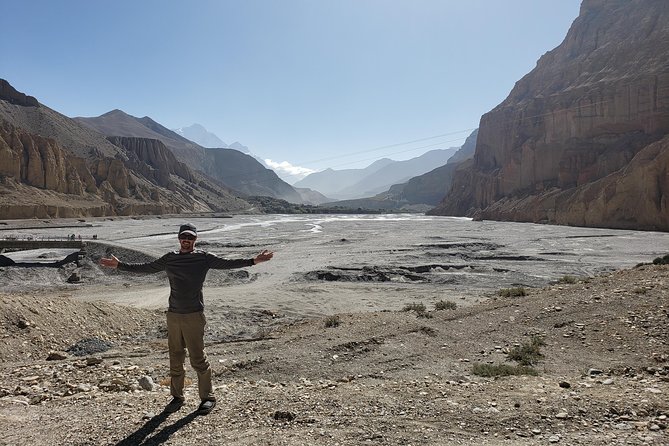
At $2,500 per person for about 18 days, you’re paying for a long, structured route plus the logistics that make Upper Mustang possible. The key value pieces included here are the restricted area permit fee, most meals during the trek, and multiple flights that cut out long, slow travel segments.
Here’s what you should think about when judging value:
- Permits + access matter. Without the restricted area authorization, Lo-Manthang isn’t realistically reachable the same way. That’s a big chunk of the cost logic.
- Flights reduce friction. You fly Kathmandu to Pokhara, then Pokhara to Jomsom, and later do the return flight legs. For many people, that turns a potentially exhausting overland slog into a more workable trek.
- Meals during the trek are covered. Breakfast, lunch, and dinner are included across the trekking days, which helps you budget and reduces decision fatigue.
The main “watch-outs” on cost/value are what’s not included. Lunch and dinner in Kathmandu and Pokhara are not included, temple and monastery entry fees in cities are not included, and personal expenses are on you. Also, the inclusions list explicitly covers guide food and accommodation, not a detailed breakdown of your own lodging level while trekking—so confirm what your package covers for places to sleep.
You can also read our reviews of more tours and experiences in Kathmandu.
Day 1 to 3: Kathmandu Basics, Then Pokhara
Your journey starts at Tribhuvan International Airport with pickup offered, and the meeting point lists a 6:15 am start time. That early start is practical. It gets you into your hotel before the day swallows itself.
Day 1 is Kathmandu with a private vehicle transfer to your pre-booked hotel. Day 2 is full-day sightseeing in Kathmandu Valley using UNESCO World Heritage sites as your backbone: Basantapur Durbar Square, Monkey Temple, Boudhanath Stupa, and Pashupatinath Temple. This kind of day matters because it sets your cultural reference points before you go remote. You’ll recognize Buddhist and Hindu symbols later when you’re seeing similar faith expressions in monasteries across Mustang.
Day 3 flies you to Pokhara in about 25 minutes, then slows down with Phewa Lake, a boat ride, and Tal Barahi Temple. It’s a smart reset: your trekking muscles haven’t started screaming yet, but you’ve shifted geography and mood. The lake-side evening walk and dinner are also a good time to plan your gear checks without feeling rushed.
Pokhara to Kagbeni: The Mustang Transition Begins
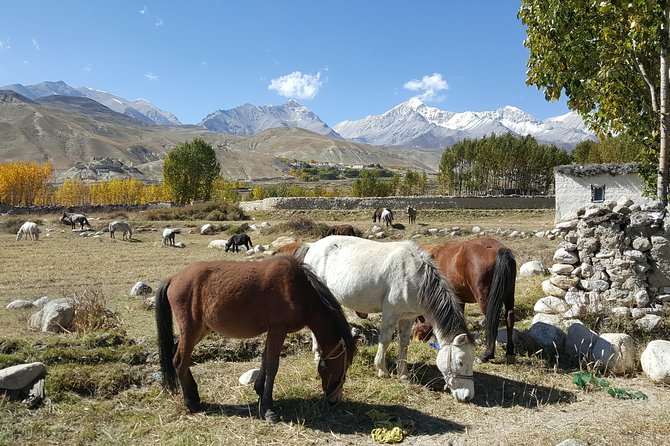
On Day 4, you take a short scenic flight from Pokhara to Jomsom, then trek to Kagbeni for about 3–4 hours. Kagbeni is a first taste of Mustang’s vibe: compact settlements, stone walls, and the feeling that you’re moving deeper into a different world.
This day is also your first reality check for pacing. The route is shorter than later days, but you’ll start feeling altitude and dust more quickly than you might expect. I like Kagbeni as a staging point because you get time to explore the village and an ancient Buddhist monastery in the evening, rather than spending your whole day in transit.
A practical tip for you: don’t treat Kagbeni as a “free afternoon.” Plan to sleep well, eat normally, and keep your water and layers organized. It’s easier to do that while you still have comfort and time.
Up Toward Lo-Manthang: Passes, Valleys, and Old Gompas
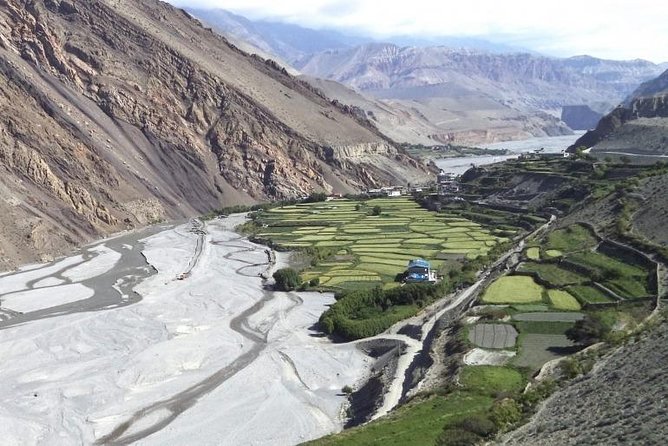
The middle stretch is where the trek becomes a real trek. Your route builds day by day from Kagbeni into Mustang’s walled cultural core.
Day 5 to 7: Tsaile, Tangbe, and the climb into the dry country
Day 5 takes you from Kagbeni to Tsaile in roughly 5–6 hours. You’ll pass through villages like Tangbe, Tetang, and Chhuksang, and you’ll have lunch at Chhuksang. This kind of village-to-village travel is valuable because it gives you breaks that feel connected to real settlements, not just checkpoints.
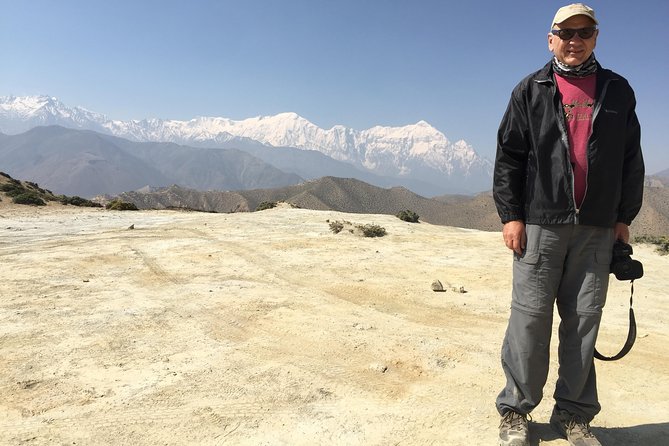
Day 6 is a longer day of effort: treeless, dry terrain; steep climbs; a ridge at around 3,800 m; and the big named moment of the day—Taklam La Pass (3,624 m). You also get wide mountain views of places named in the route plan, like Damodar Danda, Yakawa Kang, and Tilicho Peak. Day 6 ends at Ghiling, in front of whitewashed buildings.
Day 7 is a trek to Dhakmar. Along the way, you’re set up to see Himalayan views and visit ancient Buddhist monasteries. This is one of those days where the “work” feels easier because the sights are constant. Just don’t underestimate how cumulative fatigue becomes. At this altitude, a few hours can feel longer than expected.
Day 8 to 11: The arrival and three festival days
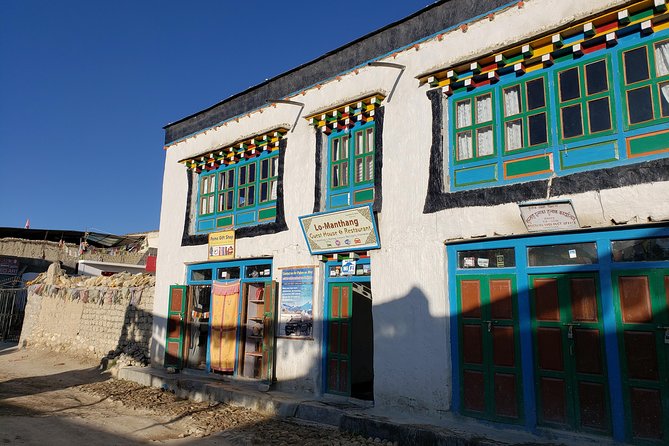
Day 8 is the big arrival day toward Lo-Manthang. Your trail passes through villages, ascends toward a windy pass around 3,850 m, and then you get views over the walled city of Lo-Manthang. This moment matters because it visually confirms what you’re chasing: this isn’t just another trek stop. It’s the destination.
Day 9 begins with exploring Lo-Manthang, then—after lunch—your first Tiji festival day with rituals and monk performances. Day 10 follows with monastery stops including Namgyal Gompa, Choedhe Gompa, and then Tingkhar. After lunch you’re back at the festival for the second day, with an evening focused on meeting local people and understanding their culture and tradition.
Day 11 shifts slightly into a history-and-faith mode: you trek to Chhosar Cave, described as having 44 living rooms, then visit older Buddhist monasteries. You return to Lo-Manthang and finish with the third and final day of the Tiji festival.
What I like about how this is arranged: it doesn’t treat the festival as a one-off show. It pairs ceremonies with site visits and community time. That’s how you avoid the “I saw it once” feeling.
The Return Route: Dhakmar Back, Dust Management, and Chhuksang
The trek doesn’t end when the festival ends. Days 12 to 14 shift gears into your return journey with different paths than your outbound legs.
Day 12 takes you back to Dhakmar via Gyakar village, where you’ll find the Ghar Gompa, known for its rock paintings. There’s also a local belief tied to making wishes at the gompa. I like including this kind of detail because it’s practical for you as a visitor: when you’re at a site like this, you’ll understand it as part of lived belief, not just an artifact.
Day 13 goes from Dhakmar to Ghiling. The plan notes dusty wind at daytime, so you’ll want to explore villages and hike in the morning and evening. That’s real-world guidance, and it affects your comfort more than people expect. If you plan to take photos, plan for morning light and keep your lenses and face protected.
Day 14 moves toward Chhuksang. You’ll visit salt mine at Chhuksang, which adds an everyday economy angle to the trip. Not everything in Mustang is ceremonies and monasteries; you’re also seeing how people earn their living.
From Muktinath to Jomsom: A Sacred Finish and a Walking Day
Day 15 brings you to Muktinath Temple, described as holy to Hindus where pilgrims from Nepal and India come daily. From Muktinath, you get stunning Himalayan views. This day gives you a change from the Buddhist monastery focus, which helps balance what you’ve seen so far.
Day 16 is a walk through the bank of the Kali Gandaki River—and this is your “easier leg” day. The trail is described as flat down, with about 5–6 hours of walking and views of Mount Dhaulagiri and Mount Nilgiri. You finish in Jomsom to connect by flight.
Day 17 returns you to Kathmandu via flight: first to Pokhara, then onward to Kathmandu. You cap the trip with a farewell dinner and Nepali cultural dance program, which is a nice way to close the loop after days of ceremony and altitude.
Day 18 finishes with a transfer to the international airport.
Who This Trek Fits Best (and Who Should Think Twice)
This trek is built for people with a moderate physical fitness level and comfort with high-altitude trekking days. If you know you can handle long walks, climbs to higher passes, and early mornings, you’ll likely love this route.
It’s also a strong fit if you care about culture and timing. The festival portion is central, and the itinerary keeps you in Lo-Manthang for the three festival days rather than treating the city as a quick stop.
If you get wiped out quickly by wind and dust or you prefer fully comfortable, low-effort hikes, this may feel like a lot. Even with flights handling the long transfers, the trek itself still includes meaningful elevation work like Taklam La Pass and the windy pass near 3,850 m.
One more note from a logistics standpoint: this is a private tour/activity, meaning only your group participates. That can feel calmer and more flexible, but it also means your own group needs to stick to the plan and communicate your pace honestly.
Practical Tips That Will Help You Enjoy It More
A few things I’d plan around if you’re booking this Upper Mustang Tiji Festival trek:
- Layer for wind. Mustang can feel dry and exposed, especially at passes and windy sections. Bring a real warm layer, not just a light top.
- Protect from dust. The route explicitly points out dusty wind during daytime around Ghiling. A buff or face cover can save your throat and camera.
- Keep your festival focus. Festival days happen after breakfast and lunch in the schedule. Plan for timing that may keep you from a relaxed, spontaneous day. When you’re there, you’ll want to be present.
- Use the city days well. Kathmandu sightseeing packs in major sites. If you hate big-days with minimal downtime, you might want to pace yourself with breaks rather than rushing every stop.
On the human side, this operator has been credited for organization and professional courtesy in past experiences, with people specifically thanking names like Mukesh, Samsher, and a guide Tsering (plus a prepared driver). That’s a good sign if you value smooth logistics when you’re headed into a remote area.
Should You Book Upper Mustang Tiji Festival Trek 2024?
If you want an Upper Mustang experience that’s about more than photo stops, this is a good choice. You’re paying for access, timing, and structure: restricted permit coverage, festival days in Lo-Manthang, and trek meals that keep you moving without constant budgeting decisions.
I’d especially recommend it if you’re traveling for Tiji and you like the idea of combining ceremonies with monastery visits and a thoughtful route back through villages and sites like Ghar Gompa and Chhosar Cave.
You should think twice if you’re unsure about high-altitude trekking or you prefer low-wind, low-dust routes. This trip is built for hikers who want real distance and real effort, with festival payoff as the main reason to go.
If you book, do one key homework step: confirm what’s included for your lodging during the trekking days (the provided inclusions list doesn’t spell out guest accommodation details clearly). Once that’s clear, the rest of the plan looks well thought out for getting you to Lo-Manthang at the right time.
FAQ
Where does the tour start?
The meeting point is Tribhuvan International Airport (Ring Rd, Kathmandu, Nepal). The listed start time is 6:15 am.
How long is the trek?
The duration is listed as 18 days (approx.).
What is the cost per person?
The price is $2,500.00 per person.
Is airport pickup included?
Pickup is offered, and you’ll be met at Tribhuwan International airport upon arrival for a transfer to your pre-booked hotel.
Are Upper Mustang restricted-area permits included?
Yes. The Upper Mustang restricted area permit fee is included.
Are flights included?
Yes. The package includes Kathmandu–Pokhara–Kathmandu flights and Pokhara–Jomsom–Pokhara flights.
What meals are included?
During the trek, breakfast, lunch, and dinner are included. Lunch and dinner in Kathmandu and Pokhara are not included, and personal expenses are also not included.
Do I need a certain fitness level?
The tour notes that travelers should have a moderate physical fitness level.
What is the cancellation policy for a full refund?
You can cancel up to 3 days in advance for a full refund. For a full refund, you must cancel at least 3 full days before the experience’s start time.